






![The Pre-Production Process in Film Explained [Stages of Filmmaking, Ep 2]](https://i.ytimg.com/vi_webp/U6I1tMgjW-I/maxresdefault.webp)


![[이동진, 김중혁의 영화당 #20] 100%의 알프레드 히치콕에 대하여 (이창, 현기증)](https://i.ytimg.com/vi_webp/2slqLyQpNtc/maxresdefault.webp)




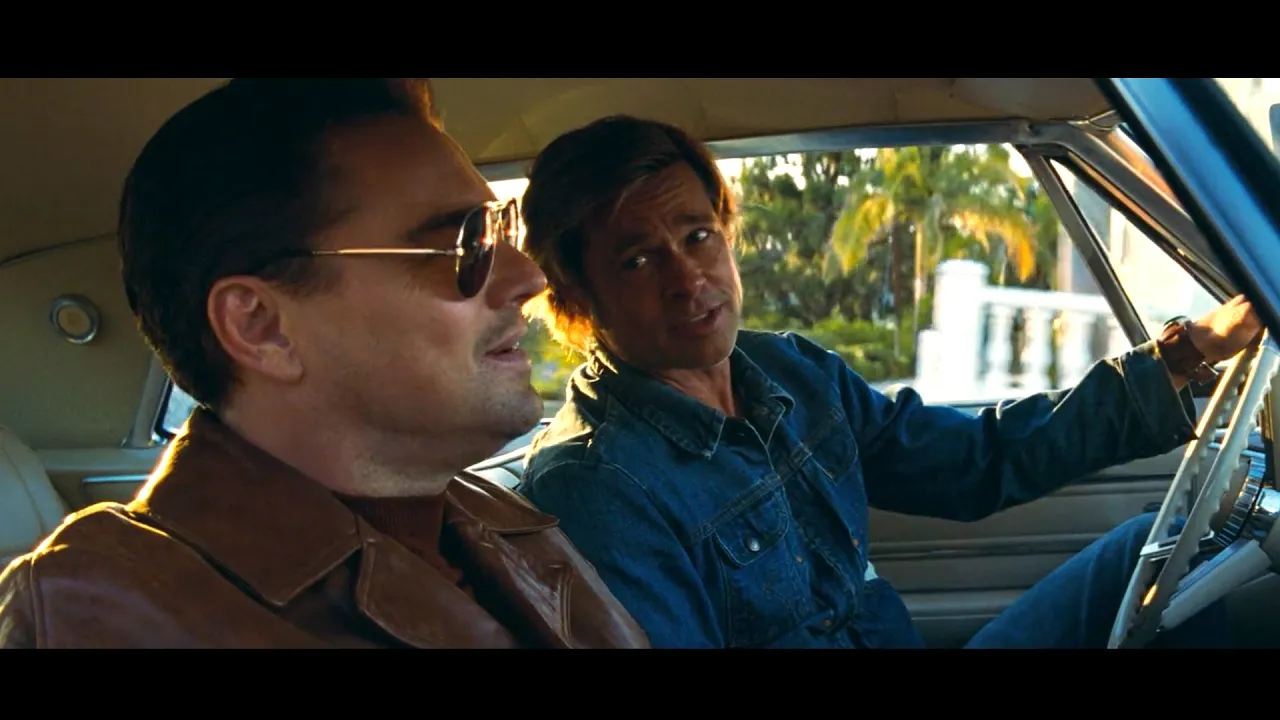
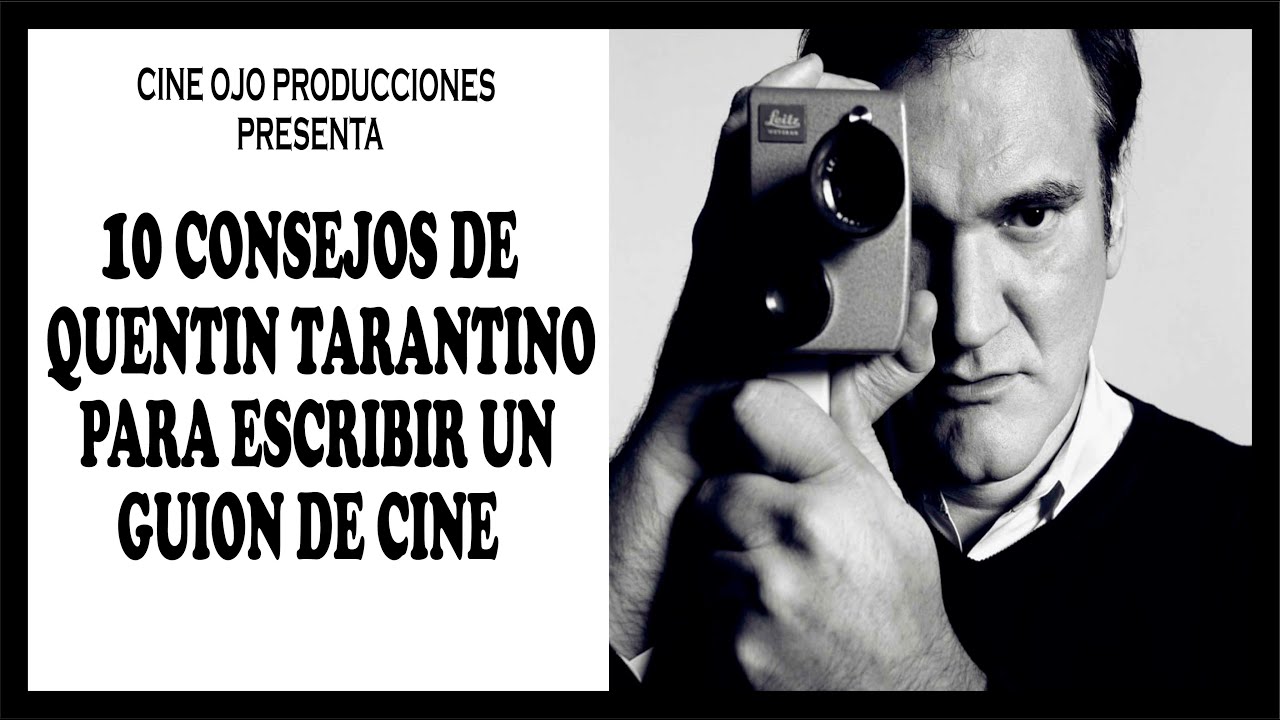





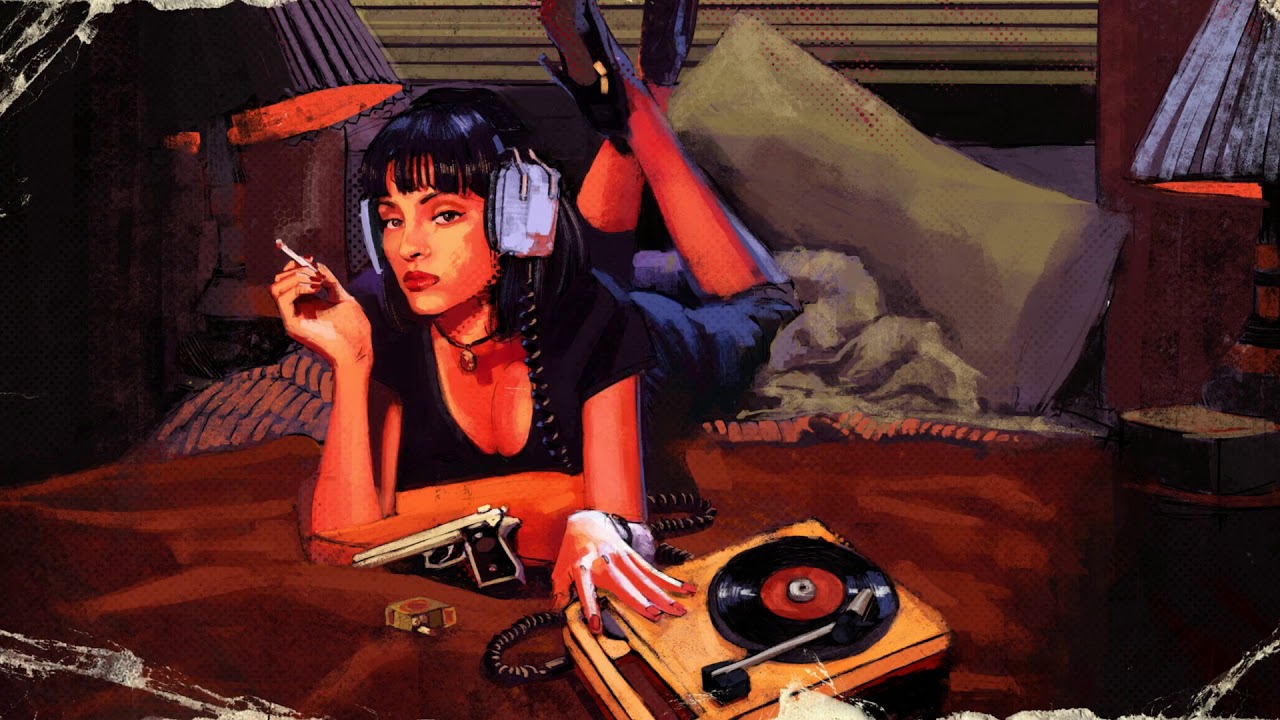
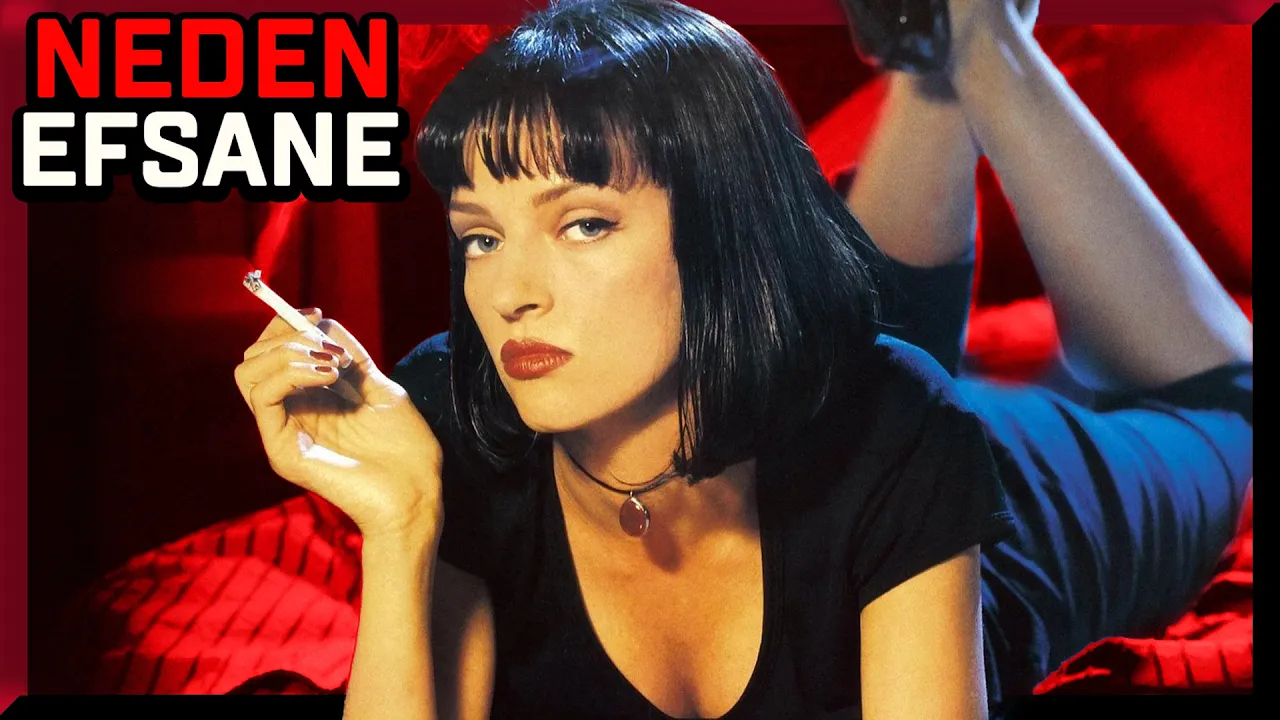
Quentin Tarantino discusses his journey from a child taken to movies by his mother in the late 1960s to becoming a defining filmmaker of the New Hollywood era, explaining how his personal experiences shaped his approach to film criticism and storytelling. He reveals that his book 'Cinema Speculation' evolved from a planned film analysis project into an autobiographical exploration of his childhood movie-going experiences, coinciding with the revolutionary period of American cinema. Tarantino shares behind-the-scenes stories of casting decisions for Pulp Fiction, including his strategic approach to securing actors like Bruce Willis and John Travolta, and discusses his philosophy on film criticism, genre preferences, and his plans for a final film, emphasizing his commitment to maintaining creative integrity throughout his career.
Quentin Tarantino on Filmmaking, Cinema Speculation & Movie History
Added:I have written a TV show I've written Eight Episodes all right of a limited series this is breaking news yeah it is breaking news holy [ __ ] you just put the failure agents are jerking off right now in the other room they're like he does yeah 100 percent well you guys know he's had uh quintuple bypass he had his uh kidney transplant I know he just got um his uh uh what are they called when when you you're amputated you get the Prosthetics they're fit in for him now um so Bert I hope all that is going well sitting in forbert today is our good buddy uh Quentin Tarantino oh thank you thank you for sitting in for bird man all right but you mean the Hitler guy the Hitler guy yeah yeah exactly I'm sitting in his seat his ass print is molding yeah yeah his ass might be a little bigger than that I think it's much bigger than yours um real I also want to point out you have a new book out Cinema speculation I know I told you I have begun the audiobook I think I might switch your stock run way down when you said that yeah so it wasn't the really best way to say hello sorry I just want to let you know that I was actually consuming that material I appreciate it um you know you like movies so much you make me feel like I maybe don't like movies that's like I always thought I like movies and I hear you talking I'm like what the [ __ ] man but you were exposed to like such a I mean this book is like a dive into your you know your how you've how I grew up grew up um because everybody I think fans of you of of movies in general kind of knew the story of Quentin worked in a video store yeah yeah and he really likes movies and then we and I've seen you in interviews site you you know refer to other movies from the past like it was clear that you were a real fast yeah a cinephile but this gets you in from like the beginning like how how you as a kid you were being taken by your mother and going movies all the time well it was interesting because when I first came up with the idea to write the book The idea was more or less just uh um uh a book of film analysis so I would pick a you know my idea I thought was like I pick a few films and then I would write about them and uh that was that was just kind of more or less uh the idea I wasn't expecting it to be quite as autobiographical as as it became but I figured it would be autobiographical to some degree yeah because if you're writing about movies personally then you end up telling about yourself in it I mean one of my favorite critics is Pauline kale and they asked her uh would she ever write her autobiographies and she goes no I've written my autobiography in every one of my reviews it's just kind of spread out oh interesting so I kind of figured that would be the case but then I ended up writing the first chapter and I think that was my attempt to try to write a an introduction to the book and which you know uh details uh you know me and 69 70 71 being taken to a bunch of these new Hollywood films by my parents when uh you know I was seven and eight and nine and when I finished that chapter it was like I was aware and everything okay well that's a that's a pretty good chapter all right that's not an introduction that's that's chapter one yeah and then once I wrote that chapter I realized okay this is the book now this is the book now I'm gonna still I'm gonna still continue on doing uh uh uh uh writing about different films but now all of a sudden it had a structure sure that it didn't have before they all had to be movie you know since I was writing about having seen uh seen them at a young age um they all had uh all the movies I wrote about I had to have seen then right I had to have seen in the seven not something you saw later yeah nothing I discovered later yeah down the line you know and whether or not I you know whether or not I discuss what it was like seeing it at 12 or 13 or 15. uh you know that remains to be seen all right but they all had to come from that area and they all had I had I had to see it from there and uh and that kind of became the umbilical cord that carried through the book leading to the last chapter which is like the first chapter another autobiographical movie watching thing that kind of takes me up to that point right in my life yeah I mean it's like you you're you have like this um Savant like ability I think when you talk about films like you can just cite movies and like I think I don't know you growing up in this time frame was the probably the best thing for the filmmaker that we know today right oh yeah absolutely I mean if it was a different era you'd be a different guy yeah no no no no I'm uh absolutely and there also is just this kind of really neat thing about the fact that um you know if you go through the the timeline of uh of Mark Harris's book which is pictures of the Revolution that kind of talked about the beginning of new Hollywood it kind of officially starting even though old Hollywood still was dominant in 67 with the graduate and and Bonnie and Clyde and those movies coming out in the Heat of the Night uh so if that's the beginning of the Revolution and 68 and 69 are the are the years that the Revolutionary War Between old Hollywood and new Hollywood was fought then 1970 would be the year that the Revolution was won well that all coincides with me first going to the movies right my very first experience going into the movies so my first you know just me even knowing what a movie is and just kind of putting it all together is coinciding with like the greatest period of of motion pictures in the history of the of America yeah yeah now I heard you because I heard you do this phenomenal breakdown of like why I believe 80s movies yeah sucked and then we got but what especially by comparison by comparison yes what's your analysis of or your thought on current state of Cinema it makes the 80s look [ __ ] crazy I'm so happy that as terrible as the 80s was now we never had it so Good by comparison yeah I mean like most things come out you're like this is dog [ __ ] I know we can't like [ __ ] on everybody who works on every film because even though that'd be fun but there's so many bad movies like movies are so bad well you know it it's uh uh yeah I only look I and I'm not gonna um yeah I'm I'm not here as a filmmaker to throw anything at any current any current movies but uh no it does seem like we're live we're living um we're living through another uh repressive time when it comes to cinema uh you know the first really big repressive time was the 50s then we skipped the generation with the 60s even the first half of the 60s was basically just the 50s part two uh you know but then we got the 70s and then the pendulum had to swing again right for the 80s and then this pendulum swung the other way again for the 90s I mean who I mean I lived through them 90s making movies in the 90s I didn't consider the 90s the 70s part two but it was it was it was well in retrospect it absolutely was I didn't think about it then right um and then uh uh and you know now the pendulum has has swung this way again uh so there's I'm just waiting for the pendulum to swing back too yeah me too you know I just as a fan uh yeah uh this is I have to ask you about because I'm a like I said a fan um so one thing I never had you know I always loved so much in your movies is your writing like just like how you know dialogue and the stories they're so original and they're so fun and you know I saw Pulp Fiction when it came out in in theaters and I was in [ __ ] I don't know I think I was a freshman and I was 14 and you're like oh my God this is crazy a freshman in high school yes in high school um and one thing I was always curious about was what was the reception of that script like originally when you like was it celebrated as a oh my God like they could they see what this movie would be or was it like this is a crazy dude you know like yeah um uh no uh no it wasn't actually uh it wasn't celebrated or it wasn't it was it it uh it it wasn't the situation where like the whole industry was like oh my God this is the greatest thing ever okay okay uh and they're lining up to do it uh because a matter of fact it was uh we had uh a deal to make the movie at TriStar at the time because I did it through Danny DeVito's uh uh production company uh Jersey films and they had a setup situation at uh at TriStar and so um you know and they paid me a lot of money to write the script so uh I hand in the script and then uh Mike metavoy and all his uh TriStar Executives and then the uh uh the Danny DeVito Jersey films Executives we all get together to have a big meeting about us so we're in this big conference room and whatever and it becomes fairly clear my metaphor is not really into it really yeah yeah and uh but you know to give him uh um uh to explain explain it with him a little bit which by the way uh was sort of uh throwing me a bit for a loop for the simple fact that you know I wanted to work of all the studios he was the one that I wanted to work with that I maybe trusted the studio the most because Mike medeval used to run Orion and I loved the history of Orion movies I thought they were fantastic and you know I thought he was really uh uh um you know he was I I thought he was a great executive and he was a great executive all right but it was towards the end of his little tenure but the thing about it though was uh uh he had just gone to like a retreat that Bill Clinton was having with people in in Hollywood and the media and pop culture I might be misrepresenting this slightly but but it was something like that okay and Clinton was haranguing the Hollywood people about the violence in movies oh boy yeah yeah he was haranguing them about the violence in movies he was haranguing them about a permissive drug use and then just I mean frankly it's [ __ ] strange all right you know all the things you would imagine the right wing would be harangue okay Clinton was guilting uh uh uh Hey guys let's tone it down yeah all his big Hollywood supporters about this and like I think like really kind of scolding them so Mike medevoy comes back from that and reads Pulp Fiction that's perfect yes so he's just sort of you know he's kind of not yeah down with the whole thing okay you know and then none of his Yes Men or yes women are are are are are disagreeing to him or disagreeing with him and so I remember the conversation and this is not the Groupon we're you know we're we're friendly whenever we bump into each other I'm glad it worked out the way it worked out um but the thing about it though is I remember uh one of the things is uh so he's he's going through a list yeah of the grueling things or what he considers the grueling things in the movie there's quite a few of those if that's your criteria yeah so he's going through you know and so I mean he's describe it sounds like he's describing Ken Russell's the Devils or something I mean you know not this comedy all right that I wrote yeah and um so when he gets to the end of it you know uh I go whoa Mike did you think it was funny it goes well what do you mean it's a comedy did you think it was funny what well I I guess a little you know I go well it's comedy man and then we go we talk a little bit more in a little bit more and he goes well you know Clinton you say it's a comedy uh and I'm watching the lead character shoot up heroine and I really doubt that the audience is gonna think that that that that that that's funny and I'm like well maybe not that moment but I guarantee you people are gonna laugh this is a I'm guaranteeing you yeah this will get like not that moment right even though that actually moment does get allowed sure where you get when John gets that smile yeah you know on his face you know the heroine's working the whole audience Giggles sure at that point but it was just like you know he just didn't get it he didn't get it he didn't get it but but you know but you know I have to say though there was an interesting thing though there was something I was always curious about and I give him credit for giving me the answer to this there was something I was always curious about and I was able to to finally ask somebody who knew who could give me the right kind of answer and and he and uh uh and he and he gave me the answer um even if it made him look a little bad he gave me the he gave me the honest answer so one of the things is like I think on the internet there's a thing floating around about uh uh my wish list of the cast Okay Pulp Fiction okay it's kind of floating around as uh and it it's not um it uh it's not that's not really what it was uh this list that's floating around what that was I remember my agent telling me okay well here's the thing Quinn what you want to do is you want the studio to sign off on the things that you want okay so if they sign off on it then you know anything on that list you have permission to do now if they don't sign out of it then you have to negotiate and you have to talk to them about it but anything like that but anything that they finally agree to you're good with so then I took a you know and I didn't know exactly who I wanted to play this part or that part or this part or that part and so uh you know so I wrote a giant list with a ton of names I wanted to get them all pre-approved sure and I didn't know if it's gonna work out if I would like Vibe with the person or if they would even do a good job but I wanted to get them approved so in case I did you know and this is an ambitious list right it's your second film yeah yeah exactly so it's ambitious that who you ended up doing it without even knowing what your list was yeah yeah and but you know so it's kind of all over the place but that was kind of the idea I wanted to be able to explore it and go all over the place but then I'm also really uh um very opinionated so it's sort of like something like a uh um I think for like for pumpkin and honey bunny for instance I think it was one of those things where uh okay so for pumpkin we will offer the movie to Tim Roth if Tim Roth turns it down we will offer it to Christian Slater and this is how you're pitch you're telling them this oh yeah that's actually it's written on the list and if we uh uh uh and if he turns it down we will offer it to Johnny Depp and I think it was the same thing with uh uh Alabama so you know we will offer it to Amanda Plummer if she turns it down we'll offer it to uh uh Patricia Arquette blah blah anyway so um is it considered at the time are you shooting too high or is it like perfectly normal for you to be targeting these this Talent at the time no yeah yeah I mean the uh no they could have done it it's perfectly reasonable no I wouldn't know it was I was I was a little hip cat this episode is sponsored by established titles established titles is a fun and novel way to preserve the natural Woodlands of Scotland while helping Global reforestation efforts it's a Project based on a historic Scottish custom where landowners are referred to as lairs or Lords and Ladies in English title packs give you at least one square foot of dedicated land with a unique plot number on a private estate in edelston Scotland and an official certificate with a Crest you could officially include the title of Lord or lady on your credit card plane tickets dating profiles that is such a flex you're insane not to do it it makes a great last minute gift as well the first 200 people purchasing a title pack using my link will effectively be next to my plot within a few minutes of walking distance depending on how many of you want to become a lord or a lady we can build our little two bears Kingdom it makes an amazing last minute gift established titles is actually running a massive Black Friday sale right now and if you use the code two bears you get an additional ten percent off go to establishtitles.com the number two the word Bears to get your gift now and help support the channel this podcast is supported by kamikoto knives kamikoto makes great Japanese steel kitchen knives using traditional techniques from Japan kamikota Builds on the legacy of over 800 years of Japanese technology and expertise in creating the steel to make knives that have been meticulously handcrafted from using traditional techniques that date back to the Edo period of Japan these things are beautiful you can feel the quality you can feel that this is what a knife is supposed to feel like the knives are made with high quality Japanese steel using traditional techniques each knife is individually inspected and comes with a lifetime guarantee they're used by Michelin star chefs all over the world and now they come in heavy duty Ash wood box which makes it a great present especially with Christmas coming up kamikoto is running a massive Black Friday sale right now and is offering our viewers an extra 50 off any purchase with the discount code two bears go to comicodo.com the number two the word bears and help support the channel okay after Reservoir okay well yeah factors we're really looking so yeah it was reasonable no no no I could no it no if I you know uh especially if I was offering him the uh the John Travolta robe sure uh uh Johnny Depp would have what you know would have totally read the script yeah and I'm not saying he would have said yes right you know but uh they would have considered it sure okay and so um uh anyone else I'm working with the studio this is like a big studio all right I got a studio behind me this is not a little independent outfit so uh so uh uh Mike medevoy it's looking at the list and goes okay well let me just uh look at this list here what you say okay let me give you what how the order I would go I mean Tim Roth is a very fine actor and I know you just worked with them uh on Reservoir Dogs so I'm sure that there's a connection and a loyalty there however the order I would go in is we would offer it to Johnny Depp first and then if he turns it down then we would offer it to Christian Slater and if he turns it down I would find somebody else other than Tim Roth to offer it to and then if we can't do that then tin Roth and I go okay Mike let me ask you a question this is a question I've been dying because I've heard about I've heard these kind of stories before as far as Hollywood is concerned and I I've always had I've always had a question about this and maybe you can answer it do you think Johnny Depp playing the role of pumpkin in this movie which is the opening scene and the closing scene that's it do you think that will add that much to the box office take him playing that role and Mike medevoy said it won't add a dime it would make me feel better though and that's summarizes how most Studio executives are yeah essentially yeah it's like oh we're doing chancy material however if I get these big name actors then I'll design a board okay well that's a a a uh that gives us something to sell yeah that gives us something to sell and also we have Compadres yeah on this there they like it they're responding to it they give us a bit of cover yeah and then I get to as the studio executive I get to go well I did a pretty reasonable thing that's not that and that's exactly yeah if it all blows up hey I did my best yeah I got Johnny Depp yeah I got Johnny Depp I got so I got Patricia Arquette I got Jennifer Jason Lee doing this thing you know I mean I I covered my ass the best I could how was um casting because I've always I mean you know the film is obviously incredible film uh Bruce Willis yeah he's so he's great he's so great in it um was that was it like a he read it just yes or was it like uh well that was an interestingly no that that was a that ended up being a very interesting story I mean we weren't going out to Bruce Willis I mean that just seemed I mean especially at that time he was one of the top five if not even three biggest stars in the world yeah it's a surprise when he like when you first see the film you're like Bruce Willis isn't it like you know you get shocked almost absolutely you know and yeah I mean he was definitely popular in America but I mean you go to Korea or they're like no he's he's the man he's the man yeah and so um what happened was uh foreign wrote the part from Matt Dillon because Matt Dillon was a was a fan of my script for Reservoir Dogs and and part of the thing though I said okay so try Stars long long since gone we've made the deal with Miramax and part of the thing about marimax was what was the deal uh uh uh we needed we have an ensemble cast but we needed a Miramax a one one at least one approved if not two approved Miramax actors okay in the cast and then from that point on okay you can cast anybody you want as long as they had one of their you know uh somebody they considered a name that they could sell and so Matt Dillon kind of fell into the name category that they would they would accept okay so uh so I wrote it from Matt and it kind of seemed like it was gonna be easy peasy getting him but uh he read it and he he wasn't so sure he wasn't so sure he wasn't so sure about it he liked it but he wasn't quite so sure he was disturbed by the fact that there wasn't actually like he wanted to see Butch actually boxing you know he was really uh I want to see the fight um and and there's even a little bit maybe he didn't a hundred percent get it all right um um but uh and I think oh oh and this happened a lot okay and he didn't want to play that part he wanted to play the Vincent character oh okay all right um that was that that was almost all the way down the line anytime I offered somebody apart they wanted to play with somebody else sure um and so um so he didn't say no but he didn't say yes so so he still has to think about it okay and that was a little scary because I thought I had I thought he was in the back right and with him in the bag I had I had to go movie okay and now all of a sudden I didn't have such a good movie anymore all right so I'm like holy [ __ ] so in anyway in the meantime uh Harvey cattell who's in the movie uh and he was one of the guys so I had him uh it was you know he was shooting in town when he was shooting in town he'd usually uh uh rent a house in Malibu and so he would invite friends to come over for the weekend and and hang out Jesus and uh so like I came over and I'm hanging out at at Harvey's place and then well it turns out that Bruce Willis was only living about three or four or five houses down the way okay and so I come over to Harvey's and I'm there and and some other people are there and there's Bruce Willis I've never met him before and it turns out he is a huge fan of Reservoir Dogs okay huge fan man like like he goes like if I had red Reservoir Dogs I would have been in Reservoir Dogs I would I would have agreed to do it you know um and because as well as one of my favorite me and my buddies watch it a bunch of times we know the dialogue by heart we do the dialogue with each other wow that's amazing yeah and I think it was one of those situations where uh uh he told Harvey that you know some time earlier you know earlier a couple days earlier and goes well you should look at a uh uh Quinn's got a new script out there might be something he might like in it and then he's gonna be coming by on Sunday you know to hang out so if you want to say hello to him you know that would be a good time and that's exactly what Bruce did so Bruce called up his agent hey get me that damn uh Tarantino script I want to read it so little did I know he had already read poke fiction by the time I show up at Harvey's House that Sunday and so we're all having a good time and we're all talking and then he goes uh Clinton uh take a walk with me um I'm gonna take you to my house I want to introduce you to Demi all right let's take a walk to my place so we're taking a nice walk along the beach because so look I uh I'll write your script what Reservoir doc no no no the new one Pulp Fiction wow I mean that blew my mind yeah all right and uh and goes um yeah so uh um uh I want to play Vincent because I want to play Vince I go well uh I kind of have a John Travolta uh set up to play for for Vincent and um and so he goes oh well John's Great John's terrific John's good John's good uh so we keep talking a little bit more and goes okay well here's the deal then um okay John is a good Vincent and I wouldn't want to [ __ ] him up all right so okay uh his agent Ladle tried to throw his John Travolta under the bus all right he didn't all right yeah I think even about even remember what his Asians he goes okay Quinn um I just want to just put this out to you that uh when you're moving comes out the last movie Bruce will have done that will be released and he named some big Bruce Willis movie that like grossed 300 million dollars or something that will be the last movie that Bruce had done when your movie comes out the last movie the star of your movie John Travolta will have done will be Look Who's Talking three I'm just saying I mean he's not a bad agent yeah yeah that's what they do man so uh um so then all of a sudden Bruce goes uh uh I guess okay well how about this um what if I play Jewels and I go well obviously because look I know he's black I know he's black face paint uh yeah uh yeah the Sam Rings the the Sam Jackson Sam Jackson I'm saying face painting yeah yeah he goes look I know the character is black but but uh you know but it's more like just you know but he could just be a hipster dude you know sure and I I could do that dialogue because like that's the kind of that's the way me and my friends talk with each other sure you know uh uh so you could make him a white guy and I could just be this hipster dude with John and and I'm telling you that the the you know you know uh yeah that's the way Bruno talks all right Bruno talks like that cars sell for this part man yeah and Okay so and that was the real hard decision well so that's real pressure at that time I mean for you right because you have we have one of the top three movie stars in the world being like I will do this yes exactly exactly and it's like you're like I've already said no once before yeah to push somebody else and now he's offering me one more bite of the Apple to get his full attention and his full commitment to this movie and the movie needs it I mean it's just you know it's like winning the [ __ ] Lottery yeah getting but it's not right it's just not right you know and I told him that well you know the part that would be fantastic for you is is Butch so then finally I go okay well let me think okay that would be a big big change let me think about it let me think about it and let me call you tomorrow okay so I think about it all night long and finally I realize look it I I just can't make I can't do it so I call them up and I tell them and I'm kind of telling him how it's not going to work and he goes hey Quinn it's all okay let me take you off the hook I get it I understand you wrote the character for a black guy you want a black guy I get it I get it I go okay but you know Bruce yes but I think you should be in this movie you you understand it you get the script you get my sense of humor I think you should be in the movie Now You you naturally were attracted to the Vincent character and then you were naturally attracted to the jewels character there is a third lead here that I think you would be perfect for and one of the reasons I think you would be perfect for Butch is I see him as like a 50s leading man I mean he could be a star from a 50s movie yeah and like the actors that I think of when I think of uh uh the character of Butch is more like actors from the 50s like a Ralph Meeker or an Aldo Ray or a Brian Keith or somebody like that I would ask you you've had your mind set on other people on other characters I would just ask you to read the script one more time with the idea of you playing Butch and if you don't respond fine but I would just ask you to read it one more time with the other characters out of your head and with that character on your plate and then if you and if if you don't respond you don't respond and he goes okay I'll do that I can do that I'll do that tonight come in tomorrow and so he did that and then I called him the next day and he said Quentin the shortest sentence in the Bible is Jesus wept the shortest sentence in Hollywood is I'm in and I'm in wow dude that's an awesome story hey he was a great guy his he is a great guy yeah that's a wow what an incredible get for that it was it opened up everything it opened up everything and I mean you know especially how successful the movie ended up being overseas sure that is a direct result of Bruce Willis what were you dialed in I know you've been asked but I don't know how are you dialed in on Travolta for Vincent why what like how was that clear to you oh it's just always a big fan you're just always no I thought it was I thought it was a damn shame that he wasn't as big a star as he was as as he used to be yeah I thought Hollywood was full of [ __ ] all right for not understanding it and it was even one of those things where it was like uh foreign at that time John Travolta was kind of almost the epitome of you know I guess wait you would cruelly call a has been but then I would go out with him and people would lose their [ __ ] minds we would walk and we walked down the street and people like you know drive down hey Johnny hey barbarino you know they would just like screen [ __ ] at him all the time as he as we're walking down like La Cienega or something yeah I I took him to like Ed to bevix because I go oh this is kind of as close to uh Jackrabbit Slims kind of places that exists so you just get an idea of what these weird places or at least 50s with these weird 50s joints are like and I take him in there the whole restaurant just lost their [ __ ] mind they actually had to put us into another section of the restaurant and keep everybody away yeah and then even like walking outside like some Taurus family were like ah just it was it was crazy and it was just like this guy's a superstar it's only stupid Hollywood who doesn't realize it yeah the public absolutely thinks he's a star just put him in something worth seeing and they'll go wow so you man that's incredible that you could see it yeah um all right this is one where I um I love this these these two little details in the scene and I wonder if there was an origin for this and that is in in glorious bastards there's there's this uh character who he has he's I think he's supposed to be English and he has German parents yeah yeah so he speaks fluent German albeit with a subtle accent and the reason I think that this resonates so much with me is when you have a foreign parent your ear gets tuned to these little details about accents yeah yeah that that people with an untrained ear don't like even like if you if you don't have a four like in other words if you're American you speak English you can hear somebody speak English and go like where are you from like I have a friend you know who he um one of the first times we spoke and I met him there's Michael um and we're we're talking and I was like where are you from and he says so he says like you know Washington or something I'm like you're from Washington look at your accent so strange he's like well I was born in Estonia and I came over when I was 10. I was like well yeah man that's why you learn to talk yeah yeah that's what you don't know that your accent's [ __ ] weird as [ __ ] when you talk yeah so in the movie what yeah I don't think I don't think uh Archie hickok's accent is weird no no it's not it's not it's just not as dramatic as the Nazis I was just I was making the point about my friend the holidays are just around the corner you're looking for a good gift idea that your parents or in-laws will genuinely love for a really special gift for the special people in your life you've got to check out the Skylight frame Skylight frame is a photo frame you can update instantly by email from anywhere you know how much old people are blown away by that they're just in app they're just absolutely astonished when technology does something in the moment so you could really blow them away with this gift it sets up so quickly under 60 seconds you plug it in use a touch screen to connect your wireless network and boom you have an old person's mind blown up in front of you it's Timeless black frame with a white mat adds a beautiful touch to your home 100 satisfaction guaranteed if you don't love your Skylight they'll give you a full refund I have seen a number of the elderly people in my family pass out just seeing a gift like this on the wall there's a picture now as a special offer you can get 15 off your purchase of a skylight frame when you go to skylightframe.com enter the code Bears that's right get 15 off your purchase of a skylight frame just go to skylightframe.com enter the code b-e-a-r-s that's s-k-y-l-i-g-h-t-f-r-a-m-e.com the promo code is Bears the holidays are here and there's plenty of t-shirts here thanks to our sponsor true classic tees fellas we have the perfect gift for your wish list true classic tees are a gift for you for her and a great present for any guy in your life I have spent a lot of time trying to find a great t-shirt and I am not kidding you these are the best ones the best cut the best fit the best feel you feel like you're wearing custom-made t-shirts true classic has already helped over 2 million men look great in their teas and now you can save big while you do so get 25 off true classic my exclusive link trueclassic.com Bears and the discount doesn't stop there you'll save even more during their site-wide sales support our show check them out at trueclassic.com Bears almost all men's t-shirts are designed to look good on certain body types well true Classics team design t-shirts to make the fellas of all sizes out there feel confident in their closing they taper off towards the bottom but they fit tighter around the chest and shoulders this is a desirable look that can be achieved by every body type for the Big Fellas out there they have long options for the tall guys and up to 3XL get 25 off at trueclassic.com Bears free shipping included on purchases over a hundred dollars that's 25 off at trueclassic.com b-e-a-r-s Santa won't be the only one slaying thanks to True classic but what I noticed as a a child of a foreign parent is that you really get dialed so like my mother speaks Spanish right she's from Peru and then you grow up and you start to note so like your ear gets tuned just people speaking Spanish yeah yeah right and you can start going you start identifying no yeah exactly the difference between Argentina absolutely Peru between Mexico and Cuba Cuba yeah and then you can start to note um how children of those parents house how good the child's Spanish in other words in my case the Spanish so you're really like oh yours is really off yours is really good but then your ear can pick up on just like the slightest little detail yeah and that theme of that scene like that it drives it fascinated me I was like oh this is like this is something I felt very much like I related to and I was wondering if the origin of it or what that was for you like why you dialed in on the fact that well it's just that's just the reality of what what the case would be but where I came up with that concept of that scene in the first place was uh I've seen a ton of World War II uh cloak and daggery kind of movies where some um uh we always see them we're like a couple Americans that speak German and speak apparently speak German perfectly yes all right and they put on Nazi uniforms and they go to they'd go to Nazi restaurants and they go to Nazi bars and they're able to hang out at a general General chateaus with other generals and yeah and uh have a good time completely pass themselves off no worries and we see that in Dirty Dozen with a Lee Marvin and Charles Bronson dressed up as uh officers go to that Chateau where all the other generals are hanging out and it's also uh you know really played up big and we're Eagles Dare because remember like Clint Eastwood and and uh Richard Burton are all dressed up as uh Nazi officers and they're just you know kicking it in German and selling everything now naturally them being American movies nobody's speaking German all right they're all speaking English and we're supposed to just know they're speaking German and and so what should be the most greatest element of suspense can they pull off the German yes inside of a room full of [ __ ] Nazi it's so great doesn't exist at all in these movies because well yeah uh uh English is German and of course they can speak English and that naturally there's never an issue about their accent but then to not you know but then to do it you know not with a German actor but with a guy doing german yes you know and then uh pulling it off or not pulling it off now that's a whole element of suspense that I've never seen played out in a movie before absolutely even though I've seen that scene like seemingly a hundred times sure I I love I love that because I think it's such an original take and it also like you know you you you get it there the other by the way this is not related to it but this is related to Accents and in your films um in uh in Kill Bill when you have Michael Parks playing Esteban yeah yeah I did not know that that wasn't a Mexican guy uh I mean he he was terrific but like I I appreciate it so much as an as an audience member yeah yeah watching this guy speak and you're like oh I wonder what Mexican guy this is yeah he's like so and then you realize Then Came Bronson man it's crazy because it also takes me out of other movies when you have um somebody half-assing the accent yeah yeah right on you know I'm like yo man this is terrible like it ruins the sea it ruins the whole dialogue I mean I was watching what was it House of Gucci they were like they're like doing Mamma Mia I haven't seen it so I'm not making fun of that movie but that's dog [ __ ] but he he uh but like the actors are like I mean they're all big actors but they're going like I am I I want this to work out I'm dad are you sick and like it's in the same scene you're just like yo man you just dropped the accent oh they did yeah you're just it's like the whole accent's just dropped I don't know Parks was unbelievable Bowl in that part well that's actually an interesting story about how that came about because you know Michael Parks is actually one of my favorite actors and I already cashed him in the movie he was a new place the Texas Ranger yeah yeah and um so we always have a big uh you know a big day in our movies is when I had the the script reading we all get together the actors have been cast we're getting ready to start production maybe in a couple of weeks and then we get together with the uh actors and we just all sit around a table and read the script and that's a very very important day for me because that's like the closest to me actually seeing the movie finished before I start shooting the movie because you get it get it I'll get it you know you you know the first time I've heard that heard the script with the actors that they're going to play the roles all kind of doing the thing I get a sense of the movie and um and so the thing is you have a bunch of actors and um maybe not everybody is there so like oh hey you take this role hey uh you read this one and um I had actually had cast Ricardo montalbon to play estimate to play Esteban and um and he couldn't make it so uh so when it uh so Michael was there because he was uh playing the Texas Ranger so he did the Texas Ranger overall and then I threw something else at him and threw something else at him and then I go hey Mike would you take would you play Esteban because yeah sure and he did such a fantastic Esteban at this table Yeah at this table read it was you know just stole the show it was just great and there also is this aspect as as wonderful as an actor as Michael Parks is he was always cast inside of his own Persona to wonder grenade you can take your own Persona a zillion different ways but he was never cast to be somebody completely different I mean like a complete other type of humanity than who he was and talk in a completely different way than the way he talked but here he was doing it and I always knew he was a fantastic actor that that would be this could be fantastic this he's never been he's never been given an opportunity to do a character like this yeah so we paid off uh Ricardo montemon and I uh I cast Michael instead that's gotta suck to get that call so bad well his ass should have been at the [ __ ] table yeah you know if he had some place better to be then uh well we have someplace better to be too and it's with Michael Parks [ __ ] yeah Michael Parks it wasn't Michael Parks wasn't too busy there you go um I worked I worked uh on a movie where I think it was like was it the hair guy I mean I love hair but that was in The Hair Chair or something and he was he I think he had done all he had been on all your films at that point and um so I was like oh what's it like to work on Clinton Phillips he goes he loves to shoot man he loves to shoot he said you guys were down I think shooting that for months longer which one uh the I think the Kill Bill whatever you filmed in Mexico okay yeah yeah but you love but you literally love to shoot but you love to shoot you shoot film you still do yeah yeah and does anybody else do that no yeah Christopher Nolan does you know um but it's just a handful right yeah it is a handful yeah it sounds like a handful of the highest levels yes exactly it's a handful of the best of the best so the best guys shoot on film yeah um that scene also by the way oh the other coolest [ __ ] thing about the pastor scene is the three films yeah it's such a cool little detail um that just did it just come about something you knew you'd see no I I heard I'd heard about it all right and go hey well that that's terrific and uh it was actually really funny because uh one of my makeup gals is um she's from Iceland Heba and uh she's been working with me for for God almost 20 years now uh anyway so she's reading in the script she got sent the script and she's reading it and she reads the whole thing and she's like you know so she's from Iceland so yeah they do it like this all right and she's like what the [ __ ] is he talking about and I don't get that you know so she uh she goes to her husband who's American she goes oh hold up three fingers and he goes like this [ __ ] he's right yeah it's it's so distinct yeah yeah it's something you never really think about it's something you never think about until somebody points somebody points it out it's such a cool thing um when you uh like there's a when you what's the um the Top Gun is gay yeah yeah yeah you wrote that yeah well me and me and my uh uh uh my buddy Roger Avery kind of I think Roger came up Roger did I don't think Roger did come up with it first but uh but back when we were video archives uh like we worked on it we we turned it into a routine it's because that we did on at parties we did it at parties we did it at at Gatherings it was just this routine feels like a stand it feels like stand-up yeah there's a whole routine that we did together and then um then I got uh I I was doing a cameo in this fun little movie that I was doing and I was just told to pretty much improvise something okay well I had that routine ready to go is so I just like did it and like that became a thing dude it's it's so good I mean it uh it reminded me in a way of of in in when in Reservoir Dogs when you go on about like a virgin yeah yeah yeah it's the same yeah it's in the same it's in the same vein and the same and it feels like you know as like a stand-up you go like oh this feels like a yeah a good bit a good way yeah that would that would definitely be part of my five minutes yeah um building up that good five minutes with that you'd Crush um I know this is probably a I mean I don't know if this is tired topic to you but you know like it there's so much made about like race when you when you like every time like if I go pitch now do you know they're like um who's this character and you're like that's the friend they're like are they Indian or something and you're like I I mean I don't know sure should they be and they're like it would be better um and you're like okay and if it feels like it's so that's not even new I mean there is a thing about it like we watch what was it I think you got mail I think it's you got mail all right so uh that's the Tom Hanks yeah Tom Hanks and uh Meg Ryan movie and he's like sort of like the uh the vice president of like Barnes and Noble or something like that but his best friend is Dave Chappelle yeah yeah where's the world where the vice president of Barnes and Noble's best friend is Dave Chappelle yeah and that's what makes but it's almost like back to that studio guy being like well I feel better yeah no it is what's exactly what that is yeah okay for different reasons right but it's this yeah but it still is a thing today where even when you like I said every time I've gone into pitch something they're like what like so this this person's Latin and this is Asian and like they're great now we're good to go and you're like yeah yeah like that well I don't have to play that [ __ ] no you don't have to do any of that [ __ ] um you feel like uh any of I mean I have a you know uh I'm actually quite known for writing my black characters all right but I'm not gonna you know but it's like well no if I wanted him to be black I would have made him black if I wanted him to be Mexican I would have made the character Mexican did you get pushed back then though about no no um and was was uh were Studio was it reset you already obviously a huge success with Django but was that literally like this is too much just too crazy no the studios were lined up they all wanted to do that they were fighting they were fighting for it fighting for it it wasn't it wasn't too no no it was they were fighting they were fighting to get it wow that's pretty rad um one thing I wanted to ask you too is that so I'm my favorite genre of films to watch like if like if we walk to a this the theater and like there's 10 movies out I'm always drawn towards Thrillers yeah yeah that's just what I enjoy the most yeah it's like my wife too she doesn't like horror movies but she loves Thrillers I love Thrillers um what is like a Quentin recommended you know couple Thrillers because I'm imagining I have definitely have not seen everything you've seen um that you would oh if you're gonna try and have me pick something that's like that's completely off the Beaten Track sure um okay I got one okay all right um I mean when you say that to me a thriller or you like the first things that come to my mind or something like Dressed to Kill or Fatal Attraction or something like that um but a cool one that's off the uh that you might not have seen that's a that's really good and it actually starts an actor I I don't like it all but he's actually pretty good in this movie uh uh yes is um uh um a film directed by Curtis Hanson who later did uh uh uh LA Confidential called the bedroom window the bedroom window yeah I was like in the late 80s it was done it was done for Dino De Laurentiis uh a company deg the the same company that did uh um um blue velvet and Raw Deal and things like that um and it's a kind of a hitchcocky and rear window kind of redo and uh it's with a Steve Gutenberg and Elizabeth McGovern who's fantastic in the movie she steals the movie but also Isabelle Hooper who's who's wonderful in it too Wally Shawn has a magnificent cameo in it that just brings the house down it's a really really fun Thriller okay it's very hitchcocking it's meant to be like a Hitchcock were you a big Hitchcock guy I'm not a Hitchcock fan really yeah yeah tell them tell me because I would imagine I think you talk to most people who go like Cinemas everything that he's like you know he's one of the he's one of the greatest directors who ever lived I'm not I think he was held back by the times that he worked I I think his movies uh I normally don't like the third acts of his movies now some of them I do well strangers on a train has a magnificent third eye the third Act of Thrillers is the like well all but like especially Thrillers yeah but I do think that they are they all have they all oftentimes oftentimes this is just my opinion they oftentimes they they Peter out and he's not quite able to end them like you know the way I think he would have if he was coming if he was if he was the age he was in the 50s in the 70s I think his his I would I would appreciate his films more uh uh I think he's held back by the haze code I think he was really truly held back by the Hayes coach now at the same time he was a clever little bugger all right so because he uh uh uh he could use the haze code against their own selves from time to time uh one of my actually favorite Hitchcock endings seems to be a compromise forced on him but then he subverts the compromise there's a there's a an expression in Hebrew called which means like a reverse on a reverse and he kind of does a focus at the end of the movie suspicion if you've ever seen suspicion it's with Cary Grant and Joan Fontaine and the whole idea is John Fontaine is thinking she's married this CAD played by by Cary Grant and little by little she starts thinking that maybe he's trying to kill her [Music] and learned by a little weird thinking oh he's trying to [ __ ] kill her and uh so it's going on it's going on it's going on it's going on and well naturally in the original script yes of course he was trying to [ __ ] kill her but then the haze goes no no we can't do that you can't have a a Cary Grant uh uh actually be a killer so at the end it has to be explained that she was wrong that uh that uh uh no no he wasn't trying to do it it just it looks suspicious but no it's just she's wrong she's wrong he he wasn't trying to kill her at all so that plays out that plays out and like it looks like you know where he's taking her to the these The Cliffs of Dover to throw her off and then she confronts them you're trying to kill me whatever he goes you know what are you talking about or not trying to kill you but you did this well here's the reason why I did this you know but it's plausible yeah yeah he was like dick sucking as far as I'm concerned I know a lot of people who dip when enjoying their favorite drink or playing baseball but have been looking for an alternative for a while if you're 21 or over and you dip or chew tobacco pouches or long cut you have to try this tobacco alternative called black Buffalo zero black Buffalo zero is everything you love about dipping the feel of the taste the ritual just without the actual tobacco leaf stem or nicotine this product is actually made from cabbage leaves they make a variety of flavors like Wintergreen mint straight Peach and even blood orange if you're still seeking that calming burn from your dip you can check out the regular product line two uh my guy Mike dips 24 7 and has really leaned into this black Buffalo product if you're ready to keep the ritual but ditch the tobacco if so you're 21 it's time to check out black Buffalo zero it's everything you love about dipping and nothing you don't head to blackbuffalo.com use the promo code the number two the word bear is at checkout for 15 off your first order that's the best offer you'll find and you have to use the code two bears for fifteen percent off your first order one last time promo code is the number two the word bears for fifteen percent off your order you know they're trying to talk themselves out of the corner that they painted themselves ins I find it completely unconvincing all right but she doesn't and uh the movie seems to wrap up and then they get in the car and they drive home so apparently everything's fine and Hitchcock ends it with this shot like they're driving a roadster it's a convertible Roadster Hitchcock ends it with this shot behind them and he's driving and she's in the passenger seat and like everything seems okay and in this really creepy way Carrie Grant puts his arm around like oh [ __ ] he's gonna kill her yeah he's just talked he's just talked his way out of it oh nice all right he's just talking with me once he gets her home he's gonna [ __ ] kill her no they don't say that right right but it's kind of implied by the creepiness of the last shot I'm gonna watch this tonight oh yeah it's a good movie it's really good suspicion suspicion oh man I'd love to do that and he's fantastic and Cary Grant made a great villain he should have played villains more he's a magnificent villain yeah I mean they did so many films together yeah I feel like he did like yeah he did a lot of them yeah um so a lot has been made about um I know you're gonna you're gonna continue writing right you like you enjoy writing now but you're still always enjoying but I'm saying you're gonna write more yeah yeah but you're still you are gonna do one more film yeah I got one more yeah um written yet or no no I haven't even thought about it yet really yeah yeah might just finish the book I know I know but that's so exciting that you're gonna do one more yeah I think yeah it'll be fun um you know what okay so you'll just take your gem like the uh sorry the the just a little idea seed and just sit down with your pad get to it how long does a movie take to pour out of you normally no I don't know well I just have to come up when I have to be ready to make another movie yeah you know and then I have to have a neat idea and then uh you know uh and I'm not in any hurry to make my last movie I better tell you the truth sure so um uh you know so whenever that idea comes up you know I'll probably start writing it like I said I'm Gonna Know hurry on in in that regards especially right now because I don't even know what I'd be writing it for I didn't even you know do movies the way I have always known them do they even exist right now I think that remains to be seen sure and so I kind of would like to know what I'm writing it for what's going on what what is the deal there's this theme that has happened occurred in a few of your last few films which is kind of a fantasy Revenge endings right because Inglorious Bastards has it Django has this like Revenge well revisionist history sure sure and then once upon a time yeah three of them have it yeah yeah that's sort of my revenge that's sort of my uh the Revenge Trilogy well no matter eventually my my revision is history Trilogy okay okay um but like you do you feel like that's something that you would be drawn to still well since I don't know what I'm gonna do for the next one I don't I don't have an answer for that but I don't think I would do that for the last one I think like I said I think I had I had no problem doing it with uh the Manson one because I was just like well that's my that's my revisionist history Trilogy yeah so I think you know that's that's that and you picked is 10 for you like a special like you know people some people have these numbers that they're like you this would be your tenth film yeah is it ten for or just you just feel like one more is all you want to do uh well I think Ten's a good number okay so it is I think ten yeah uh uh also I'm at that point where I think okay it's ready to uh about bow off the stage leave them wanting more all right uh uh don't make any left-handed movies don't make any movies for the wrong reason don't don't muddy up uh uh uh my filmography with a bunch of out of touch Old Man movies is that hard to do though what is that hard to do to to say that like you know I mean to go like I mean I imagine as a filmmaker a lot of them you go I'm just gonna keep making movies forever you know like well I think that's what most people want to do yeah but is it hard uh uh what to make movies forever to no to say to have the perspective of like one more and then it's a great catalog and I walk away is it hard to leave it no I don't I well I don't think so I mean because I've I've done everything I wanted to do okay I've done everything I wanted to do I mean uh uh I've had just an amazing career I've had a a amazing amount of luck amazing Good Fortune um and uh I had no idea that the audience would uh in fact if I had to guess I would guess that the audience wouldn't have accepted my movies really uh and that ended up not being the case and it and I've been able to work at UH in this business at the highest level at the highest level a director can uh can uh can work and uh I want to leave at that high level and you know uh I want I want to leave where uh a new Quentin Tarantino movie uh coming out is an event and the people who like my stuff and who follow my stuff and even uh that like no they want to see it they want to see it opening night right and uh I don't want to just be that old oh yeah I remember I remember when I was so into him yeah I remember when I was so passionate I remember when I had that [ __ ] on my wall you know I remember all 25 years ago yeah exactly you know and uh I mean you know not I mean look he's fun and everything you know but he's an old man and it's not the same thing yeah and he's out of touch and and uh he has no idea who the new filmmakers are he has no idea the new movies are out now he's just doing his own thing would you continue to produce and stuff though or I don't like producing I'm not a PR I I if I'm if I'm not making a movie I don't want to [ __ ] make a movie okay all right I didn't know yeah I want to like uh yeah I'm uh uh making movies are hard work if I'm not making it for me I'm not interested so it would really be back to like like right well look I could do a TV show or something like that oh okay yeah I could do a TV show that that would be different you know uh uh I could do that um get ready to back up a Brinks truck for Quinton I mean these checks are big these [ __ ] days dude holy [ __ ] you just put the failure agents are jerking off right now in the other room they're like he does yeah well I'll say one thing okay I'll I'll let something out of the bag right now uh uh I won't say anything about what it is or whatever but uh uh I have written a TV show I've written Eight Episodes all right of a limited series I've written all Eight Episodes I direct all Eight Episodes uh I need to do a Polish on it uh but you know that might be what I like uh start setting up next year dude can I just can I read please can I just get a can I read for you oh yeah sure okay hey he's it's on camera yeah yeah sure sure sure and you signed a con you don't realize what you signed me dude you have a [ __ ] eight episode limited series yeah yeah that's so exciting and it has not you have not said no no no uh no I'd like my agents my agents read it and like a couple people uh I'll be working on as producers they're the only ones I've read it this is breaking news yeah it is breaking news holy [ __ ] guys put this [ __ ] out right now [ __ ] man um does it do you ever like I know this is like a thing that when people get so successful that you must be asked but do you ever stop and go like holy [ __ ] um like your you know your name is a reference yeah you know if like somebody picks up a camera and goes I'm gonna go shoot this I'm like okay Tarantino yeah yeah like you're a reference yeah is it wild to you it's awesome it's it's amazing look I look it's what I always wanted I mean not that I I and I always thought I would get it if I was able to get work at all that was the question right uh uh uh and that was a question I didn't know the answer to but if things were to work out I thought I would have some level of this success but to actually have the level of success I had and be able to hold on to it yeah uh for 30 years where you know I came up with a lot of different people but they all kind of have not all of them but a lot of them have uh uh kind of Fallen by the wayside not all of them Rick uh Rick Linkletter is still out there working doing good but a lot of other people have uh uh uh uh you know I thought we would all be working together uh you know into our old age but that's just not really how it works no and you know in town well that's the thing that I think the longer that you do anything in entertainment the more you appreciate more than anything is the longevity of somebody's like when you go you've been doing this for 30 years it's crazy yeah yeah exactly it's you know at a high level and to be at yeah well and and that's the and that's the key just as far as I'm concerned you just said the key right there is to be able to work at this level yeah I'm not working at a lower level I'm not working at uh you know if I want to do uh a four million dollar movie that's my choice right I'm not reduced to doing four million dollar movies yeah yeah um yeah by the way you [ __ ] I I thought about you you inspired me to do something uh you were a big part of the inspiration which was I've heard you say you know just go out and go out and yeah right on and um yeah so me and my friend uh Rami hashash we got together and um spent my own money we shot a proof of concept for a show oh wow good deal you know good for you so like but like it I would hear I remember you saying this stuff because like you can just do that yeah you can just do that now yeah and now you can do it yeah before you had to okay we got to get a cinematographer we got a camera it cost me more way more money than I ever thought I would spend in my life yeah but um um but but we still did it yeah exactly yeah because they lied to me yeah about how much it would cost yeah no but then now you're committed yeah now you're there you're committed okay what the [ __ ] it's like building a house yeah yeah it's like building a house okay it's gonna cost more and it's gonna take way [ __ ] longer yeah than they ever say yeah it's like The Money Pit yeah it's exactly what it is and then I get calls about well now we gotta get more for this and I was like I thought that was the budget bro yeah I thought the budget was the budget nah you gotta write another check but thank you for helping me spend all that money yeah you're welcome yeah I thought of you so watching that I think we'll give you give you a hold in your backyard to throw money into oh dude it's so much fun like people I mean it's amazing now with technology that you really can go shoot something yeah for not a lot of money but if you want to spend the money you can yeah yeah exactly like if you if you look in the right places you can spend the money I remember uh uh we're working with a A Car Guy and we had a car we wanted to change something in it yeah that would you know and uh to make it operate differently I think I think we were trying to like take a can we take this car and for the our purposes in the movie can we can we take the uh uh it's a stick shift can we make it an automatic again you know uh is that is that possible and then the car guy goes yeah we can do that we can do that oh how would you do that exactly well you open up the hood and then you take a bunch of money and you can stuff it inside okay and then it works and then it works and now you got your automatic yeah that's [ __ ] cool man thanks how much all the money that's yeah I think a lot a lot of money all the money is what it takes um are you a fan at all because I don't know what it's like on set with you but do you give people or do you ever do improv takes with with your actors or is it like from time to time yeah because I I heard and I don't I've not heard the story firsthand I heard it second hand that Leo losing his [ __ ] yeah yeah what happened there was I knew I wanted to have that scene but I didn't want to I didn't want to write it out I didn't want it to have to be dialogue he remembered uh so I got Leo and I was like saying so look here's what I want to do I want to uh um I wanna I want you to come in having [ __ ] up on set not knowing your lines and I want you to come in the trailer and have a whole mad anger at yourself the test Fest uh uh a complete tender tantrum against yourself and uh a whole the test Fest on you and just uh you know just a gigantic pity party where you just lose your [ __ ] yeah but against yourself nobody else just you and nobody else sees it just you and I want you to uh and I I wanted to have the randomness of an improv it just it just comes out of you now what I did do though is I gave him different subjects he could rant about different things so okay well here's the subject here's a subject here's something you could say this helps yeah here's something else you could say here's something you could say and uh so I gave him some subjects I gave him some some bullet points and even a couple of a couple of pieces of lines all right that he could go on and uh uh and he goes great okay and he was a little nervous he was nervous he was he was like you know kept uh it was actually very cute that he was really he wasn't he was nervous that day because it's on him and he knows that and uh so we're shooting in this scene and I'm like right by the camera as we're shooting and uh so he's doing it and we just do a few different takes and it was great and then from time to time uh if I thought he ran out of something I could throw yeah something his way okay talk about that little girl yeah that [ __ ] little girl looking at me like Dad she's judging me who the [ __ ] is she to judge me man [ __ ] that little girl you know and then Jim said yeah [ __ ] that [ __ ] Jim Stacy just sitting there looking at me laughing at me [ __ ] that dude that's fun it's fun to get the the people to riff with the with suggestions yeah exactly yeah so you were able to give suggestions do you feel like by the way that there's I don't know wait there's less movie star like about like name sells tickets now no that's definitely the case because there's like five real movie stars yeah that's yeah that's definitely you put like three of them in your movies yeah exactly yeah no that's uh uh no I mean that that is one of the uh and I'm not even putting them down frankly to tell you the truth but that is one of the the legacy of the marvelization of Hollywood movies yeah where it's uh you love these movies these Marvel movies I don't love them no I don't I know I don't hate them all right but I don't love them all right I mean look I used to collect Marvel Comics like crazy when I was uh a kid and so there's an aspect that if these movies were coming out when I was in my 20s I would totally be [ __ ] happy and totally love them I mean they wouldn't be the only movies being made they would be those movies amongst other movies um but uh you know uh yeah no I'm almost 60. so yeah no I'm not quite as excited about them as can I tell you the thing I mean for me I don't have your level of of knowledge of Cinema but as a film go or somebody who likes movies I mean what's exciting about a movie is usually some element of surprise right and what you see what I've seen in a lot of these films is that it is just a carbon copy essentially of the previous release like you you're never taken somewhere you don't expect in the film yeah well look I'm not here to wrap my nose yeah you know so it's like you know I I don't have it my only axed grind against them is they're the only things that seem to be made and they're the only things that seem to generate any kind of excitement right amongst the fan base or just or even like uh for the studio making them all right that's that's what they're excited about true and uh you know so it's just the fact that that they are the they are the entire representation of this era of movies right now right and there's not really much room for for anything else that's my problem and they do like billion dollar box offices I mean yeah but that is that is literally my problem it's a problem of representation okay um but uh uh you know but but but go back to your initial question part of the marvelization of Hollywood is yeah no it's the um you have all these actors who have become famous playing these characters but they're not movie stars right Captain America is the star right Thor is the star uh uh I mean I'm not the first person to say that I think that's been said a zillion times you know but you know but it's like you know it's the these these franchise characters that become become a star uh personally I mean this is my own thing it's just that I I've gone to these movies and you just go like yeah it's a it's another it's just it's not that different from the previous film there's just new there's some new effects before though okay you know okay here's a better way to say it it's like you know before um yeah even 2005 2009 or something like that if an actor stars in a movie that does as good as the uh the Marvel movies do well that that guy's a new star sure they're an absolute star and that means that people did dig him or her yeah and they like them and they want to see them and stuff and then they you know uh Sandra Bullock is in speed right all right and everyone like thought she was amazing in it all right she was Charming as hell everyone fell in love with her and so you know even she does a couple of uh mediocre movies after that the Nets and something else okay well people went to see it because they they were excited they want to see her in something else and she's good in those movies yeah you know but that's not the case now yeah yeah it's not the case no no we want to see that guy playing whoever Wolverine or whatever yeah [ __ ] another one um was there anything in the last few years movie wise that you're like I've really enjoyed this film I've seen a few things but I didn't really want to talk about new stuff okay all right well just because we're doing this book no because I just don't like to talk about new stuff really yeah why why because I don't want to say anything bad about anybody's movie because that's me like attacking them almost like an ambush and I'm not here to cheerlead for anybody else's [ __ ] either hey [ __ ] you I have no idea okay [ __ ] your movies all right we'll do quit movies only yeah [ __ ] them you know that's part of the thing though is like you know yeah yeah directors can't talk about bad about anybody else's stuff that's unfair and so everything is about cheerleading I'm [ __ ] tired of cheerleading no hey man I there was a there was even on my podcast okay we don't we're not choosing move me and Roger on the video archives podcast uh we're not uh uh uh choosing movies that we love we're choosing often I'm trying to put movies some most of we watch three movies and I try to have at least one of them one movie I haven't seen so I can watch a movie and we'll see how I feel about it and you'll give an honest take on those oh absolutely but we're not watching new [ __ ] we're watching stuff on VHS right so most of those guys are yeah not working yeah who cares yeah okay you know that's like this all right you know it's like you know these movies are all over 40 years old you know I can say whatever the [ __ ] I wanted the directors are big boys no there's a resume of uh so George Carlin he would he would bring this uh right man there's regular oh whatever he's been dead a while um he would bring this uh regular opener and people were like they didn't they were like that guy's not that great he was like yeah it's not his [ __ ] show I don't care what you think I am I thought that was great I mean most guys are like oh you know I brought this guy I want you to and he was like yeah that guy's just filling time yeah right you're here to see me oh that's funny so he's not actually going out and hand picking you know the best dude all right from the club that he saw in Cleveland all right these guys just while people seat he'll be up there go ahead and get a drink when he's done the real show starts yeah okay so he's not he wasn't advocating for some yeah oh you need to check this guy out he's so funny he was like [ __ ] well I remember the first one he would talk about that is when he'd watch you go see a uh uh Don Rickles because Rickles would do his show uh he would never uh have a comedian open his show he would always have like some singer that you've never heard of some women usually go out and sing a bunch of songs and then you come out and rag on her all right you expect Don Rickles the rag on you all right he goes okay she came out there apparently she thought she was doing a live album s Rickles would you know he would he would lay into everybody yeah yeah so you can meet somebody no you laid into me a couple times good ones oh they're hysterical yeah he was so [ __ ] funny and he was uh he was with the the Dodgers one time and his [ __ ] Dominican baseball player he comes up he's like how's it going how's the language treating you your wife's still cleaning hotel rooms but I had uh I know somebody who went to see him live and they were so excited and they wanted to get lit up right yeah so they put on like goofy glasses and they and like you know buttoned up all the way and they kind of looked like you know almost like special needs yeah yeah and they were like ah and he came by and put his hand on them and said it's gonna be all right they went too far if they went too far so he saw I heard I heard like the Bill Burr or I was saying something a little bit like yeah he went and saw Don Rickles and he's excited and like he kind of wants to get a little bit yeah I know my name I was like yes I got one it would be so amazing to get I mean you got it you got lit up by him yeah yeah in person yeah at a show or no no no no no no no I just had a party is that an Oscar thing and uh it was during this during the time where I was having a bit of a I was uh uh doing more acting and everything and that he was like uh it goes yeah this kid comes out of the director and now he's like oh no no I don't do that anymore no no no no no no I'm gonna start movies but not only that the best one though was uh talk about embarrassing literally one to hide under the carpet um I wasn't uh speaking of acting I was like in uh Vegas I was acting in a movie in Vegas and it just turned out that uh during that time Scorsese was doing a casino in Vegas at the time and I think Paul verhoven was doing show girls in vegas that they're both simultaneously taking over Vegas doing these movies and so I had a day off and I'd never really met Martin Scorsese before and so I got an invite to go visit uh the set of Casino so I'm going to meet Scorsese I've met De Niro before but I'd never met Scorsese and now I'm going to actually go on Scorsese satin and he knows I'm coming so the whole idea is I'm gonna come for like uh an hour before lunch or maybe two hours before lunch and just kind of watch him shoot and all that and then we would have lunch together super excited yeah me that was great and so uh so they're shooting in some showgirl area uh you know there's a bunch of Showgirls in dinero and so uh Don Rickles is in that movie and he was on set that day so I'm walking uh okay and I'm like I've just done Pulp Fiction I've only done two movies I've meeting one of my heroes for the very first time I was walking on scarcity I'm gonna have lunch with them later this is yeah this is my yeah this like right up there with you know the gates of Oz yeah opening up and I'm gonna meet the wizard yeah so I'm walking to meet the wizard I'm walking on the set they kind of see me and then Don Rickles goes Quentin hey gosh you're here this guy this guy what he's doing at all thank you thank real director has finally finally showed up this cat is out of it please say this is a disaster it's a disaster please save us from this wreckage you are a talented man we need your talent oh my God okay now Marty's laughing the crew is laughing De Niro's loving I want to hide under the carpet yeah of course so funny ah cold sweat that's so funny though dude that is so he [ __ ] I've told this before so when I had I worked with our with Norm Macdonald and I'll ask him about the Rickles seen in dirty work and he's like we couldn't even get we only had him for like a few hours yeah and they couldn't get through the scene because Rickles was just making them laugh and they're supposed to stay straight yeah yeah he's just like he's just busting him firing him and they're like we're at the end of the window that we have them we still don't have it yeah literally people keep doubling over and they finally get it and then they it's like two weeks later he's coming back for another piece they're shooting and it's it's the week that Sinatra is dying in the hospital Okay so Norms like uh you know it's in the news so he's like hey um I just want to say like I'm sorry about Frank yeah and he's like Don he said Don goes oh yeah yeah I was with him yesterday in the hospital you know and he was all right and he was like oh my God so even then yeah he's ripping on his dying friend you know you know that great uh uh that great pat Henry uh uh uh joke about uh Frank Sinatra he goes yeah Frank's not just saved my life once these two Mafia goons were beating the [ __ ] out of me in an alley and the Sinatra goes okay okay boys he's had enough that's good too did you uh because I didn't get asked you mentioned him um was it a I'm assuming a dream to book or to get De Niro for Jackie Brown nah it was wonderful yeah no it was a big deal that was is that also kind of a funny story too as far as uh it kind of matches almost the Bruce Willis story where uh uh I uh I wrote Jackie Brown and I decided at some point in writing the script that Robert Forster would be terrific as Max Cherry don't forget I ever forced her story okay good and so um so while I'm still writing the script I bump into right before so we we went to a same we went to a coffee shop that was similar that we went to a bunch the silver yeah Silver Spoons yeah yeah that's right that's where my story takes place and so um so I decided I'm gonna give him the part because I figure look if I don't get this would be a big big deal part so if I don't give him the part then once I'm done with it and and it gets out in the town then it's gonna be like Gene Hackman's and Paul Newman's and and people like that that will be pretty hard to say no to right but if I just give him the part right now I've got the juice to get it through and now I can't take it back because I would you know it wouldn't be a man of my work yeah so it so to lock myself into that decision I give it to him before I finish writing it and so then now comes time to do it and so Robert De Niro reads it and he wants to uh uh and he wants to be in it but he wants to play Max um and uh and they go well you know I've uh lucky would be a fantastic Max but I want to I've already given that to Robert Forster and I'm a man of my word I can't take it back now De Niro is very much a man of his word so he understands that he gets that and he's just like uh yeah that's just ah just I'm just it's just disappointing uh uh it's regretful I go what well just because uh uh you know what you were thinking about him so you wrote it for him but if we had had more dinners and hung out a little bit more than you would have been thinking about me and you would have written it for me and I understand what happened but that could have been that could have been changed if we had spent more time with each other before this um and uh so he kind of gets me the same Bruce Willis thing well think about it yeah just think about it for a couple of days all right and then uh uh you know kind of a going going gone situation think about it for a couple of days and then let's talk again uh like you know maybe uh uh maybe Bob could play uh uh Lewis the other guy and so then I actually have Bob Reed Louis all right with me and then read Max and if that could work maybe that could work but it wasn't no everything that made him perfect for Max made him wrong for Lewis and uh so I get on the phone with dinero no it says in person actually with DeNiro and uh I go uh yeah you know I tried I I I we we I explored that but no everything about him that makes him perfect for Max makes him wrong to play this ex-convict guy he goes yeah yeah I get that I get that I get that I get that okay so tell me about this Lewis character I go you you would consider playing Lewis yeah it's a good character it's a good movie I want to be part of it it's a good character I wanted the other character but yeah this is a good character I'd be happy to play it we didn't let me know that before well I didn't want to let you off the hook wanted Lewis I wanted you you were on the hook I wanted you on the hook yeah but now if that ship has sailed then let's talk about Lewis well and then and then that worked out yeah done deal I am I recognize Robert Forster and it was a cool thing to recognize him because it made me feel like I was recognizing somebody kind of under the radar yeah dude I mean like it's one thing when you're in La where you see [ __ ] Matt Damon or something you're like well yeah it's like Robert Forrester you see Don Stroud so I'm going to that Diner and I see him there and I you know he would he was always there every time he was there every day yeah if he wasn't on location he was there I would see him reading a paper yeah and I was like that's Robert Forster and then one day I'm driving by there and he's stalled in the street oh holy [ __ ] and it's Super Bowl Sunday oh and so I reckon I I start to go by and I go do you need a jump and he's like yes and so I get out and he's very nice and very thankful and as I'm he's like so what do you do young man you know and I go I'm a comedian yeah where's the company I'm a comic and he's like are you on HBO and I go no I'm [ __ ] 22 man and he was like someday yeah hopefully that's right he's like where can I see like your stuff and I was like I mean up there at the club potluck Thursday yeah I have bringer shows where you can I could pay somebody for you to let let they'll let me do stand up if I pay that yeah yeah and he's like oh okay he's like so and he brought up HBO a second time he's like so not HBO Go no man not [ __ ] HBO and then I jumped his car and that was it no that was it um yeah I know you got to run but uh it's a real treat and thank you for oh my pleasure for coming and uh congrats on the book okay you said you've been reading it for a little bit all right uh where are you up to now um I don't know you uh are talking about going to you've started opening chapter yeah I didn't read it I told you that I know boy you were still listening I was listening so you've listened to the open half of the opening [Laughter] where in the opening chapter did you did you arrive at did you okay when you listen to it today for the first time as you drove from your house to the to the studio today not today where you pulled up today where was that I swear to God not today and I'll tell you where I am you're at the movies okay that's where you're at in this one uh you're somewhere it narrows it down somewhere oh and I'm watching the Jim Brown movie um yeah yeah yeah yeah yeah that's it the Jim Brown movie yeah that's the ticket 70 something like that you're literally describing the first three pages look man I only go by Audio I don't know what pages mean you are literally describing the first three [ __ ] patients doesn't take away from the fact that I'm a genuine fan okay no no it doesn't and uh I um I ask good questions yes you did yes you did yes you did yes you did doesn't mean that I'm not going to [ __ ] read this um could have been a little bit more in depth on the manuscript that I'm here to talk about but nevertheless nevertheless getting roasted by Quentin at the end of this thing all right I will read I know I know I wrote a book two this year um can I give you a copy of it yes you may will you pretend to read it yeah we'll pretend to read it as far as you know there you go thank you very much six weeks New York Times bestseller list let's hope this makes it go back on okay um also lastly a lot has been made memes comments you've leaned into it you've leaned out I don't know a lot of people have talked about it I have no idea what you're going to say well I'm going to tell you A lot has been made of in films the uh representation of beautiful women's feet and hold on I want to say something thank you okay I don't know if anyone's ever said it but I'll say it okay thank you you're welcome [Laughter] [Music] one goes topless while the other wears the shirt Tom tells stories and birds the machine there's not a chance in hell that they'll keep it clean here's what we're called two bears no scripts a bit of booze amateur fratology dirty jokes raunchy humor no apologies here's what we call two bears one cave [Music]
Up Next

Kirsten Dunst's Career Trajectory: From Child Star to Acclaimed Actress
@JoBloOriginals
259.5K views•2021-07-30

Triumph of Orthodoxy Icon: Byzantine Art & History Explained
@BenCallan
2.1K views•2024-08-06
Pharmaceutical Drug Development Process Explained by Medical Expert
@YMHStudios
72.2K views•2023-09-29

Game of Thrones Opening Credits: A Cinematic Analysis
@gameofthrones
46.3M views•2011-04-18
Related Study Plans & Knowledge Roadmaps
Structured learning paths in General & Interdisciplinary Studies