

![[Math 22] Lec 24 Vector Valued Functions (Part 1 of 4)](https://i.ytimg.com/vi_webp/nLJvJa75QWo/maxresdefault.webp)













![Curves in Space (D.G.) 31[Fundamental Existence Theorem for Space Curve] by Yogendra Bahadur Singh](https://i.ytimg.com/vi/0GCf_Z-HgiE/maxresdefault.jpg)

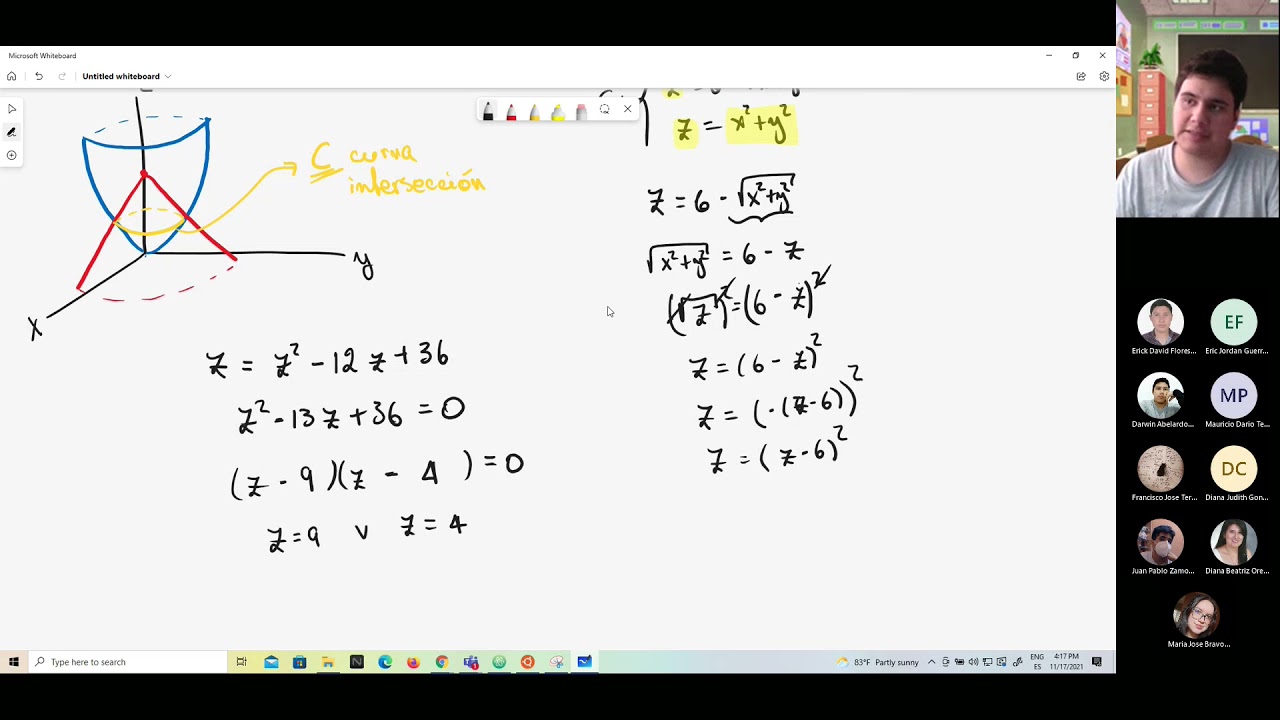



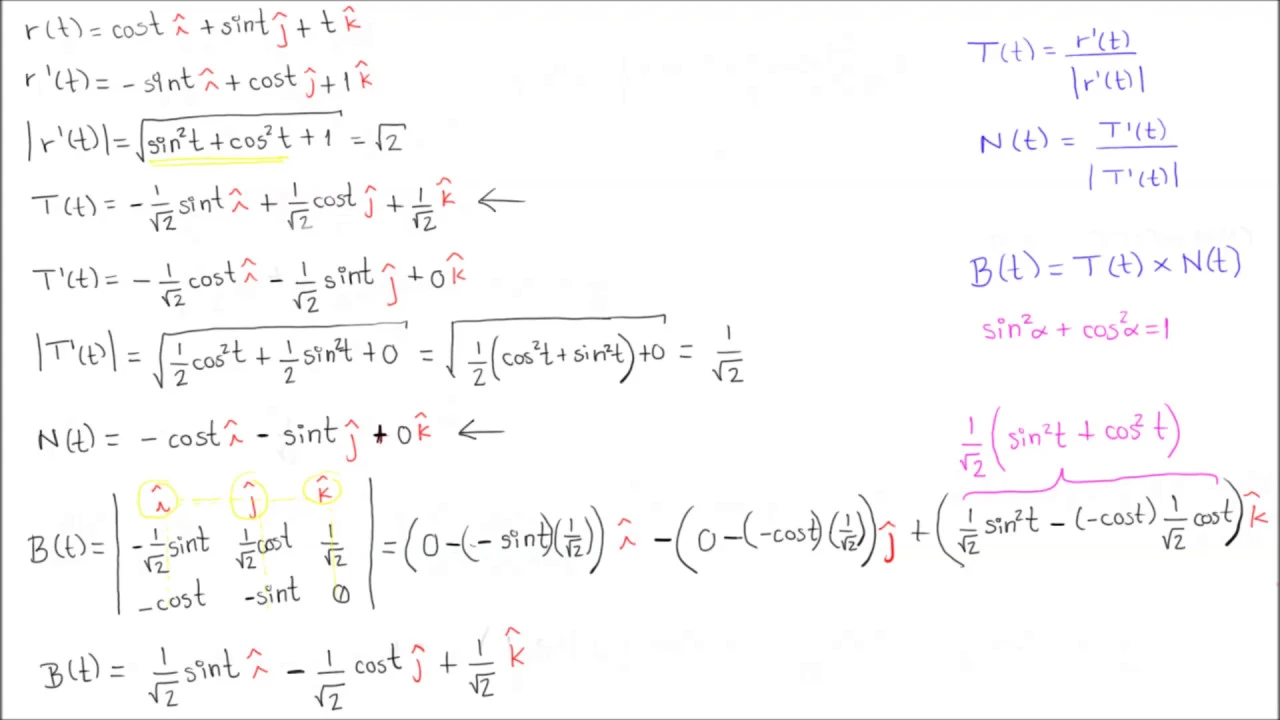





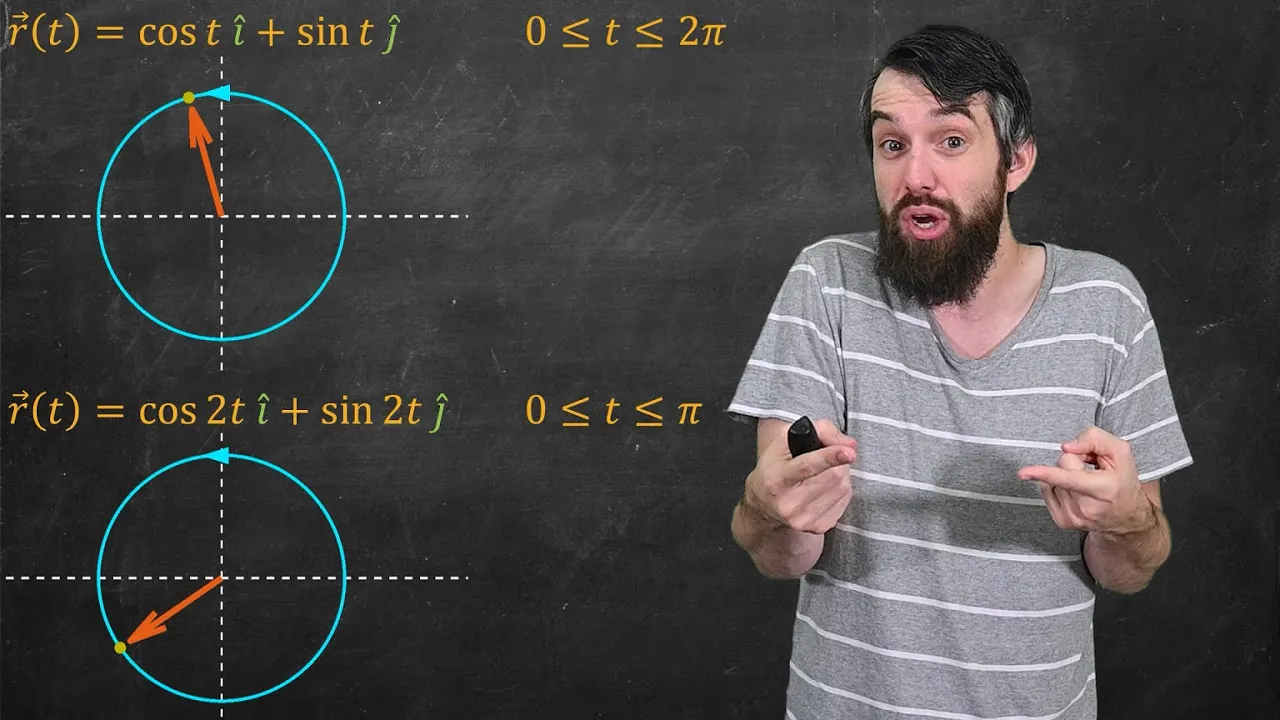
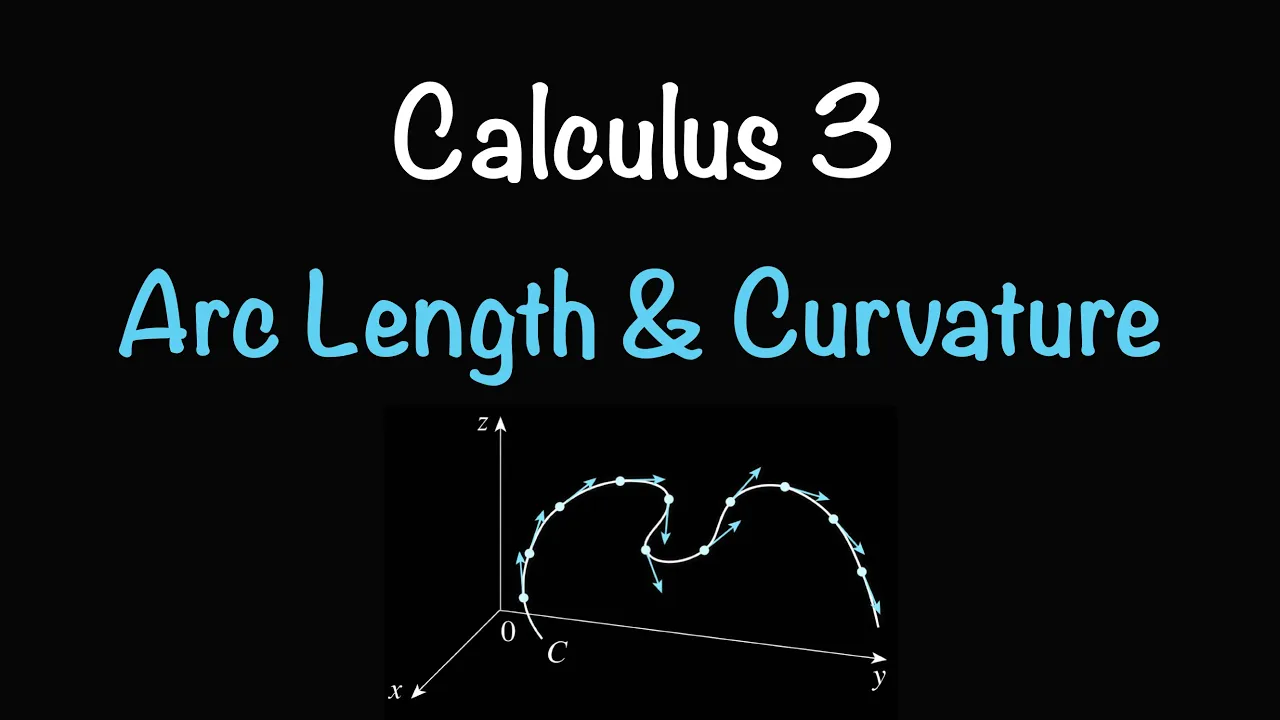
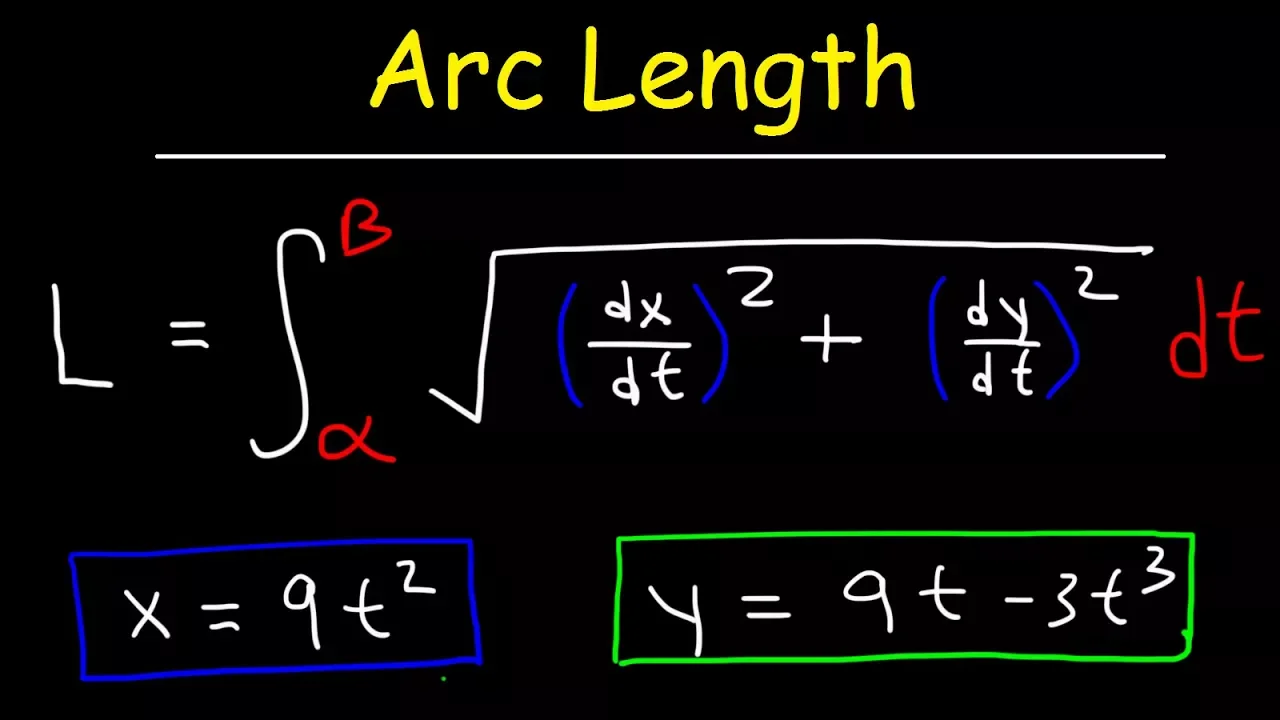
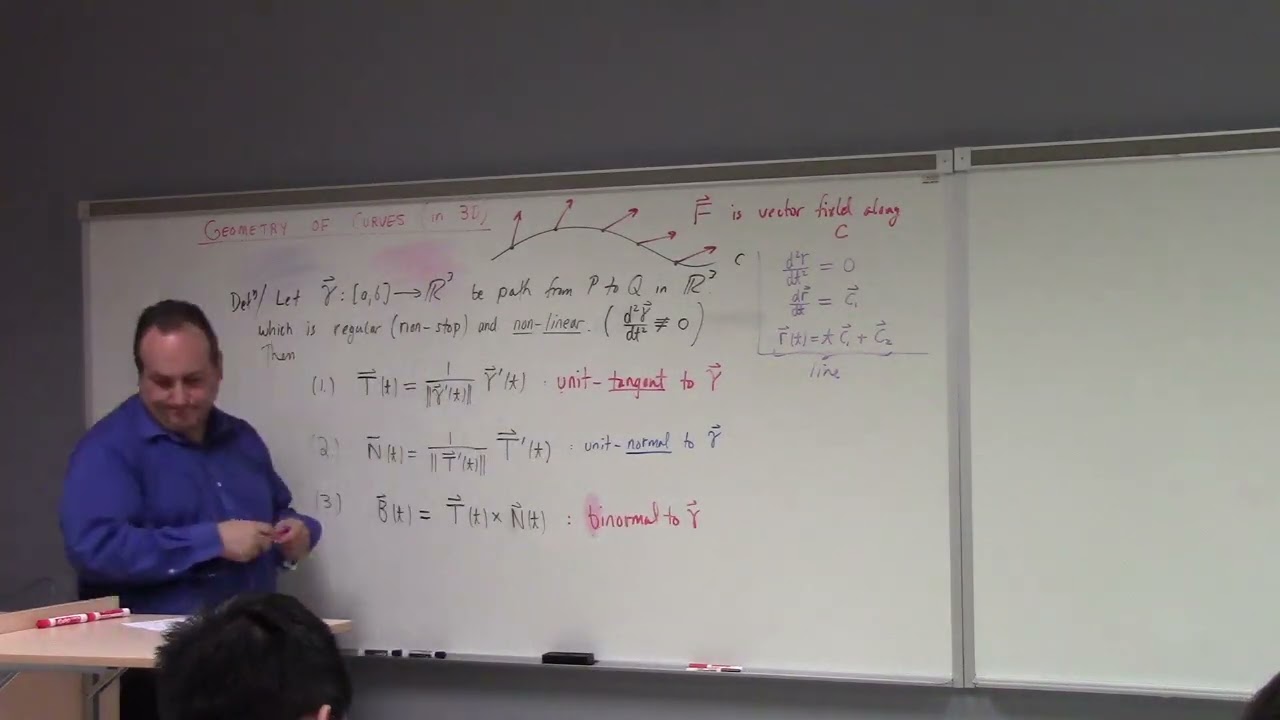
To reparameterize a space curve by its arc length, first compute the magnitude of the velocity vector (the derivative of the position vector), then integrate this magnitude over the interval to find the total arc length; subsequently, set up an equation where arc length s equals the integral of the velocity magnitude from 0 to time t, solve for t in terms of s, and substitute this expression back into the original position function to obtain the new parameterization where the parameter now represents the actual distance traveled along the curve.
Arc Length Parameterization of Curves: Tutorial
Added:Understanding vector-valued functions and parametric representations of curves in 2D and 3D space.
The ability to compute derivatives of vector functions and calculate their magnitude (representing speed).
Familiarity with the standard arc length integration formula for parametric curves.
Proficiency in algebraic manipulation, specifically inverting functions to solve for one variable in terms of another (e.g., solving for t in terms of s).
Defining and calculating curvature and torsion of a curve, which are significantly simplified when using arc length parameterization.
Deriving the Frenet-Serret frame (comprising the unit tangent, principal normal, and binormal vectors) for a space curve.
Exploring the concept of intrinsic equations and 'natural parameterization' within the field of differential geometry.
Applying arc length parameterization to real-world engineering problems, such as trajectory planning in robotics and path generation in computer graphics.
103K views942likes7:07Original Release: 2010-04-02
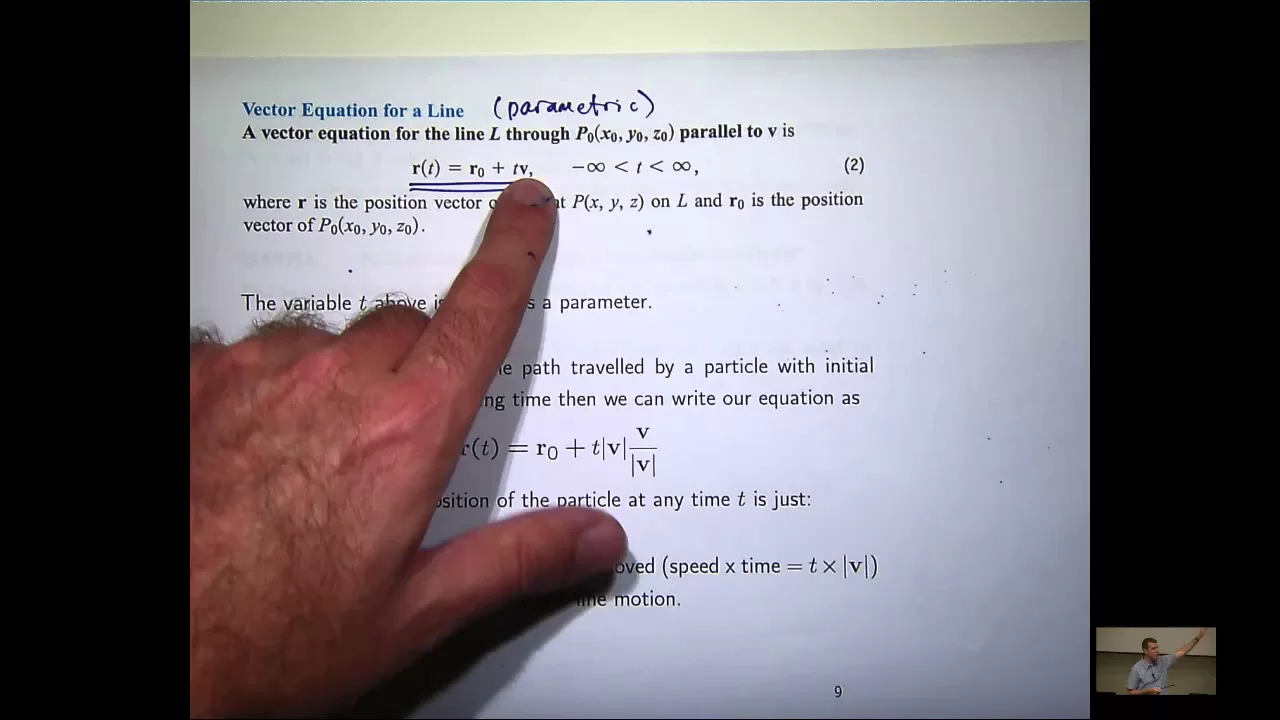
okay let do some arc length parameterization and the first thing we need to kind of look at um first of well without even I mean you know we can look at that if you want I guess but okay so here's let's remember what this does this describes a space curve over time okay and I don't know exactly what it looks like maybe it's something like this but basically this right here this T is a parameter okay and the parameter is time so I mean this thing could go on forever okay so if we want to parameterize this thing by its Arc Length then what we're going to have to do is we're going to find out you know our point of interest you know from A to B say we want to find out how long it is right here from A to B okay well right now this thing is parameterized by R of T if we reparameterize it by another variable which is usually s then s describes you know just from A to B okay and that's what we're going to get at so if if you didn't absorb this don't worry we're going to kind of go through it but that's basically what we're going to do okay so okay so the first thing we got to do is really we need to find the uh the length of this this curve okay and that's pretty easy to do all we got to do is find the uh take the magnitude of the Velocity right okay okay so let's just do do that let's let's find out the velocity here and that's uh -4 sin T I mean we already know how to do this so I'm not going to get crazy here okay maybe I'll put a little bar here so we don't mix it up okay now the next thing we need to do is find the magnitude of velocity and this is going to be 16 s 2 t + 16 cosine 2 of t + 9 it'll all factor out you'll get square < TK of 25 which is five okay um so now we're ready to go with our length and they're interested from 0 to 2 pi I think okay and that's just going to be you know we we do our fundamental theorem heck I'll just go ahead and write it that's going to be what 10 pi okay no problem now here's what we're going to do I want I want to go back to this thing okay let's say I was interested from here from this point to this point well are kind of you know generic representation of this okay if if I start my measuring then my length is zero right here okay and my final length is going to be some it's going to be some value of T right okay so so what we're going to do now is we're going to assume that this uh length right here is measured from0 to T okay so here's what we're going to do now now we're going to throw s in here I'm going to go ahead and say that s is equal to0 to T see we already know how long this is it's 10 pi units long okay but now I'm going to integrate from 0 to T okay our same parameter and let's see here usually they use this towel thing just it's it's the only reason they usually put that in there is cuz we already use T we already use S so I guess I'll be proper and you know respect the math dudes so okay so this is no problem this is just five towel and it's evaluated from T to zero and that just comes out to 5T okay you're probably thinking all right Chuck no okay well here here we go right here we got s is equal to 5T well now I can just say well T is equal to 5/ S right so what I can do is I'm just going to go back and I'm going to plug this into this equation right here okay I'm going to write it over here again so okay so now we have R of 5 / s okay I'm going to let you just kind of home in on that while I write it down I kind of made it sloppy but but basically here's R of 5 over s so look at this this this uh parameterization right here parameterized the length of this thing over time and now it's just this whole thing but this function right here okay and these are s's on the bottoms not fives um so so our new parameter basically just describes this just little you know section of it right there okay you see how I did that so basically we we just found you know we went we went through here we found the length okay and that was 10 pi that's easy to do but the next thing we had to do is kind of give like an arbitrary representation of it so we just call this length s okay and s you know the length you know we just kind again goes from zero to some value of T okay that you know and we just that we just kind of pull these out of a hat you know this being zero this being some value of t Okay and then we went and basically we did the same thing as we did to find the length we just wanted kind of a generic way to say it you know so you know and we use this this tow variable and then we just basically we just solve for uh t and now we can now we just plug our new uh value that has you know s in it into our original Vector function because you know the this it's still the same curve ature and everything it's just a different you know we just want to rep the parameter refers to this distance right here whereas the original parameter was the whole thing so I hope this helps um maybe it's a little confusing um you know I hope my handwriting didn't confuse anyone or anything like that but um if if it did just let me know I'll be more than happy to make another video all right thanks for watching
Up Next
6:22
Jacobian Matrix Explained | Local Linearity & Transformations
@khanacademy
580.9K views•2017-01-10

4:43
Elliptic Curve Cryptography Explained: ECC, ECDSA, ECDH
@PracticalNetworking
28.5K views•2024-10-21
10:44
Fourier Series Introduction: The Big Idea Explained
@DrTrefor
387K views•2021-05-03

6:00
The Mathematical Impossibility of Accurate World Maps
@Vox
23.3M views•2016-12-02
Related Study Plans & Knowledge Roadmaps
Structured learning paths in Mathematics
mathematics
Tensor Calculus: Vectors to Riemann Curvature
01Mathematical Foundations: Linear Algebra & Calculus
02Covectors, Dual Spaces, and Tensor Basics
03The Metric Tensor and Index Gymnastics
+ 2 more learning modules
40h5 modules
Explore Roadmap
mathematics
Gödel's Incompleteness: Logic, Proofs & Limits
01Introduction to Formal Systems & Hilbert's Dream
02Set Theory, Cardinality, and Cantor's Diagonal Argument
03Arithmetization and Gödel Numbering
+ 2 more learning modules
14h5 modules
Explore Roadmap
mathematics
Galois Theory: Fields, Groups & Solvability
01Foundations of Abstract Algebra: Groups & Fields
02Polynomials & Field Extensions
03Splitting Fields & Symmetries
+ 2 more learning modules
24h5 modules
Explore Roadmap
mathematics
Non-Euclidean Geometry: Models & Geodesics
01Euclid's Fifth Postulate and the Birth of New Geometries
02Hyperbolic Space and the Poincaré Disk Model
03Geodesics: Defining Straight Lines in Curved Spaces
+ 2 more learning modules
15h5 modules
Explore Roadmap