The light reactions of photosynthesis occur in the thylakoid membrane of chloroplasts and involve two photosystems (PSII and PSI) working together to convert light energy into chemical energy; PSII absorbs light, energizes electrons that escape to an electron transport chain, splits water to release oxygen, and creates a hydrogen ion gradient that drives ATP synthase to produce ATP; PSI then re-energizes electrons which reduce NADP+ to NADPH, with both ATP and NADPH providing energy and reducing power for the Calvin cycle.
Light Reactions of Photosynthesis: ATP & NADPH Explained
Added:Deep Dive
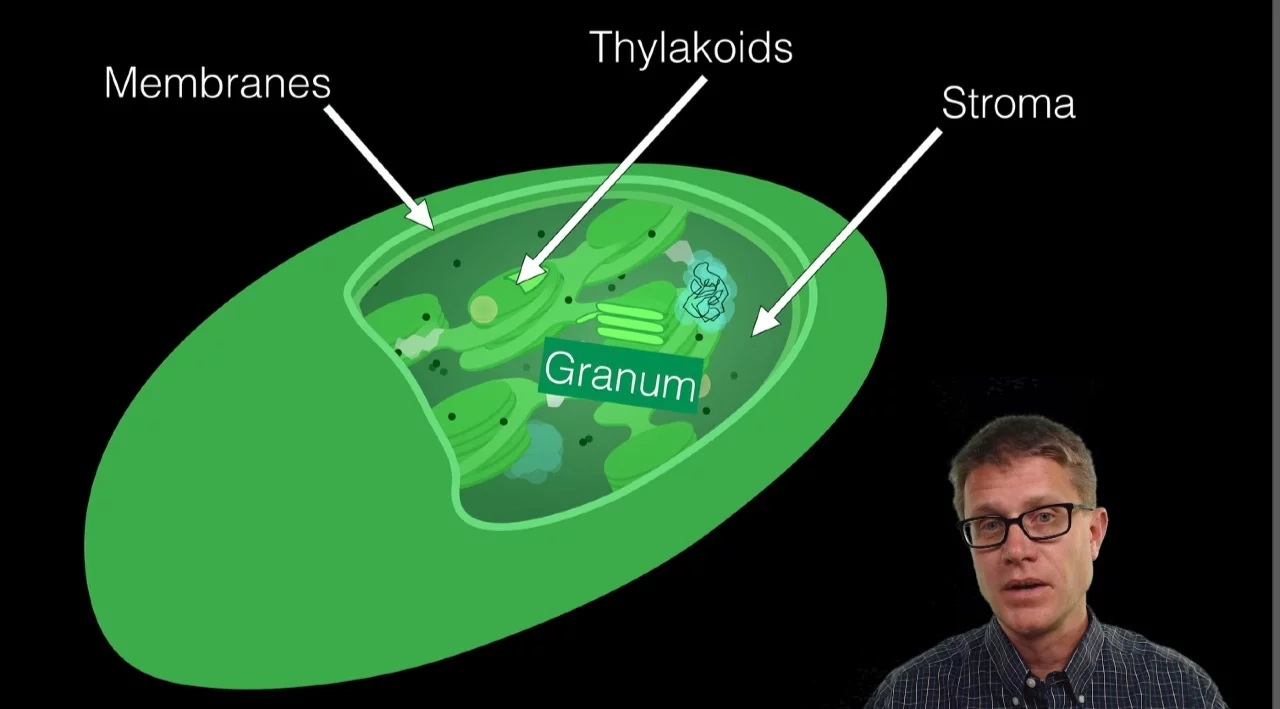
Basic structure of a plant cell, specifically the anatomy of a chloroplast (thylakoids, stroma, and grana).
أحياء السادس العلمي || منهج 2025 || المحاضرة 6
84.9K
Chloroplasts have a double membrane (outer and inner). Inside, there is a fluid called stroma that fills the internal space. Within the stroma, there are disc-shaped structures called grana (singular: granum). The grana are connected by thylakoid membranes. Each granum is composed of multiple thylakoids stacked together. Stroma is a transparent fluid that fills the internal space of chloroplasts and contains grana and enzymes that work on carbon dioxide reduction for photosynthesis. Grana are membrane-bound structures found in the stroma of chloroplasts, disc-shaped and stacked together. Each granum is composed of multiple thylakoids. Thylakoid is the membrane that surrounds each individual granum. Grana contain chlorophyll and enzymes that work on capturing light energy for photosynthesis.
Click to watch →

XI/XII;Plastid(EV)
402
The stroma is the hygroscopic colloidal matrix bounded by the inner membrane, containing carbohydrate-producing enzymes where the light-independent phase of photosynthesis occurs, including C3, C4, and CAM cycles. Thylakoids are sac-like or disc-like structures in the stroma that combine to form grana. Thylakoids have their own membrane and chamber, containing chlorophyll a, chlorophyll b, carotenoids, xanthophyll, and enzymes that form crystalline quantosomes for light energy capture. Stroma lamellae are tubular structures connecting adjacent grana. Chloroplasts also contain lipid globules, starch grains, 70S ribosomes, and circular DNA, enabling semi-autonomous reproduction.
Click to watch →

Railway Group D 2026 | Science: CELL (कोशिका) | 32 Din 32 Marathon | Marathon-1 | Radhika Ma'am
12.4K
Chloroplasts have a complex internal structure: (1) Thylakoids are flattened membrane-bound sacs; (2) Grana are stacks of thylakoids; (3) Stroma is the fluid-filled space surrounding the grana. Chloroplasts contain chlorophyll and are the site of photosynthesis.
Click to watch →
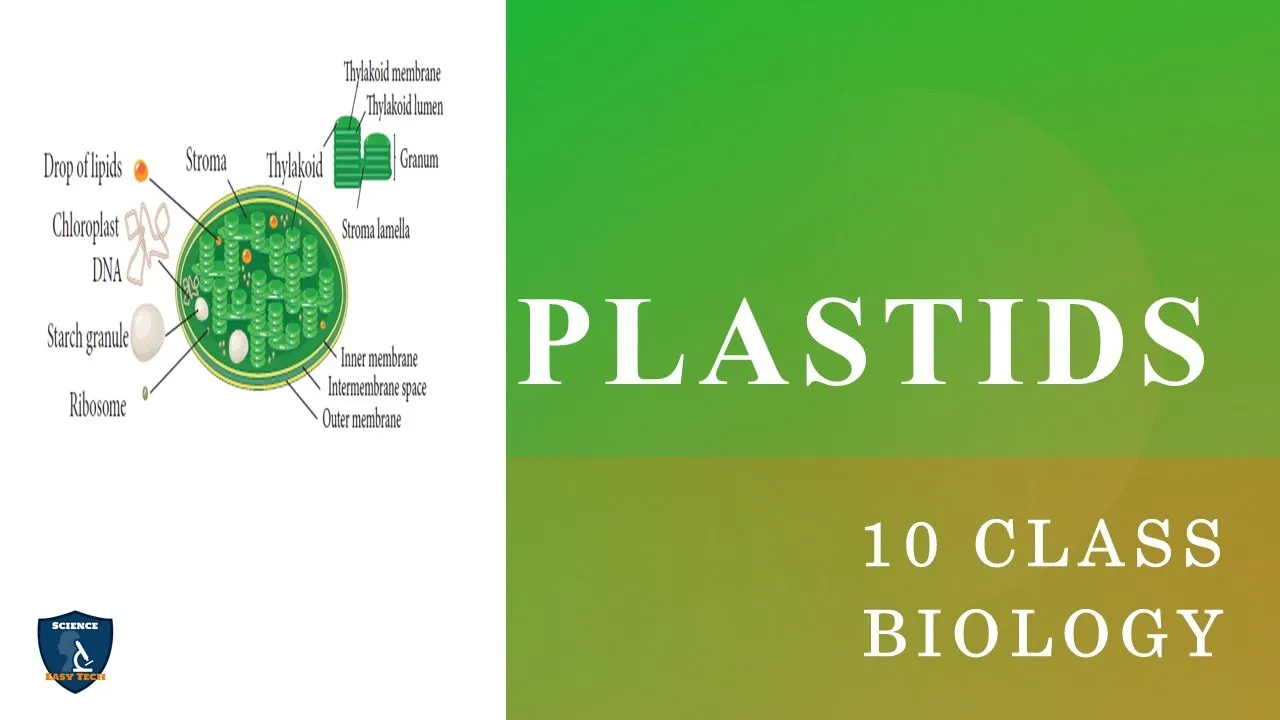
Plastids | Plant Anatomy And Plant Physiology | 10 Class | Biology | Science Easy Tech
403
Chloroplasts have an outer and inner membrane forming the envelope, separated by an intermembrane space. Inside, thylakoids form stacked structures called grana, with individual units called grana. Thylakoids contain chlorophyll a and b pigments and have a lumen for photosynthetic reactions. The stroma is the fluid matrix containing chloroplast DNA, ribosomes, and RNA. Stroma lamellae connect different thylakoid stacks. Light-dependent reactions occur in thylakoids, while dark reactions (Calvin cycle) occur in the stroma.
Click to watch →
Photosynthesis in higher plants-3 | NCERT line by line |Photosynthesis appartus | Poonam ma'am #neet
9.3K
Chloroplasts have a complex internal structure consisting of: (1) Thylakoids - membrane-bound compartments stacked in grana, (2) Grana - stacks of thylakoids connected by stromal lamellae, and (3) Stroma - the fluid matrix surrounding the thylakoid system. The light reactions occur in the thylakoid membrane system, while the dark reactions occur in the stroma.
Click to watch →
Deep Dive
The overall chemical equation of photosynthesis, including the starting reactants and final products.
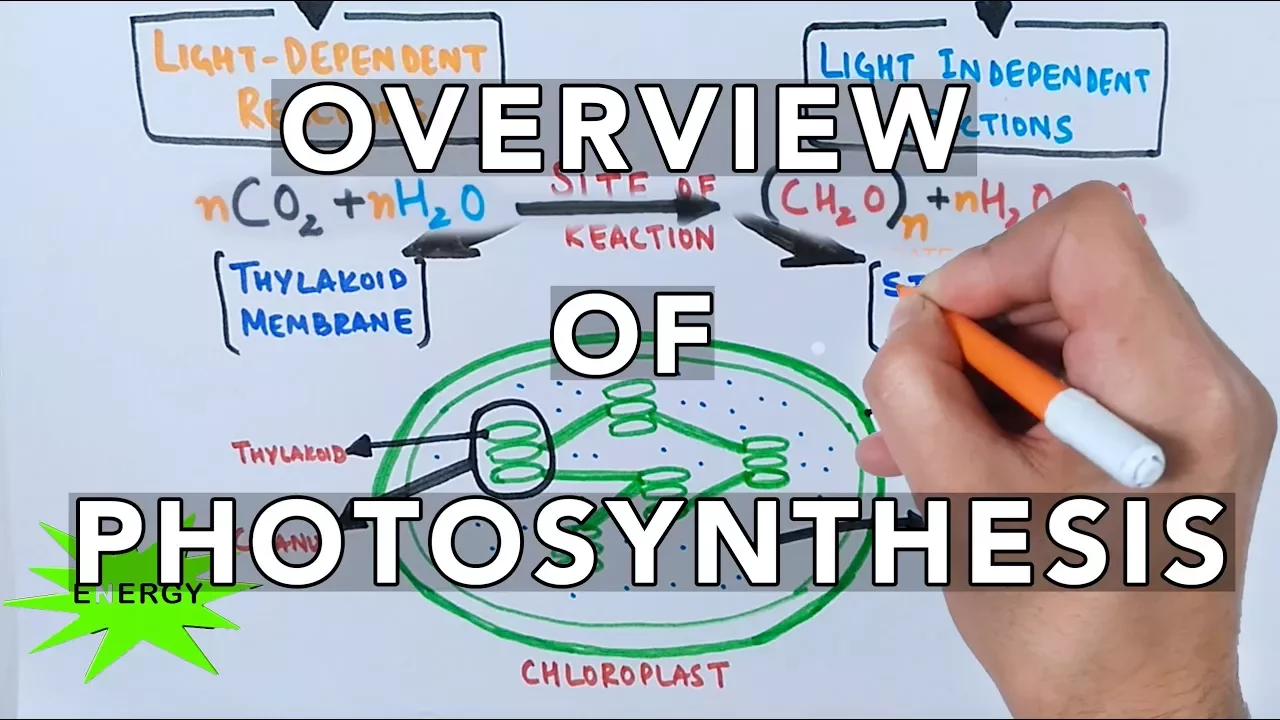
Photosynthesis
29.4K
The overall balanced chemical equation for photosynthesis is: CO2 + H2O + light energy → CH2O (carbohydrate/sugar) + O2. When balancing the equation with n molecules of CO2 and n molecules of H2O, the net equation simplifies to CO2 + H2O → CH2O + O2, where water cancels out as it appears as both a reactant and product in different stages.
Click to watch →

La Fotosíntesis - Clase de Biología
13.3K
Photosynthesis is the fundamental process by which plants manufacture their own food through the conversion of inorganic substances into organic compounds. The overall chemical equation is 6CO2 + 6H2O + light energy → C6H12O6 + 6O2. The reactants are carbon dioxide, water, and light energy, while the products are glucose and oxygen. This process makes plants autotrophs (self-feeders) and primary producers in ecosystems. The glucose produced serves as the primary energy storage molecule for plants and is used for cellular respiration or converted into other carbohydrates.
Click to watch →

INTRODUCTION ATP-Réactions responsables de libération d'énergie de la matière organique 2 BAC BIOF
39.4K
The overall chemical equation for photosynthesis is: 6CO2 + 6H2O + light energy → C6H12O6 + 6O2. Carbon dioxide and water are the reactants (inputs), while glucose and oxygen are the products (outputs). Light energy from the sun drives this reaction, making it an endothermic process.
Click to watch →

Photosynthesis ( Life Processes ) : Summarised Mindmap Note For OAVS TGT Science SSB TGT
258
The overall chemical equation for photosynthesis is: 6CO2 + 12H2O + light energy → C6H12O6 + 6O2 + 6H2O. In this equation, carbon dioxide and water are the reactants (left side), while glucose and oxygen are the products (right side). The process requires chlorophyll as a catalyst and light energy as the energy source. This equation represents the fundamental transformation of inorganic to organic matter.
Click to watch →

درس مقر التركيب الضوئي وتفاعلاته
293
The overall chemical equation for photosynthesis is: 6CO₂ + 6H₂O + light energy → C₆H₁₂O₆ + 6O₂. This equation shows that carbon dioxide and water, in the presence of light energy, are converted into glucose (an organic compound) and oxygen. The reactants are carbon dioxide and water, while the products are glucose and oxygen.
Click to watch →
Deep Dive
Fundamental concepts of cellular energy, including the basic structure and function of ATP as the cell's energy currency.

ATP The energy currency of the cell/class 9th/new syllabus /Bioenergetics
101
ATP (Adenosine Triphosphate) is the main energy currency of the cell. It serves as the basic energy source for cellular activities. The cell is the basic structural and functional unit of life, and all cellular structures and organelles require energy to function. ATP provides this essential energy for cellular processes.
Click to watch →
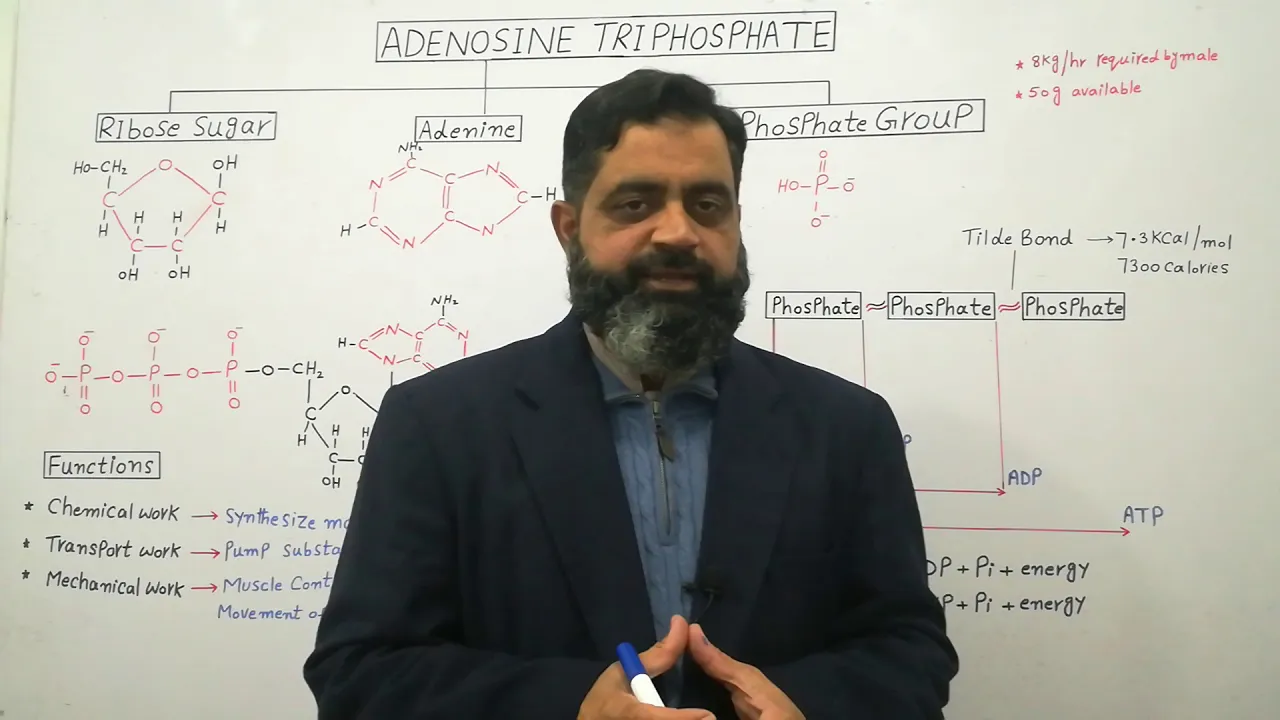
Adenosine triphosphate English medium @prof.masoodfuzail | Structure of ATP | Energy currency
849
ATP (adenosine triphosphate) serves as the primary energy currency of the cell, consisting of a ribose sugar, adenine base, and three phosphate groups connected by high-energy tilde bonds; cells synthesize ATP using 7.3 kcal/mol of energy from carbohydrate metabolism in mitochondria, and break down ATP to release this stored energy for chemical work (synthesis of macromolecules), transport work (active transport across membranes), and mechanical work (muscle contraction), with ATP being continuously recycled rather than stored due to the body's high demand (approximately 8 kg/hour).
Click to watch →
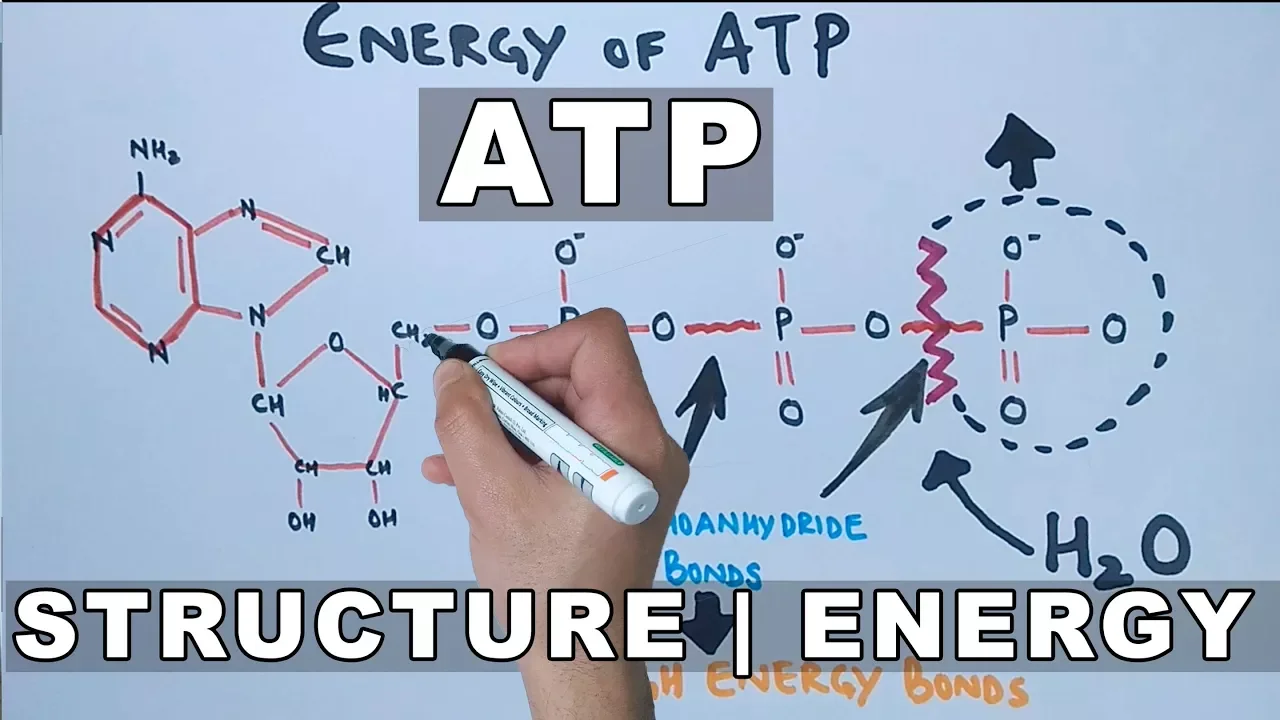
ATP Structure and Energy
80.9K
ATP (adenosine triphosphate) serves as the primary energy currency of the cell, powering all biochemical reactions in living organisms. The molecule consists of adenine nitrogenous base, ribose sugar, and three phosphate groups attached in a linear chain. ATP functions by releasing energy through hydrolysis, where the terminal phosphate bond breaks, converting ATP to ADP and inorganic phosphate while releasing usable energy for cellular processes.
Click to watch →

Khái quát về năng lượng và chuyển hóa vật chất - Bài 13 - Sinh học 10 - Cô Hoài Thu (DỄ HIỂU NHẤT)
32.5K
Energy is defined as the ability to do work. Based on readiness to do work, energy is classified into kinetic energy (ready to do work) and potential energy (stored energy with potential to do work). In cells, energy exists in multiple forms: chemical energy (stored in atomic bonds), thermal energy (heat), electrical energy (movement of charged particles), and mechanical energy (motion and position). ATP (adenosine triphosphate) is the energy currency of cells, consisting of adenine, ribose, and three phosphate groups connected by high-energy bonds. The phosphate groups carry negative charges that repel each other, making bonds unstable. When one phosphate breaks off, ATP becomes ADP, releasing energy. ATP has three main functions: providing energy for synthesizing chemical compounds, powering active transport across membranes, and supplying energy for mechanical work like muscle contraction.
Click to watch →

ВСЁ о химическом строении КЛЕТКИ за 2 часа! / Химический СОСТАВ клетки к ЕГЭ по биологии 2025!
1.8K
ATP (adenosine triphosphate) is the universal energy currency of cells. Structure: adenosine (adenine + ribose) + three phosphate groups. High-energy bonds between phosphates store ~40 kJ each. ATP is formed by phosphorylation (ADP + Pi + energy → ATP) and releases energy through dephosphorylation (ATP → ADP + Pi + energy). This energy is used for cellular work like protein synthesis, active transport, and muscle contraction.
Click to watch →
Deep Dive
The basics of the electromagnetic spectrum and how pigments like chlorophyll absorb light energy.

أولى ثانوي _ تمرين 5 _التركيب الضوئي عند الطحالب
105.7K
This segment covers the absorption spectrum of chlorophyll, which shows how chlorophyll absorbs different wavelengths of light. Chlorophyll absorbs light most strongly at the edges of the visible spectrum (blue-violet around 400 nm and red around 650-700 nm), while it absorbs light least strongly in the middle wavelengths (green light around 500-600 nm). This absorption pattern explains why chlorophyll appears green to our eyes and is fundamental to understanding photosynthesis in different algae species.
Click to watch →

دور اليخضور في عملية التركيب الضوئي أولى ثانوي 2023
94K
This segment introduces the visible light spectrum and chlorophyll's selective light absorption. When white light passes through a prism, it separates into seven colors: red, orange, yellow, green, blue, indigo, and violet. Chlorophyll absorbs light most effectively at the spectrum's ends (red and violet) while reflecting green light, which is why plants appear green. The absorption spectrum graph shows high absorption peaks at red and violet wavelengths with minimal absorption at green wavelengths. This selective absorption is fundamental to understanding how plants capture light energy for photosynthesis.
Click to watch →

آلية البناء الضوئى بأسهل وأفضل طريقة🫰🏼{ محاضرة 3 للصف الثانى الثانوى } 🤩🖤
173.1K
Chlorophyll is a pigment that absorbs light energy from the sun. When light energy strikes chlorophyll molecules, electrons absorb this energy and become excited, moving to higher energy levels. This excitation makes the chlorophyll molecules unstable and reactive. The excited electrons are then transferred to electron carriers, initiating the electron transport chain that produces ATP and NADPH. This process converts light energy (kinetic energy from photons) into chemical energy stored in molecules.
Click to watch →

التركيب الضوئي 🌱 أولى ثانوي 😎بأبسط الطرق الفصل الثاني ✨🤌🏻
52.5K
Photosynthesis is the process by which green plants convert light energy into chemical energy stored in organic compounds. The video explains that white light is not a single color but a mixture of seven colors (violet, indigo, blue, green, yellow, orange, red) that can be separated using a prism. Chlorophyll, the pigment responsible for light absorption, strongly absorbs terminal wavelengths (violet and red) while absorbing middle wavelengths to a lesser extent. Chlorophyll does not absorb green light, which is why leaves appear green. An experiment demonstrates that light intensity directly affects photosynthesis rate: as plants get closer to a light source, oxygen bubble production increases. The overall equation is: 6CO2 + 6H2O + light energy + chlorophyll → C6H12O6 (glucose) + 6O2.
Click to watch →

Role of chlorophyll and sunlight | Bioenergetics | Chapter 7 | 9th class Biology | Lec 9
42.3K
The electromagnetic spectrum encompasses all types of electromagnetic radiation, including gamma rays, X-rays, ultraviolet, visible light, infrared, microwaves, and radio waves, arranged by wavelength and frequency. Visible light represents only a narrow band within this spectrum that human eyes can detect. When white light passes through a prism, it disperses into its component colors due to differential refraction at different wavelengths. Plants contain multiple pigments classified into two main categories: chlorophylls (chlorophyll a and b) and carotenoids. Chlorophylls are the primary pigments responsible for capturing light energy, while carotenoids serve as accessory pigments that broaden the range of absorbed wavelengths and provide photoprotection. Together, these pigments enable plants to efficiently harvest light energy across the visible spectrum for photosynthesis.
Click to watch →
Deep Dive
An introductory understanding of chemical oxidation-reduction (redox) reactions and electron transport.
Introduction to Oxidation Reduction (Redox) Reactions
5.6M
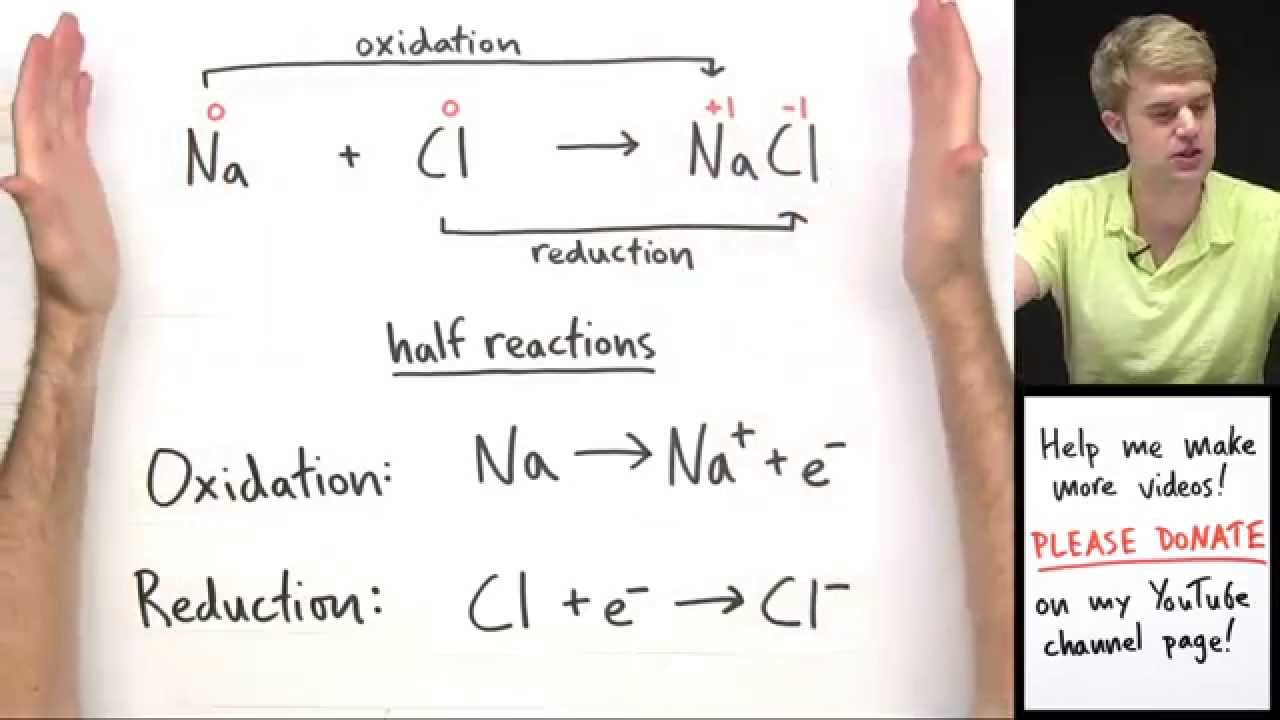
Oxidation-reduction (redox) reactions are chemical processes where electrons transfer between atoms; oxidation is defined as the loss of electrons (making an atom more positively charged), while reduction is the gain of electrons (making an atom more negatively charged). These two processes always occur simultaneously and are represented as half-reactions showing either oxidation or reduction separately. For example, in the formation of sodium chloride (table salt), sodium loses an electron (oxidation) to become Na⁺, while chlorine gains that electron (reduction) to become Cl⁻, demonstrating how opposite charges attract to form the ionic compound.
Click to watch →
BTEC Applied Science AAQ Unit 2 Chemistry: Redox reactions
481
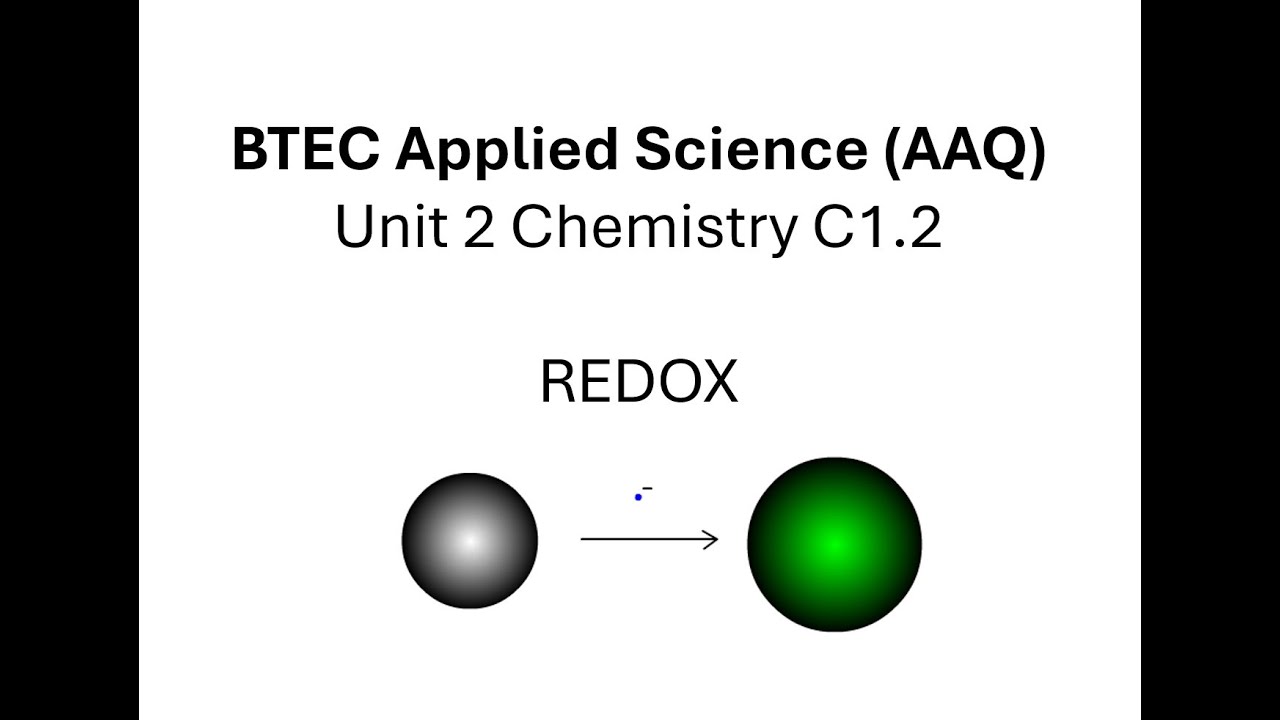
Redox reactions involve electron transfer between species. Oxidation is loss of electrons (OIL), reduction is gain of electrons (RIG). In Mg + O₂ → MgO, Mg loses 2e⁻ (oxidized) and O gains 2e⁻ (reduced). Half-equations show individual changes: Mg → Mg²⁺ + 2e⁻ and O₂ + 4e⁻ → 2O²⁻. Electrons typically transfer from metals to non-metals. These concepts explain why reactions are called 'redox' and provide a systematic way to analyze electron movement in chemical reactions.
Click to watch →

Tut 8,9: Bioenergetics 1,2; Biochemistry
4.7K
Oxidation involves the loss of electrons or hydrogen atoms, while reduction involves the gain of electrons or hydrogen atoms. These complementary reactions occur simultaneously in redox reactions. In cellular respiration, glucose is oxidized while oxygen is reduced. The electron transport chain transfers electrons from NADH and FADH2 through protein complexes, releasing energy at each step. This energy is used to pump protons across the inner mitochondrial membrane, creating an electrochemical gradient.
Click to watch →

Oxidation, Reduction, and Redox Balancing Redox Reactions
39.8K
Oxidation numbers are assigned using specific rules to track electron transfer in chemical reactions; oxidation involves losing electrons and increasing oxidation number, while reduction involves gaining electrons and decreasing oxidation number, which can be remembered with the mnemonic LEO the Lion goes GER (Lose Electrons = Oxidation, Gain Electrons = Reduction); to identify a redox reaction, compare oxidation numbers of elements in reactants and products—if any element's oxidation number changes, the reaction is redox.
Click to watch →

ch 20 - electrochemistry - A
690
Electricity is the movement of electrons, constituting electrical current. Chemical bonds form through electron transfer between nuclei, and breaking bonds also involves electron transfer. Any reaction where electrons transfer from one atom to another is called an oxidation-reduction (redox) reaction. Oxidation is the loss of electrons (OIL), while reduction is the gain of electrons (RIG). An increase in oxidation state indicates oxidation, while a decrease indicates reduction. These concepts connect macroscopic electrical phenomena to microscopic electron behavior in chemical reactions.
Click to watch →
Prerequisite Knowledge
- Concept 01Basic structure of a plant cell, specifically the anatomy of a chloroplast (thylakoids, stroma, and grana).
- Concept 02The overall chemical equation of photosynthesis, including the starting reactants and final products.
- Concept 03Fundamental concepts of cellular energy, including the basic structure and function of ATP as the cell's energy currency.
- Concept 04The basics of the electromagnetic spectrum and how pigments like chlorophyll absorb light energy.
- Concept 05An introductory understanding of chemical oxidation-reduction (redox) reactions and electron transport.
Subsequent Learning
- Step 01The Calvin Cycle (light-independent reactions) and how it utilizes the generated ATP and NADPH to fix carbon dioxide into G3P.
- Step 02The biochemical details of photophosphorylation and the proton gradient across the thylakoid membrane.
- Step 03Evolutionary adaptations of photosynthesis under environmental stress, such as C4 and CAM pathways.
- Step 04A comparison between photophosphorylation in chloroplasts and oxidative phosphorylation in mitochondria.
- Step 05Real-world applications of photosynthesis, such as engineering higher crop yields, biofuels, and artificial photosynthesis technologies.
Light Reactions
NADPH Production
Light Reactions
0:05Playing Section
- 1
Photosynthesis light reactions occur in thylakoids, converting light into chemical energy.
- 2
Photosystem II initiates electron flow, splitting water and releasing oxygen.
- 3
Electron transport creates a proton gradient, driving ATP synthesis via ATP synthase.
Cyclic Electron Flow and Photoprotective Pathways
While introductory biology emphasizes the Linear Electron Flow (LEF) of light reactions—which produces a fixed ratio of ATP and NADPH—this classic model is an oversimplification. In reality, the ATP and NADPH generated by LEF do not match the exact stoichiometry required by the Calvin cycle. To balance this ratio and protect the plant from damage under fluctuating light, chloroplasts rely heavily on Cyclic Electron Flow (CEF) and pseudocyclic pathways (such as the water-water cycle). CEF recycles electrons through Photosystem I to generate additional ATP without producing NADPH. Introducing these alternative pathways challenges the rigid 'Z-scheme' narrative, demonstrating that photosynthetic light reactions are a highly dynamic, regulatory network rather than a simple, linear assembly line.
Deep Dive
The Calvin Cycle (light-independent reactions) and how it utilizes the generated ATP and NADPH to fix carbon dioxide into G3P.
Photosynthesis: Crash Course Biology #8
9M
The Calvin Cycle occurs in the stroma and uses ATP and NADPH from light-dependent reactions to fix CO2 into organic compounds. Carbon fixation attaches CO2 to RuBP using RuBisCo, producing unstable 3-Phosphoglycerate. Reduction converts this into G3P using ATP and NADPH. Regeneration recycles five G3P molecules back into three RuBP, requiring nine ATP and six NADPH. Only one G3P exits the cycle to become glucose, cellulose, or starch. Despite its inefficiency, RuBisCo dominates Earth's biomass due to its critical role in carbon fixation.
Click to watch →

Photosynthesis Part 2: The Calvin Cycle | Animated Science Song |
452.9K
The Calvin cycle, also called the light-independent reactions, occurs in the stroma of chloroplasts and uses CO2 from the air, along with ATP and NADPH generated by the light reactions, to synthesize the three-carbon sugar G3P (glyceraldehyde-3-phosphate) through three phases: Carbon Fixation (where CO2 binds to RuBP with the help of rubisco to form PGA), PGA Reduction (where ATP and NADPH convert PGA to G3P), and RuBP Regeneration (where ten G3P molecules are recycled to regenerate RuBP); to produce one glucose molecule (C6H12O6), the cycle must run six times, yielding twelve G3P molecules with two exiting the cycle to form glucose while ten are reused to maintain the cycle.
Click to watch →
المجال 2 : التحولات الطاقوية.
372.7K
The Calvin cycle occurs in the stroma and uses ATP and NADPH from light-dependent reactions to convert CO2 into glucose. The cycle has three phases: carbon fixation (CO2 attached to RuBP), reduction (ATP and NADPH convert 3-PGA to G3P), and regeneration (RuBP regenerated from G3P). The overall equation is: 6CO2 + 18ATP + 12NADPH + 12H+ → C6H12O6 + 18ADP + 18Pi + 12NADP+ + 6H2O. The cycle produces glucose and water as final products.
Click to watch →

Calvin Cycle Or C3 Cycle | Photosynthesis in higher plants | Class 11 | By Be Educated
101.3K
The Calvin Cycle is the light-independent phase of photosynthesis occurring in chloroplasts. Chloroplasts contain thylakoids (producing ATP and NADPH) and stroma (hosting the Calvin Cycle). The cycle begins with carbon fixation: CO2 (1 carbon) attaches to RuBP (5 carbons) to form an unstable 6-carbon compound that splits into two 3-PGA molecules. In the reduction phase, ATP and NADPH convert 3-PGA into G3P. For every 3 CO2 fixed, 6 G3P are produced, requiring 6 ATP and 6 NADPH. Out of 6 G3P, 5 regenerate 3 RuBP (requiring 3 ATP), while 1 exits for glucose synthesis. To produce one glucose (6 carbons), the cycle runs 6 times, fixing 6 CO2, producing 12 G3P, regenerating 6 RuBP, and combining 2 G3P into glucose. Total requirements: 18 ATP and 12 NADPH per glucose.
Click to watch →
آلية البناء الضوئى بأسهل وأفضل طريقة🫰🏼{ محاضرة 3 للصف الثانى الثانوى } 🤩🖤
173.1K
Light-independent reactions (Calvin cycle) occur in the stroma of chloroplasts and do not require direct light. They use ATP and NADPH produced in the light-dependent reactions to convert CO2 into glucose. The process involves carbon fixation, reduction, and regeneration of the starting molecule. The hydrogen atoms from NADPH are transferred to CO2, adding hydrogen to the carbon atoms to form glucose. The Calvin cycle was discovered by Melvin Calvin in 1949 using radioactive carbon-14 tracing. The first stable product is phosphoglyceraldehyde (G3P), a 3-carbon compound that can be converted to glucose, starch, proteins, and fats.
Click to watch →
Deep Dive
The biochemical details of photophosphorylation and the proton gradient across the thylakoid membrane.
![BIOLOGÍA - Fotosíntesis [CICLO FREE]](https://i.ytimg.com/vi/pBhHT0ozaTM/maxresdefault.jpg)
BIOLOGÍA - Fotosíntesis [CICLO FREE]
11.8K
Photophosphorylation synthesizes ATP using energy from proton gradients. Protons pumped into the thylakoid lumen create an electrochemical gradient. Protons flow back through ATP synthase (particle F), driving ADP + Pi → ATP. For each water molecule split: 1 NADPH and 1.5 ATP are produced. For 12 water molecules (balanced equation), this yields 12 NADPH and 18 ATP for the Calvin cycle.
Click to watch →

Chemiosmotic Hypothesis
96K
The chemiosmotic hypothesis explains ATP formation through a proton gradient across the thylakoid membrane. Water photolysis inside the thylakoid membrane produces H+ ions, electrons, and oxygen. When light excites photosystem II, electrons transfer to the primary electron acceptor, which then passes electrons to H+ carriers. This causes H+ ions to accumulate inside the thylakoid membrane while electrons continue through the photosynthetic chain. The resulting concentration difference between the thylakoid lumen (high H+) and stroma (low H+) creates the proton gradient that drives ATP synthesis.
Click to watch →
Topic 13.5 & 13.6: Light Reaction | Cyclic & Non-Cyclic Photo-phosphorylation| Photosynthesis 11th
59.3K
The light reactions of photosynthesis occur in chloroplasts and involve two types of photophosphorylation: non-cyclic photophosphorylation involves both Photosystem II (PSII) and Photosystem I (PSI), where water is split to release electrons, protons, and oxygen, electrons flow through the electron transport chain to NADP+ forming NADPH, and a proton gradient is established across the thylakoid membrane to drive ATP synthesis; cyclic photophosphorylation involves only PSI, where electrons return to the electron transport chain after PSI, producing only ATP without NADPH or oxygen release. Both processes generate ATP through chemiosmosis, where the proton gradient drives ATP synthase to convert ADP and inorganic phosphate into ATP.
Click to watch →

الوحدة 06| أفضل شرح من الألف إلى الياء لوحدة التركيب الضوئي 🌱🌞
14.7K
The light-dependent reactions (photochemical stage) include: (1) light absorption by photosystems, (2) electron excitation and transfer through the electron transport chain, (3) water splitting and oxygen evolution, (4) proton pumping across the thylakoid membrane, and (5) ATP and NADPH synthesis. During electron transport, protons (H+) are pumped from the stroma into the thylakoid lumen, creating a proton gradient (higher concentration of H+ in the lumen than in the stroma). This proton gradient represents stored potential energy that will be used to synthesize ATP. The proton gradient creates a pH difference: the thylakoid lumen becomes acidic (low pH) while the stroma becomes basic (high pH). This pH difference (proton motive force) drives ATP synthesis through chemiosmosis. Protons flow from the thylakoid lumen (high H+ concentration) to the stroma (low H+ concentration) through ATP synthase. This flow of protons causes a conformational change in ATP synthase that catalyzes the conversion of ADP and inorganic phosphate (Pi) into ATP. This process is called photophosphorylation.
Click to watch →

تمرين استرجاع عن المرحلة الكيموضوئية وتاثير مادة FCCP عليها
1.2K
Protons are transported from the stroma into the thylakoid lumen during light-dependent reactions, creating a proton gradient. This gradient drives protons back through ATP synthase from the lumen to the stroma. The proton flow provides energy for ATP synthase to catalyze ADP phosphorylation to ATP (photophosphorylation).
Click to watch →
Deep Dive
Evolutionary adaptations of photosynthesis under environmental stress, such as C4 and CAM pathways.

Complete Plant Physiology | Fast Track Biology Revision | 360 in Biology | NEET 2023 | Gargi Singh
84K
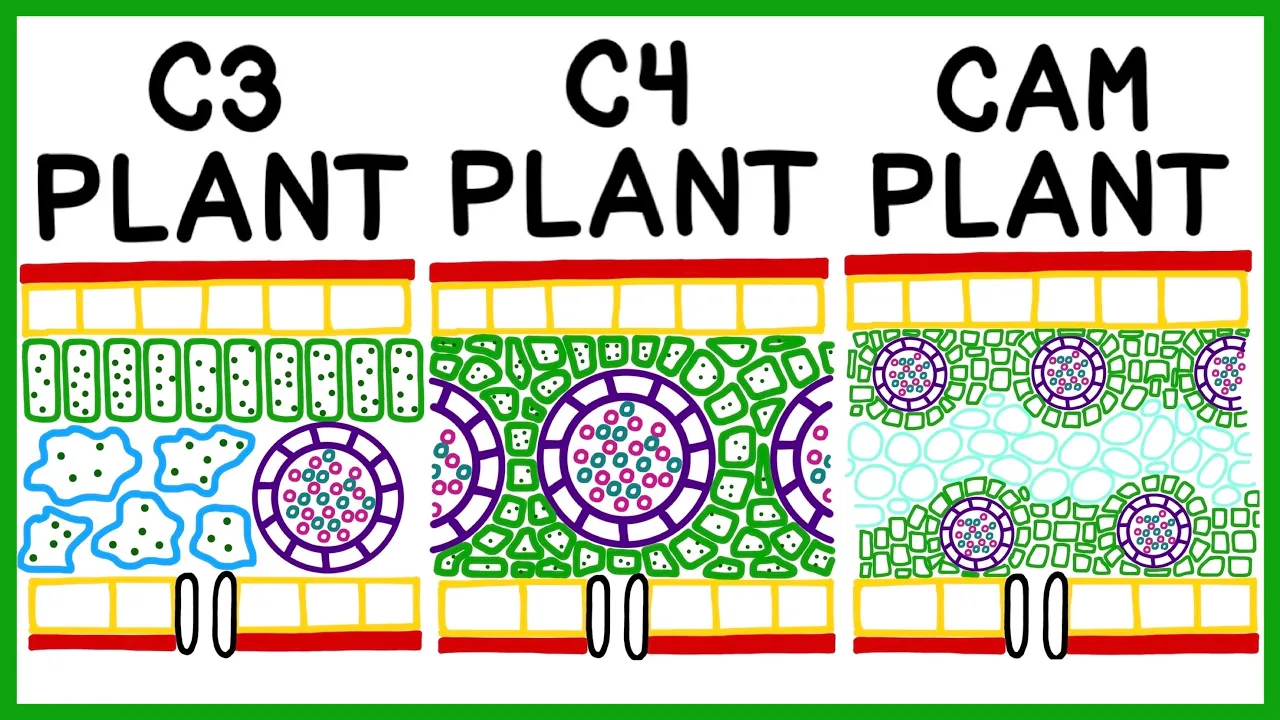
This section covers C4 and CAM photosynthesis as adaptations to minimize photorespiration. C4 plants have specialized leaf anatomy with bundle sheath cells surrounding vascular bundles. In C4 plants, CO2 fixation occurs in mesophyll cells first, where CO2 is combined with phosphoenolpyruvate (PEP) by PEP carboxylase to form oxaloacetate (4 carbons). This is then converted to malate and transported to bundle sheath cells where CO2 is released for the Calvin cycle. CAM plants separate CO2 fixation and Calvin cycle temporally - CO2 is fixed at night when stomata are open and released during the day. This temporal separation minimizes water loss while maintaining photosynthesis. CAM plants include cacti and succulents adapted to arid environments.
Click to watch →
C3, C4 and CAM Plant Photosynthesis & Photorespiration
256.6K
Plants have evolved three distinct photosynthetic pathways (C3, C4, and CAM) to optimize carbon fixation and avoid photorespiration; C3 plants use Rubisco directly in the Calvin cycle but suffer from photorespiration when oxygen competes with CO2, especially at high temperatures; C4 plants spatially separate carbon fixation (in mesophyll cells using PEP carboxylase) from the Calvin cycle (in bundle sheath cells), preventing Rubisco from binding oxygen; CAM plants temporally separate carbon fixation (at night when stomata can open without water loss) from the Calvin cycle (during the day), storing fixed carbon as malate in vacuoles; each pathway has specific adaptations in leaf anatomy (Kranz anatomy for C4, aquiferous parenchyma for CAM) and ideal temperature ranges, which growers can exploit to maximize crop yields by matching plant types to environmental conditions and optimizing CO2 levels.
Click to watch →

Grade 12 Biology Unit 3 Energy Transformation Part 1 | Mr. Ebisa Geleta
152K
C4 plants spatially separate carbon fixation by fixing CO₂ into four-carbon acids in mesophyll cells before transporting them to bundle sheath cells for Calvin cycle reactions. This concentrates CO₂ around RuBisCO, reducing photorespiration. CAM plants temporally separate fixation by taking up CO₂ at night when stomata are open, storing it as malic acid in vacuoles, then releasing it during the day for Calvin cycle reactions. Both adaptations improve water use efficiency under environmental stress, with CAM being particularly effective in arid climates.
Click to watch →
Photosynthesis In Higher Plants | Part 2 | One Day One Chapter | NEET Biology | NEET 2020
113.5K
C4 plants (maize, sugarcane) are adapted to dry tropical regions with high temperatures. They use the Hatch-Slack pathway where CO2 fixation occurs in mesophyll cells using PEP as primary acceptor, producing oxaloacetic acid (4-carbon). This acid is transported to bundle sheath cells where it is decarboxylated, releasing CO2 for the Calvin cycle. This concentrates CO2 around rubisco, preventing photorespiration. Photorespiration occurs in C3 plants when rubisco binds oxygen instead of CO2, wasting energy with no net sugar production.
Click to watch →

Metabolizm - powtórka przed maturą z biologii 2023
68.9K
C4 plants spatially separate initial CO2 fixation (in mesophyll cells using PEP carboxylase) from the Calvin cycle (in bundle sheath cells), concentrating CO2 around rubisco to reduce photorespiration. CAM plants temporally separate these processes: CO2 fixation occurs at night (stomata open), while the Calvin cycle occurs during the day (stomata closed). Both adaptations minimize water loss while maintaining efficient photosynthesis in arid environments. The opuntia fig example demonstrates CAM characteristics: CO2 fixation at night, malate storage in vacuoles, and decarboxylation during the day.
Click to watch →
Deep Dive
A comparison between photophosphorylation in chloroplasts and oxidative phosphorylation in mitochondria.
Difference between Oxidative phosphorylation and Photophosphorylation
12.3K
Oxidative phosphorylation and photophosphorylation are two distinct ATP synthesis processes: oxidative phosphorylation occurs in mitochondria during cellular respiration, deriving energy from the oxidation of NADH and FADH2 (which pump protons into the intermembrane space), while photophosphorylation occurs in chloroplasts during photosynthesis, deriving energy from sunlight absorbed by photosystems (which pump protons into the thylakoid lumen); both processes use proton gradients across membranes to drive ATP synthase and produce ATP, but differ in their energy source, location, electron carriers, terminal electron acceptors, and ATP utilization (oxidative for cellular activities, photophosphorylation for carbon fixation).
Click to watch →
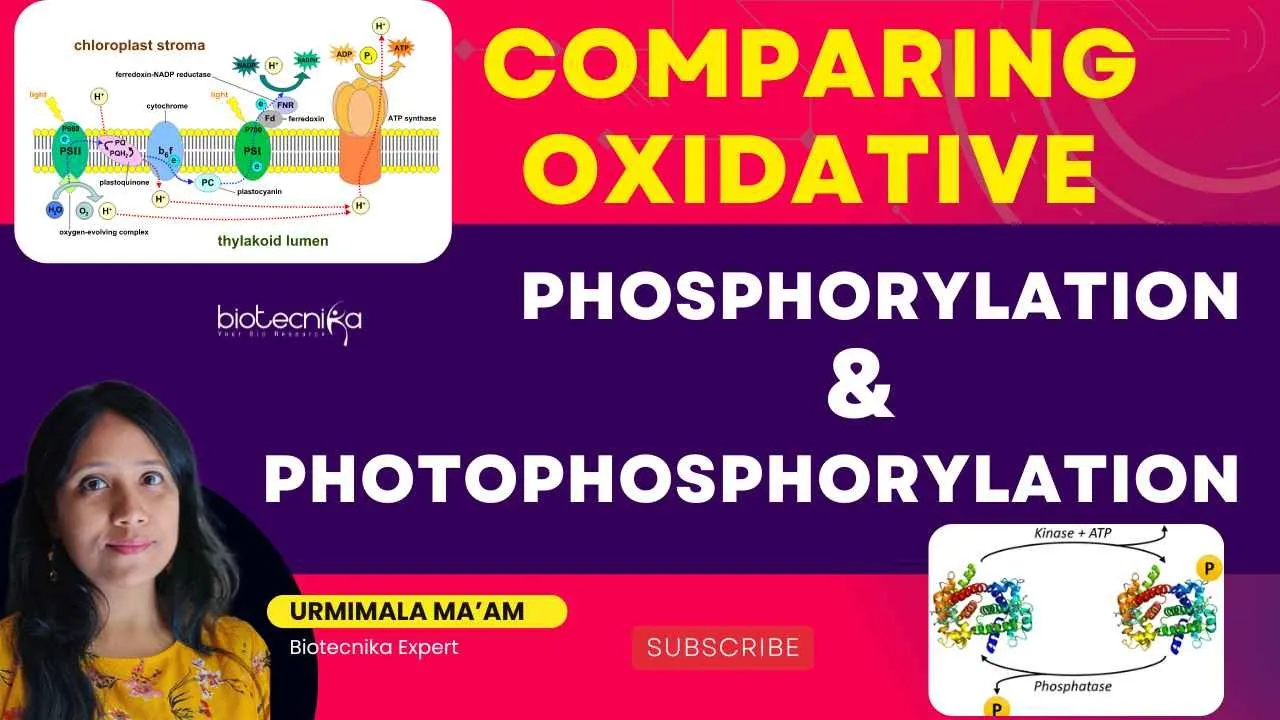
Comparing Oxidative Phosphorylation and Photophosphorylation For CSIR NET / ICMR GATE / DBT / TIFR
446
Oxidative phosphorylation occurs in mitochondria during cellular respiration, where electrons from NADH and FADH2 flow through the electron transport chain to oxygen, creating a proton gradient that drives ATP synthesis; photophosphorylation occurs in chloroplasts during photosynthesis, where light energy splits water to release electrons that travel through photosystems to reduce NADP+ to NADPH, also creating a proton gradient that drives ATP synthesis, with key differences including location (mitochondria vs. chloroplast), energy source (chemical bonds vs. light), electron donors (NADH/FADH2 vs. water), and final products (only ATP vs. both ATP and NADPH).
Click to watch →

Photophosphorylation in chloroplast is most similar to which of the following
168
Photophosphorylation in chloroplasts is most similar to oxidative phosphorylation in mitochondria, as both processes generate ATP through phosphorylation - photophosphorylation uses light energy to produce ATP during photosynthesis, while oxidative phosphorylation uses energy from nutrient oxidation to produce ATP in cellular respiration.
Click to watch →

Chemiosmosis | Mitochondria vs chloroplast | A2 Biology
390
Chemiosmosis occurs in both mitochondria during oxidative phosphorylation and chloroplasts during photophosphorylation, but differs in several key aspects: in mitochondria, protons and electrons come from reduced NAD and FAD, oxygen is the final electron acceptor forming water, and protons are pumped from the matrix to the intermembrane space; in chloroplasts, protons and electrons come from water photolysis, NADP+ is the final electron acceptor forming reduced NADP, and protons are pumped from the stroma to the thylakoid space.
Click to watch →

التفاعلات المعتمدة على الضوء الوحدة السابعة أحياء صف ثاني عشر كامبردج الفصل الدراسي الثاني
21K
Both photophosphorylation (in chloroplasts) and oxidative phosphorylation (in mitochondria) produce ATP using chemiosmotic mechanisms. In photophosphorylation, light energy drives electron transport and proton pumping. In oxidative phosphorylation, energy from oxidation reactions drives the same process. The key difference is the energy source: light in chloroplasts versus oxidation reactions in mitochondria. Both processes use ATP synthase to convert the proton gradient into ATP.
Click to watch →
Deep Dive
Real-world applications of photosynthesis, such as engineering higher crop yields, biofuels, and artificial photosynthesis technologies.

การสังเคราะห์ด้วยแสงของพืช | YOU EASYPASS เตรียมสอบเข้ามัธยมศึกษาปีที่ 1 (29 พ.ย.67)
272
Understanding photosynthesis has practical applications: agriculture (optimizing crop growth based on light requirements), biofuel production (converting solar energy to chemical energy), space exploration (producing food and oxygen in space stations), genetic engineering (improving photosynthesis efficiency), and environmental protection (carbon credits and reforestation). The sugar industry relies on plants like sugarcane that efficiently convert carbon dioxide into sucrose. These applications demonstrate how photosynthesis knowledge benefits society.
Click to watch →

Очевидное - невероятное. Тайны фотосинтеза (21 06 2008)
176
Modern molecular biology enables targeted modification of photosynthetic proteins by changing DNA sequences. Magnesium in chlorophyll is coordinated by histidine residues; replacing histidine with leucine disrupts coordination. Hydrogenase enzymes in bacteria catalyze hydrogen production for energy applications. Photosynthetic reaction centers serve as biosensors for environmental pollutants like herbicides and heavy metals. Agricultural applications include creating herbicide-resistant crops. Photosynthesis maintains atmospheric oxygen balance essential for aerobic life. Converting solar energy through photosynthesis reduces planetary heating. Artificial photosynthesis research aims to replicate natural efficiency while being more stable. Massive iron ore deposits like the Kursk Anomaly originated from ancient cyanobacteria that used iron for photosynthesis, demonstrating how biological processes shape Earth's mineral resources.
Click to watch →

2 වන ඒකකය | 06 වන පාඩම - ශක්තිය තිර කරන ක්රියාවලියක් ලෙස ප්රභාසංස්ලේෂණය - 02 වන කොටස.
56K
Understanding photosynthesis has important applications in agriculture and biotechnology. Scientists use photosynthetic knowledge to develop more efficient crop varieties, improve photosynthetic machinery, and enhance stress tolerance. Biotechnology applications include genetic modification to improve photosynthetic efficiency, development of synthetic photosynthetic systems, and engineering of crops with enhanced photosynthetic capabilities for increased food production.
Click to watch →
The Future : Bioenergy, Biomass, and Hydrogen and Open Questions
118
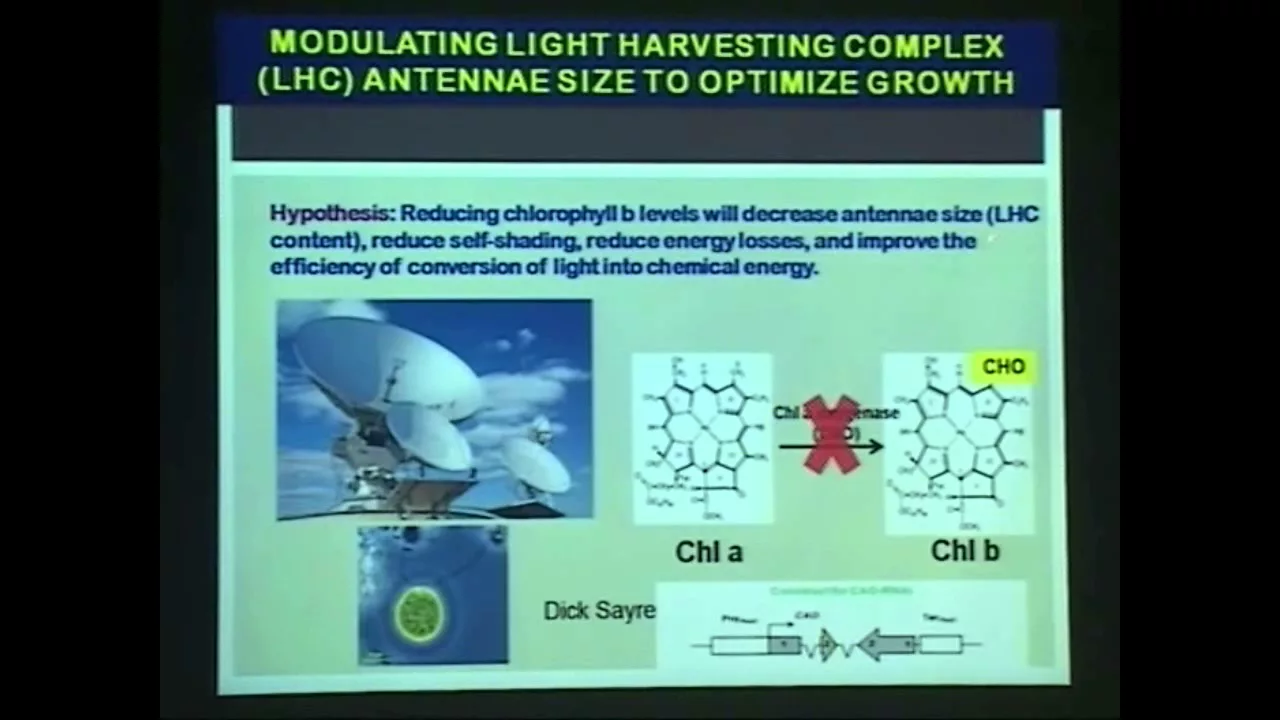
C4 plants achieve 42% photosynthetic efficiency compared to 18% in C3 plants through specialized anatomical adaptations that concentrate CO2 around Rubisco, reducing photorespiration. Engineering C3 crops to incorporate C4 mechanisms represents a major agricultural research goal. Tobacco serves as the primary model organism due to rapid growth and ease of transformation, with successful modifications subsequently transferred to economically important crops like rice and wheat. Natural evolution has not optimized photosynthesis for human agricultural purposes because wild plants prioritize survival over maximum productivity. Photorespiration occurs when oxygen competes with CO2 at Rubisco, consuming energy without producing useful carbohydrates. Research strategies include introducing alternative carbon fixation pathways, modifying Rubisco to prefer CO2 over O2, and engineering CO2 concentration around the enzyme. Artificial photosynthesis aims to replicate natural processes using synthetic systems, including manganese-based catalysts for water splitting and cobalt-based systems for solar fuel production. The Joint Center for Artificial Photosynthesis (JCAP) targets systems 10 times more efficient than current crop-based biofuel production.
Click to watch →
الصفات العامة للكائنات الحية 🌿 | الدرس الثاني الوحدة الثالثة | علوم الصف الأول الإعدادي الترم الأول
32K
The photosynthesis equation is: Water + Carbon Dioxide + Light Energy → Glucose + Oxygen. This equation demonstrates how plants convert inorganic materials into organic food using light energy. Scientists have developed artificial photosynthesis technology using artificial leaves that absorb carbon dioxide from sources like car exhaust and factories. This technology produces environmentally friendly fuel and helps reduce the greenhouse effect caused by carbon dioxide emissions, demonstrating practical applications of biological principles.
Click to watch →
Light Reactions
NADPH Production
Light Reactions
0:05- 1
Photosynthesis light reactions occur in thylakoids, converting light into chemical energy.
- 2
Photosystem II initiates electron flow, splitting water and releasing oxygen.
- 3
Electron transport creates a proton gradient, driving ATP synthesis via ATP synthase.
Cyclic Electron Flow and Photoprotective Pathways
While introductory biology emphasizes the Linear Electron Flow (LEF) of light reactions—which produces a fixed ratio of ATP and NADPH—this classic model is an oversimplification. In reality, the ATP and NADPH generated by LEF do not match the exact stoichiometry required by the Calvin cycle. To balance this ratio and protect the plant from damage under fluctuating light, chloroplasts rely heavily on Cyclic Electron Flow (CEF) and pseudocyclic pathways (such as the water-water cycle). CEF recycles electrons through Photosystem I to generate additional ATP without producing NADPH. Introducing these alternative pathways challenges the rigid 'Z-scheme' narrative, demonstrating that photosynthetic light reactions are a highly dynamic, regulatory network rather than a simple, linear assembly line.
Basic structure of a plant cell, specifically the anatomy of a chloroplast (thylakoids, stroma, and grana).
The overall chemical equation of photosynthesis, including the starting reactants and final products.
Fundamental concepts of cellular energy, including the basic structure and function of ATP as the cell's energy currency.
The basics of the electromagnetic spectrum and how pigments like chlorophyll absorb light energy.
An introductory understanding of chemical oxidation-reduction (redox) reactions and electron transport.
The Calvin Cycle (light-independent reactions) and how it utilizes the generated ATP and NADPH to fix carbon dioxide into G3P.
The biochemical details of photophosphorylation and the proton gradient across the thylakoid membrane.
Evolutionary adaptations of photosynthesis under environmental stress, such as C4 and CAM pathways.
A comparison between photophosphorylation in chloroplasts and oxidative phosphorylation in mitochondria.
Real-world applications of photosynthesis, such as engineering higher crop yields, biofuels, and artificial photosynthesis technologies.
968.2K views13.4Klikes4:17@RicochetscienceOriginal Release: 2017-03-02
The leaves of this plant have cells that carry out photosynthesis.
If we zoom in on this photosynthetic plant cell we can see the chloroplasts, where the reactions of photosynthesis occur.
Photosynthesis consists of two primary steps: The light reactions, and the calvin cycle reactions. In this tutorial, we'll focus exclusively on the light reactions.
The light reactions occur within the thylakoid of the chloroplast.
Here, special pigments absorb light energy and transfer it to high energy electrons, eventually producing ATP and the electron carrier NADPH. Let's zoom into the thylakoids to take a closer look at how ATP is created.
The light reactions use two photosystems, called photosystem I and photosystem II, which are both embedded in the thylakoid membrane.
It's important to realize that these photosystems are named for the order in which they were discovered, not for the order in which they participate in the photosynthetic process. The light reactions actually begin at photosystem II. The first thing that happens is that photosystem II receives photons, or light energy.
This light energy is transferred to a chlorophyll reaction center, causing electrons in the reaction center to become energized. These electrons become so energized that they escape photosystem II and move to a nearby electron acceptor molecule, located in the electron transport chain. Meanwhile, to replace the electrons leaving photosystem II, water is split, releasing oxygen, two hydrogen ions, and two electrons.
The first set of electrons continues to move down the electron transport chain, releasing stored energy as it moves. This energy is used to create a hydrogen ion gradient. A protein in the electron transport chain pumps hydrogen ions from the stroma into the thylakoid space. This creates a high concentration of ions in the thylakoid space, relative to the low concentration of ions in the stroma. This gradient contains a large amount of potential energy, which is used by an enzyme called ATP synthase.
The hydrogen ions flow down their concentration gradient, through a channel in ATP synthase, releasing energy in the process.
ATP synthase uses this energy to add a phosphate to ADP, forming ATP.
Let's zoom back out for a moment, and return to our chloroplast.
Remember from the beginning of this tutorial, that the light reactions produce both ATP and NADPH. We've just seen how ATP is produced, but what about NADPH?
Let's zoom back in to take a closer look. Notice these electrons over here where we left them at photosystem one. As photosystem I absorbs additional light energy, the electrons again become energized, escaping photosystem I and moving down the second electron transport chain. Electrons from the electron transport chain adjacent to photosystem II, replace those from photosystem I. And again, water is split to replace the electrons that have moved from photosystem II.
At the end of this electron transport chain, the energized electrons and a hydrogen molecule are used to reduce NADP to NADPH.
Let's zoom back out to review. The light reactions use light energy and water to produce ATP and NADPH.
Oxygen gas is released as a by product.
Together, the ATP and NADPH formed during the light reactions, are used by the Calvin cycle reactions, which are discussed more in depth in a separate tutorial. The important thing to remember from this tutorial, is that plants need both light and water to survive.
Without these ingredients, the light reactions would shut down stalling photosynthesis, and causing the plant to die.
Up Next
5:36
Chloroplast Structure & Function: Photosynthesis Explained
@Bozemanscience1
339K views•2016-05-12
50:12
Bacterial Communication: Quorum Sensing and Biofilm Formation Explained
@JHUAAP
12.6K views•2011-06-28

5:35
Enteric Nervous System Explained: The Gut's Brain | Neurobiology Lecture
@alumniu6029
438 views•2018-09-12
7:08
Bacteriophages: Earth's Deadliest Killers and Future Antibiotics
@kurzgesagt
34.6M views•2018-05-13
Related Study Plans & Knowledge Roadmaps
Structured learning paths in Biology
biology
RNAi: Biogenesis, RISC & Gene Silencing
01Molecular Biology Foundations: DNA to Protein
02Introduction to RNA Interference (RNAi)
03Molecular Biogenesis of miRNA and siRNA
+ 2 more learning modules
10h5 modules
Explore Roadmap
biology
Mycorrhizae: Signaling, Biophysics & Ecology
01Foundations of Mycorrhizal Symbiosis
02Molecular Signaling and Root Colonization
03Biophysics and Bioenergetics of Nutrient Exchange
+ 1 more learning modules
11h4 modules
Explore Roadmap
biology
Circadian Clocks: TTFL, SCN & Periphery
01Foundations of Molecular Biology & Gene Expression
02Introduction to Chronobiology and Actograms
03The Core TTFL: Molecular Architecture of the Clock
+ 3 more learning modules
14h6 modules
Explore Roadmap
biology
Population Genetics: Math, Drift & Selection
01Genetic & Probability Foundations
02The Hardy-Weinberg Principle and Baseline Models
03Mathematical Modeling of Natural Selection
+ 3 more learning modules
18h6 modules
Explore Roadmap