


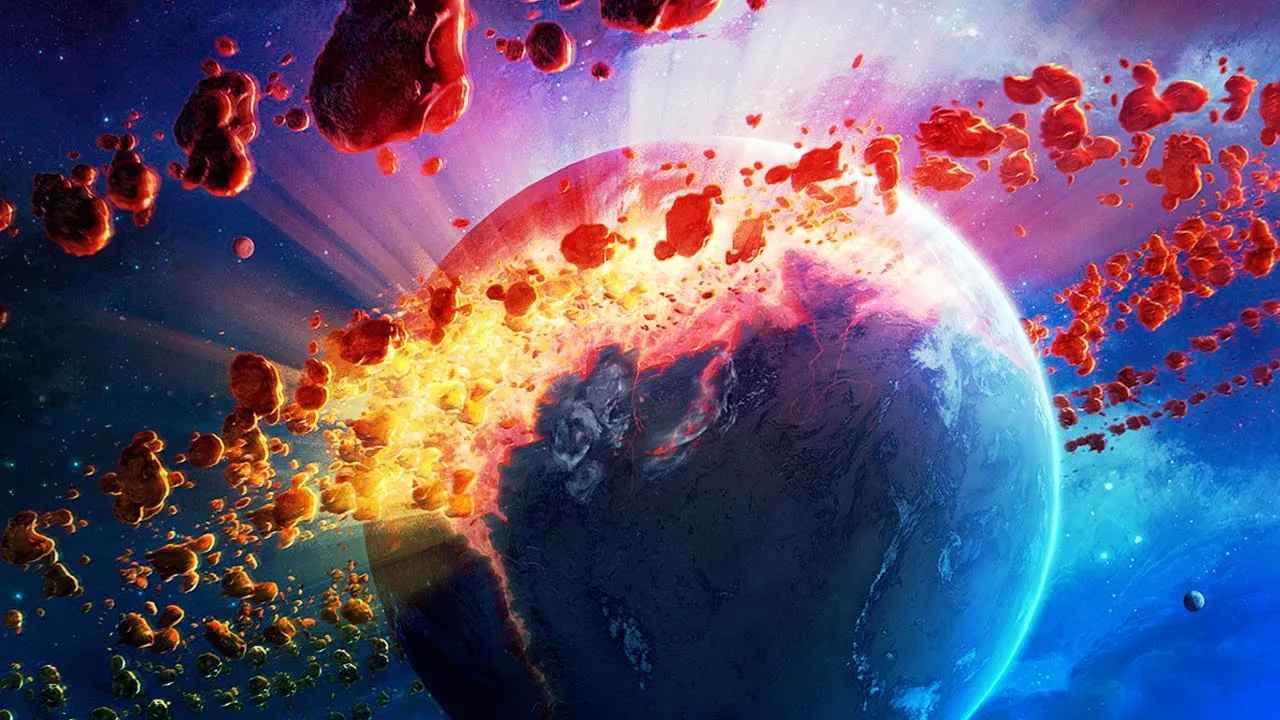
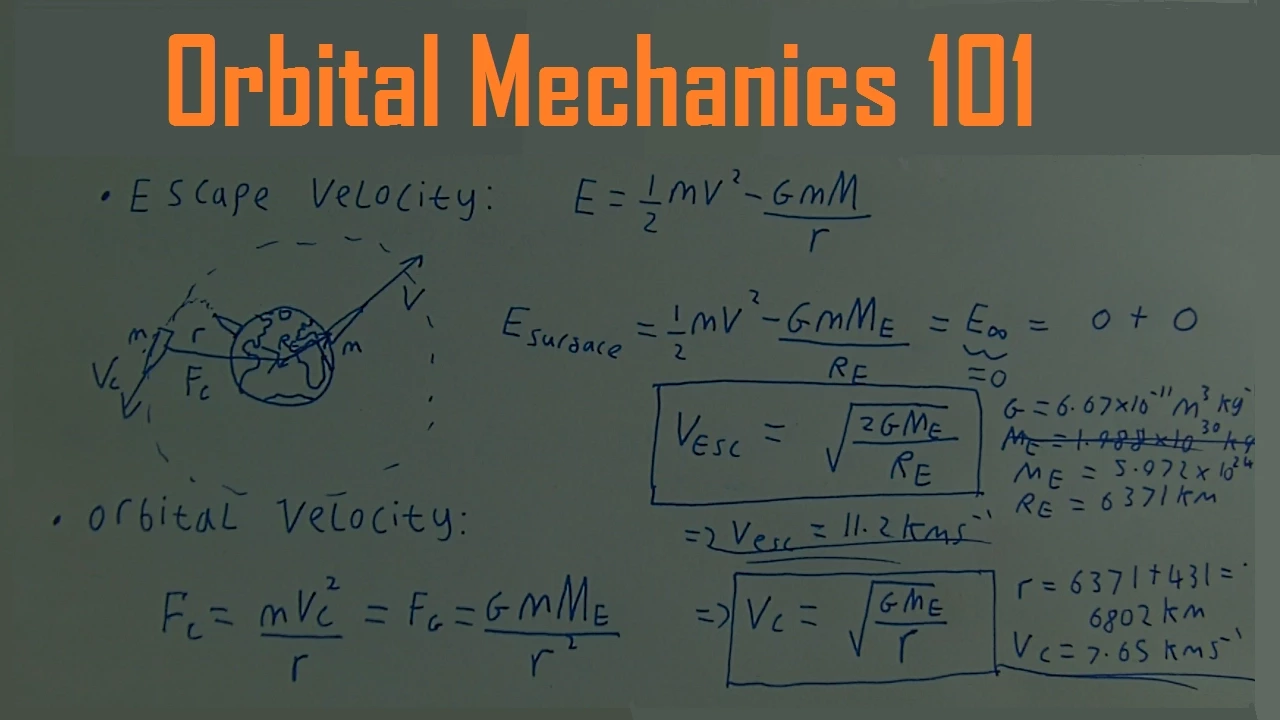





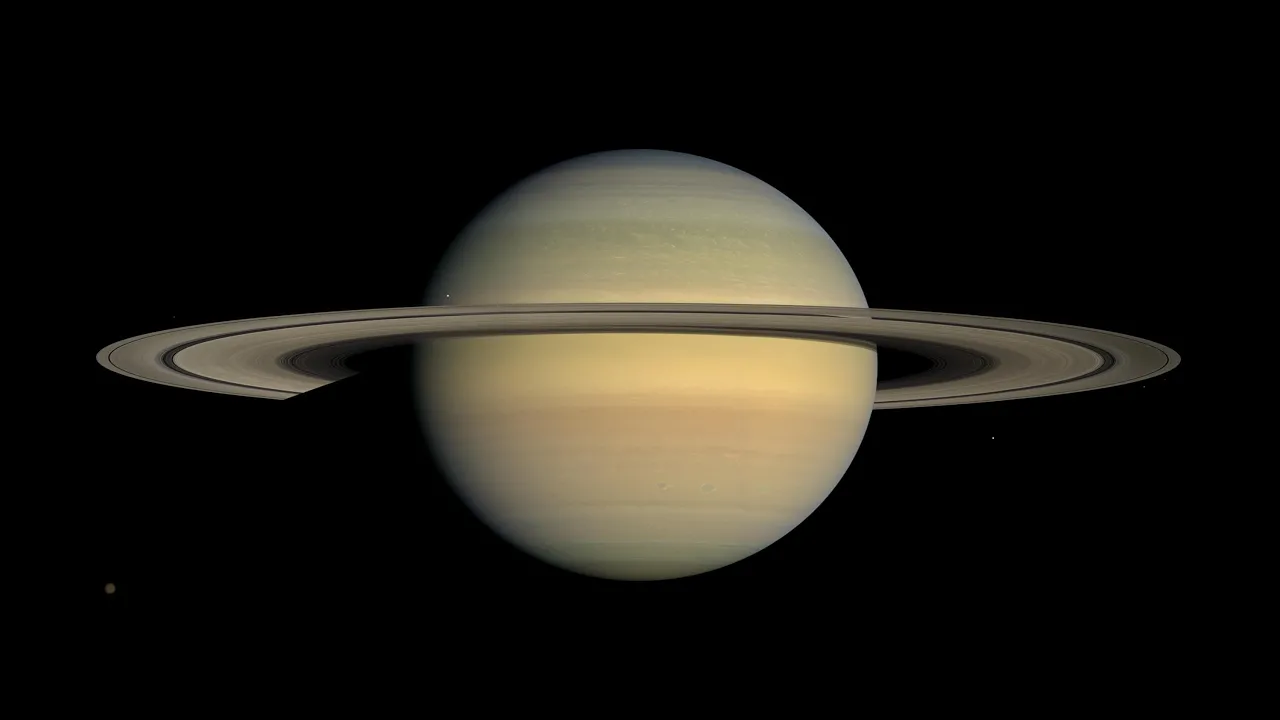

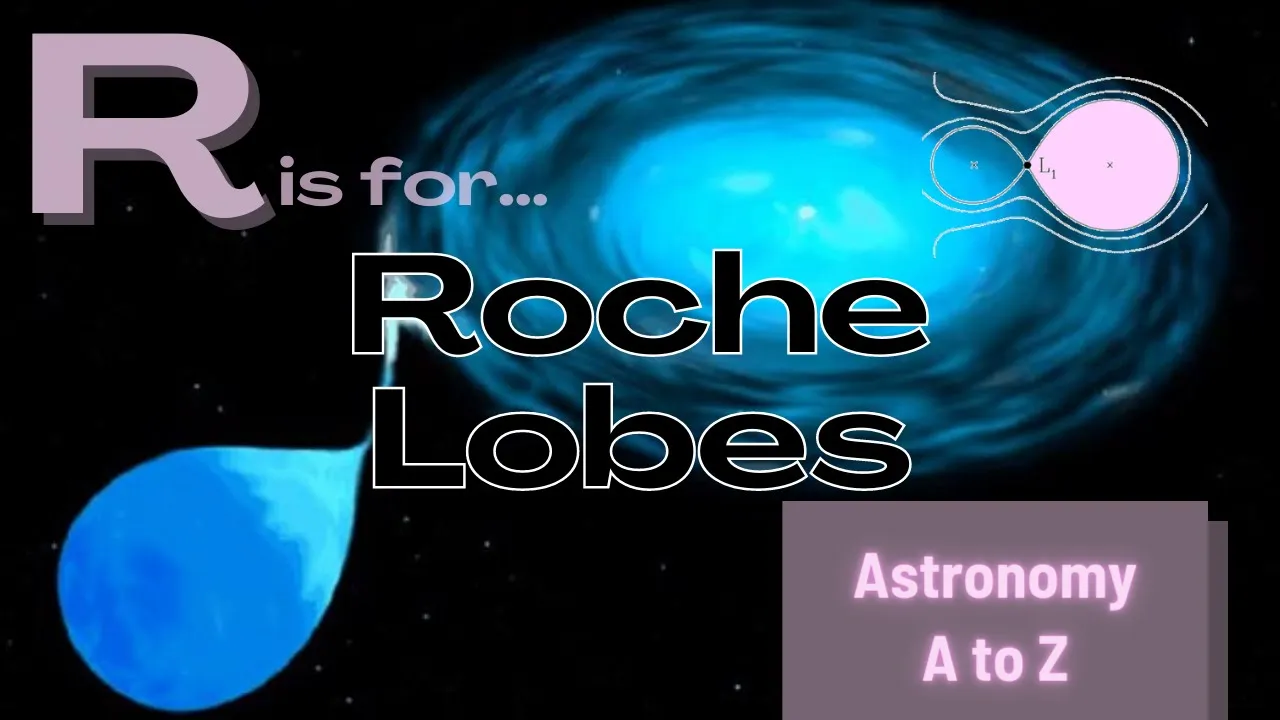
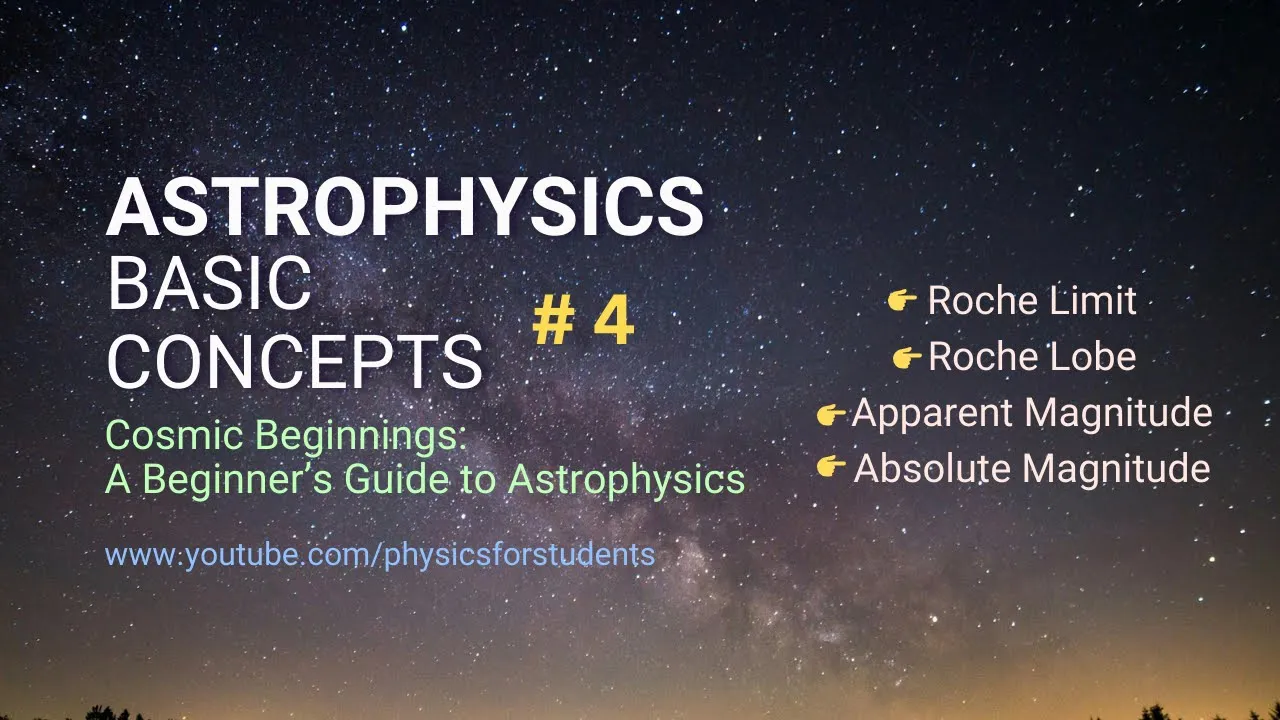
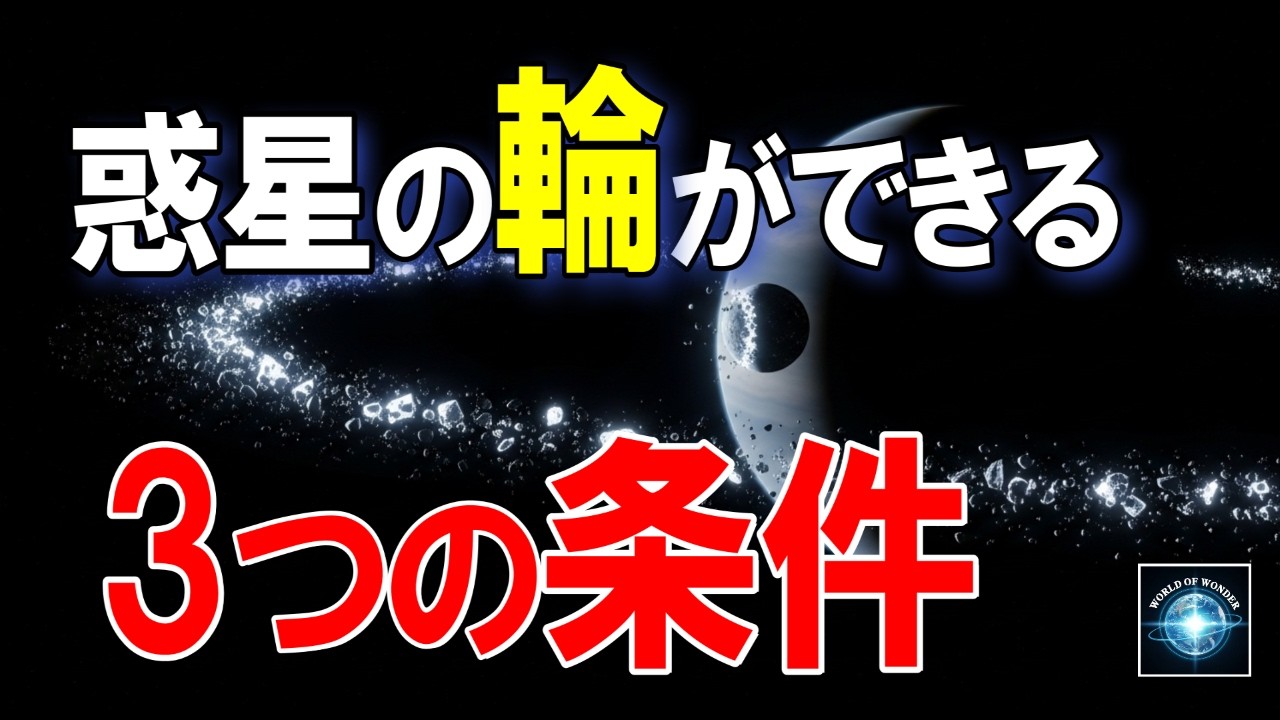


The Roche Effect describes how a moon can be torn apart by a planet's tidal forces when it ventures too close, with the critical distance (Roche Limit) depending on the planet's and moon's densities; moons held together by gravity rather than chemical bonds can be shredded when the planet's gravitational pull exceeds the moon's self-gravity, explaining phenomena like Saturn's rings forming from destroyed moons and Jupiter's moon Io's extreme volcanic activity.
How Space Forces Create Saturn's Rings and Moons
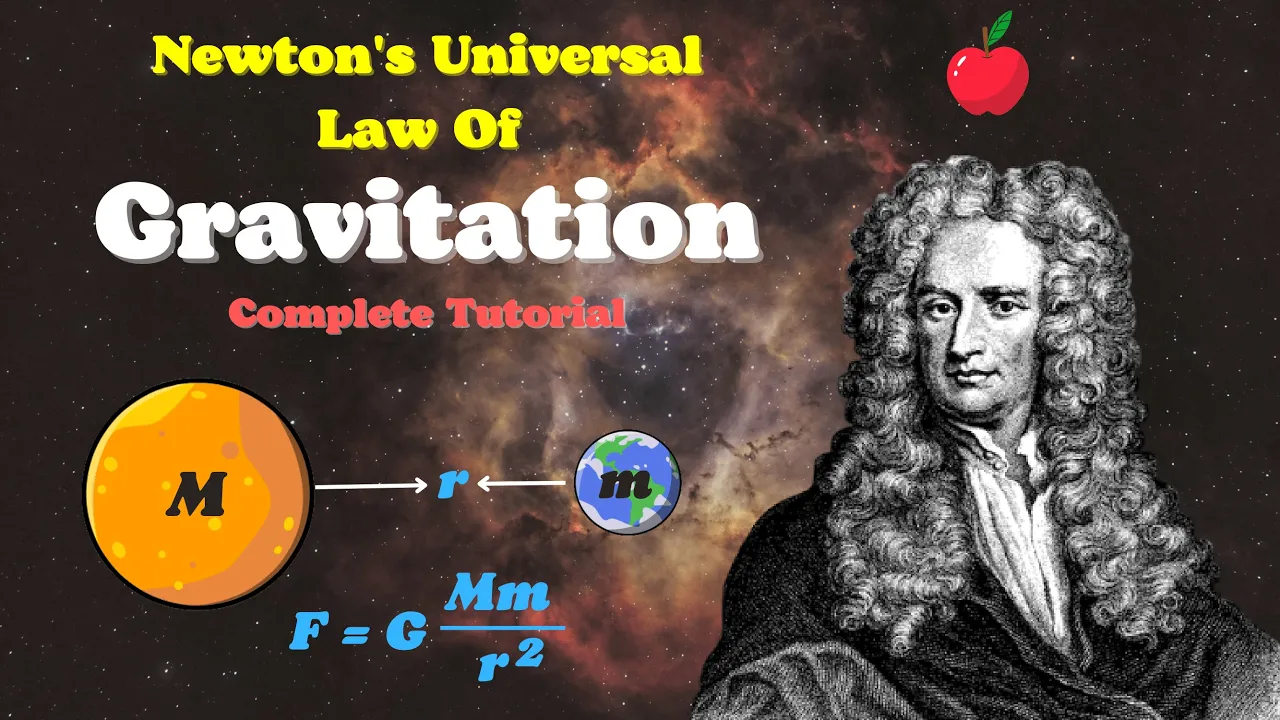
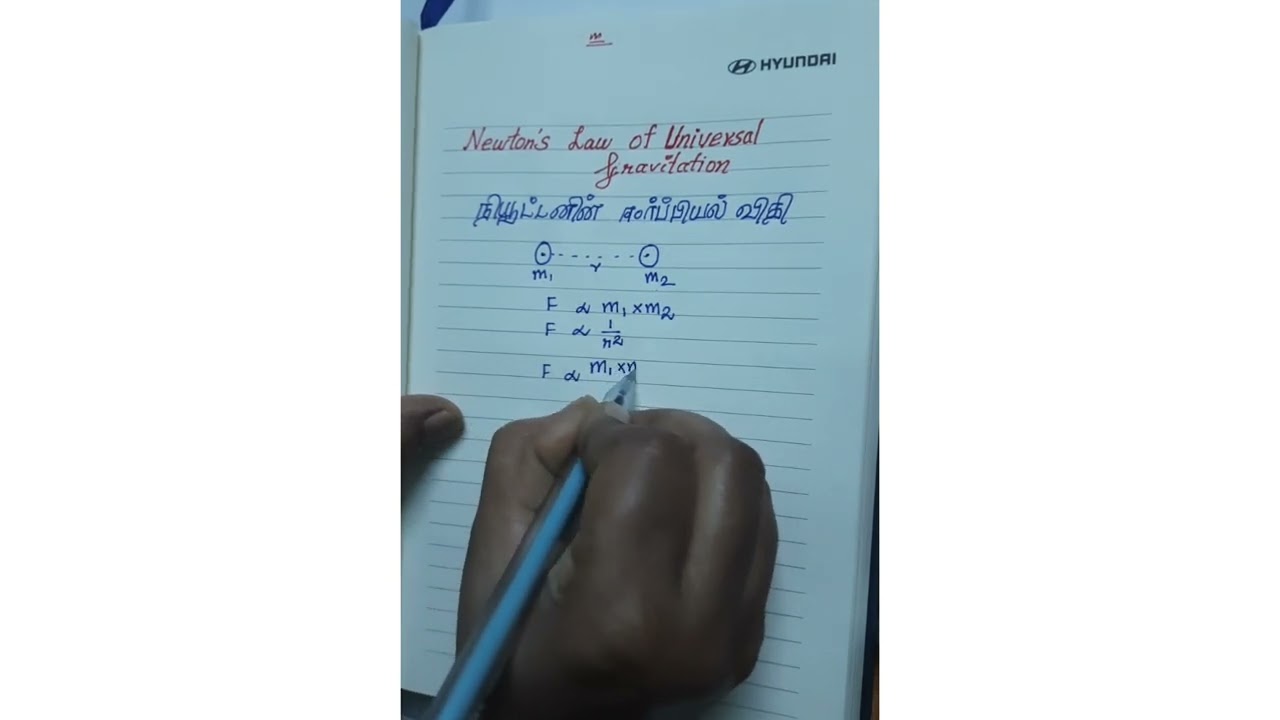
Added:Newton's Law of Universal Gravitation: Understanding how the gravitational force between two objects depends on their masses and the distance between them.
Concept of Tidal Forces: Grasping how the differential gravitational pull of a primary body acts on the near and far sides of an orbiting satellite.
Basic Orbital Mechanics: Knowing how satellites (moons) maintain stable orbits around planets through the balance of gravitational pull and orbital velocity.
Internal Cohesion of Celestial Bodies: Understanding the difference between self-gravitation (holding large moons together) and tensile/chemical strength (holding smaller asteroids together).
Shepherd Moons and Ring Dynamics: Exploring how tiny moons like Prometheus and Pandora gravitationally sculpt and maintain the boundaries of Saturn's rings.
Roche Lobes and Binary Star Systems: Advancing to stellar astrophysics to study mass transfer, accretion disks, and Roche lobe overflow between close binary stars.
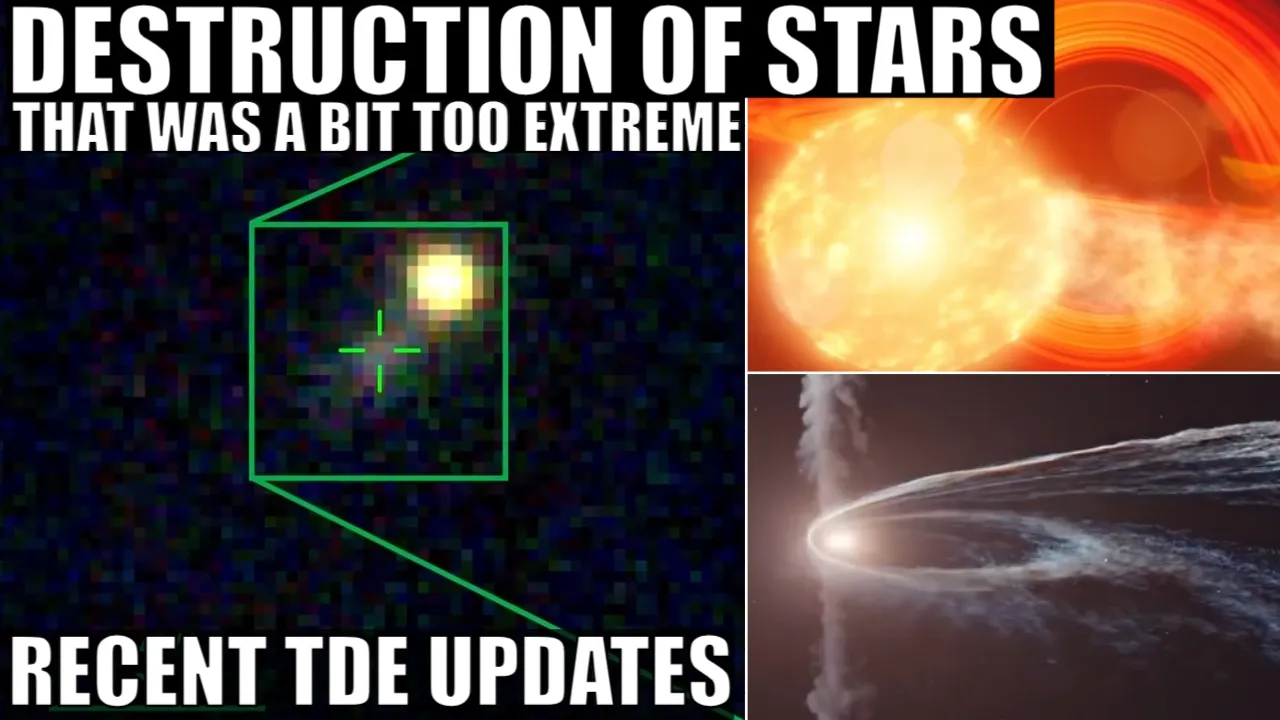
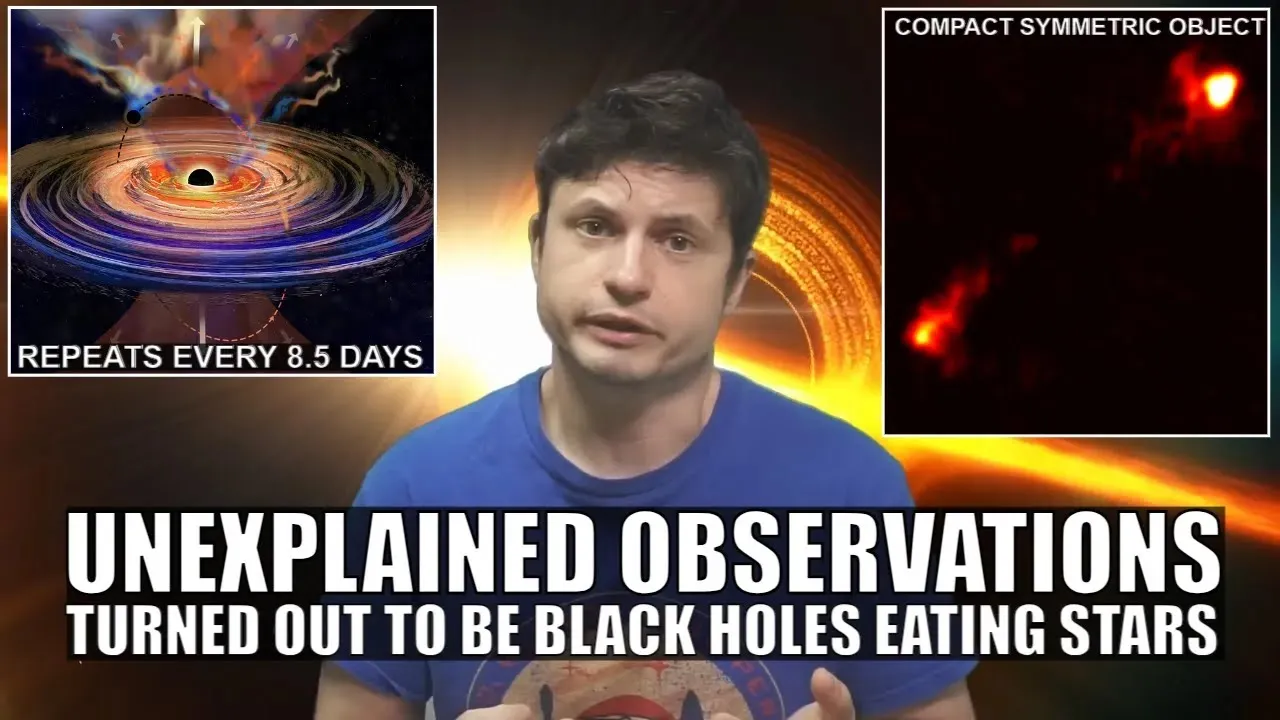
Tidal Disruption Events (TDEs): Investigating the extreme scenarios where stars are ripped apart by the immense gravitational tidal forces of supermassive black holes.
The Evolution and Lifespan of Planetary Rings: Analyzing scientific models on the origin of planetary rings (e.g., destroyed moons) and why Saturn's rings are temporary features eroding over time.
101 views9likes1:02:53Original Release: 2021-06-15
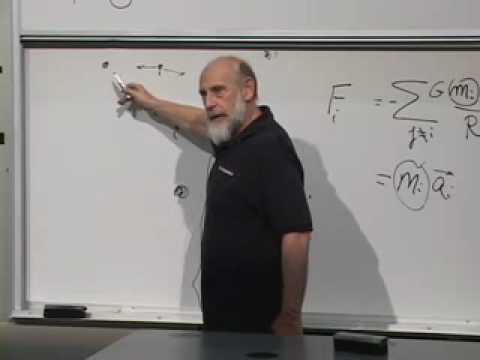
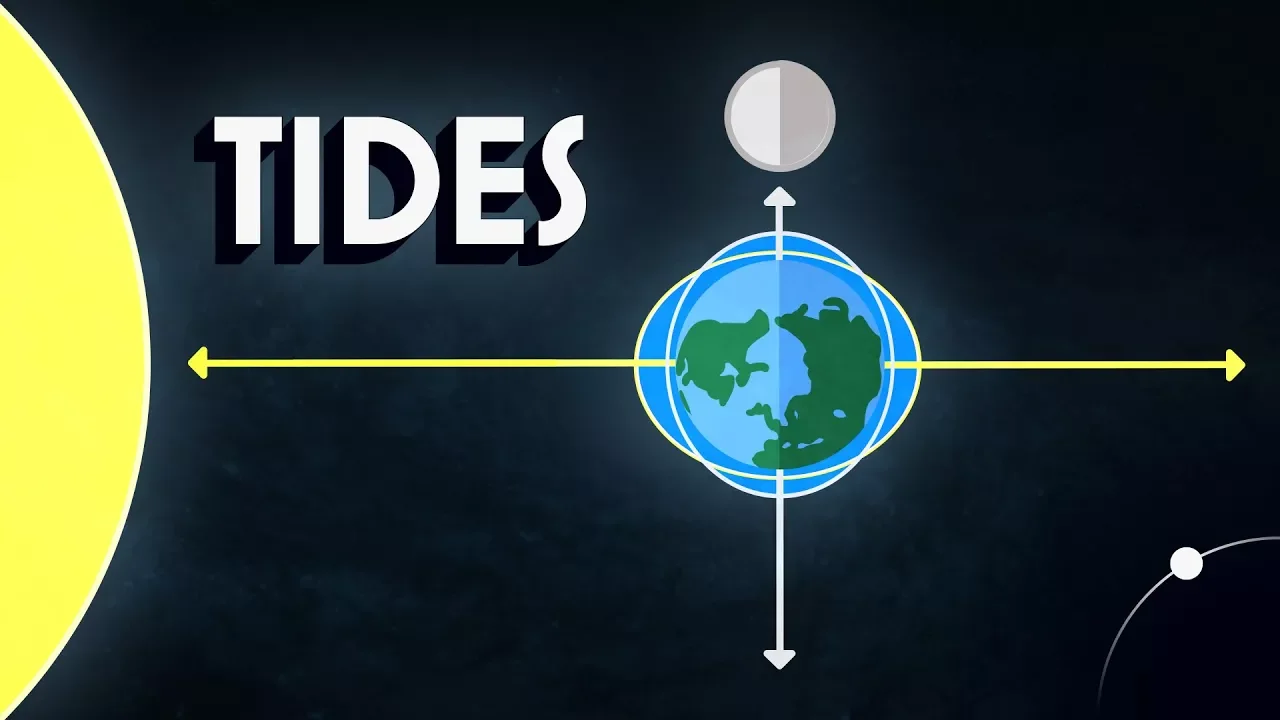
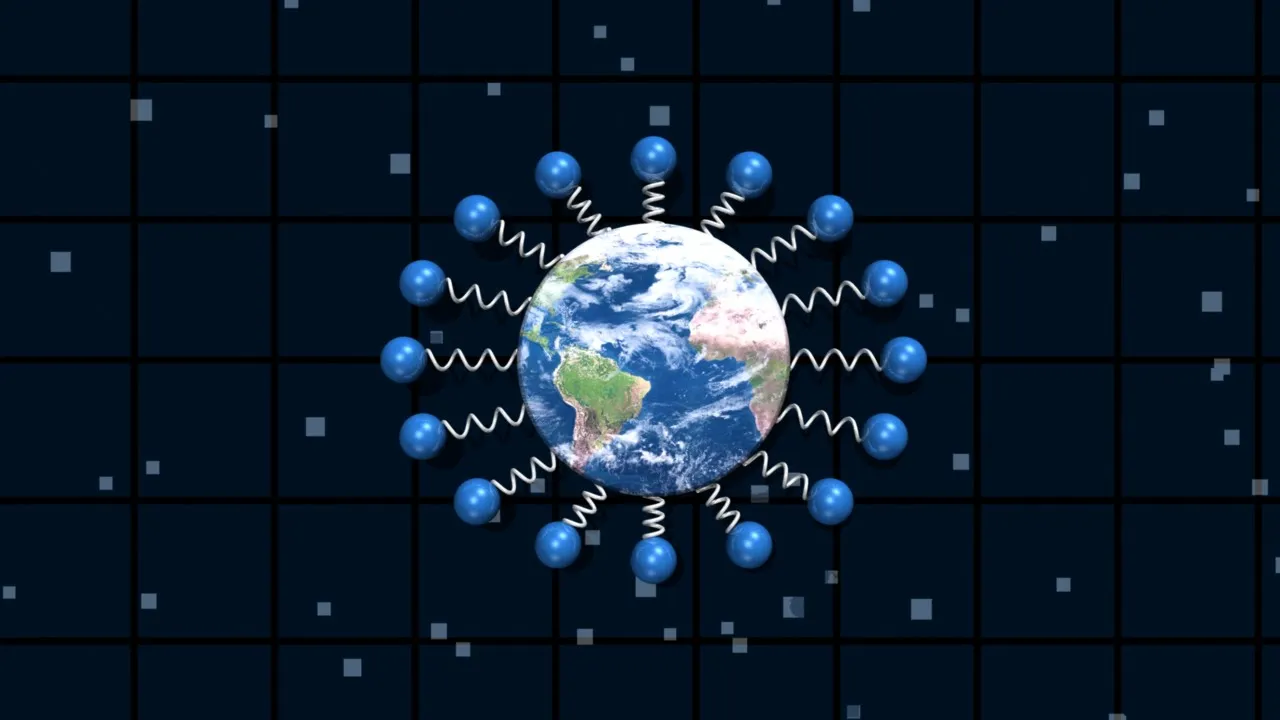
it's it's just astounding yeah the dynamics of orbiting objects are really harshly oppressive on things that do not orbit in the elliptical plane those things get weeded out quite quickly when i was teaching astronomy um this would be this was my favorite lesson to do when i had someone coming in to evaluate me because uh everyone's fascinated and uh we would really quickly get heap deep hip deep in the uh mathematics and science of it all and the students really enjoyed it but the uh the administrators and their eyes would kind of bug out and roll back in their heads and uh they somehow thought after watching me that i i knew lots of science because the lesson was just amazing i would get comments i really didn't understand it but it sounded amazing but they aren't amazing yeah that sounds amazing it's something i i think if you talk to people about what your first memorable astronomy experience the first time you look through a telescope there are really two things come up the moon and the rings of saturn are two really wow aw inspiring life-changing thunderstruck sort of observation set for sure for sure and uh yeah jupiter jupiter two categories um in that category as well yeah um for me saturn was uh saturn view of saturn was what set me on the path more than uh 50 years ago um the local village priest his son and i went to school together and uh father bessette had this i thought it was gigantic telescope in his office i think it was probably one of the old japanese tascos f12 or something like that so it was a long telescope on a beautiful wooden tripod i pestered him for months i was merciless and uh my friend would like would you quit bugging my dad i'm like no he just has to take me out and so one one nice summer night he invited all the neighborhood kids and uh come on let's let's set up the telescope let's look at the moon let's look at some other things most of the neighborhood kids uh got tired of it after about half an hour i stayed i was out there for a couple of hours and he eventually showed me how to run the equatorial mount i'm like what's this one what's that when i like wow that one's bright it's kind of yellow what's that he said well you know how to point the telescope now go ahead and have a look and it was saturn and i could see the rings and 50 years ago in northern illinois southern wisconsin uh the light pollution wasn't too bad not like it is today we had and i just remember being absolutely floored by the view and immediately set off pestering my parents to buy me my first telescope for christmas yes um which i got i got a nice little 60 millimeter tasco one of the one of the ones that the older it is the better it is right they they kind of deteriorated well plus goes back then were made in japan right back then they were they were right yeah and they were the optics were quite nice oh yeah and uh i lived in town and let's an apartment over a shop and we had so i went out on the fire escape and uh went and filched a ladder from my grandmother who lived a couple blocks away carried the ladder all the way up the fire escape and used it to drive my telescope up onto the roof of our building and then it was right face to face with a street light so i pulled up the ladder and i tipped it over the alleyway about eight foot wide because the next building was a little higher and i took my telescope under the arm and crawled across the ladder and set up behind the parapet this is nice i'm not bothered and i was enjoying the moon and various things and then my mother realizes i'm not in the house and where's danny and my brother blew the gap he said he's out on the fire escape with his telescope and my mother just went ape and then she went out and i wasn't there and then where are you i'm up here i think it was spring before i got to use my telescope again i didn't care he didn't care glorious and changed my life new nasa research indicates that saturn's iconic rings are not only younger than previously thought but also that these rings are actually disappearing at an extremely fast pace the research found that the rings are draining away toward the planet as a dusty rain of ice particles saturn's rings consist mostly of water ice that ranges in size from microscopic dust to large boulders ultraviolet light from the sun and plasma clouds coming from tiny meteoroid strikes charge the icy dust which then becomes bound to saturn's magnetic field and pulled into the planet by gravity this material rains into the planet and begins to disintegrate allowing it to react chemically with the electrically charged part of saturn's upper atmosphere the ionosphere the ions glow in an infrared light as part of this process if the rain is light but the emissions dim if the rain is heavy this was observed using instruments attached to the keck telescope in hawaii the rate of disappearance in this ring rain study has allowed scientists to infer that saturn's rings formed less than 100 million years ago this means saturn wasn't born this way as the planet is known to be over 4 billion years old and when the ring rain data is combined with observations made by the voyager 1 and 2 missions scientists from nasa goddard are able to estimate that the rings will be gone in 300 million years so if this ring doesn't go away saturn will be ringless another day [Music] [Music] well hello everybody it's scott roberts and dr daniel barth here uh from uh um both both of us here in northwest arkansas um and uh it's our pleasure to bring you the 13th episode of how do you know okay which is awesome we have if you look at the description of the text description here in this post you'll see a link to the study guide if you want to download it it's very very nice and daniel you're going to talk about the forces that kind of keep everything either in check or can destroy things so yes right so that's that's awesome um this whole adventure of the activities uh i learned so much as a teacher from my students questions it's one of the most wonderful things about my job and quite a number of years ago a student asked well where did the rings come from and this would have been in the late 80s and this set me off either was no no google no siri so this sent me off on quite a quest to figure out when back then uh people thought they knew but they weren't as certain as they are today and when we go back to the rings in the history of the study of the rings we go back to names everyone recognizes but not necessarily as people it's kind of funny cassini people say if you say cassini today people think of the gap in the rings they don't think of the french astronomer who studied from the observatory in paris if you say roche limit people don't think of edward roche and pardon me to any of our french-speaking viewers i'm sure i'm butchering the name and i don't want to try to sound french that would be even worse so we'll just say edward roche uh and it goes back all the way to james clark maxwell and uh professor maxwell was the one who in fact theoretically proved then the question came ever since uh i think um huygens had the first good view of the rings in a six-inch reflector and then the immediate question what are they made of and maxwell stunned everyone by proving that the rings could not be solid or liquid or gas and people were like i go stop what's it made of and offense essentially what maxwell understood he knew by that time people were quite certain that at some point the atmosphere ended in space was a vacuum and he said well liquid if we take pumps and we pump the air away from liquid it starts to boil if we have gases in a in a vacuum they disperse because we know gas is in higher pressure lower pressure they tend to expand to fill their container so maxwell said well it can't be liquid it can't be gaseous and people for a long time have thought that the rings were some kind of fantastic solid surface and maxwell said no this can't be so and it has to do because of uh certain forces that are there and uh i've got some illustrations today scott and i think they will help us out so i'm going to pop some up and share a screen with you and talk about them so this is uh something that maxwell proposed and what maxwell figured out because if you have something spinning there's two kinds of forces going on first of all and i think you can you can see this if you take a look i've got my little baseball from last week's uh tides episode and if you spin that you think about spinning the earth spinning in place well if you went up to the north pole or to the south pole and you just stood there it would take you 24 hours to make one rotation it's a very slow spin and yet at the equator uh we are moving at over a thousand miles per hour about 1600 kilometers an hour and so we start to think about this and we realize ah even though the entire earth is effectively solid spinning is one piece not all pieces move at the same speed if you think of a flat disc like an old uh i used to use an old lp record for this but i don't have them anymore but if if a flat disc is spinning the linear speed as you go farther out from the center the linear speed gets greater and so essentially two layers one's moving faster than the other and this creates what's called shear forces where two things are trying to pull apart this way the other thing of course is that everything has inertia and when something is rotating uh if you've ever been a kid and spun something around on the string and let it go um basically everything wants to continue flying in a straight line yeah and it requires if you think of a ball on a string and you're spinning it that string is actually pulling in toward the center what we call a torsional force or a centripetal force and so with something as big as the rings they're 280 000 kilometers wide they're amazingly big those pieces on the outside if it's all spinning at one rate maxwell said there's nothing we know of that would withstand the centrifugal forces it would rip itself apart the shear would break it apart he said the rings have to be particles they can't be anything else because nothing else would hold together under this enormous scale and strain and so maxwell comes up with this idea and he says gee uh the rings must be rotational well that's great and you think about that and that's okay but when we think about this and i'm going to stop the share here for a second when we think about this and again you you can see this if you take a baseball and i'm holding this i think uh let me adjust my camera you can see the top of this as it spins the center spins relatively slowly whereas the outside spins really quite rapidly and so we've got this thing and you say okay well gee whiz so the moon the rings rather cannot be solid they cannot be liquid they cannot be gas so where do we go from there and if we think about that and we start to think about planets and moons well okay so we know moons are particles but how did they get that way uh another interesting question that came up from one of my classes is a student said one day well can you put a moon anywhere you want i said well what do you mean and they said well if it was really really close the gravity would be enormous and you would have these enormous tides and wouldn't that be a fantastic thing to go see on some other planet not ours and he said and could you have a moon that orbited like a light year away and so i thought about this and this also led me back to the roche limit rosh is the first one who says no you can't put a moon anywhere you wish furthermore uh as we saw as we will see on our episode next week not only can't you put a moon anywhere you want but it doesn't matter where you put it it's not going to stay there it's going to either spiral in or it's going to spin away and so the distance between any planet and its moon is never stable it's always changing and so you get this it starts to sound like it's a very complex uh mix of factors but the other interesting thing when we take a look at moons and why moons that wander too close get destroyed that's essentially what the roche limit means there is a point as a moon spirals in towards a planet my head being the gas giant here and uh if i've got a if i have a a baseball moon orbiting my head as it spirals in closer and closer my head doesn't have very much gravitational pull but saturn jupiter and other planets do i will have an innermost limit where at some point the planet's gravity will rip the moon apart and again i'm going to rely on a couple of pictures here and i think i want to make sure i'm getting the right ones yeah okay so let's take a look at this again i'm going to share the screen once more and i'm hoping everybody is finding these diagrams useful and fun but let's think about a moon in orbit around a planet one of the things we don't think of very much gravitation is very sensitive to distance we know about the inverse square law and all of this but oh if you get twice as far away gravity shrinks to one quarter ten times far away gravity is just one percent so gravity is very sensitive to distance when we have a relatively large moon of a couple hundred kilometers or better that's not terribly large but we get this situation where the near side our planet being the big blue crescent here the near side experiences a lot more gravitational pull than the far side does and if you think about that that's very much like having a ball of clay or something and holding it on to it from one place and it slowly starts to stretch and droop just from gravity and if we think about that oh as a planet or moon gets closer to a planet gravitation is going to take it from a round shape and it's going to be stretching it now into an elliptical shape so if we think about this and let's see if i can why am i not able to change oh well we'll take a look at the next one here we go here's a here's a lovely uh illustration and uh if you are admiring the artistic skill of these yes i did them all on microsoft paint so if you love them it's me if you hate them it's me but essentially if we think about a moon getting closer and i've drawn simply three positions here you can see in the outer position position one the moon's essentially round assuming it's big enough to be a sphere as it gets closer it stretches a little but as it approaches the roche limit tectonic fractures begin to occur the crust of the moon begins to break up and we get the case of jupiter's moon io well io is in an elliptical orbit and so what's happening as it comes towards uh perijove what's happening is here we are here's a lovely and let's make this a little larger for our friends there we are so as io comes in here towards perijove and the roche limit here is the nice red ring as you come in towards pirate jove i was actually stretched imagine the kind of force it takes to take a 3 000 kilometer wide moon made of rock and just stretch it uh and we're talking a stretching of eight to ten percent so it's not insignificant this is this is not a little uh three centimeter earth side that our moon creates as it passes over the continuous this is a substantial distortion of shape and then as it travels back to apogee terms like perigee apogee refer to earth of course perito aperture referred to jupiter and we have perihelion appealing for planets around the sun just a little terminology for you so we have perijove p for pretty close aputure a for far away and as it comes back here it relaxes into a circular shape stretch relax stretch relax and ios orbit is only uh it's less than two days so it does this about something ridiculous like every 20 at 15 or 20 hours it stretches and relaxes and stretches and relaxes and uh scott i don't know if you've ever uh been a fidgety person i always was you take and sit and take a paper clip and bend it back and forth and back and forth yeah and eventually it breaks and it's certainly if you do this as a child you realize touching that end where it's just broken it's hot this flexing adds heat to the metal because there's internal friction as the layers slide over each other much the same is going on worldwide on io as it stretches and relaxes and this creates a tremendous amount of internal heat which is liquefied the mantle not only that but this stretching and relaxing you can imagine it's kind of like squeezing a water bottle or a ketchup packet it puts a lot of pressure internally and so io is the volcanic theme park of our solar system uh more than 450 volcanoes known we suspect new volcanoes get created quite regularly uh i'm sure you do remember and i think it was 78 79 voyager flew by and carl sagan coming on the news and saying oh my gosh this is so amazing look you can see a volcanic plume over the edge of the disk of io and it didn't take very long for people to realize gee either we got really really lucky seeing a volcano right there poof over the edge or there's just a lot of them and it was flybys and the galileo mission mapped ohio pretty thoroughly and it's a terrific volcanic wonderland and most of the volcanoes they erupt sulfur and sulfur alloys uh and so io is wildly colorful go ahead and look up some images on your favorite search engines friends io is just it looks like a weirdly frosted halloween treat it's amazing uh kind of like a pizza i guess so you've got this situation where things are stretching and pulling apart but the question still comes well gee how in the world is that gravity strong enough to pull apart a moon and you think okay well if it's a rocky moon and i said i went out and got some got something so here's a chunk of stone i live up on a mountain top so there's lots of rocks around my place and so i found this this nice uh chunk of uh i'm not sure if this is i think this is metamorphic limestone maybe it could be it could be a limestone yeah it could be and that would be metamorphic would it not sedimentary and then heat it up didn't come limestone i'm struggling we need our good friend dr catherine ald who knows a lot more than the two of us uh but we've got a piece of limestone here and this is solid and if you think about oh i'm going to hang this and watch it stretch well it is the secondary rock that is the sediment right it's sedimentary yeah there we go uh and we'll assume that this is one um okay i'm sorry i'm not that kind of doctor uh but i try to flex this i'm like no this is rigid and in fact it's rigid because it's held together by chemical bonds there are atomic forces binding the particles of this rock together and so it's hard it's rigid uh it's a it's a classic crystalline solid and frankly breaking it takes some substantial effort could i break this yes i've got a three pound sledge somewhere out in the garage and i could set it on a tree stump and give it a good old whack and i'm sure i could break it or certainly chip pieces off but it's not going to fall apart very easily right moons and planets aren't made like this when we talk to people and we say oh earth is a rocky planet the moon is a rocky terrestrial body so is mars and you think oh well it's solid stone oh yes well we intellectually know that there's layers inside the mantle is molten and the core is as molten and solid layers and yadda yadda but we think of earth as a stone it's not it's not our moon isn't either nor are any of the moons and so you say okay well doc if it's not a rock it's a rocky planet but it's not a rock you kind of get to like you're feeling like you're talking to maxwell again okay what is it so i have another lovely example from my driveway i have some gravel so if i grab a handful of gravel and i hold this yes i can hold it but if i release it it falls apart and pieces fall on my floor and go under my desk yay and you say well of course they do dr barth they're not attached but in fact scott they have mass and so they must have gravity yes right however our earth's gravitational field overwhelms the tiny tiny gravitational forces between the stones and so if i release them they simply fall apart and if i had a handful and threw it up in the air they would all fountain out into did you ever play that game when you were a little kid go take gravel and throw it up yeah a lot of little kids you throw gravel oh yeah we were poor growing up well we threw rocks at each other i think yeah but if you take if you take some pea gravel and you have a handful and you throw it up it won't stay together and people like well duh of course not it's separate stones well all this holding the separate stones of the earth and the moon together is their mutual gravitational attraction if you think about mars which has perhaps it has some liquid mantle but it's essentially geologically dead frozen planet it's all one piece you think about mars and you think oh mars is a solid no it's not it's a very large pile of rock that's healthy it has enough gravitational force that is held together coherently and shaped itself into a sphere but it's not a solid piece so when we think about why do moons fall apart well when the gravitational force nearby is just a little bit stronger than the gravitational force holding them together then the pieces fall apart and become separate again when we think of a roche limit what we're actually calculating is how close do you have to be again i'll use my head as the gas giant it's a very appropriate prop and here's our baseball moon so there is some distance when the attractive force between the surface of the moon and eye and the self-attractive forces holding the moon together as i'm getting closer and closer those forces are becoming more equal and at some point they become equal and then if you move any closer the gravitational force of the planet pulling things apart is stronger than the self-gravitational forces holding them together and the moon is literally shredded into pieces now we think about this and you look at a handful of gravel in a stone and you go okay that makes sense here but very few of us get to experience a different gravitational environment than this one we're born in uh very few of us there's a handful of people who have been to the moon and not all of them are still with us uh there's a very small club that have actually been into orbit and experienced microgravity but even if you were to take this handful of stones in microgravity and release them so they i can't do this obviously here but they would float together but if you started traveling closer to the earth at some point the earth's gravity would be greater than their self-attraction and they would start falling separately and this is essentially what the roche limit is it's that point where the pull from the planet is just as great as the self-attraction of the pile of rocks that we call a moon or an asteroid holding it together now if you get things that are small enough [Music] look here's one now this is small enough piece that the forces holding it together are atomic chemical bonds well you say how much stronger are chemical bonds than gravitation what people don't realize is that gravitational forces are in fact the weakest forces on the planet and i can i can demonstrate that pretty easily here uh i have with me i have a nice magnet and oh i have a steel i have a steel washer from out in my garage and if i hold this here and i've got this magnet now scott what's holding the washer onto my palm gravity and so i bring this magnet down and i don't have to get very close and there we go this little magnet that i'm holding in my hand has now defeated the gravitation of our entire planet 12 000 miles wide essentially the earth is one mole of kilograms that for our chemistry friends out there if you know how big a mole is it's crazy 10 to the 26 and this little neodymium magnet and it wouldn't take something this big you could pick up a paperclip with a weensy little you know rubbery ceramic fridge magnet sure and you're like oh and kids do that all the time that's one of the fun things as a kid you've got do you ever get magnets as a present as a kid ooh your parents got you the magnet science kit i did uh and it's like oh what what sticks to the magnet oh look how much can i pick up how many paper clips can i hold all these things but you don't realize oh my little magnet is overcoming the gravitational force of the entire earth gravity is the weakest of the fundamental forces of nature how much weaker electromagnetic forces that form chemical bonds those electromagnetic forces are something ridiculous on the like 40 orders of magnitude bigger than gravity you go 40 orders of magnitude well what's that every 12 is a is a every 12 is a trillion right so how many 12s go into 40 uh at least three so it's like a trillion trillion trillion times stronger and at some point you sound like a couple of seven-year-olds arguing about how much stronger superman is than spider oh it's really a trillion trillion times bigger it's really good and it is such an enormous gap so so so some of these co someone is commenting here and ben cross white says so why hasn't jupiter's moon or the earth's moon not already broke up and and started making rings okay for that it turns out that the roach limit occupies a particular place in space and yes we're going to go there we're going to give you a little math today uh math is happy math is fun and some people think i'm nuts but here's the here's the equation for the roach limit now what we're looking at here what's what's important the masses of the moon and the planet don't matter they don't occur as terms here the radius of the planet does and then d1 and d2 are densities how dense is this how dense is the planet compared to the moon and then it's a it's a cube root function uh that's what the one-third power means but this isn't a terribly complex equation there are only three terms in it the radius of the planet the density of the planet the density of the moon and you pop it in and you get a definite distance and if we take a look at a picture of saturn with its rings hey voila presto the outer diameter of the rings is exactly where the roche limit of saturn lies precisely where it lies do the accuracy that we can calculate now it does matter how strong are things if you have a moon that's icy ice isn't as is quite weak you can break ice more easily into pieces so surprise guess what icy moons get shredded at a farther distance if you have a moon that's made of stone stone is a little bit more rigid a little stronger and a pile of stones is more massive more dense generates more gravity so guess what a rocky object can come in closer than an icy one before it gets destroyed and if you had a metallic body that was uh all chunks o metal i i can't quite imagine this there may be some asteroids that are like this but if you had something that was all chunks of metal it would be about twice as dense as stone roughly and something like that could get even closer to a planet so the answer is simple our moon is not close enough the earth's roche limit is uh i'm trying to remember from calculations i've done 65 or 75 000 kilometers out and our moon is about uh 385 kilometers out and it's going farther away each year so our moon is in no danger uh jupiter's moons in fact all the major ones all orbit outside the roche limit of jupiter io as we mentioned flirts with it io flirts with it and uh we see the disruptive effects of we see tectonic fractures and volcanic rifts and volcanoes and all sorts of active things on io and so it turns out that your question is a very good one but that roche limit lies in a particular place and it has to do with the density of the planet the density of the moon and you can calculate and basically if you come too close uh it's like going too close to a black hole um we talk about the spaghettification right people talk what happens if you fall into a black hole people say oh the tidal effects will stretch you and rip you apart this is the roche effect this is absolutely the roche effect and uh neutron star i imagine would do the same thing to you not that i'm going to try it but it would stretch you uh and so we get this so we have this interesting intellectual concept and it's great but let's take a little bit more practical step and say g how do we demonstrate this if we're talking about a classroom or an outreach situation how do we demonstrate this turns out it's not that hard the idea is with the difference in force between the near side and the far side right so the ball is being stretched and i've got some clay here that's uh i've softened it up so if this if the difference in force between the near side and far side is great enough it begins to stretch and it begins to stretch out and becomes more oblong than circular and eventually the stretching simply becomes great enough that pieces get torn away the internal gravitation is weaker than the planet's pull so essentially something falls apart under its own weight we used to have word problems like this and my physics teacher used to love them oh if you have this giant spool of string that's this diameter and has this linear density and you fly up in a helicopter and you start unrolling the string how far can you unroll it before it snaps in other words how far out how much string can you unroll out of the helicopter before it parts under its own weight so what i did scott is i've got an activity you just need a ball of clay that's about three centimeters this is plenty of clay and what we can do is we can roll this out into a cylinder well if we if we're patient and careful we can actually roll this out into a clay string and let me see if i can do this for you here what i have here is an empty soup can and yes i rolled out his clay string and i did as best i could to keep this two or three millimeter diameter now expose if i had some kind of hydraulic press and the right kind of dye i could extrude myself a three centimeter three to four centimeter string of clay but what we find is that clay if you think about it on the microscopic level clay's like our pan of gravel the particles inside are not connected like a crystalline rock they're simply particles caught in a matrix and so clay is actually an excellent analog for our moon of pieces of rock or pieces of ice that are held together by their own gravitational pull here they're held together by surface tension forces because the clay particles are suspended in oil but we'll kind of no model is perfect and what can you do scott you can take this and start unwinding it and i cheated today for the show i made a weak spot where i knew it would break actually when i went and tried this with a very nice smooth string of clay and i did it over my over my uh stairway and i said to my wife keep the dogs off the stairway because i started unrolling clay and i came out to a string about 53 centimeters long about half a meter of clay before it broke as the clay gets as the clay string gets thicker you're able to unwind more uh we did this experiment in the astronomy for educators class at the university and last time we did this we found there's a very interesting relationship between the diameter and i'm dropping clay on the floor now oh no uh you find out that there's an interesting thing between the diameter and there's also a difference that has to do with the temperature of the room now this can be a very nice uh sort of a gee whiz science demonstration for astronomy outreach for a class of younger students where you don't really have to have any math you can just say well why does the clay string break well at some point it breaks because it's not strong enough to support its own weight right it's kind of like uh how long can you do a dead man's hang in gym well at some point your weight breaks your grip and you fall off the bar and you're done uh well you can do this you can stand up on a chair in a classroom and you can do this and unroll it or if you want to go a little bit more detailed a little bit more into the math you can break the kids up into groups all right let's each roll out a string of clay and take a card you get your diameter three millimeters five seven nine ten and roll your clay string out and uh if you're doing this on hard table tops uh don't don't do it on wooden desks like mine ask me how i know i mean i smooth sealed tabletop like formica or a lab table at school or uh something that's hard then you can roll it out and if you're patient and careful and you can get quite a long string and it turns out if you're doing a one centimeter diameter clay string you're going to have to have a ladder or a balcony or a stairwell to get enough string that this will drop you're going to get several meters of clay string before it parts the point is students can go ahead see if they can find a relationship between diameter and length can you find a relationship between cross-sectional area and the length can you find a relationship between temperature and length that's a little bit harder to do you have to be able to control temperature in your classroom i suppose you could try putting the clay in an ice bath that would work but there's all sorts of fun science you can do and then relate that back to how many different kinds of moons are there well we know when we look at the moons of jupiter uh the innermost moon io is rocky mineral moon and as we get farther out the outermost me ganymede is mostly ice and the densities decrease as they go out much as do the planets in our own solar system and so we get these lovely lovely interactions that tell you gee here's how all these things relate and here's how moons become rings and as the nasa video noted rings are not permanent if we were able to get into the amazing time machine and go back to the time of the dinosaurs we went back before the kt impact that would be a good thing back before the kt impact uh stay out of the bushes there are big hungry things in there but you could take a telescope and at some point if you kept going back a few tens of millennia at some point taking a picture of saturn each time at some point you would see bang the rings were not there and you could in fact if you had a very long-term observation program watched the moons spiraling in to destruction and eventually wang they formed the the ring we believe that the impact that created earth's moon a planet called thea that's how it's referred to thea was roughly the size of mars so half the size of earth and if we're talking about an object that size uh yeah we can we can do that we can show you what that looks like so uh here's a marble representing earth here's an impactor the size of thea that's a bad day that's a bad day uh the thea impact blasted uh most of the lightweight crust off of the earth and for a period of time earth had a ring of stone these particles would have organized themselves into a ring not um we don't think it was very far away uh it was just outside the roche limit and essentially for probably some million years or so we were getting stadium sized impact tours from this ring falling out but simulations people have done supercomputers and stuff indicate that the ring clumped up into a number of solid bodies quite quickly within a few thousand years a few millennia and these bodies orbiting around crashed and solidified and eventually we have what we know now as luna and the large mario okay well were they asteroids from the distant solar system or were they the last few chunks of the theater impact re-combining with our moon's surface um i don't know it would take some serious geology on the moon's surface you'd have to go and plan to stay a while uh common plan take your shoes off stay a while you've got some work to do and you would have to do some very intensive mining and core sampling and stuff to even begin to answer that sure but nevertheless we begin to realize now the relationship between planets and moons and rings as more dynamic and more interesting and more fun than maybe we thought moons can become rings and there's some indication now that rings can coalesce into moons that happened with our earth and sometimes we think that moons can shred apart and recoal us and shred apart and recall us in some very violent cosmic dance so when we talk about can you put in the moon anywhere you like roche says no there's a second limit called the limit of stability which is also attributed to eddie rock edward roche it turns out not only if you get close enough to the gravitational forces between self-attraction and planetary attraction tip over to the planet winds and the moon gets shredded but also as your moon gets farther and farther away at some point the gravitational tugs from the sun or from passing planets jupiter and saturn are good examples here at some point saturn's gravitational attraction holding a planet in our moon in orbit are balanced by the gravitational pull of the sun or its neighboring planets and all it takes is the right tug and we off that moon goes and it disappears and it becomes independent again so if we think about moons a moon around oh let's say ganymede or our moon our moon it turns out is slowly spiraling farther away uh not very fast people argue about the exact rate somewhere between one and three centimeters so if you live to be a hundred the moon is one to two meters farther away than when you were born you're not going to notice but eventually our moon will break the surly bonds of earth as someone once said and it will drift away and it will change its status from moon to planet the planet so a question a question that pekka has regarding this very issue he says it possible that could be captured by another planet for example for instance mark which could cat could it capture the moon uh it could be more likely venus than mars venus would require falling into the gravity well towards the sun okay um and venus is as large as the earth is for mars to capture an object as large as the moon virtually impossible it would have to be this miracle one in a billion scenario where it would go into a big elliptical orbit and eventually it would circularize um our moon is half the size of mars capturing an object in orbit half the size of you is hard yeah pluto did it pluto and sharon have about that relationship so we've got uh let me see here can we do this yes we can so if we had uh pluto and sharon about this is the relationship between pluto and charon also between mars and earth if you want to know so about half the size and we think that pluto and cheron were created when a giant impact basically split them apart and they formed two bodies right and all the other minor moons are rubble from that collision uh probably now they they were but they yes they are pluto and cheron are uh essentially tidally locked to each other as they spin the same face of pluto faces cheron in the same base of cheron faces pluto at all times they orbit in about 6.2 days so they just spin together and their bare center their point of rotation lies in space between them it's actually not inside pluto at all earth's bearish center with the moon the moon is about one percent of our mass our bare center is deep inside the earth so you can say that oh the moon and earth not really a binary planet although they're very close in size but pluto sharon really is a binary planet because the bare center around which they orbit lies in it isn't it isn't one of these things it isn't at all it's basically the two of them orbiting as if they were on a stick with one at each end and spinning around in a common point that's out in space between them so yeah we've got all these interesting things moons are not the moons are not forever nor our rings uh so what we're going to explore next time when we get together scott we're going to take a look at the moons of mars okay because the moons of mars bobos and demos they are doing something very very interesting one is being flung away farther and farther and farther the other one is spiraling in doomed die and we'll talk about which one does which uh what their eventual fates may be and some interesting science that we're hoping to do in the next decades i hope i live to see it we want to land and take some samples from these moons and see what we can learn of their geology sure we're going to go back to the idea of tides next week because not only does the moon create a tide and affect the planet but it also works the other way around the tide the moon creates also affects the moon and prevents it from having a long-term stable orbit so we'll explore that exciting adventure in our third of our planets and moons theory next week when we look at the moons of mars doomed to be lost doomed to die like both doomed in fact so uh it's kind of it has an appropriately macabre title since they're named fear and panic right well why fear and panic because they're doomed that's why and so we'll explore that next week um let's see other comments here there's um ben crossway wants to know so does saturn's rings rain diamonds onto the planet no they're mostly uh they're mostly water methane and ammonia eyes so uh and those things will it would be a heck of a meteor shower all the time because you have this constant supply of effectively meteoric material and we know that when a uh when a meteor strikes earth it doesn't matter if it's carbon stone metal or ice they all have the same fate they burn up in the atmosphere and saturn's atmosphere is far mightier than ours many many times hundreds of times thicker and denser and so these things would all burn up you would have to have a uh a nice uh floating platform somewhere just above the cloud tops and saturn wouldn't be particularly nice there it would have a gravity about three gravities i think at the cloud top so you would you would not want to be dancing but you would want your nice zero gravity chair to support your weight but uh if you had some sort of a platform you could actually observe uh particles meteors every night and in abundance would be very cool cameron gillis wanted to comment and he says i just wanted to say that dr barth i really appreciate your very interesting and informative sessions very enjoyable even now as i'm multitasking with my work um uh so does your boss know you're taking time out to watch how you know we're glad you're here cameron and uh we're not going to call you your boss okay yeah thank you thank you for uh making time for us in your busy schedule and i really i appreciate uh if if you're understanding it and it sounds comprehensible that's the highest compliment you can give a teacher yeah that makes sense i understand it now that's that's like the uh the gold star for teaching uh of course the other end of that spectrum is what the heck are you talking about i don't get it this sounds dumb does anybody understand it but you uh yes i've gotten all of those comments too but i appreciate yours even more because well that's cool daniel uh you you are you're on a a great streak of showing us uh program after program you know helping us understand our solar system uh basic um concepts that were laid down by newton and many others but uh isn't it amazing how i mean just brilliant some of these people were you know they had to in many cases they had to invent the map they had to you know they were making their tools and making it up as they went yeah uh i i always taught astronomy and physics with a and history of science approach i you can present the math and here do some word problems and that's rather dull but you talk these people are all characters they're interesting they're fabulous there's madness mayhem uh all sorts of funny stories and original ideas and conflicts and even duels uh we know that oh yeah kepler uh not kepler but tycho brahe uh kepler's mentor famously fought the duel didn't have like a silver nose yes he had a silver nose prosthetic which he held on with coagulated goose fat and there was no there was no uh surgical adhesive at the time and god helped the man who smiles like cyrano de bergerac yeah his nose was shared do not comment and god helps the man who smiles and with coagulated goose fat yes it wasn't even waxed right he actually he had a uh from a painting he had a silver nose cast pins inserted into it that protruded from the nose and he had two holes drilled into his sinuses and the pins fit in and he put on his face every day and he was an irratible fellow and close to the king and quite the duelist don't smile at monsieur's nose that's just not that's a no-no it's a no-no i don't know if i would make that comment either but he was a brilliant man he was certainly by many standards a madman but yeah crazy genius yes so i don't know maybe i'm not crazy enough to be a genius i just like being a good teacher but oh yes uh anyway so thank you all for your comments and you're welcome to write to me astronomy for educators at gmail.com and if you put in any search engine you put in astronomy for educators the astronomy for educators book will come up for you and that's free to everyone published by the university of arkansas library press as an open educational resource i'm hoping to do an update of it sometime this summer and i'm hoping i can link back to put links in for some of these videos that will help people as they go through the book hope to see you again i hope you will like our uh facebook page for how do you know and explore alliance and uh please tune in next time share the videos with your friends there is an astronomy for educators facebook page i always link these programs immediately after the show's over and put in other tidbits and fun things as well so i hope you'll visit me soon and thank you all for your attention for your time out of your busy day and for your comments and don't forget get some clay and see how far you can stretch before it tears apart so that's always fun thanks everybody that's great that's great i wanted to um uh just um take a moment here to tell everyone tomorrow will be our 50th global star party we have a great lineup of speakers uh dave eicher joins us back again after taking a a short hiatus stella kafka from the double a vso we'll be on of course david levy libby and the stars cesar brolo maxi philares a lot more to come and explore scientific will be giving a special door prize uh because it is our 50th which will be something you're going to want to win so anyways um thanks everybody thank you for tuning in uh and um as my good friend jack horkheimer would say keep looking up and we'll talk to you later thank you for your time and love having all our viewers here thanks everybody have a great week thanks [Music] hello everybody this is scott roberts from explore scientific and today i want to talk about the world famous galileo telescope kit this is a kit that you assemble by yourself you'll learn how optics work by assembling the objective lens uh and also the eyepiece and there's two different eyepieces that are in this it's a 25 power 20 millimeter eyepiece but it also comes with this very clever little device here that works both as a barlow lens that will double the magnification of this eyepiece making it 50 power or it can be used also as a galilean eyepiece which gives 17 power to the telescope this is what galileo virtually saw through his own telescope so you can have that same experience that god paleo had looking at the moon looking at saturn's rings looking at jupiter it is a telescope that was designed for the international year of astronomy in 2009 and it's a fantastic kit both for child and adult to learn how a telescope works and so if you get the telescope like this you can either have it on a stand like this you can hand hold it like a pirate's glass or on the bottom here we have a threaded hole here that you could put it on a camera tripod very versatile very rugged and a lot of fun all from explore scientific [Music] [Music] [Music] wow you
Up Next

29:01
Saturn's Rings: A Celestial River of Water Ice
@parallaxnick637
56.2K views•2018-02-01
61:17
First Billion Years of the Universe with the Square Kilometre Array
@iaaudc
121 views•2022-05-26

6:25
Kepler's Laws of Planetary Motion Explained (Educational Astronomy Video)
@Peekaboo_Kidz
404.9K views•2023-02-17
6:10
Gamma-Ray Bursts: Cosmic Snipers Explained | Astronomy
@kurzgesagt
15M views•2016-07-31
Related Study Plans & Knowledge Roadmaps
Structured learning paths in Astronomy
astronomy
Reionization: Pop III Stars, IGM & 21cm Line
01Foundations of Cosmology & the Early Universe
02Population III Stars & Cosmic Dawn
03Physical Mechanisms of Reionization
+ 2 more learning modules
17h5 modules
Explore Roadmap
astronomy
Planetary Rings: Dynamics, Roche & Resonances
01Foundations of Gravity and Orbital Mechanics
02Tidal Forces and the Roche Limit
03Structure, Composition, and Collisions
+ 2 more learning modules
10h5 modules
Explore Roadmap
astronomy
Asteroseismology: Stellar Waves, Ages & Cores
01Foundations of Stellar Astrophysics & Wave Mechanics
02Stellar Oscillation Modes: P-modes and G-modes
03Mathematical Framework of Asteroseismology
+ 2 more learning modules
35h5 modules
Explore Roadmap
astronomy
Adaptive Optics: Physics, Engineering & Control
01Foundations of Wave Optics and Wavefronts
02Atmospheric Turbulence & Optical Distortion
03Wavefront Sensing Technologies
+ 3 more learning modules
35h6 modules
Explore Roadmap