





















![잠들 수 없는 시간에 잠들어야 하는 사람들 / 강동경희대병원 신경과 신원철 [꿀잠이야기]](https://i.ytimg.com/vi/uKtv3taoUuo/maxresdefault.jpg)



Our bodies operate on internal molecular clocks coordinated by the suprachiasmatic nucleus (SCN), which regulate every aspect of our physiology including sleep, metabolism, and organ function; when we disrupt these natural rhythms through irregular eating, sleeping, or working patterns—whether through shift work, jet lag, or weekend social jetlag—we increase our risk for serious diseases including diabetes, cardiovascular disease, cancer, and mental health disorders; however, we can support our biological clocks through simple lifestyle changes such as getting bright light exposure in the morning and practicing time-restricted eating within a consistent 10-hour window daily, which helps improve glucose tolerance, insulin sensitivity, and overall metabolic health.
Time-Restricted Eating and Optimal Health | Emily Manoogian, PhD
Added:[Music] for the past 10 years I've been studying chrono biology the timing of biology I've got to explore this field through endocrinology and neuroscience and all my experiments have been in the lab but to design my latest experiment I found myself on a rooftop at 3 a.m. watching an elevator rescue and then 20 minutes later speeding down the middle of the street in a fire truck and those were two of eight calls that we went on between 10:00 p.m. and 6:00 a.m. also I could understand the demands of a 24-hour shift schedule on firefighters the end of that right along I went home and I went to sleep and at the same time a lot of firefighters on call that night we're just starting their next 24 hour shift as a researcher here at Salk I'm now applying my knowledge of chrono biology to help a wide variety of individuals including firefighters to help prevent and treat disease I've been in the field of chronobiology for a while and I'm still blown away by the importance of timing and biology and the beautifully intricate system that regulates it and it still astonishes me that as a society we're largely unaware of and thus ignore our biological clocks circadian is Latin for about a day and we use the term circadian rhythms because in almost every living organism we see clear 24-hour patterns at every level of biology including behavior physiology and even individual cell function in humans when we think of behavioral rhythms the first thing that comes to mind is sleep and wake cycles but we also have rhythms in our mood cognition and learning we even have daily patterns in the language that we use our concerns and our emotions at the physiological level pretty much anything that you would get tested at the doctor's office has a circadian rhythm for instance your heart rate and blood pressure naturally rise in the afternoon and her lowest while you sleep and you have a peak of triglycerides in the morning due to these daily changes it's a pretty good idea to schedule your doctor's visits for the same time of day every time and all these changes in physiology and behavior all stem from rhythms and individual cells and if you look at it collectively mentally and physically you're a different person at different times of day now all of these rhythms come from within you so if I stuck you in a constant environment those rhythms would still persist but that's not the world that we live in so our body also looks for cues like light and food to coordinate with the world around us and it's this combination of your body's internal rhythms with external cues from the environment that determine our rhythms and physiology and behavior so how do we do this almost every cell in your body has a molecular clock that keeps about a 24-hour them now I say a belt because each one keeps slightly different time so you need something to coordinate them to do this we have a master clock in our brain called the suprachiasmatic nucleus or SCN for short which is a complicated name for where it's located now what you're watching is a video of the SCN from a mouse brain with a fluorescent tag attached to a piece of the molecular clock so every time that piece of the clock is made it lights up now this video is taken over many days but one full wave is about 24 hours now not only does the SDN coordinate all these clocks throughout your body but it also incorporates external cues from the environment and it's this coordination that allows our body to prepare for the day ahead it tells us when to be or helps us be alert when we wake up it has our digestive system ready to process food when we eat and it helps our organs rest and repair while we sleep now the two biggest cues you can give your body to tell at the time of day is light and food and evolutionarily those were very reliable cues to know the time of day fortunately in modern society light and food are available and taken advantage of around the clock this can lead to circadian disruption circadian disruption occurs when those internal circadian clocks are challenged by conflicting external cues the most common examples are shift work and jetlag over 20 percent of the u.s.
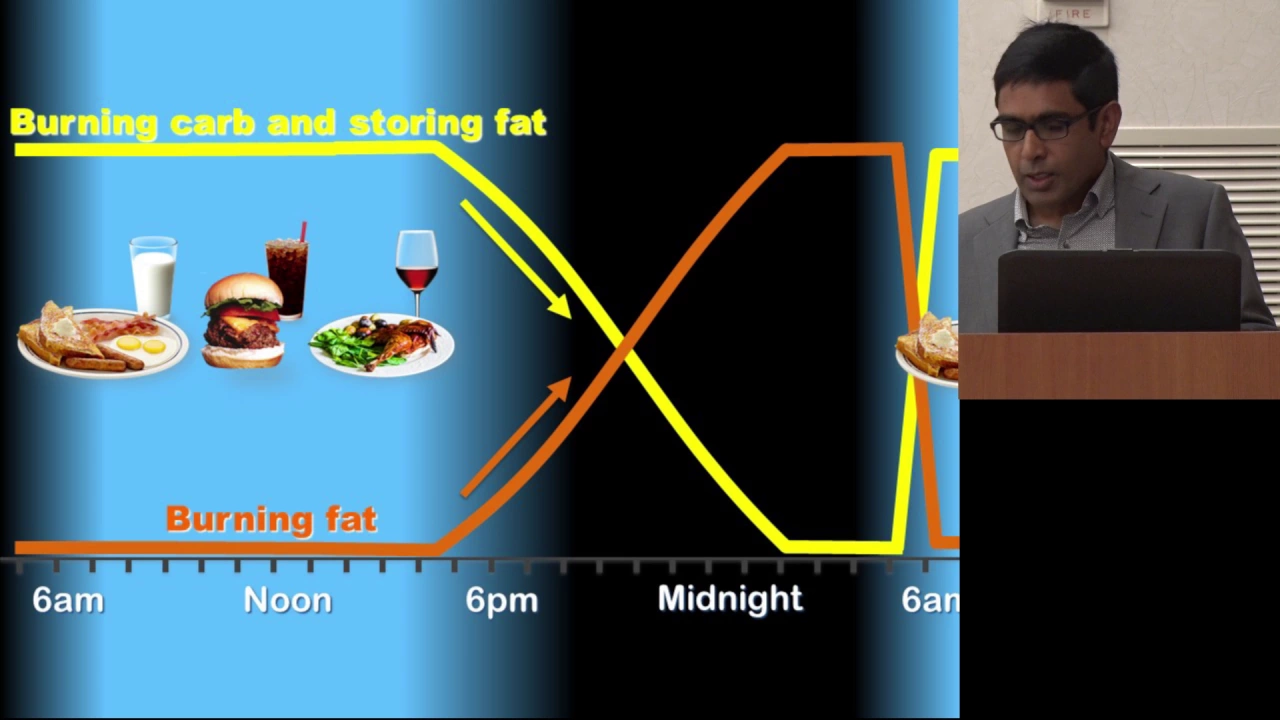
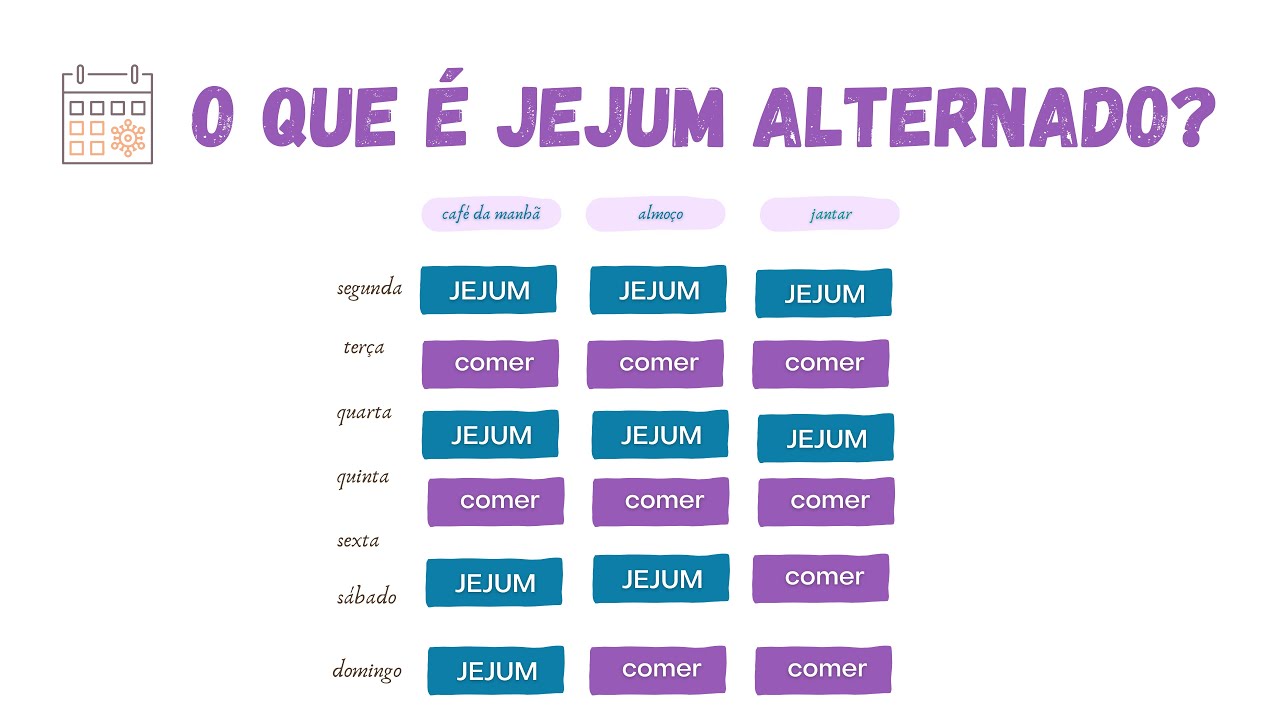
population does shift work each schedule is a little different but they all face abnormal patterns and sleep eating and activity through the crux of our society they keep everything going our newscasters cleaning crews chefs construction workers journalists and the heroes of our society the firefighters police officers doctors EMTs nurses and military they take the hardest schedules mentally and physically challenging so just to support our community yet unfortunately shift work is linked to a wide variety of diseases in fact the World Health Organization actually lists shiftwork as a carcinogen yet there's still no way to stop these risks from increasing and keep doing harm now you may not do shift work but I'm guessing that everyone here has been jet-lagged and I'm not just talking about that first day of sleep deprivation I'm talking about those following days of muscle weakness nausea moodiness fuzzy thinking and exhaustion at seemingly random times of day that's a feeling of circadian disruption and this is because our bodies were not meant for airplane travel for every hour that you make your body shift it takes about a full day to catch up so if you fly from San Diego to Paris a 9 our phase shift it's gonna take your body about eight to 10 days to get there so on that first day when you're having breakfast your body things are time to go to bed and on that last day when you're about to fly home and you're finally feeling good again you're gonna make your body shift all over again now unfortunately circadian disruption is not limited to shift work and jetlag our society has become exceptional and ignoring and disrupting our body's natural rhythms it can start with something really simple say it's a Friday night and you've had a really long week and all you want to do is come home relax and just you know let it ease off so you do you eat and then you know it's time to binge watch your favorite TV show and then you'll need a drink or a snack to go with it and the show is very good and so you'll need another drink and before you know it it's 1:00 or 2:00 in the morning before you finally put that last drink or snack down and that sounds like a great Friday night unfortunately Monday rolls around and you're back on your regular schedule you might be waking up two or three hours earlier than you did on the weekend it's a very common story it's a very common way in which we not naturally disrupt our body's rhythms in fact it's so common that there's actually a term for this these really large shifts between our weekdays and weekends or free days and workdays is actually referred to as social jetlag your body may be in the exact same city but it feels like it's travelling back and forth between two or three time zones every weekend like San Diego to New York or Mumbai to Tokyo chronic circadian disruption has wide impacts on your health the circadian system is linked to every level of physiology so disrupting those rhythms can lead to of increase with risk for a wide variety of diseases including reproductive disorders metabolic disorders such as diabetes cardiovascular disease cancer neurodegenerative and mental health issues such as bipolar and depressive disorders in fact our lab came up with the list of over a hundred diseases that are linked to circadian disruption so what are we gonna do about this as I said light and food are the two biggest external cues you can give to your body to tell it the time of day light talks directly to that master clock in your brain the SCN and food talks directly to all the other clocks in your body research is ongoing but this is what we know so far you need to keep your body on its schedule so it can prepare itself for what it needs to do this means using those external cues to support your biological clocks tell it when it's morning and when it should be awake and decrease simulation at night so it can get a proper rest first let's talk about light we've all probably heard of the role of light and sleep in the morning you need to get lots of bright light I'm not talking about office light I'm talking about natural sunlight you can easily do this by taking a 10-minute walk outside or if the only light that you're gonna get is on your commute to work and the Sun isn't hitting you directly in the eyes try not wearing sunglasses and at night to tell your body it's time to rest dim or turn off lights that you're not using and if you're gonna be looking at a computer or phone tablet try using a blue light filter what I'm really excited to talk to you about today and what all of my research is pretty much currently focused on is the timing of food now don't get me wrong what and how much you eat is extremely important for your health but recent studies have found that when you eat is just as important your body needs at least at least 12 hours of fasting every day to function properly our lab uses a smartphone app called my circadian clock to understand when people eat in one of our recent studies we found individuals have an average eating interval of 15 hours a day that's nine hours of not eating that means if your eyes are open your mouth is open recent studies have found that time restricted eating which only changes when you eat not what you eat can improve glucose tolerance and insulin sensitivity can lead to about a five percent weight loss improves endurance and decreases blood pressure so how does only changing when you eat have such a big effect first your body has a natural rhythm and glucose regulation so it interprets food differently at different times of day a bowl of ice cream at noon is going to be much easier for you to digest than it is at midnight secondly as I said you need 12 hours of fasting so your body can properly rest and repair when you're continuously taking in new calories you break ups at rest and you never get to break down the energy stores that you already have meaning you never burn fat over time this can lead to weight gain and eventually to diseases like diabetes and cardiovascular disorders and finally food is a wake-up cue to the brain so you'll fall asleep after that late-night drink or a snack or a heavy meal but the quality of sleep that you're gonna get is gonna be greatly decreased time restricted eating is a simple lifestyle change eat within the same 10 hour window every day that's it so if the first thing that you have is at 8 a.m.
the last thing should be at 6 p.m. now the exact time of day is going to depend on your schedule and your preferences the only restriction is that you leave at least 3 hours before you go to bed of only water so your body can get that proper rest now I realize that a lot of you just did some mental math and I'm probably not your favorite person right now because you may have just interpreted what I said as you if you want to be healthy you can no longer have a social life or go get drinks or you're only gonna have to day drink all the time and that's not completely true what I'm saying is timing matters and when you eat is just as important as what and how much the same way that you should eat a healthy meal every day you should also eat it when your body expects it and give it at least that 12 hour rest of course there are gonna be cheat days that is completely fine same way you ate eat cake you might end up eating it at night and it's okay awareness is really the issue acting like the timing that you eat doesn't matter is like thinking french fries are just as healthy as broccoli I went on that 24-hour ride along because I'm designing an experiment to help test the benefits of time restricted eating on firefighters on a 24-hour schedule they can't change when they get a call or when they get a chance to sleep but by changing something as simple as when they eat may have long-term benefits on their health and make those 24 hour shifts a lot easier the circadian system is a pillar of health that for far too long has been ignored or misunderstood and we now know that with simple non-invasive lifestyle changes we can support our biological clocks to optimize performance delay the onset of age-related illnesses and prevent and treat disease thank you [Applause] [Music] you
Up Next

Understanding Orexin: The Science of Alertness and Energy
@WhatIveLearned
1.1M views•2021-10-31
Bacterial Communication: Quorum Sensing and Biofilm Formation Explained
@JHUAAP
12.6K views•2011-06-28
How Trees Talk to Each Other in a Healthy Forest | Suzanne Simard
@TEDx
190.8K views•2017-02-02
Bacteriophages: Earth's Deadliest Killers and Future Antibiotics
@kurzgesagt
34.6M views•2018-05-13
Related Study Plans & Knowledge Roadmaps
Structured learning paths in Biology