
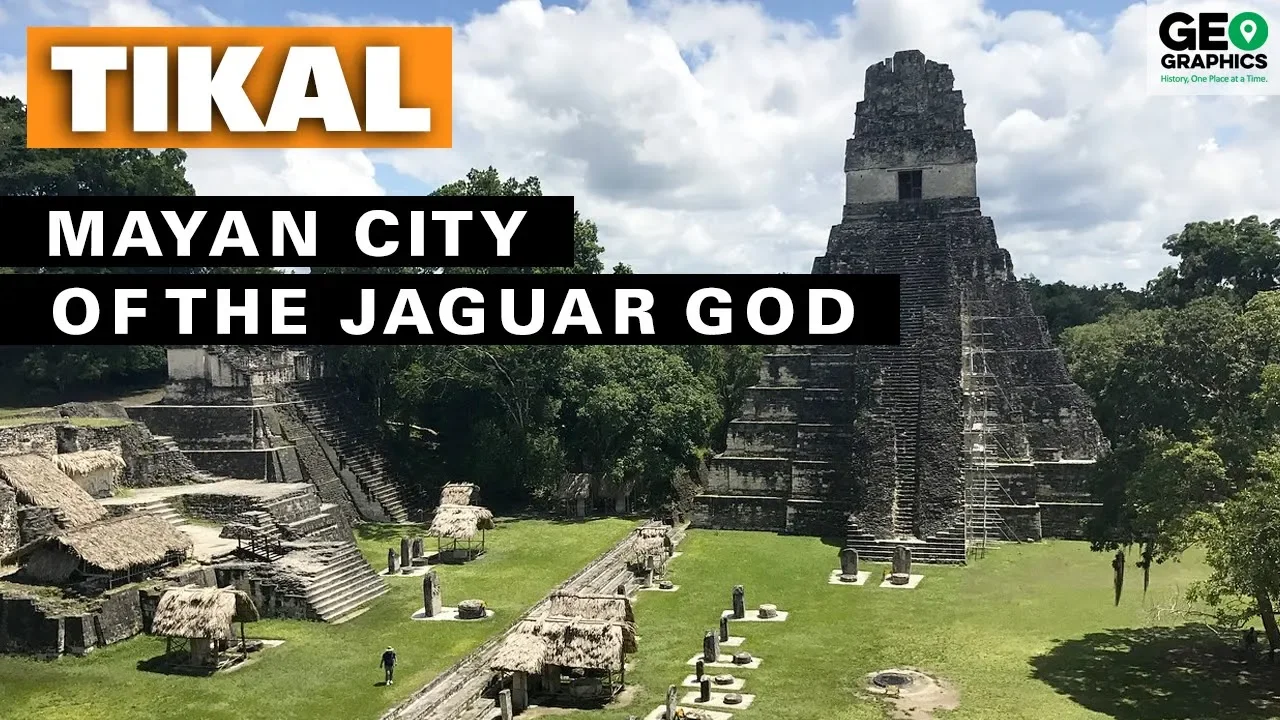

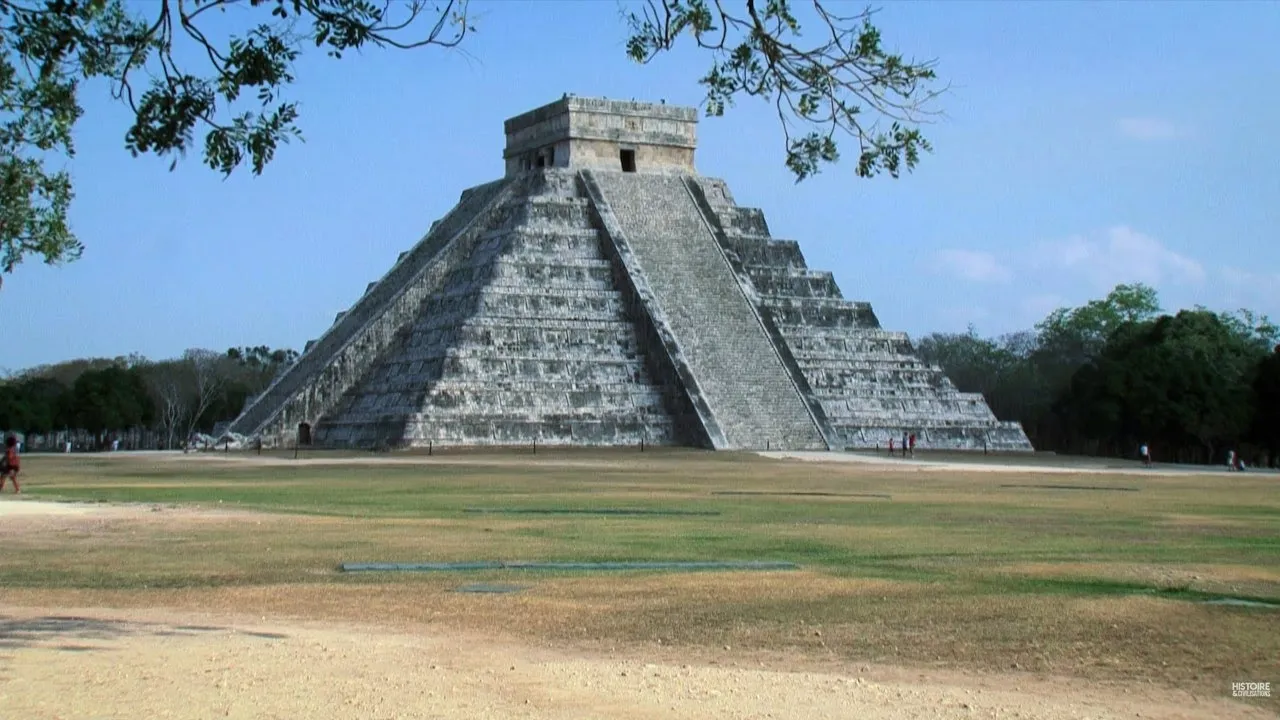


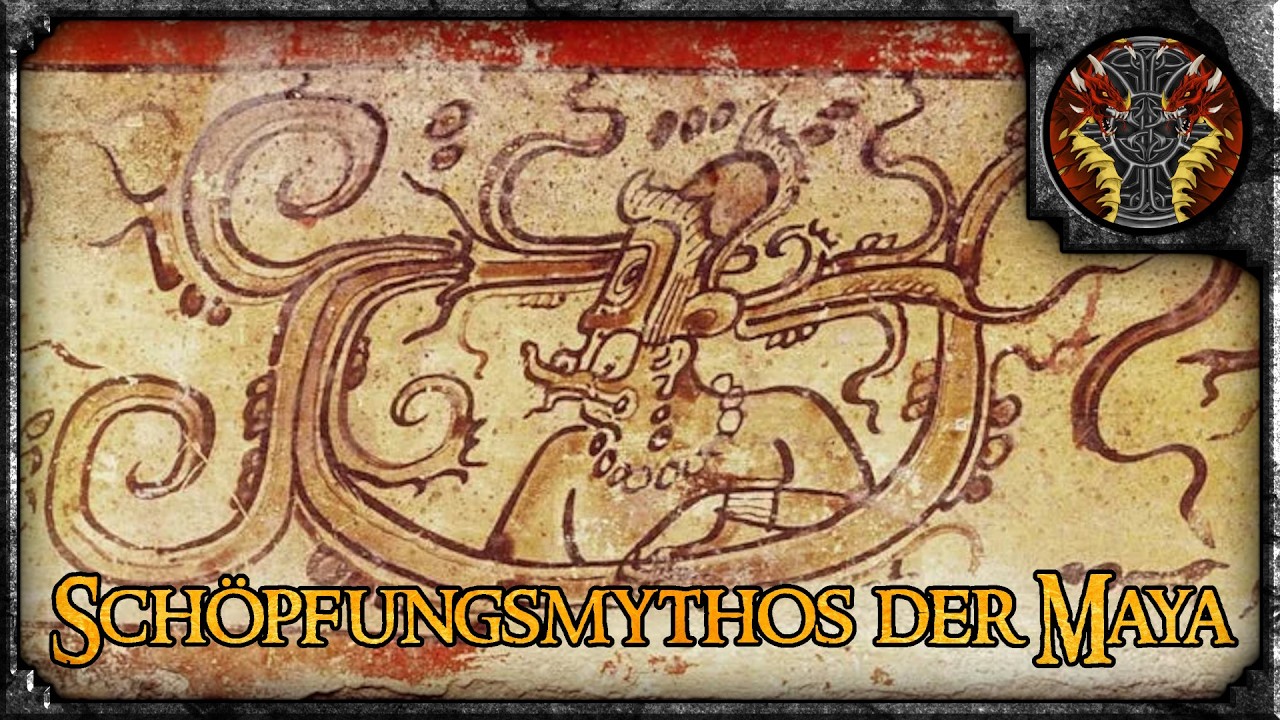

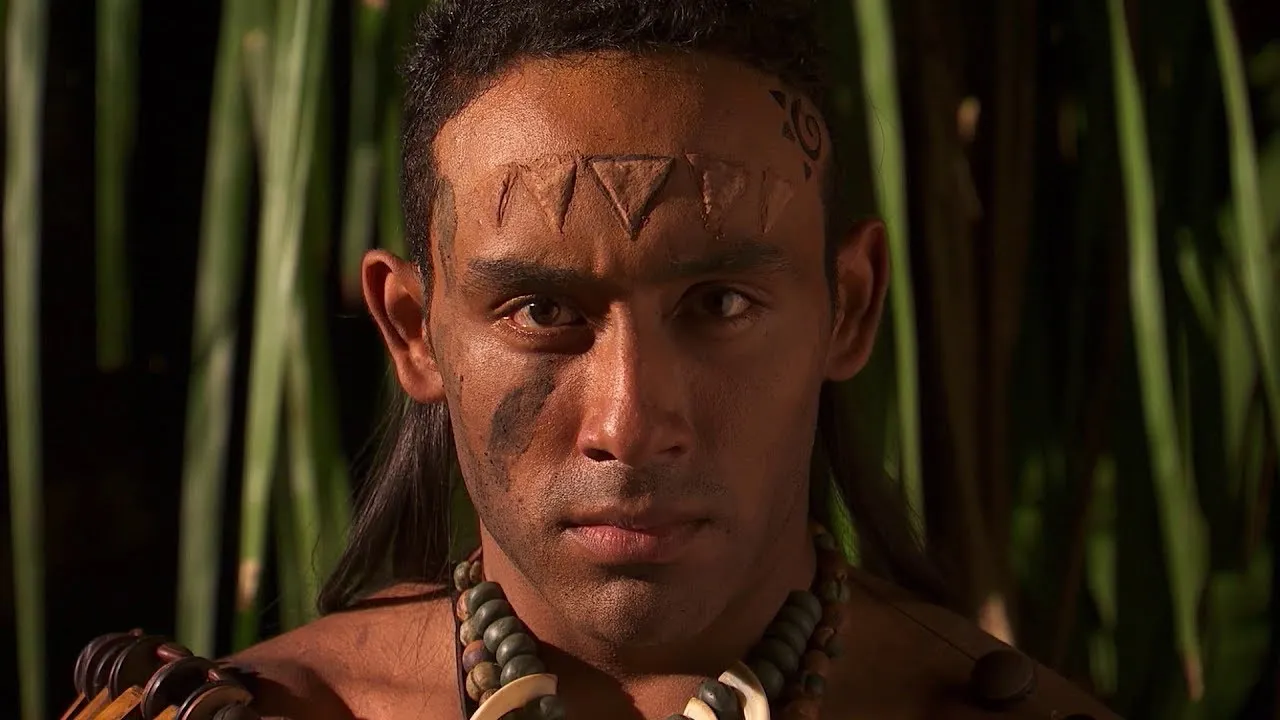







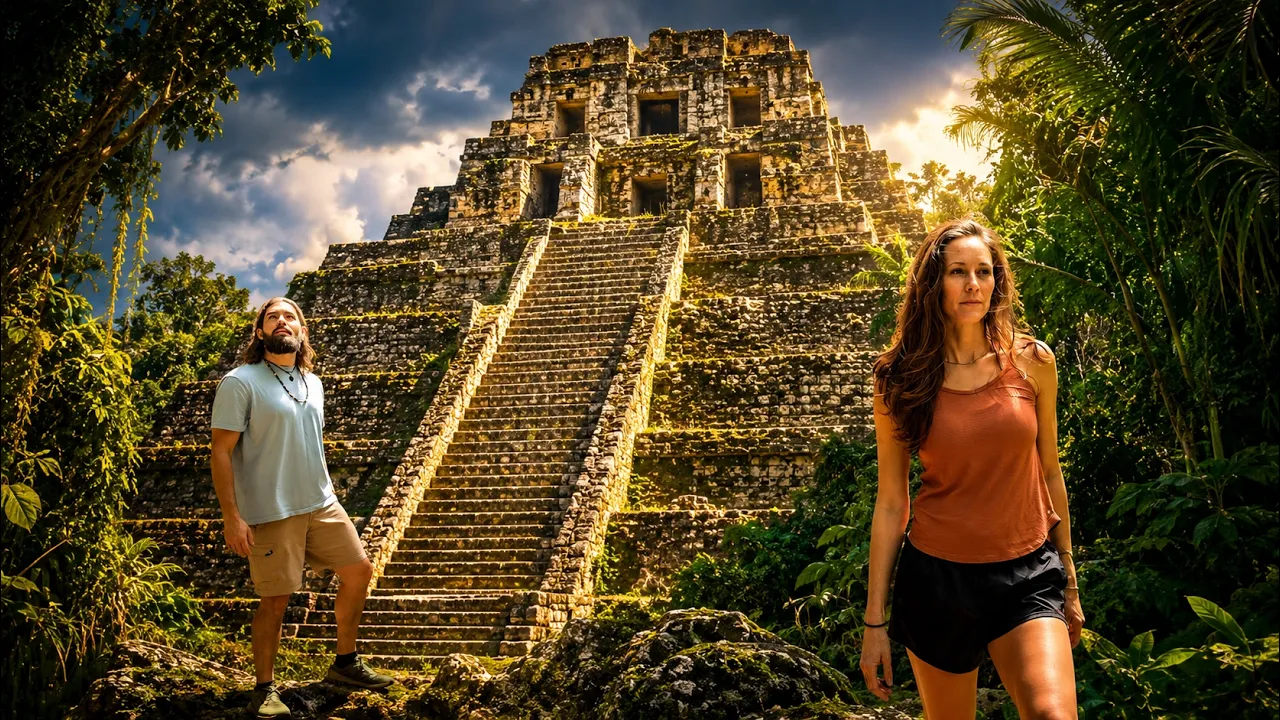


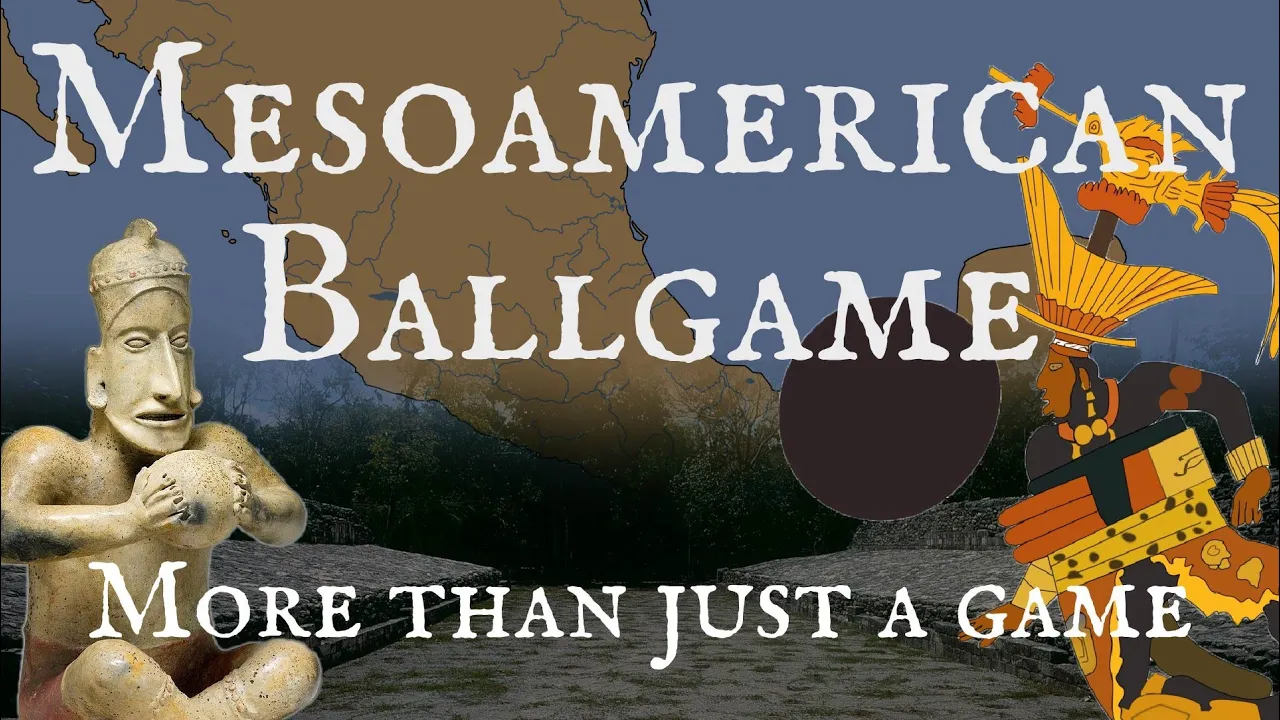


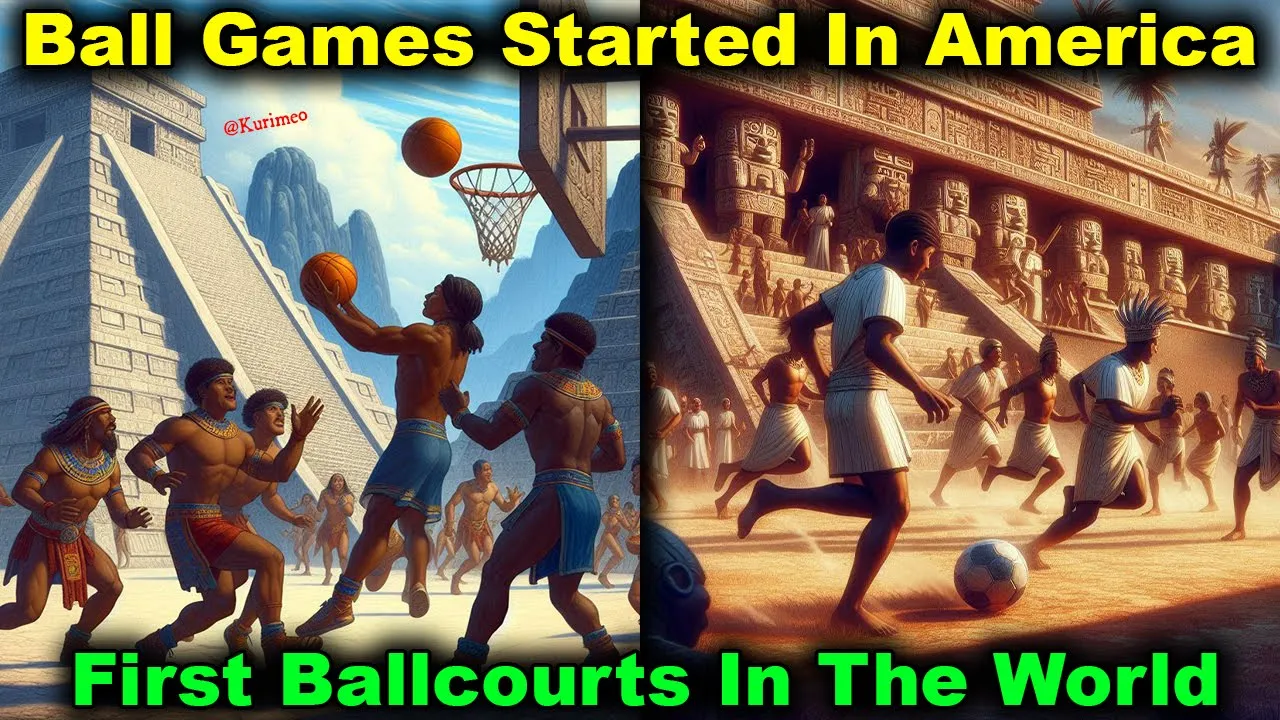



The Maya underworld Xibalba, meaning 'place of fright,' was believed to be located at the far west and consisted of nine levels that souls had to navigate through dangerous trials including rivers of blood, pus, and scorpions, as well as rooms with attacking jaguars and fire. The Mesoamerican ballgame, played with a rubber ball using hips or thighs, was not merely entertainment but held deep spiritual significance, potentially representing cosmic duality, warfare, or the sun's journey, and was associated with human sacrifice during the Classic Period (800-1200 AD). Archaeological discoveries, including underwater cave systems in the Yucatan that perfectly match the nine-level underworld description, provide physical evidence supporting these ancient beliefs.
Maya Archaeology: Xibalba, Underworld & Mesoamerican Ballgame
Added:[Music] hi welcome to archaeologists Behaving Badly I'm Raquel and I'm tired I'm belle um yeah we're doing episode a episode eight Maya which is gonna be yeah which was a learning curve for me very much so not so much for you you've got a bit of a bit of background a little bit but it's been a while yeah um before we start Raquel wanted to show another creepy doll I think we have shown one before yeah found in the auction rooms but this one is when I when I actually found its head was backwards it was like that and I was just like oh watch the [ __ ] it doesn't have a top of the head it's beautiful actually the stuff that nightmares are made of so oh God yeah I don't want to yeah okay I was I was hoping I could find something a little bit more less horrifying to start the start the episode with but that's that's all we got that's fine so who's going first is it me yeah you are going first Okay so where to start so I've worked on um an excavation of a Mayan city in Belize so I'm going to talk a little bit about that and um so the Mayan civilizations from mesoamerica I'm sure most people know that and I think back their earliest kind of settlements were around 2000 BCE and the classical period or classic period sorry it started in like 250 CE um I actually and this is incredibly ignorant and a bit embarrassing but I guess because we here in Australia don't really learn very much about the Americas as part of our schooling no like Primary School no anything no we really don't um especially not like pre-european Invasion yeah Americas so all I had really known about it was like learning about the Mayan civilization a little bit and that they like disappeared or whatever so I always thought that they were there weren't any Mayans left yeah yeah but that's not the case and I I feel like I only learned that like maybe in my late teens which is crazy um that actually no there are many millions of months yeah are alive and well it's a living culture it's interesting to see like where people are from and what they get taught yeah you know like because in Australia we just it's not something that comes up well I didn't even really learn much I think our schooling system has changed a bit now but I didn't really learn much even about indigenous Australia yeah at school like that just wasn't part of our curriculum no yeah totally and I think that has changed yeah it's not that long ago that no we really didn't [ __ ] know very much at all oh yeah um so I once I started studying archeology at Uni I was like okay I want to go on a field School somewhere in the world and I've just Google searching found the Maya research program which are associated with the University of Texas at Tyler and have a dig in Belize which is a lot of people haven't heard of Belize it's actually a part of the Commonwealth I didn't know that yeah okay it's a little little country just to the south of Mexico on the Caribbean side on the west side yeah yeah no way east east sorry yeah yeah east side yeah yeah um and the guy that started it Tom he had gone down there as part of his PhD working on a site um thinking that he'd be there for three years or something yeah three three summer seasons yeah and I don't know 25 years later or however long it's been it's still running and they run a field school and it's so for like three months three or four months of the year um yeah so I went in my first year of studying as a student and I had a lot of fun and I got really lucky I had asked to stay back at the campsite one day because I like you draw and had wanted to draw some of the artifacts just for fun and upskill and learning yeah yeah it's so cool and Tom was like like can you actually draw because the illustrator couldn't come back this year so I actually have things that need to be drawn for reports so I ended up drawing for the rest of my time there and then they invited me back for the next couple of years um as the illustrator that's so cool it's like meant to be you know you're at the right place at the right time and you've got the skills it was perfect yeah perfect I actually would really like to go back there it's been many years now since I've been back um but yeah so much fun so much debauchery archaeologists in the middle of nowhere walked in together yeah um it can get pretty wild and then the actual archeology itself Excavating a Mayan city um the site's called Blue Creek it's in Northwestern Belize so I think it's like a couple of kilometers from the Mexican border and maybe like 20 or 30 from the Guatemalan border okay yeah um yeah the archeology itself was amazing incredible and like being in being in a being in the jungle and like yeah creating little pyramids and yeah having to like chain smoke while you're working because there's so many mosquitoes so oh my God half the team would have like a cigarette hanging out their mouth the whole time yeah holy [ __ ] because that because the mosquitoes are Relentless I would die yeah I am like so allergic to mosquitoes like I would just straight up [ __ ] die that's interesting I didn't realize that you um that you went through a different for some reason I thought maybe Latrobe because we went to the same uni I thought that maybe it was through our uni that we went to no I had I was just like because me discovering that I wanted to study archeology was very like out of the blue so I did it and then maybe a semester and I was like okay I want to go somewhere yeah and it was one of the first ones I found and I knew nothing about the Maya yeah the professor at Latrobe that was teaching yeah and stuff had just left so all of the Mayan subjects were oh no way so he left because we we went to UNI at different we went to the same uni but at different times I originally went for like first kind of but then I left and then I came back and in that time that I was gone you were there yeah and yeah he was my professor as well and he's amazing I think we've talked about him briefly before um he's one of the people that Peter Matthew Peter basket is the sun yeah Peter Matthews yeah and Peter Matthews is one of the people who was on the team that deciphered the Mayan script yeah insane so cool pretty wild yeah and like going on a field school it's like was it super expensive like the Belize one because like there's definitely price points it can be quite expensive going once I was went back as their illustrator I wasn't paying I think the first one it was probably like a couple of grand yeah yeah because that's kind of what why I never ended up doing that because I went straight in into uni and then I just you know was living at a home and studying and working I just didn't have the money to pull together because it's like and that's pretty much how you get the foot in the door you kind of have to put that money in and yeah choose a school because it's like they're everywhere all through Europe South America you know there has been one so when I was looking at Field School may be a little bit further into my studies there's an underwater GIS one in Greece I think that's so cool that I have I still want to go and do yeah have you ever been diving have you ever done that kind of really yeah so I used when I would go to Belize I would go out to the islands one of the islands by myself for like a week either before or after the season yeah and go scuba diving oh my God that's really cool yeah I know a couple of people a couple of people that we know do that um I haven't been scuba diving here it doesn't really appeal to me no well I guess it wouldn't be the same I mean if you're doing it for that for those reasons it wouldn't it wouldn't be the same I want to see like yeah tropical fish and sharks and I'm like deathly afraid of the ocean I am so [ __ ] afraid of the ocean I thought I was really and then I went snorkeling once and I hated being on top of the water so I would like dive down as deep as I went and I loved it and that's when I was like oh actually if I'm down yeah I'm not afraid because I think that's what it is for me because like you're just on the top yeah I'll never go surfing for that reason yeah yeah just floating on the top not knowing what's underneath yeah because I think that's where it is for me like scuba diving you're like right down yeah yeah you know what's going on yeah maybe that's what I need to do because I'm and we have some amazing beaches in Australia and like even going to Perth they used to go to Perth quite a bit and like going to the beaches there and I cannot go further than my waist even like here as well but like especially in Perth but it's like super beautiful they're all like great whites over there yeah there are yeah I remember so you can do cage Dives and stuff I think so can you I'm pretty sure pretty sure you do that in Adelaide as well or like near Adelaide in South Australia somewhere okay yeah um but I'm just yeah I'm such a [ __ ] when it comes to that when I was in Europe I like jumped off I was in Italy and I jumped off a boat into the ocean and I lasted five [ __ ] minutes I was so proud of myself I lasted five minutes and I was like cool I did it like Pat in the back and then I was out and they saw me like panicking at the boat they were like do you need floaties or something like no I can swim I'm just having a panic attack I'm just having a panic attack because I have no idea what the [ __ ] is below me but yeah that's a really good point maybe if you just put yourself underneath and you can actually see everything yeah maybe it's a lot less scarier [ __ ] maybe that's what I need to yeah you should do it that's what I need to do it's really fun I have problems with my ears though so I can't like it takes me a really long time to equalize okay and then when my ears equalize it feels like an explosion happening in my head and I think that sounds amazing yeah I can't see for a few seconds oh that's great yeah I went I did go to like an ear specialist and she was like yeah I didn't know exactly what that is but I don't think that you should be diving really yeah so I will go again but just test fate you know I don't want to yeah I don't know burst my eardrum yeah that's pretty that's pretty serious I gotta be careful of that yeah yeah so yeah Blaze my research program if you're interested in doing a field school I recommend it I learned a lot it's a hell of a lot of fun um and yeah like being in the jungle even being at the camp the camp is like at in like a cleared area maybe like 15 minutes drive from where the sites are 30 minutes drive from where the sites are and there's like tree frogs in your cabins and scorpions everywhere and snakes and maybe that's not selling it to some people like yeah it's not selling it for me because I am such a I'm such a [ __ ] when it comes to all of that stuff being in the jungle and there's how the monkeys making the craziest noises and I don't know it just oh I miss it oh that's cute it's making me feel really sad oh we don't want to be tired and sad not yeah no just tired [Music] um what else was I going to say about it I can't remember because I didn't write it down that doesn't help no it definitely doesn't definitely doesn't it's the first time I've done one where I like haven't written down what I wanted to say thinking like you have a million things to say yeah and now I'm just like uh how many seasons did you like how many how many years three I think okay and also for like non-archaeologists like a season is just basically like a period of time where you're very well yeah so the site operates maybe like three months of the year and you can go for as a student or whatever you can go for two week blocks yeah so you could go for the whole thing if you wanted to but it would be pretty expensive yeah yeah um because the kind of thing like you pay for it and everything gets paid for like you accommodation your food and everything and you're just there and you just work yeah and that because it's a non-profit organization that's how they fund the research yeah yeah I'm sure they get grants and stuff as well but it's having students come and pay that's what bankrolls are yeah yeah pay for the experience yeah and I also learn a lot of stuff there that I had never even thought about before like a lot of the sites they re-berry them ah um so that they don't get damaged and because that's good that's really good yeah like maintaining the structures for as a tourist attraction or whatever it's really expensive um yeah so they re-berry everything okay well once they kind of have done the research on it that they want so that it's protected that's awesome yeah and none of the artifacts or anything leaves believes okay that's really good yeah that's awesome yeah stuff that I hadn't especially like early in my studies I hadn't really thought about that sort of style yeah um yeah it's really cool yeah it is really cool so I just had a little um I one of my friends from that project shout out to you Carl I made like three best friends because we were usually the drunkest um and they came with me to Paris one year for Christmas like oh yeah we talked about that last episode I'm gonna go and see them this year they're all in different parts of America but miss you guys um so he sent me a email from someone that he knows just about a cool um burial site that had been excavated yeah um the site the settlement is called altica and it's one of the earliest settled villages here we go teotiwakan I never say correctly yeah I don't actually know how to say it [ __ ] sorry um in that Valley um a thousand years kind of earlier um this is just taken straight from the email also this is the settlement's like a thousand years earlier than to yeah that one yeah yeah okay quite in that Valley yeah it's the same area but just okay that's really cool so it predates it yeah older yeah um they were active in inter-regional trade sending out obsidian from The otumba Source in exchange for Ceramics greenstone and other Goods altica's major occupation was just after the decline of the Olmec um in the Basin of Mexico it was occupied at a time in mesoamerica that correlates with the emergence of increasing Reliance on Maize as a staple agricultural crop and we see some of the earliest formal um matates Grant which are grinding stones cool at altica at that side there's some like pretty cool um yeah like Goods yeah artifacts and cool um they were early experimentalists with agriculture um the people at altica were not generally in good health um we don't know why people left altica around 800 BCE but today the Saddle Ridge where the site is was located is severely eroded which they think started because of the deforestation of their ah okay for the agriculture so they sort of logging and that seriously like destabilized okay um yeah so this is the these these burials that he's talking about um they are in uh an article in the journal ancient mesoamerica that talks about these burials but other than that it's not like a well-known yeah it's like a smaller yeah yeah I mean and that's like a lot of the stuff in archeology I mean I mean most of it doesn't even make it to a journal article no and if you think like if I think about what because like when I was studying for this basically I was like a blank slate I mean I was going back to things that I was taught in like first year uni yeah and then you get told like the main sites like the main really famous sites which is like what five of them maybe maybe but you think about how much work is actually going on there how much stuff is constantly being um it just kind of gets me and it just kind of gets lost unless you're like one of those people that oh goes into these Journal articles these journals and looks at all the Articles and actually like deep dives into it you just don't know about it no it doesn't get publicized as much and actually so much happens in that region like in Central America in general of like roads being put in train lines or tunnels or that kind of stuff and just finding stuff and it often just gets yeah and that happens here even you can imagine it happens everywhere everywhere yeah but I've I feel like I've read a lot of news articles over the last like five years where it's like oh something was captured on yeah there's like a massive structure here that they're yeah that's just completely just tunneling their way through it anyway yeah um so there were four burials at this site that they excavated um all were buried into Graves carved into the tapatate I'm not sure that that's how you say it um that's a conglomerate type of rock formed through volcanic mudslides it's soft for rock but not easy to dig yeah okay um so it was an effort it was a [ __ ] slog to get through it yeah of the four burials three exists that he's called them were perfectly cylindrical and the deepest was over a meter deep the first burial appears to either have been a seated or bundled burial of an elderly woman burial four was a younger individual um also likely a bundle burial in a cylindrical pit burial three is in a set of nested rectangular pits and has Grave Goods um opossum Effigy bottle and a green stone bead and he he was an older man laid to rest in a flexed position on his side burial two they've called the Deviant burial it was a younger male I wanna oh that's what I want to be called when I die um he was interned interned in a cylindrical pit as well but it wasn't like infilled the way the other ones were it was covered with a pile of rocks to make sure he doesn't get out yeah I don't know you could it's you could see an excavation that the burial was thrown in the pit like thrown in and then a pile of rocks was pushed on top of him the Rocks rise to the top of the pit on one side reinforcing the idea that the Rocks were piled on one Edge and pushed in to cover the body ah okay the body itself was thrown in face down which is a really rare burial position in mesoamerica he was a naughty boy I think most most burials are flexed seated or extended facing the sky I didn't know about the seated ones I don't actually know much about yeah burials in Central America but seated it's interesting um the lower right leg was detached from the upper leg and this was not likely due to post-depositional movement oh so he was put there like that yeah his leg was not attached okay um the sealed context was very stable due to the Rock piles and the fact that it was dug into Bedrock rodents didn't likely reach him um the leg was likely severed around the time of death there are other cut marks on the body including cut marks on an ulna a humerus the distal left femur and tibia the feet were missing completely what preservation is an issue but the other bones were well preserved so there's no indication at all of feet in the excavation so like this should be there it should there shouldn't just be a natural process disintegrates so one of his legs is completely [ __ ] detached yeah both of us I think from the I think from the knee from the knee detached and then both of the feet are gone so weird like you kind of think like I always try and like put myself being like okay what was I thinking doing that to someone or like you know what I mean like you know like what was the reasoning behind that like did they just do something really bad and like that was just a way of of making sure that they couldn't do stuff and like the afterlife or do you know what I mean because that's like that didn't happen naturally like they didn't actually but they didn't just [ __ ] happen no and or what if when so many ancient cultures take so much care in what happened I mean and I guess we do today as well what we do with the dead yeah yeah making sure that's perfect and it's like as conducive to them reaching you know whatever wherever they are wherever they're meant to go or whatever when you have ones that what if it was an animal that did it to him yeah what would be big enough in that part of the world that would do that though Jack you are true you know what I mean like what if he just but then but then why is he why is he a deviant like why has he been why did they put the rocks on it yeah like you know anyway um no indication of feet at all they could have been removed either as trophies or to hobble the victim there was a yellowish red staining on the leg and arm bones could have been pigment on the skin um that stained the bones like during the decay could it be like a ritual like like a captive or like yeah maybe but then why would they bury them that's another thing like you know if you've got like if you're at war with someone or you're you've got a captive or something or someone like an enemy would you would you would you even take care to bury them I'm not sure like I actually don't know when uh what amazing Americans well they did I I don't know yeah sorry I'm asking way too many [ __ ] questions I'm really sorry don't ask me because I have no idea um of the four burials burial two dates the latest just a few decades before the abandonment of the site around 800 BCE um well we just came up with a brilliant idea to maybe have the laptop with us so that we can look up stuff that we don't know why we haven't done this before I'm not sure I'm not sure probably because we got too drunk to think about it at the time yeah yeah um so where was I okay of the four burials burial two that's the latest just a few decades before the abandonment of the site around 800 BCE even more interesting is that Sr ISO isotope analysis which we did look up we should both actually probably know that oh this R is strontium yeah um analysis of teeth show that he was not raised in the local area so maybe you were onto something with yeah maybe he was captive from somewhere yeah maybe he was an enemy an enemy in fact those strontium levels are in range with isotope analysis of imported Ceramics found at altaker one of the reasons we were attracted to research the site was to understand its role in formative exchange systems so they were looking at trade yeah yeah um how people like interact with each other and yeah yeah and who was interacting with who and yeah which I mean that's like what you did your faces on yeah yeah trade is so interesting yeah because it really shows the movement of not only Goods but also of like culture and of yeah ways of thinking and all sorts of stuff yeah um all sorts of stuff trade is good for all sorts of stuff basically that's my professional opinion and you stand by it and I stand by it um uh people at the site imported a significant amount of white slipped and incised Ceramics from a metamorphic geological region the grains in the Ceramics were of phyllite or phyllite which can contrast with the dominant volcanic rock in that Valley um the strontium isotopes of Ceramics and Bones suggest that this individual might have come from a similar similar geological setting and then he's written here trade deal gone bad question mark yeah yeah maybe he was trying to rip them off so he hasn't written where that stuff comes from and he did attach an article to the email which I didn't print off so well done me yeah you're very welcome maybe we can attach that to attach a link to it yeah we'll catch a link to it so like if you're like interested yeah and I guess like this like the student uh strontium that's from the teeth right so that's how they figure out I think we like touched a bit on that um when we're talking about Etsy yeah and that's how they figured out where he's from and stuff and that's cool very cool yeah maybe yeah maybe it was a trade deal gone bad maybe he was trying to rip them off and they were like no [ __ ] deal like no deal and you know what you're gonna cut off your feet so and so you can't try buddy cut off your feet so you can't get to anywhere else and try and like you know do dodgy deals with any of our neighbors yeah [ __ ] you that's pretty hectic yeah so that's what I had cool that's really cool because it's like it's not there's not a lot that we can um put our personal you know our personal stories and our personal you know what you know what we've done and that's really cool it's like I yeah I don't know anything about Belize it's such a small little it's honestly the most in it's one of the most interesting places I've ever been like the region I think like a lot of Belize is kind of not run by but like Mennonites own a lot of the land okay um and Mennonites are kind of a Lutheran offshoot oh okay so they're kind of like Amish oh um they speak German really yeah yeah so like where our camp is like and even I think a lot of the jungle where the sights are is owned by the Mennonite community there's like a little kind of Cafe internet cafe thing that we can walk to from the camp that's run by the Mennonite so we're like if we leave Camp we're not allowed to like wear really we're not allowed revealing we're revealing clothing or if we go to the general store or anything you have to like cover up a little bit and which I can imagine is a little bit annoying because I can imagine it's hot [ __ ] hot and all you want to do is just be free of wow I had no idea yeah really very an interesting place and then you go more to like Belize City or like out to the islands and it's much more like the islands are much more what you imagine Caribbean islands to be like um oh yeah that's what I wanted to ask you like because obviously I you worked with a lot of like the indigenous Community yeah so you like you worked with miles which is [ __ ] cool and I remember so a lot of the Mayans that live there now I don't actually know much about the displacement of people yeah in that region or like the Civil Wars and stuff but they're not originally from there okay and I think it was the first year I was there we were Excavating a burial and that's the only time I've ever excavated a burial and it was really um like the soil and stuff was really moist and it was really decomposed it wasn't like it just was clearly human yeah remains within a structure that we were Excavating yeah yeah which I think what they sometimes did would like bury their dad like in the house okay in a kind of Walled up okay cupboard thing I'm pretty sure I've seen like um communities still do that today like in South um South America yeah and maybe even African communities as well like still I think that's like a a thing yeah interesting yeah um but yeah we're Excavating it it made me cry especially um I have talked about this on a friend's podcast when he interviewed me like I felt being you know I was with a bunch of westerners um well everyone pretty much was from America and there were some like Australian some English um being westerners Excavating an indigenous person it was just like oh this did not feel good until I cried I was just yeah I don't feel comfortable like and I asked one of the workers I was with like how do you feel about this and he was just like I don't give a [ __ ] that's not my ancestor because he's from a different area originally yeah but regardless of that it was like yeah this is not this doesn't feel right for me yeah um and yeah that's when I knew that bio archeology was not not for me yeah I like I know people who um who like I've had like explicit like conversations like people I've worked with who like asked me like flat out like do you like are you okay with with digging up cereals in general like whether or not like they're your own culture like I was like I have actually I've never done it so I can't I can't say and he was just like straight up like I'm just like so against it it's fine it's fine um yeah he was like yeah I'm so I'm so against it because like you know people are buried for a reason you know and the communities that buried them and their ancestors buried them you know you don't want them to be touched so I can I get it but it's also a part of it's a part of research that's a part of it's a part of archeology a part of archeology whether we like it or not it's or not or agree with it or not it is a part of the discipline but often like you just you stumble across it it's not like you're seeking out because you don't know what's there until you dig it yeah um you might no you might like dig a certain place and be like okay cool we found a barrel here so you might anticipate that you might find more around it but you don't know until you do it and that's also a part of it it's not like you seek it out you know because you don't know yeah but um but yeah it is a really complicated thing about I'm about what we do even with um not just burials but even with artifacts like yeah like I said I think it's amazing that the my research program none of the stuff leaves bloggies love it um which is really important but as kind of we all know the history of archeology repat yeah stuff gets taken and um even like so lots of the sights in Belize are looted or have been looted over the last even just 50 years yeah and then you know you can walk at like markets and buy and buy a staff that's been looted so it's crazy and that's wrong from a research perspective but then there's this other argument that's like people need money that's their Heritage so they can do what they will so they can do what they want with it yeah it's actually really I've actually never looked at that perspective before but it's so totally true you know it's it's their Heritage it's their why can't they kind of thing yeah and like obviously we're like but the context but the but the recording it should come from must know all the things yeah and that's yeah there is a thing with archeology that is there's lack as not just archeology like a few different fields where there's like a sense of entitlement to the knowledge yeah yeah yeah and I feel like that's archeology in a [ __ ] nutshell yeah you know I've said what I've said and therefore that is law yeah and therefore everyone Shall Believe and we can look after your stuff better than you can look after yourself yeah yeah like that kind of thing yeah yeah everyone deserves to know about this it's not just your history it's everyone's history that kind of mentality which you can understand it but you can also understand the other side of it absolutely basically it's like an entire [ __ ] you don't have a right to know history no totally yeah it's such a gray area but you know I feel like you know mostly at least in my experience I mean mostly speaking I think communities do love the fact that archaeologists come out there and and do try and find out more about their own culture and about their own past and about their own ancestors and I think that generally speaking it's always a really positive thing yeah because um how great is it to know more about where you came from and what was happening then and and maybe it sheds a little bit of light of you know the culture that you have now and yeah you know and I think mostly speaking it's a really positive thing and I think most communities do see it that way but yeah it's complicated but it's very complicated it's a gray area yeah and there are so and that's like anything and it's just like [ __ ] society now too it's just like everything's a little bit of a gray area there's a lot of right and a lot of wrong in a lot of different aspects of it yeah and I wanted to mention and everyone has very strong opinion and everyone has extremely very [ __ ] strong opinions yeah but that would like to shove down your throat I'm up all right so just quickly I want to talk about one of my favorite movies ever being Apocalypto from 2006 and I just wanted to like bring back to like the you know I haven't watched it for a very long time me neither and after remembering it now doing like this research I was a Mel Gibson one it was a Mel Gibson one year from 2006 which I have very much is so [ __ ] wild um he's [ __ ] all over the place and yeah anyway I think he did a really good job directing this movie and that's all I'm gonna say about him how I feel about Mel Gibson um but I loved that movie and I remember watching it for the first time and just being [ __ ] blown away I thought it was just I don't know I thought it was incredible I think it was really brutal but also just cinematically like just really [ __ ] cool anyway so that's about Mayan culture and goes back to just before the um it's set just before the um the Spanish colonization or Invasion invasion you know um yeah so so I've decided to look at not particularly archaeological sites but looking at like my own culture and looking at the Mayan underworld cool and the beliefs around that um so it's a bit of like a crash course because I just thought it was so [ __ ] it was so [ __ ] cool I spent hours just deep diving into it because I just got lost in it so the Maya have a book called The Popova I think that's how you say it probably not very sorry always sorry we're forever sorry on this podcast we're forever sorry forever um which is basically it's basically a text that recounts the history in the mythology of the Maya and it's specifically um targeted for the um teacher people I think that's how you say it teacher I think um who are from Guatemala areas of Belize Honduras El Salvador and some Mexican States including the Yucatan okay so it's like this massive geographical cultural area of the Mind um originally it was an uh an oral tradition obviously passed down but then it was actually written into a book around 1550 okay credited to a Spanish Dominican Friar so basically he which is really interesting because when the Spanish came in they were destroying they destroyed every [ __ ] little thing when it came to anything cult cultural knowledge anything any knowledge whatsoever to do with with Mesoamerican which a lot of Invaders do that's a part of Invasion absolutely it's like the region you should [ __ ] try and decimate yeah I like the re-education yeah you know um but this guy he actually wrote it all so he obviously had someone to help him um like in like a local like the local language but also in Spanish so you've um so you've got kind of both like a translation which I think is really cool yeah and the fact that he took time to actually do that and to actually keep that I don't know about the guide what else is done but at least that I think is something that's really important because something that got to I don't know it was kept and you know it got to be published and it's anyway and in this book it um details obviously a little bit of Mythology but also a lot about the underworld and describes what the the Maya viewed the underworld and how it was made up so the underworld is called um jabalba I think it's I think it's it's x-i-b-l-a-l-b-a so but I think you pronounce it like G like you know like so G about what that could be totally wrong please correct me um which means place to Fright okay so it's it's hell it's basically hell and it's not a great place like okay it's basically a really scary place um this also at American hardcore medical band called shababa from California which I find really funny because I'm pretty sure as soon as I saw it I was like I think I've [ __ ] seen that somewhere I have a listen to them but I'm fairly certain that I've seen them tour with bands that I used to listen to this that's really funny and of course that's a band called the Facebook yeah the place like that makes so much sense anyway so the Mayans believed it was located at the Far West which makes sense since a massive amounts of burials were located at the west coast of the Yucatan Peninsula okay the westernmost point of the Mayan um territory that's also so even though I've been to Belize a number of times I've never actually been to Mexico oh I think we like crossed over a little creek to go and buy some rum but I haven't actually been to Mexico but I really want to go to the Yucatan because that just off the Yucatan Peninsula in the ocean is the [ __ ] crater where the meteorite that knocked out the dinosaurs oh she's there oh no way you can actually you can look at images of it that's and it and it's right there holy [ __ ] that'd be huge cool yeah so I was just like Yucatan yes that's like one of the places I really want to go because I actually really want to go and see that that's really cool um I just watched for the second time the last Jurassic world movie last night I can't bring myself to watch them really yeah I can't do it I love the dinosaurs I love dinosaurs and especially as a kid I was obsessed with Dinosaurs but you can't watch I don't know I think like you know the new the new movies that came out they're fun though I just okay the same thing happened when I so when I was a kid I used to love all the Jurassic Park movies yeah and I used to love um [ __ ] what's that movie uh with the big uh monster Japanese um Godzilla Godzilla and then I watched it again after like so many years and I just [ __ ] myself up you know I just [ __ ] myself up I watched it and it was such a terrible idea because all I'm thinking about is how bad it looks compared to like today's so you haven't watched any of the new dress I have watched one of them okay which I think was like this there's three right I think it might have been the second one or could have could have been the second one that came out of the of the three and I just couldn't [ __ ] do it I love Chris Pratt as an actor I think like I've just ever since um Parks and Rec Parks and Rec I'm just I just love him but I can't do it I can't do it I can't do it I think no I would like to try and watch the first one if you haven't watched the first one I'd like to try and watch that with you I can't make you like Harry Potter but I feel like I have to force you to watch all right well let's do it the new dress let's do it okay let's make it let's make a night and then we'll get back to you and we'll see how yeah because I love dinosaurs I really do and I'm not so sure that you do oh oh okay all right then probably I don't know how to convince how do I convince you I don't know yeah I don't know but I don't know I just couldn't do it anyway digress no I digressed I'm sorry about that it's fine um okay so yeah the the Mayans believed it was located at the Far West which makes sense because you know the barrels were always were usually um buried in the west of settlement or the west of even the territory um you entered jibaba through a cave or an area of Still Water on the surface of the Earth and there was nine levels underworld levels so when you entered it there was nine levels to get through to get to like the end or the bottom I guess I mean if it's the place of fright like I'm not going to try really hard to get to this no like I'm like I'd be like some good restaurant and be like yeah yeah okay yeah I'm good I'm good I'm done thank you yeah thank you it's really scary thanks I'm done um so like any cave any cave whatsoever or any area of Still Water could be a potential entrance okay so like you know if you're put yourself back in into like 2000 years ago and you see any cave or anything like that could be a potential you know place to get in there right so the underworld had nine levels um it's also the reason why the tomb pyramids often have nine levels or tears and I didn't know that and I've never like never counted before but a lot of their so there's like for example this Temple wanted to call um also the Pyramid of uh at um yeah and the Temple of inscriptions at Palenque yeah um they all have the same things they're all nine levels yeah and it's supposed to symbolize going through the nine levels I wonder if because obviously there are stepped pyramids all over the planet yep I I know I've never I feel like I've heard that before but I've never actually thought about it and I wonder if step to pyramids elsewhere in the world or ziggurats or you know like true yeah if there's a meaning behind how many steps there are yeah actually I don't know I've never actually thought about that but true maybe there's a connection that'd be cool um so the underworld was ruled by between 9 or 14 gods and I got different okay readings on that so I think that I think there's 10 but I think that like well from like from like some most of the things that I've got I've heard 10 yeah but then there's nine or there might be 14. so I think it just depends maybe which region of the Maya civilization like we're talking about a massive yeah civilization that happened at different periods of time that so you're naturally going to have different variations of your culture and that might also mean the underworld and like the Gods so their names of these gods are amazing they're so amazing um and not to be confused with some of your favorite death metal bands and I'm not gonna lie I don't listen to metal but Raquel does yeah and I'm not gonna lie I was just like I see where they get this from I see now um so these um names which may or may not be also death metal bands include past Master my personal favorite bone scepter skull scepter jaundice Master blood gatherer bloody Claws and death one and death seven there's more there's incredible they're incredible they're amazing pass master I mean why I don't think there's a death metal band called past Master yeah they could be I'm sorry if that's you but if it's not taken for [ __ ] grabs I think you should take it um jaundice master I just I love it I love the it really really takes you there you know what I mean so Obama is supposed to be huge it's not just like a small place it has Rivers it has Terrain but varying types of terrains so it's just like it's almost like Earth but Dark As [ __ ] basically so in order to get to the ninth level you have to face a whole bunch of Trials and dangers by the dead that is super hard to get through but is the ninth level a really horrible place to go because then why the [ __ ] would you why why am I facing all these and I couldn't find that I could not find the answer to that so I I looked I I spent hours on this yesterday it just deep diving and realizing it spent way too long Peter went up to me so many times I was like what the [ __ ] are you doing don't know don't know where I'm at um um but I don't know what you actually get to so do you find peace do you cross to the other side I'm not really sure okay but basically you just have to be there and you have to get through stuff these nine levels so some of these like nine levels include um so like as you're passing through jabalba you have to cross through dangerous mountains rivers of blood rivers of pus and crossing rivers of scorpions just to name a few I think a pus making such a River of it a river of it but making such a specific like a river of blood I get it I get it I can I can understand that but but I think maybe they're on to something because a river of blood I wouldn't feel too uncomfortable trying to cross I could do that I think I could do a river of pus I don't think I could do that anyway if you've just if you've just come to this podcast now it's a really great time to to start welcome welcome um so also you also had to go through obstacles in the darks like at one point like one of the trials that you have to do it's like literally just in like a place and it's dark and you just have to get through it which is like really hard to do also I do that all the time like every night so I can understand it's hard it's it's it's a bad place to be getting through rooms with hungry attacking Jaguars is another one rooms with fire and also rooms with knives and arrows that are just like random that you know can get you in any time so it's not just like I don't know it's like a really [ __ ] hard what would you call it like it's almost like a is there a video game of this there should be right there should be I'm sorry I haven't heard of one I should know I haven't heard of one so people were often buried with weapons or Effigies of dogs or real dogs to help them in their quest to get through Shabbat which is very similar to Egypt and it immediately came to mind when I was like when I was reading through this when you um so when you go to like um the temple uh Temple of the Kings the Valley of the king sorry and you go through some of the temples there it's like if that's what you see on the walls so I don't know like you know when you look at tombs and all the hieroglyphics that's actually what you're seeing you're seeing all the places and all the things that they have to get through and the specific little trials and tribulations you know there's like a snake I think is one of them and or serpent or something yeah and they get often you know ancient Egyptians were buried with Effigies and with weapons or really with weapons but with things that could Aid them into that like and it was the exact same thing and interesting that like the dog connection that Anubis who is the dog yeah God is the god of the Dead yeah in Egypt yeah yeah and I have always thought like Anubis is a jackal yeah but there is that Central American Native yeah the Hills dog the hairless dogs like black with yellow eyes and it looks exactly like watching it looks like Anubis I've always thought that yeah I've always thought that for years and years and years um it's like that I've just kicked my phone um the yeah so it's the hairless dog I think they used it for meat I think they used to um oh yeah yeah I think they they used to use that dog for me but it's a hairless dog yeah and I've always thought that and they are stunning beautiful beautiful I I don't think we'll be able to pronounce it probably I'm just I'm just putting it out there it's still like hairless dog yeah Mexican that's what uh see I told you x-o-l-o-i we'll put a t z c u i n t l i so let's we embarrass ourselves enough and possibly offend people enough yeah I don't know what I'm trying to say it even but my God they're beautiful they're beautiful dogs anyway I'll put a photo up and you can see it and it looks very much like Anubis Anubis so super cool in 2008 a breakthrough was made by an underwater archaeologist which made me think of you when you were just talking about your little underwater escapades in Belize um from the University of Utah he had spent five years basically pouring through Spanish Inquisition records to find any information of potential sacred cave sites that might relate to their their I don't know cultural like the Underworld the underworld like you know so maybe you know maybe they used cave sites to you know to do whatever and um you spend five years and it's really sad when you look at like the Inquisition the Spanish Spanish Inquisition and I've I've recently read through books from um other people like from Brian mareshko and um other people who really deep dive into the Spanish Inquisition and how [ __ ] it was and basically just trying to erase everything everything and so anyway he he went through it trying to find any useful information and then his name's Guillermo diama by the way the psychologist scammal and he asked locals in the area if they knew of any places that might coincide with some of the places that were being mentioned in the inquisitions amazingly five years later it actually led to the discovery of a series of underground caves or Temple platforms staircases roads underground Lakes Mayan pottery and Bone fragments wow but what's really cool about it is that this system of caves that he found and so there was like cave then you go into another cave and so it's a whole system but it perfectly represented Chihuahua wow so he found paved roads leading to plunge pools and submerged temples um somewhere about scissors in the Yucatan I'm pretty sure but easily I'm pretty sure it's in the Yucatan I'm pretty sure we can um we can look it up actually I would like to know I got this information oh and we might just have to go there and we just might have to go there we should go there shouldn't we that's what we say every time and we should and we will um I'll put up the link because I got this information actually from someone who has a website who was documenting what this archaeologist did and even put some photos up so I'll put that up there because it's really interesting um so some of these rooms are pathways pretty much represented exactly what you would find if you were going through these nine levels of Hell to get to Chihuahua um so some of this evidence includes walls off sacred Chambers only able to be entered by a fourth floor filled with spiders scorpions and other creepy crawlies which is exactly what was in the um the um the text which says like that's one of the rooms it's on one of the chambers you have to go through is to walk through it a chamber of scorpions why is this not yeah it's crazy this is 2008.
how does at the center of the underground lake so those I'm just like okay how is this not known yeah everywhere at the center of one of the underground Lakes they found a collapsed altar with a carving indicating it was dedicated to the ten Lords of death who I just described all the Death Metal Lords um one of the rooms inside these Caverns was filled with haying stalactites that were almost impossible to get through without being injured which it's like knives or like the arrows yeah they they described in the in the book as well there was a k filled with bats which is also described in the book that's one of the trials you have to go through okay there were caves that were either super hot or super cold due to passing currents one of the one of the things in the book is a room with fire really hot so it's just like it's insane like the parallels are just crazy and there was at least one cave that they found with bones of jaguars and that's another one in the book another where the Jaguars are gonna attack you but the Jaguar is going to attack you so they found at least one cave with the bones of Jacobs in it so they obviously took the so basically it sounds like whoever was creating or utilizing these caves took it took these cave systems and was like this is the perfect spot you've got all these natural phenomenon that um naturally Just Vibe into this whole bar kind of like um Terrain and when they asked the archaeologist um dianda why they took the trouble to create or kind of use this space he said perhaps it was to demonstrate power or maybe used by priests to demonstrate the Terrors they would meet on the road so as a kind of like a maybe like a like a trial like let's see how you go in in the living life to see how you would go in in the afterlife like where we got the text like the information about it it was the friar that had written based on yeah yeah so he so he wrote he wrote the text and it's mostly about the mythology and like where the Mayans came from he got that information from like locals but the main story in this book is actually to do with I haven't written it down um because I thought it was just too long but it's actually to do with these two twins who are playing the ball game like the cemetery like you know Mesopotamia American ball game and um they get kind of lured into jabala by one of the Gods and they die and then one of the daughters of the Gods um basically they play the game the die and one of the daughters of the Gods holds the heads one of the heads and becomes pregnant with The Offspring of one of the the brothers okay and then um I could be butchering this but this is whatever this is what I remember from what I read and then um she has these children and these children who are the son and Uncle of the two people that originally died yeah go back into the underworld and go through all these trial and tribulations to play another game of this board game kind of thing so it really dictates Who's involved what you have to do in chabal bar and that's how we know that's what they believe it's really cool it's really really cool that's not all unfortunately I keep going on I don't stop um we love it which kind of ties into the next thing I want to talk about which is the meso material Mesoamerican board game or In classical Maya called pits yeah yeah which um is the ball game I think it I think it's also in Apocalypse so I think they play it yeah but I think they do yeah and um for those who don't know it's it's basically like um soccer kind of butt or football but Mesoamerican and the kind of its Origins it's really cool yeah we thought we found a bowl cut in Belize we did we actually didn't but there was that's it would have been um okay so this ball game likely originated earlier than 2000 BCE but I couldn't find any evidence of archaeological sight stating from earlier than that but they think that that's where it started yeah so they might have found maybe sites that show depictions of it that are earlier than the ball courts that they found which makes sense so they might think that like well clearly it was before then but we just don't have the evidence to suggest they actually played it yet we don't know the exact rules so we don't know exactly how this ball game was played and it probably wasn't just one game but maybe multiple different games over multiple different periods yeah under this kind of family called the Mesoamerican ball game basically I mean and that's like any game anywhere I mean if you play Down ball somewhere like the rules are going to be slightly different exactly you've got different periods different time periods different areas yeah of course you can have like differences um so basically um generally it was also played by the Aztecs as well so this is not just a Mayan thing it's it's kind of everywhere in the region but they had varying rules and stuff um so generally um the game was played by hitting the ball with your hip the Mayan version um or your thigh although there was heaps of evidence suggest that similar games are played with wooden sticks or bats even using the forehand and hand Stones which I think were in other areas maybe Aztecs used those but the Mayans generally used the hips or their thighs I wonder where the rules have come from like what texts or so this is it so I I was looking through it and they don't actually we don't have any rule book but this is just from what we've seen on Stone reliefs or artwork so we're just taking we're just taking the artwork and being like cool they're using this one there yeah maybe this rules there and yeah yeah um so they used a rubber ball made of latex and sap natural latex and sap made from like local trees and the Bulls were varying in size so like it could be yeah yeah whatever um they found ball courts all over mesoamerica in both Maya and Aztec sites the courts are built of stone a long and narrow and flanked generally by sloping walls walls yeah yeah so that if you hit the ball on the side they come back at you kind of thing which is really cool and we used for ceremonial and ritual purposes mainly but they also think that there were classic archaeologists it must be ritual must be that's number one absolutely where we always go to is it ritual how spiritual ceremonial definitely um but they also probably made um smaller makeshift like courts it's just for fun so yeah just like you know people people wore protective gear like knee pads no [ __ ] like knee pads which is super cute like safety first you totally believe in that always always um elbow pads but yeah and then I went with the chin and I'm just thinking about when I was like seven going rollerblading like what I would wear those like plastic wrists yeah yeah yeah that you have to strap on yeah um love the knee pads um also will capes headdressers and clubs and other stuff as well so it was also kind of pageantry involved yeah maybe even like where yeah people are going to be watching exactly so yeah show out absolutely and we know this because of paintings and stone reliefs showing us yeah human sacrifice was associated with the game which is super cute um although interestingly I read that human sacrifices associated with the ball game later in the archaeological record okay so only from 800 to around 1200 A.D so the classical mine period which you were talking about four yeah so prior to that we're talking BC yeah it wasn't actually associated with generally speaking maybe not so much I mean obviously like there is proof that like there's plenty of proof that human sacrifice was a part of the culture but there's been a lot of discussion as well about um the Invaders convincing everybody that yeah like propagating that kind of their barbarians and so that that's where some of that dialogue has come from I do agree with that maganda about I do agree there's a lot of archaeological evidence so it just suggest that there was a lot of human sacrifice as well and I think that was more and I think like Apocalypto as well when you when you watch that movie just coming back to apocalypse no but like when you watch that movie like it's it's so full on yeah and it's so outside of the norm for so many people that it was just like it's so hard to put yourself no I had one like one lecturer who talked about Mayan and Aztec culture and no one had talked about this kind of thing in a class that I'd done before who they kind of said like yes there was human sacrifice and when we look at it with our lens exactly yeah we frown upon it yep but actually who were we I mean you look at how we treat animals absolutely in the meat industry like who are we to judge or frown upon a culture that we are so far removed from in time and absolute distance yeah I just had never had anyone sort of explain that before it's so true and I think that's like the main reason uh being an archaeologist why I have an issue with archeology is because we tend to do that heaps of them yeah yeah we tend to do that we tend to look at it in our own lands or we read other people's works or findings whatever and it's and it's like that the way that they um rationalize or Justify what they've found I mean in my opinion we just don't know and we just don't know and we can make our best guess um but even in archaeological texts or in journal articles or there's a lot of actually this is something actually I brought up in this I think I bring it up later it's something I actually want to talk about is how much we in archeology data we can people can manipulate data and people can manipulate narratives very easily and it's very and people and archaeologists don't really talk about this very often um because it's often their own findings and they obviously want to propagate their own findings that's fair enough but um it's something that we need to be wary of and it doesn't matter if your on the seat or like you know on the side of saying that like uh you could be on both basically both sides and you could still be right or you could still be wrong and I think we need to be a lot more open I know personally I know people who have and it ends up kind of extending across a lot of science in general absolutely I know people who have seen be manipulated yes assistant yeah so yeah like it's not something that I really want to get into too much because and we're not going to absolutely but but it's just something to think about it's something to keep in mind it's just no matter which fence uh which side of the fence that you want to sit on on anything on anything I think you need to be really wary of that and um and especially something like this like what you were talking about of what lens you look at things in um you could put your entire career on propagating a certain narrative that you believe that you truly believe is is true but they might be seeing it from from a certain lens and it might not necessarily be the actual truth yeah and I think we just need to be very careful of that that's all I'm saying um so where was that human sacrifice a great a great a great part to be talking about um so Mayan art also shows captives being sacrificed after losing a rigged game severed heads are particularly associated with the game so it was just every time we see like artwork or it seems to be like seven heads are particularly somehow connected with the ball game [Music] um ball Courts at El Tajin I don't know and uh Chichen Itza both show sacrifice of practice players maybe actual teams like structured teams or captains which is really interesting so it's not just random people playing the sport maybe you had communities who had like soccer teams or football teams that we would have now which I think is pretty cool not so cool for the ones that got beheaded but pretty cool that they had that to begin with um some of the symbolism has been speculated where the ball game represents a symbol of warfare intimately connected to death infertility others have speculated symbolism connects the ball game as being like the ball of the ball game being the sun yeah the stone ring so not all of the um the ball courts have the stone rings okay it's just some of them um but the ones that they do have them they speculate that maybe they are like the sunset or the sunrise or the equinox and yeah the earth goes through it maybe um and also to speculate that maybe it's something to do with Cosmic Duality where you have light versus dark white versus the underworld so playing the ball game basically means that you are personally participating and maintaining the cosmic order of the universe yeah which I think is really cool yeah really cool and also I'm going to end it here but archaeologists have found heaps of little figurines of players like this is a really important part of their culture much like and I think about it now we just had the World Cup yeah I mean sport in general especially I feel like soccer is probably the most important important most popular sport globally especially in South America and yeah people live and breathe it yeah it makes sense that people were doing the same thing yeah I mean even with you look at like Rome and yeah as much as awful [ __ ] happened in the Coliseum and stuff it was still that Sport AS entertainment yeah totally we've been doing it for thousands of years people have been doing it for thousands of years people get into it yeah which is kind of fun it's kind of nice to know that we we never really change in a way kind of cool yeah when you do find those connections to the parallels yeah yeah that are real one thing I did want to say you have mentioned a couple of times like paintings or I we can put up a photo I actually have deleted like accidentally I deleted a lot of photos but there's actually not many Mayan murals really have ever been felt like this survived yeah no because of the humidity in the air of course yeah so the paint just yeah yeah so the if you didn't catch that um that's the scientific that's that's where bell stands in the scientific yep um so one of the years that I was illustrating there there was remnants of a mural at a structure that I had to do and a technical illustration of [ __ ] that song and it was like so attracted to you right now the wall was like it was maybe like two or three meters by two meters and there was just like little patches of mural that was left on the wall so I had to like measure everything out and draw what was on there was it in my head I would think it was all red with like I could be completely wrong with white figures or black figures also like we'll put up probably the only photo that I have of me doing it and you can see like there's barely anything yeah but from what there was you could see that the wall had been painted so most of it was just Stone like all that yeah yeah where there was paint you could see that there was multiple layers of paint yeah so the the wall had been painted over many times yeah red and white yeah mainly yeah um and then there was like little parts of figures so we'll put up a photo yeah [ __ ] yeah some real archeology guys a real archaeologist there you go that's really [ __ ] cool what's the only thing I thought I thought of but that was [ __ ] amazing yeah I yeah I yeah I didn't know any like no the fact that there is a real cave that yeah it's so interesting I have to show you I have to show you this thing my first my first thought when you were talking about it was like okay so the friar or who like whoever his troop were with they've like got some people captive or whatever and they're like Okay We're not gonna kill you not that fryers really killed people but we're not gonna kill you if you tell us about the underworld because that's what we want to learn about and and whoever it was was like I went to this really crazy cave so when you first walk in there's just it's like massive rooms of scorpions inside but then you like go to the next room yeah maybe no I'm no that's not it but that was my first thought I was like someone just I went somewhere really scary once I'm just gonna describe that but how crazy is that that they actually found somewhere that that almost exactly exactly demonstrates what they thought hell was like yeah or jibaba was like crazy and that all the step pyramids have that number of levels and I don't know if all of them do but at least like um certain ones that I think I mean something right you know but I thought yeah I was like [ __ ] I've never even thought about that where that meaning comes from where the number comes from but yeah as soon as I like yeah and deep dived into I was just like holy [ __ ] [ __ ] we got a lot to learn a lot to learn anyway so that's it that's it hope you hope you learned something because we did yeah we did for sure yeah and let us know if you liked it if you want us to talk about anything other yeah if you have any specific requests or Corrections or Corrections or you just want to say hi please do it let us know um and we will chat to you next time cool see ya bye
Up Next
Deciphering the Maya: Unlocking the Lost Hieroglyphic Code
@EarthBound104
2.8K views•2023-01-31

The Great Schism of 1054: Causes and Consequences
@SacredCathedrals
113.5K views•2026-02-19
The Geopolitics of the Ukraine War and the Rise of Global Autocracy
@JordanHarbingerShow
468K views•2025-04-19

Understanding the Cold War: Superpower Conflicts and the Road to Détente
@OverSimplified
46.1M views•2019-01-24
Related Study Plans & Knowledge Roadmaps
Structured learning paths in History