




![NBC Nightly News [11-2-2004] Election Day](https://i.ytimg.com/vi/4TswWFTpjY0/hqdefault.jpg?sqp=-oaymwEmCOADEOgC8quKqQMa8AEB-AHeA4AC6AKKAgwIABABGBMgRCh_MA8=&rs=AOn4CLCQtpNWeCmZ13IPgVo4nES1kGgZXg)













![Michał KAMIŃSKI, Jan Maria JACKOWSKI [Express Biedrzyckiej NA ŻYWO] Robert TELUS [Sedno Sprawy]](https://i.ytimg.com/vi/zprX7K-HwQQ/maxresdefault.jpg)
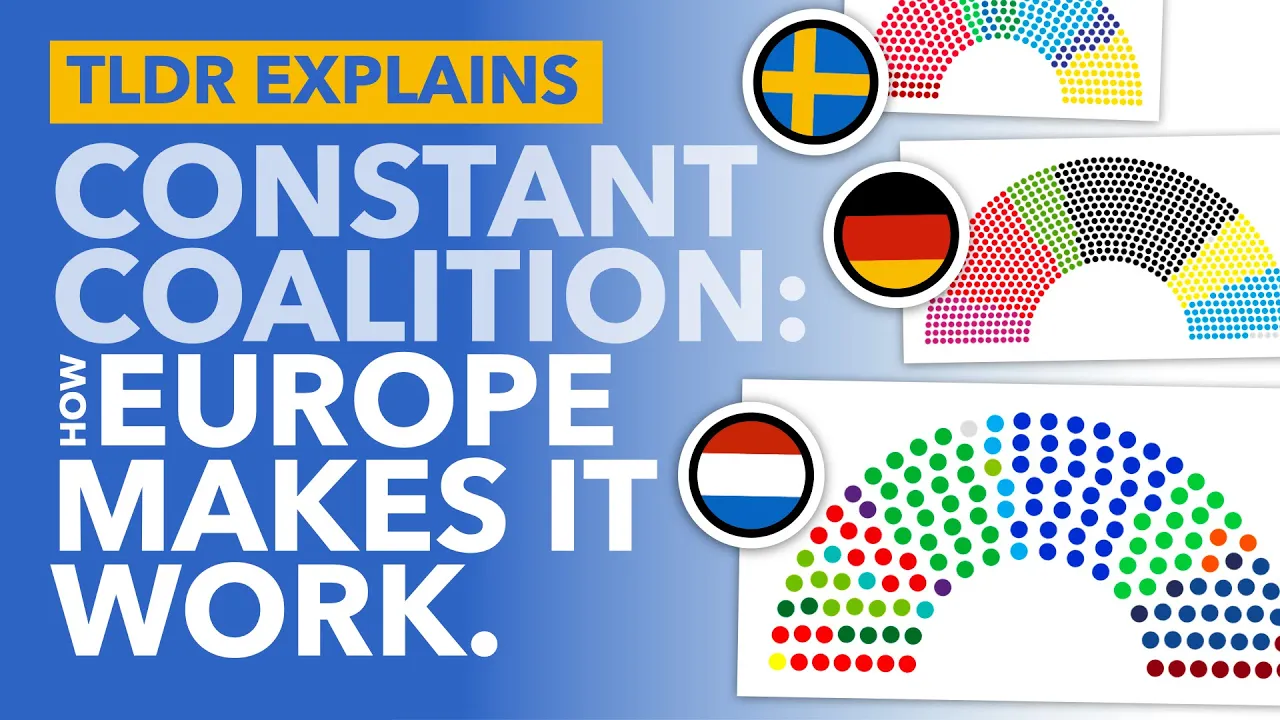
Electoral systems determine how votes translate into political representation, with First Past the Post (used in the UK and US) awarding seats to candidates with the most votes in each constituency, potentially leaving minority parties without representation, while Proportional Representation allocates seats based on the percentage of votes each party receives, ensuring more accurate representation of voter preferences.
Voting Systems DLC: A Guide to Electoral Reforms in Democracy 4
Added:Familiarity with the core gameplay mechanics of Democracy 4, including policy implementation, political capital, and voter group dynamics.
Basic understanding of different real-world electoral systems, such as First-Past-the-Post (FPTP) and Proportional Representation (PR).
Knowledge of political campaigning concepts, including key demographics, party platforms, and swing voters.
An understanding of how electoral laws and voting systems can systematically favor or disadvantage specific political parties.
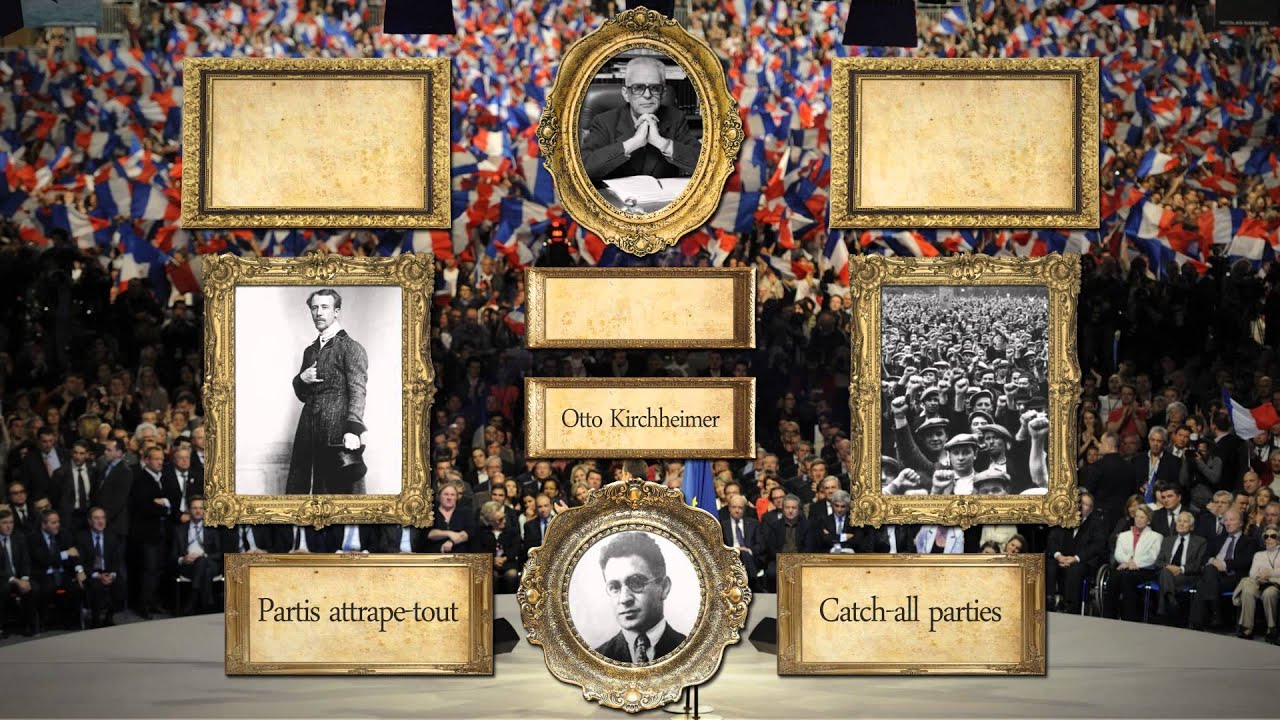
Analysis of advanced voting system theories, such as Duverger's Law and its explanation of two-party vs. multi-party systems.
Comparative case studies of real-world electoral reform, such as New Zealand's transition from First-Past-the-Post to Mixed-Member Proportional (MMP).
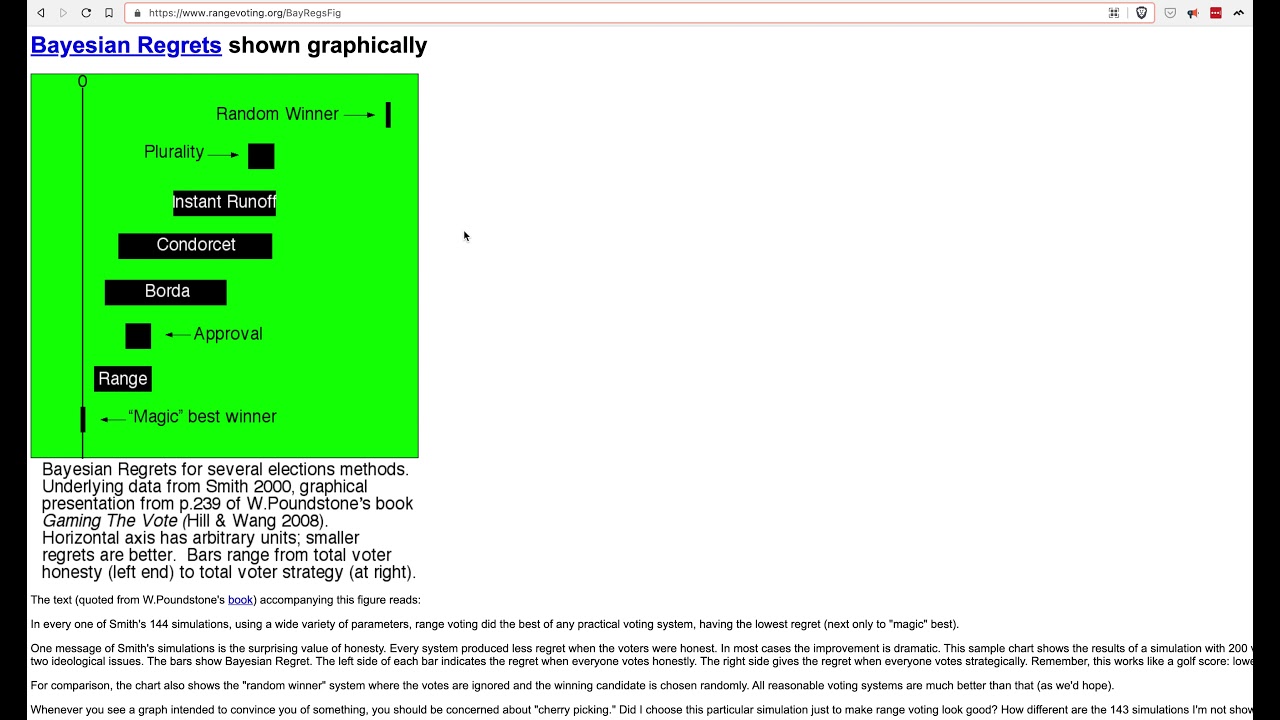
Evaluation of alternative voting methods like Ranked-Choice Voting (RCV) and Approval Voting, including their mathematical properties and susceptibility to strategic voting.
Exploring the socio-political consequences of electoral design on coalition building, government stability, and polarization in modern democracies.
6K views157likes33:59Original Release: 2022-05-29
okay i haven't done one of these for a while so um it'll all go wrong um this is the latest democracy for developer blog video um i am the designer and programmer at cliff i've just realized i've got a little thing down the bottom here at the bottom of the screen i'm gonna if i can turn off that and that and then i've got a little can i turn off that and that that was complicated wasn't it but there's a little thing down here um in the game that will appear soon and it's just a little icon that kind of says that there's dlc and it'll be grayed out if you don't have it and it will look like this if you do have it um it yeah it has a little tool tip saying that it's installed or not um i just thought i should point out what that is um and then i'll turn on my other channel right okay cool so um we have an expansion pack coming out expansion pack dlc everyone says dlc these days um but basically it's an optional extra thing that you can buy if you're interested in that part of the game um and it's called voting systems and it's basically about the process by which elections um are kind of election campaigns are kind of fought on one um it's a bunch of stuff if you played democracy three you'll remember we had an electioneering expansion and that added a load of stuff like perceptions of the candidate and media spin events stuff like that manifestos all of that is in democracy for anyway all of the content from democracy threes expansions is all in democracy four um base game but if you want to get more into that um we've done like a little expansion which i will um i will talk you through so if i get a new game i'm just going to go here to point out a new thing i say i'm going to go to the uk point out new thing so i've added this little chart here the economic cycle right um this slide has always been here and people presumably have just gone don't know don't know what that does uh let's just ignore it um now basically in democracy three there used to be like a boom and bust cycle which was a sine wave right so if you play democracy three you kind of know what's coming um you can get used to the economic cycle um i should explain what the economic cycle is actually so the economic cycle is like boom and bust it's something that the um is fairly reliable but not massively um over the long term in economics in that you get a huge boom period and then you get a recession and then you get a boom and then you get a recession um it's not as as pronounced um now maybe as it has been because we know about it because economists know about this um and a big part of um keynesian economics is to kind of fix that so his thing was like the government should spend loads of money when um when we're in a recession in order to to stop it dipping too low this is gdp by the way um to stop gdp um dropping too badly so basically in a recession you build bridges you build roads you build um schools you build hospitals you do all this stuff to give everyone jobs uh who have just lost their jobs and then in the boom you pay back the debt that is incurred because you did that and the trouble with kenji and economics and i made no judgement either way um but one of the problems is is in a recession kenzie not economics is really popular because people are like yes the government should spend money and give us all jobs and then in the boom um they forget that and it's like the government should stay out the way of the wonderful capitalism that is causing huge economic growth um so anyway um because people do a little bit of kensington economics now then you don't get a nice sine wave you get noise so um democracy 4 simulates that so we have two cycles we have the sine wave cycle we have a noise cycle that runs at a different amp different wavelength um so you get this sort of pattern so anyway when you start a new game now you can say i want to start in the middle of a boom which will be here i want to start at the bottom of a recession that will be there so things will be getting better like if you're really cynical right you'd think i want to start um suitably before and boom so that the boom hits during the election year anyway it's an option for you you can fiddle with this now if you like um that's got nothing to do with the dlc it's just something that went in um so now i'll talk about dlc um because i don't think i've got any other major stuff to talk about so the dlc comes with a bunch of um there's 11 in all and some of them are pre-enabled for some countries so i think that's one the minimum voting age um so what country are we we're the uk wow minimum voting age of 18.
so we now have an option that you can like you can set it as low as 13 or as high as 25.
uh we don't we don't go beyond that because it'd be kind of silly i don't think any anyone sensibly wants to give 12 year olds the vote um is it just be like you know the my little pony party would win i don't know that's probably vastly wrong um and 25 is ridiculous um but anyway whatever everywhere in the game uh currently has has it set to 18 except i think south korea has 19. anyway um there are a lot of arguments over over what you should do some people say that if you can like join the army and drive a car and uh and drink alcohol at certain age then that should be the age other people would say like 18 year olds have no idea how the world works they have no real experience of life and um you're easily swayed by social media it should be at least 2021 um you know whatever you've paid hardly any tax at this point in life this is this is a point that's made sometimes um especially in the country where you have state education that basically your entire life has been subsidized by the state and then you get to vote um it depends like i can see an argument it should be lower especially because like um the you know people who are 16 now are going to have to live with the decisions other people make especially with regards to climate change and stuff like that but i can also see the argument that actually everyone's an idiot when they're 18. they just don't know it until they're like 25 i don't know whatever anyway you can change it you can change it and what that will do is it will affect the voter turnout of the young this is a new thing so um that is behind the scenes but behind the scenes we have now have values in the dlc um that determine whether or not young people shout to vote whether or not ethnic minorities shout out to vote and whether or not um retired people vote and these can be affected by various things so um if i go here there's an extra tab if you've got dlc voting extra tab see it's worth it just for this tab um so anyway this is all i'll talk you through it so these are the new policies right and um we have a maximum voting age oh yes which is very hard to implement because there is an argument right that if you're 93 and you're casting a vote it's probably easily your last vote you'll be probably be dead before there's another election and yet you're making decisions that will affect all these other people and also you may not be you know in full control of your faculties as it were that age so maybe we should cap the maximum voting obviously retired people would go ballistic at this but in a sense who cares because they can't vote um and it's a you know it's the same with the minimum voucher so so by playing with these policies you can reduce the number of people who can vote which is to some extent evil but another way understandable so we've got other policies compulsory voting um that is set um in australia um phone and internet voting um see that that that will boost turn out with the young people so you might think well why would i not do that of course i want compulsory voting of course i want phone and internet voting i mean that sounds perfectly reasonable no not necessarily tactically if young people hate you because of your policies the last thing you want to do is is pass a policy that will enable them to vote easily compulsory voting i mean all those um you know young people who don't normally bother voting uh will vote disaster um so you may in an evil way decide um that you want that um state funding of parties is an interesting one i'm gonna load a save game in a minute that will show you how this works um we have this in the uk but it's not very much um a lot of countries um have it and a lot of people don't know that their countries have it um state funding of parties is very unpopular because it's the idea that your taxes go towards um enabling politicians to lie to you but um there is an argument that without state funding of parties uh the money comes from somewhere it will come from big companies or rich people um and arguably that's worse right anyway whatever election robocalls so this is the thing we don't have in the uk it's um well i don't know we don't have it but we don't ban it and when i say we don't have it it's just like i've never got one that this kind of exists but this idea that your phone goes and is recording message saying vote for bowie johnson um i mean a ridiculous idea but anyway whatever um so a lot of this stuff works with like new mechanics so party donation limits okay um so you can say that um people can only donate a thousand dollars or a hundred dollars um or whatever um per year to a political party obviously that really impacts the money you get from the wealthy you then have to have a wide base of support so if your plan was to win with the capitalist and wealthy vote and then just to steamroll the opposition um by spending so much in the campaign that you persuaded people um then you don't want party donation limits you don't want limits on corporate donors obviously you don't want limits on um robocalls um anyway this one down here is something that we we don't really do but it's it's basically the government having like a government information campaign regardless who's in charge saying you must vote and it's basically to improve turnout um we should have that i think um voter id law oh my god the controversy um i have an unpopular opinion on this actually well no i don't know i mean i've got nothing against voter id um personally i understand the there is a strong argument like i wouldn't say that in florida um or places that historically have like a history of like voter suppression um and the impact of this is is the ethnic minority turnout would be lower um i mean it's just a strategic decision in not in the game but in the real world as to whether or not you think election tampering from foreign governments or or just dishonest organizations is a bigger threat than um people not having id um it depends um i don't know you need photo id in loads of european countries in the world doesn't end but anyway it's an option and and like it's a controversial topic and like um anyway it should be in the game right so anyway these are a bunch of policies and they affect how much money is raised and who from and they affect turnout of different groups depending and they also have other impacts right like liberals don't like voter id laws um obviously i think minorities don't like them um if they're affecting their turnout obviously um and it's kind of bad for democracy because anything that makes it harder to vote is bad for democracy um you know in that that's what goes without saying so um so this is a bunch of policies and this screen here these policies exist in the world they're just like any other policies right so if we go here you can see a little icon in the corner there and that little icon is that's a dlc policy um just so you know um it's just i thought it would be handy to have a little thing here to show you easy access to policies about that why not right um and and the green circled highlighted ones they're ones that are currently um enacted so so here we are in the uk you can't have tv ads um as part of your election campaign is illegal cannot do that um we have party political broadcasts which are always awful and um each party gets a certain amount of them whatever anyway the other thing here is you have a binary choice right this is going to be the controversial thing about this dlc so we have two electoral systems first past the post and proportional representation and i'm going to explain them to you in case you don't know because welcome to politics 101 with uncle cliff um so because they're called different things in different countries and they've got loads of different flavors there are no two countries on the planet who have the same system for voting because there's so many possibilities right in the uk we have what we call first past the post okay so i don't vote for the prime minister i don't vote for the party either i vote for a local candidate in our local constituency which will be about 100 000 people or something um so the different parties or independents will put up a candidate in this constituency and we will all go out and we will cast votes and the one with the most votes wins um it doesn't matter if they don't have um a majority they just have to have the most um which is kind of uh interesting so that you get this whole problem of like splitting the vote splitting the opposition so um you don't want two left-wing parties or two right-wing parties you want to all come together and be the guy or the girl that wins anyway that's not the problem um the problem is um say say in my local say where i live the conservative party wins which they will and they always will because of where i live it has been conservative since i think the 18 something or other and it's been the same person forever so my vote is pointless um unless i well my vote is pointless anyway because even if i vote a conservative uh they're gonna win anyway it doesn't make any difference um so we then get a single um member of parliament uh to represent uh our hundred thousand people in what we call a constituency okay this is exactly the same as what happens in the united states but there you do it by state so arguably it's worse because you have 50 constituencies called states um yeah i know there's district of columbia and i don't know it's complicated i know but basically you've got 50 constituencies and they may have a varying number of electoral votes um we have a more granular system we have 650 i think constituencies which is nuts and but it's basically the same thing so the the members from each constituency or state they will come together and they decide who's president or prime minister and which party is one right which kind of sounds reasonable but it isn't it's a disaster it's an absolute nightmare because there's no prize for coming second so if where i live 51 of people vote blue and 49 vote red if that happens in every single constituency in the country then we get a hundred percent blue mps and not a single red which is nonsense okay because clearly 49 of the population have zero representation um now it kind of balances out um and yeah we get labour governments we get coalitions here we get conservative governments and in the united states obviously democrat republican democrat republican so it does change so it conveys the illusion of being fair but it but it isn't um for so many reasons so the alternate system proportional representation which happens in a lot of countries a lot of european countries most countries that we represent in the game have proportional representation proportional representation um coming second does matter so basically you have a system sometimes it's um if if a vote um if a vote would have been wasted you kind of go with their second preference and stuff like that um there are so many varieties of proportional representation there's the additional member system um there's a single transferable vote um there's all kinds of run-offs there's loads of different systems right but basically the goal of them is the same the goal of them is that when you look at all of the votes that were cast in the country and the different parties that those votes were cast for if you look at the members of the governing body or not the governing body but like the um the legislature um they will directly map they will represent so um you will have in in my example given earlier you would have 51 blue mps and 49 red mps the blue party still wins in that situation but there is still representation so it's quite close so you can kind of um it's tough to get legislation passed because it was a close result anyway i know a lot of people who play the democracy games and very into politics i totally understand the interest in first pastor post proportional representation constituencies states um all the different um varieties of proportional representation i totally understand that i totally understand why people are interested in um this is a this is a swing state or what we would call a marginal constituency um and that's what i want to focus my campaign on the swing states blah blah blah blah blah and we don't do that in this game and i still don't do it and i don't do it for a very deliberate design decision it's not something lazy um it's because um the game is deliberately designed not to do that and the the reason for that is um like let's assume you're american right let's assume you're american you're watching this you're thinking well this is rubbish clef why do you not have all the different constituencies and states this isn't voting systems okay so if i say to you california how are they gonna vote now if you're american you you've got a pretty good impression right if i say california is it a swing state or iowa is it a swing state how they're going to vote in mississippi how they're going to vote now if you're an american and you're really into politics you kind of know right you've got a strong opinion but now if i say to you okay fine um what about cornwall what about cardiff how do people vote in sussex what about west hampshire how do people vote there a wheelchair like who knows right it's another country so this is the problem like in order to to represent um the full complexity of voting systems that are proportional representation versus those past the post you would have to assume that the people playing the game know the local politics of every state in america and every constituency in britain and as i said earlier we have 650 like derbyshire west i have no idea and i live well i don't live in derbyshire but i live in england um it's ridiculous so we don't do that so we approximate it and we're approximating it by basically saying you get more turnout and especially more turnout for moderate parties for third parties if you pick proportional representation so what that means is if you change i don't have the political capital right now if i changed to this that would be a boost to the middle party that would be a boost of coalitions and it might be that that's in my interest because i know i'm probably gonna lose but if i can uh switch to a pr system and effectively boost turnout for the middle party the moderate party i may be the senior party in a coalition so it could be a tactical decision to make to make that change but but more relevantly the reason it's in the game and in this this version of the game with the dlc is because there is a difference in the in the way you get turned out the way people vote um if you have pr versus first past the post or um you know the american system state system whatever um electoral college system you call it in america anyway i know other countries exist and i know all the country if you're from one of the countries that has proportional representation watching this you're going like this first person post system sounds like us and it is anyway right so uh so that's kind of in the game but there's other stuff right so i'm just gonna quit out uh quit to main menu looks like a politics lecture what are you watching is it a video game blog it's a lecture on voting systems um well i was playing game earlier and oh my god i'm doing badly i've added a new thing here if you've got the dlc it in this case it's not changing much right but this is what you normally get this is the approval of my party a little bit below par i can turn on this distribution here this is how people are going to vote oh my god really bad but thing is some people won't vote we know that so when we do opinion polls um sometimes they'll say we polled a thousand likely voters so people who voted last time who have strong opinions uh you know you can kind of weed out people who aren't gonna vote so now you can just look at likely voters now at the moment they're quite similar um one of the reasons being that i don't exclude that many people from voting through evil policies um but that may be different uh and this is a new thing you get if you get dlc anyway so something exciting is hopefully gonna happen um here apart from my impending we have gridlock and this is i've kind of fixed it with some absolute like crazy crash measures let's see what happens yay fixed good luck fix right here's a new thing campaign focus so a year before the election this happens you get this pop-up you can't go to the next term without um sorting this so you now need to choose this is the dlc you now need to choose what you're going to focus on so there are two really famous examples of this there's clinton's thing which was said in private i think it wasn't an actual campaign slogan but like it's the economy stupid um in other words yeah you can make a lot of speeches about everything but we win the election based on the economy so focus on the economy um and tony blair who a lot of people heard of who used to be a uk prime minister um used to keep using this awful phrase tough on crime tough on the causes of crime um some people would say he wasn't either but anyway he keeps repeating it and the basis of this is the most people don't care about politics most people really don't care what does joe biden stand for i don't know who cares i'm busy you know whatever um so most people do not know the 10 top policy priorities or achievements of joe biden okay or trump or whoever um so election strategists will try and pick something and go this is what we're good at keep mentioning it okay and you decide that early in the campaign so we're talking a year out here so there's all these things you can click on them you can go how am i doing on violent crime not that good wage is not particularly good health is awesome this is the uk i i've just randomly gone through the game at this but health is pretty good how's the economy well you know it's right but let's not get excited so health is great so i'm going to select health and go keep mentioning how great everyone's health is because of us we'll take the credit for health okay so this is you say i made that decision this is a year out okay so i've now made that decision if we look at health down here in the corner next to my head um it's got a little icon on it meaning we're focusing on this and it gets a new link to everyone up there um popularity is atrocious hopefully this will this will fix it it won't um so if i click on that you get a little tip explaining that we're focusing on this and there's another little icon here on the link to everyone so this is a new thing everyone is now aware of how health is going if health is high they can be happy because it's really ram down their throat in in every interview with every politician in my party have we mentioned how awesome health is that doesn't fade out when i do that i don't mind that actually because it reminds you where it is i don't know i don't know maybe i'll fix that should i fix that leave a comment below anyway so this is a new thing okay so um i'm gonna sign that agreement um whatever um because i just wanna oh no there's one other thing i wanted to show you oh christ one percent it's not looking good yes if we go here um fundraising this has been fixed uh it used to um have a few formatting problems um which nobody noticed but i did anyway so look we have state funding and political parties how exciting so um the really dark there is state funding it's the same for every party um and this is donors and this is members now um the extent to which donations from individuals big uh donors um factor in will depend on whether or not you've limited it and in general the amount um that you raise will depend on whether or not you've limited donations from individuals and also it will depend on corporate donations if you ban corporate donations then people who are capitalists basically companies will donate less because they'll be limited so you can tweak these values through policy now a lot more than you ever could and also the formatting of it is better um so you can see that the i've got no money and we're going to lose but it's not as bad as it could be because at least i've leveled the playing field a little bit with some state funding political parties um in a mad dash i could boost that thinking hopefully get something to run up to the election and it won't be so bad it will it'll be bad um i'm gonna prevent the toxic waste dump i mean surely that'll be popular i have not paid much attention russian ships are approaching it's a little bit too on the nose isn't it um oh yeah oh dear like we're not doing well we need to we need to do something drastic we need to fit everything's really bad obesity um obesity let's put a massive tax on junk food you know who would actually vote for a party because they fixed obesity three months before an election we couldn't find out um ruling out first right yeah okay we're not gonna i'm not gonna nuke russia before they newcastle um blah blah blah okay so um last minute panic i'm gonna pledge to cut income tax and raise gdp we know it's not gonna happen because i won't get elected so it's kind of fine um oh my god a massive massive boost there they've got they've got seven million members in the party that's right okay so um so there's one other thing i just want to show you one other thing oh no two other things forgot about this yes this is a new thing in the dlc so um yeah it's election time i'm considered quite trustworthy it's kind of hard to believe um so do i run a negative campaign saying the other party of all maniacs or do i run a party saying i'm lovely really um this is risky but it will boost the effectiveness of your campaigning um this is very safe but but it won't um and it can backfire if it backfires it'll be bad and the extent to which it's risky and it might backfire is partly depending on how trustworthy you are i'm quite trustworthy i'm quite trustworthy so i can risk a backlash and also i'm doomed in this election so i might as well go full on negative so i'm gonna and it worked so i've only actually got 71 million pounds to spend in my campaign um but uh it's gonna have the effect of 86 million because of my evil attack ads so that's good um but we're still vastly outspent by the citizens alliance so there's only one other thing i want to show you so so down here um this is voters that are disenfranchised by the voting policies um there'll always be some unless you you set the minimum voting against 13. so 13 to 18 year olds in my country do not get the vote so they're disenfranchised and and um there's a little like icon there to show you what policies are affecting that now uh because there could be several um so um oh my oh my god who thought the popular democrats were getting away my money was on the citizens alliance my money was not on me [Applause] um that was brutal never let me run your country um yeah pretty bad huh um i had no activists and and um yeah the spending the spending uh didn't swing it in the end uh even these voters how many votes did i get 700 i only got 776 000 votes yeah i denied the vote to 3.3 million people classic anyway um this has been the longest video i've ever done but it's like um voting systems are interesting i think this is an expansion pack it's called voting systems um it's coming out really soon tuesday i think uh assuming nothing goes wrong and um you don't have to get it but yeah but like if you like the kind of extra stuff that adds to the game um then get it it doesn't make any difference to to the base game if you if you don't have it um you know nothing's just nothing you know the game will play exactly as it used to it's just if you want these extra features you can buy this new thing anyway let me know what you think right because like just because it's still she doesn't mean we can't update it and improve it and edit it maybe you think part of this was really confusing maybe you think uh part of it would just sucks um i'm sure you'll let me know anyway uh let me know i should do more videos because i should um uh yeah because i should um anyway um thank you for watching please like and subscribe blah blah vote for me please
Up Next
81:30
Democracy Reform Town Hall with Andrew Yang & Lawrence Lessig
@andrewyang
352.2K views•2019-04-09

24:30
BRICS Pay and de-dollarization: A New Financial Order Emerges? | 55 chars
@DannyHaiphongYT
164.6K views•2024-10-22
7:33
Government Surveillance Methods: 10 Ways You May Be Watched
@BeAmazed
1.6M views•2017-04-09
10:19
Explaining the Saudi-Iranian Proxy Conflict in the Middle East
@Vox
18.2M views•2017-07-17
Related Study Plans & Knowledge Roadmaps
Structured learning paths in Political Science
political-science
Economic Statecraft: Sanctions & Chokepoints
01Foundations of Geoeconomics and Economic Statecraft
02The Mechanics of Weaponized Interdependence
03International Sanctions: Types, Implementation, and Efficacy
+ 2 more learning modules
12h5 modules
Explore Roadmap
political-science
Central Bank Independence: Politics & Policy
01Foundations of Central Banking and Monetary Policy
02The Time Inconsistency Problem & Inflation Bias
03The Delegation Model and Designing Independence
+ 2 more learning modules
12h5 modules
Explore Roadmap
political-science
Consociationalism: Power-Sharing & Stability
01Democratic Dilemmas in Divided Societies
02Introduction to Consociational Democracy
03The Four Pillars of Consociational Design
+ 2 more learning modules
12h5 modules
Explore Roadmap
political-science
Rebel Governance: Legitimacy, Economy & State
01Foundations of Rebel Governance and Statehood
02Establishing Political Legitimacy and the Rebel Social Contract
03Wartime Economies and Rebel Resource Management
+ 2 more learning modules
14h5 modules
Explore Roadmap