




























Social metabolism is an interdisciplinary framework that analyzes economic systems as organisms exchanging energy and materials with their environment, revealing how biophysical flows are embedded in power relations and capital accumulation processes; this approach demonstrates that wealthy nations historically and currently absorb billions of tons of materials and energy from peripheral regions while maintaining trade surpluses, creating ecological inequalities that persist through hidden flows, material stocks, and lock-in effects that require fundamental transformation of economic structures to address climate change and environmental justice.
Understanding Social Metabolism: A Framework for Socio-Ecological Analysis
Added:Basic Principles of Thermodynamics: Understanding the conservation of energy and mass, and how entropy limits energy transformation within open and closed systems.
Introduction to Ecological Economics: Familiarity with the distinction between neoclassical economics (which focuses on monetary flows) and ecological economics (which focuses on physical and biophysical limits).
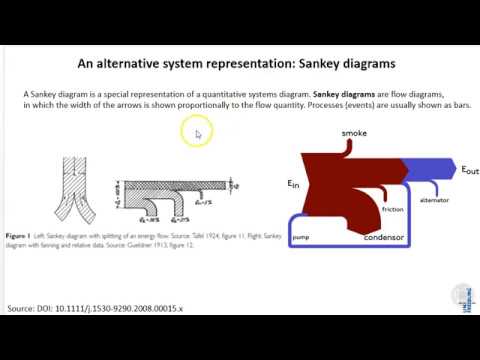
Systems Thinking and Flow Analysis: Basic comprehension of system boundaries, inputs, throughputs, outputs, and feedback loops in environmental and socio-economic contexts.
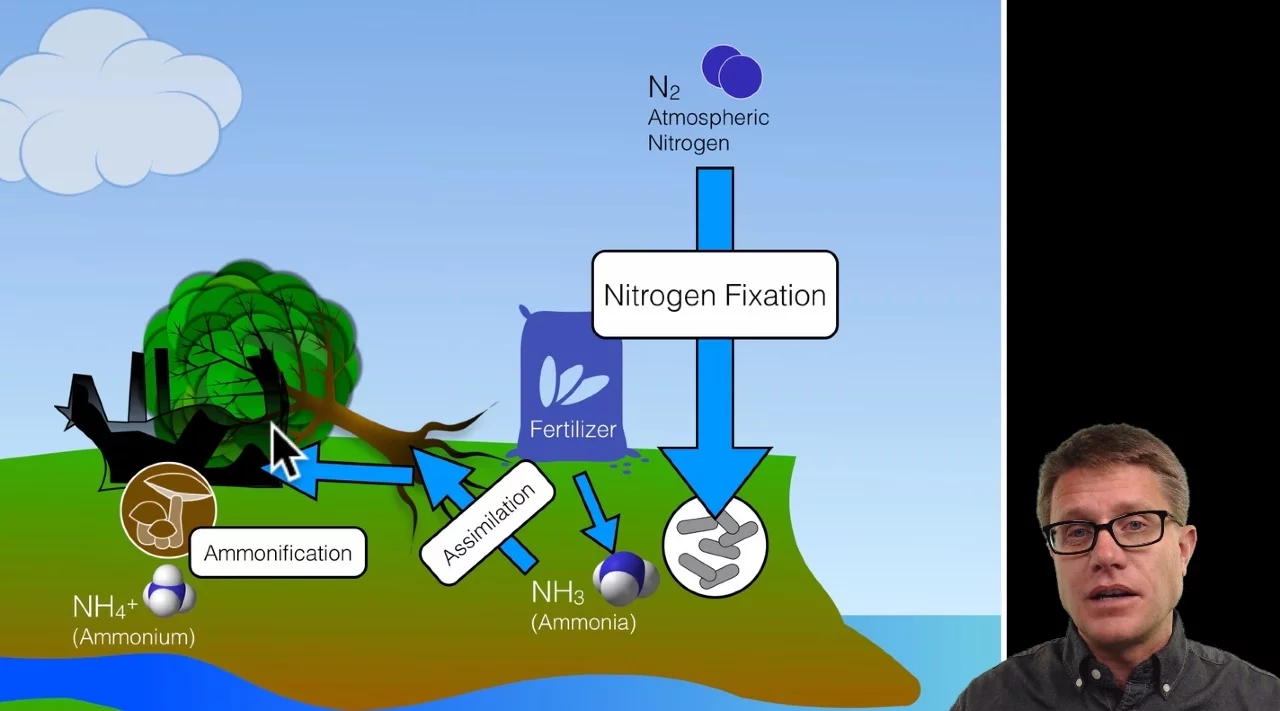
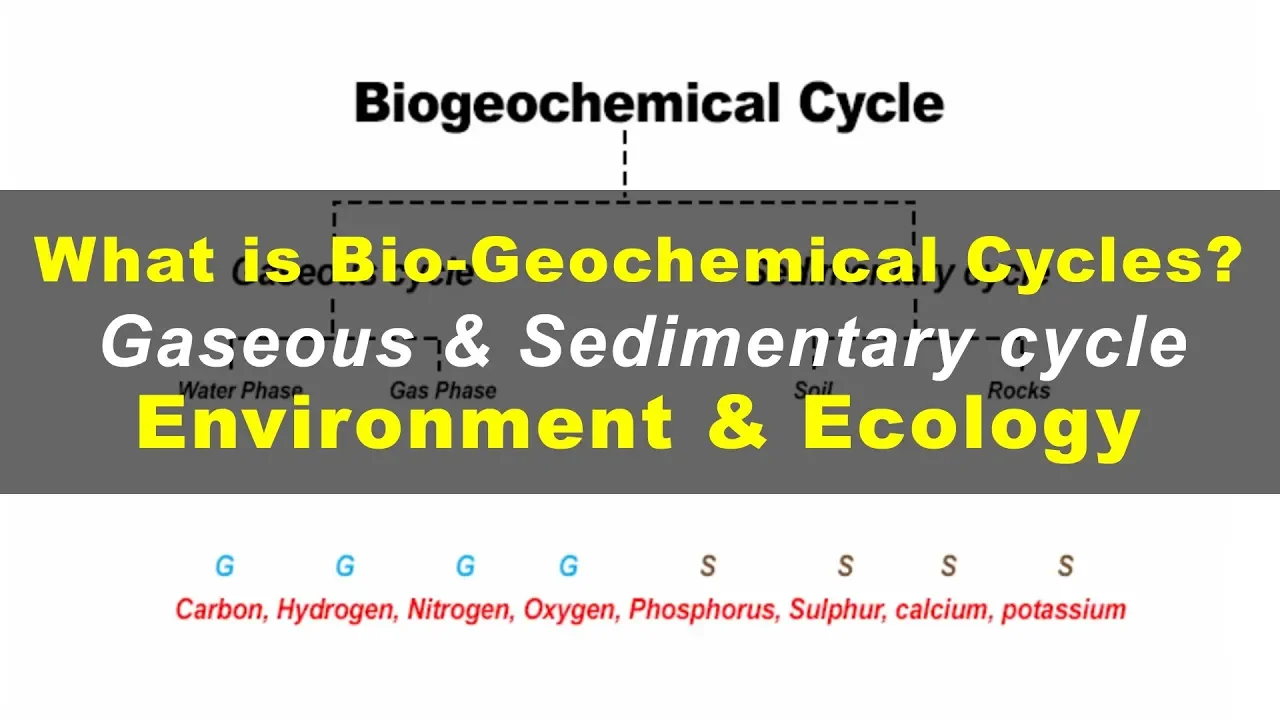
Biogeochemical Cycles: General knowledge of how essential materials like carbon, nitrogen, and water cycle naturally through the biosphere.
Material Flow Accounting (MFA): Learning the specific quantitative methodologies used to measure the physical inputs and outputs of national, regional, or sectoral economies.
Socio-Ecological Transitions: Exploring how societies historically shifted from organic (agrarian) metabolic regimes to fossil-fuel-based (industrial) metabolic regimes.
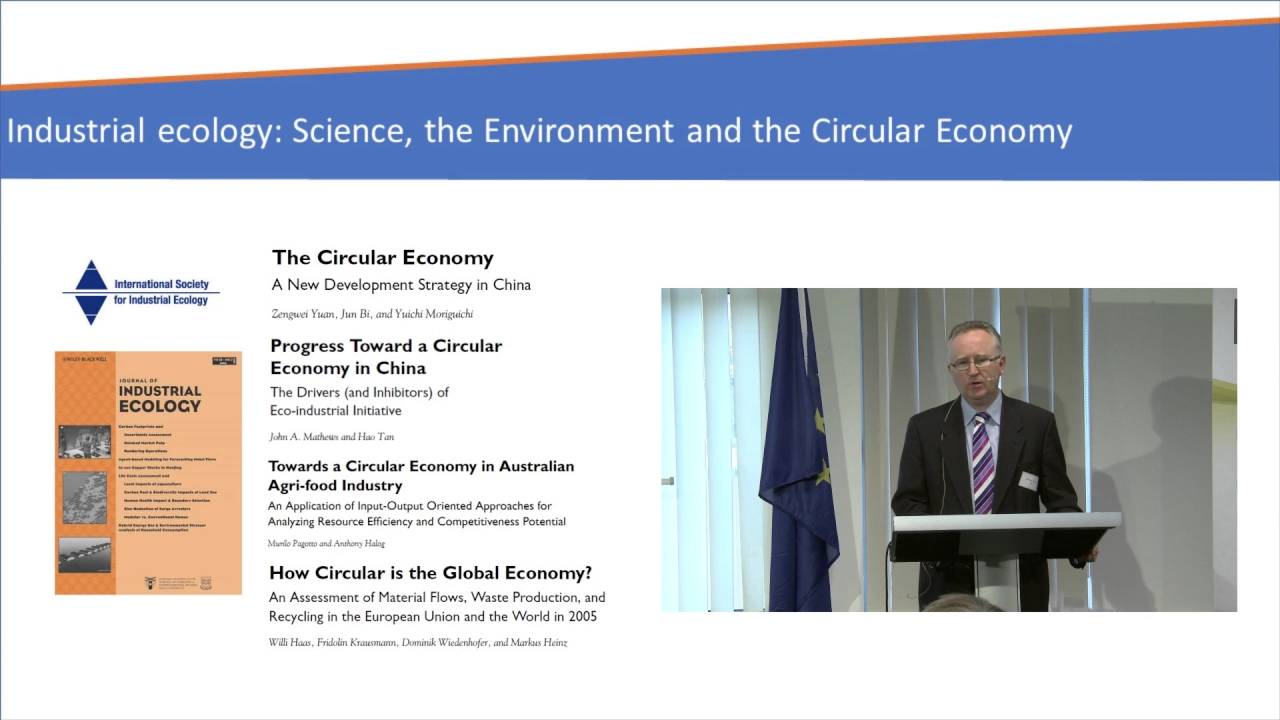
Industrial Ecology and Circular Economy: Studying how to redesign industrial systems so that the waste of one process becomes the input for another, mimicking natural ecosystems.
Biophysical Constraints and Degrowth: Analyzing the ecological implications of perpetual economic growth and exploring economic alternatives that align with planetary boundaries.
245 views2likes1:41:41Original Release: 2023-11-09
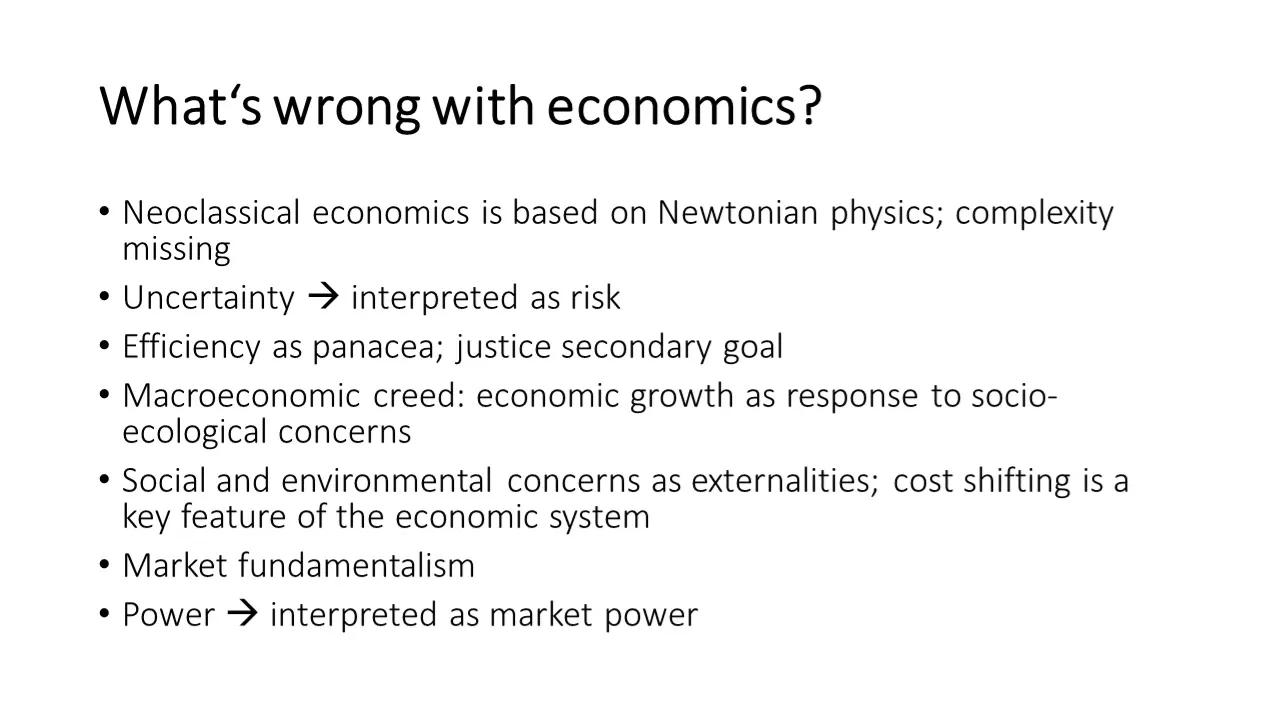
thank you so much uh David thank you for inviting me hi everyone so yeah I'm going to talk about social metabolism uh actually I I work on yeah maybe we close the window I don't know um so I'm going to present this framework uh some some researchers and I hope uh it would be interesting uh even though we are all tired I guess um what what I want to to h i I hear a voice I it's me but uh ah it's okay it's it's okay yes okay it was feeling a bit weird like a gust here um so yeah basically uh I I am interested in cap capital Dynamics and envir environmental issues and uh what I do for a few years now is to study uh Capital Dynamics by uh uh studying uh biophysical flows so that's that's why I I will introduce the social metabolism framework today um I will highlight some uh interdisciplinary Works uh so I I what I want to show is to how how to combine this social metabolism framework with uh political economy environmental history political ecology and so forth uh and I will show some uh I will specially Focus Fus on uh some very interesting studies uh in the Ecom Marxist literature about uh long run analysis of uh Capital Dynamics with this uh uh physical point of view whoa so let's do it uh so first I I I want to say a few words about ecological economics because uh the social metabolism framework or the social metabolism concept uh comes from uh ecological economics so ecological economics uh came in the uh uh uh this this academic field came emerge in the 60s 70s and against the neoc classical floating framework they they basically they criticize the fact that uh in the neoc neoc classical mainstream framework you don't have any uh material have any uh uh energy and so forth and they they they had this physical point of view so so those people came from uh biology physics uh uh ecological science and they they they they were uh uh uh they criticized the fact that uh uh mainstream economics was basically ignoring uh the main laws of physics are uh uh and from uh uh uh ecological science so maybe I don't know if you heard about those names uh uh maybe you you heard about the midow uh uh work in 72 uh georgees kogan which is a physicist uh he works on thermodynamics actually uh and Del and many other people so this this uh eological economics what is important that so is that this this framework uh came from uh yeah with this physical point of view about uh uh the economic system so they present the economic system uh so this is the the pre analytical prevision uh uh uh of the the E economic system so they present it uh as a subsystem of an ecosystem so in in in to to in a position to mainstream economics which present the economic system as a like rational actors buying and selling stuff and uh investing and so forth so with this monetary flows perspective they adopted a a physical perspective uh thinking about the economic system as a an organism uh which was uh all the time absorbing material energy flows and so forth and and uh um so this is the the the main uh the main uh move of the ecological economics uh against uh uh the mainstream framework and um the social metabolism does this work no oh yeah uh social metabolism therein is a concept so it it comes from uh biology of course uh the metabolism is the process by which an organism builds up and maintains its structures through exchanging energy and materials with with its environment through its life so they they took this uh uh metabolism uh definition and apply it to the economic system okay so that that's the main the main idea and talking about social metabolism uh you add a little bit the the the the society there because otherwise it's only material energy flows and and the social metabolism this is a definition from people from Vienna which are the leading team in in the world maybe uh so they Define social metabolism as the key link between society and the natural environment to reproduce its biophysical structure Society is require a continuous flow of energy and materials that need to be extracted from and eventually released to the environment so that's that's the main idea uh that's the main definition of social metabolism now in practice they in the 70s they they did uh they began to to to study uh different territories so this is the city of Brussels and they uh collected all the data about biophysical flows uh here of Brussels so that's really interesting uh uh if you compare this Vision to uh uh mainstream uh uh uh the mainstream vision of one economy because they they see Brussels as an organism that that uh import electricity coal oil gas elements uh food uh so there are waste there are uh uh water emissions of course uh exports and so forth so they they they this is uh basically what we call today as a uh environmental accountability and so you can count basically everything uh uh material flows CO2 flows energy flows water flows nitrogen phosphorus and so forth there are thousands and thousands of studies uh which take this point of view about one uh one territory so this is for one year so this is what what uh they they present the physical the physical economy of Brussels for one year and but I I was very interested about those kind of studies uh I think it's it's yeah it's completely different from what we we we've seen in mainstream economy but at the same time as a social scientist we are a bit disappointed right because there are here no actors no institutions no power relations and so forth so it's really physical but uh it's kind of uh disappointing from a a scientist social scientist perspective but so this is we can call this only metabolism and not not a social metabolism so this is only a certain uh uh accountability of flows um you can do that for every kind of territory you can uh you can study material flows uh of a region a city a country continent and so forth so uh there is a and you can even even uh uh take a smaller scale I don't know the the metabolism of of one building or one uh one infrastructure or uh uh it can be any anything so um that's that's the main that's the starting point let's say of uh social metabolism uh you take one you have one research qu question and you take one territory and you consider some flows because you are interested I don't know in CO2 or nitrogen flows and you uh uh you count uh flows so you you see the economy through uh uh those flows you can I did that for uh at the national scale for France so this is the uh uh the the framework uh for the national territory and here is a summary of one uh uh for One National economy so you have domestic extraction coming from uh uh the from the country so it goes from the environment and it enters the economic system so this is the economic system inside the the the ecosystem and um you have Imports coming from abroad uh exports here and then you have important uh uh flows uh like uh those hidden flows uh from trade and those hidden flows are all the uh Upstream flows which were necessary to to produce all imported flows for let's say a computer uh the wave of this computer I don't know it's maybe one one kilo or two two kilos but if you take all the if you take into account all the hidden flows then it it weighed maybe I don't know 100 kilos or something or you can do that with cars and so forth uh it's it's it's well known today because uh uh all the uh carbon footprint material Footprints and so forth take into account those flows those hiden flows and of course every time you you make such an analysis you you you have to it's really really important to take those flows into account spe specifically for uh uh the uh rich countries because they they offsh a lot of their production so they countries such as France uh has a very very important hidden flow then you have some domestic hidden flows which are also interesting and nobody cares about them uh it's basically uh uh those flows are are not taken into account because they don't have any value monetary value for instance if you open a mine you will you will take a lot millions and millions of tons of her or I don't know a lot of materials before you begin to to uh uh extract uh ore and all those flows all all those necessary flows to to begin to extract uh your uh materials are those hidden flows and nobody cares but it's huge also for instance in for many extractive countries such as Chile or Canada or you have bu billions of tons of those domestic hidden flows then I will talk also today about uh stocks social social economic stocks because uh this flow pers perspective uh need to take those stocks into account so stocks are basically buildings infrastructure so all the built environments but also machines for instance uh all the the all the the the machines which are in uh necessary for production so those are stocks just to to mention one number uh just to to uh about stocks the total plastic stock in the world uh is uh uh uh twice uh uh two times bigger than all the uh animals on Earth there are two two times more plastic than animals on Earth so this is a kind of stuff and plastic is really uh uh the production of plastic is really really increasing as you probably know so uh with those basic uh uh indicators you can do a lot of uh interesting study and I will just take those today uh to to to present some uh some Works um then of course yeah I didn't I didn't mention the the waste flow here which is also very important now uh I want before I I present some works I I would like to uh highlight the important heterogenity in inside the the ecological economics uh so first you have so today ecological economics the the the whole field is basically uh uh there is this word from CL spash which is a a well-known economist in this field which say he said that there is a mainstreaming of ecological economies because today the the ecological economic uh uh field is dominated by uh neoc Classics so they they they just uh they took uh those flows into account and they say okay well we will work with the energy flows and it it was not so difficult for them to take uh uh material Flows In biophysical flows into account but you also have an alternative uh which is called social ological economics uh which presents study those flows uh as uh uh and think those biophysical flows are as embedded in Social relations so uh here you think you you you you find uh the the interesting uh division yesterday I I I did a course and I presented this new graph so I will present a graph for you uh so let's say uh the mainstream is here so basic mainstream Eon NE classical economics the first ecological economics they they they took into account biophysical frows but so they they did let's say this this move and today the mainstream of I mean the majority of eological Economics is still here and uh here let's say you have uh the power relations axis so this is uh those are studies that uh uh I mean those are classical uh social science studies like Marxist or sociologist or uh all the basically the social sciences are here uh and for instance many didn't take into account the materiality of the world of of social relation and the region that I will talk about today is so this social so socio eological economics they took both so they they take power relations into account and biophysical for and they they try to explain and to understand how those uh uh Power relations are embedded in biophysical flows and this ver and uh for instance I I will I don't know is it clear I tried yesterday so I I don't know if it's my second try of explaining the the historical move let's say of those fields um and then today I will for for instance I will present some uh work uh from uh the Marxist field which were here okay and they they did this this this uh uh uh move let's say okay so uh I will mainly talk about so and now I mean in this in this uh big uh uh subfield here the socio eological economics you have feminist perspective Marxist perspective uh uh degrowth perspective and so forth so you have all all of them they I consider uh them in this subfield and um here you still have like uh engineers and people that count flows but they don't care about power relations and they stay here and for instance most of our governments instit International institutions are here okay Macon and many many leaders they they begin to to to think about uh this physical perspective but they don't care about uh Power relations then I also want to mention that and this is this is basically the same division when you talk about ecological economics what does ecological means actually and the division is uh uh can be can be presented uh in the following way the mainstream they have uh an apolitical ecology okay because they don't have power relations uh so they don't have they don't they are really normative they don't care about history institutions and this is a green growth Paradigm actually so what they say basically is okay the ecological crisis uh is a huge optimization problem we need to optimize uh those flows and it will be all right okay so this is the green growth Paradigm and this is called inside ecological economics this is called industrial ecology industrial ecology this come from actually I don't know if you heard about conservationism conservationism uh so uh it's an old tradition in ecology coming from the US uh in the 19th century uh there was then then a fight in the US uh between preservationism and conservationism but all those ecologies are quite from from the north and from the US and so conservationism uh uh believes that uh we need a better uh uh we need to optimize uh flows and we need so this is a very really technocratic perspective and preservationism exists still today as well the prism initially was close to the the Wilderness imaginary in the US so they they wanted a wild nature to protect a wild nature and so forth and this exist still today because uh uh it's it's there are uh important institutions linked actually to the World Bank uh for instance they go to some countries in Africa and they say to African countries okay you will we will help you with a little bit of money but you need to attract tourist and then uh maybe you should open some national parks but without people so you take those people away and uh you create a wild uh uh Park you know so this is a this is an old tradition com coming from the US actually is really racist because in the US they they just killed Indians and they they took them away because there were people living there in the Yellowstone y so all those famous Parks uh were not wild parks at all there were people there and but uh so this this was the the the the preservationist tradition but the the conservationist uh tradition is really eonic today I mean the all all basically all the the policies today are are are really close to this uh old tradition but so this is this is an a political ecology but you have also political ecologies of course you have many political ecology uh what what I call a political ecology basically it's Pol an ecology that consider power relations and uh so think about gender inequalities uh uh race class so all kind of inequalities and uh you have therein in the in this political ecology you have many possibilities many different uh yes perspectives let's say so you I will talk a little bit about the environmental du Justice do have you heard about this environmental justice yes some of some of you okay uh which is really strong I I think uh uh it exists I think it yeah for the they they de develop a lot of studies in the last 20 years I think and I will talk later about uh they have an atlass about environmental conflicts around the world uh and we will I will link that with social metabol and then you have also all the degrowth past growth literature and many other uh uh literature so uh I wanted to make clear that uh there is a big heterogenity inside ecological economics and uh you can adopt many different perspective using the metabolism okay so the metabolism is only a tool actually it's only it can it can be helpful but you can do many uh studies as well okay uh so here is one of them it's a really classical example I'm tired so I'm gonna I'm going to be trash a little bit no uh so this is a classical example in industrial ecology it's about um a sector called alberg in Denmark and so they they they took uh it's it's an industrial district with many Industries and what they did for 30 years now is like they they used they optimiz the optimize every flow in this District so they took the the waste from in one industry to to use it as a resource for another industry they took the heat from another and they so they link they they they make those Industrial symbiosis and okay that that was cool and they call that e ecological but actually uh it's it's really weird because they if you look at all the industries we are talking about refiner power station uh uh the Z industry the cement industry and so forth so I mean all all those Industries cannot be uh uh uh uh qualified eological right so um but they they did indeed uh they optimize the all those flows but here what what I want to I want to yeah I want to highlight the fact that uh there are hundreds of of studies like this and basically they they don't care about history about workers about anything just they just want to optimize uh flows and um yeah so and it's it's it's still the case today uh uh when we talk about uh all those uh uh Green Solutions uh uh uh I don't know Green hydrogen green blah blah blah it's always they they want to optimize the CO2 and they they don't take social relations into account that's that's the point now uh so today I will present wow when when did I begin I begin it was 10 no 15 10 okay uh so I I will present some some works that uh study the the capital accumulation long-term Dynamics and I want to explain how they they they took uh one old paradigma or one old framework and they they they combined that with uh biophysical uh uh flows so uh here I mentioned just three but I won't talk about the tree I don't have time enough the first one is uh an interesting literature called World ecology uh which took the world system developed by brell werstein and other uh social scientists so they they basically uh uh explain the development of capitalism uh not only through uh centers and peripheries and unequal exchange but also uh adding uh the eological dimension so they talk about ecological ecologically unequal exchange and they explained that the the the centers uh of cap of the capital Dynamics uh uh benefited uh absorbed billions of tons and a lot of energy from the rest of the world and that's that's why they developed actually um It's Kind it's the second one is very similar uh uh they they adopted a very similar point of view um and it's it's the same they they took uh work about Latin America for instance and the dependency theories and they develop ecological uh uh Theory uh from from this uh uh Dependency Theory then the third one is the regulation Theory and it's the same the regulation theory if you think about this little graph they they they were really here they they never took uh into account any materiality in their in their uh framework so and now they I did some work and trying to to understand uh the importance of uh uh the materiality for accumulation regimes now I I will insist here on two points uh hidden flows which which I introduced before uh hidden flows of trade and all the ecological food Footprints and a little bit of I will talk about material stocks now let's go with the ecologically an equal exchange so the tesis is really quite simple so they explain that uh there are asymmetric net transfer of resources including labor from periperal to core areas of the global econ economic system so this is the main thesis so what they say basically is that for instance uh I don't know the the UK in the 19th century benefited from cotton from the US and when uh the UK was buying uh for uh let's say $100 of uh Goods coming from the US uh those $100 uh uh where were equivalent let's say to I don't know, tons uh a, of acis uh 1 million Jewel and 1 million hour of the work for instance and when the UK was selling for $100 to the US the US was only buying for I don't know one ton one Jewel and uh two hours you said you know and this this was uh this was not just for one year or two years but it was like uh for decades so this is uh there are many EMP IAL evidences about this uh actually what I like to remember is that the the UK uh the territory of the UK was too small actually for all the all those Cotton Fields basically so they they didn't have space so that's really uh uh uh so you can say of course they they they they could uh go to other countries and they did actually of course they India Egypt and all the colonies but uh those Cotton Fields were essential to the development of the UK uh capitalism uh the same is true for France the same is true for other countries um and on on the opposite side the same is true for Latin America but Latin America was of course exporting all uh those material flows uh and uh there were millions and millions of hours of work hours uh that benefited uh to France UK the US Japan and other countries and they they they did a a recent research in 2021 which is really wonderful uh for the last 25 years and so they show for instance that the high income countries absorbed 200 billions of tons so Giga ton is billions of tons from the rest of the world they imported they benefited also from billions of and they accumulated as at the same time a monetary trade surplus of uh more than so 1,200 trillion of US dollar accumulated not not for one year for for 25 years so this is an ecologically an equal exchange right they they they they have a a profit from the trade monetary profit and they absorb all of the uh biophysical flows and you can link that with all the debates about environmental inequalities ecological depths and many other debates now uh what yes can you just explain a bit about the methodology for these studies how is are these clows the costs what are they normalized to with floating exchange rates and all of that purchasing power parity how are these normalized in this precise this precise case I I don't know for the for the minut for the Surplus for the monetary flow yes but in general in studies because I a lot of studies like these that say that okay this amount of money or resources appropriated material flows I can understand but the accumulation of value so how is value defined and to what are these exchanges normalized yeah I guess I guess they they just like take all the flows monetary flows in dollars and they they all they take into account inflation and so forth I don't know I I I I I don't know about this study but I think with basic tools they just know look at I don't know for instance the trade sof close between France and uh Canada I I can see that in three minutes on the Internet or with another country then you take all all those countries so they they they group High income countries in one group they they unify them and then they they look all the flows with other countries I think it was really basic I think I don't know because you what's what's the difficulty you think the the normalization of because of inflation or because of uh of every of inflation of floating of purchasing power parity so the uhhuh the the globalization argument that the causality of linking outcomes development outcomes in different countries with globalization so one you know because things because of purchasing power parity even if less wages are paid people are still getting more prosperous in developing countries of different sites have they use the same kinds of but they have different arguments they have different conclusions so I'm wondering what the differences in these definitions are across different narratives around globalization yeah yeah that's it's physical FL at the end no it's physical FL it's not monetary no there is also there is they they also yeah in this study they they also looked at uh mon monetary flows to show that uh even in monetary flows the high income countries benefited because they they export uh high value added Goods to other countries basically but uh maybe we can discuss that in the discussion but but uh there are you can uh well you can say that this theory has some drawbacks maybe uh because there are uh extractive countries for instance uh you have inequalities inside one country also so this is a quite nationalist perspective you take you you take one country as if it was like a actar but it's not uh so there are many DRX but I mean the global the global uh thesis is really strong I I think because it has really strong empirical evidence for centuries for many countries uh and that's what I wanted to show now so this is this graph I made it for France this is the physical trade balance for France so this is the trade balance the classical trade balance but in tons so I I I collected all the data since the 18030 1830 uh and just yeah the the message here is that uh France always always benefited from the materials from uh abroad always in its history it's not the case for the UK for instance the UK uh exported a lot of coal for some years and from some periods no France not France is a really parasite it's depending of the rest of the world all the time and the the gray the gray color his represents uh fossil fuels so of course uh France is completely dependent from the rest of the world because there is no more coal extraction in France uh here the the blue color represents Metals green represents biomass and yellow uh construction materials or non non metallic minerals we say so uh so this this this is an empirical evidence for France and I there are also uh studies that show specifically for instance you can study the the exchanges uh between France and its colonies and there there you can show again that uh uh uh uh this thesis is is is uh is true is verified and the the so actually it's quite I mean it's common sense I mean we all believe that the colonies were important and so forth but I think that those those uh uh those work are are still important for uh uh uh our debates today so this is the same graph but ugly uh for uh Japan so it's another study and it's the same but well Japan is of course an island but Japan uh depends totally from the rest of the world so because they they imported uh uh all their uh goods from the rest of the world so it's ANM so and then if you look at uh South America then of course you find the opposite graph so it's still the same physical trade balance and then you see that uh those countries are exporting a lot of materials to the rest of the world so those small countries for instance okay Nicaragua it's it's strange Salvador but if you look at Ecuador Uruguay Paraguay Colombia Bolivia Brazil Chile and so forth so most of them Argentina is the first one most of them they also confirms this uh this thesis about the eological uh exchange then of course there are the the this thesis uh you can uh be more precise uh for instance I don't know if you are aware about the the debates in South America I come from Brazil so I I I I like to talk about South America um there is this debate about extractivism and then Neo extractivism and this shows this shows the the uh the the argument of the ne extractivism basically they they in the 60s South America was exporting its flows to the US and Europe and today the main flow goes goes to China and so there is a a dependency now it's not not Europe and the US which are uh so important anymore for South America but uh really China and so they they they there is there is a paper which is called I think the Beijing consensus because there are you know the well-known Washington consensus and so they talk about this Beijing consensus in Latin America okay so this is another example of uh I think an interesting Theory uh based on social metabolism and then you can link that with environmental conflicts and they do that a lot in South America uh for instance they look at uh mining uh uh or extraction uh petrol extraction coal and so forth and or or of course biomass soy or many uh many goods from the agricultural sector and they link the environmental conflict to those uh uh uh uh to those uh activities there is this environment environmental justice Atlas which I me I mentioned before uh so they what they do it's a collaborative uh site so everyone can uh can contribute to this uh site you can go uh to to and assess it uh and they map all environmental conflicts in the world so they are more more than 3,000 I think uh uh conflicts in this uh website and they divided it so there is a nuclear conflict Waste Management infrastructure and build environment W water water tourism biodiversity industrial fossil fuel and so forth and uh and this is really there is a strong link here between uh the social metabolism the global economy social metabolism and those conflicts and you can for instance uh as a sociologist go uh to uh one of the those conflicts and study this conflict and relate that to uh uh the uh the global economy for instance or other other economical issues so this this is quite interesting and they did that also for some uh films so that's uh so they took some big firms for instance the valley uh Valley is a huge uh maybe the biggest one I don't know uh uh a firm in Brazil uh it extract iron and uh and they look at all the conflicts and they they from I mean and linking that with the valley uh firm so you can see that on their website and it's really fascinating the the work they do there uh the valley for instance they have the mine they have the railway company they have a harbor so they have I mean all the the the infrastructure to export millions and millions of tons of iron to to Europe and and China now uh I have still 10 minutes or something I would like to to talk about uh stocks material stocks and some important lock in effects or path dependency um so stocks I as I said are all build all the buildings and all the infrastructure and all the uh machines and actually all all the objects but it's mainly buildings and uh it and a large infrastructure so if you look at the global extraction this is only extraction so those are material flows uh Global so there are there is no Imports and or exports here so this is from uh the beginning of the 20th century until uh 2015 uh so uh you see an exponential uh you don't see any decrease any time maybe the co did a little a little decrease in this curve now but it was really small uh so well this is quite uh depressing right um the because the we we in the literature they they usually they talk about the great acceleration here in the 60s and 70s but what we can see also is the really super great acceleration from 2000 you know so uh uh the the steepest uh uh part is uh uh uh is the recent part actually so the the the extraction the global extraction is really really huge what we can see also here is that the biomass is not increasing that much it's it's really correlated to uh population uh fossil fuels are increasing well yeah so this is the the fossil fuel uh uh fossil fuel flows the metals are here in blue so there is also a huge increase in the metal extraction and then the gray part are all the uh non-metallic minerals and this is uh mainly sand and gravel so globally we extract mainly Sand and Gravel this is the most used uh material on Earth by far uh and this is quite interesting because so it means that today we extract for buildings and not for food or to uh to heat uh uh our uh uh buildings or uh we mainly extract for uh uh to build uh house and large infrastructure and as I will show later to repair them now if you look at the material stocks uh it's the same uh study from 2019 uh the increase is even bigger than material flows so those are they accumulate of course so this this this uh the previous graph is an anual annual gra uh uh annual flows for for instance in 2000 we extract the world extracted I don't know 55 billions in 60 25 billions and so forth but in this graph it's an accumulation so it's only uh it's only increasing and again as I mentioned you see that uh the world is made of sun and gravel because uh so Aggregates are kind of gravel so this part the the the this huge part is concrete so it's again sand and gravel then asphalt asphalt is B with sun and gravel so all this part from our the global stock is made from Sun and grael okay the rest of the world so the rest is bricks wood glass Plastics and so forth uh the total is qu is about uh a thousand billions of ton and there is this recent paper showing that the human made materials now outweigh the Earth entire biomass so there is more building than plants on the world well so ciao uh no this is this is quite depressing and did you understand the the so if you let's say if you count all forest all animals all everything all the biomass on Earth uh it it will be lighter than all the buildings okay uh so stocks are are are increasing uh quite fast but again this is only metabolism so what I what I was interested in is to explain that and to have a a history of those stocks and and to to uh understand uh what we do with these stocks and so forth so that that's that's why uh uh uh I actually I did my my PhD about large infrastructure so because because I saw those those graphs and you you can't you can't see a yeah plastic is there plastic is about 4 four billions of tons and there are thousands of billions of tons the total stock okay and yeah I didn't mentioned but roads only roads represent a third of the global stock only the roads so roads are really really a huge huge environmental issue really one of the most important political issue we have are roads maybe I I will talk about it in the discussion so why why those stocks are really important uh because we need to maintain them we need to repair them all the time we need to repair all the time every road we need to repair uh buildings as well Bridges uh and so forth this is an example uh for the metabolism of the European Union in 2009 and they they took into account buildings roads and Railways so three three types of stocks the important stocks here I can mention that roads roads are more important than buildings I I was quite surprised I don't know about you but because when we when you live in a city you you see all those buildings and you think I well I was maybe naive but I was thinking that the buildings were more more important than roads but they are not so the roads in the European Union represent 39 billions of tons and the buildings 35 so it's quite close but the roads are heavier then what is interesting in this graph they they put stocks at the center of the study and they look at uh the flows uh which represent an expansion of those stocks so construction of New Roads for instance or the construction of a new airport or a new building and so for and the expansion of the stocks if you look at uh buildings it represent 207 million well okay we don't care about the numbers but what is important here is that the flow for maintenance and replacement is way way way bigger than the the flow for new stocks so it means that we extract sand and gravel to repair roads today we basically open new carriers you basic we basically extract so that's the main activity main physical activity in the European Union not to construct new uh buildings but to repair roads so that that's what that's what that was really uh uh uh uh yeah it was a big surprise for me I did not think about that and uh that was the huge part of my my phg as well I was really interested in to understand why why there there is such a flow to maintain and repair uh all those stocks so there is a uh an important lockin uh effect linked to those stocks you know because the stocks needs all the time new flows all the time and they try of course to recycle to reuse use a lot of wayte and but they they can't it's only uh how do you say uh suage subcycle uh if you don't I don't know huh no it's yeah it's a kind of Vis cycle but it's it's not a in French we say R and is like you reuse the material but for uh not the same activity for instance they they use demolition waste they put that in sub layer of a road they they don't down ah down cycling yeah down cycling yeah yeah down cycling exactly yeah so they they basically they they hope the circular economy Paradigm they they like oh yeah but it's all right we we're going to use all those those waste and reuse them uh to to repair the roads and the buildings but actually they it's only a Down cyc well so that's another I think interesting study using uh social metabolism and uh uh to to understand in a politic uh uh manner there are many many Works about uh those stocks especially in China I don't know there is a huge uh literature about stocks in China and they they count everything for a highspeed rail for roads for buildings and uh and so you have all those flows and uh it's it's quite beautiful but all the time what I want to explain is that for me this is only the first step then you you understand what what's the the political aspects uh uh behind those uh those flows uh I will skip this one those stocks what I find interesting is that I discovered that in the literature they call those stocks uh uh they Define them sometimes as a fixed Capital uh even roads in France for instance uh I I discovered that in my work the states uh conceive all the roads as a fixed capital and that's interesting because when they maintain roads they maintain fixed Capital as well you know so that that's an important one and and it's the same for Machinery okay it's a stock and they need to maintain all these machines and they they need to uh repair them all the time and there is a a there are strong locking effects of fixed Capital which are also uh really important for the uh yeah future research use uh for instance uh there is a they show that if you if we maintain this fixed capital and if we used it until the the their planed lifetimes uh it will exceed the 1.5 uh uh degrees budget only if we use all the machines and if we uh uh if we use all the uh the roads as they are uh uh uh today so it means this is a really recent debate and there is now a consensus to say that it's really a like logical consensus that one needs we needs we need to uh close stocks we need to decrease the stocks and we need to stop using those stocks we need to stop using we need to close airports we need to close a lot of Roads we need to close uh uh otherwise we will for sure exceed uh the uh 1.5 or two degrees budget and that's that's uh uh really interesting so there there are many uh political uh propositions uh normative propositions I mention here some of them uh they basically they all start with okay what what are the basic needs and how can we satisfy those needs with the minimal amount of of stocks because those stocks of course uh they uh an hospital is a stock okay a school this University uh so we can Define democratically or uh uh which what what are the the stocks uh we need to uh uh for those uh basic needs so there there is a debate about The desent Descent living standards there is this donut proposition the B There is now a proposition about planning the growth and when they talk about planning the growth it takes also those uh uh material stocks uh uh into account so it's it's really uh uh I wanted to present like this is really a really recent debate and I I I think it it's quite interesting in France there was uh one or two books now uh yeah explaining okay uh the ecology is not only about uh how we will preserve some natural spaces or so but also how we will close uh refineries nuclear plants and many other stocks and uh and it will be tough actually because there is there are technical issues uh and many economic interest and political interest so this is this is the main debate about stocks do I have still five minutes or yeah okay cool uh now I also wanted to show another way to use social metabolism uh maybe with uh in a sociologist perspective or socioeconomic perspective and again I want to highlight the in interdisciplinary uh uh uh work here uh because this is I will show really briefly uh one work I did and again I was using uh social metabolism with political ecology with political economy and mixing that with environmental history and I think it's it's a a ni way uh to uh develop new researchers so basically you can take any flow for your study you are interested in I don't know electronic waste for one region you you are interested in agriculture we are interested in I don't know CO2 or stocks or and uh I I I took those five flows in my my PhD then you you are you have you will quickly find which are the main actors main institutions what are the social practices linked to those flows and you can uh quickly find uh the poor relations uh because you you for I don't know you I had I had the state for instance and the the one Administration all the time in my study and then I could see the important actors and the important films and and all the the work uh they they did um and I was interested again in sand and gravel for those large INF infrastructure so again sun and gravel is the largest extraction in France uh today we have only two type of flows in France we biomass and sun and gravel and that's it because there is no more metal and uh and uh and fossil fuel anymore and so first I collected all the data about sand and gravel so this is per capita so I I I avoided the the demographic uh effect here so you can see that it it was multiplied by seven or eight uh between in 25 years uh from 48 to 74 or something the total sun and gravel extraction in France was about 20 billions of tons and this this is way more than any flows in France again so this is the same graph the same curve the blue one and here I I presented some other important flows for the French economy coal cereals and iron ore so there was an important extraction and you see the difference is really really big so this is by far the most important flow uh in France now I was I was really curious about the effects of this extraction uh about environmental conflicts uh and so forth so I wanted to to study uh those act import actors and involved in in this extraction the the quaries and all the firms and what I discovered first is that the the rate of extraction were really huge that's why I defend in my my my PhD uh I have a my so this is a one argu one yeah one argument is that there there was an ordinary extractivism in France and I wanted to use this concept of extractivism which is normally used in Latin America because for instance the extraction uh s s was mainly extracted in rivers in France uh and I discovered that the the factor uh the the so I I need first to explain uh why there why there is sand in in one River so basically it's it's the erosion the natural erosion sediments come all the time uh uh along the river and uh today there is a debate about s extra activism all around the world and mainly in South southeast Asia and I I discovered that the levels of sand mining exceed natural sediment Supply by up to a factor of seven in the Lower mikong River so it it means that there is seven uh uh the extraction uh of uh is yeah it means that it's seven times the natural uh uh flow coming into the river and in the river one of the most important river in in France the this factor for 50 years was five I I I I found that in my my archives and in the 70s it was 12 so way way bigger than today this huge extractivism in uh soueast Asia so that I found that that was really really interesting and so basically they they took all the sand of the river basically there there was no more sand in the in the L and all other River as well in France another point is that uh it's a low value extraction the S is has no not it's it's it's a quite simple commodity and so the the there were many there were thousands of small firms extracting all the time everywhere in France there are more than 12,000 firms extracting sand in every river in France so it was huge and there were many environmental conflicts so everywhere the the people the inhabitants the the some uh deputies some uh associations were protesting there were there were many opposition and it was all local conflicts there were because it's really a local extraction that's why I I I I did an environmental history of sun mining in France uh using all this uh this framework and you see I I took sun and grael as a question so that's why that's what I wanted to to highlight today you can just take one flow as a question why why did we extract so many sand and gravel and who and where you know and with what what kind of of effects and what kind of conflicts and what what kind of power relations can you find there between so social metabolism is only this tool to develop one study after so I I decided to to to use archives but you can do of course uh with all with other tools so here is a some some images so it it was really simple you know some Tre machiner four people and they were extracting 1 million ttimes a year in many many places uh so this is just an illustration of this really ordinary extra I call it ordinary also because uh it's it's quite far from the the really violent extractivism you can find in Latin America for instance with many uh people are killed and there are paramilitar or the police and many other violent aspects and here is it was really kind of smooth there were configs but it was like okay we just we are just extracting everywhere sand and gravel and uh and and uh yeah and another Point well as I mentioned is that in the recent year I was also surprised but because it did decrease that much I was thinking okay in the 60s France was building a lot of uh uh uh buildings uh infrastructure so it makes sense I mean we we all we all know this great acceleration period but then why why why this is not decreasing and this is because we have we need to maintain the buildings so I I link all those uh uh framework together and it was obvious and today for instance in France you you the country does not uh construct a lot of large infrastructure but it need to it maintains all the roads and this this is why we extract a lot still well so this is only I just wanted to to highlight this uh uh uh work uh and here I think I I I could link all the Frameworks I mentioned uh in this presentation um so you have this ordinary extractivism which is a material flow which goes to material stocks which I mentioned and maintenance of those stocks and mainly uh uh large infrastructure and large infrastructure are made to transport Commodities worldwide then you you think you can link that with extractivism in Glo the global Source because uh uh to to have all these uh big uh harbors and all the all the tankers and all big ships uh need huge infrastructure so you can link all those Frameworks together and you can link that with the ecological uh uh uh ecologically unequal exchange so I thought I found it it was interesting to to conclude with with that so yeah I will briefly conclude with this slide so yeah I did not mention there are many limits and drawbacks to the social metabolism and the main one for me is the quantitative reductionism because you you you there is first a reductionism I I mentioned uh before like the the the economy is reduced to flows so if you if you do like the mainstream ecological e economies uh uh uh if you adop the mainstream ecological Economist framework but there is also a reductionism to the the mass because what matters is what what is the the the the products which which are the most uh heavier so for instance I always mentioned that you cannot see nuclear here in any in in in any study because it's it's too light you can you cannot see uranium flows yeah you of course you can find them but since it does not appear here you can you can think that it's not important and it is of course because the qualitative aspect matters as well so this is I mean for me the the main limit of uh social metabolism uh so yeah for me you can use social metabolism as a question to social sciences it can help also to answer questions and uh I think it's really nice uh to to make interdisciplinary Works uh and the most important point is to understand the link between social structure and uh uh and Par relations with uh biophysical flows that's I mean in my opinion the the the most important uh the most important uh aspect to to study and I have a book coming so I I I wanted to mention here well it will be in French so sorry uh in April 2024 well that's it thank you for sure it will be translated so questions maybe and just before questions I can mention that thanks to m one of the PHD which is offered within the framework of the doctoral network is about the north south social metabolism uh will be supervised by our colle domic no yeah but our colleagues in in Barcelona J and and think cool thanks to you uh so questions yes yes um it's actually related to something that um I'm y uh I'm from India um and um it's actually related to one of the things that you can clude with um with nuclear um what I could and this is also like a question I had in the beginning on the methodology um that energy in general is something which is usually looked out of the social metabolism process so to say because um if you like the example that I had in mind was to look at petroleum for example because we do take into account the mass of it in stock when we look at energy but on the inflow side on of the matrix it's still something natural which which is in the which is which is fossil like it's it's Planet planetary Mass right and it is part of the the the biosphere it is part of the the energy system which we are playing it so um it's hard for me to understand how we take that into account because it has a lot of important implications for the carbon cycle for the carbon balance for the historical carbon debt um and extractivism because if you look at Western presence in even India for example uh we have sold our forests and our mines and uh part of our reservoirs to private companies in the west um so I'm not sure how that fits into it and if that's an important limitation would be interesting to address that I I'm not sure I understood well do you ask if they take energy flows into account basically yes and if they don't like because I don't see um things like um physical energy quantities being included in the inflow and outflow nature ah no no they they did of course I just did not mention here because I I focus on some studies but there are hundreds and hundreds of paper about energy a lot of I mean it's maybe the main topics uh uh in the social metabolism because of climate change so uh yeah yeah of course and they they all they they see they they show a lot of graphs uh in jewels and with many with many metrics because energy you you can define energy and measure energy with many different metrics and yeah yeah they do it of course of course here here we we also we only see uh uh fil fuels here in in the extraction partly yeah but uh this is because I only mentioned three studies but yeah there are thousands of study about energy a lot a lot and and they they study emissions and every kind of energy and every kind of infrastructure and every kind of power plant and yeah yeah yeah no they they they do they do yeah yeah and uh I I did actually I did one work with uh people from Vienna an historical work we we wanted to uh indeed to study in a this historical perspective using social metabolism the transformation in France uh of the energy system and the oil ification of the energy system in France so how they how they build uh refineries how they they build uh the the gazed uh pipelines uh and so forth and so all the polit all the actors political actors with a geopolitical uh uh perspective as well and we took into account Jews in our graph we have all the Jews yeah yeah we did yeah it's possible of course yeah I just yeah I just choose here to mention flows material flows stocks and yeah that's it and trade I was interested in showing this trade debate which is really important I think for any disc discussion about the transition yeah I'm just I'm not sure what because he was asking about the limit from the energy there's a physical limit which even if you measure it in Jewels this flow is accounting for Mass but as far as I understand the energy limit is the thermodynamic aspect which is different from um flows material flows but that is also a big thing in ecology Pap the thermodynamic limit to ah okay okay yeah entropy the entropy that's what was so about the quality of the energy that that's what that's what you you just the limit to recycling energy yeah yeah yeah yeah yeah yeah there are there are many debates about that as well so I think I understood now yeah so because of course uh um so this is the second low of the thermodynamics which say that the the quality of energy basically is decreasing uh uh and this is a uh in any process in any uh production process but yeah and they started actually the eological economics started with this low so yeah they are of course interested in that but this is a limit that is this is the quality limit let's say from all those from this reductionism reduction to quantity uh uh uh uh avoid the quality debate and uh uh this is yeah I I would say this is the the a huge limit indeed yeah yeah but but I just wanted to make sure that clear that they they take energy into account that's that's all right so my question is um sorry it's going to be a bit long but a lot discussion in ecological economics is a bit sometimes skeptical of having a a theory of value to analyze exchange between me Parts like Tesco always emphasizes that is uh production always has a big quality change and I see that's very Marxist influence so I like to know how which theory of value guides uh social metabolism how do they answer to these objections that Jesco did in the' 70s regarding that no we should abandon the theory of value and see production only as a thermodynamic process uhuh yeah well uh half omberg will respond to you so this is an auor uh he he is a Marxist but he does not uh take the the theory of the Marxist theory of value he he he doesn't believe in this marxis Theory so which is based on labor as we know um and I I I like his work so his name I I will write here because I I don't know if I pronunciate well hornberg he was the director of Andreas malm maybe you heard about Andreas malm um and he worked a lot of about uh u a eal exchange uh also when when I mentioned the cutton fields it it's his work Alber um so yeah uh do we need a theory of value can we avoid the Marxist theory of value yeah I believe I believe so there are many attempts to yeah to establish a theor theory value based on biophysical flows on on biophysical metrics which is is wrong in my opinion I I I think there are process of valorization but I I I think this is my after reading a really nice French uh uh Marxist called Andre oron I don't know if he is well known abroad andreon yeah he he he he is Marxist but he he wrote a book about the the Marxist theory of value explaining that there is there is no substance in value there are only social processes that valuate and I I believe so I I believe you you you there is because they they try to say oh yeah this this commodity has a value because it it contains tons of jewels or works or hours or and so forth and uh yeah and I believe it's it's it's tough to to admit that if from a realistic point of view because people can value evate many objects and without any consideration of biophysical flows and because it will depends on cultural social relations so there is a debate about uh theor of value uh and there there are many attempts um but yeah in my opinion uh there is there is no need to to to use the Marxist theory of value nor any ecological theory of value I I as I said I I don't I don't think uh there is an object an objective uh uh metric you can use to define the value of one of any good um and and I I recommend the response of alberg because he was really he's an anthropologist actually and uh he was yeah he was in interested in this debate and he was uh yeah he was discussing with other Marxist of course um and there were there are also attempts uh there were many attempts to say that the the real value is the energy for instance saying that the you can base every every uh good on the energy it contains and uh but it's the same you you can you why not but why not use the information why not use other I don't know the quantity of CO2 the quantity of I I I think with the alre argument saying that any there is there are only uh uh processes of valuation and any Theory based on the substance inside uh the good uh is is a yeah is is a is a not it's not an inaccurate is an inaccurate Theory but it's it's a debate it's a yeah Andre yeah yeah I I unfortunately he I don't know if uh his books you can find his books in uh in English um French is C enough to Portuguese uh his best book is um you made an interesting observation in the end that concerning nuclear uranium for example doesn't doesn't um um show prominently under this sort of sort of analysis and I am aware that that is one of the arguments Pro nuclear would would use so I would like to ask you if you just elaborate a bit on um how can a social metabolism approach framework deal with nuclear energy and its costs good question I I I for years now I I I I want to find a student to make a a master or PhD about this because I think this is and and uh uh especially for France because as you know maybe uh France has a really important nuclear sector and in all my that's why I was really disappointed when I I I I study uh material flows for France because here you can't you can't see any any any impact of nuclear well you can in the in the flows because the the nuclear the pronuclear argument to say that we avoided a lot of uh oil imports because of nuclear well so what what can we do uh I I would suggest to yeah first you can you can find Imports of uranium it's tough actually because when I did that uh it's uh military information for sometimes it was uh forbidden to to to reveal all the uranium flows for so when when when I went to the uh archives to see to find the the trade flows uh the nuclear line was always like a dashed line you know there was nothing I was like Curious uh and and uh nuclear and uranium and um weapons you you it's tough to find good informations about weapons well so I I think today you can find uh where does the uranium come from it's quite clear it's it comes from Kazakhstan mainly today a little bit from nja but I think today there is no more Canada and then what what can you do I mean there are people saying yeah you can you can uh take also into account all the concrete needed to build the power plants but it's not that much no no it's not then you can also go to the uranium mines okay so that's maybe huge and then you can if you adopt a qualitative uh uh perspective you can for instance go to Kazakhstan and I don't know uh look at the the effects in the river or on the population and uh uh interview uh population and media actors and you you can link that with uh uh health issues uh with uh you know but yeah I I don't know I I I I I am just I guess I guess it will be one way to do but I I and I'm really curious I I I I I it depends on what what you are interested in uh if you are interested in how the state and what and how I don't know the military were involved in the nuclear program in France and how the girl thought about that and it was this linked to the col colonies or not or it depends really on your research question uh if you are if you are interested in environmental impacts or uh the form of the states because there are many interesting uh work about the link between energies and the form of the state so basically there there is a a good argument saying that many states in the 30 40 50s relied on coal for instance uh and a kind of social state emerg from it's it's not a deterministic argument but because there were important trade unions there were hundred thousands of Miners And The Rail Whale workers which transport and they had they had the power to stop the frows you know and so there is an argument which is really interesting that the the there were in the UK in France and in the US a little bit uh quote social State emerg linked to the coal extraction and the coal sector and then it changed with oil of course and then it changed with nuclear and how I don't know you have to study how how the state the form of the state in France change because of nuclear it's really a huge question you need to make a PhD about that I don't know I I just guessing um yeah but I'm really curious about um regarding the last um thing you mentioned about about understanding how the social structures and the power relations are refed in the Bop physical structures how do you think it will look like because for example I am thinking about violence for example violence like uh regarding extractivism uhhuh so I think that violence cannot really be measured in like quantity methods so it's just like a qualitative element but then when I see biophysical the biophysical like part is measure in the for example the quantities of flows and Stokes so I don't maybe I just have a really narrow perspective but I don't understand how can we combine like the two elements like the qual element uh of saying for example violence is needed for for extractivism for example for extracting minerals and everything but how can we reflect that in mathematical models no you you you you won't you won't integrate in a mathematical model but what what you can do for instance let's take the the yeah environmental conflicts in Latin America and what they what they do is like they have the global picture of Colombia let's say or Ecuador or Brazil uh they understand uh they see all the big films which are which are uh evolving there like the valley or any big multinational but it can also be a smaller one of course and then what they do is that they for instance they will study one mine and all the conflicts are and they will for instance uh uh um collect data about uh all the extraction for for this mine all the value added linked to this mine and uh social inequalities around this mine uh I mean the impact on uh uh on women on uh black people uh uh indigenous people and uh and that that's what that's what they they do so they they don't put this qualitative aspects into a mathematical model just it's like the social metabolism is like a background they say okay we have we collected all the data we understood uh uh that it's going for exports or for the nation it can also be extracted for a national company or for national production but usually it's for export and then yeah they they interview people they they they correlate that with uh it's always pretty much the same the pollution are really correlated with the the social classes which are the the weakest in the power regulation in all of them uh and they they they do that also in the US for instance black people are way more affected by pollution around one uh extraction site or around a uh uh W around uh an industry or so and so what I what I I want to highlight is what I I want I wanted to to to say is only that maybe you can also think that we you don't care about social metabolism if you want to to to study one environmental conflict and I I I will agree I mean you don't necessarily need it but it's a good tool I think to to go there and to have a a uh a solid background to to go to your to study and to interview people and population uh that's that's the and I and I think it's really interesting when they cross all those po relations and that that's really the sense of political ecology and that's that's really nice and they they they will for instance uh explain the history of one territory and all the people involved and their religious practices or they I don't know it can be anything and uh how was the social metabolism of this territory before and how it is today but you can also say that you don't need it and I be okay it's just a tool it can be useful it depends but the qualitative and the quantitative are not are not going to uh to one mathematical model no it's just a useful tool yeah just a quick question you made the statement that if we maintain the fixed Capital like roow we would uh surpass the 1.5 degrees Target I'm just curious like uh like so one question like what Le like uh or can I reference that it was very shocking yeah and second of all uh like extended on that uh because here we've heard that in some seminars we've heard that maybe technology can actually like help on this and we can like actually like use it too so it is actually like if I remember correctly the first seminar where we like actually like introduced like a bit of deep road okay if I remember correctly maybe I'm not yeah uh so I am just interested on your opinion that yeah so uh I will send you uh my slides and references uh and if I you can send me an email for those literature uh but it's it's a really important fact uh to have uh in the political discussion about the stocks I mean uh what what we do with that and how how is it possible to reduce them and uh there are many people interested in uh in understanding what are the services that those stocks uh uh provide to the population and what are the needs basic needs we which can be satisfied with the minimal amount of stock um and uh yeah I will send you those those references now about technology yeah this is the classical well the technological hope that uh there will be green hydrogen and green uh blah blah blah for instance I have a good example here about the electric car okay those infra infrastructure we won't change them it won't change anything if all the trucks and all the cars are uh use electricity instead of of fossil fuel you you you still will have to maintain them repair them and all that so that's a solid argument to say that it's insufficient but there are there are many many arguments the main one actually is the political argument is it's completely this idea that technology can help of of course it can help a little bit there are there are there are uh people trying to quantify how how how how it can help to optimize all the flows and with maybe a new technology and some people say that yeah maybe for 20% it will have but you the the main aspect that I I I highlighted here is about the the solid fundamental structure of the economy if you don't transform this fundamental structure of the EC there we there won't you won't see any change any any it's impossible because all those flows are social flows and this idea that the technology can can change the world does not care about uh social relations that's it they don't think those flows as as embed in Social relations and this is the the Germanic Paradigm in the European Commission in ocde uh um f IMF World Bank anywhere they don't care they don't think of course because they don't have any interest to to think about those po relations and and so they just think that okay uh it's uh it's become an urgent uh issue and we need to do do something and they are lost they they only can provide a technological solution or Market Solutions but if I mean the the it's obvious that you need to change social relations and what I mean is power relations to change anything about those flows that's my argument but I'm I'm I'm isolated in the debate it's not the main I'm SE from Peru um I wanted to ask you since you mention uh this thing about the electric cars what do you how do you perceive the this uh drive or this uh resolution that uh is um stated in the European green deal of uh replacing fossil fuels with uh green energy main mainly uh solar and wind mhm uh taking into account the metabolism but also the global ecology the extractivist Frontiers and what would imply I mean what's your what are your thoughts yeah this is really interesting there is a an emerging literature which is really really great about the the so-called let's say uh the the the new uh uh I think they call that green extractivism I mean we we we will extract a a lot of lithium of Co or Cobalt uh for electric cars for instance but it will be still an extractivism in Latin America it will still be ecologically an equal exchange uh so it's with the fundamental structure will still remain the same but Norway will be a little bit Greener France and Germany okay but the rest of the world will be will be still in a really damaged uh we live in a damaged environment uh I I don't know if you heard about Cobalt mines in Congo or lithium in everywhere in South Latin America so it's not a solution it's obvious I mean it's it's it's a headlong rush they they just keep and keep in the same with the same structure with the same but they try to Green it to Green they they hope to Green all the world but I mean this is they only green fuels in Europe for some rich classes and so it it won't change anything anything and there is there are many debates about recycling those batteries or I mean I'm I'm only talking about the global economy but but it's really interesting because uh um uh all those materials uh using lithium uh I mean all those um metals are also important for uh renewable energy uh wind uh solar and so forth so again this is a huge debate and well I I I guess I we need also renewable energy but uh yeah what the the degrowth and the post growth Paradigm are are they have strong argument they basically say no we need to degrowth that's that's it we need to to go to to change the Paradigm all the Paradigm it's not only like a we'll have a a huge solar farm and a huge uh and I I can add to this argument that usually we only add re renewable energies to fossil fuel energy to biomass energy and so forth we we don't we don't uh uh there is no substitution from one to another usually in the the global in a Global Perspective so uh maybe it will be interesting uh to develop those uh renewable energy if we decrease a lot all other energy and then say okay we need a little bit of those metals and maybe we can do that but the first aspect is to decrease by a tenfold factor I don't know I I'm not I don't make any prediction here but uh that that's the main the most important thing but I I I I what they do now is they they study this tension between all this green transition that uh Europe is uh promoting and other uh rich countries in the world and the fact that that this green transition needs a lot of uh lithium Cobalt and other uh uh rare metals and uh and so this is this is the the new extractive the new frontier they call it and it's and I think it's a yeah as I said it's like they it's it's still the same Paradigm and they they develop only another Frontier and another it's another type of extractivism um but I I I I yeah I adop it will change uh anything to can you share with me the references yeah yeah you can you can find a lithium extractivism or no new frontier but yeah I can send you an email after there a question from a student who's joined us online on Zoom um it's Nina she's from the UK and she's asking um if in the current political climate you think there is any way of overcoming ecolog logically unequal exchange question okay so it's 6 in the afternoon I'm tired um well there are there are uh interesting proposition I I am not normative so I don't I never say we need to do that and that and that but I just I can only mention uh the existing studies and propositions and uh there are uh yeah well first we I mean it means re relocate a lot of Industries a lot of the agriculture to to have a more local agriculture to stop with free trade to stop with the the the world uh uh [Music] um W WTO World Trade Organization uh so it's it's huge I mean because you you can the problem with with those debates it's you can you can you can really uh uh uh fall into a wishful thinking uh uh you know oh yeah we we will close we will stop with free trade okay well I can say that here but it's it doesn't make any sense I mean I because because it's all about power relations and they are really strong economic interests which don't want to to stop with free trade but can we yeah we can of course we we we we we need a local agriculture we need a a local Industries smaller Industries and there there's will still be uh there will always exist trade of course trade will always exist but with we we we have to stop with those asymmetries and there is one pro political proposition in France um which is a a a solidary protectionism let's say protectionism solidar and the idea is that that uh uh uh to develop protectionism in an ecological and Manner and with solid with a uh and helping uh uh let's say poor countries or the global Source countries uh because of course there is also the an argument saying that if we stop with free trade poor countries will uh uh uh will uh be really affected and maybe a lot of poor populations so it's not only about stopping uh free trade and stopping Imports but we need also to think about all those populations and how we can at the same time uh uh uh end all those free trade agreements and help those countries with u more ecological development but those are political propositions I don't know is it which we thinking is it not but there is I think that it's really important at least that uh to have a a serious political debate about free trade and today I think it's not it's not in the debate anymore all those huh thanks Trump yeah yeah yeah yeah this is a not not an ecological protectionism actually of course one of the discussions we have together you mentioned the road and here you also mentioned the road one3 of the gravel and S it's a huge part and of course the maintenance of the road is related to the fact that big trucks exactly are going to from Spain to to Denmark Etc and very likely there is maybe with Railway maybe with other types of Agriculture the rule one3 is it's already part of the yeah yeah exactly yeah we have to stop like sending uh uh I don't know strawberries from uh Spain to Germany and from Germany to Spain all the time it's it's obvious I mean we all agree with that but it's it's at the core of the European Union is at it's the the free market and the free free trade is like the essence and the the of theism huh core of capitalism yeah but yeah but in the in the European Constitution it's it's written so so this is a really important debate I I have no solution but it's obvious that it's completely uh uh uh stupid to to to to to Main those flows from one we all know those examples that Ian I don't know apples go from one country to another and then come back and it doesn't make sense it's obvious but it makes money any additional question thanks a lot
Up Next
5:08
Climate Change Impacts on Alaskan Native Communities | Arctic Resilience
@maryarozanova-smith514
18.1K views•2025-10-24

15:54
Life in Biosphere 2: Sustainable Ecosystems & Human Survival
@TED
334.9K views•2009-06-16
14:30
Microplastics Everywhere: How Plastic Impacts Our Lives
@TEDx
100.9K views•2018-05-08
10:28
Ice Stupa Artificial Glaciers: Solving Ladakh's Water Crisis
@SonamWangchuk66
3.2M views•2015-05-03
Related Study Plans & Knowledge Roadmaps
Structured learning paths in Environmental Science
environmental-science
Ocean Noise: Cetacean Impacts & Mitigation
01Fundamentals of Underwater Acoustics
02Marine Mammal Bioacoustics
03Anthropogenic Noise: Shipping & Seismic Surveying
+ 2 more learning modules
16h5 modules
Explore Roadmap
environmental-science
Road Ecology: Corridors, Overpasses & Fencing
01Foundations of Habitat Fragmentation and Carnivore Ecology
02The Road Barrier: Ecological Impacts of Transport Infrastructure
03Principles of Ecological Corridors and Connectivity Mapping
+ 3 more learning modules
14h6 modules
Explore Roadmap
environmental-science
Ocean Acidification: Kelp Buffering & Shellfish
01Fundamentals of Ocean Chemistry & pH
02Chemical Pathways of Coastal Acidification
03Bivalve Physiology & Calcification Under Stress
+ 2 more learning modules
18h5 modules
Explore Roadmap
environmental-science
Ice Stupas: Glacial Retreat & Water Security
01Foundations of Glaciology & Mountain Hydrology
02Climate Change and Glacial Retreat Dynamics
03The Science of Ice Stupas & Artificial Glaciers
+ 2 more learning modules
14h5 modules
Explore Roadmap