














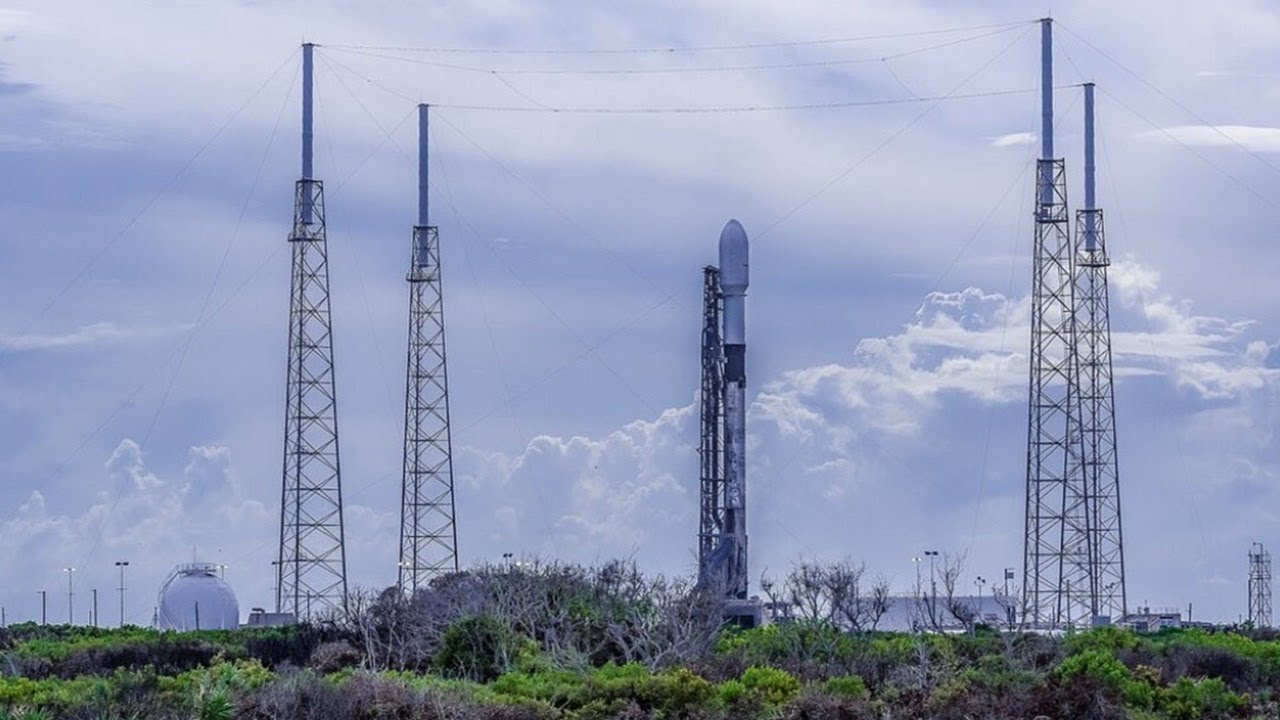

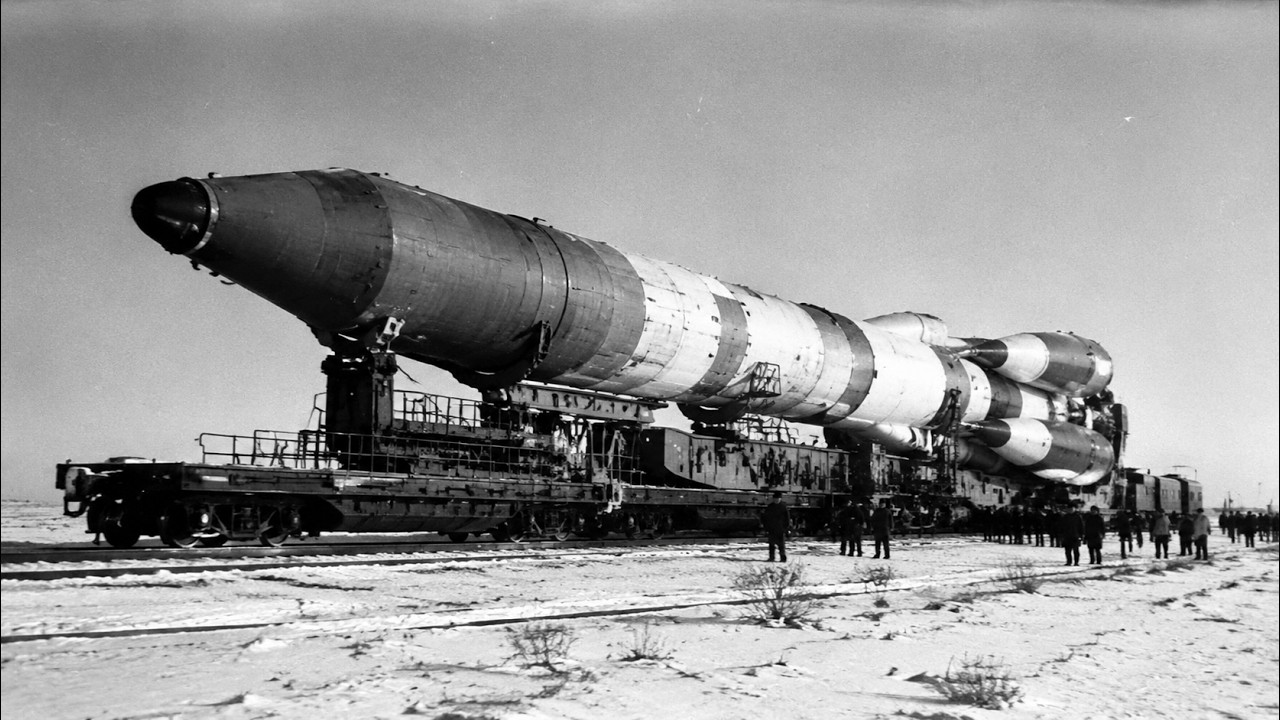
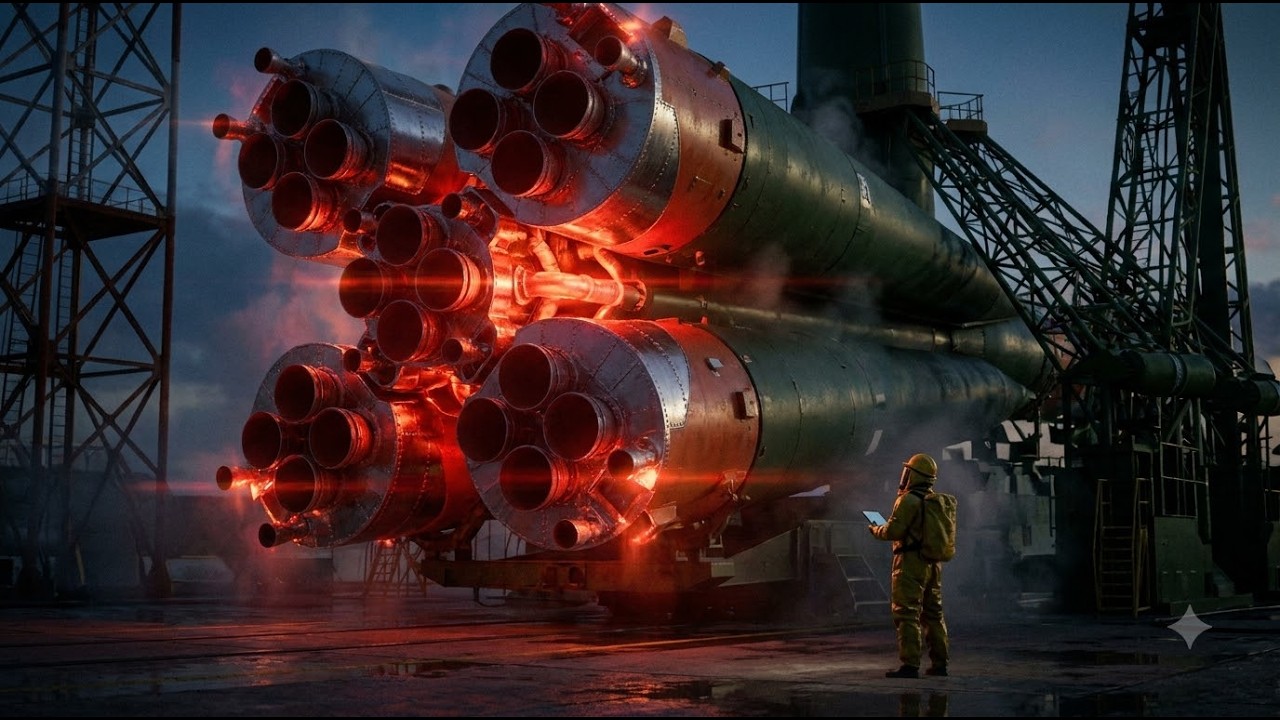
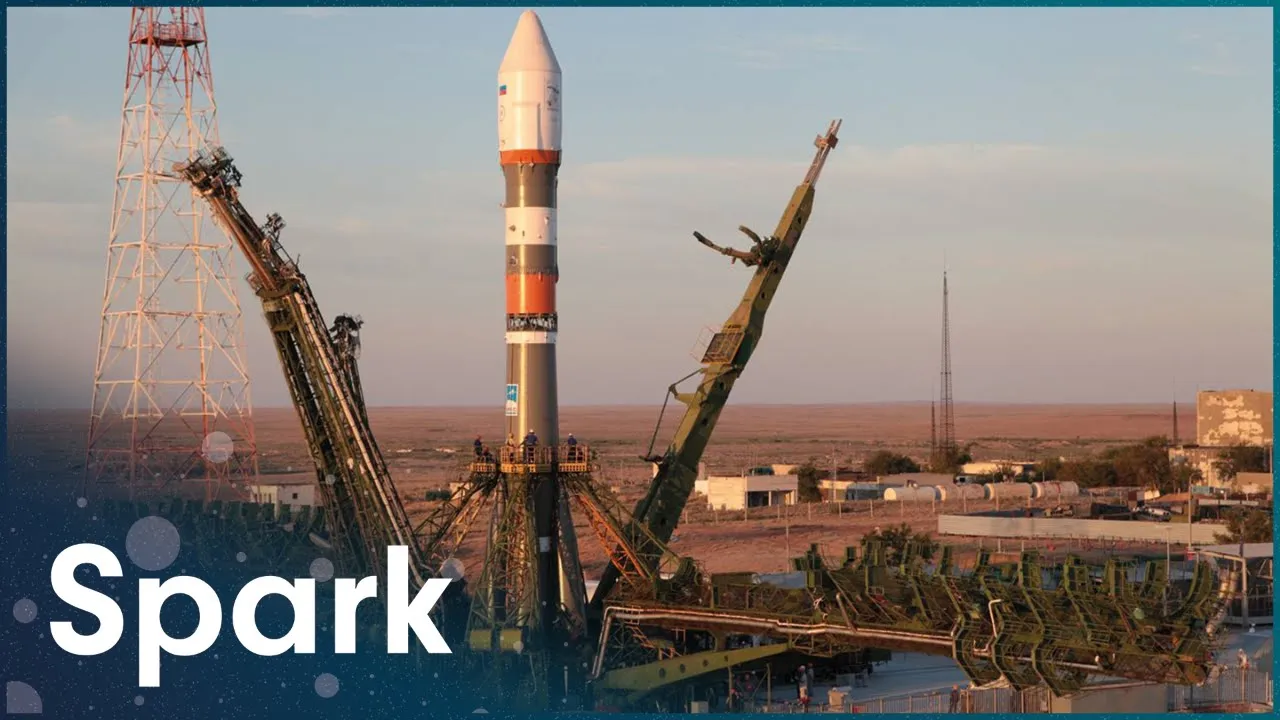


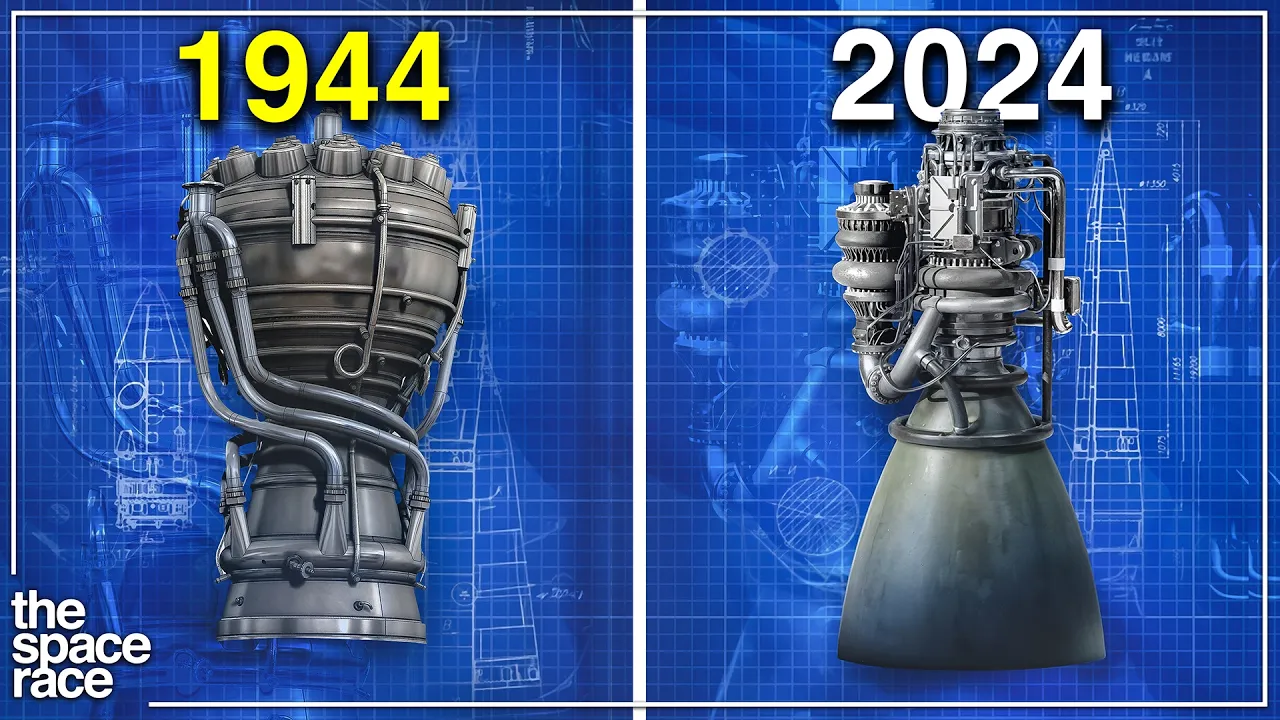






The NK-33/RD-180 rocket engine, originally developed by Soviet engineers Valentin Glushko and his team at Energomash in the 1960s for the failed N1 moon rocket program, pioneered a closed-cycle combustion technology that channels exhaust gases from the pre-burner back into the main combustion chamber, achieving 25% greater efficiency than traditional open-cycle engines; despite initial skepticism from American engineers who found the technology 'impossible' to master, this hardware-focused, test-driven Russian engineering approach ultimately proved superior, leading to the RD-180 engine's adoption by Lockheed Martin for the Atlas V rocket, marking the first time Russian rocket engines powered an American launch vehicle.
NK-33 and RD-180: Soviet Staged Combustion Engines in the US
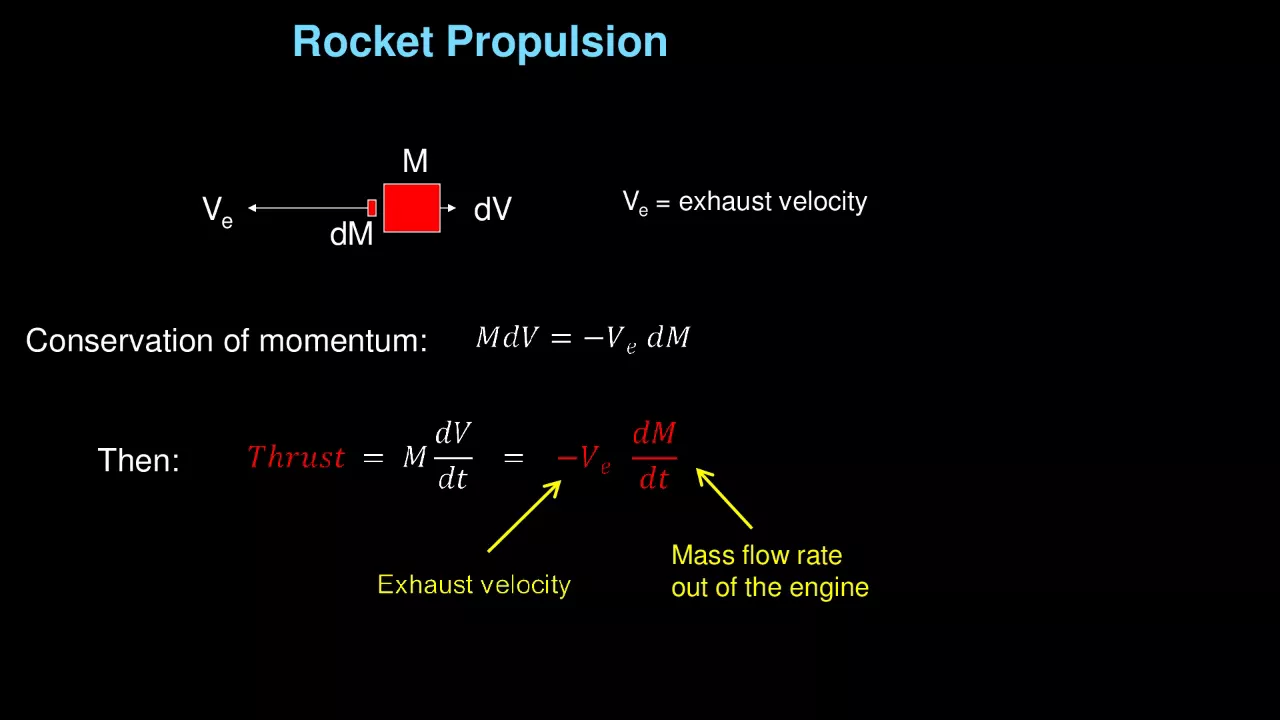
Added:Basic principles of rocket propulsion, including how thrust is generated, the function of turbopumps, and the definition of specific impulse (Isp).
The fundamental differences between open-cycle (gas-generator) and closed-cycle (staged combustion) rocket engine designs.
The geopolitical context of the Cold War Space Race, specifically the technological rivalry and different engineering philosophies between the US and USSR.
The properties of liquid rocket propellants, particularly the combination of liquid oxygen (LOX) and kerosene (RP-1/Sintin).
The metallurgy and materials science breakthroughs developed by Soviet engineers to prevent high-pressure, hot oxidizer-rich gas from causing catastrophic engine fires.
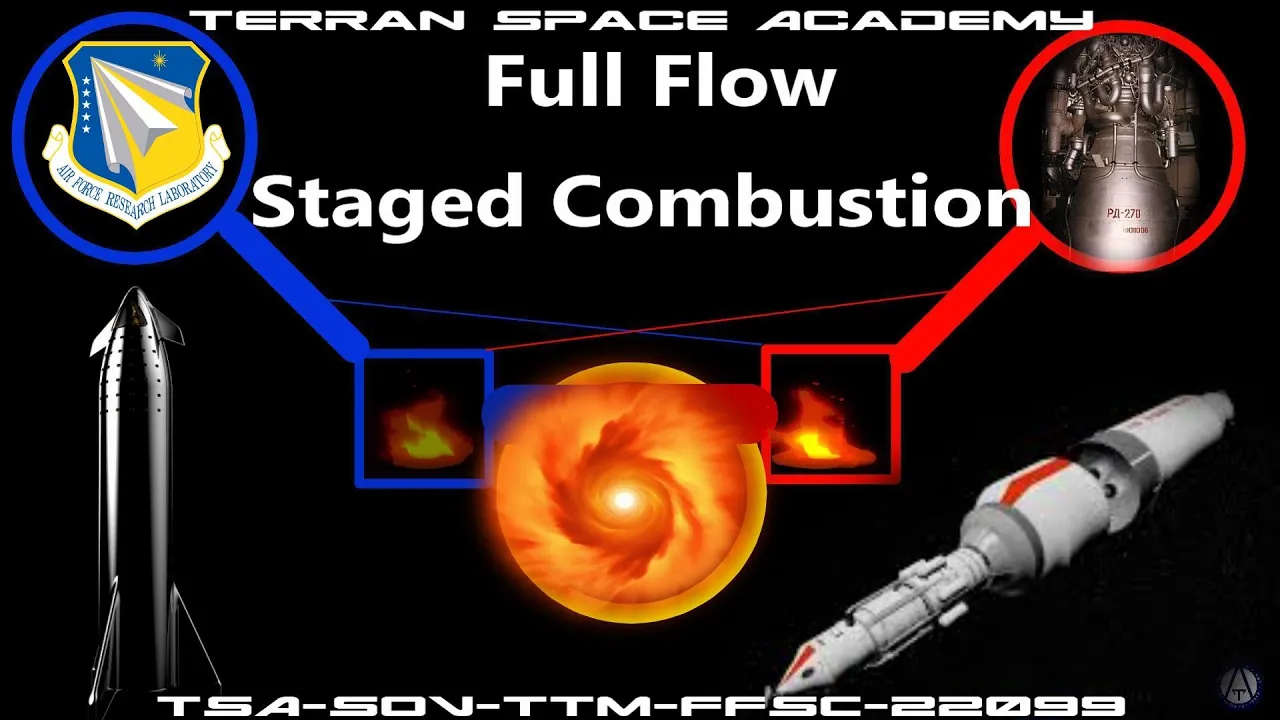
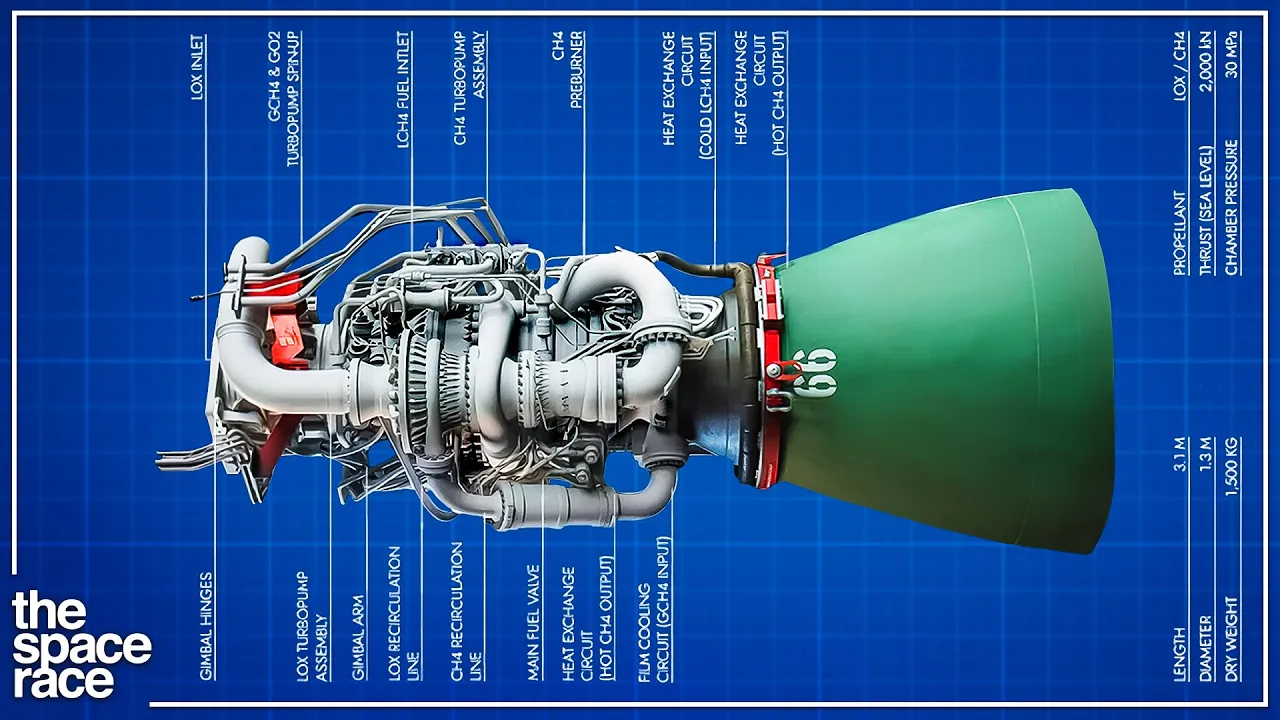
The evolution of closed-cycle rocketry into the Full-Flow Staged Combustion Cycle (FFSCC), utilized by modern engines like SpaceX's Raptor.
The political, economic, and security implications of the United States' long-term reliance on the Russian-made RD-180 for military and scientific payloads.
The transition of modern American launch providers to next-generation domestic engines, such as Blue Origin's BE-4 and United Launch Alliance's Vulcan Centaur.
452.9K views4.3Klikes49:33Original Release: 2014-05-07
Equinox and the launch team is ready to go this is atlas Mission Control live from Cape canaval making final preparations for [Music] liftoff AT Systems propulsion go Hydraulics go pneumatics go L2 go vehic electrical go light termination system go utilization go Cent systems propulsion at Cape Canaveral some long cherished assumptions about us space technology could very soon be Rewritten for the first time ever an American rocket is scheduled to blast into space powered by a Russian rocket engine electric controls monitor go termination systemet go R golex system we thought maybe we misunderstood each other the performance of the engines were were probably 10 to 15% higher than what we had in the United States go laun go comple electric vehicle loads go it wasn't the same technology we're used to it was it was a paradigm shift in what what uh we were expecting ready L2 ready vehic electrical ready control ready system propuls ready Hydraulics ready L2 ready electric ready this is atlas Mission Control at tmin S5 4 3 2 [Music] behind the doors of this Warehouse in a distant part of Russia lie what for 20 years was a closely guarded secret a cache of Rocket engines designed for the most ambitious Space Project ever to be undertaken by the Soviet Union today regarded as some of the finest in the world the engines use a unique technology developed by Russia at the height of the Space Race a technology so ambitious that Western rocket scientists thought it impossible to [Music] master the Russians were very secretive at that time and although they said they were doing something they did not tell us what they were doing and in fact it took a great deal of uh intelligence gathering to really understand what their Direction was the really important things were having good clear pictures of what they were [Music] building in the 1960s the Spy satellites of the CIA were keeping regular watch on the soviet's vast space launch complex the boner cosmodrome in Kazakhstan [Music] in March April 63 we saw at least some initial what would be called stakes in the grounds for surveyors and stuff like that in the area that was undeveloped on the bikon or cosmod drone the size of the Assembly Building the causeway had all the ear marks for a very large launch vehicle indeed it was like hello what's going on here the satellite images clearly showed the construction of a new Causeway leading up to two huge launchpads side by side to the CIA analyst back in Washington the launchpads were the first hard evidence the preparations were underway for the Assembly of a huge new rocket the sheer size of the complex could mean one thing only the United States was now in a race to the [Music] [Music] moon in the beginning of the 60s the Russians were far ahead of us they had better rocket engines so with that rocket power they were able to do lots of things that we were simply unable to do it was a wonderful period for them [Music] first icdm in August of 57 Sputnik one in October of 1957 and then first man in space first woman in space first three men in space first extra vehicular activity first spacecraft to hit the moon Russia's achievements in space were down to a unique approach to Rocket design pioneered by one cent figure the anonymous chief designer Sergey pavlovich kov head of ok1 experimental design Bureau number one and Russia's most senior rocket scientist he was very much the dominant figure in the Russian Space Program there's simply no counterpart for example in the US program he had responsibility not only for the beginning year years the Sputnik the man program communication satellites spy satellites planetary spacecraft uh there's no American who had that kind of responsibility you'd have to equate his work with 15 aerospace companies and about four or five NASA centers uh very very much the dominant figure his identity is state secret as chief designer kalio was the most powerful figure in the elite Corp of the Soviet space design Bureau reporting directly to the Kremlin kalio was the key figure behind Russia's unique approach to Rocket design a pragmatic Hardware based philosophy in which important design questions were only resolved after full test flights [Music] in a lot of respects they were well ahead of the game but the reason they were well ahead of the game is because they had actually put all the hardware together and had applied that technology far better than we had the conquest of space a political priority Russia's breakthroughs had come through a Hands-On approach in which Rockets had been built man [Music] flown and [Music] improved and if there were explosions on the way that was something to be learned from [Music] [Music] from his headquarters at okb 1 in the suburbs of Moscow kalio started work on a man's lunar Mission with that same experimental Hardware based design philosophy but the sheer challenge of getting a man on the moon was a problem on an altogether different scale from anything they had previously under taken with the United States already enjoying a head start from their declared goal of Landing a man on the Moon by the end of the 1960s the odds against Russia winning were beginning to stack [Music] up no as Caro's Deputy pili Mission had started working on rockets at ok1 after World War II from the Earth's gravity and the moon's distance they soon worked out a Luna Mission would need a huge new rocket in order not just to get to the moon but to land on the moon and to bring back an expedition consisting of at least one person for that you need to put 100 tons into the Earth's orbit and that means you need to have a rocket which has a starting weight in the region of 2,000 [Music] tons to build a rocket of the size needed and within the kremlin's deadline of beating the Americans was a challenge Beyond any the chief designer had previously undertaken kalio quickly realized they would need new vastly more powerful engines for the huge new rocket but car alov did not see eye to eye with his usual manufacturer on the kind of engines the new rocket would need he had no choice but to find an alternative [Music] supplier carof was forced to go to an aircraft designer named ketov in Samar this is a fellow Who had who had designed very good aircraft engines but that was all the experience he had that was a big risk for carlio KZ netsoft had built up a formidable reputation as a jet engineer having designed the engines for the first Soviet longrange strategic bomber but he had never worked with rocket [Music] engines KET off did not have any experience in building liquid propellant engines but when he looked at their configuration he saw that liquid propellant engines rocket engines did not pose any more problems than aircraft engines and realized that this challenge could be solved Valentina andov had worked under kets off on jet engine design but when the chance came in 1962 to apply his skills to Rocket engineering he seized it from the kazet soft design Bureau in Samara on the banks of the vulga river 1,000 km from Moscow the team began working out what kind of engine engines the Colossal New Moon rocket would need the basic design of Rocket engines is simple oxygen and fuel are pumped separately at very high pressures into the Beating Heart of the engine the combustion chamber where they are ignited propelling the rocket forwards the higher the combustion chamber pressure the higher the performance of the engine those very high pressures are built up by pumps driven by a gas turbine fired from the pre-b burner a mini combustion chamber that draws off part of the oxygen and fuel [Music] supply faced with the deadline of beating the United States it became obvious to kalio there wouldn't be the time to develop the kind of gargantuan engines needed for the new rocket christened the N1 with Russia lacking the kind of industrial infrastructure of the Americans there would only be time to make small but highly efficient engines for the N1 rocket a total of 30 for the Rocket's first stage in order to lift off you have to have more thrust than than the gravitational force holding you down and in our case we decided to go with five engines to do that provide that thrust and in the case of the Russians they used 30 engines so they used engines that were about a sixth the thrust level of our Saturn 5 engines uh and uh you know it's a matter of engineering Choice which way you [Music] had but the choice to have 30 engines was one that was forced on kalio by Russia's lack of resources with so many engines the chances of anyone fading would massively [Music] increase to overcome those huge odds and achieve the efficiency and performance kalio demanded the engine designers would have to crack a problem that had always been shied away from as too difficult and too [Music] dangerous at that time all American and Russian rocket engines worked using an open cycle in which the exhaust products from the pre- burner that drives the pumps are dumped over the side a simple but wasteful design but for the high performance engines kalio demanded that inefficiency was unacceptable Russia's engine designers would have no choice but to take an untried and highly risky step they would have to close the cycle and find a way of safely channeling the exhaust products from the pre-b burner back into the combustion chamber to be ref fired a potentially explosive process but one that can boost the lifting power of the rocket by [Music] 25% close cycle engines require a much better understanding of the combustion process and much better control of all of the stages in that combustion process as a consequence you can blow up a lot of engines trying to build one that works and I think that the Russians did blow up quite a lot of engines mastering the new Clos cycle technology with their experimental test-based approach would take time time the Russians lacked in their race to beat America to the [Music] Moon not everything went badly the bureau's experience with jet engines gave it a lateral and Innovative approach to rocket engine development the kazet soft team realized there was strong similarities between the turbo pump assemblies in jet engines and Rocket motors [Music] in the construction of both airplane engines and Rocket engines there is a battle to keep the weight down in our design the booster pumps are inside the main pumps this dramatically reduces the external piping improves reliability and decreases weight [Music] the compactness of the engine was both original and highly elegant well this design was really a radical design for the early 1960s whenever you're designing uh engines you want to make it as simple as you can with the minimum amount of parts so the Russians have typically chosen the single shaft type design for the turbo Machinery which really simplifies and adds to its efficiency and [Music] performance by 1966 with the key technical challenges behind closing the cycle resolved the highly efficient engine the chief designer had asked for was within sight but the project was then struck a devastating blow during routine surgery in January 1966 kalio died the one figure with the authority and vision to Galvanize the system behind the goal of beating the Americans had gone as the N1 rocket finally started to make its way out to the pad at the cosmodrome the odds stacking up against Russia in the race to the moon looked famili Able by 1967 the first N1 Moon rocket had been assembled at the cosmodrome standing 35 stories high and weighing the same as 400 double-decker buses Russia's answer to America's satin 5 presented an awesome sight I have to say that prior to every launch during those years we felt a certain trepidation we were still affected by the large number of accidents that we had witnessed with our own eyes pretty much since 1947 vasil Mion had been appointed to take over as chief designer in the wake of corallo's death in charge of the 24-hour shifts working to prepare the rocket for launch Russia lacked the huge facilities needed to ground test all 30 N1 engines as a whole the first launch would take place with the rocket and its system of closed cycle engines still [Music] untried there would be no alternative but to finalize the design in the same way that all other Russian Rockets had been perfected through a series of full test flights is because of our limited resources and capacity we had to do the bulk of the development of the rocket stages during test space flights we planned 12 unmanned launches and we only planned manned flights for the 13th and 14th launches the first unmanned test of the rocket took place in Fe February 1969 well when the rocket left the Launchpad in those first few moments there was a sort of uplifting feeling yes it's taken off yes it hasn't blown up on the spot this was already a great victory [Music] and then what happened next has gone down in history there was a fire in the rocket followed by an explosion and it has to be said that at the time we felt this was bound to happen we hadn't finished working on it a minute into the flight the rocket exploded 40 km from the launch site metallic debris had caught inside an [Music] engine of course I felt bad do you think you would feel good if your engine blew up with a Thrust of 4 and a half th000 tons you feel very bad controlling rocket with 30 engines was proving very difficult but with another 11 unmanned launches still to go before the first man flight the engines control system was improved ahead of the next launch in July 1969 this is the launch now you see it stopped now it's going to fall seconds after takeoff the rocket fell back onto the pad exploded uding with the force of a small nuclear bomb we hadn't left the Dugout 10 km away when it crashed that's what saved us if we had come out we would not have survived the rocket had been launched before the ambitious closed cycle engines had been perfected while the debris was still being scraped up from the floor of the kazak desert the race to the moon had come to an end just 2 weeks after the N1 disaster the Americans were celebrating victory in the wake of the successful Apollo 11 Mission but the Russians didn't give up there true to their practice of evolving the design through actual launches the engine and Rocket was steadily being improved to prevent the intake of Dey filters were fitted to the engines and the Launchpad was rebuilt ready for the next tests in 1971 and 72 well this is the third launch I've only seen this on film I didn't actually see it in real life only the traces there's the fire and their problems didn't end there the fourth rocket also blew [Music] up the moon race may have been lost but by the early 1970s The Proven Russian system of refining through test flights was delivering real improvements in the rocket a new Eng designated the nk-33 was being finalized in which the Gremlins identified from the launch failures had been ironed out with new filters and protection against vibration the high performing close cycle engines the designers had dreamed of were finally ready to fly experience showed the keto's engines could be made reliable but for that we needed those very four years by which we behind the United States but at the very point the NK 33 engines would be able to prove their worth the program was cancelled the poit bureau's patience with the N1 had finally run out in 1974 the political imperative behind the moon race had now gone as a result the entire N1 program was cancelled on the orders of the Kremlin and mishin was sacked as chief designer what if I was unhappy these things happen of course there were a lot of reasons I can't say that I was fine things were bad but I survived I'm still here at bonor today the desert is slowly reclaiming the Colossal works of the N1 project after the cancellation of the program the Soviet leadership ordered the complete destruction of all the remaining N1 rockets and their engines the entire history of the program was suppressed and the remaining M1 stripped down at the cosmodrome parts of the rocket were even converted into pigsty [Music] what does a man feel when he was responsible for the creation of a project for nurturing it when this system was created and it worked and suddenly at the height of your involvement in the creative process you're told to cut it short to put a stop to it there was a disappointment that is difficult to convey [Music] now the story of the Nan remained a shameful secret until the early 199s when with the fall of the Soviet Union information started to trickle out visiting American rocket scientists the first to delve into Russia's achievements in space was starting to get details of an engine for sale the engine used a kind of Technology very different to what the Americans were familiar with the description to me was was I think there's something there go find out so off we go to to start developing contacts you know who do you talk to how do you get there you know the the barriers that we were looking at look to be almost insurmountable at the time but we you know we chewed away at it finally got got the right connections and started seeing some of the data information was emerging about an engy with unusually high performance [Music] specifications when we went to Moscow the word got around that we were there and we went you know several times and what happened is people started coming to our hotel and and one of the people that came was a was a gentleman from a test facility in Sala up in Siberia where they had tested the nk-33 engine and through him uh we were able to arrange a meeting with with Mr KET off himself an unprecedented invitation followed to visit the design Bureau at its secret location in Samara there was something they wanted the aret visitors to see [Music] it was literally a forest of [Music] engines there were over 60 engines stored in this one area area just side by side to see that kind of uh quantity of this tremendous asset was absolutely incredible [Music] he was speechless do that saying it took his breath away he saw them and his jaw dropped there was a forest of engines he was amazed in defiance of the kremlin's orders the stockpile of NK 33 engines left over from the Moon effort had been preserved in a warehouse safe from prying eyes for almost 20 [Music] years it was not sensible to consign engines that were designed to last and to work to the scrapyard to be melted down on his own initiative KET off collected together all the engines that had been made and preserved them when you build a rocket engine you it's just unbelievable the amount of hours that go into each one of the engines and it's a dedication it almost becomes like your child there has to be a value somewhere they had no idea where so they just they just kept them now worth millions of dollars with the visit of Aero Jets Engineers it looked like keto's foresight in preserving the engines might pay off but with the NK 33 never having proven itself in Flight aerojet had some tough questions to ask about the performance specifications being claimed for the engine's closed cycle well Engineers never just say this is fantastic we're we're a very uh uh a bit of skeptical type of people we have to prove things to ourselves Tech Tech Al we wanted to know for ourselves that that we could back up the claims that skepticism was deepened by the fact that the Clos cycle technology behind the nk333 was only poorly understood in the United States they were doing things uh at a level they're operating at levels that uh some in the United States were saying as recently as 15 years ago you can't do that and yet they had been doing it for over 10 years so they had really Protected Their technology and those of us in the industry did not know how they were doing it the only way those doubts about the engine's reliability and performance could be resolved would be in a full test firing the first in 20 years an engine was sent from Samara to the test stand at at AA Jets facility in Sacramento California for approving test set for October 1995 bring up the sequence computer and load sequence jsq NK firing program monitor supply pressure verify close locks engine safety valve open engine gn2 start Pur supply valve open engine start Purge tank isolation valve verify cloes locks run line drain [Music] valve well it is hard to overstate the anxiety that we felt before the test my hair had already gone white and I thought can it get any whiter with all that worry there was worry stress every kind of stress nervous physical moral psychological five when pressure reaches 3,000 pressure's up pressure is [Music] 3,000 standby for Test nkp 2 q011 a 001 on the countdown siren on off at the second valve press the camera Iris countdown 5 4 3 2 one fire DC's up 15 77% and you're wondering oh this is very very powerful is it going to hold together is our test stand going to work [Applause] thrott the test conductor is calling out certain critical things and in your mind you're saying yes that's right that's right it's good it's good the engine hit each of its specifications Russia's alternative engineering approach had delivered a technology that though 20 years old America had still not managed to equal tested it at 10:00 a.m. that was about midnight here everybody was waiting for us to call and let them know how the test had gone and we said it's okay it worked aerojet now had all the proof they needed to go out and sell the engines for use on the latest generation of satellite launchers the man to have bought them knows a thing or two about the Rival merits of Russian and American space technology George Müller the engineer once at the helm of America's Race To The Moon I first came across the nk-33 when we began the development of the K1 our reusable launch vehicle we were looking for highper fir its engines and we knew about the Russian engines in general but it wasn't until then that we really began to understand how efficient they really were the efficiency of these engines is uh very good better than anything else available in the world today start flight pressurization Roger going to flight pressures the NK 33's closed cycle technology has now been taken to a further the stage in a new Russian engine that engine is about to make history by being the first to fly on an American rocket a rocket that started life as an intercontinental ballistic missile pointed at Russia ni 2 minutes 15 [Music] seconds for me it's the same every time it's it doesn't get any better or easier this one is a little more tense because it's a maiden voyage but um yeah it doesn't get any easier rocket scientist John Caris of American space giant Lockheed Martin is on his way out to the Launchpad at Cape Canaveral just a few days ahead of the inaugural Flight of the latest Atlas rocket powered by a Russian Rd 180 engine [Music] 99 twice the size of the nk333 the new rd10 takes Russian close cycle technology to new limits of performance offering thrust levels almost five times those of a jumbo jet if the launch goes as planned the rd10 will enter the history books as the first Russian booster engine to power an American rocket and its communication satellite payload into orbit we're working a couple small items this morning really one item so we're doing the final checks and uh we're closing things out in about an hour from now we'll be actually buttoned up for launch and we really won't do anything uh the rest of today Friday Saturday or Sunday and we'll come in power up on Monday and go for launch [Music] the rd10 is a direct descendant of the huge Clos cycle engine built in the 70s for the abortive Russian space shuttle program it's been tailor made for Lockheed Martin by the moo inam Mash design Bureau today one of the leading manufacturers of Rocket engines in the world though inero Mash has successfully powered over 2,000 Rockets with 11,000 engines this will be the design bureau's first ever launch from Cape Canaveral and he always wants to make sure that he is taking where the old Atlas rocket used to be driven by five engines the rd10 is so powerful that the new Atlas 3 will use just one and still offer 10% higher performance in Rockets science it's not done to make forecasts about the launch as the saying goes you have to knock on wood for this remarkable marriage of Russian engine and American rocket to have even reached the Launchpad is only the result of a long and sometimes difficult collaboration between these two Cold War Rivals Bob Ford was one of the first people to assess Inga Mash's technology in the early 1990s our initial Impressions was that we were being fed a line of something to as a come on and we couldn't understand how they could be getting the type of parameters they were talking about they were talking about chamber pressure inside the engine that were higher than anything that we had in the United States the chamber pressures being claimed for the engine were above those found in the American space shuttle and outclass standard Rocket Motors by a factor of 4 to one we thought maybe we misunderstood each other we were being told things that we couldn't validate against our own experience and we had to we had to go off and check because it just didn't it wasn't the same technology we're used to it was it was a paradigm shift in what what uh we were expecting 5 4 3 2 1 that gap between American expectations and Russian performance was explained by Russia's Hardware focused engineering tradition building on the technology first developed for the nk-33 the rd10 uses a high performance close cycle that had been rejected as too risky by engineers in the United States all right PC we got a normal cut off the engine design itself was um was a departure from what the Americans would do for an engine design all the oxygen inside the engine actually flows through the pre-b burner what actually drives the turbine the oxygen rich closed cycle would mean far higher combustion chamber pressures but it was not without risks the hot oxygen gas coming from the pre-b burner is so flammable that even the metal engine itself can catch fire and explode you had an ignition course you could and we've seen it on some engines actually just burn the engine up the aftermath is something to see it looks like you've seen large castings that probably are 3 in thick literally melt like candle wax from their Factory on the outskirts of Moscow inero Mas have since World War II produced over 100 engine designs each one an improvement on the L by incremental development they succeeded in mastering a combustion cycle that because it was oxygen rich had been rejected as just too dangerous by rocket scientists in the United States it's not only the Americans who didn't manage to do that but also the Europeans the Japanese and the Chinese to do this we had to approach how the fuel is burned in the pre-b burner very carefully so that the temperature field is uniform and to choose the right kind of materials and production techniques inero Mas had found a way of using the closed cycle to take chamber pressures to new limits while protecting the inside of the motor from the greater risks of fire a whole new class of high temperature resistant stainless Steels unseen in the west was invented to cope with a hazardous oxygen-rich environment with that kind of Technology Lockheed Martin's skepticism evaporated it was very easy to persuade them we said here's the engine here it is in the production unit here it is at the test center and now we're going to test it look at the data what better way to present it than with a concrete test of a specific iron engine to be persuaded that it works and works reliably monitor Roger attenion on complex 36a there'll be loud venting on the east side of apad ram I say at Cape Canaveral the ground controllers have started their final checks the today the rd80 engine offers performance and reliability beyond anything achieved in the United States states with its billions of dollars of investment in space technology exposure to Russian design philosophy has forced American Technology giant Lockheed Martin to question some of its own most cherished working methods clear back except for the Green Team the Russians design Engineers design the engine they they have all the drawings they hand the drawings across to the manufacturing uh Engineers that are on the floor that are actually going to build this thing and those folks actually take over the design at that time whereas in the United States the design engineer would design something and he'll hand it across the factory floor and the factory floor will say I've got to meet this drawing and what happens is cost of Articles go up scrap rate goes up uh requirements for Tighter and Tighter machines go up and we turn the factory into into more of a technology lab back at kazeto the team that designed and built the enk 33 is still together though now in his 70s Valentina nisimov remains chief designer of engines he and the team are ready to resume production of the NK 33 we've been waiting for this for a long time for 20 years all the decisions on that have already been taken production of these engines will be restored in Samara highest winds we saw in the area were over 20 23 knots but nothing more than that indicate so there's currently no lightning advisories for c as the atlas Mission controllers take their places for the countdown with the launch of this new rocket Russian rocket engine technology will finally have come in from the cold temperatures in the mid uper 70s and right now holding a 60% chance of noo at the beginning of the window however improving conditions as we approach the uh second half of the window inam Mash's team will be able to monitor the engine's performance from their own control room for the duration of its three minute burn spacecraft on internal power Roger ready report to resume countdown systems propulsion go hdra gotic go2 go vehic electrical termination system electric monitor vehicle loads go control go 10 years after the end of the Cold War old-fashioned Hands-On Russian engineering is about to teach American high technology an uncomfortable [Music] lesson this is atlas Mission Control at humus 10 9 8 7 6 5 4 3 2 and the rd80 engine Roars to life and lift off [Music] the idea that that the technology in the United States was not equal or superior to the Russians was a very hard pill for a lot of people to swallow it was very difficult to tell somebody in the government that all this money that they put into it really there was still a technology Edge over in Russia over what we have here and everything continues to look normal on the engine stay steady at 87% [Music] crust look good oper parameters continue to look marvelous we have booster engine cut off everything looks good there we have sto Bo pH Chill on right on time
Up Next

19:12
DIY Underwater ROV Build: LED Design, Motors & Tether
@Zackro973
96.6K views•2013-08-01

30:32
Ultrasonic Transducers: Resonant Frequency Measurement and Horn Design
@imajeenyus42
229.9K views•2017-02-22

54:16
Polymer Environmental Degradation: Mechanisms & Stabilization
@iit
1.8K views•2012-07-10

33:39
How a Student's Question Saved a NYC Skyscraper from Collapse
@veritasium
22.8M views•2025-04-26
Related Study Plans & Knowledge Roadmaps
Structured learning paths in Engineering
engineering
Building Acoustic Levitators: Physics & Arduino
01The Physics of Sound and Standing Waves
02Piezoelectric Transducers and H-Bridge Drivers
03Arduino Programming: Generating 40 kHz Signals
+ 2 more learning modules
14h5 modules
Explore Roadmap
engineering
Building Peltier Cloud Chambers: Particle Tracks
01Cosmic Rays & Cloud Chamber Physics
02Thermoelectric Cooling (TEC) Fundamentals
03Custom Liquid-Cooling Loop Design
+ 2 more learning modules
18h5 modules
Explore Roadmap
engineering
Yagi-Uda Antennas: Modeling, Build & VNA Test
01Introduction to RF and Antenna Fundamentals
02Yagi-Uda Antenna Design Principles
03Antenna Modeling and Simulation in 4NEC2
+ 2 more learning modules
18h5 modules
Explore Roadmap
engineering
ECG Monitor Design: Op-Amps, Filters & Noise
01Electronics & Breadboard Basics
02Op-Amps and Instrumentation Amplifiers
03Bioelectricity and ECG Fundamentals
+ 2 more learning modules
18h5 modules
Explore Roadmap