






![Sultan Salahuddin Ayyubi [ Urdu Dubbed ] - Ep 03 - 08 May 2024 - Sponsored By Mezan & Lahore Fans](https://i.ytimg.com/vi_webp/lG11SnlLt5A/maxresdefault.webp)




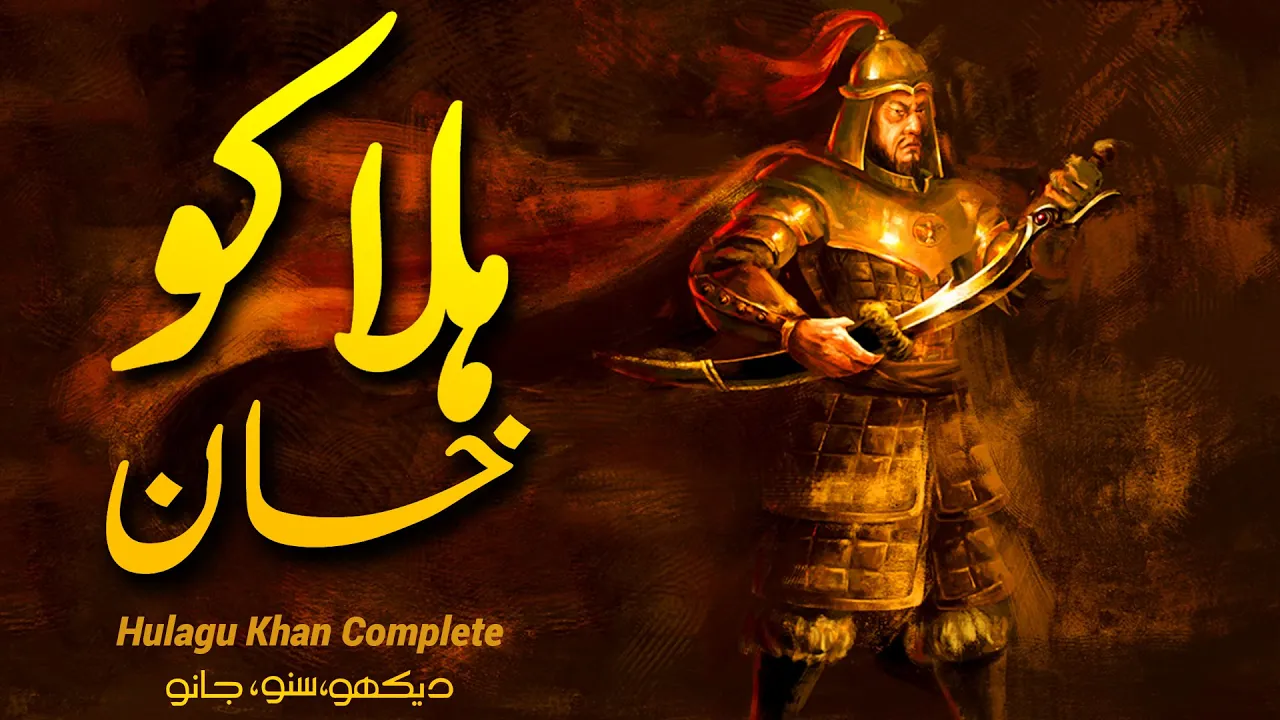


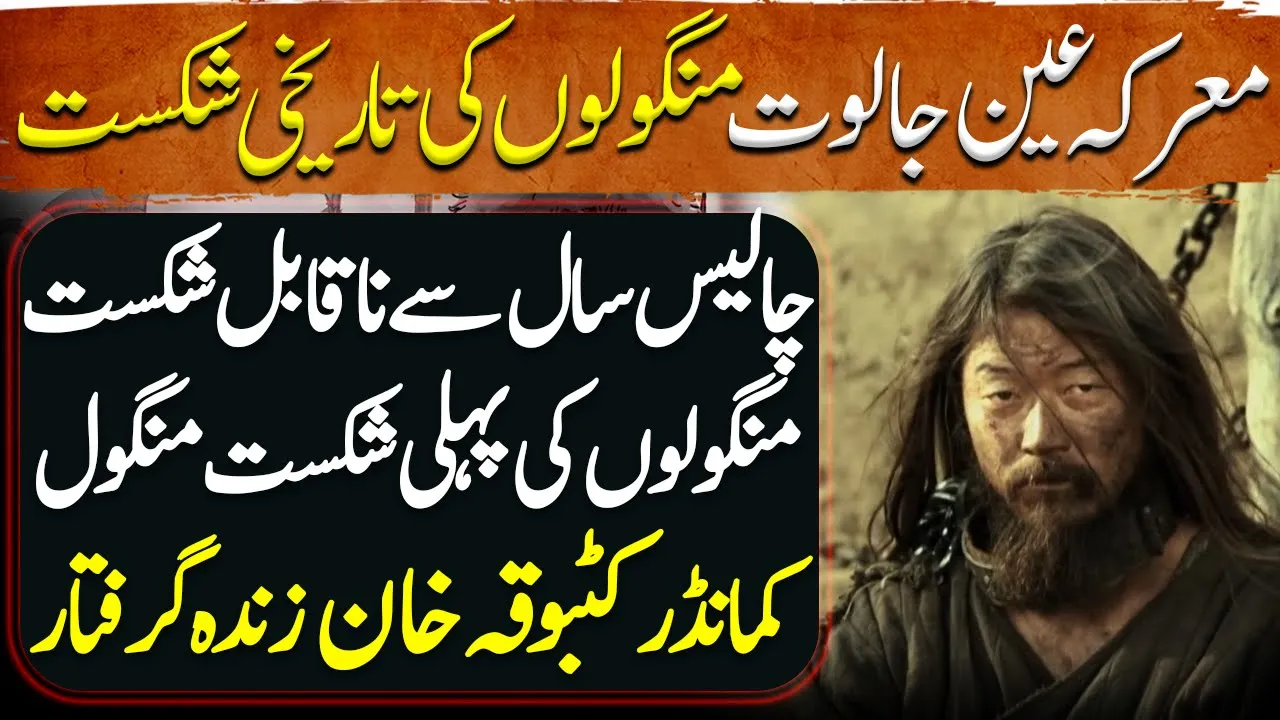

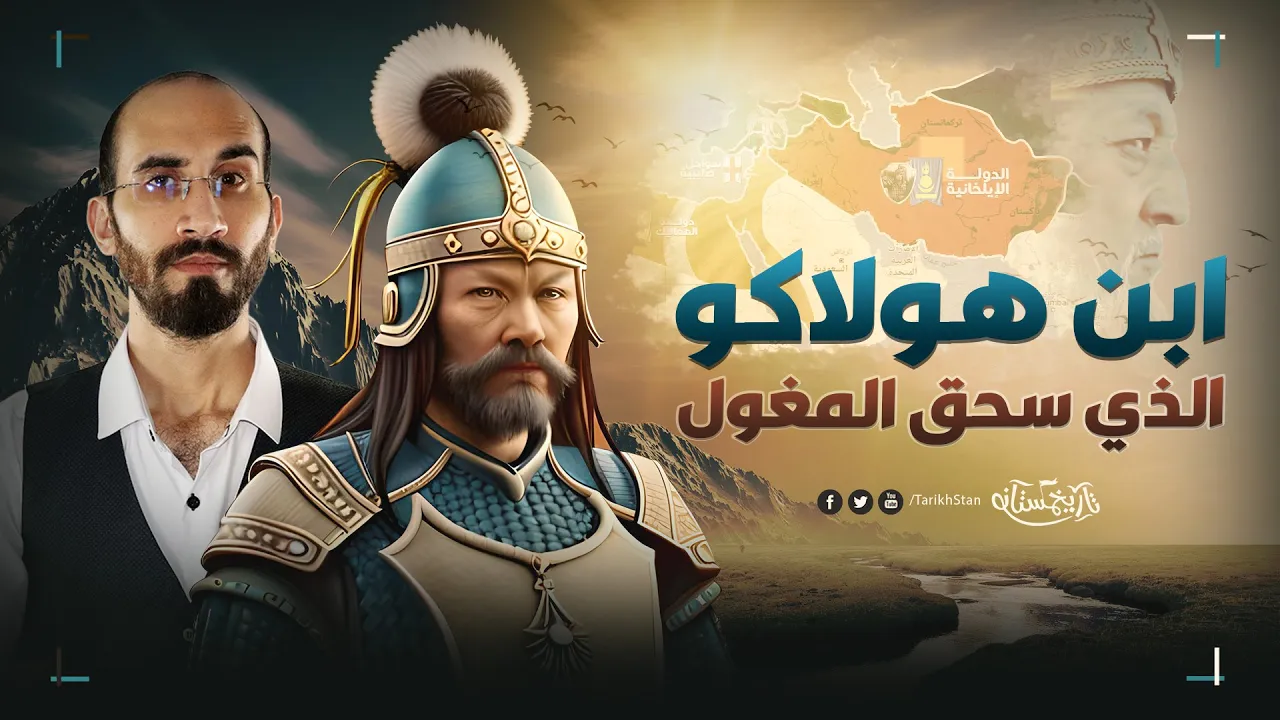
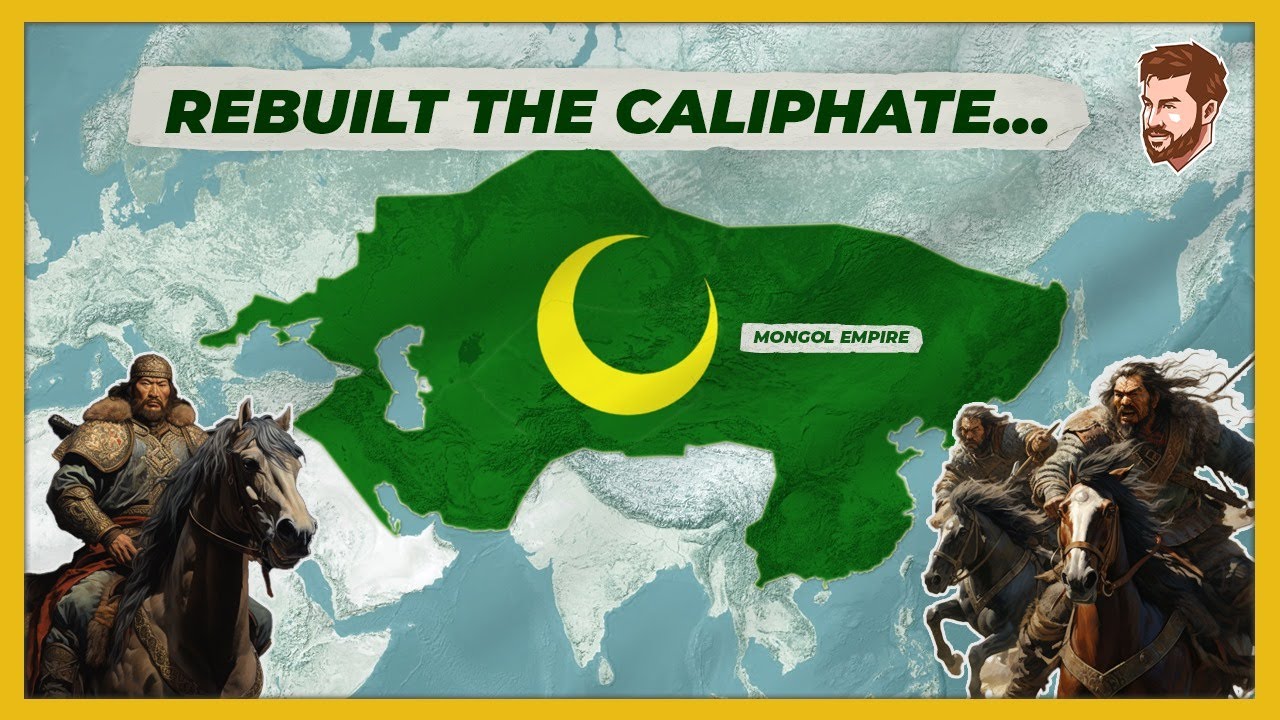

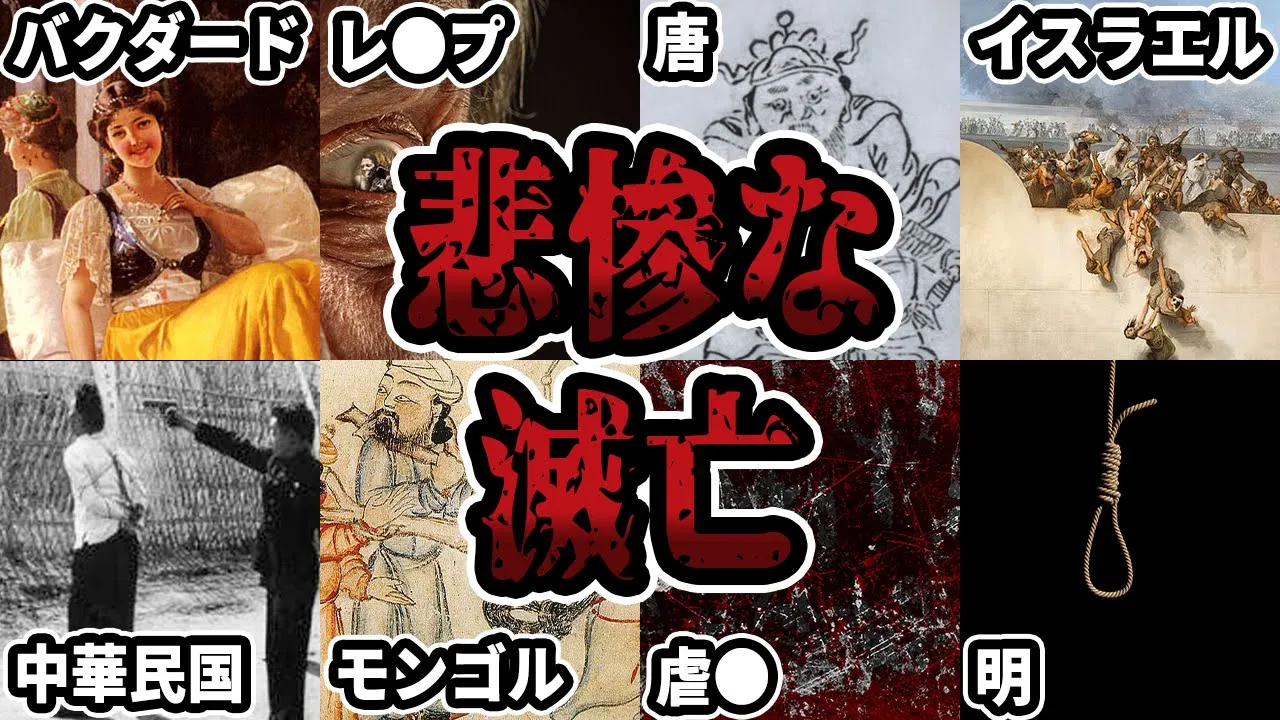


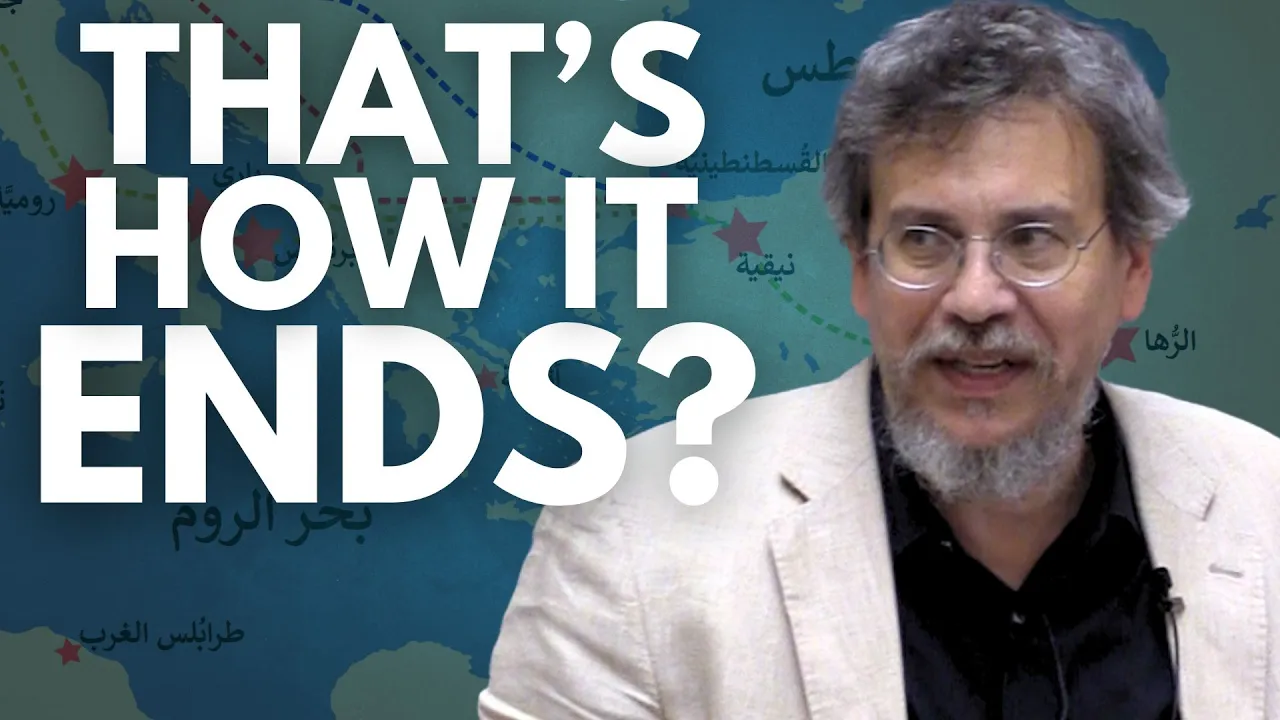
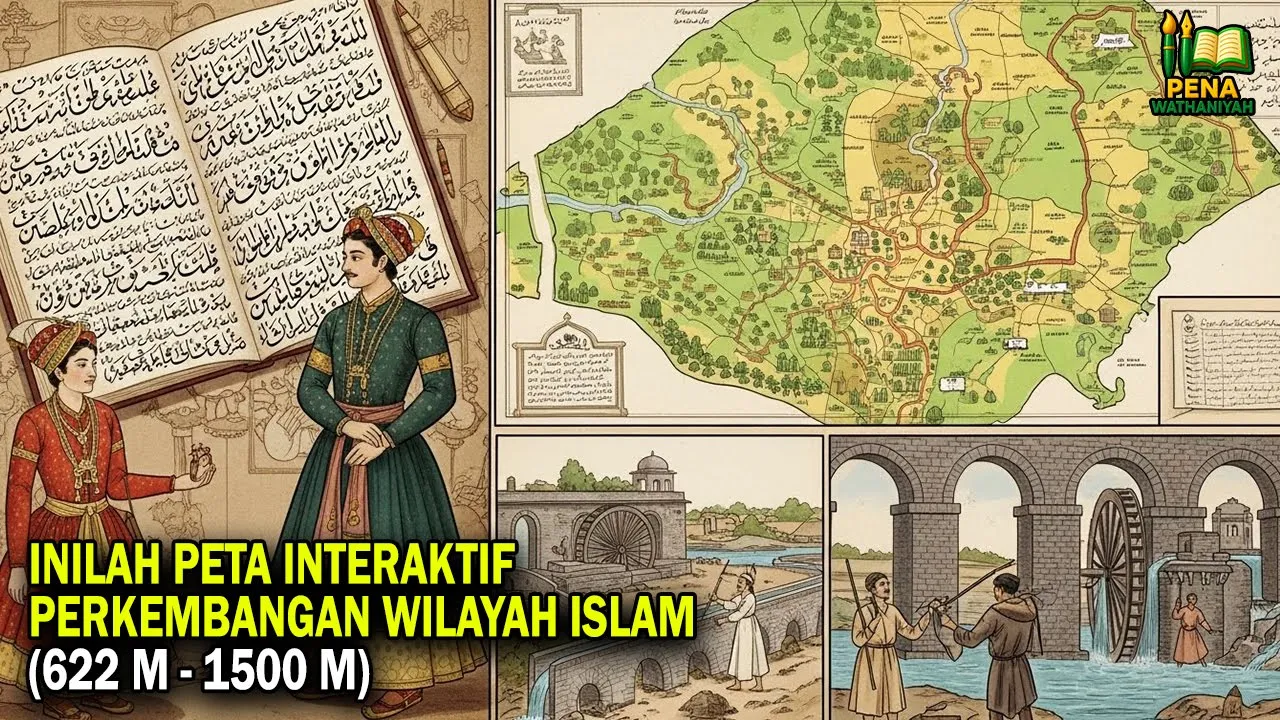

In January 1258, Hulagu Khan led a massive Mongol army to sack Baghdad, the capital of the Abbasid Caliphate, killing an estimated 800,000-2 million people and destroying the city's libraries, mosques, and palaces; this event marked the end of the Abbasid dynasty's 500-year rule and represented one of history's most devastating sieges, demonstrating how military conquest could obliterate centuries of accumulated knowledge and cultural achievement.
Hulagu Khan's Siege of Baghdad: The Mongol Conquest of 1258 Explained
Added:The origin and rapid expansion of the Mongol Empire under Genghis Khan and his successors.
The historical significance of the Abbasid Caliphate and Baghdad's role as the center of the Islamic Golden Age.
The political and religious authority of the Caliph in Islamic medieval society.
The geopolitical fragmentation of the Middle East prior to the Mongol invasions, including the roles of the Seljuks and Khwarazmians.
The Battle of Ain Jalut (1260) and how the Mamluks of Egypt successfully halted further Mongol expansion into the Levant.
The establishment of the Ilkhanate in Persia and the subsequent conversion of Mongol rulers to Islam.
The cultural and intellectual consequences of the destruction of the House of Wisdom and the shift of Islamic scholarship to Cairo and other regions.
The long-term geopolitical realignment of the Islamic world, leading to the rise of the Ottoman, Safavid, and Mughal Empires.
1.8M views49.2Klikes11:39Original Release: 2022-11-12
this video is brought to you by curiositystream they have a fantastic YouTube channel so stick around to the end and I'll tell you which video of theirs you should watch first [Music] passing under the shade of lustrous archways envoys reached the court of the Abbasid caliph al-mustasim the exalted spiritual head of all the millions of Sunni Muslims in the world The Travelers come before him with a message from the World Conqueror hula group Khan talk of what the Mongol Army has done to the world and those in it from the time of Genghis Khan until today may have reached your hearing do not try to accomplish the impossible to destroy your ramparts fill in your modes and come to us if you do not heed Our advice I shall not leave one person alive in your Realm hulagu and the Mongol Army of Untold size ride West to subjugate the world on the orders of the great Khan manka the caliph having previously failed to demonstrate submission to the Khan during the Mongol war against the order of Assassins now dares to insult hulagu young man you have just come of age and have expectations of living forever you think your command is absolute for half a millennia the house of Abbas Uncle to the prophet Muhammad has ruled over Baghdad the walls are high and strong the skyline made Splendid by mosques and minarets from which the faithful are called to praise Allah streets weave among Sweet Gardens and colleges and libraries learned men chart the heavens and speak freely of mathematics metaphysics in the ancient wisdom of Plato and Aristotle preserved here in Arabic under the patronage of the abbasids the Islamic world has realized great advancements in science and medicine builds automata machines and clocks that run on water women in this caliphate are restricted from nearly all public and economic activities in addition to Sunni there are religious minorities Shia Muslims Christians and Jews the fate of all rests in the hands of a man deemed weak a caliph more disposed to carnal Indulgence in Treasure counting than to governance or battle he Revels in the Deeds of his forebears and he tells hulugu Khan every Monarch who has attacked the Abbasid Dynasty in Baghdad has met a sad Doom the foundation of this Palace is extremely strong and will last until Doomsday hulagu replies I shall bring you down miserably into the jaws of a lion I had to take the eastern mountains in the adjacent lands the Christian Mongol General kitbuka sees to it that the towns and people who waver in their surrender are reduced to smoke and Ash as they press onward hulugu receives an offer from the caliph a considerable payment if the Mongols will turn back hula Guru remarks since we have come all this way how can we turn back without having seen the caliph Zoom is easily swayed by the words of his divided Court in the calip's men Resort now to threats declaring that if hulugu turns back immediately the caliph May yet decide to spare the Mongols hulagu laughs what do I have to worry from the caliph and his troops and so martial behind their General the dawat DAR the brave men of Baghdad ride to war the soldiers of the caliph will not permit the Mongols to reach the walls of their City they find a Mongol division some miles away the Mongols flee and the Abbasid soldiers Roar and Triumph as they pick off a few of the Invaders and collect their heads but the retreat is only a bluff to draw the Abbasid troops out the Mongols rupture dikes and flood the plane behind their pursuers fabled horse Searchers of the con ride after the Abbasid soldiers cutting them down with arrows and driving the others into the water to drown the Mongols pick over the battlefields collecting gifts to send to hulugu 12 000 to Basset ears to want our rides back to Baghdad in haste the caliphs of old would have spirited up all the distant armies of Sunni Islam to the aid of the city but the throne no longer possesses such command fences are ill-prepared allies have not come over a hundred thousand Mongols now approach the city from every side the din of their March and their horrible shouts builds like a rising tide before the great House of Abbas paths out or blocked hulagu Khan means to spare none in the lonely walls of Baghdad must now bear his Fury the Mongols entrapped the city with their own walls and a ditch and on January 29th of the Year 1258 the storm begins great Stones pound the walls and streets day and night the Mongols charge against the gates people wail and stagger about to the sound of their wretched fate the Frantic caliph attempts belated negotiations hulugu rejects them catapults bring down a strong tower on the Eastern side and the stirring sea of Mongols flows over the high walls in the thousands they sweep over the ramparts killing all the Garrison they find joining them are some thousands of their subject Christian troops from Armenia and Georgia eager to join the cause against their Islamic foes as Mongols Pace along the city walls throngs of refugees pack onto boats and the dawatar joins their escape only to look out and see the Mongols have built bridges over the river they launch stones and incendiary projectiles at the boats attempting to leave capture three vessels and kill everyone aboard the dawat DAR turns back to the city and the caliph sends him to personally submit to hulugu the weary Abbasid soldiers follow thousands of Warriors cast down their weapons joined by hopeful civilians in peaceful submission the Mongols divide them up lead them from the city and kill all of them the heads of the dawat are and two other officials are sent to their friend the governor of mosul a reminder to those who have not yet submitted the king without an army al-mustasim finally emerges to surrender and hulugu did not exhibit any anger but asked after his health kindly and pleasantly after that he said to the caliph tell the people of the city to throw down their weapons and come out so that we may make it count implies taken prisoner and the Mongols receive the people of Baghdad in the tens of thousands when they pluck apart shaking families mothers and infants old and young a few they spare as slaves and Craftsmen that kill the rest seeping Hills of heads and bodies stretched like a sallow sheet over the whole plane then Begins the long pillage and Massacre of the city to undermine civilian resistance hulagu had promised to spare some segments of the population including the minority Christian and Shia Muslim communities he holds true to this word and he sends the Mongols house to house Street to Street to slaughter everyone else as retinue go to the Royal Palace and He commands the caliph to serve him a feast hulugu says you are the host and we are the guests bring whatever you have that is suitable for us the caliph trembles in fear as he opens his treasuries hordes of fine clothes Gold and Gems amassed over five centuries the Mongols take all of it not even the dead escaped their wrath Mongols tear open the Royal tombs drag out the hallowed bones of old caliphs and set them Ablaze a witness scratches words on a nearby wall the women were Dishonored as their living were killed and their dead were burnt once great mosques and palaces are devoured by Flames houses of wisdom lie in charred ruin and Riven corpses glut the waterways the putrid air carries flies and pestilence one Chronicle records the dead Leia's Mounds in the streets in the markets rain fell on them their faces were disfigured they became an example to anyone who saw them the dead are said by some to number as high as 800 000 to 2 million one of the greatest atrocities in history the stanchion bloat of this foul scene offend even hulugu who his camp out of the city on February 20th he summons the caliph and his followers the Mongols believe that heaven will curse any who spill Noble blood upon the Earth so it is likely they rolled the caliph of Baghdad into a carpet and trampled him to death the Mongols kill nearly all his family and his followers in the eyes of many the line of succession from the prophet Muhammad has been caught this is a wound the Islamic World shall never forget a golden age laid to waste by the house of Genghis Khan over the next two years the Mongols continue their conquests into Syria but in Egypt there stands a great Islamic power bulagu Khan sends Messengers to demand the surrender of these so-called meme looks the Mongol envoys never return after a big helping of Mongol destruction sometimes you just need to cleanse the palate and that's why I'm happy to send you over to the Curiosity stream YouTube channel they launched a series called past present future and if you like the sort of digestible historical educational videos that my brother Joe and I make this is right up your alley this one on surgery has just mind-blowing facts about what intestinal surgery looked like almost 2 000 years ago the series covers history then dives into the present and possible future of each topic we get to see how Nanobots might fight off cancer in people and the channel has other great content the science of sound series features music experts and neuroscientists tackling questions like why songs get stuck in your head so click the link in the description to check out the surgery episode of past present future on the Curiosity stream YouTube channel while you're there hit the Subscribe button
Up Next

23:57
Spanish Language Origin: A Historical Documentary
@ryanszpiech
145K views•2019-07-03

33:02
The Great Schism of 1054: Causes and Consequences
@SacredCathedrals
113.5K views•2026-02-19
91:57
The Geopolitics of the Ukraine War and the Rise of Global Autocracy
@JordanHarbingerShow
468K views•2025-04-19
17:05
Understanding the Cold War: Superpower Conflicts and the Road to Détente
@OverSimplified
46.1M views•2019-01-24
Related Study Plans & Knowledge Roadmaps
Structured learning paths in History
history
Byzantine Iconoclasm: Theology, Art & Politics
01Foundations of Byzantium and Early Christian Images
02The First Iconoclasm: Leo III and the Crisis of Images
03Empress Irene, Nicaea II, and the Second Iconoclasm
+ 2 more learning modules
9h5 modules
Explore Roadmap
history
Iranian Revolution (Causes, Events & Legacy)
01The Pahlavi Dynasty and the Roots of Discontent
02The Spark of Rebellion and the Rise of Khomeini
031979: The Fall of the Shah and the Climax of the Revolution
+ 2 more learning modules
8h5 modules
Explore Roadmap
history
Mali Empire: Mansa Musa, Trade & Timbuktu
01Foundations of the Mali Empire
02The Trans-Saharan Gold and Salt Trade
03The Reign and Pilgrimage of Mansa Musa
+ 1 more learning modules
6h4 modules
Explore Roadmap
history
1947 Partition: Politics, Borders & Legacies
01Foundations of British India and the Divide
02The Political Negotiations and the Mountbatten Plan
03Drawing the Boundary: The Radcliffe Line
+ 2 more learning modules
8h5 modules
Explore Roadmap