






















The carbon filament light bulb, invented independently by Thomas Edison and Joseph Swan around 1879-1880, revolutionized electric lighting by using carbonized plant fibers (such as bamboo, cotton, or paper) as filaments that glow when heated by electrical current; the key innovations included creating filaments with sufficient electrical resistance to produce visible light while operating at safe power levels, solving the problem of oxygen exposure through vacuum or inert gas filling, and developing reliable electrical connections using carbon putty; Edison's version proved more commercially viable because he simultaneously developed the electrical grid infrastructure needed to power these bulbs, whereas Swan's earlier designs required complex series wiring configurations that limited practical application.
Recreating Thomas Edison's Carbon Filament Light Bulb: A Technical Exploration
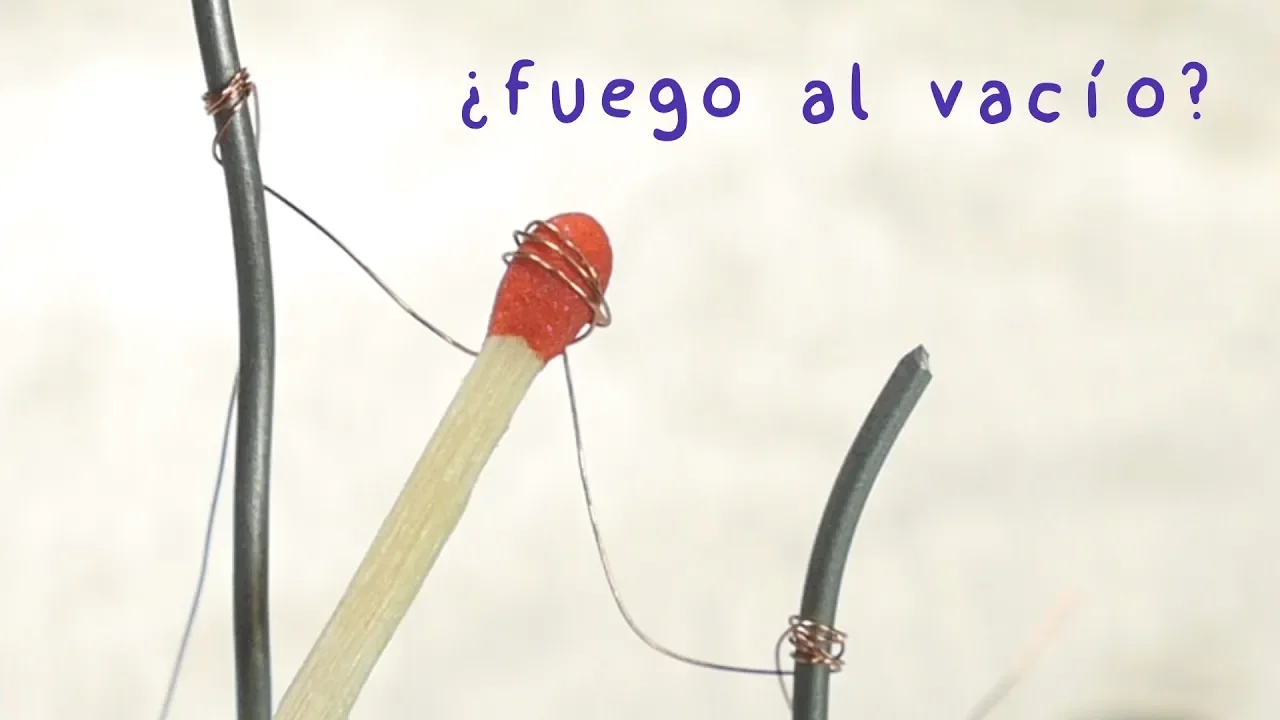
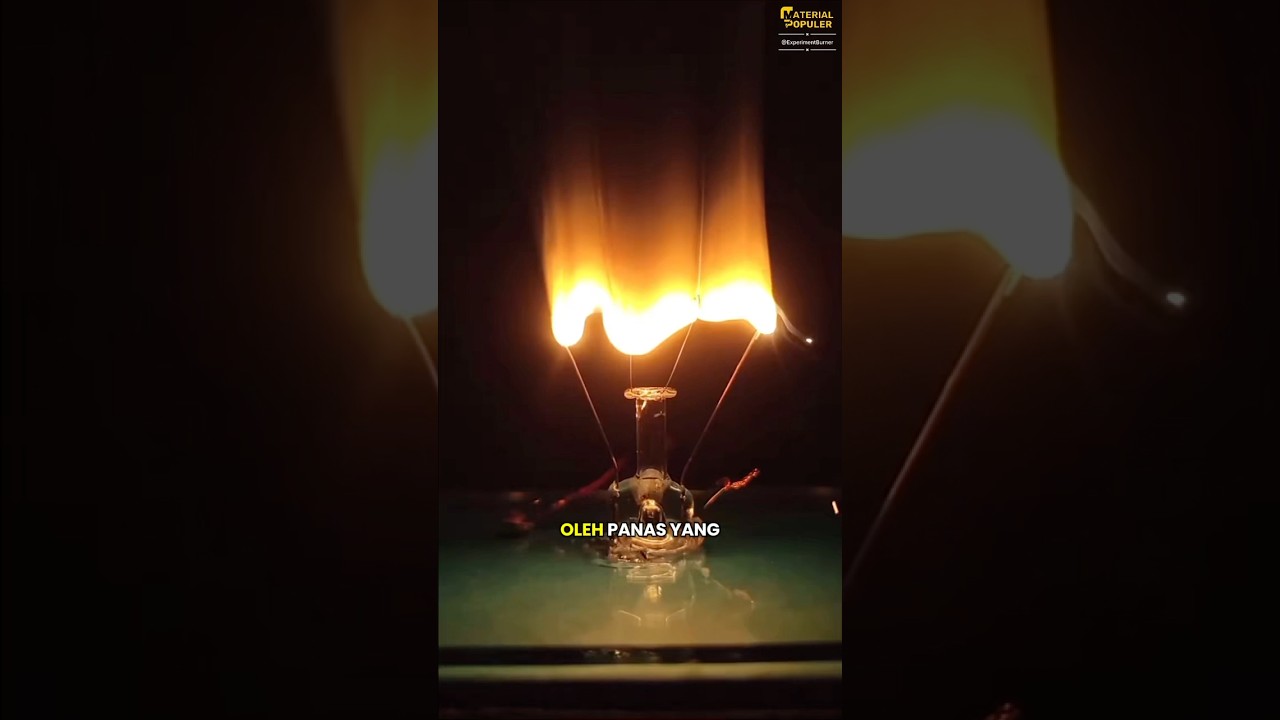
Added:[Music] hi everyone in this video I'll be showing you how I recreated a carbon filament light bulb the first type of electric lighting that actually made it out of the lab and into people's homes there are two people that typically get credit for this invention depending on what part of the world you're in the American inventor Thomas Edison or the English inventor Joseph Swan both of these people announced their invention of the electric light bulb within months of each other Joseph Swan being the first however even though Swan made his announcement first I believe Edison light bulbs were a more complete and viable invention for reasons that I'll dig into as we actually make one I have to make a quick note about Thomas Edison before we get deeper into this video it's very popular right now to claim that Edison was a fraud and a thief of other people's ideas this video is not meant to address that issue but I will say that having now spent more than a year researching him and the people that worked for him the truth is not that simple Edison was a very intelligent person especially in the field of manufacturing one reason many people now discredit him is because they don't like that he hired other brilliant people to work for him and so why should a dicin get credit for their work you can look at it that way but also consider that without Edison this team of people would not have come together and worked with their combined skills on the inventions Edison believed to be possible it's complicated as are all the other rumours and bits of propaganda surrounding him so let's try to stay humble in our opinions ok that's enough of that so let's look at one type of electric lighting that before Edison before Swan and before everyone else that experimented with filament based lightbulbs [Music] I have in front of me two carbon rods used as the material of choice because carbon has the highest temperature resistance of any conductive material known in the 1800's attached to these rods by copper wires is a powerful source of electricity in my case an electric arc welder before Edison one method of electrical illumination worked like this whew as you can imagine there are some downsides to using this as a light source in your home this consumes tremendous amounts of electricity and the carbon rods are constantly being eroded away as the spark jumps across them there's a danger of electrocution and to top it off it emits ultraviolet light which will make you go blind but it certainly is bright there were predecessors to both Edison and Swan that had realized the potential of light generation by means of incandescence rather than an electric arc Edison purchased a patent from a pair of Canadian inventors who are experimenting with taking a carbon rod like this one and shaving it to be thin in the middle so that when electricity was passed through the rod the thin portion glowed the main break through from this patent was that the emission of light was improved when the carbon rod was made narrower and longer to increase its electrical resistance still they were a long way off from a mass-producible design in the attempts to increase the electrical resistance of these carbon rods were not good enough Carbon is very fragile and narrowing the rods further caused them to break the design as it was required way too much power for too little light in my case I'm still powering this with my arc welder using much more power than would have been practical to deliver to a home in the 1800s in order to make a carbon wire narrow enough to offer adequate electrical resistance it became apparent that it would need to start that way rather than being whittled down from a larger carbon rod forming a narrow piece of carbon which is now referred to as a filament is relatively easy if you start with natural fibres from plants when plant material is heated to the point of combustion in a closed container where no oxygen can reach it everything except the carbon turns into a gas leaving a blackened skeleton of pure carbon behind the carbon resembles the shape of whatever plant material it came from meaning if you start with narrow pieces of plant material you'll end up with narrow pieces of carbon edison and swan began experimenting with this concept to create their carbon filaments at approximately the same time one difficulty with this process is that these filaments are extremely fragile and it's not easy to connect them to a piece of wire to supply electricity the carbon is too fragile to hold in a clamp and the usual methods of joining metals together don't work with carbon to make a secure electrical connection it was found that the plant fibers that would form the filaments needed to be joined to the supporting wires that hold them in the centre of the light bulb before they were put into the furnace and carbonized a putty made of tar and carbon soot is used as a glue to hold the filaments to the wires and since this putty is itself an organic material it also solidifies into pure carbon this lump of carbon at either end of the filament bridges the gap and makes a solid physical and electrical connection between the metal wires and the fragile carbon conductor before we go any further in this video I want to take just a minute to talk about this video sponsor I've been working with brilliant for a number of years to help people get a better education with online learning if you've heard me talk about brilliant before you know they're a website and app to help you learn about math science and computer science with interactive courses that keep you engaged with puzzles and problem solving I've actually just learned that they have some content in there scientific thinking course about electric circuits and specifically how different circuits affect the brightness of light bulbs it's perfect exactly the thing I'm dealing with in this video I quickly went through this part of the course and actually learned a few things I did not know that might have helped with this project serves me right for not checking brilliant beforehand if you'd like to try brilliant use my link in the video description below brilliant org forward slash Nighthawk and you can get 20% off a premium membership if you're one of the first 200 subscribers with that let's get back in the workshop good timing Moe's in my own attempts to test many different kinds of filaments I found it necessary to make a stand with a removable glass dome since the process of blowing a new glass bulb for every test seemed rather daunting I use two copper nails pressed into an insulating piece of ceramic to hold the organic filaments in place for carbonization and carbon putty to glue the filaments to the nails these pieces of ceramic tile give the filaments a rigid support structure so I have something solid to grab onto as they're moved in and out of the carbonization chamber for this test I'll be using twisted pieces of paper towel as my filament one thing that Edison discovered rather quickly is that the conductivity of a filament made from pure natural fibres was very low so it had to be helped along by smearing the material before carbonization with some of the same carbon soot and tar putty that's what I've done to this paper towel I've made my carbonizing chamber in such a way that I can produce about half a dozen test filaments at a time they're placed upside down on a supporting wire and then some sacrificial pieces of paper are placed in the chamber with them so if any oxygen gets in der heating hopefully this paper will react with it before it has a chance to damage the filaments I use a large soup can as the actual carbonizing chamber and I found that spraying the inside of this can with rubbing alcohol also helped to improve the quality of the filaments by reacting with the oxygen that would otherwise damage them the heating process takes about 10 or 15 minutes and then just as long to cool down before I can safely open the chamber and inspect the result you can see how fragile these filaments are which is why the ceramic base was necessary to move them around for my testing each filament is carefully taken out of the carbonizing chamber and moved over to my test stand where it sits on two exposed pieces of copper which makes contact with the nails that are glued with carbon putty into the ceramic support and to the now carbonized filament there's one last thing to do before connecting the power the filament needs to be protected from oxygen so that it doesn't catch fire and burn away the instant it's turned on there are a few ways to do this Edison and Swann's predecessors most often chose to fill the glass bulb with an inert gas like nitrogen but Edison found this wasn't ideal for the longevity of the filament in his eventual patent of a successful light bulb he wrote this the use of a gas in the receiver speaking of the light bulb at atmospheric pressure although not attacking the carbon serves to destroy it in time by air washing or the attrition produced by the rapid passage of the air over the slightly coherent highly heated surface of the carbon to put this in simpler terms Edison believed that the convection inside the bulb caused by the hot filament made even inert gases slowly strip away the carbon by smashing into it so Edison opted to remove the oxygen from his bulbs with a vacuum pump and to do this effectively he had to build a very good one now I tried using vacuum to protect my filaments but my vacuum pumps are not capable of the ultra low pressures achieved by Edison in fact that was one of his biggest contributions to science at the time my filaments quickly burned up in tests with vacuum since I don't need my bulbs to last for hundreds of hours for the purpose of this video I chose a simpler method which is to fill my bulbs with a gas that would react with oxygen even more easily than my carbon filament propane if I inject propane into my bald when the filament heats up any oxygen left inside should prefer to burn with the propane leaving the carbon untouched my bulbs won't last as long as Edison's due to the air washing effect he mentions but otherwise they should work for long enough to demonstrate a successful result with that let's turn the power on this light bulb might not look like much when it's surrounded by all my video lights but in the dark it's bright enough to read by which is not that far behind the first generation of electric lighting one of the key goals for a successful light bulb was to have a high enough electrical resistance that it uses only a small amount of power in return for a lot of light in this respect my bulb is still a failure the light is quite dim paling in comparison to this modern light bulb which is not just here so I could show the contrast I'm using this light bulb wired in series with my test platform so that it acts like a resistor to limit the flow of electricity if I did not have this modern light bulb limiting the flow of electricity the carbon filament would draw enough power to blow every fuse in my workshop let's try it I'll disconnect the power and remove the light bulb from my test platform to reconnect the circuit I'll instead put a 15 amp fuse in the socket which will hopefully blow before my main workshop fuses but until then it should allow my test bulb to draw as much power as it wants so let's see what happens we were able to get a lot of light out of the bulb for just a moment but at a cost of way too much power and way too much heat for the filament to handle so the ball burnt out and here we have reached the main difference between the light bulbs made by Edison and those made by Joseph Swan this light bulb that I have created is much like a swan light bulb in functionality it requires multiple bulbs to be wired in series so that each one does not draw too much power this is what swans light bulbs also required it's a much bigger challenge to create a filament that has enough electrical resistance that it can stand alone on a circuit being plugged directly into a power grid Edison's company was not only inventing a light bulb at this same time they were also working on designing the electrical grid that could power them swans first patented light bulbs did not take this into account and for this reason we're just not practical on a large scale plugging one in in the wrong configuration could cause a blackout or burn down your house as it draws too much power for the wiring there are solutions around these problems but the best one is to just make a better light bulb in the second paragraph of Edison's patent we can see that the intention was not just to invent another electric light which could work in the lab or on a small scale in which Swan and others had already accomplished but to invent a light that could function in a real-world application of a power grid and this is where it gets very complicated to make a filament that has greater electrical resistance there are two ways to go about it you can make the filament longer or you can make it narrower in both cases they become much more fragile and more difficult to work with I experimented with dozens maybe more than a hundred different types of filaments and methods to make them including making spiral filaments which come with a whole host of new challenges with preventing the distortion of the coil all this with no great success when the filaments get much longer than what I've already demonstrated it takes much more voltage to overcome there initial resistance the first time power passes through them after this first burnin the resistance greatly drops as I believe the extreme heat actually converts the filament into a much more conductive form of carbon graphite reaching this point for short filaments can be done with the 115 volts from my wall outlet but to go any further and make light bulbs comparable to Edison's I think I would need a higher voltage power supply to provide the initial kick so this is where I stand on this project I've had the best success with filaments made from cotton string paper and paper towel cotton string and paper are both mentioned in Edison's first patent the results though are roughly equivalent to Joseph Swan style light bulbs Edison's best results were with bamboo specifically bamboo that had been aged 10 years or more I've had difficulty with this because all the samples of bamboo that I could find were not flexible enough to form tightly curved filaments even after I tried steam bending and a few other bending methods this has definitely given me a new respect for the invention of electric lighting Edison's patent in particular is densely packed with an entire series of small but brilliant discoveries that all come together in the eventual Assembly of a completed light bulb whether he was personally responsible for most of these discoveries or if they are the result of those he hired the finished product a working carbon filament light bulb with high and consistent electrical resistance is an impressive accomplishment hopefully you've gotten a small taste of that from this video leave me comments below I'd love to hear from you thanks for watching I'll see you next time [Music]
Up Next
How Fluorescent Lamps Work: The Complete Physics & Mechanics Explained
@ElectroBOOM
4.7M views•2017-12-22

Clean Water, Green Concrete & Nickel from Plants: Sustainable Inventions Explained
@business
94.3K views•2025-11-06
Polymer Environmental Degradation: Mechanisms & Stabilization
@iit
1.8K views•2012-07-10
How a Student's Question Saved a NYC Skyscraper from Collapse
@veritasium
22.8M views•2025-04-26
Related Study Plans & Knowledge Roadmaps
Structured learning paths in Engineering