



![Constitutional Law: Supremacy Clause & Preemption [LEAP Preview]](https://i.ytimg.com/vi/ZYA6t99zNG0/maxresdefault.jpg)







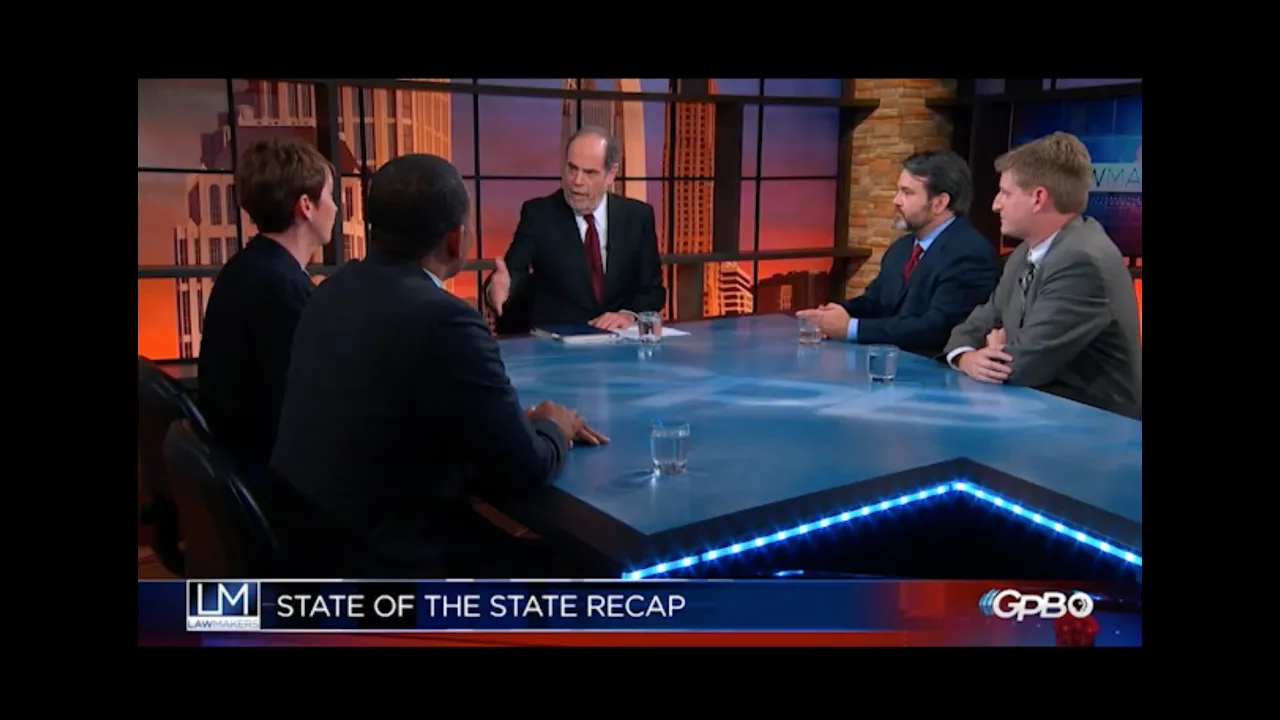
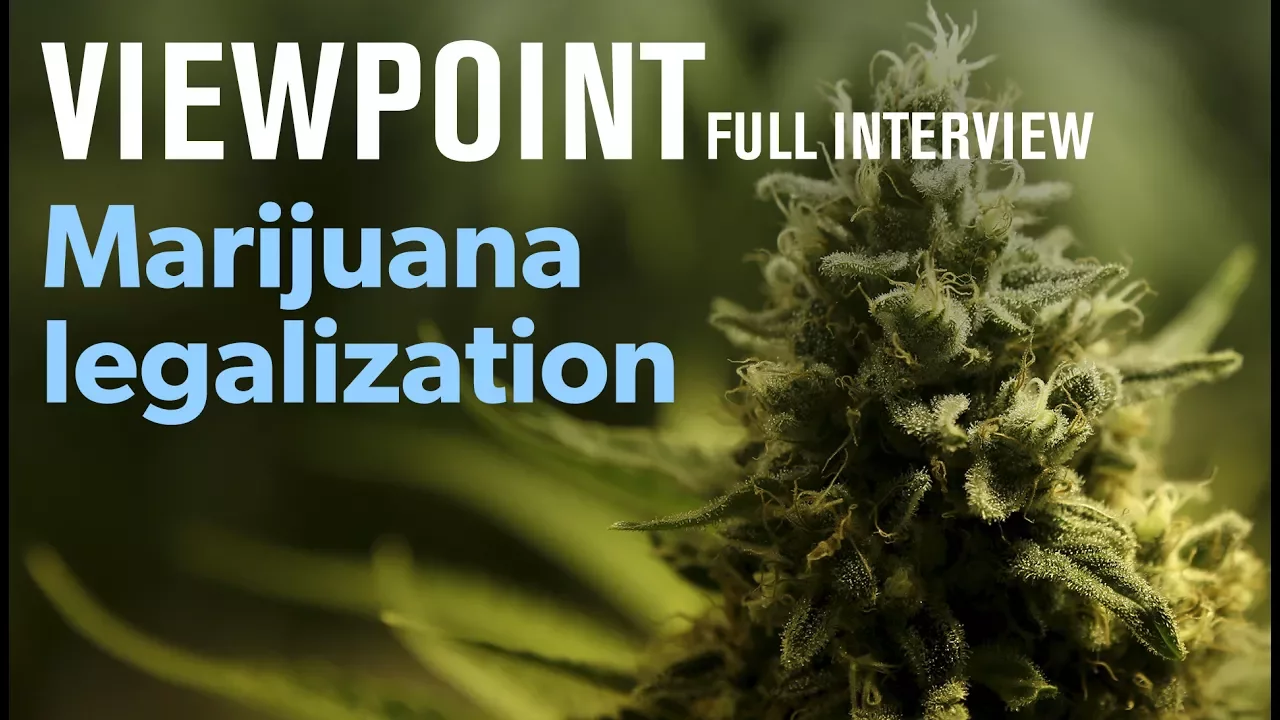







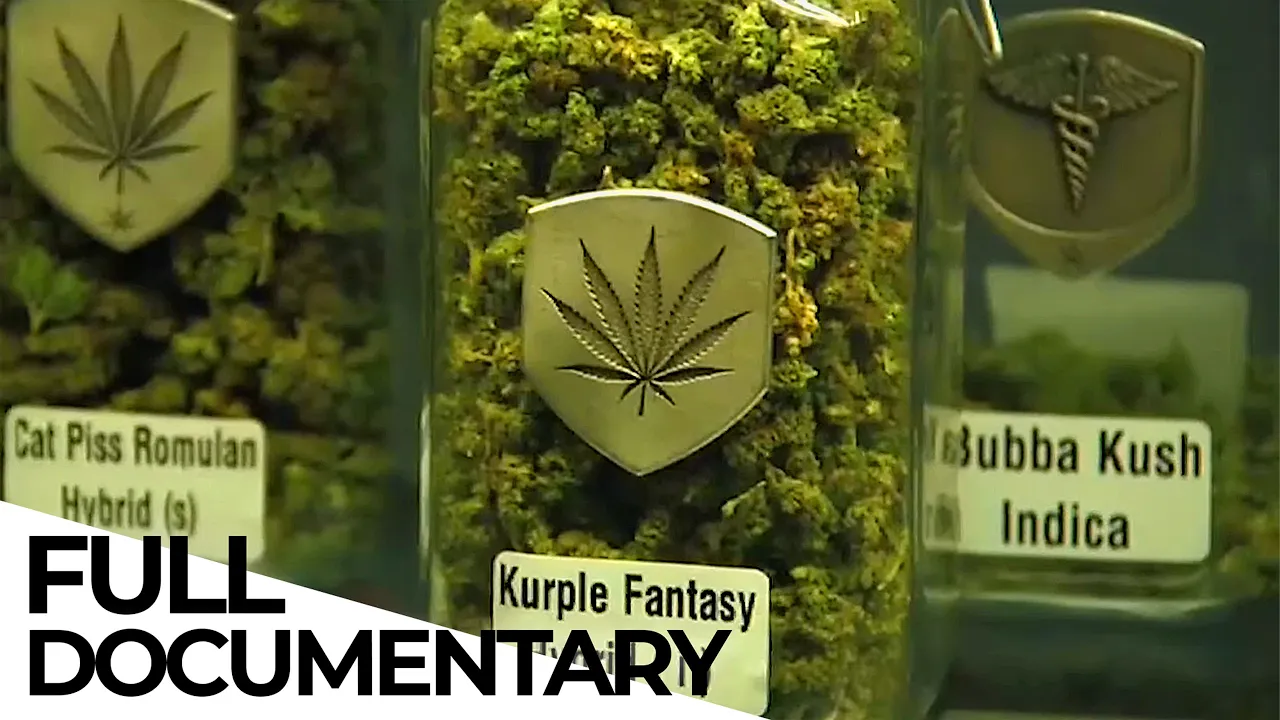





The 2020 U.S. elections marked a significant shift in American drug policy, with four states (Arizona, Montana, New Jersey, and South Dakota) legalizing marijuana and Oregon decriminalizing all drugs, bringing one-third of Americans under state-level legalization; however, this creates tension with federal law that still classifies marijuana as a Schedule 1 drug alongside heroin and LSD, resulting in complications for banking, interstate commerce, and scientific research, while highlighting the growing disconnect between public support (now two-thirds approval) and political action.
Marijuana Legalization and the 2020 Election: State-Level Wins
Added:The concept of American federalism, specifically how state laws can conflict with federal statutes under the Supremacy Clause.
The mechanisms of direct democracy, such as state-level ballot initiatives and referendums.
The federal classification of marijuana under the Controlled Substances Act of 1970 as a Schedule I drug.
The historical distinction between medical marijuana legalization and recreational/adult-use legalization.
The economic and fiscal impacts of state legalization, including tax revenue allocation and the growth of the legal cannabis market.
The banking and financial challenges faced by state-legal marijuana dispensaries due to federal restrictions.
Social equity programs and criminal justice reforms, such as the expungement of past non-violent cannabis convictions.
The ongoing legislative efforts at the federal level to reform cannabis policy, such as descheduling or passing banking safety acts.
1.3M views44.3Klikes5:29Original Release: 2020-11-11
When America voted in 2020, there was one issue both Republicans and Democrats could agree on: "An overwhelming majority of voters said yes to the legalization of marijuana."
"Montana voters gave their clear backing to marijuana."
"Arizona, South Dakota..." "You could say a lot of New Jersey voters are high tonight."
New Jersey arrests around 30,000 people a year for marijuana possession, more than almost any other state.
But this year they voted to legalize marijuana.
Arizona voted to legalize it, too.
So did Montana.
So did South Dakota.
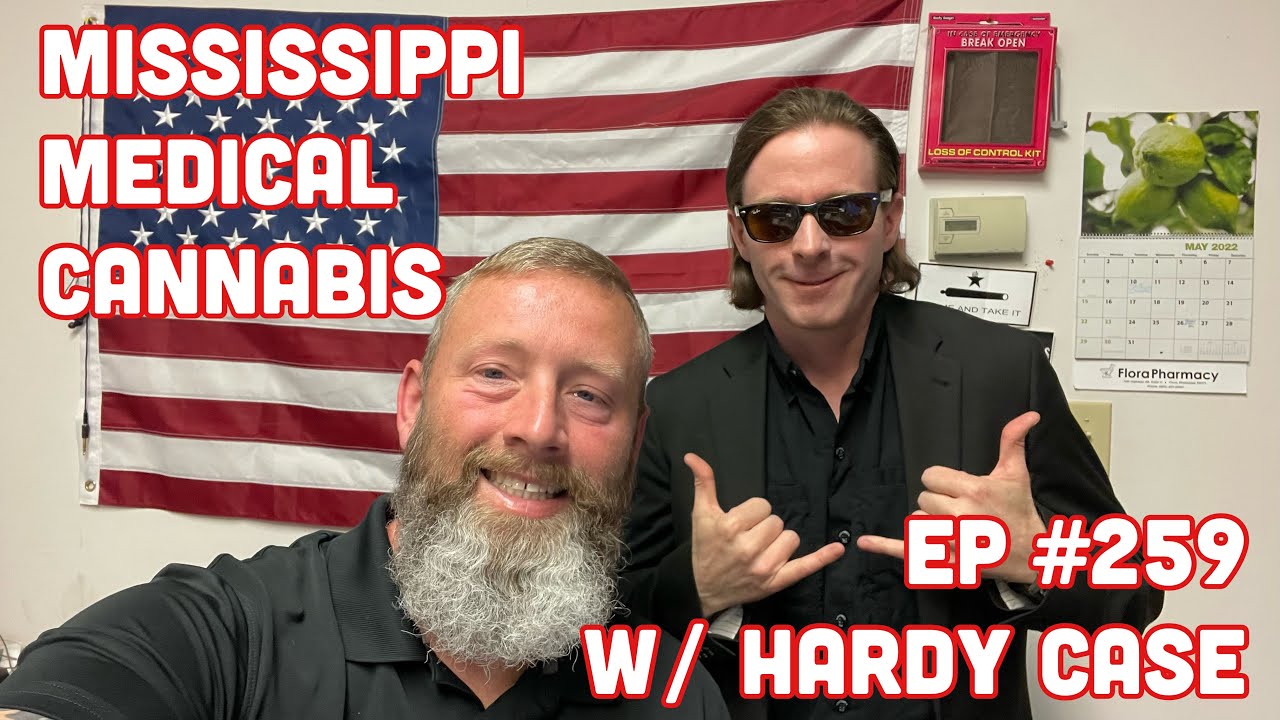
Medical marijuana was passed in Mississippi.
Now one in three Americans live in a state where access to marijuana has been legalized.
Oregon took it even further and decriminalized possession of all drugs on Election Day.
Over decades, America’s war on drugs has put millions of people in prison.
And today it’s widely understood to have disproportionately affected people of color.
For example, Black Americans use marijuana at the same rates as White Americans, but are arrested for it at a much higher rate.
This map shows that more and more Americans are starting to turn against the country’s harsh drug laws.
But ending them entirely will be a lot more complicated.
Americans used to be almost unanimously against legalizing marijuana.
Today, two out of three Americans support it.
But politicians, not so much.
There's a lag, between public embrace of issues, particularly cannabis policy, and state legislators, or even members of Congress.
John Hudak is a policy researcher who writes about America’s marijuana policies.
And he says the gap between how politicians and the public feel about marijuana, has a lot to do with what kind of political issue it is: Most Americans don't use cannabis.
Most Americans have never been arrested for a cannabis-related offense, etc. So it ends up not being something that they are going to hold elected officials accountable for.
Americans usually choose who they vote for because of issues like the economy, or health care.
Issues like marijuana are pretty far down the list of priorities.
But when you ask them directly, Hey, do you want marijuana legalized? They'll say yes.
And that’s why almost all of these states have legalized marijuana in a very similar way: Instead of the state legislature passing a comprehensive, detailed law, it was put directly to the people on Election Day, as a question on the ballot.
We have used ballot initiatives as a campaign and advocacy tool for decades.
Lindsay LaSalle is a drug policy strategist, and she’s worked on a lot of these state ballot initiatives.
The legislature is often afraid to act.
But one problem with changing laws this way, with a simple ballot initiative, is that the state still has to figure out the details.
And that isn’t always easy.
For example, in New Jersey, no one really knows what’s going to happen to all the people who are incarcerated, or have arrest records, for something that's now legal.
The other challenge for these laws is that they create a gap with the federal government.
Even though it’s legal in several states, at the federal level marijuana is still classified as one of the most serious drugs — equal to heroin and LSD.
And that puts federal drug laws in direct conflict with state laws in all sorts of ways.
Legal marijuana businesses have a really hard time getting any federally-backed bank to take their money.
And they can’t sell their product across state lines.
So a farm in California can’t sell to a store in Nevada, even though it’s legal in both states.
And because the federal government considers marijuana a controlled substance, scientists researching the effects of it often face problems with funding and testing.
But as more people in more states choose to legalize marijuana, this gap is going to become unsustainable.
Having the more conservative states, like South Dakota and Montana and Arizona, passing it, means that people have to consider it at the federal level in a much more robust way.
We’ve seen something similar happen before.
At first, same-sex marriage only became legal in the US state by state.
But by 2015, 70% of Americans lived in states that had legal same-sex marriage.
That same year, it became legal throughout the country.
We've transformed, in this country, in the course of about 25 to 30 years, in terms of cannabis legalization being an absolutely toxic and fringe issue, which is what it was, to one now where candidates of both parties are embracing it.
Americans' attitudes on the war on drugs, and the mass incarceration it led to, are changing.
And more and more of them are ready for those laws to change.
But if politicians won’t do it, they will.
Up Next
20:29
AP Gov Chapter 3: Federalism Key Concepts Explained
@AdamNorrisAPUSH
86.7K views•2014-08-13

24:30
BRICS Pay and de-dollarization: A New Financial Order Emerges? | 55 chars
@DannyHaiphongYT
164.6K views•2024-10-22
10:19
Explaining the Saudi-Iranian Proxy Conflict in the Middle East
@Vox
18.2M views•2017-07-17
6:47
Single Transferable Vote Explained: Fair Multi-Winner Elections
@CGPGrey
7.2M views•2014-10-22
Related Study Plans & Knowledge Roadmaps
Structured learning paths in Political Science
political-science
Economic Statecraft: Sanctions & Chokepoints
01Foundations of Geoeconomics and Economic Statecraft
02The Mechanics of Weaponized Interdependence
03International Sanctions: Types, Implementation, and Efficacy
+ 2 more learning modules
12h5 modules
Explore Roadmap
political-science
Central Bank Independence: Politics & Policy
01Foundations of Central Banking and Monetary Policy
02The Time Inconsistency Problem & Inflation Bias
03The Delegation Model and Designing Independence
+ 2 more learning modules
12h5 modules
Explore Roadmap
political-science
Consociationalism: Power-Sharing & Stability
01Democratic Dilemmas in Divided Societies
02Introduction to Consociational Democracy
03The Four Pillars of Consociational Design
+ 2 more learning modules
12h5 modules
Explore Roadmap
political-science
Rebel Governance: Legitimacy, Economy & State
01Foundations of Rebel Governance and Statehood
02Establishing Political Legitimacy and the Rebel Social Contract
03Wartime Economies and Rebel Resource Management
+ 2 more learning modules
14h5 modules
Explore Roadmap