



![Philippine Indigenous Languages Lecture Series: Ibatan [ivb]](https://i.ytimg.com/vi/ZAEvP2d8cgw/maxresdefault.jpg)






![Políticas Linguísticas - [Unidade III - Aula 02]](https://i.ytimg.com/vi/5H6ugYXRalQ/maxresdefault.jpg)

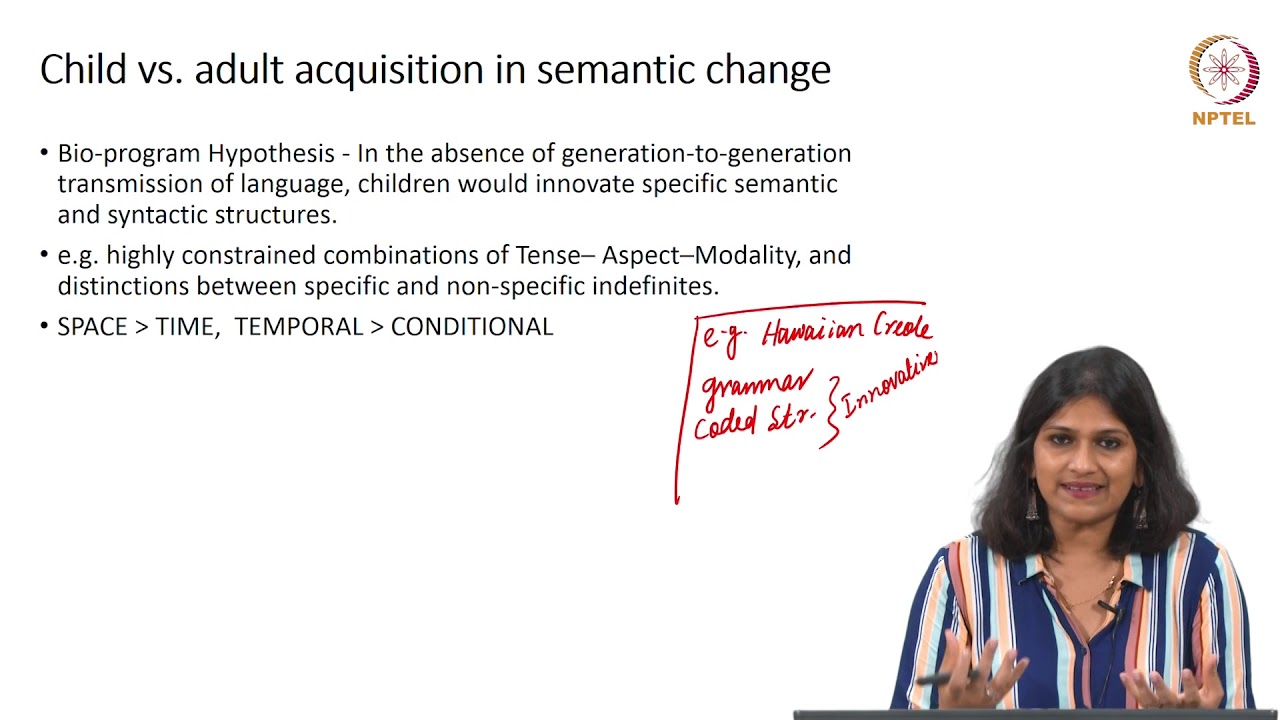


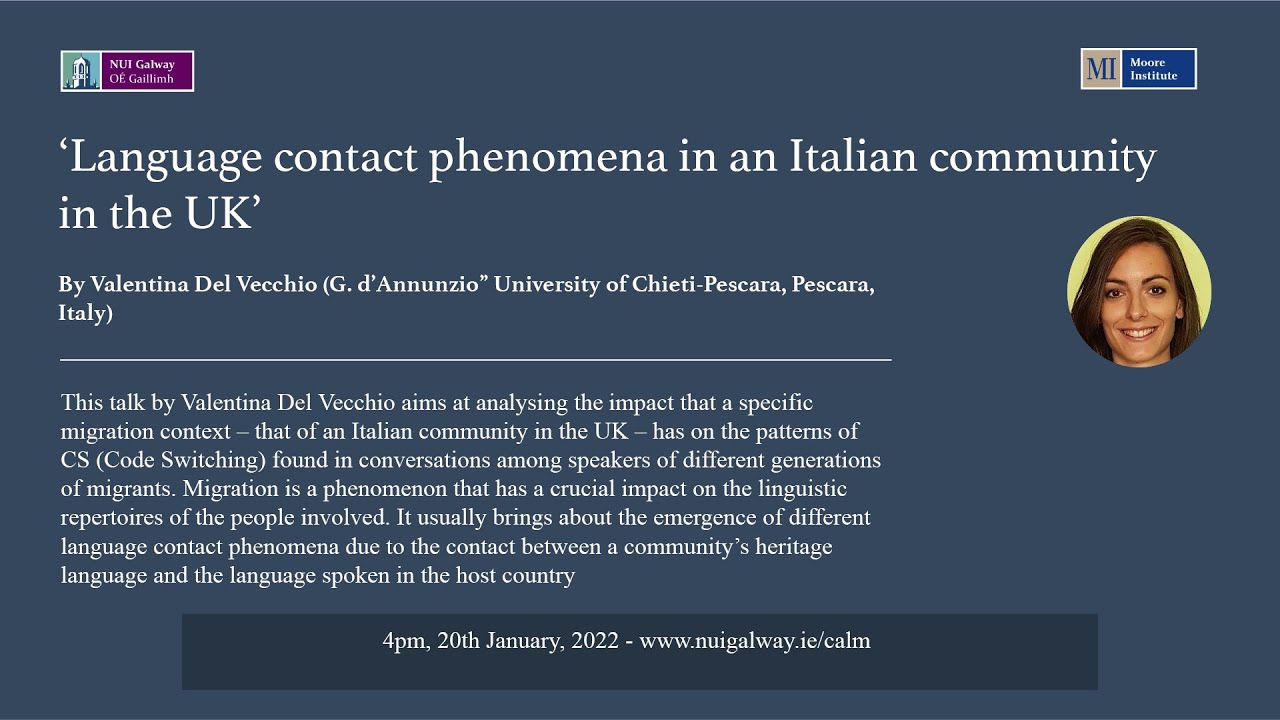

Language contact occurs when speakers of different languages interact, leading to various manifestations including diglossia (using formal and informal language varieties), borrowing (adopting words from dominant languages), language shift (minority languages being replaced by majority ones), language death (extinction of minority languages), code-switching (mixing languages within a conversation), pidginization (creating simplified mixed languages for communication), and creolization (when pidgins evolve into native languages); these phenomena result from factors such as economic opportunities, social prestige, political power, demographic changes, and institutional influences.
Language Contact and Change: Sociolinguistics for 3rd Year LMD Students
Added:A basic understanding of sociolinguistics, specifically how societal structures and cultural contexts influence language use.
Familiarity with the concepts of bilingualism and multilingualism at both individual and societal levels.
Knowledge of language variation, including the distinctions between languages, dialects, idiolects, and registers.
An understanding of core linguistic components (such as the lexicon and syntax) to comprehend how structural borrowing occurs.
Advanced study of language shift, maintenance, and language death as long-term consequences of prolonged contact.
Exploration of language policy and planning, particularly how governments manage diglossic situations and recognize pidgins/creoles.
In-depth analysis of creolization theories, such as the language bioprogram hypothesis versus substrate influence.
Application of empirical sociolinguistic research methods to analyze real-world code-switching patterns and lexical borrowing in local speech communities.
1.8K views70likes19:31Original Release: 2022-03-24
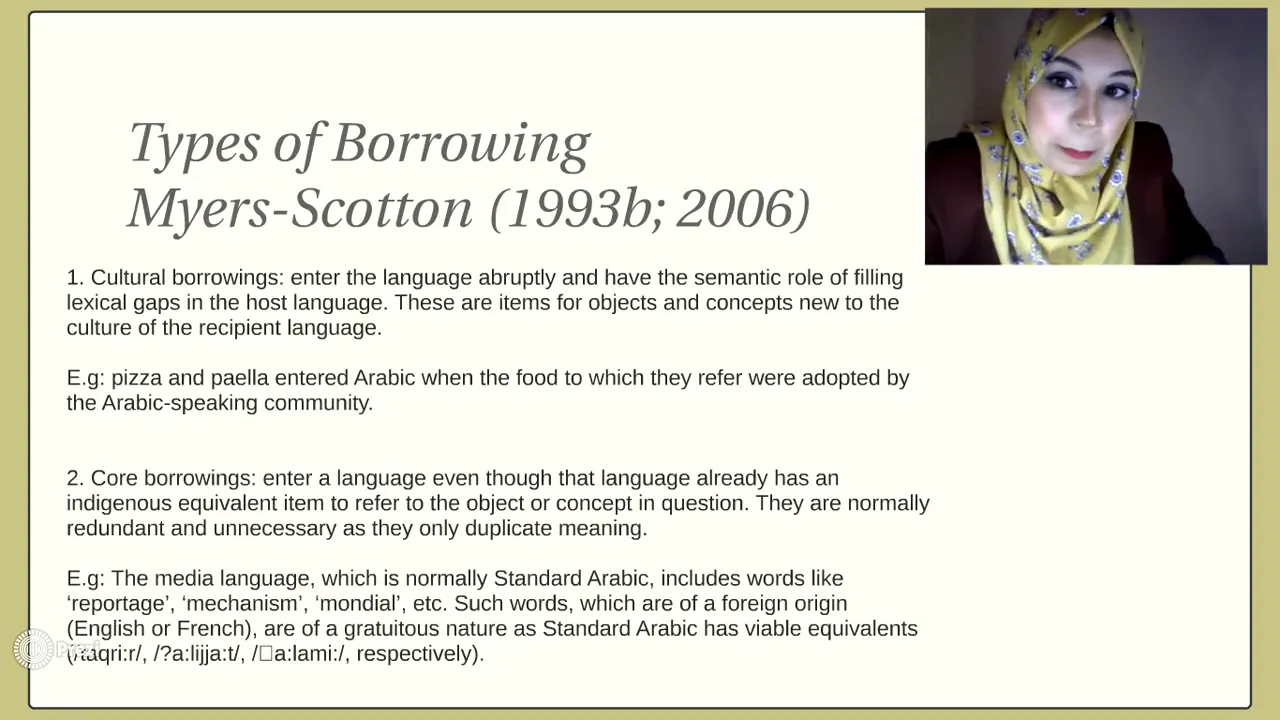
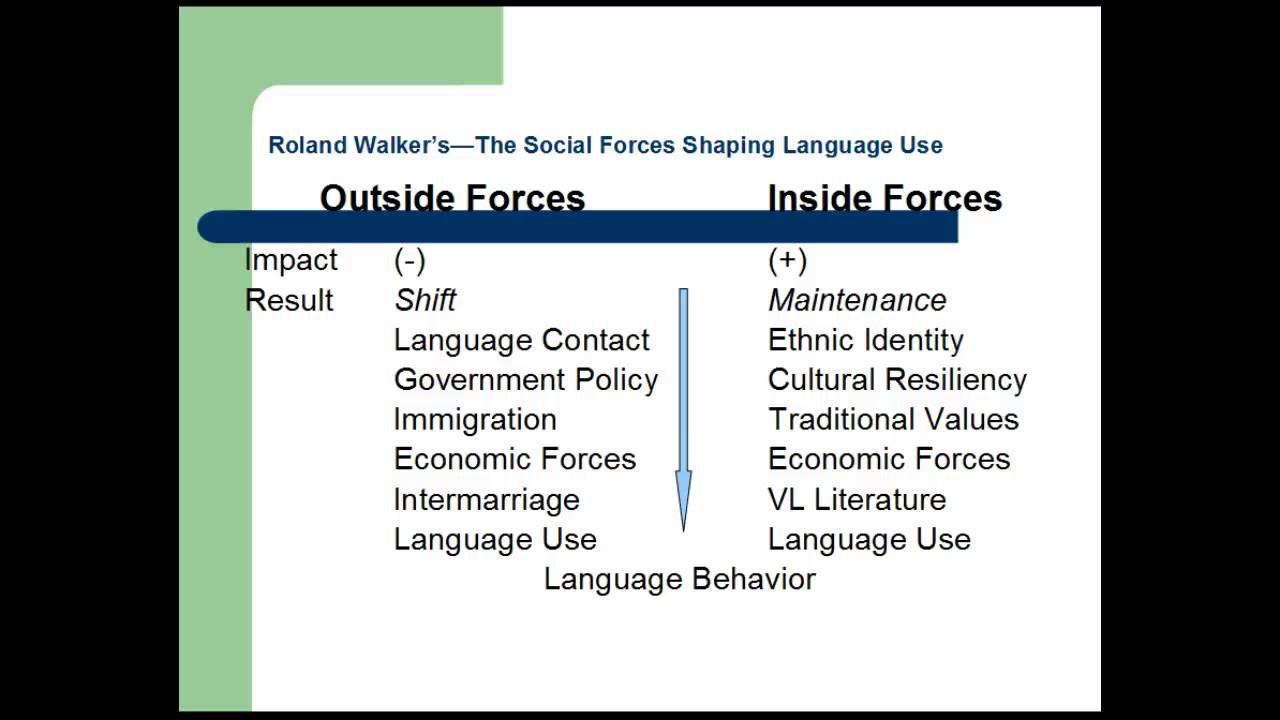
[Music] hello everyone hello again uh in this new presentation in the first series about the third year undergraduate lisa students um concerning the uh linguistics course we are going to talk today about theme four c4 is about language contact and chain just before i talk about the content of this theme in full just i want to say that language contacted and changed is another area in addition to what we saw before language variation that social linguistics is interested in it now language contact and change is another area that is usually due to uh when it comes to two groups that get in touch or two groups meet because of neighborhood are because a group of people gets in touch with another group through three that means in this case we are talking about groups of people that speak speaking two different languages they got in touch and for the sake and for the need of communication uh when the two languages are completely different and the people cannot communicate using one or the other language generally there is uh something that happens regarding these two languages and this the result of what happens usually leads to manifestations of language contact and chain and here before we talk about the examples and manifestations of language change let's say that language contact we repeat what we said before that when two groups speaking two different languages meet and in order to communicate they try to create something between them based on the two language one language or the other or based on the two languages this leads to change so usually language before language change there is a need for a langu for language contact very often language contact is often manifested in terms we have many uh manifestations of language contact it could be just the creation of a new language between the two languages or it is it could be a replacement parts of a a language with another part from the other language or it could be brown you borrow from one language some words or expressions uh to be used in the other language or it could uh just uh because uh uh due to some reasons one of the language will be dominant the other one won't be dominant and the non dominant language may uh maybe extinguish it in a clear term the manip manifestations or the outcomes of language can tat could be examples such as what is uh mentioned on this slide diaglossia borrowing language shift language death and loss creole pigeon and code switching there are other let's say examples but we will focus only on these examples simply because they are the most common ones now let's see the uh what is meant by these examples one by one and we start with diaglosia diaglossia generally it has to do with the same language and one person or a speaker of that language may have a reference to use two let's say types of this language generally when we talk about diaglossia we talk about the use of the formal language and the use also the use of the informal language for example in arabic language we can have the former arabic language the standard language language that we use in education in schools in administration official documents and there is the informal language the language that is used uh in everyday conversations a speaker of arabic language may at the same time in in in at the same time may use what we call the high standard form language as well as he or she may use the low or informal language of course the use of the high standard formal language and the low informal language depends on the purpose of communication and also depends on where the speaker is if the speaker is in the formal context he has to use the high standard formal language and if he is in an informal setting and context he or she may refer to the low informal language this is diaglossia the second example of a language contact is boron very simply borrowing it's because one language is very more prestigious sometimes there are some languages by the way when you say prestigious language this is not actually scientific why because in fact according to linguistics and to modern linguistics there is no language that is superior there is no language that is inferior there is no language that is uh civilized if you can say and there is no language that is under civilized or primitive all languages are the same no matter what the language is whether the language is a lingua franca a language that is universal spoken by um by millions of people and the language that is spoken only by a very small minority very small group of people that are living in a very far place in the mountain or in the forest in the amazon in the tri language that is spoken by those tribes that are in amazon said to be they are often said to be primitive uh primitive people and civilized people and they have their own land so the language of those people compared to the to universal language lingua franc english now english language now according to linguistics they are the same [Music] since the language is that means of communication there is communication someone says something and it is understood and the message is conveyed so the language is similar that is no different now when it comes to um non-linguistic let's say interpretation ordinary uh explanation or expansion given by lay men people people are not specialized of course we may here see that there are differences between languages we say this language is superior and this one is inferior this one is civilized and this one is not civilized um something else is that sometimes there are some languages because of the power they do have sometimes they have some power due to media due to uh the fact that the speakers of that language they they are well placed in some very powerful institutions in the in the in the country their language becomes in fact powerful and sometimes more dominant than other language that they co exist with this language generally because of this this reflexivity there is a dominant language and there is non-dominant language generally there is a shift of words expressions from the dominant language to the non-dominant language generally we talk about here here we talk this manifestation of language contact which is baram now something else about the examples of language contact it's language shift what is language shape the language shift is again when uh the language of the majority displaces the uh the language of the minority and we have talked about this when we talked about baron so link shift it's the effect that effect that may cause a language on another and upon another land because it is dominant i said because it has power it may replace the language of the people who who speak it and it's considered to be non-dominant generally we can have some factors that lead to language share for example example of the first factors they are economic social political political factors um we can talk here about social status we can't talk about prestige what i have mentioned it before the work opportunities the institutional domain school media etc so the shift can happen due to the economic social political factors also there is another example of factors that is has to do with demographic factors this can be noticed when it is faster in urban areas than rural ones size of the group intermarriage all these all these factors demographic factors also can lead to language shape the the other example of language [Music] of the factors that lead to language shift we can talk about attitudes and values factors say here especially it happens when minority groups devalue with its language language uh language um uh it it it it it extinguishes and it can be uh reduced until it it dies this is because of the values and because of the attitudes um of course in some cases when language extinguishes when language is devalued when language is um not valued it's not given the right value because of its own speakers or because of the effect of the dominant language what happens this language may die it may totally extinguish we can see this especially uh uh in my with minority groups that live in immigration in immigration the group speak in that language because no more use it because they don't have the opportunity or opportunities to communicate within that language generally this language dies and the the speakers of the the this language of different generations they may adopt the language of the dominant group in some cases we have noticed that some languages have totally died but because the people speaking or the generation that came up later on afterwards with they wanted to revitalize these die by the diet languages so this happened and we have many examples in this case we talk about language revival there is another example of language let's say language contact and which is very significant and we can notice that it is code switching what we mean by switching or mixing uh two or three languages it means that usage of two languages in a mixed manner this happens basically in multilingual communities in bilingual communities for example in algeria since algeria is let's say it's a multilingual uh country why because the national official language they are the they are to the arabic language uh which is a national official language in algeria and we have the temazer and also because of the historical inheritance because of colonization and because of the long period that took part that took colonization in our country algeria the french language was some at some time was very used in our society so what happens we may in our let's say algerian arabic language we may find that people may code switch from arabic to sometimes do in french sometimes to temazert or to to to another language that is uh uh mastered by the speaker of islam in this case we are talking of code switching generally when we talk about code switching we talk about some reasons among these reasons we can read first one is the desire to express an idea in one language sometimes there is what we call gap in language sometimes some people they master a language better than another one when they speak in in the language and they don't have this rich vocabularies talk story they don't find the words they refer to another language they master to fill in the gap and find the word in another language sometimes another let's say reason of code switching is the desire to reveal mixed identity yeah in in society sometimes you find some people let's say to have this feeling of to show off or to show that they are they know many languages they they code switch from one language to another language um so here we have two two reasons the reason to show that the speaker has a mixed identity as well as the speaker wants to show off another reason it's that inability to express an idea in one and i talked about this as when i mentioned the gap gaps in there are gaps in terms of vocabulary and sometimes even gaps in ideas so a speaker because he does not have the ability to express himself or herself in the language he may or she may refer to another language to express the his or her ids in the other language um of course i talked about the other reason lexical and sometimes people they code switch to uh to have a better uh [Music] communication sometimes some people think that when they code switch they may convey their ideas easily and in a good manner for the the one who is listening uh to him or to her um so generally these are the reasons of code now let's talk about another manifestation another outcome of a language language contact it has to do with the pidgin the pigeonization and later on the creolization what we mean by pigeon it's generally when two people meet and are in need to communicate they use words from both languages mixed morphology and syntax use the simplest sounds from both languages this happens specially for people who who traded this happened in the past people who traded and when they arrive into another location another continent or country and they want to communicate with the the inhabit original inhabitants of that that location that they don't know or they did not know how to communicate with them using because they the language the two languages they spoke were totally different they created a common language the specificities and particularities characteristics of this common language that we call pigeon it has usually it had usually limited vocabulary simple simple grammatical rules small inventory sounds it is smoke spoken by few people those who just come to in contact or in touch with the other people in the other location and generally it's used only in a very short time and used for a given purpose that's why many many examples of these language contacts or contact lens sorry contact languages that we call pigeons they faded away and they die however some pigeons they were currently used and they grew and they were transmitted by people to other people in the location where they were created and they grew in space and in time and with time they become they became sorry spoken by large population in this case here we talk about the other example of language contact that is a creolization so a creole language means that one pigeon is passed on to a new generation onto new generations and becomes their first language so it become a career overall here we have presented in this let's say in this team theme four we have talked about language contact and that language contact often leads to language change and you also we have talked about some examples of language contact such as code switching such as pigeonization such as realization diagnosis etc that's all for this team theme for thank you very much indeed
Up Next
30:51
Sicilian Language: Identity, History & Proto-Romance Features
@metatronacademy
48.6K views•2025-04-04
36:52
Constraint Interaction in Optimality Theory: Epenthesis & Deletion
@Vidyamitra
180 views•2018-08-20

8:59
Forensic Linguistics: How Language Solves Crimes | PBS
@pbsstoried
1M views•2024-01-25

21:32
Accent Expert Explains U.S. Regional Dialects | Part 1
@WIRED
9.3M views•2021-01-21
Related Study Plans & Knowledge Roadmaps
Structured learning paths in Linguistics
linguistics
Optimality Theory: Tableaux & Constraints
01Phonological Basics: Sounds, Syllables & Rules
02Foundations of Optimality Theory: GEN, CON, and EVAL
03The Constraint Inventory: Markedness vs. Faithfulness
+ 2 more learning modules
15h5 modules
Explore Roadmap
linguistics
Morphosyntactic Alignment: S, A & P Systems
01Foundations of Syntax: Transitivity and Arguments
02The Linguistic Variables: Mapping S, A, and P
03Nominative-Accusative Alignment
+ 3 more learning modules
12h6 modules
Explore Roadmap
linguistics
Analyzing Sign Language: Phonology & Syntax
01Foundations of Sign Language Linguistics
02Phonology: The Five Parameters of a Sign
03Morphology: Word Formation and Classifiers
+ 2 more learning modules
14h5 modules
Explore Roadmap
linguistics
Pragmatics: Speech Acts, Grice & Politeness
01Introduction to Pragmatics: Meaning in Context
02Grice’s Cooperative Principle & Implicature
03Speech Act Theory
+ 2 more learning modules
14h5 modules
Explore Roadmap