


![Les chaînes logistiques n'ont jamais été aussi résilientes [Podcast]](https://i.ytimg.com/vi/Xqwq1nLaF38/sddefault.jpg)

























Obesity is not simply a matter of personal responsibility but results from an obesogenic food environment engineered by the food industry, which makes unhealthy foods cheap, accessible, and addictive through marketing and portion manipulation; addressing this requires government intervention through policies like sugary drink taxes, advertising restrictions, and improved labeling rather than placing sole responsibility on individuals.
The Politics of Food: Who Shapes What We Eat? | Phillip Baker
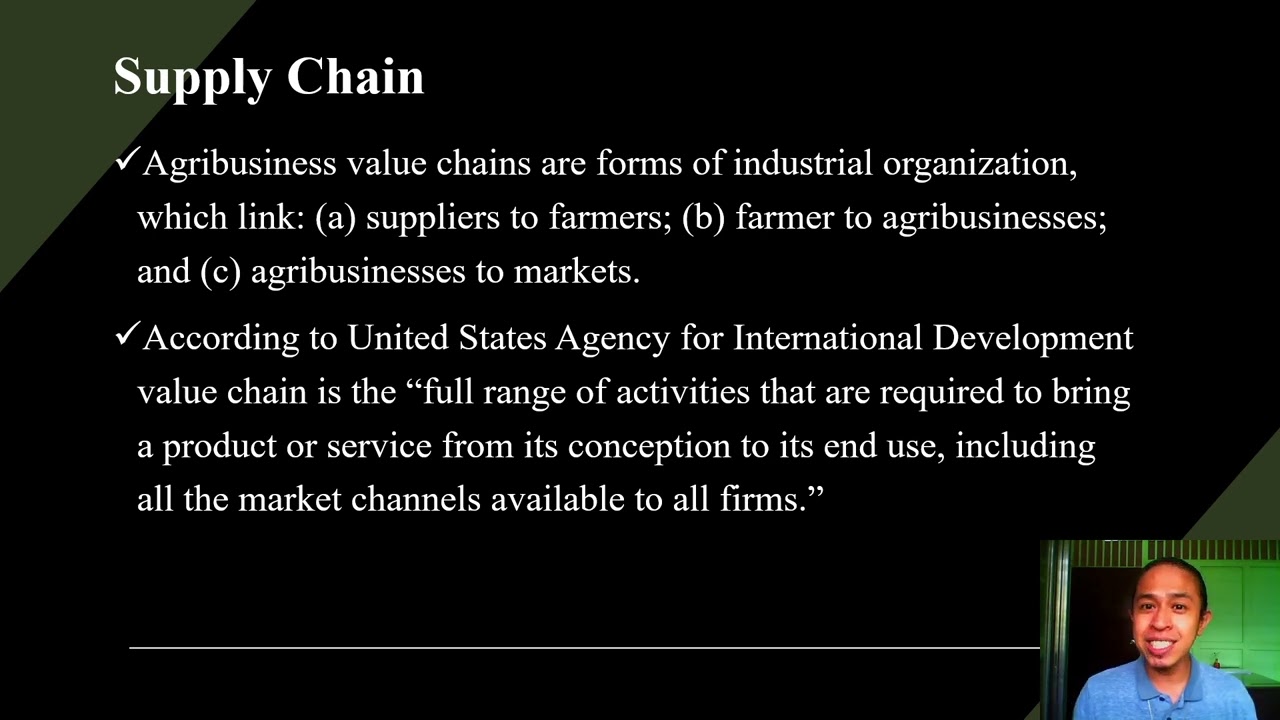
Added:Basic understanding of food supply chains, spanning agriculture, processing, distribution, and retail.
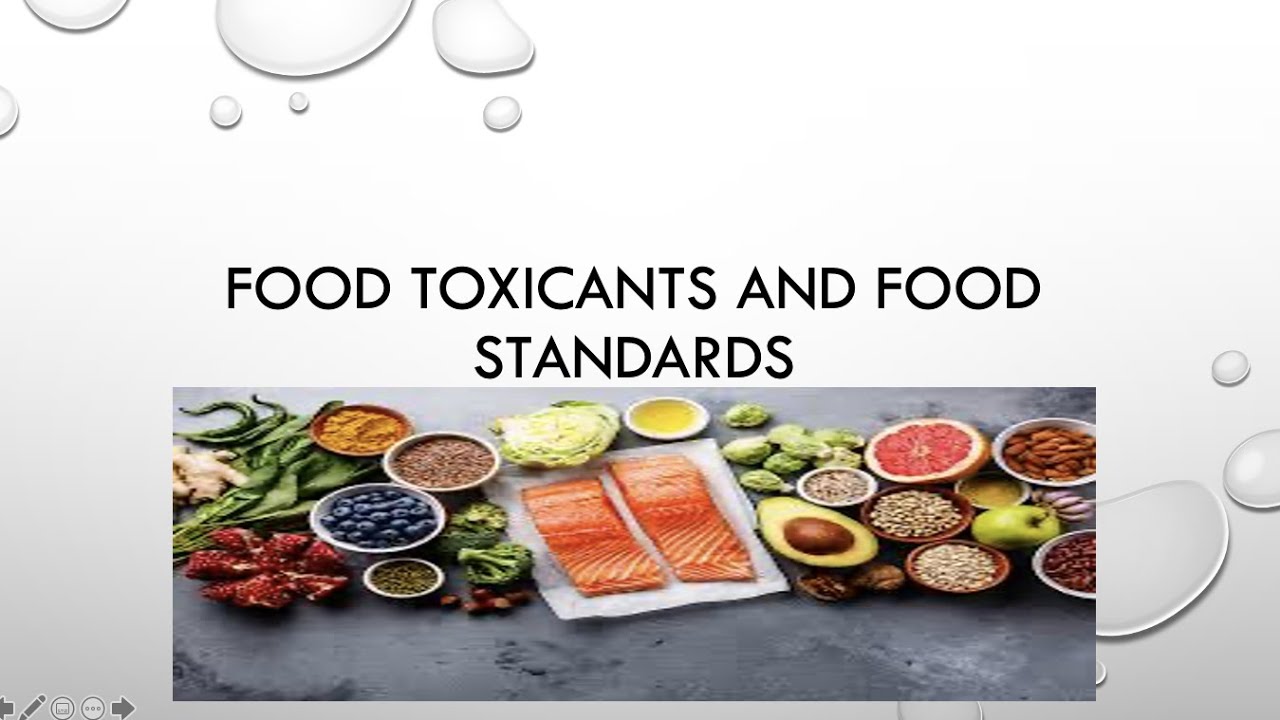
Fundamental concepts of public health nutrition, including the difference between whole foods and ultra-processed foods, and their links to chronic diseases.
The basic role of regulatory bodies (such as the FDA or WHO) in establishing dietary guidelines and food safety standards.
The concept of corporate lobbying and how private interest groups attempt to influence public policy and legislation.
The political economy of global food regimes, exploring how multinational corporations and international trade agreements shape localized food environments.
Advanced study of agricultural subsidies and how government funding of specific crops (like corn and soy) artificially lowers the cost of ultra-processed foods.
Analysis of food sovereignty and food justice movements, focusing on community-led initiatives to reclaim control over local food systems.
Critical evaluation of food labeling policies, corporate social responsibility (CSR) marketing, and industry-funded nutritional science.
71.5K views775likes20:55Original Release: 2016-11-22
hello everyone it's great to be here so I became I became interested in foods not through my academic research but through my travel and through experiencing many different food cultures around the world and among my favorite places other Pacific Islands countries like Fiji and some more and there are over many trips I came to notice that traditional healthy foods various types of seafood fresh vegetables and fruits were being displaced by imported processed foods and this was having a profound impacts on human health later I came to learn that this is what was called a nutrition transition that as countries grow richer as more people begin to live in cities as they become more globalized and westernized what people's diets begin to change and Australia has had its own nutrition transition and it shows in our changing waist lines in 1980 10% of us here in Australia we're obese today that figure is 28 percent among the highest in the developed world similar thing has happened in countries like the United Kingdom like the United States but also more recently in countries like Brazil like Mexico and South Africa and although the number of undernourished people in the world today is declining there are still 800 million of us who go to bed hungry every night and they live alongside the two billion of us that are now overweight and obese as Raj Patel puts it's our planet is both stuffed and stuffed now I've dedicated myself to researching these topics over the last eight years and today I would like to just touch on two pretty important questions number one why have we as a society become fat and number two what can we do about it so let's start with this first question now one argument we hear very often comes from the food industry and they would have us believe that obesity comes down to a reduced responsibility for how much we move and what we eat but if we followed this logic we might then expect to find evidence that we are becoming less responsible that obesity has emerged because of a D responsible is a ssin of our society but statistics simply do not support this claim illegal drug use has declined and steadied off drunk driving rates have dropped considerably and smoking rates have absolutely plummeted in the 1950s here in Australia half of us smoked and today that figure is just 12% so we have become fat as a society when we have never been more responsible in all of these other areas of social activity and so I'm afraid to say that this responsibility arguments that we hear time and time again just doesn't cut it because it's an arguments that completely ignores our biology but as once not so long ago food was scarce famine has been very much a part of our human history those that survived over consumed food when it was abundant and stored it as fat for when it was not and this has been hardwired into our DNA we have evolved metabolically efficient bodies that are now poorly adapted to our modern food environments so we have to acknowledge that in our hunter-gatherer past consuming as much food as possible was personally responsible today cheap energy dense foods are all around us and in this light obesity is just a normal superficial human response to an increasingly industrialized food system to what is called and increasingly obesogenic food environments one that has been engineered by the food industry with one goal in mind to make us consume more food because eating more and not eating less underpins the entire business model of the industry so might not come as any surprise to you that we here in Australia and this is data from the most recent Australian Health Survey consume no less than 35% of our daily calories from so-called discretionary foods otherwise known as junk foods and for Australian teenagers that figure is 41% so let's start with food production today our food is produced by peoples and places from which we are far removed with globalization we can source raw ingredients that are used in manufacturing or we can source final products from wherever in the world production costs are cheapest or heavily subsidised and so we get sugar from the United States we get soy beans from Brazil we get palm oil from Indonesia and Malaysia and we get cheap labor from countries like India and China and we might see happy looking farmers on some of our food products sometimes but it is industrial agriculture that produces the vast bulk of our food today and it does so at very little cost in Soto calorie our food has never been cheaper what about the food products themselves food science has been harnessed to engineer highly durable foods rich in sugar salt and fat the very nutrients that we are programmed to crave many of these products can be considered addictive they stimulate the parts of our brains associated with pleasure and reward overriding our conscious control over appetite portion sizes have changed considerably soft drinks fries hamburgers an hour two to five times larger than what they were in the 1950s and we perceive this psychologically as value for money and it might be good for our wallets but it's probably not so good for our waistline and today we live busier lives the food industry has responded with ready-to-eat meals ready-to-eat snack foods and fast food restaurants selling us convenience and so obesity stems not only from our biological drive to crave energy dense foods but also from our need to compress the time in which we source and consume it now if more packaged food has also come our syrup with more processed food has come more food packaging and packaging is a marketing opportunity you might have noticed the labeling trickery on many products labeled fat-free reduce fat lights natural made with real fruit often under the guise of being healthy but very often far from soya take nutrigain for example one of the most popular breakfast cereals cereals here it's promoted as a source of protein and fiber as an Iron Man food for and I quote fueling young Aussies to live unstoppable lives but the product is 27% sugar it's not something I would recommend for Iron Men it's not something I would recommend for anyone especially for young Australians the only thing unstoppable about this product is the surge and blood sugar and insulin that children will get from consuming it and our food culture has also changed considerably power 50 billion dollars is spent every single year marketing and promoting unhealthy food products shaping our beliefs about what foods we consider to be normal and socially desirable just two companies Coke and Pepsi spend six and a half billion dollars every year that's a figure that exceeds the entire annual budget of the World Health Organization it's a figure that completely swamps that drowns out any spending on a healthy food promotion by governments around the world and so junk food advertisements are all around us we see them on billboards on TV at our sports games we see them in social media on Facebook you might have seen the popular children's characters and toys that are used to woo kids in McDonald's not only serves more children food every day than any other organization in our country through its Happy Meals it is also the largest toy distributor and so why do companies why would they spend so much money on advertising because it drives consumer behavior in powerful ways and especially when it comes to the pester power that children exert over their parents purchasing decisions and tell me those of you with young children in the audience that pester power is not an issue and advertising is less about communicating information as it is about conveying symbolic and social meaning so products come to be associated with fun happiness sex appeal prestige rather than their underlying costs and benefits in terms of health and so those advertisements we see of young slim sexy people drinking Coca Cola is far from an accurate representation of those who consume the most junk food in our country today which is the Australian teenage male who consumes no less than how much would he guess no less than 19 teaspoons of sugar every single day most of it from processed foods for the top 10 percent of those teens that figure is 38 teaspoons and let me ask you this is it okay that McDonald's and Coca Cola are the official restaurant and beverage of the Olympic Games that KFC and Milo are of Australian cricket isn't it time we reconsidered the role junk food companies play and sponsoring our sports men and women the very role models our children aspire to be but perhaps the most potent way in which the food industry undermines sorry the food environment undermines responsibility is when the food industry lobbies against the policies that would enable it in the first place in the United States in just the last six years 100 million dollars was spent by soft drink companies lobbying politicians against regulations across the Atlantic in Europe a staggering 1 billion euros was spent lobbying the European Parliament to oppose a traffic light labeling scheme and so you see this issue is very much also a political one so in summary we are being asked to exercise our responsibility in a food environment that is engineered to undermine its food is available everywhere at any time it is full of sugar salt and fat per calorie it has never been cheaper the information we have to consumer to inform our choices is heavily skewed by advertising and confusing labels government has done little about it and we as a society of fat so the question we must ask is this what can we do about it now I'm not saying there is no role for respond personal responsibility I'm not advocating that I do not wish to take away the agency that we have as individuals to make changes in our lives but if we simply go out there and try and convince individuals to change their lifestyles we are likely to fail and you might have seen TV shows like The Biggest Loser and these types of shows a typical of this approach the obese masses are saved from their overall deficit and moral responsibility by their lean buff morally superior saviours clad in active wear it is an approach that downloads responsibility onto individuals rather than onto governments and powerful industries it is also an approach that individualized approach that can be highly commercialized and so we end up with obesity drugs bariatric surgery better for you and low calorie food products and finally weight loss programs that for 80% of people simply do not work in the long term so you see we have a food industry that promotes obesity and a medical dieting and fitness fitness industries that help us address it and what you might call a perfect storm of consumption but this is not a problem that we can consume ourselves out of we need to think outside of the box we need to tackle this problem at its roots through addressing the causes of the causes of poor nutrition and that means making changes throughout our food system now to do this we need to rethink the role of governments and we often hear this nanny state arguments that there is no role for government intervention that restricts our freedoms as consumers but our search arguments really about regulating us as individuals or are they more about opposing food industry regulation the true role of government is not to restrict our freedoms as citizens and to enable them by creating an environment through policy through legislation in which we are truly free to exercise our responsibility because if governments don't regulate the food industry then the food industry will regulate us so what can government's do to redesign the choice architecture of our food environments well first up we need to change the economics of our food supply and we could start with attacks on sugary drinks simple to implement effective and we can invest the money that is generated into public health programs Mexico just adopted such attacks and as it has reduced consumption of sugary drinks considerably especially among the most disadvantaged groups in that society and it has generated 1 billion dollars of revenue and revenue in just one year think about what we could do with that sort of money here in Australia critically we need to ditch junk food advertising especially to children we know from our experiences with tobacco that this will be an absolutely critical step in many countries already have restrictions in place in the United Kingdom those restrictions have reduced the number of junk food advertisements that children see considerably we need labeling on food packaging that enables personal responsibility ones that all consumers can quickly and easily understand and we need to do away with misleading claims on our food packaging we can get junk foods out of our schools out of our learning environments that's a no-brainer and we can use urban planning legislation to restrict the density of fast food outlets and promote access to fresh healthy foods especially in our most disadvantaged communities these are just some of the many interventions that governments have available to them that are based on evidence that can work synergistically to promote healthy food choices what can we do as citizens collectively and as individuals now I will acknowledge that not all of us will want to change our diets not all of us many of us might be happy eating what we eat now and I acknowledge that not all of us have the time and money to go and shop at a farmers market but if there is one message that I would like you to take away from this talk today it's this I challenge you to think about eating as a political act because when you buy food when you eat it it sends a message back up the food chain about the type of food system we want as marion Nestle puts it we are essentially voting with our fork three times a day and our food system can change and it can change for the better and even the smallest changes if they are made by all of us can start to have a huge impact and we are starting to see that collective change the emergence of an alternative an alternative food system the number of farmers markets here in Australia has more than doubled in the last decade the fastest growing sector of our food retail system connecting us to the people who grow our foods community gardens and cooking classes are popping up everywhere including in our schools parents are getting together and mobilizing against junk food advertising youth coalition's and student groups getting together and mobilizing around food issues on campuses we have a fantastic food cooperative at the Australian National University where I work and we have a food sovereignty movement here in Australia that puts human and ecological welfare at the center of our food system now these are all movements that we can be a part of if we so wish and finally some practical advice from me as a nutritionist is this as much as you possibly can remove highly processed and packaged foods from your diet and swap them out for whole unprocessed real foods not food like substances as Michael Pollan puts it eat food not too much mostly plants if a product claims to be healthy it probably isn't think slow food not fast food take the time to enjoy cooking to enjoy sharing your food with family and friends use food as a medium through which to connect with others in your community by local / global because when you do you're not only support people in your local community but you also create an appreciation for our local seasonal foods and growers and an appreciation for a culinary food culture like the one we've always had before the food industry co-opted it ultimately it's up to all of us governments communities us as individuals to create the food system we want so are we all in for a food system that nourishes us rather than makes us sick one in which all of us from the farmers who grow our food to us who consume it can thrive you
Up Next

6:37
Federation vs Unitary State: Government Systems Explained
@whydocountriesexist3414
482 views•2020-07-17

24:30
BRICS Pay and de-dollarization: A New Financial Order Emerges? | 55 chars
@DannyHaiphongYT
164.6K views•2024-10-22
17:54
Why Dictators Fall: Lessons on Authoritarian Breakdown
@TEDx
130.4K views•2014-11-05
10:19
Explaining the Saudi-Iranian Proxy Conflict in the Middle East
@Vox
18.2M views•2017-07-17
Related Study Plans & Knowledge Roadmaps
Structured learning paths in Political Science
political-science
Economic Statecraft: Sanctions & Chokepoints
01Foundations of Geoeconomics and Economic Statecraft
02The Mechanics of Weaponized Interdependence
03International Sanctions: Types, Implementation, and Efficacy
+ 2 more learning modules
12h5 modules
Explore Roadmap
political-science
Central Bank Independence: Politics & Policy
01Foundations of Central Banking and Monetary Policy
02The Time Inconsistency Problem & Inflation Bias
03The Delegation Model and Designing Independence
+ 2 more learning modules
12h5 modules
Explore Roadmap
political-science
Consociationalism: Power-Sharing & Stability
01Democratic Dilemmas in Divided Societies
02Introduction to Consociational Democracy
03The Four Pillars of Consociational Design
+ 2 more learning modules
12h5 modules
Explore Roadmap
political-science
Rebel Governance: Legitimacy, Economy & State
01Foundations of Rebel Governance and Statehood
02Establishing Political Legitimacy and the Rebel Social Contract
03Wartime Economies and Rebel Resource Management
+ 2 more learning modules
14h5 modules
Explore Roadmap