





























Before the railroad era, each American town maintained its own local time based on solar noon, causing confusion when traveling between cities; however, the railroad boom created urgent needs for coordinated schedules and safety, leading railroads to establish standard time zones across the United States on November 18, 1883, which the federal government later codified into law with the Standard Time Act of 1918, fundamentally transforming how Americans measure and synchronize time.
How Trains Standardized Time in the United States | Educational History
Added:The concept of local solar time, where towns historically set their own clocks based on the sun reaching its meridian (high noon).
The rapid expansion of the U.S. railroad network and the broader context of the Second Industrial Revolution.
Basic geography of the United States, specifically its vast longitudinal span and the necessity of cross-country travel.
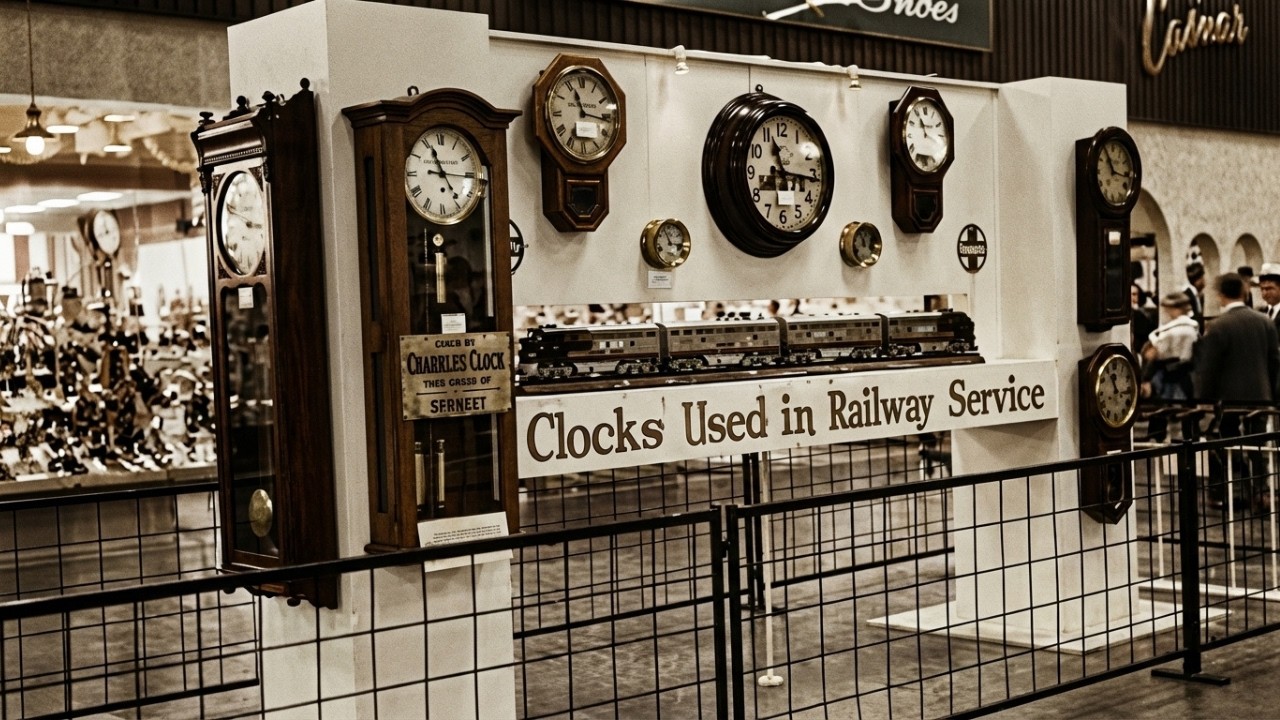
The operational logistics of 19th-century railways, including the critical safety need for precise timetables to prevent train collisions on shared tracks.
The Standard Time Act of 1918, which officially legalized time zones under federal law and introduced Daylight Saving Time to the United States.
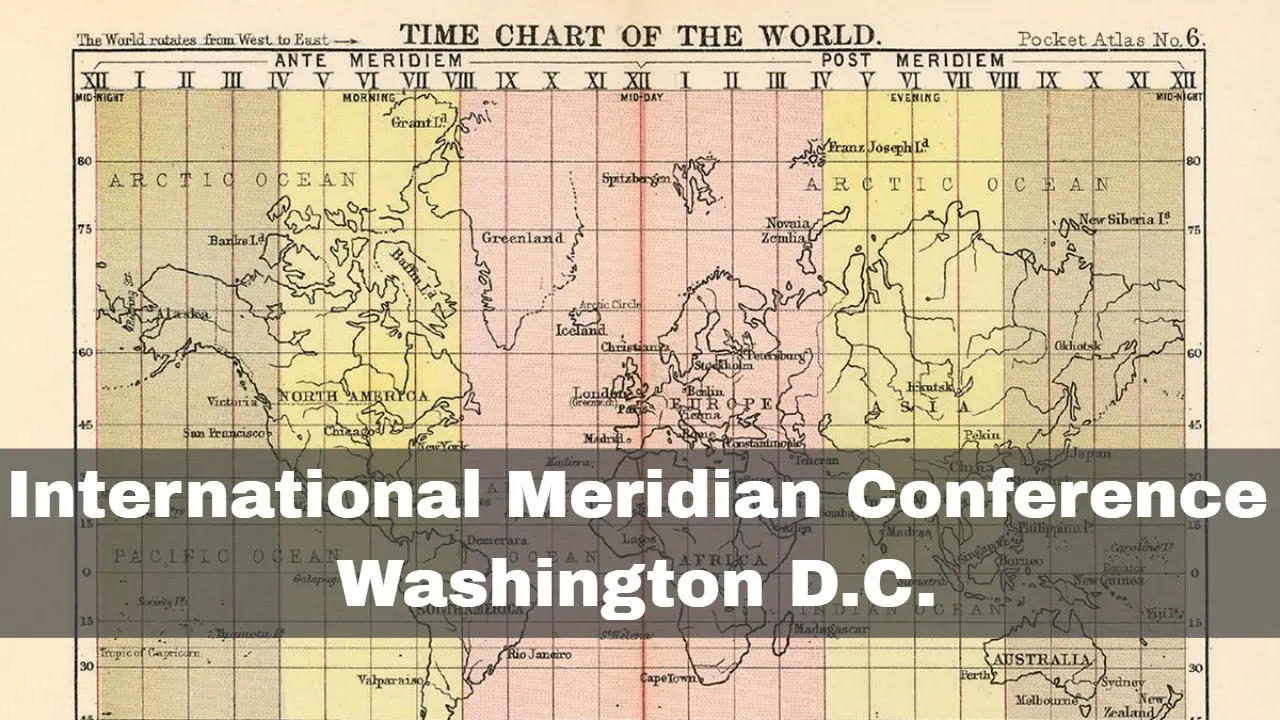
The International Meridian Conference of 1884, which expanded the concept of standardized time globally by establishing Greenwich Mean Time (GMT) as the prime meridian.
The sociological impact of 'clock time' on human behavior, transitioning society from task-oriented agrarian rhythms to rigid industrial schedules.
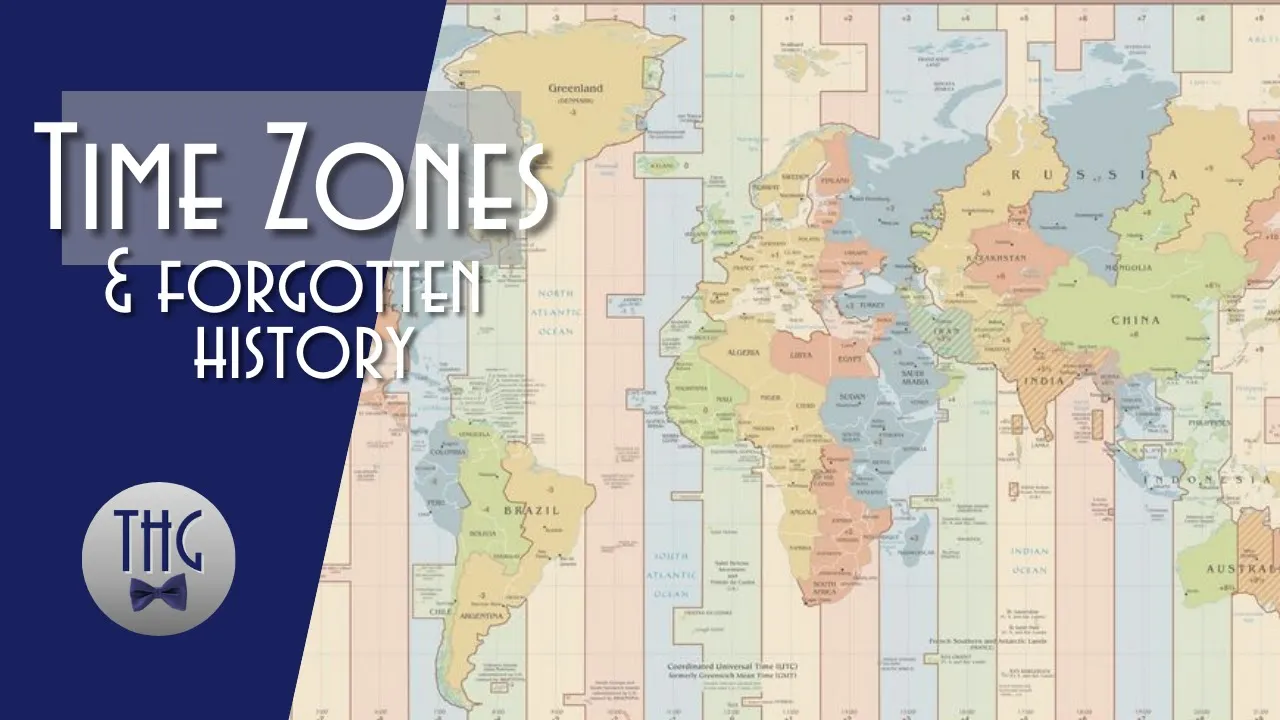
Modern synchronization technologies, including Atomic Clocks, Coordinated Universal Time (UTC), and Network Time Protocol (NTP) used in global telecommunications and computing.
252.4K views2Klikes3:35Original Release: 2013-02-05
Transcriber: Andrea McDonough Reviewer: Bedirhan Cinar The development and spread of railroads across the United States brought a wave of changes to American life.
During the railroad boom, thousands of jobs were created, new towns were born, trade increased, transportation was faster, and the overall landscape of the nation transformed.
But, perhaps the most interesting change of all is the least known: the establishment of standard time.
Today, we know if it is 6:28 a.m. in Los Angeles, it is 9:28 a.m. in New York, 2:28 p.m. in London, 5:28 p.m. in Moscow, and 10:28 p.m in Tokyo.
No matter where you are, the minute and second are the exact same.
But, before the railroads, there was no need for a national or global clock, and each town kept its own local time.
So when it was 12 noon in Chicago, it was 12:07 p.m. in Indianapolis, 11:50 a.m. in St. Louis, and 11:27 a.m. in Omaha.
This worked just fine when the only modes of travel were horses or steamboats, but it became incredibly problematic when railroads came along.
How can you keep a train schedule when each town has its own time?
And how do you prevent collisions or accidents on the tracks if train conductors are using different clocks?
It doesn't really make sense to leave a station at 12:14 p.m., travel for 22 minutes, and arrive at 12:31 p.m.
In order to eliminate that confusion, the railroads of the United States and Canada instituted standard time zones on November 18, 1883 at noon.
It allowed the railroad companies to operate more effectively and reduce deadly accidents.
The American public, however, was not so quick to embrace this new change, as many cities continued to use their own local time.
Resistance was so strong that, in some towns, clocks would show both the local time and the railway time.
Imagine this conversation: "Pardon me, sir. Do you have the time?"
"Why yes, which do you need?
It's 12:13 local time and 12:16 railway time."
Ultimately, the logic of keeping a standard time prevailed, and the United States government made time zones a matter of law with the Standard Time Act of March 19, 1918.
Since then, there have been numerous changes to the time zones, but the concept of standard time has remained.
But, the United States was actually not the first to develop standard time.
The first company to implement the use of standard time was the Great Western Railway in 1840 in Britain, and by 1847, most British railways were using Greenwich Mean Time, or G.M.T.
The British government made it official on August 2, 1880 with the Statutes, or Definition of Time, Act.
But, while Britain may have been the first to establish standard time, it is Asia and the islands of the South Pacific that enjoyed the first hour of each new day.
The International Date Line passes through the Pacific Ocean on the opposite side of the Earth from the Prime Meridian in Greenwich where, thanks to trains, standard time was first used.
Trains have evolved over the years and remain a prominent form of transportation and trade throughout the world.
And, from the New York City subways to the freight trains traveling across the Great Plains, to the trolleys in San Francisco, they all know exactly what time it is.
And, thanks to them, we do too!
Up Next

66:55
The Longitude Problem and Harrison Clocks Maritime Navigation History
@Drachinifel
691.4K views•2023-05-24

33:02
The Great Schism of 1054: Causes and Consequences
@SacredCathedrals
113.5K views•2026-02-19

5:49
The 1947 Partition of India: Causes and Lasting Legacies
@TEDEd
4.6M views•2021-06-21

17:05
Understanding the Cold War: Superpower Conflicts and the Road to Détente
@OverSimplified
46.1M views•2019-01-24
Related Study Plans & Knowledge Roadmaps
Structured learning paths in History
history
Byzantine Iconoclasm: Theology, Art & Politics
01Foundations of Byzantium and Early Christian Images
02The First Iconoclasm: Leo III and the Crisis of Images
03Empress Irene, Nicaea II, and the Second Iconoclasm
+ 2 more learning modules
9h5 modules
Explore Roadmap
history
Iranian Revolution (Causes, Events & Legacy)
01The Pahlavi Dynasty and the Roots of Discontent
02The Spark of Rebellion and the Rise of Khomeini
031979: The Fall of the Shah and the Climax of the Revolution
+ 2 more learning modules
8h5 modules
Explore Roadmap
history
Mali Empire: Mansa Musa, Trade & Timbuktu
01Foundations of the Mali Empire
02The Trans-Saharan Gold and Salt Trade
03The Reign and Pilgrimage of Mansa Musa
+ 1 more learning modules
6h4 modules
Explore Roadmap
history
1947 Partition: Politics, Borders & Legacies
01Foundations of British India and the Divide
02The Political Negotiations and the Mountbatten Plan
03Drawing the Boundary: The Radcliffe Line
+ 2 more learning modules
8h5 modules
Explore Roadmap