



















![How Does Film ACTUALLY Work? (It's MAGIC) [Photos and Development] - Smarter Every Day 258](https://i.ytimg.com/vi_webp/TCxoZlFqzwA/maxresdefault.webp)
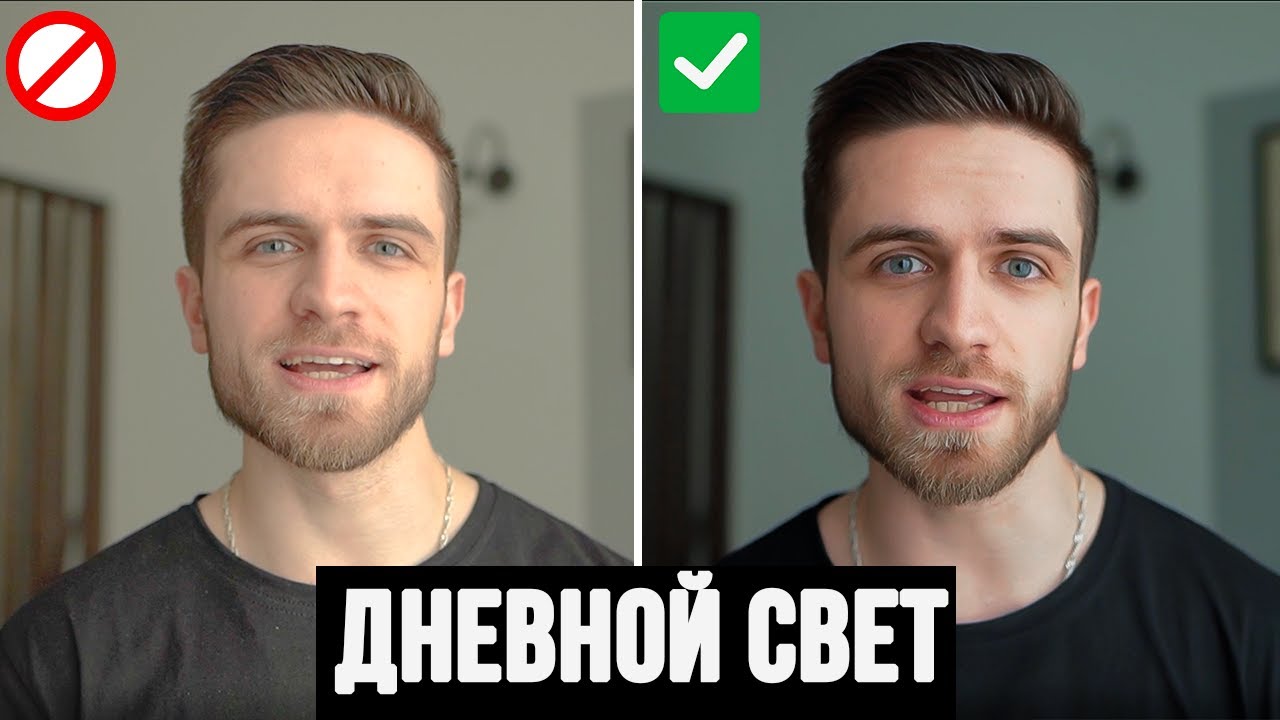
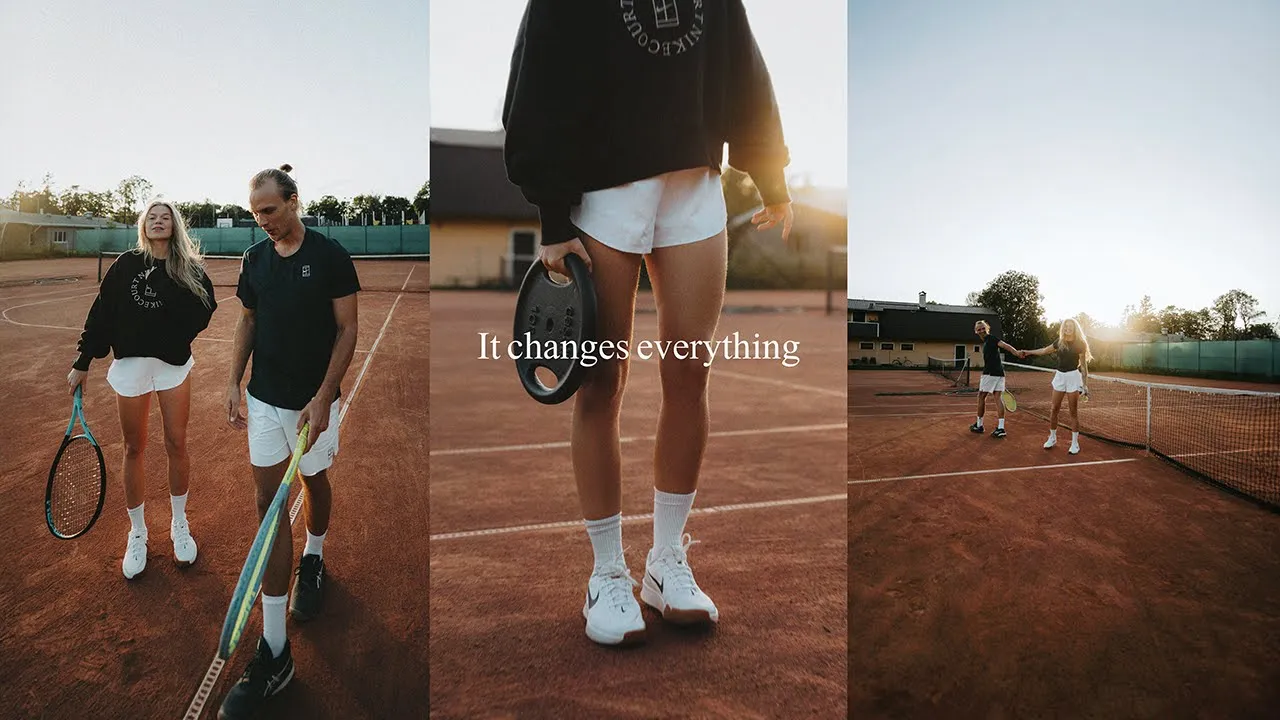
Golden hour is the period after sunrise and before sunset when the sun is low on the horizon, creating warm orange light at approximately 3,500 Kelvin due to reduced blue rays from atmospheric scattering; photographers should use longer lenses to avoid shadows, position subjects carefully to avoid facial shadows, and consider using reflectors for portraits, while film photographers should overexpose by 1-2 stops to compensate for rapidly changing light conditions.
Golden Hour Film Photography Techniques and Photo Tips
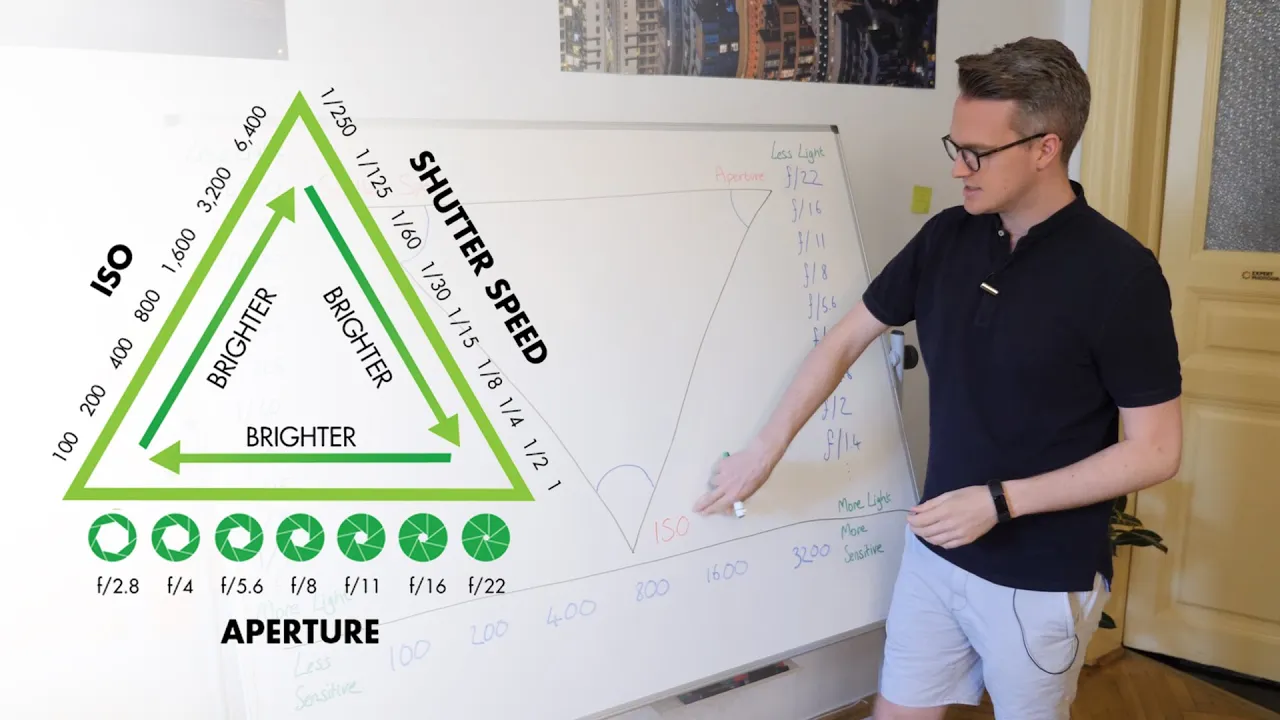
Added:The Exposure Triangle: Understanding how aperture, shutter speed, and ISO (film speed) work together to control exposure.
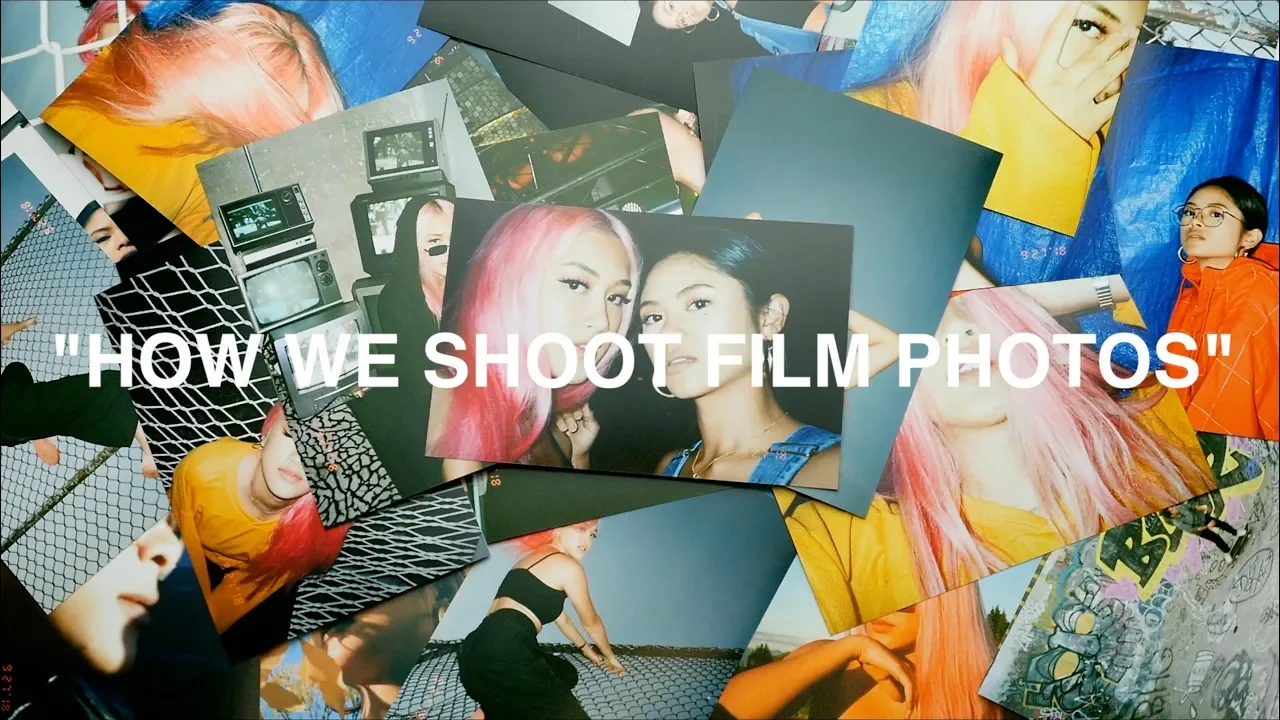
Basics of Film Photography: Familiarity with manual camera operations, film latitude, and how film reacts to light compared to digital sensors.
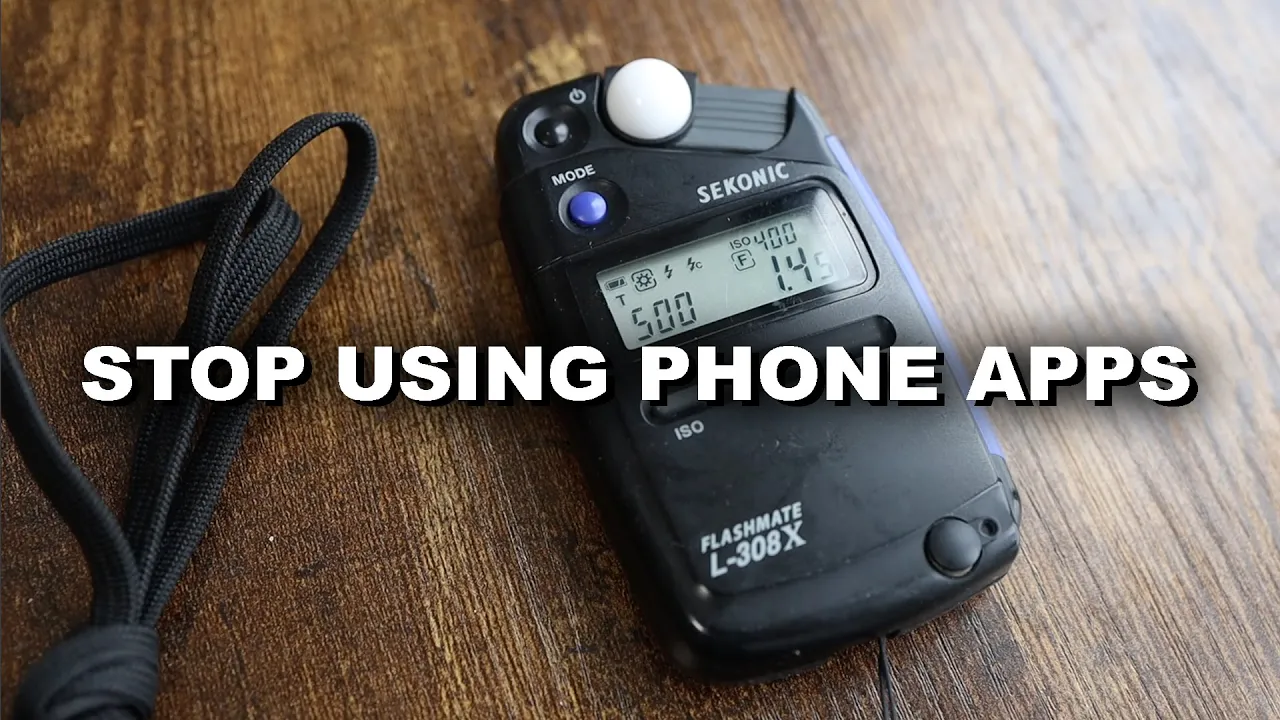
Light Metering Fundamentals: Knowing how to use an in-camera or handheld light meter to measure incident and reflective light.
Understanding Natural Light: Knowing how the time of day, sun angle, and weather affect light quality, direction, and color temperature.
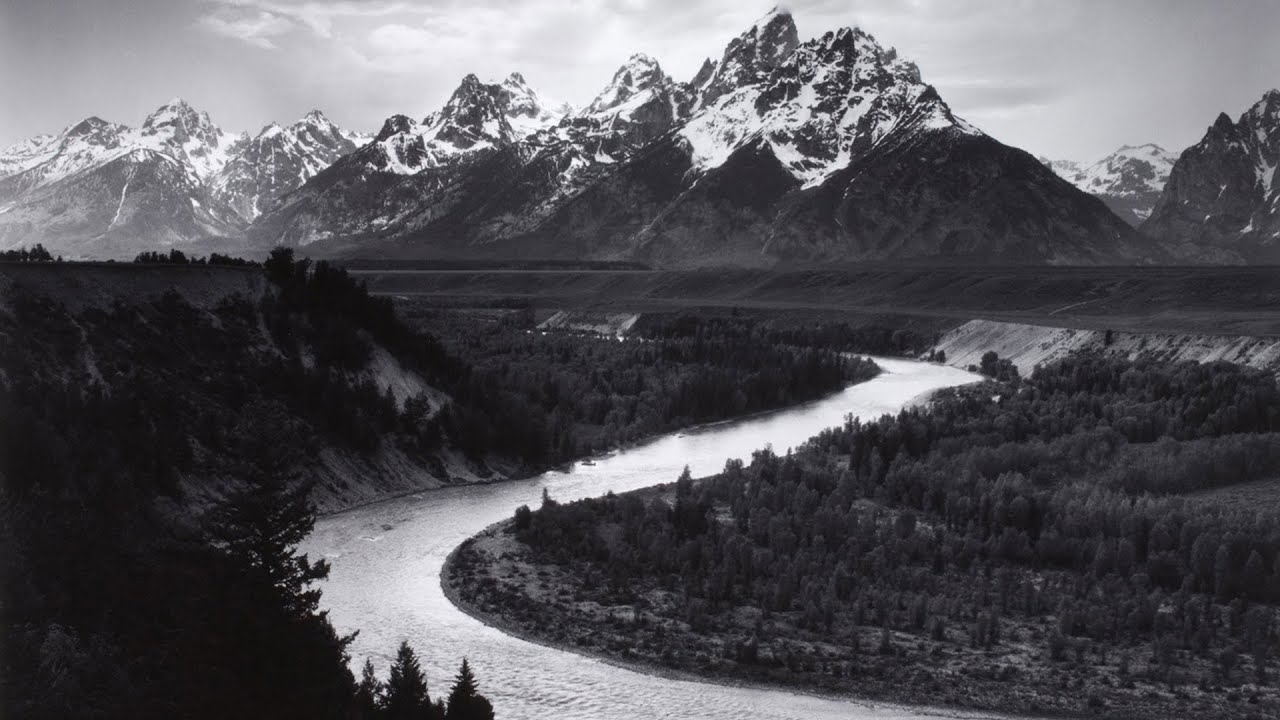
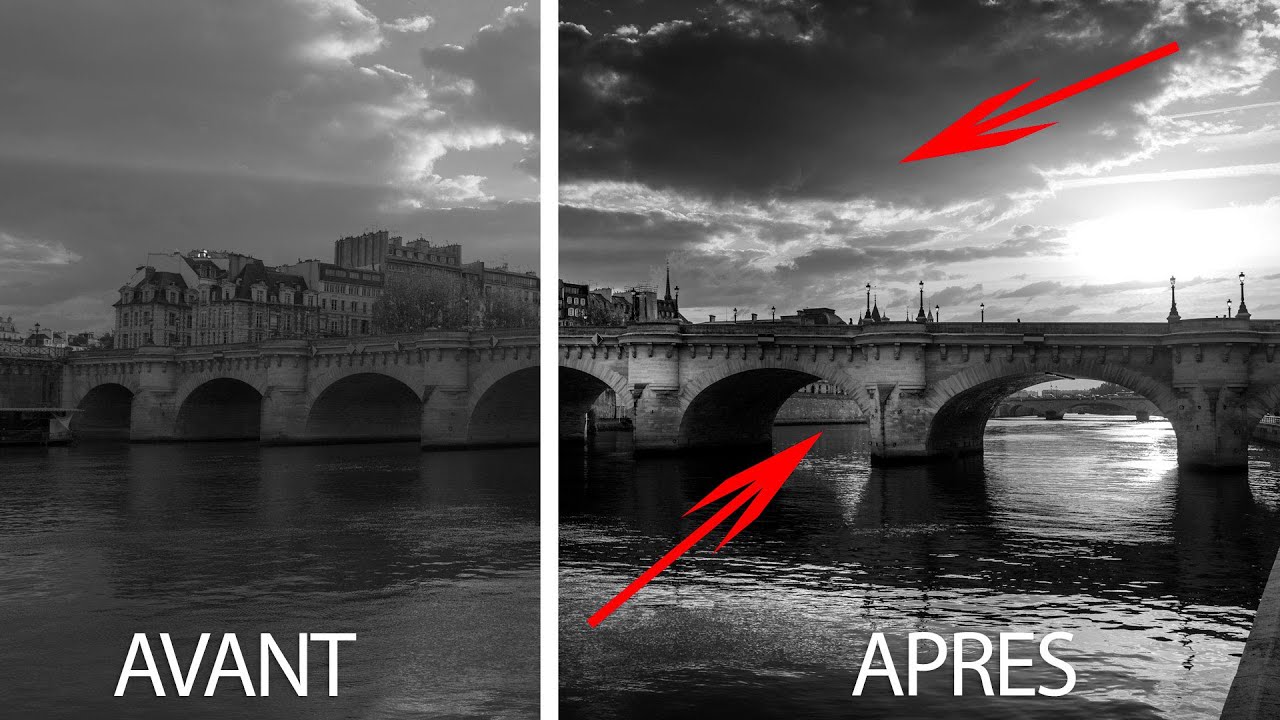
Ansel Adams' Zone System: Applying advanced exposure and development techniques to maximize dynamic range in high-contrast golden hour scenes.
Pushing and Pulling Film: Learning how to alter development times to adjust contrast and exposure index for low-light golden hour transitions.
Reciprocity Failure: Understanding how to calculate exposure compensation for long exposures as light fades into the blue hour.
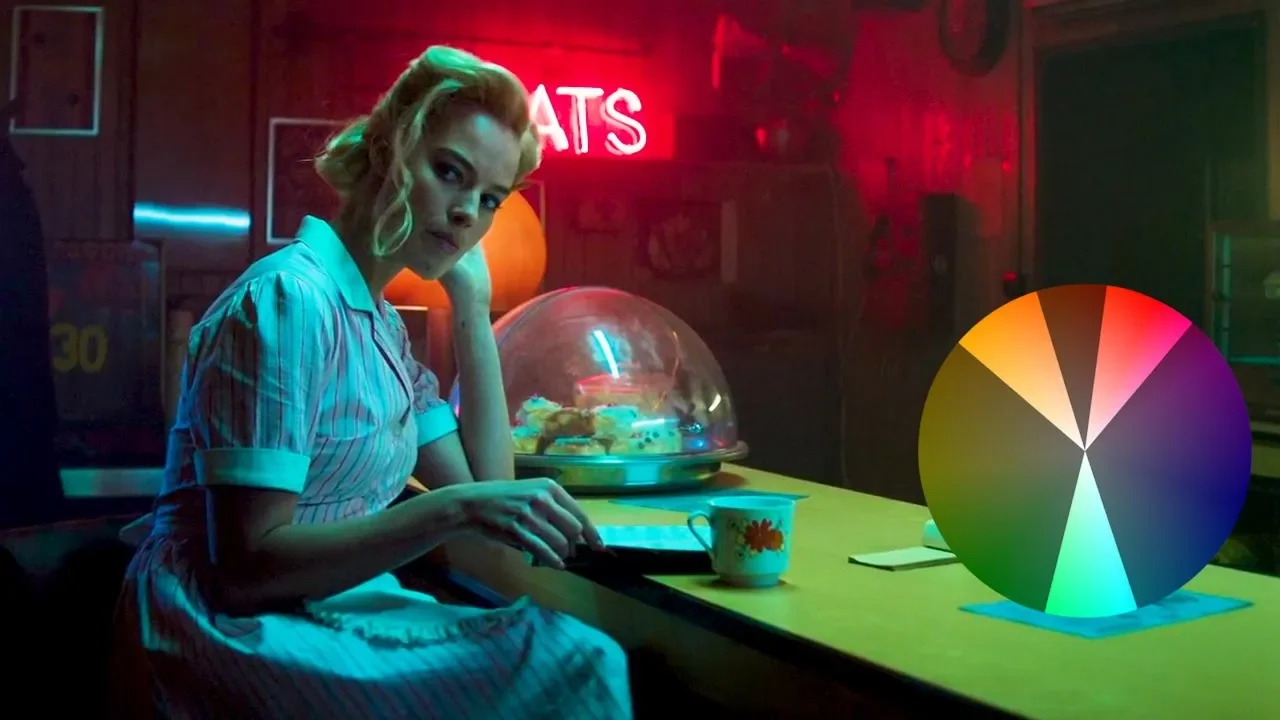
Color Theory and Film Scanning: Mastering post-processing and scanning workflows to accurately preserve or stylize the warm tones captured on film.
162K views1.6Klikes8:18Original Release: 2019-08-15
[Music] oh [Music] today we're going to talk about golden hour we're going to go over what it is exactly what i like to do when i'm out on a shoot and i recently took a bunch of photos on the mamiya rz67 i shot on portrait 400 and then i also shot a couple on lamography 800 and fuji pro 400h so i'm going to go over a little bit about those photos and then i'm going to talk about what i would have done differently first let's talk about what golden hour is first thing you should know is that golden hour is not actually an hour long the time varies based on your relation to the equator so the closer you are to the equator the shorter the time you're gonna get and the phrase golden hour is really just talking about the time after the sun rises and then before the sun sets now you've seen what golden hour looks like before in some of your favorite movies this is really one of the most magical times of the day and filmmakers like to make use of this because of how the light looks so what's happening is the sun is having to cut through more of the atmosphere and the blue rays are actually reduced which leaves you with that tungsten warmer orangey light it's going to actually be around 3 500 kelvin so if the sun is really low but it's still casting light on things then they're going to create longer shadows going the opposite way so if you're taking landscape photos or if you're taking portraits just know that if you're facing away from the sun you're gonna have a really long shadow so what i like to do is make sure i have a longer lens for my shoot usually you'll hear that it's better to shoot with a wider lens so that you can capture all of the golden hour beauty but for taking photos i like to use a longer lens the lower the sun gets the longer your shadow will be and the more likely it is to get in your shot if you're shooting with a wider lens so for this shoot i used a 110 millimeter it's the only lens i have for this camera but that roughly translates to like a 55 millimeter if you're shooting on a 35 millimeter camera so it's not exactly super long but it did allow me to kind of step back and be removed and not get my shadow in many of the shots now if you're taking portraits uh the hardest part about golden hour is figuring out where to position your model so for my portrait video last week it was just about golden hour enough to where the sun was on one side of kendall's face uh but it was blasting on her hair kind of creating that edge light that you see so anytime you have a model faced away from the sun and the sun is low kind of on the horizon you're gonna get a lot of shadow where their faces so it's important to consider bringing a reflector or any kind of white cardboard something to bounce light back on their face for this shoot i didn't really have anything so i just grabbed a reflector from the car but if you do decide to buy a reflector we like to use this westcott 40 inch reflector if you're able to get like a gold side like this uh this is better for the color temperature to match what the sun is putting on the opposite side of your subject now when we left the office i wanted to shoot some portrait 400 i'd shot lots of portrait 400 before but i just wanted to get a few like you know standard test shots for golden hour with the portrait and then right whenever we walked out we ran into a portrait shoot that was already happening and so i just asked them if i could hop in and and take the guy's photo [Music] i really like the way portrait handles the color green uh and he already had a really cool look with like his jacket and everything so we got really lucky so for the rest of the shoot we walked around and took pictures of the buildings there [Music] it was kind of this weird boarded up like log cabin thing that was lifted off the ground and it looked like they were going to move it but it's been there for a while so i took a photo of that and then i stepped back and decided to try to get the little bulldozer in the shot with it because i wanted to see the red and mix with the kind of rough looking house and then after that we kind of walked around i saw a couple buildings and that's when we realized that golden hour goes by really quickly we were not prepared especially because we were making a video and so we thought we could just kind of like walk around and shoot but in reality like we had little to no time once the sun actually started going down it was around like 20 minutes so i decided to come back another night but this time i was gonna go to a park near my house and i was shooting on fuji pro 400h now i've used this film a little bit but i haven't shot at golden hour so if you're shooting on film and you're metering be prepared to meter a lot because the light is changing so quickly i tend to overexpose by a stop or two when i'm shooting golden hour because a lot of times maybe i'll frame up a shot i'll meter and then i spend even if it's 30 seconds focusing and then maybe the light's gone down just a bit and so i like to over expose because the color film can handle just a bit of overexposure which brings up a photographer that i think is worth following his name is kyle mcdougall he's made a couple videos on youtube that are really good and they all handle overexposure and underexposure for film stocks so he's got a video on fortra he's got a video on ektar he's got a video on pro or fuji pro 400h which i shot a little bit of which i'll show you in a second um but his photos and his videos are really good really thorough and i recommend checking them out he's a really really good photographer and you should follow him on instagram if you're not already so just like the day before once the sun started setting and golden hour hit i realized that i didn't have as much time as i had wanted to especially because i didn't scout the place at all [Music] now because golden hour happens in the morning and then at night i would recommend if you're taking landscape photos to take those in the morning here are the reasons why nobody's out it's too early businesses are closed if you're trying to take pictures of businesses there are less cars out on the street so you can get places that you maybe normally couldn't go in like the middle of the day or at night now if you're wanting to shoot street photography or portraits i recommend doing that at the end of the day you'll have a way bigger selection to shoot from more people will be out and you'll most likely be able to get people to agree to do a portrait shoot later in the day versus first thing in the morning so over on the field there were some kids playing soccer which i wanted to try to get a shot of [Music] now i wanted to see how the fuji pro would handle the color red so i just took a shot of the curb but i actually ended up liking that photo a lot there were also some guys playing basketball near me um and it would have been perfect but i just could not work up the guts to go over there and ask if i could take their photo it's really hard to ask a stranger if you could take their photo now i'm going to be going to dallas soon to take some golden hour shots of some of the older buildings down there so be looking out for that that about does it for today guys let me know if you want to see me review any film stock or camera in the comments below all right i'll see the next [Music] [Music] you
Up Next

13:29
Cinematography Techniques: Shooting Golden Hour Night Scenes
@ScottTakai
189 views•2021-12-03

12:54
Triumph of Orthodoxy Icon: Byzantine Art & History Explained
@BenCallan
2.1K views•2024-08-06

9:49
FastAPI vs Flask vs Django: Choosing the Right Python Web Framework
@TechWithTim
302.5K views•2024-05-26

1:42
Game of Thrones Opening Credits: A Cinematic Analysis
@gameofthrones
46.3M views•2011-04-18
Related Study Plans & Knowledge Roadmaps
Structured learning paths in General & Interdisciplinary Studies
general-studies
Elevator Engineering: History, Physics & Cities
01From Hoists to Safety Brakes: The Dawn of Vertical Lift
02Hydraulic vs. Traction: The Engineering Physics of Elevators
03Modern Speed, Safety, and Algorithms
+ 2 more learning modules
12h5 modules
Explore Roadmap
general-studies
Rubber: Material Science, History & Geopolitics
01Origins of Natural Rubber & Mesoamerican History
02The Chemistry of Natural Rubber & Vulcanization
03The Geopolitics of the Rubber Boom & Colonization
+ 2 more learning modules
12h5 modules
Explore Roadmap
general-studies
Containerization: Evolution, Logistics & Trade
01Ancient Trade & Bulk Cargo: Amphorae to Barrels
02The Industrial Revolution & Cardboard Packaging
03The Containerization Revolution: Malcom McLean
+ 2 more learning modules
12h5 modules
Explore Roadmap
general-studies
Textile Tech: Evolution, Labor & Global Impact
01Pre-Industrial Textiles: Handloom & Cottage Industry
02Mechanization: The Spinning Jenny to the Power Loom
03The Factory System & Global Labor Transformation
+ 2 more learning modules
10h5 modules
Explore Roadmap