


![[Tutorial] Cómo cargar o instalar librerias en Arduino](https://i.ytimg.com/vi/NAaWn0sA21U/hqdefault.jpg)









![Overview Tutorial Korg Wavestate [SYNTHESIZER][DEUTSCH][GERMAN]](https://i.ytimg.com/vi_webp/HGbR1cr-nxc/maxresdefault.webp)




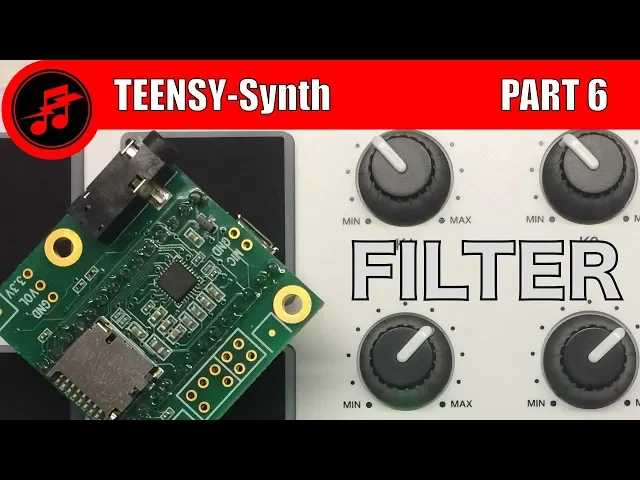
This video demonstrates how to build a DIY synthesizer using a Teensy 3.2 microcontroller and Teensy Audio Board. The process involves assembling the hardware by soldering double-decker headers to connect the audio board to the Teensy, then programming the device using the Teensy Audio Library System Designer tool to create audio circuits with oscillators, waveforms, and audio outputs. The tutorial covers soldering techniques, software setup, and testing the audio output to produce a simple ramped tone.
Teensy 3.2 DIY Synth Build: Audio Board Assembly & Test
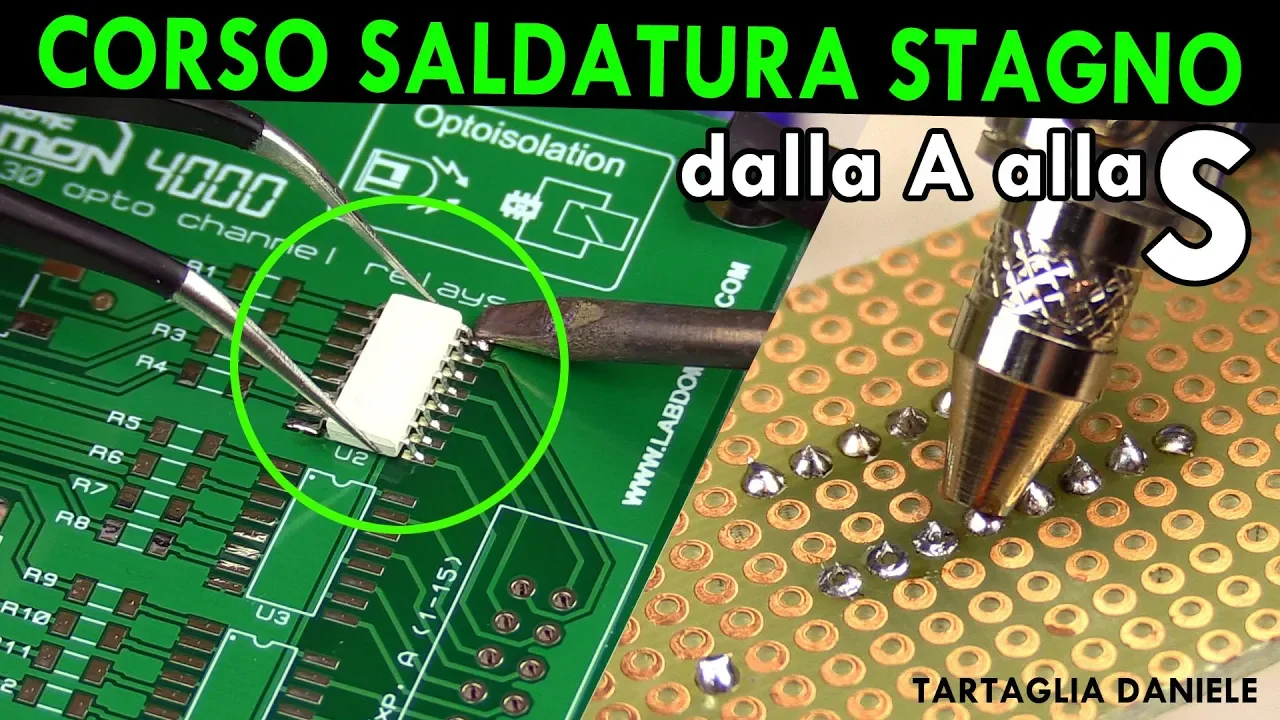
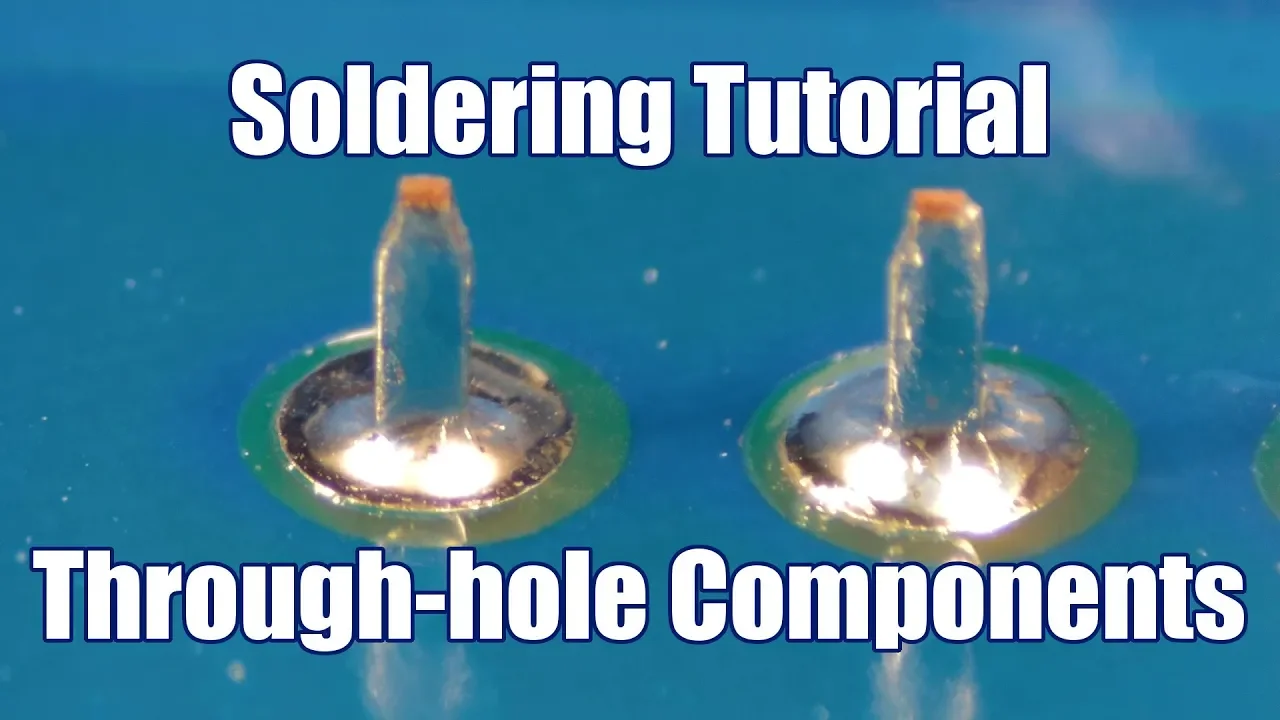
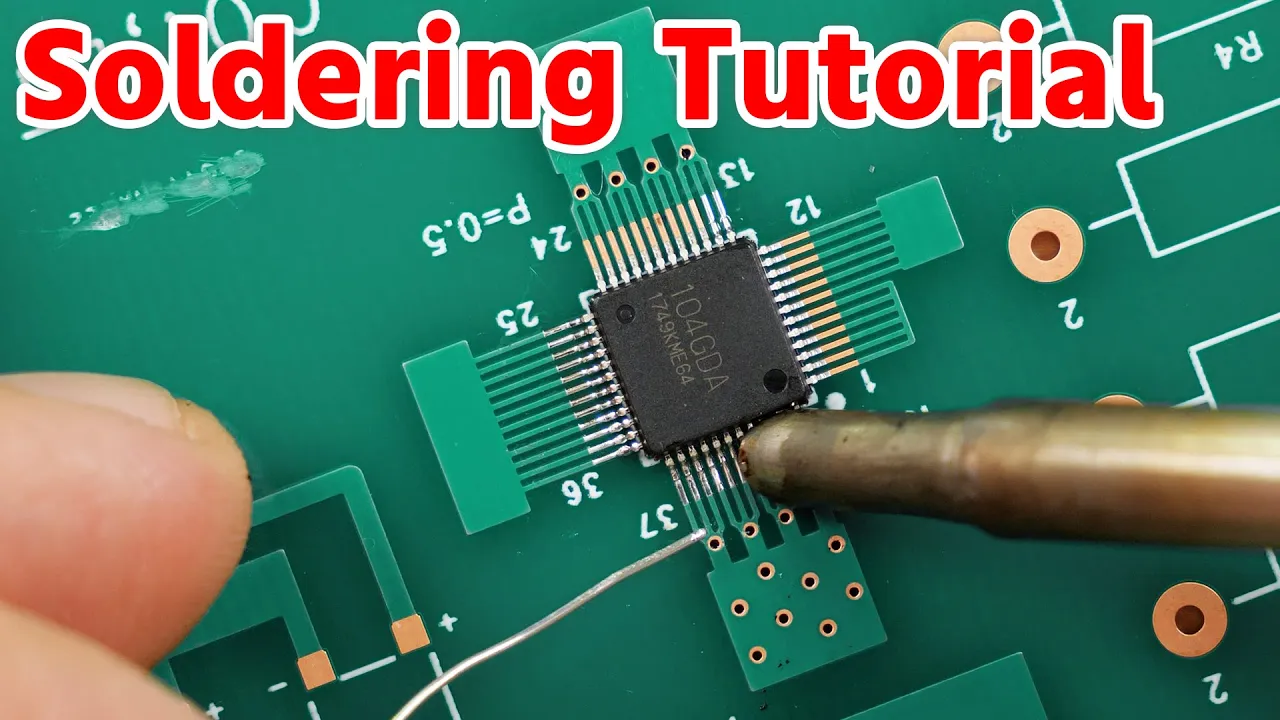
Added:Basic soldering techniques and electrical safety, including through-hole component soldering on printed circuit boards (PCBs).
Introduction to microcontrollers, specifically the Arduino IDE environment, library installation, and how to upload basic firmware.
Fundamentals of digital audio representation, including concepts like sampling rates, bit depth, and digital-to-analog conversion (DAC).
Understanding basic electronic components like headers, resistors, and integrated circuits, as well as reading simple pinout diagrams.
Advanced digital signal processing (DSP) using the Teensy Audio Tool, such as programming custom oscillators, ADSR envelopes, and filters.
Integrating physical controls like potentiometers, multiplexers, and rotary encoders to build a tactile hardware interface for the synthesizer.
Implementing the MIDI protocol over USB or DIN connectors to control the Teensy synthesizer using external keyboard controllers or DAWs.
Designing custom printed circuit boards (PCBs) and enclosures to transition the prototype into a robust, gig-ready instrument.
53.4K views1.1Klikes14:39Original Release: 2018-05-31
hey guys it's your pal Dave from notes and volts.com this month we got a really fun project we're going to take ATT 3.2 microcontroller and turned it into a really cool DIY synth [Music] [Applause] [Music] [Applause] [Music] to do this project you're going to need the following a TT 3.2 microcontroller a TT audio board and also two of these double-decker headers that you can also buy it the teensy website these are going to allow us to mount the audio board to the teensy and leave a little space in between and also leaves the pins on the bottom so if in the future you want to breadboard it or attach some other components to it you can easily do that but first of all we're going to need to assemble this alright let's begin assembly first grab your three components the teensy three point to the audio board and the double-decker headers next grab your soldering iron and some solder and you'll want to use a soldering iron with a fairly sharp tip since the pads on the TSE are very small it's very important to make sure that the pins are straight when you solder them to the teensy so to make sure that they are we're going to use a breadboard to line everything up now insert the short side of the headers into the bottom of the audio board like this now place the teensy on the long side of the pins making sure that the labels on the audio board and the titi board match up now you want to place the whole assembly on your breadboard and push it in this will keep everything straight when you solder now we'll solder the top of the board I like to start with the four outer pins and then work my way around be very careful that you don't bridge two pins with solder and also make sure you don't touch any of the components on the board with the soldering iron you now I'll carefully remove the assembly from the breadboard by slowly rocking it back and forth until it comes out the last thing we need to do is flip the board over and solder the TT on the bottom you and that's it we are done all right so now that you have your team tee board all sorted up and ready to go we're going to run a simple test to make sure you've got it working okay so if you've never used teensy before it is very similar to an Arduino and uses the same Arduino software for programming but what you're gonna need to do is install the teen seed we know software that lets you program the teensy so you want to first go to pj RC comm and then go to the teensy tab and then go to getting started there's a good tutorial about how to actually upload the code to the teensy and if you go to this link you can get the teensy loader for your operating system and just follow the instructions install it and one suggestion I would suggest you just select all the libraries to install there's a lot of really great libraries in here and it's easier just to install them now than to do it later do the installation and check it all out and just try to upload the blink program to your TT first like a very simple program and that will make sure your tool chain is correct ok so once you've got that done you're gonna want to go here so PGA RC comm / TT / GUI and you'll get to this audio library system designer tool this tool is really great and makes using the audio library a lot simpler so let's build up a very simple circuit with an oscillator and see if we can test this thing out okay so the first thing we're going to want to do is go to the output section now if you put your mouse over each thing you can actually get a little info on it but we want to use this I to s output device and that's the audio board that we have for our TT just click it and drag one of those onto the screen and you notice that it has two inputs which are left and right stereo now we're gonna scroll down to the cent section and we're gonna take a waveform object and you can see the waveform objects lets you generate all the standard waveform sine saw reverse saw square triangle and what-have-you so we'll drag one of those and that's going to be our sound source our oscillator now finally we need to go all the way down and you see the control section we need to drag one of these sgt l5000 and you can see by the info card the sget l5000 is the chip on the audio shields and we just drag that on to the screen we're not going to connect it to anything there's no connections available it just needs to be there now we'll actually make some connections so touch this little point at the end of waveform and drag a line and connect it to this upper input and then go to the same thing drag a second line and connect it to the lower input so we're taking this mono source and we're going to split it into stereo and that's it now all you have to do is go to export and you'll get all the code you need to initialize these objects and just copy and you can paste it in your Arduino software I've already done this for you so follow the link in the description to download this test program it's called teensy synth part 1 open it up in your Arduino software now all this is the code we generated in the in the system design tool and I could just replace this I'll delete it just to show you and I'll replace it with what we came up with and we'll even kind of follow follow the logic here so you can see we have a an audio synth waveform object which is this guy here we have our audio output I to s which is this guy here we have two patch cables audio connection rate patch cord one which is from waveform one which is this output - I - s1 which is this input and then we have a second patch cord patch cord - it's automatically named by the tool going from waveform one you I - s input 1 so we have 1 into input 0 1 into input 1 and then finally we have our audio control module which is just required to allow the software to talk to the chip on your audio board now if we go down to the set up so the set up I've just got a simple serial beginning not really necessary audio memory you need this and here we're enabling our objects ok so we basically got our our s GTL we're enabling it and then we're setting an initial volume level to 0.32 so this this range can go from 0 which is no volume to 1 which is full volume alright so we've got about 30% volume there then we're taking our waveform object and we're we're assigning it a sawtooth waveform type we're setting an initial amplitude of 0.75 once again this goes from 0 to 1 so that's about 75% we've got a frequency of 50 that's 50 Hertz which is very low tone and we've got a pulse width of 0.15 once again that goes from 0 to 1 so if we just had this we would actually hear that 50 Hertz tone coming from the board but I wanted to make a little more interesting for you guys so what we did is we've got a for loop we're taking our frequency variable from 50 Hertz to 500 Hertz and we're just kind of updating and increasing it so you're gonna get a raising kind of tone and I've got a little delay to kind of slow the ramp if I didn't have that delay it would just be you know so fast so we're kind of slowing it down a bit so you can hear a gradual ramp up and that's it that's our test circuit you may also notice that it's included the audio tool has included an SD card library in a flash library which we're not really using but you know it's fine we'll just we're not gonna get rid of it we'll leave it ok so now we're ready to upload the code what we need to do is plug in USB into the teensy and also an audio cable a 1/8 inch stereo audio cable into our audio boards Jack you'll need to plug this into powered speaker a mixer you know some kind of amplifying device and let's just upload so what we need to do is we'll go to tools we'll make sure our board type is set correctly teensy 3.2 and we can leave the type of serial leave everything else as standard you know make sure your port is correct so first of all a quick tip on using the teensy loader program if you click verify first it will test compile the code see if you got any errors but it will also pop up the teensy loader No and even though this is a small program it's taking a while to compile because of all the audio library things that are going on in the background so now it's it's compiled zero errors everything is good and you'll get your little titi programmer window this is the teensy loader program now go to the upload button and you see we're compiling the sketch and it's uploading and you notice we got a little message here says teensy did not respond to to the request please press the program mode button on your teens he to upload the sketch okay and that is located in here it's this little white button on the teensy board itself and because we used our tall headers I can kind of get my finger in there and there you go seems to be working fine so there's our little ramped up tone but it proves that your soldering job work the TSE is working fine your tool chain works and now we're ready to go on to some more complex stuff in the next part alright guys there you go so you've got a working teensy audio board now and in the next section we're going to look at how we can use software to change parameters on this and we're going to make a more complex since it with a few more oscillators some mixers a envelope and filters so until then I'd like to once again thank my patreon supporters who always appear up here without them none of this would be possible so thanks so much to them and I will see you next time [Music] [Music] [Applause]
Up Next
1:09
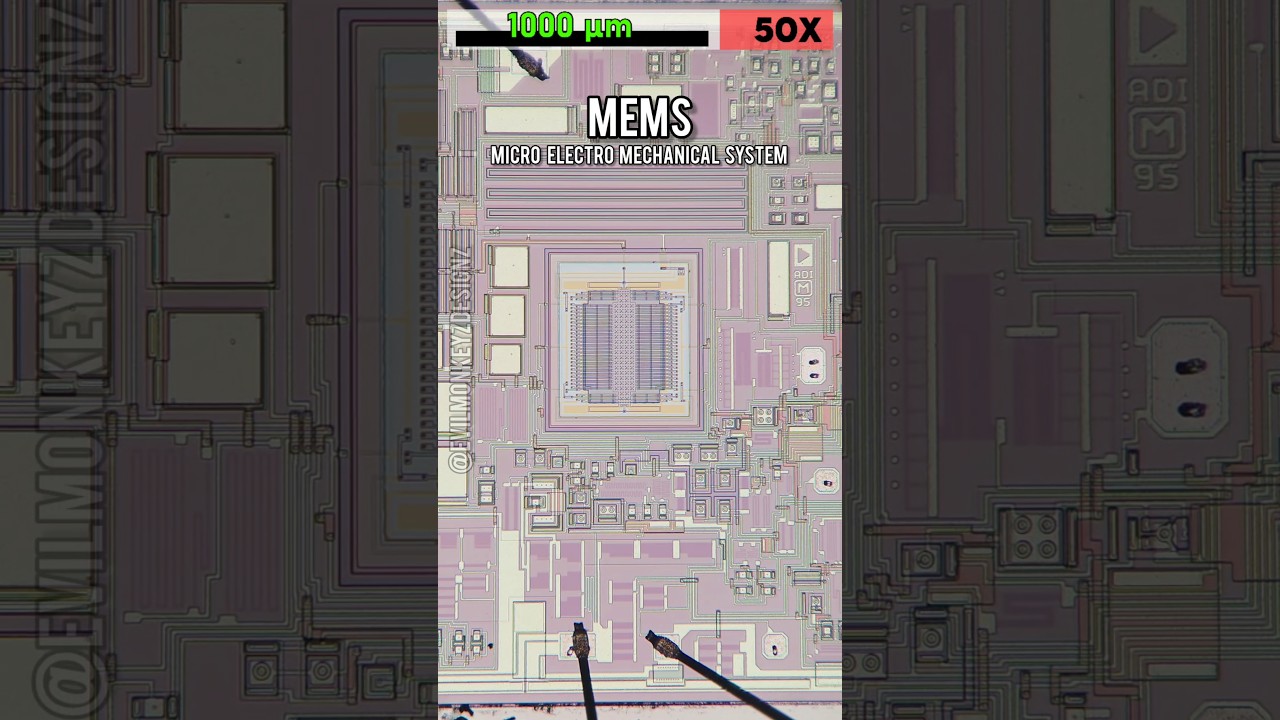
ADXL05 MEMS Accelerometer Teardown: 1996 Single-Axis IC Analysis
@EvilmonkeyzDesignz
3.7M views•2025-04-18
30:32
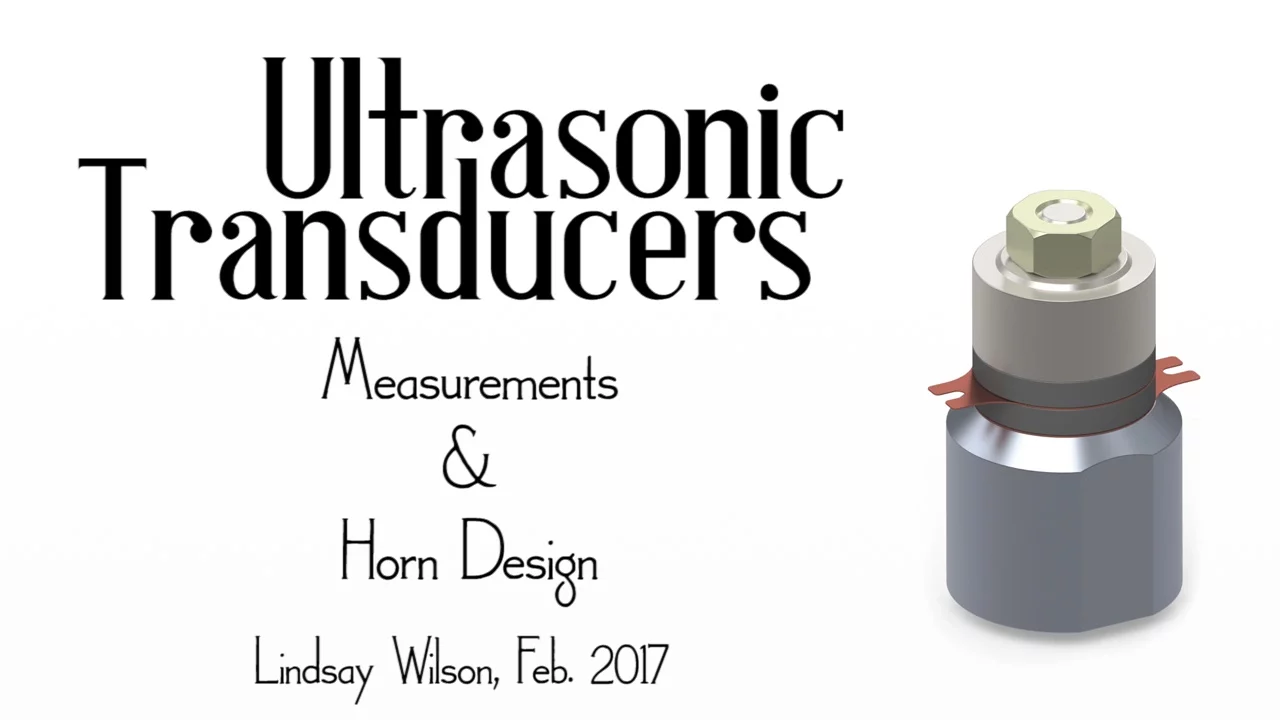
Ultrasonic Transducers: Resonant Frequency Measurement and Horn Design
@imajeenyus42
229.9K views•2017-02-22
54:16
Polymer Environmental Degradation: Mechanisms & Stabilization
@iit
1.8K views•2012-07-10
33:39
How a Student's Question Saved a NYC Skyscraper from Collapse
@veritasium
22.8M views•2025-04-26
Related Study Plans & Knowledge Roadmaps
Structured learning paths in Engineering
engineering
Building Acoustic Levitators: Physics & Arduino
01The Physics of Sound and Standing Waves
02Piezoelectric Transducers and H-Bridge Drivers
03Arduino Programming: Generating 40 kHz Signals
+ 2 more learning modules
14h5 modules
Explore Roadmap
engineering
Building Peltier Cloud Chambers: Particle Tracks
01Cosmic Rays & Cloud Chamber Physics
02Thermoelectric Cooling (TEC) Fundamentals
03Custom Liquid-Cooling Loop Design
+ 2 more learning modules
18h5 modules
Explore Roadmap
engineering
Yagi-Uda Antennas: Modeling, Build & VNA Test
01Introduction to RF and Antenna Fundamentals
02Yagi-Uda Antenna Design Principles
03Antenna Modeling and Simulation in 4NEC2
+ 2 more learning modules
18h5 modules
Explore Roadmap
engineering
ECG Monitor Design: Op-Amps, Filters & Noise
01Electronics & Breadboard Basics
02Op-Amps and Instrumentation Amplifiers
03Bioelectricity and ECG Fundamentals
+ 2 more learning modules
18h5 modules
Explore Roadmap