


![20220210[ID] Neuroanatomi Dasar Part 01 Feat. dr. Ihsan](https://i.ytimg.com/vi/N1Cbg2w8EtY/maxresdefault.jpg)





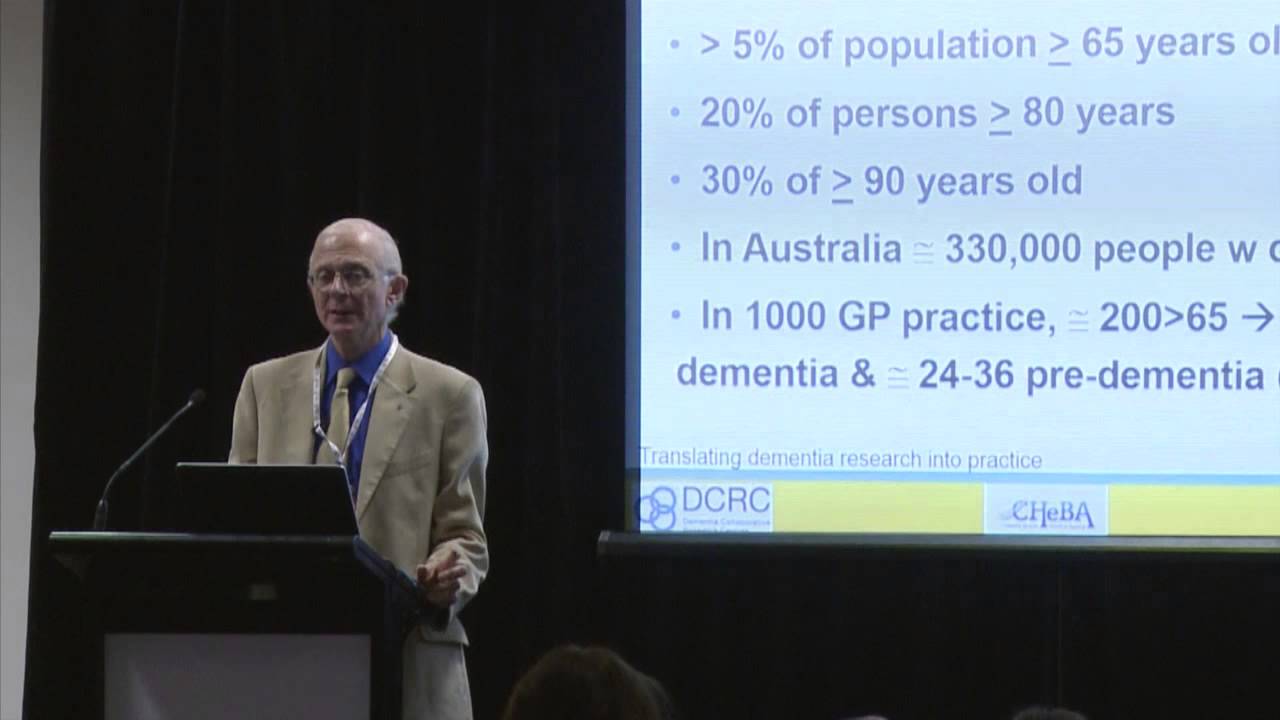





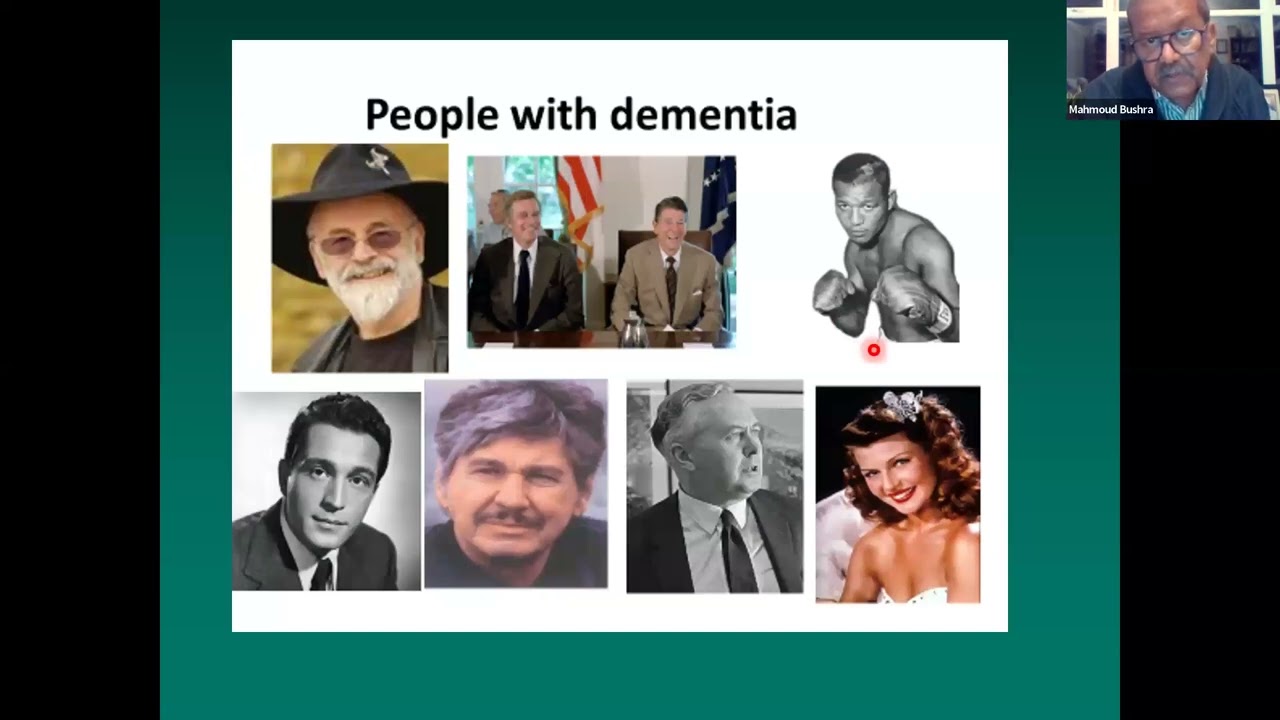
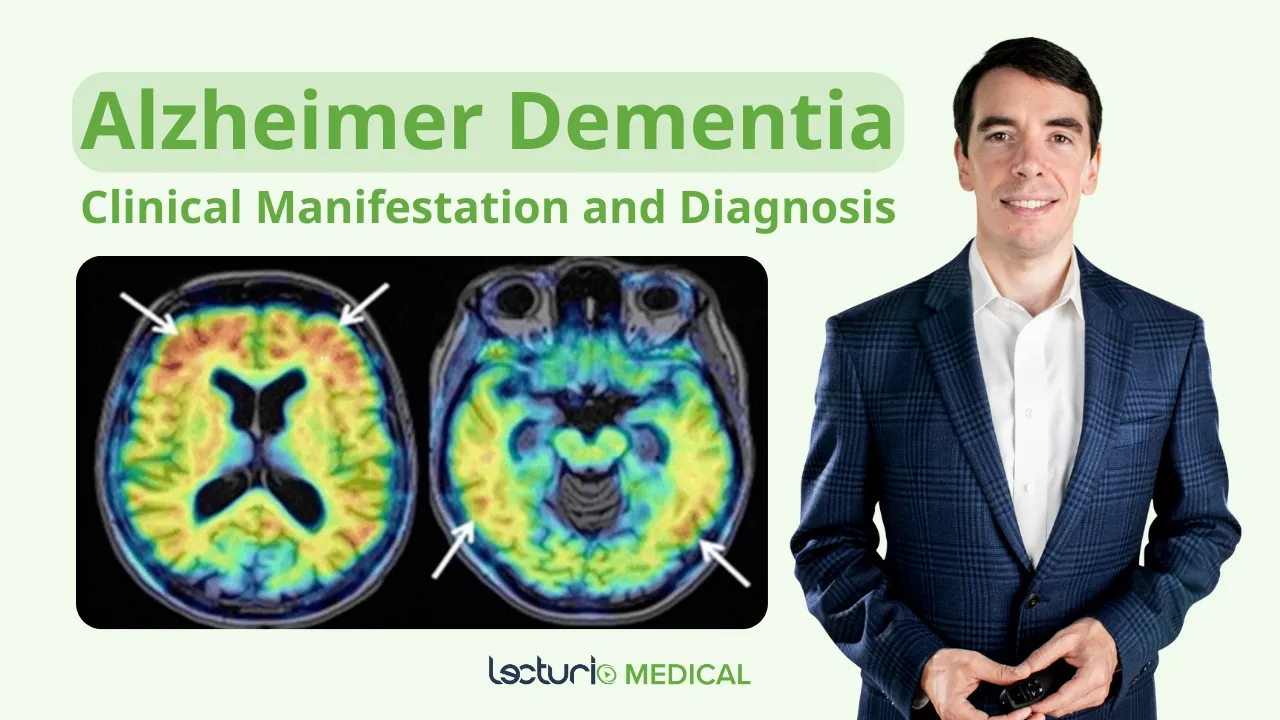
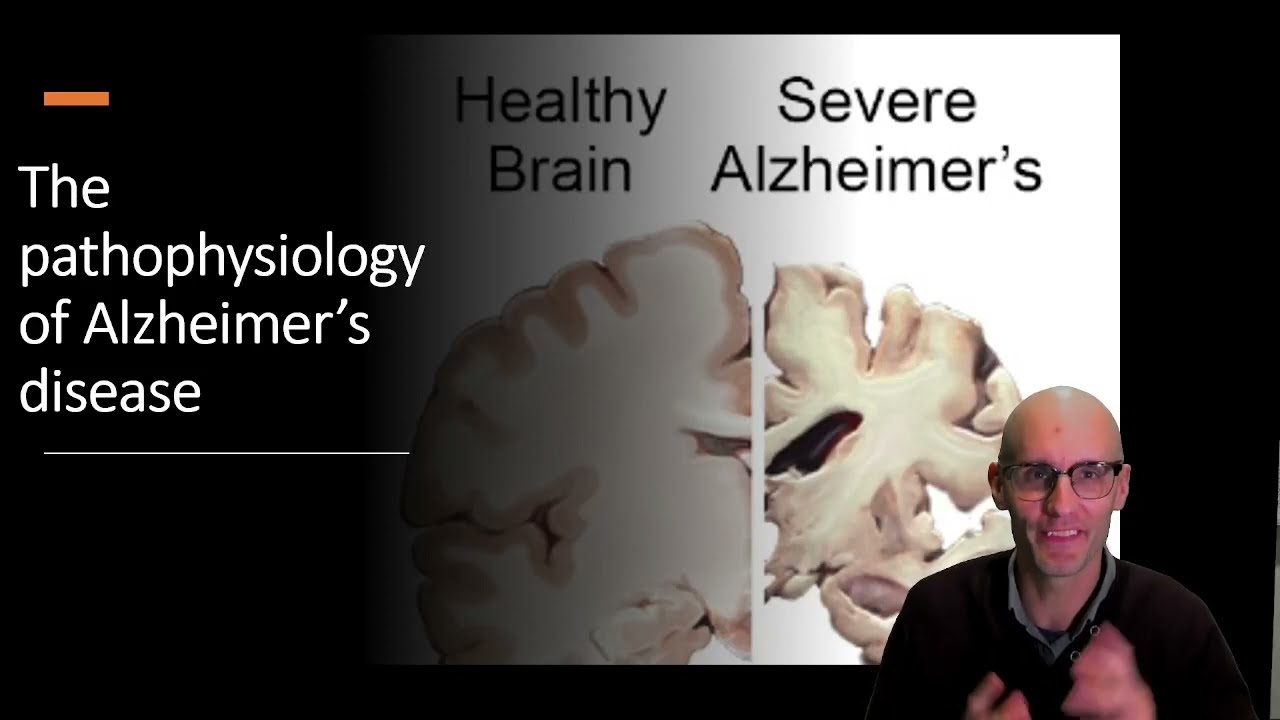








Normal aging involves occasional memory lapses like forgetting names or misplacing keys, while dementia involves progressive cognitive decline that impairs daily functioning; risk factors include vascular conditions (high blood pressure, diabetes), head injuries, depression, and family history, though most dementia cases are not strictly genetic; effective prevention includes regular physical exercise, cognitive stimulation, managing vascular risk factors, and avoiding harmful substances, while supplements lack proven efficacy.
Normal Aging vs. Dementia: Signs & Prevention
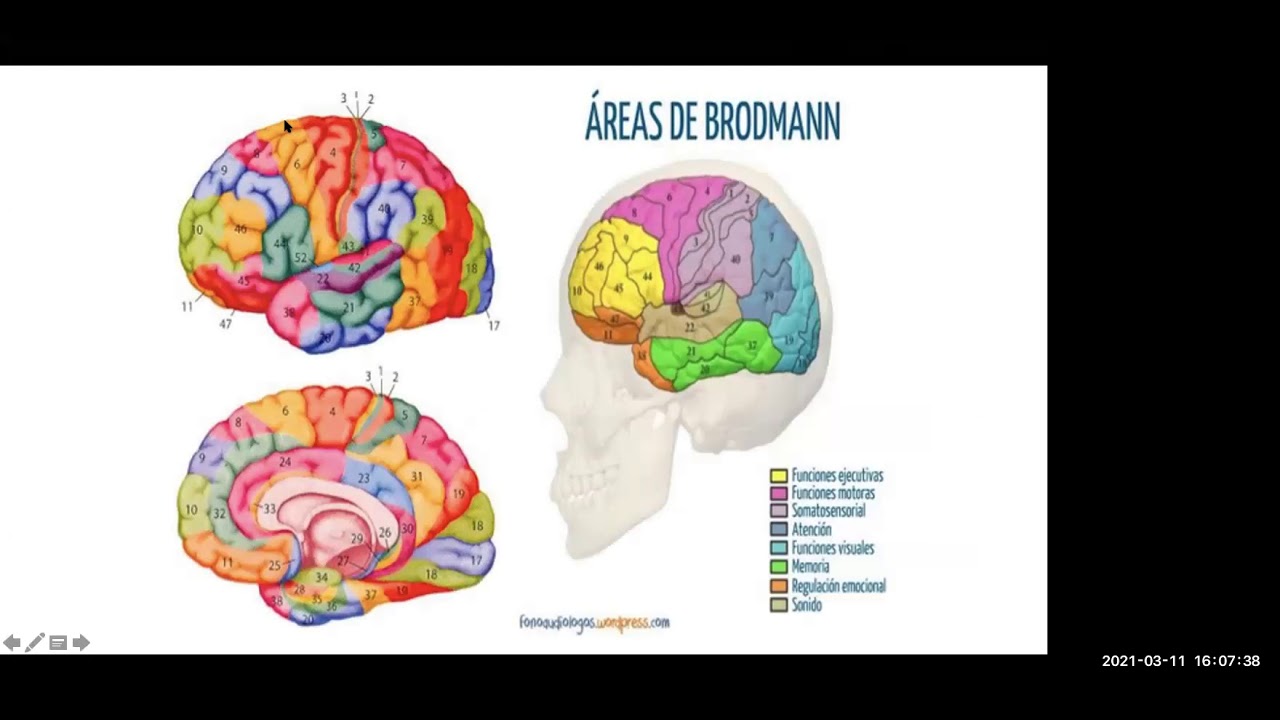
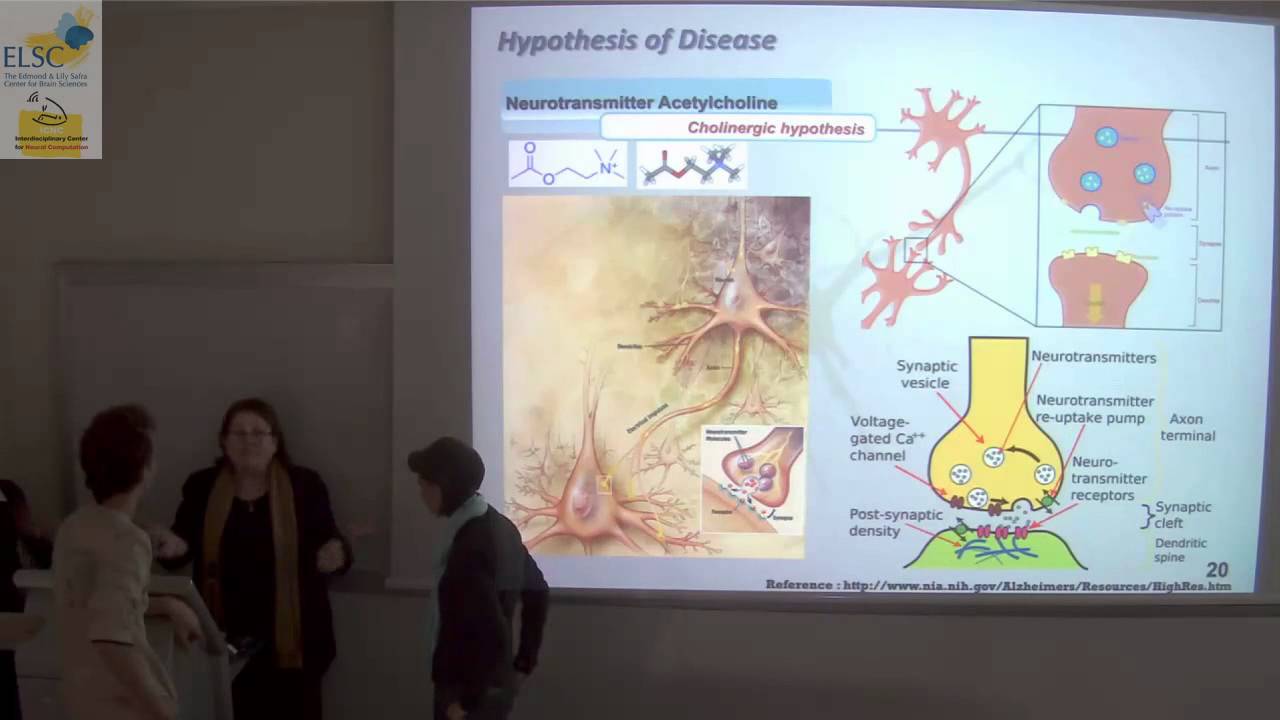
Added:Basic neuroanatomy and how memory processes work in the human brain, including the role of the hippocampus.
The conceptual distinction between normal age-related physiological decline and clinical pathology.
An introductory understanding of what dementia is as an umbrella term, as distinct from specific diseases like Alzheimer's.
General principles of lifestyle medicine, including how diet, exercise, and sleep affect overall organ health.
Clinical diagnostic criteria and cognitive assessment tools, such as the Mini-Mental State Examination (MMSE) and the Montreal Cognitive Assessment (MoCA).
The molecular and cellular pathophysiology of specific neurodegenerative disorders, such as amyloid-beta plaques in Alzheimer's disease.
Pharmacological treatments and non-pharmacological therapies for managing progressive cognitive decline.
The psychosocial and public health challenges of dementia care, including caregiver support frameworks and healthcare system capacities.
50.8K views32likes16:30Original Release: 2024-07-30
- As we get older, it's normal to experience some forgetfulness.
Drawing a blank on someone's name or misplacing your keys can happen to anyone, but memory loss affects different people to different degrees.
So how can we tell the difference between normal aging and more serious memory problems?
(bright upbeat music) Welcome to the "Healthier You Podcast."
I'm Dr. Ashlee Williams, and today, I'm talking with Dr. Angela Hsu, a board-certified geriatrician at Kaiser Permanente, seeing patients at our Tysons Corner location in the Memory Care Clinic about memory loss, signs of dementia, and how we can keep our brains sharp as we age.
Dr. Hsu, thanks so much for being here.
- Thanks, Ashlee, for having me.
- Thank you.
Okay, so what memory changes are considered a normal part of aging?
- Well, so first I wanna normalize the fact that we will all have some cognitive changes as we get older, as much as we hate to admit it.
Just like a computer will get glitchier after just a couple years, or our knees wear and tear, like, nothing works exactly the same after decades and decades.
And the same thing goes for our brain.
So some changes are expected and common things we'll see as we get older are, like, trouble finding a name or a word, or you walk into a room and you're like, "Why am I here?"
You know, or having more trouble multitasking.
These changes can be annoying.
They can be noticeably different than what we're used to, but they're not generally pathologic.
They're not necessarily predictors of more memory issues down the road.
We would consider these normal cognitive aging.
- I absolutely love the computer glitch analogy.
So how can you tell when there's something a little more serious going on with the memory loss?
- Yeah, I mean, when people come to see me, they wanna know the most serious thing.
Do they have dementia, you know?
And so just to define that a little bit, dementia is a clinical diagnosis we make when somebody has progressive cognitive decline that gets to a point that, you know, it affects their ability to do things and function, of course, that it's not due to another reversible cause.
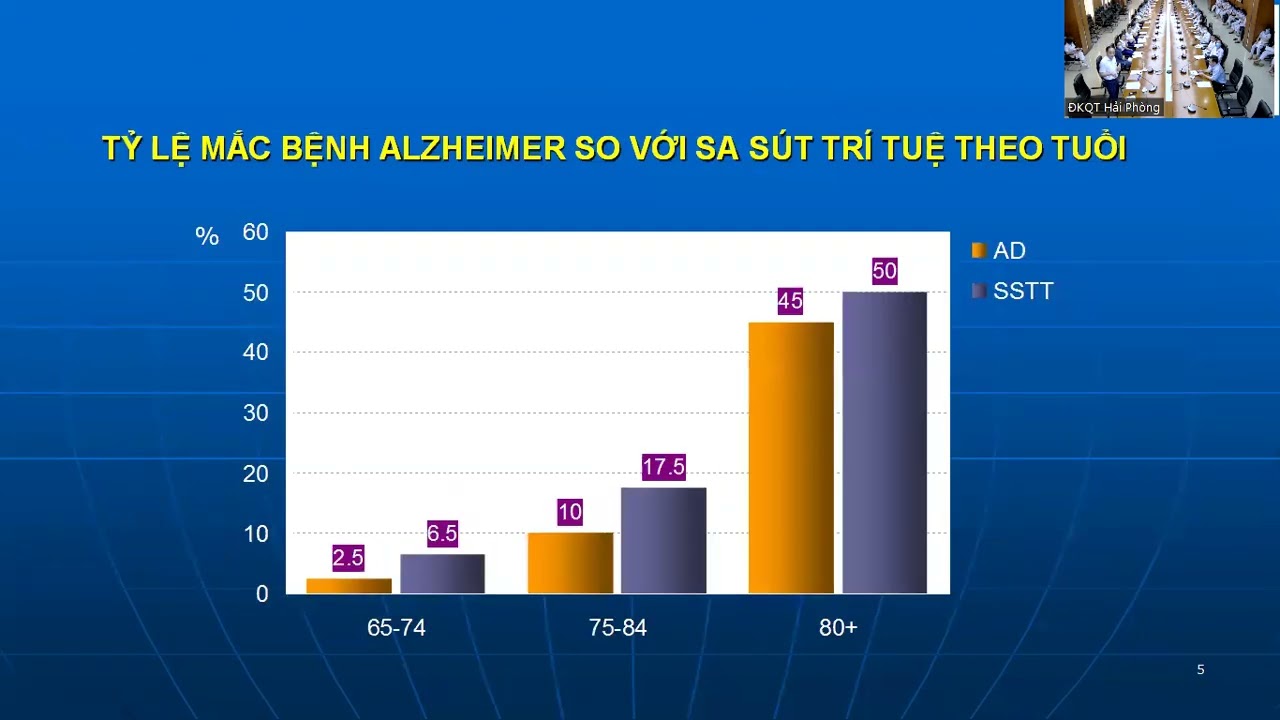
And you know, while this is actually really common, if we make it to 85, about half of us are gonna meet criteria for dementia.
It's not considered normal aging, and dementia is what people are usually worried about.
So when we're thinking about functions, the things that are affected first are the more complicated things we do in life, like driving or paying the bills, managing our medications.
But dementia does tend to progress over time, and that person will probably need more help with daily functions at different stages, like dressing or bathing, or maybe even in later stages, having trouble feeding themselves or walking or talking.
And it's all dependent on how the brain is changing, depending on how the brain's effected, you might also see behavioral changes, personality changes, hallucinations, agitation.
All of these things can be associated with dementia, and that's probably the worst of it.
But even short of having dementia, you might also see people who are definitely more forgetful than we would consider just normal aging like we described before.
But they're still functioning independently, even if it's more difficult to do things than it used to be.
And in that case, the diagnosis might be mild cognitive impairment.
And that basically means that, you know, you have cognitive issues that are more than you would consider normal aging, but it's not so bad that it's affecting your ability to do things.
Now, the prognosis of mild cognitive impairment is a little more uncertain.
About a third of people with mild cognitive impairment will eventually progress to have functional issues and develop dementia.
But the others in this group might just have aged more forgetful than normal and live out the rest of their life a little forgetful, but functioning fine.
Or some of them even might improve if the other issues affecting their memory can be taken care of.
So if mild cognitive impairment is due to hearing loss or mood issues or physical illnesses and those get better, your cognition can also improve.
- Okay, can you talk a little bit about what would put someone at risk for developing cognitive impairment or memory issues?
- So that's a great question.
And, you know, I think of cognitive changes as a result of kind of all the cumulative wear and tear our brain experiences over the course of our lives.
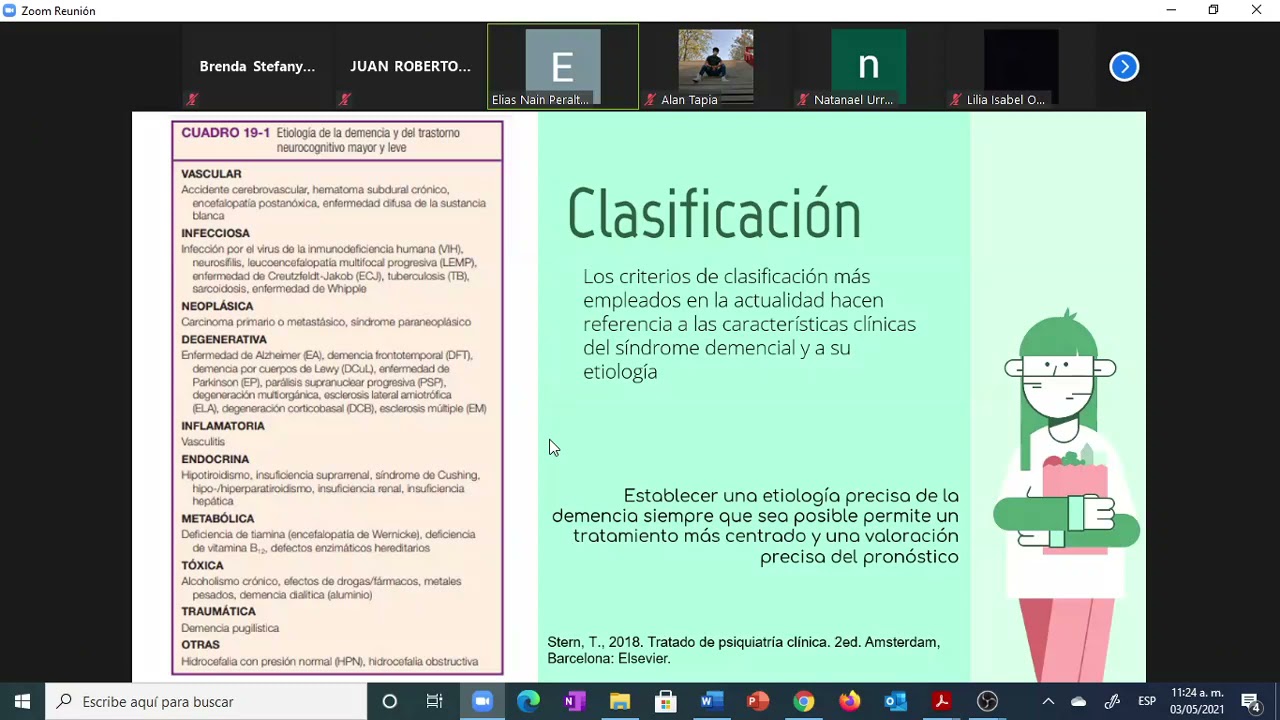
So this wear and tear could come from degenerative conditions, like Alzheimer's disease, which we consider the most common cause of dementia or other neurologic processes like Lewy bodies disease, frontal temporal degeneration, or Parkinson's disease.
Other common things that might cause damage to the brain include vascular disease.
And most people know that vascular conditions, like high blood pressure and diabetes, can cause chronic kidney disease, right?
But really, it can also cause chronic brain disease, and that can cause enough damage to lead to dementia on its own.
Strokes are maybe a more focal type of vascular brain damage that also leads to memory issues sometimes.
And I think most people can visualize that a little more easily.
But aside from these big categories, anything that has caused stress, inflammation to our brain can cause some damage that might contribute to our risk of dementia down the road.
Things like head injuries and concussions, football players get that, a history of depression, trauma, alcohol or drug use, infections, certain medications, vitamin deficiencies, inflammatory conditions, even air pollution has been associated with an increased risk of dementia.
So all of these can play a role, and for most people, the causes and risks of cognitive changes are multifactorial, which is one of the reasons there's no one silver bullet to fix dementia.
- Wow.
So on a personal note, my maternal grandmother, my late maternal grandmother had dementia.
So if you have a family member or a parent with dementia or Alzheimer's disease, should you be worried about a genetic component?
- Yeah, that's a really great question.
And my maternal grandmother also has Alzheimer's disease.
So this is something I've definitely thought about.
So there are specific gene mutations, like the ApoE4 mutations you might have heard about, that can run in some families and are associated with a significantly higher risk of Alzheimer's disease or earlier onset Alzheimer's disease.
And that exists, and we know about this mutation, but actually most cases of Alzheimer's disease are not associated with this gene mutation.
This doesn't mean that there's no genetic basis, but it means that there's probably something more complicated going on than one gene, and we don't really understand the full details.
And then aside from Alzheimer's disease, many of the other risk factors of dementia do run in families, like high blood pressure and diabetes and depression.
And then some other factors, like diet and exercise habits or household trauma, might also be shared amongst family members and contribute to this kind of familial pattern we might see.
So, you know, in general, I would say that if you have someone in your immediate family who has dementia from any reason, whether there's a gene mutation or not, I would consider you to have a higher risk of dementia than, say, the general population, right, which is not to say you'll definitely get dementia, but it means that you should focus even more on all the preventative measures you can take.
- Okay.
So looking at symptoms, when do you think it's time to visit a doctor when you're having memory concerns, or if you're concerned that someone in your family has memory issues?
- Yeah, so I think that if you are experiencing cognitive changes or someone close to you brings it up to you, you should definitely discuss it with your doctor, right?
Just bring it up to your doctor and see what your doctor thinks.
Often, your friends or family might be the first to notice cognitive or personality changes.
That could be early signs of dementia.
So as a geriatrician, I take these concerns from close contact very seriously.
And when we see patients in the Memory Care Program, we always recommend that they bring someone with them who knows them well for that reason, to get this kind of collateral history.
Because sometimes one of the symptoms of dementia is that you don't notice the memory loss that you have.
And I know that some people avoid seeing a doctor, you know, about memory issues 'cause either they're not worried about it or they feel like there's just nothing you can do about it, but that's really not the case, you know?
I think that even though there's no cure for dementia, there's lots of reasons to get it checked out.
For one thing, you know, there are some possibly reversible causes of memory loss that your doctor can evaluate you for to see if the situation could be improved.
So that would be really silly to miss, you know?
We also know that there are lots of things that you can do to kind of slow down the progression of the memory loss and prolong your independence.
So that's a good thing.
And then, practically speaking, I think having a diagnosis or evaluation earlier can help you plan and your loved ones plan for the future, right?
And allows you to participate in really important decisions about your medical care, your financial and legal matters, all these things that you wanna have control over.
And so having more information earlier helps you do that.
- Yeah, and I think it's really important when you are going to the doctor to evaluate these things that you do bring a loved one with you because they can kind of fill in the gaps, talk about some of the things that they may have noticed that you have not.
Can you briefly just talk about the Kaiser Permanente Memory Clinic and how it works?
- Yeah, so our Memory Program is designed to take care of memory evaluation and management and ongoing support for our older patients who are suffering memory loss.
So we are staffed by geriatricians, which is a specialty that I belong to, where we have extra training in taking care of older adults and all the geriatric syndromes, things that happen to older adults that involve complexity and listening to kind of a holistic approach of what the function is and how it impacts your life.
So memory is not something that happens to people in a vacuum.
And so we thought that holistic evaluation by a geriatrician is really valuable in this space.
And so when we do this, as I mentioned, you know, I like to talk to a family member or friend, somebody who knows you well, because getting some additional information, outside history, really helps me put the pieces together of what are the struggles, what are the difficulties?
Sometimes the family member's like, "I'm not worried at all.
"I think they're just stressed," right?
And that's helpful to hear.
And sometimes the patient is the one who's not worried, right?
And so, you know, we have to kind of put those pieces together along with your medical history, you know, notes from your doctors, the other evaluations, in terms of labs and your cognitive testing and your imaging to kind of figure out what's going on.
It's not always straightforward, but this is something that we do every day at the Memory Care Program, in addition to talking about some of the other things we'll discuss about prevention and things that really have an impact.
- Yeah, it's a great program.
So can you talk about what someone can do to improve their memory or avoid memory loss?
And do all these supplements we hear about on television, do they actually work?
(Angela laughs) - Oh, my gosh.
So these are things I talk about multiple times a day.
And truth be told, a lot of the things we do to prevent memory loss can sound really boring, but they're very effective actually.
So I think it's important to go over them, even though people say, "Oh, "that's just something doctors say," right?
So the first thing we wanna do is try to minimize more damage to the brain, if you can.
We talked about all that wear and tear.
If you can reduce how much wear and tear is happening in the brain, like, that would be good for you, right?
So, of course, that means not hitting your head or not drinking alcohol or taking harmful medications, but also just managing your medical conditions, like your hearing impairment or your depression, or especially the vascular risk factors, like high blood pressure and diabetes, like, these are so, so important to protecting your brain, okay?
And then aside from that, we wanna talk about the resilience of your brain, right?
Because it's not just the, like, pathology, biology, what's, like, structurally going on in your brain.
Your brain is an organ that can find ways to work, right?
So you wanna build up resilience of your brain to deal with all of these stressors that are inevitably going to happen to us throughout the course of our lives, right?
So actually, one of the most effective ways to build brain resilience is with physical exercise.
And so I recommend all of my patients do moderate intensity physical exercise 30 minutes every day to really get that blood pumping to the brain, right?
Get that blood flowing, nutrients going to the brain, oxygen going to the brain.
This has been shown reduce people's risk of dementia by 30 or 40%, which is as good as, like, any medication I can think of practically.
And not only does it reduce your risk of dementia, it also slows down your cognitive decline.
It can improve your memory.
So physical exercise is one of the number one recommendations I'll make for people.
And aside from physical activity, staying cognitively stimulated is also really important.
Your brain, if you think of it like a muscle, if you don't use it, you're gonna lose it, right?
And you wanna stimulate as many brain cells as you can to make new connections, build new bridges, right?
So that even if there is some damage, you have ways to work around it, right?
And there's no one brain activity that's better than another, but you wanna be using your brain every day, and you wanna have more brain connections to lose as you get older.
So things that are cognitively engaging could include puzzles and games, could involve art, music, dance, you know, think about what engages different areas of the brain than, you know, you're used to to challenge it a little bit.
- Everyone wants to know about the supplements, tell us.
- Everyone wants to know about the supplements.
So I was gonna get to the supplements, and I usually leave that towards the end because the news is not good, you know?
And in terms of supplements that are advertised, they might promise better memory, sharper focus, but there's really no data to prove that they work, you know?
And also, the FDA doesn't regulate any supplements, so we don't really know what's in them.
You know, could they be harmful?
Could they interact with your medication?
So with the lack of clear benefit, potential harm, it's not really something I recommend for patients at all.
- It's really good to know.
All right, well, thank you, Dr. Hsu.
- And that's usually the punchline.
- Yeah, this was all very valuable information.
We learned a lot about how to identify dementia and memory loss and keep our brains healthy as we age.
So here are a few top takeaways.
One, some memory changes as we age are normal.
It's common to have difficulties recalling or learning new information and feeling like words are on the tip of our tongue or briefly forgetting the day of the week.
Two, on the other hand, dementia is more serious and that impairs our ability to perform daily activities, which can worsen over time.
This can be from many things with Alzheimer's disease being the leading cause.
Three, friends and family often first notice signs of memory loss.
If you suspect that you or a loved one may have more serious memory loss, it is important to consult a physician for an accurate diagnosis because some memory loss causes can be treated and early diagnosis can help with future planning.
Four, Alzheimer's disease can be inherited, but most forms of dementia are not strictly genetic.
While age is the biggest risk factor for dementia, other risk factors for dementia can run in families and include heart disease, stroke, diabetes, high blood pressure, high cholesterol, excessive alcohol consumption.
Managing these risk factors can significantly reduce your risk of dementia.
And five, the best way to prevent memory loss is to keep your brain healthy and engaged.
Exercise, eat well, get enough sleep, learn new skills and hobbies, stay socially active and manage health conditions, like diabetes, high blood pressure, and blood sugar.
For more information about healthy aging from our experts, visit kp.org/doctor and listen to more episodes of "Healthier You" wherever you get your podcasts.
If you enjoyed this episode, be sure to share it with others who may find it helpful.
Thank you, and from all of us at Kaiser Permanente, be well.
(bright upbeat music)
Up Next

145:09
Pharmacological Management of Parkinson's & Alzheimer's Disease | Part 2 | Medical Lecture
@DoctorNajeeb
33.5K views•2023-04-16

48:47
Graphic Medicine: Comics for Collaborative Healthcare Communication
@nationalpatientadvocate
189 views•2023-12-04

10:28
Neuroanatomy: Central and Peripheral Nervous System Divisions Explained
@AKLECTURES
136.2K views•2014-09-20
3:05
Stages of Labor and Vaginal Birth | Childbirth Animation
@nucleusmedicalmedia
52.1M views•2017-08-18
Related Study Plans & Knowledge Roadmaps
Structured learning paths in Medicine
medicine
Abnormal LFTs: Diagnostic Workup & Pathology
01Liver Anatomy and Basic Physiology
02Introduction to Liver Function Tests (LFTs)
03Hepatocellular vs. Cholestatic Patterns
+ 3 more learning modules
12h6 modules
Explore Roadmap
medicine
Analyzing Blood Smears: RBC, WBC & Platelets
01Introduction to Blood Components & Smear Preparation
02Normal Morphology of Blood Cells
03Erythrocyte Pathologies & Morphological Variants
+ 2 more learning modules
12h5 modules
Explore Roadmap
medicine
Mechanical Ventilation: Waveforms & Alarms
01Anatomy and Physiology of Breathing
02Introduction to Mechanical Ventilation & Core Modes
03Ventilator Settings and Waveform Interpretation
+ 2 more learning modules
12h5 modules
Explore Roadmap
medicine
Neuro Exam: Localization & Stroke Syndromes
01Foundations of Neuroanatomy and Vascular Supply
02The Neurological Examination: Step-by-Step
03Principles of Neurological Localization
+ 3 more learning modules
18h6 modules
Explore Roadmap