















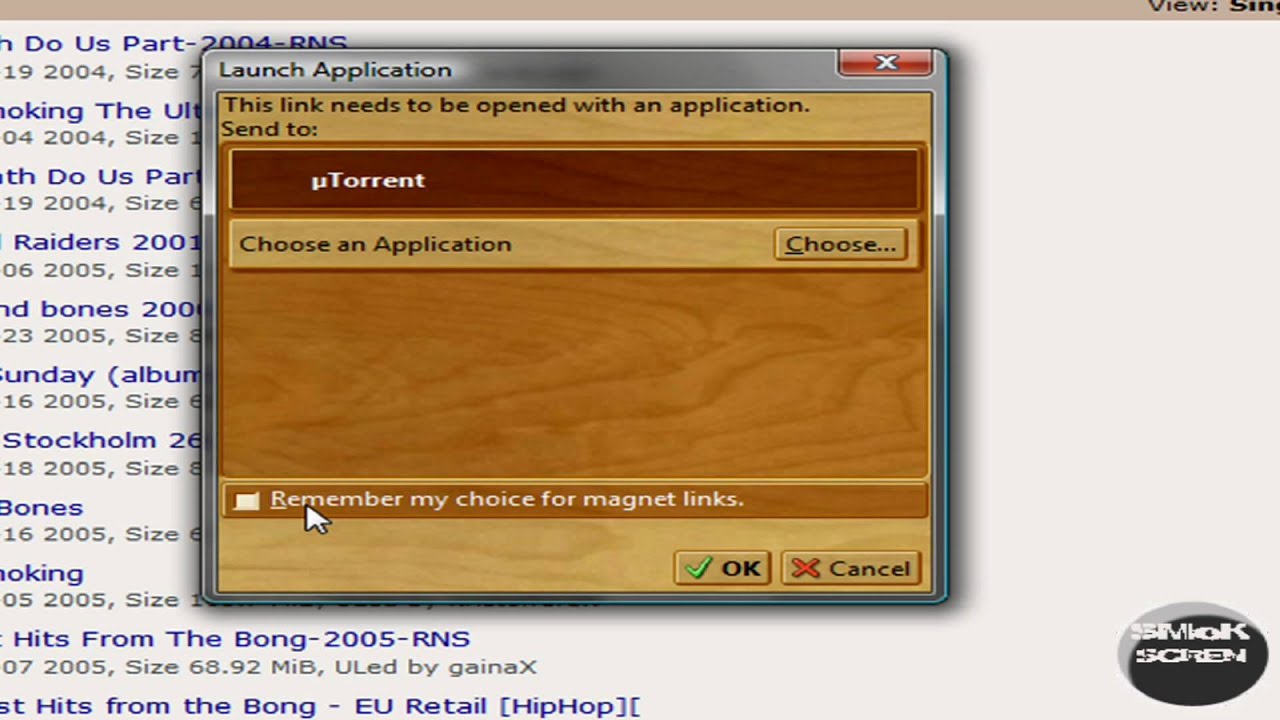
![#T14 - CF / COMO USAR O UTORRENT CORRETAMENTE PARTE 1 [ 2016 ]](https://i.ytimg.com/vi_webp/kKGKr5LYUDw/maxresdefault.webp)








BitTorrent is a decentralized peer-to-peer file-sharing protocol created by Bram Cohen in 2001 that enables efficient large file distribution without centralized servers; users download .torrent files containing file metadata and tracker addresses, then connect directly to multiple seeding peers to simultaneously download different file pieces while reporting their progress to the tracker, allowing them to become seeders themselves after completion.
BitTorrent Protocol Explained: How It Works and Its Uses
Added:Understanding of the traditional Client-Server network model and how it differs from decentralized networking.
Basic knowledge of TCP/IP protocols, IP addressing, port forwarding, and network sockets.
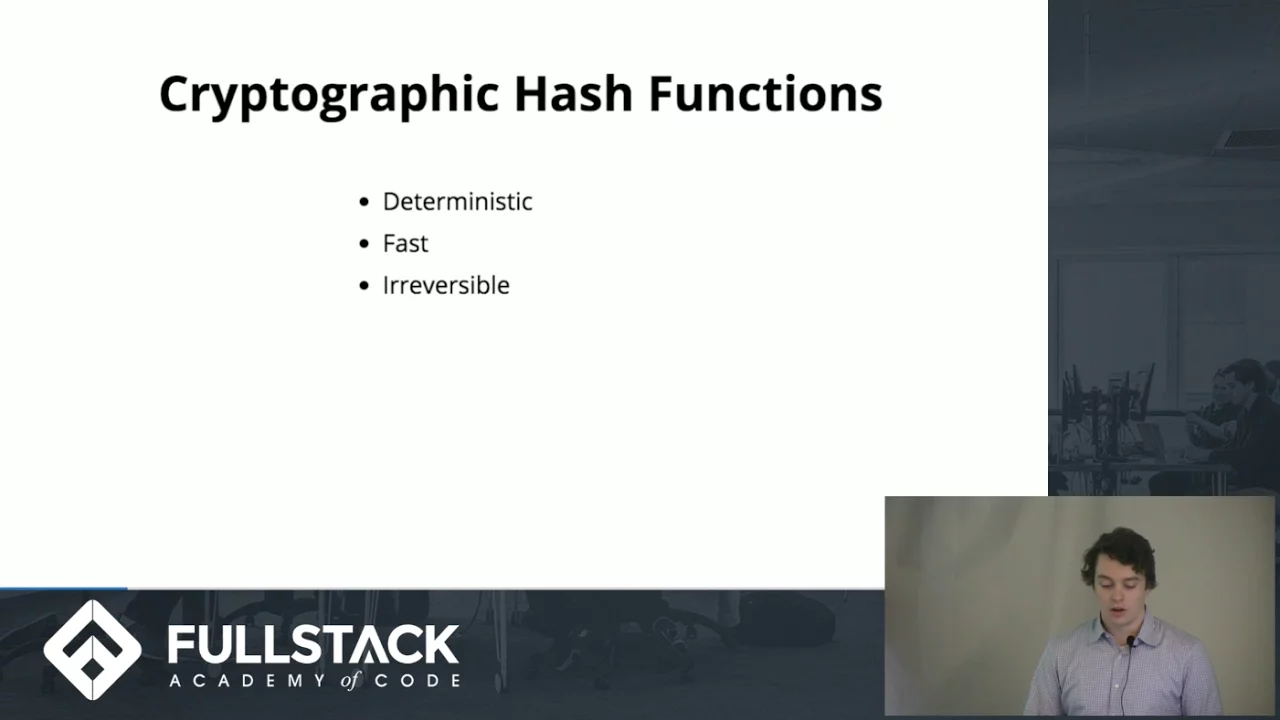
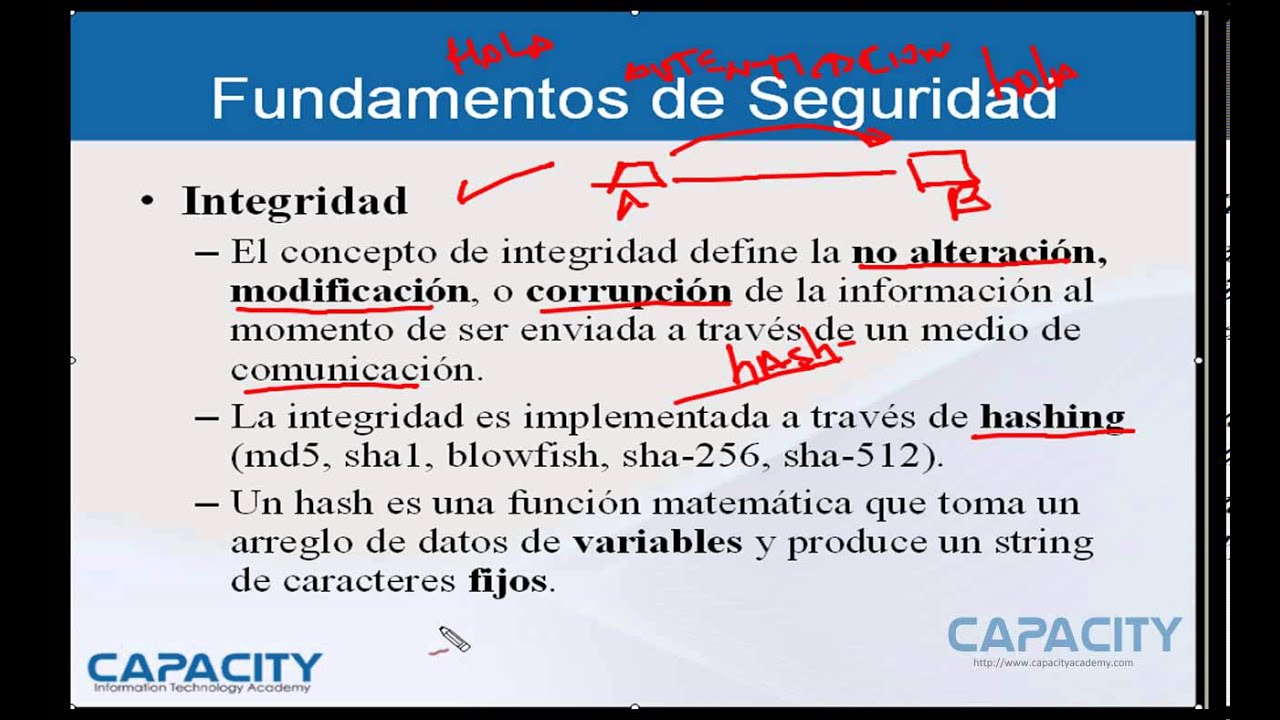
Familiarity with cryptographic hash functions (such as SHA-1) and their use in verifying data integrity.
An understanding of network bandwidth, specifically the asymmetry between upload and download speeds on standard internet connections.
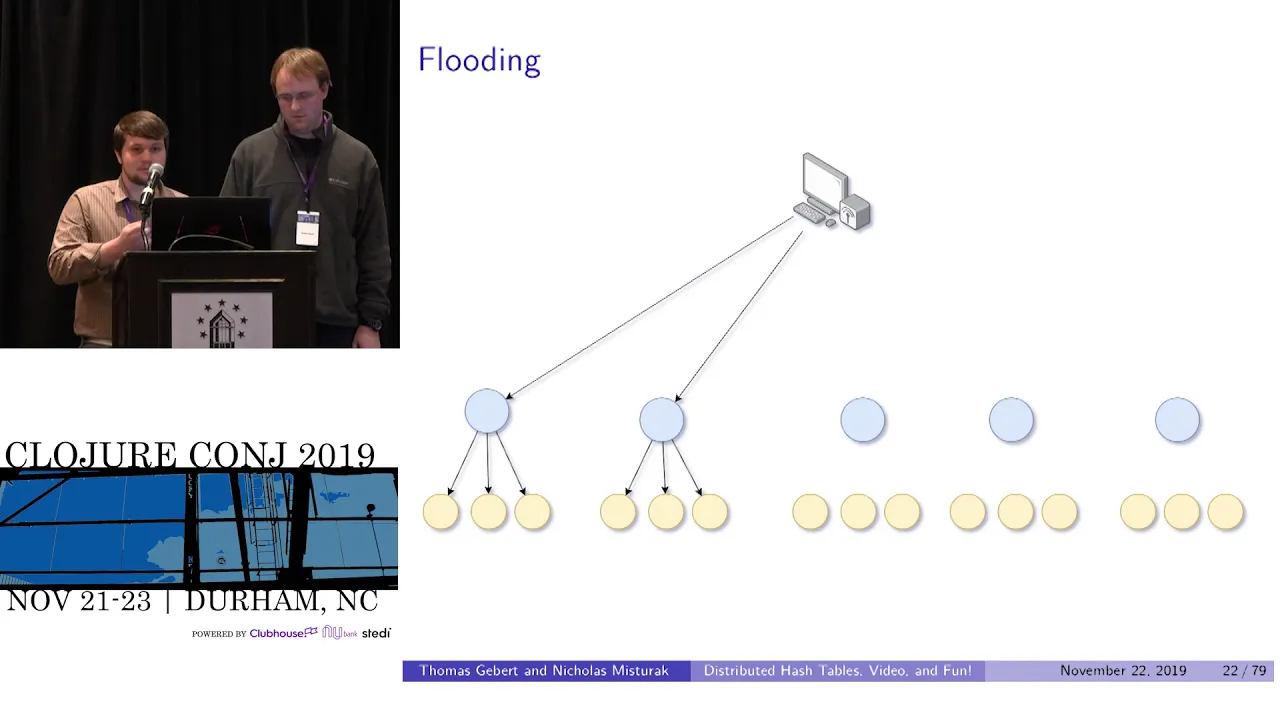
Deep dive into Distributed Hash Tables (DHT) and trackerless torrent networks like the Kademlia protocol.
Exploring the mechanics of Magnet Links and metadata exchange protocols that bypass physical torrent files.
Analyzing security, anonymity, and privacy measures in P2P networks, including encryption, proxy use, and VPNs.
Investigating advanced decentralized storage and web technologies inspired by P2P, such as IPFS (InterPlanetary File System) and WebTorrent.
9.2K views97likes3:36Original Release: 2023-02-24
[Music] BitTorrent is a communication protocol that allows downloading and sharing large files over the internet without relying on the presence of a centralized server to store shared files the protocol was designed by Bram Cohen in 2001.
today BitTorrent is one of the most popular protocols for transferring large files such as digital video and audio files despite earning a bad reputation as a protocol that is used for piracy many organizations businesses and content creators use BitTorrent protocol for completely legitimate purposes that benefit everyone involved without breaking the law for example BitTorrent is used by many large and small companies for Distributing software Games videos music and large data sets across countless users and servers let's look at how the BitTorrent protocol Works using an example when a user wants to download a certain file or a set of files he locates a corresponding torrent file on an index website and downloads the using HTTP or https protocol a torrent file contains information about files included in a torrent and the address of a Tracker after downloading the user opens the file using a BitTorrent client the client extracts the address of a Tracker from a file and retrieves the list of seating pairs from the tracker the tracker is another web server that is responsible for maintaining a list of active peers next the client connects directly to a seating peer and downloads parts of files included in the torrent the connection is established using a binary protocol that operates over TCP and UDP and supports optional encryption if multiple seating piers are available the client will be able to download files faster by simultaneously downloading different parts of files from different seating peers seating piers are just other computers that run a BitTorrent client and already have the required files after downloading parts of the files included in the torrent the client reports the status to the tracker this step allows other peers to start downloading files from this client once all parts of all files are downloaded to the client the download completes and the client remains available so that other peers can use it for downloading files available on this client it is important to note that BitTorrent protocol does not have built-in security privacy and anonymity features connections between a Tracker and a client can be encrypted using industry standard https protocol and connections between peers can be encrypted using a weak encryption algorithm however isps can identify BitTorrent traffic while other peers can determine which files are shared by a particular peer also files that are shared using BitTorrent protocol may contain malware which puts at risk users of public BitTorrent Networks despite its security and privacy shortcomings BitTorrent is a mature protocol that can be used for applications ranging from file sharing to content distribution to backup and synchronization it's decentralized and peer-to-peer nature allows for fast and reliable distribution of large files making it a popular choice for many users and organizations thank you for watching this video if you liked it and found it helpful please smash the like button and subscribe and if you have questions about the topic leave them in a comment always keep learning until next time [Music]
Up Next

65:25
Lori Vallow Trial: Son's Emotional Testimony on Siblings' Deaths
@LawAndCrime
221.5K views•2023-04-19

12:54
Triumph of Orthodoxy Icon: Byzantine Art & History Explained
@BenCallan
2.1K views•2024-08-06

9:49
FastAPI vs Flask vs Django: Choosing the Right Python Web Framework
@TechWithTim
302.5K views•2024-05-26

1:42
Game of Thrones Opening Credits: A Cinematic Analysis
@gameofthrones
46.3M views•2011-04-18
Related Study Plans & Knowledge Roadmaps
Structured learning paths in General & Interdisciplinary Studies
general-studies
Elevator Engineering: History, Physics & Cities
01From Hoists to Safety Brakes: The Dawn of Vertical Lift
02Hydraulic vs. Traction: The Engineering Physics of Elevators
03Modern Speed, Safety, and Algorithms
+ 2 more learning modules
12h5 modules
Explore Roadmap
general-studies
Rubber: Material Science, History & Geopolitics
01Origins of Natural Rubber & Mesoamerican History
02The Chemistry of Natural Rubber & Vulcanization
03The Geopolitics of the Rubber Boom & Colonization
+ 2 more learning modules
12h5 modules
Explore Roadmap
general-studies
Containerization: Evolution, Logistics & Trade
01Ancient Trade & Bulk Cargo: Amphorae to Barrels
02The Industrial Revolution & Cardboard Packaging
03The Containerization Revolution: Malcom McLean
+ 2 more learning modules
12h5 modules
Explore Roadmap
general-studies
Textile Tech: Evolution, Labor & Global Impact
01Pre-Industrial Textiles: Handloom & Cottage Industry
02Mechanization: The Spinning Jenny to the Power Loom
03The Factory System & Global Labor Transformation
+ 2 more learning modules
10h5 modules
Explore Roadmap