







![[FR KelRP WL] Médecin Harris au cœur du SAMU parisien !krp !commande](https://i.ytimg.com/vi/tHsLTW6GDaQ/maxresdefault.jpg)



![[ ASMR Español | Sesiones de Estudio ] Introducción a la Diabetes](https://i.ytimg.com/vi_webp/G6kzgtDyZc4/maxresdefault.webp)



![Como eu uso o ANKI nos estudos? [aprenda do ZERO]](https://i.ytimg.com/vi_webp/PTWJu120fR8/maxresdefault.webp)



The NEET-PG exam pattern has evolved from extremely difficult (2018-2020) to moderately easy (2021-2023), creating a strategic dilemma for students. While the paper appears easy with many straightforward questions, approximately 20-25 rank-determining questions exist, where only 10-20 additional correct answers can dramatically improve rank from 8500 to 350. The key to success is developing higher-order understanding through solid conceptual knowledge rather than rote memorization, as demonstrated by detailed explanations of complex topics like Graves' disease antibody profiles, renal tubular acidosis type 4, and rapidly progressive glomerulonephritis classification.
NEET-PG 2023 Medicine Recall Analysis & Exam Strategy
Added:Core clinical concepts in Internal Medicine, including systemic diseases, diagnostics, and management protocols at the undergraduate (MBBS) level.
Familiarity with the NEET-PG exam pattern, marking scheme, and the relative weight of the Medicine syllabus.
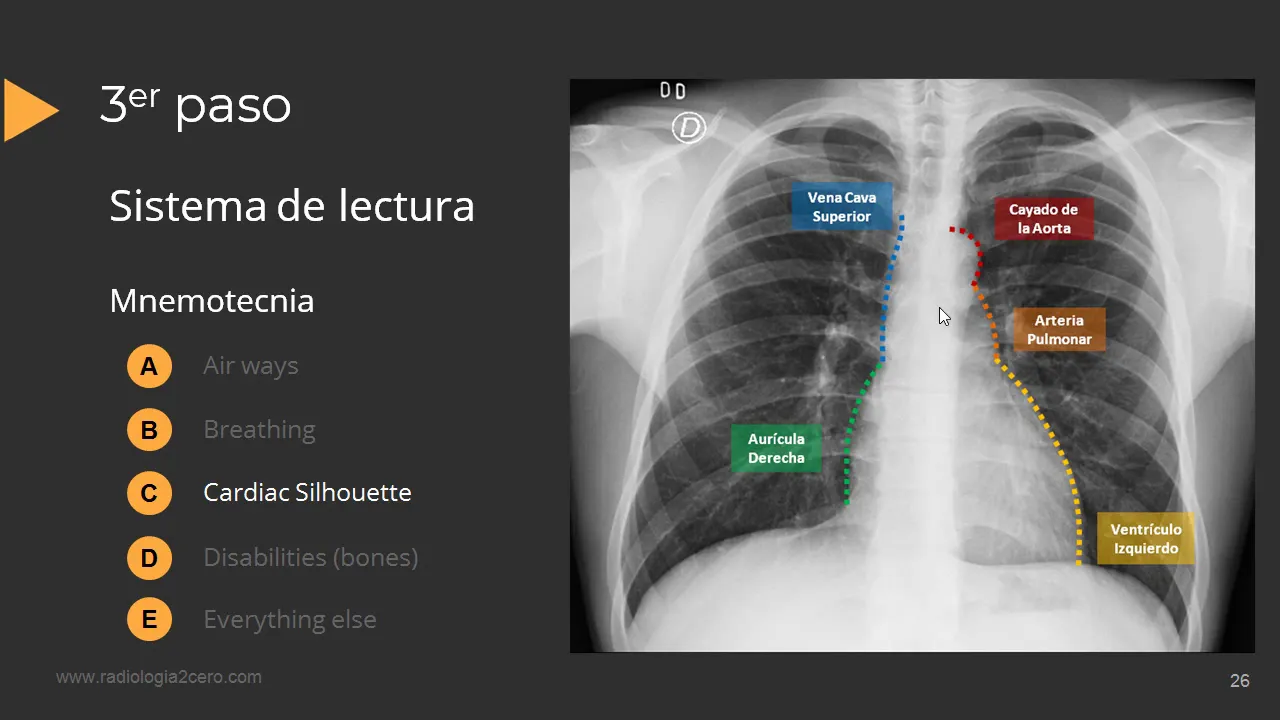
Basic proficiency in interpreting clinical vignettes, laboratory values, and diagnostic imaging (e.g., ECGs, Chest X-rays).
Understanding of fundamental pharmacological mechanisms and first-line treatment guidelines for common medical emergencies.
In-depth review of identified high-yield and 'rank-determining' topics using standard medical reference textbooks like Harrison's Principles of Internal Medicine.
Integration of the recall concepts into active recall study tools (such as Anki flashcards) for long-term retention.
Solving subject-wise mock tests and previous years' question papers (PYQs) from 2020-2022 to identify recurring clinical themes.
Developing a personalized exam strategy focusing on time management and elimination techniques for complex clinical case-based questions.
105.1K views1.8Klikes1:15:35Original Release: 2023-04-03
we are here with the recall session for the PG exam conducted on March 5th so primarily uh why are we doing this session right now is a question which most of the people would obviously be asking SAS have been telling so many number of times there are just two reasons why we're doing this one is a retrospection from a teacher perspective it's purely mine and for the other teachers to see us too whether what they have taught has been originally are important and have actually come for the exam second is from the perspective of the student who is preparing this year for the coming neet exam of the coming INR exams to just be sure as to the areas like are these areas uh exactly important and what I'm studying is really what's coming for the exam so that those are the two things but this year there is a bit of a bit of a dilemma more than a dilemma I would say this year there is a bit of a strategy wise issue because it's strategy that matters finally so strategy wise for the student and for the teacher this is a little tricky because we have been having exams of a completely different genre till 29 any many of you may be aware some of you may not be aware the exam pattern was extraordinarily tough that is when we really started to step up the gas because the exams are in 2018 1920 were really really tough and 2020 John was when the last of such exams were conducted and after which we had kovid and a huge gap of almost 20 months or so when there was no exam and then after nadbot has come up with three exams in 21 22 and now 23. and all these three exams have been very simple very straightforward uh you can auxili call it as moderate difficulty but I wouldn't even call it as model typically it's like mildly difficulty only so it's like more or less very easy kind of papers but we really don't know whether we'll be having such an exam in future or whether we'll be having a couple of such exams more before next eventually takes over so that is why there is a bit of a dilemma so as a student as a teacher at this point we can just strongly believe that we'll just start we'll prepare accordingly and take it from there and as and then we get new inputs from the ministry or from the board we'll just try to flex accordingly so let's just try to to look into this paper let me just try to make it very very clear as what most of you would know without any kind of a coaching without any kind of help from anywhere just basic reading or getting some notes from the market and reading would definitely be enough to answer around 130 140 questions in this paper so it's that easy kind of a paper and for a student who is just prepared and that means watched a few random revision videos watched I mean did a few questions maybe 500 000 questions in total and then two or three Grant is for him scoring 150 again correct it's a very simple exercise so when you look at the paper on the whole when you look at the paper on the whole the basic impression that you get is this is a very easy paper and that I need not actually prepare too hard to to basically get a good rank in this paper and when you write a paper and get 150 questions correct out of 200 that's a very solid feeling very solid feeling in the sense that I am getting three fourth of the questions right in an McQ exam and getting three fourths of the questions right in an McQ exam gives you a lot of happiness and from the outside and from the perspective of a student preparing that gives a lot of confidence because when I was writing the exam you should get three fourth of the question right then you are rank one because this course were very low in contrast you know where the scores are very high so students get foxed by this let's see what would happen in that context so if you get 150 questions correct you get 600 marks correct and you get 50 questions wrong so you subtract 50 so your score is 550. so 150 questions correct for which you require only very minimal expertise I'm saying even with very basic Mbps knowledge you'll get 130 questions right some kind of preparation here and there will get you 150 questions and this 550 score is roughly equal to a rank of 8500 so 550 score is equal to our rank of 8500 150 questions correct has put him in this rank of 8500 now let us see uh we can actually take the paper and say there are 200 questions for me there are approximately seven to eight rank determining questions in medicine so it's not tough questions but seven to eight drawing determining questions which a student who studied at a higher order or probably who has more sense and more application and more exposure would answer and there are hardly one or two questions which I would put us a really tough questions which are very difficult to answer which means even if you are prepared at a higher level it may be difficult to answer so seven to eight and one to two when I analyze the paper in total you can say that there are say approximately 20 to 25 rank German questions okay 20 to 25 undetermined questions and say 5 to 10 really tough questions so 5 Toten really tough questions and 20 to 25 randetermining questions so let us just try to put it this way now say you have studied a more so you've studied a bit more so what means that there are approximately 35 questions in this paper which are dicey which means it can go here it can go there 20 25 or of the higher order which means you need to have a higher level of understanding to answer that fight it in a really tough which means even if you study you may not be able to answer that and there are five questions which are really confusing ambiguous questions can't be called tough because there is no definite answer for these questions so we really don't know what to do with this if you add up all these things you will together get 40 questions okay we will together get 40 questions so which means that okay 40 questions are in that bracket so suppose I study better and get 160 questions which is very much practical if I study a bit more again 160 questions 160 will actually give me a score of 640 minus the 40 wrong questions I get a score of 600 and 600 would put me in 2500 it's a very very good rank very decent rank right now more than decent I think it's a good rank because it definitely gives you much much more options so between these 10 questions you jump from 8500 to 2500 now for the student who has gone to the next level who is being able to answer these random determining questions he should get to this 170 point and this 170 point which gives him 680 minus 30 that is 650 that will put him at 350 Rank and this is actually the brilliant rank what you can put it and there is nothing much of a difference between a person who scored rank 1 and 350 because they're all in the same order questions here and there so you can see that from this 150 to 260 to 170 there's a big transition and this poor guy who's answering 140 questions correct and feeling that he's doing a reasonably good job is getting 560 minus 60 Questions wrong which is 500 and he's way out but still very far from a probable good seat or a good clinical seat or maybe what he can call is a a seat where he can he can actually establish himself because most of your mbbs has been uh very paltry to say the least and that's why this course is so pivotal in your career because finally we're all studying to treat a patient nothing much we have learned with respect to mbbs in reading a patient what we have with us is just three years it's in these three years that we have to learn the straight of treating a patient the trick of trading a patient whatever you call it and that is what you're going to apply for the rest of your life so this course is the rate limiting course and this exam is the rate limiting exact which means that every run counts and you get a better College you are in a better state so that is why these wrong Mathis so the point is that he just does these 10 or 20 questions that are finally making the difference when you theoretically see 150 questions and 170 questions so the person scoring 150 such sitting at 8 500 person scoring 170 is sitting at 350 180 would be rank one that's reprinting rank one or between wanted in so 8500 to 350 is just a matter of 20 questions it is just a matter of 20 Questions okay so that essentially means that although from the outside when you see the paper the paper looks very easy very simple these 10 or 20 questions or 20 questions to be very specific are the ones which determine whether you reach where you want to or you don't reach where you want to once again ending up in a poultry Center because most of the people are driven by this course they everybody wants to take medicine or Radiology or surgery or their math and essentially what happens is driven by the course thing you may get into a poultry College once again do a poultry course and then it's in God's hands whatever happens so I essentially want to drive in this whole idea and although the paper is very easy there are a large number of easy questions large last number of easy questions it is those rank determining questions and in medicine I have myself spotted those seven to eight round determining questions and one to two top questions should be discussing here and those are the ones that have made the difference but can you answer that by broad understanding no can you answer that by reading the notes no there has to be answered only by very solid solid Concepts and that is the simple reason again that we have another very important statistic which I have again discussed a large number of times this year if you see CPC last year 80 of the Toppers Toppers means the first thousand ranks where people have given the exam the second time and 15 percent had given the exam the first time okay and another five percent three third time so people have written subsequently have fed very poor which again means time is not the delimiting factor it is strategy that matters if time where the real limiting factor people writing fourth time fifth times six times should get better ranks but that's not happening and people from 2008 batch mbbs seven batch Mbps are writing this exam which means we're having a big chunk of population writing this year this is actually changed over to roughly 65 second attempt and 30 to 35 percent of first attempt okay which means people are giving the exam for the first time all the first time they've been retiring for two or three years because they've been preparing from their third Prof or second draw so they've been prepared at the same time but the attempt is the first letter so first attempt people are able to back large number of ranks large large number of ranks which is primarily again because they are not in a position to segregate they don't segregate what is easy tough this is more higher order lower or no did they actually learn for the purpose of mbbs because their post has been affected so badly by code that they had no option to study anything so they've been using this and before they could realize as to okay this is too much this is less so they could gauge they have actually studied and that is the reason those people have come out with extraordinary ranks by the time you finish the course and by the time you're an intern and you have finished the course and you've written an exam got a bad Rank and then started preparing you will start to gauge you'll start to compare okay this is good for this that is good for this Anatomy is good in this physiology is good at that this person teaches this way that person teaches that way and then you may actually enter making a big massive win so primarily have good faith good confidence in the system that you're following in the app that you're following or in the in the class that you're following and just and actually have it to the fullest and as far as our learning pattern is concerned I am I think a person at least one person should be there like that to remind you all the time that you're studying this to become a doctor tomorrow so that is what I'm trying to do all the time even if you find a little fault in that I'm perfectly okay enough because unless and until I remind you that I mean many of you have forgotten that in basic because after 12th you came for mbb it's been studying some Theory notes again getting some notes watching some videos if I've forgotten the fact that I've been studying all these things to treat a patient at some point in time so essentially that's important and we don't know where the exam is heading to and if it is next then it is going to be a clinical Bachelor all together and whenever you're writing your RCP or your remedy which at some point many of you will be having to write a will be writing uh he's also so much it's a clinical Bachelor all together so on that note let us try to go get into this understanding that's far number of questions are easy but answering easy questions don't take us to where we want so basically we have to be answering the wrong determining questions now pause Ponder then pushes a common theory which you actually get to see many parts of Europe people use this postponder in push means who should pause and Ponder and who should push and this as there are actually there should be five or six H there I can put only two H which means that you are a final Prof student or you are actually an intern and you've been preparing from final Prof there is nothing to think there is no pause in boundary there is no thought it is just push you just push keep pushing you're right on target you're right on the money you've started preparing at the right time you have the right gadgets with you learn learn everything you learn is a bonus and try to learn as much as you can then revise as much as you can and use whatever in terms of medicine if you are having bit more time you go for the original addiction six videos short on time go for Med 80 videos then revise with the revision and security just go for the exam like at every subject and you have Supreme faith in the person who'll be watching the videos like for example when I watch Rohan rohan's video I'm not a surgeon I learned surgery maybe 10 years back in these last 10 years I have not learned anything with responses you have not seen a theater but I get confidence I get confidence Okay then if I watch this I will answer I watch akshayamam's videos I get confidence I watch this so the confidence level for each faculty Reapers some people are able to generate extreme levels of confidence that's where they're very successful also so that is uh exactly what I want so you should be having Full Faith and full confidence you never watch half-hearted heartbeat with an idea that this will happen and that will happen that's not the case so just go ahead now the point is for a few people this is a time to pause and Ponder Boston Ponder are for people who are not actually taking this exam by this crop of the neck that's how you should be taking this exam there is only one way you can attack the bull that is to take the bull by its horns if you don't take the bull by its cons then the bull is going to eat you up so essentially that level of uh what is the application commitment or those are the regular words that you use I don't want to make it more complicated but I mean those people should pause and bonded because this is an exam where next year approximately two and a half lakhs are going to appear so when in an exam where two and a half black people are appearing and you are appearing for the course that decides what's going to happen in your life you say every person you become another very very successful they've all had a very very good postgraduate training anyone who's this kind of very very good postgraduate training it's the PG course that actually takes you where you want to so that way this exam is so important so for them they have to really pause and Ponder think about the preparation think about the age where the standing now what kind of a change they want to make with respect to strategy what kind of a change they want to make with respect to their career look at the other options like mle look at the other options like plot and together make a very wise decision not just just like that keep on preparing preparing preparing without knowing what is happening it just allow negativity to come into your system again and again so people who are fully on just push on for people who are actually not performing the way they want to and things are not going right you just take a break and pause and Ponder and always always everybody is willing to help you and then you just try to think as to what could be the most logical way to go ahead because when two and a half black people appear for an exam then majority are going to fail when if you are people will fail so only a few few group of people are actually going to make it to the next level so when you see your performance you can gauge your performance you can know how much effort you have put it and even with the effort if you've not been able to succeed then definitely time to pause and Ponder look into the strategy look for other options look for other subjects and you have to make a move on just wasting time on the exam is not what you want because this is essentially not like an IAS exam right so you're not going to become an I guess officer if you clear the exam so it's not a job kind of an exam it's an exam where if you get a seat you again we would be the junior most personal system and this logging is going to start so we can't waste too much of time on this wasting too much of time on this essentially doesn't make sense because there is still a long long way to travel it's so time to pause and boundaries and what the alarm has said is again what I'm trying to tell you many of the people are I feel I I get to see uh are generally having some kind of a frustration within the system I'm talking about people have given the exam three four times and you need to conquer that there is no other way you need to conquer anger in hatred and one way you can conquer that is by traveling not to tell you that I am a very philosophical person I am not at all philosophical I'm very practical with respect to things so so that's again what I can tell you you can take a break and again post important and push on so let us start discussing our questions we get to the rank we'll discuss the rank determining and easy questions so mix of that let us see rank determining question number one so this rank determining question number one I hope this question is right so in case there is something wrong with the question of course uh but I think we've uh we've actually taken it from so many sources and now got enough time after the exam so I think this is mostly what is the correct question so 23 year old medical student two is a clinical person two-month history palpitation sweating restlessness sweaty Palm clinical features are depicted in the image given and diagnostic findings so this is on reading a very simple question because they have asked they've given tiredness restlessness sweating and all those things and they gave an image which was equal to this Darrell impulsory we have so many signs in hyperthyroidism so this is Darling sign and you can see this removes clearer around the cornea on looking straight forward so this darling build sign was given so what are they looking for in this question okay so everybody on seeing this itself many people uh okay thought lucky we are dealing with this thyroid toxicosis some people uh thought that we're dealing with hyperthyroidism few of them really don't know the difference between thyroid toxicosis and hyperthyroidism so for them it is easy they thought like hyper that's all they think but in real terms what is thyroid toxicosis what is hyperthyroidism I think I have discussed this so many of you will be knowing this also when you are having symptoms due to increase free T3 increase free T4 okay not total E3 totally different when you're having symptoms due to increased free T3 increase free T4 that is actually called as thyrotoxicosis thyrotoxicosis can be due to a problem in the thyroid gland or can be due to a problem outside also when it is due to over functioning thyroid gland when it is due to an over functioning thyroid gland then it is called hyperthyroidism when it is actually due to something else which means like for example a stored hormone release something it is not due to hyperthyroidism then broadly you can call it as it is due to thyroiditis so thyroid toxicosis is symptoms due to excess free hormones which can be due to an over functioning gland over functioning gland is called hyperthyroidism not an over functioning gland which is probably relating to some kind of a stored hormone release thyroiditis thyroiditis context you have two major toothyroiditis to remember one is Subacute thyroiditis which is called ecodones granular micro styrotitis and Silent thyroidite is what we call the postpartum that is I'm not going to the details of that hyperthyroidism which is due to an over functioning gland can be again divided into primary hyper thyroidism okay primary hyperthyroidism and secondary hyperthyroidism primary hyperthyroidism means the problem is in the gland secondary hyperthyroidism means problem is in the pituitary so secondly hyperthyroidism can have only one cause which is a TSH secreting adenoma of the pituitary and the reputator tree primary hyperthyroidism can be having so many causes but three most important causes which come to our mind when we think are one Graves disease which is autoimmune second is your toxic nodular goiter and second third is toxic multi Northern goiter so toxic nodular goiter what we call as toxicardinoma so grapes toxic adenoma toxic imagery so these many things will have to come to your mind okay if you are a good student if you don't know anything you can think this is hyperthyroidism thyroid hormone excess Etc then also you're okay so now the next question is why have they given this Diary book Sign they have given the Ripple sign just to tell you that ok this patient has ophthalmopathy so whenever you are having ophthalmopathy or dermopathy or clubbing which is acropatchee so of thermopathy is there or dermapati is there or acrobat is there then what is that you have to infer that means that all these causes are out all these all these causes are out which means dharmapati of Dharma prati and acropachi if you see are associated with autoimmune and otherwise also 80 or so of the causes of thyroid toxicosis is due to autoimmune and this autoimmune condition is called Graves disease so not immune hyperthyroidism is what we call grapes disease correct so when you got the question you know that you're dealing with aerotoxicosis because the patient has symptoms thyroid toxicosis has so many causes obvious you know that it is hyperthyroidism due to Graves disease just because they gave you this one finding that is that is their nipple sign or any of thermopathy finding or any kind of these findings whichever you get to see so because of this you know that it is grapes once you know that it is grapes so that's why t3384 TSH values nothing else is required so you know that it is grapes once it is Graves what is the diagnostic finding is the question this is where you are actually in trouble because you know that antibodies are there different different antibodies are there you know TP antibodies are there you know microsoma antibodies are there you know tsets of antibodies are there everybody knows that these antibodies are positive in hypo and Hyper so then you need to be having the next level of understanding to answer this question that is why this is a rank determining question after this point to say that it is Graves disease majority will be able to some of them have not said it will even by default say that it describes this is somebody who has not studied anything it will say that this is thyroid hormone axis but to say which some of this is important you need to have the next level understanding that is where somebody has to help you because otherwise it's not easy and this is what we have actually discussed in class so this is the same slider we have discussed in class so you can just see that this is a higher level understanding higher level understanding is that there are three antibodies TSH receptor antibody thyroglobulin antibody and TPO antibody I think what if you would occurred of these antibodies and as you can see from this uh table this table is taken from William's textbook of endocrine which I taught in the class the stable is not even there inheritance even if you read Hearts you may not be able to answer this but next level understanding means many classes generally in all this as discussed even some pathology teachers also discuss this see in Grace this is CSH receptor antibody 80 to 95 percent so like different books give different values but generally around 90 95 which means the answer to this question is and etsh receptor antibody okay see and you can see the same thing you can ask you with respect to automated there is the opposite of grapes that is Hashimoto where maximum 90 to 100 you can see is TPU antibody so in Hashimoto it is TPU antibody in Graves maximum is TSS or substantibility but still remember that 50 to 70 thyroid Global antibody 50 to 80 TPU antibody but this is something that we have highlighted and this is something that will take you to the next level so next level question is if I call it I do call it as a top question because somebody who has seen a patient with grapes will definitely answer this because he would have seen the report if you are housing if you have the habit of copying this report okay this antibody is an antibody profile that they do for grapes if you have the habit of copying that copying the profile onto the case sheet like we have done during your internship even without seeing the class you will answer so that's why it's a wrong determining question so this is the personal determining question and the answer to that is receptor antibody okay okay so this is the table that I've been talking about so be very clear with what is thyroid occupancis what is hyperthyroidism the causes Etc this is the slide that we have done on graves this is again to show you about the fact that this is the most common the hlas which have been asked for the exam so many number of times including ctla 4 PTP and 22 association with smoking postpartum and retroviral therapy and this phenomenon called zort based or phenomena iron supplementation and adaption area in a person with an antibody or an audio is called jot base though I've told you the differences between jot base store and would check off effect and all those things so please go back and study it in totals that you develop an understanding it's a very short model it's a very easy to understand module and somebody who understands this once will have it in a system so you don't have to go back to that again and again so that's about question number one from there we go to question number two question number two is a very easy question it's nothing to discuss in they just asked for the murmurs it's a basic mbbs question they've asked for a Pan's historic number where are you going to get a trans-historic murmur and Pan's historic moment is Mr so there is nothing to discuss in that even if I teach or somebody else teacher so whoever comes and doesn't teach at all also this question is absolutely not going to make any change and there is nothing to discuss over this again my only advice is that MS MR as and AR I've tried to summarize everything as a single module after discussing in this Indian visually in great details if you can just go back and see that and you consolidate everything together even if you get a top question drop here you may actually be able to answer so the message from here is this question there's nothing to discuss but the message from here is that these four topics at every level at your mbbs level at your PG level even if you take if you take a medicine is going to be important even your PG case is also going to be an MS plus Mr short case so if you take up that if you take medicine as your post graduation I think entire course you'll be having to know this so this way so that's nothing to discuss on that panzy static moment is something that we discussed left right and center and everybody knows trvsd are the other courses let us go to question number three and rank determining question number two brand determining question number two is on a patient who is having hypertension taking multiple drugs for hypertension and they've given an ECG okay this ECG is a very straightforward ECG somebody who has very minimal understanding will be able to pick up that this person has a very tall TVs okay very tall TVs and more than that he has more findings are there on ECG like a prolonged PR interval is there QRS complexes are a little bizarre so all that you don't have to know if you just pick up these tall T waves that's more than enough and I think majority 90 to 95 percent of the students were able to pick up the store T wave so tall TV is there which means that this person has hyperkalemia so hyperkalemia is there so in other words they are asking a simple pharmacology question which among the following drugs produce hyperkalemia which among the following drugs produce hyperkalemia thyssa diuretic proximide sorry thyssa diuretic and Loop Diuretics including prosamide uh then the tricer diuretics whatever it may be including hydrochlorothia chlorthalidone and dipamide whatever they are all going to excrete out potassium so they are all going to cause hypokalemia so hypokalemia is with thiazide and spironolactone you know can increase potassium propranol you know can increase potassium losartan you know can increase potassium so all these three drugs can actually increase potassium so some of the students were thinking that this is a question which is wrong where all except was not mentioned or something okay that is what some of the students were thinking some of the students thought like what is this this question is wrong basically because there are three drugs causing hyperkalemia and let us try to look into this question in a bit more detail hoping that these are the correct options okay so we had some kind of research on this and most of the people are agreeing to these options and that there is hypergalemia okay so in that case what will you mark in that case what will you Mark if not looking into the entrance angle and you're asking me as a treating person so you're just taking the phone and giving me a call and telling that your aunt is there she was having hypertension she is having hypertension and that is not getting controlled with drugs and some doctor made some change here and there and after one week of the change she started developing her knees and his goodness and valputation they went to the casualty took an ecd and he said he was showing even check protection production came as seven if you call this and tell me my first reflects the response what will be my first to reflex response even from house agency level I think my first reflex response is did somebody add a spiral electron that will be my first reflex response so that is uh that is always there so the drug that we give the drug that we chop and change the drug that we start and we see maximum number of hyperkalemia coming to the casualty coming to the op or because hyperkalemia has very non-specific symptoms I told you that so many times it comes as unmissiveness gittiness dizziness palpitation teaching so many so many non-specific science but when you see that okay when you see that it is very often Associated when you think that is associated with the change in drug and you're adding a drug then very very very often it is due YouTube aldosterone anacondas so without any kind of a preparation we're just asking me as a doctor as a clinical person you can ask me this question I will blindly Mark the answers parallel act and I have nothing to think okay but if you're not having a hospital expertise and you're still having to answer this question what will you answer that is where you should be actually showing your senses your senses are that's this is the slide this is basically what we call as renal tubular acidosis type 4. I think how many of you remember this I don't know from the class renal tubular acidosis Type 4 the first thing that we study about renal tubular acidosis Type 4 is that renal tubular acidosis Type 4 has to be thought about whenever somebody comes to the hyperkalemia that is disproportionate to degree of renal failure so hyperkalemia that is disproportionate to degree and duration of renal failure or a very disproportionate hyperkalemia should always always make us think of RTA 4.
correct that I told you and then in RTA 4 we are actually dealing with what aldosterone related issues yes and those related issues and in that aldosterone related issues it can be a true deficiency of aldosterone Productions have understood or it can be a pseudo hypoallergenism pseudo hypoaldosteronism and it is the pseudo hypoallosteronism causes that is the acquired causes for pseudo hypoatistanism which make maximum sense when we refer to this term called rta4 or the acquired causes for pseudo hypothesis and when you discuss the acquired causes for pseudohypertensionism the first major cause that has to come to your mind are drugs okay the first major cause that has to actually come to your mind on drugs and drugs which cause pseudo hypoidal synonym again the first thing that comes to your mind is aldosterone anagonist okay then this enact vocus right then cni and then this trimethopra trimethoprim has a structural similarity to triamterene and these Enoch blockers are ameliorate and triamterene so trimethoprim is structurally very similar to time so whatever side effect is there with primary you will see with trimethoprim also so uh Triumph terrain cnis that is your cyclosporent acolumus trimethoprim ultrasonic including spironolactone a plurinone and now the non-steroidal antagonist which is called finra none okay so all these things are directly responsible so if you think that way and you look at the slide where we have actually mentioned this very clearly that hyperkalemia is disproportionate and never will they have normal rft but hyperkalem is disproportionate and whenever you think of this the first thing that comes to your mind is definitely pseudo hypo I mean pseudo hypo drugs and in drugs these are the major drugs apart from drugs there are a few other causes also like chronic tubular interstitial disease especially due to sickle reflection property obstruction all those I have discussed specifically so there are some Notorious causes but when you get this question spironolactone has to come into your mind so most of the students actually had a problem with this but many of them ended up marking spiral and actors somehow because they all felt spinal lactone can cause I'm still not sure of the exact question but if this is the exact question the answer is a randomly terminating Quest okay so from this wrong determining question let us move to two very easy questions okay nothing wrong determining uh 78 year old woman presents with Progressive decline in Daily activity conversion starts off into space with frequent visual hallucinations shows a Lewy Body with neurons so they're basically just trying to check for where are we going to get a Lewy Body so where are you going to get Louis bodies the question alchemus Huntington prion Parkinson's so whenever you talk of this Louis body thing itself you're talking of Parkinson and you're talking of pockets and plus syndromes and whenever you talk of these Parkinson's plus syndromes again we have discussed this so many times we have this Lewy Body dementia we have this cortical basal degeneration we have this multisystem atrophy we have Progressive Supra nuclear possibly sorry Parkinson plus syndromes and we've seen how to differentiate between Parkinson and pockets and plus syndromes and this is exactly what we have studied you know Parkinson with dementia and dementia with Louis body what is the difference essentially they're all having this Lewy Body inside but the difference is that Harris Nations occur very late in Parkinson hallucinations occur very early and cognitive impairment occurs within 12 months of motor manifestations and this is at least 12 months after motor manifestations that is the most most important thing Tremor is very common in Parkinson's primaries much less common predominantly unilateral symptoms bilateral symptoms axial symptoms and gay difficulty are less common actually difficulty are more common so this is exactly what I told you when you think of Parkinson and with dementia when you think of Lewy Body with dementia what are the differences first is that Pockets will be having dementia a much later Point DLB will be having dementia at a much earlier Point house nations are not common in Parkinson's harm stations a very common India by dementia unilateral symptoms asymmetrical symptoms in Parkinson bilateral symptoms axial issues are actually speaking much less common in Parkinson axle issues and gait issues are more common in DLB dementia and of course which is the classical symptom of Parkinson's is much less common Indian correct this is very very clear so if you know it that way you come back to this question even if you don't know any of these things basically you are dealing with a DLB Dimension they've even shown the picture of this Louis body and I've also shown this in class what do you with argument never Huntington in a 78 year old person with all these things nothing is not going to have this it is going to have this neurofibular rectangles and senile plaques and this upper E4 and all these are different ball game altogether so uh it is about mostly about different see different set of things so anyone and everyone will be looking for DLB dimension in the options because DLB is not there the best possible answer to this is Parkinson's so is that actually speaking if this question could have been very complex but they have not made it complex they want everybody to answer so it's very simple easy straightforward pick okay and uh advice not advice I don't like advising anymore but a point from my side is MSA PSP CBD and DLB okay please study study in big big detail PSP and CBD club together and study because DLB is a alpha synucleinopathy MSA is also Alpha see nucleinopathy whenever you think of MSA MSA a with autonomics CBD alien hand and all those things PSP that's recurrent fall and all those things and so many findings in PSP and see and of course BLB dementia the profile which we have discussed okay so the message is very simple anybody who has dementia out of proportion to motor symptoms with bilateral axial and gait environment with hallucinations at a much earlier Point has to be thought of as daily image okay next is another very very easy question the same regard complaining of restlessness difficulty in expressing emotions resting Tremor rigidity which part of the brain is involved and we can again see that loss of dopaminergic neurons in the basal ganglia have drawn to speak heavy circuit and taught a very complex circuit because I thought understanding the circuit is very important to understanding the disease many people have not studied the circuit because they found it themselves very hard to understand the circuit but this is a circuit what can I do I don't make any topic easy or difficult topic is easy or difficult depending upon the Merit of the topic you mean you basically can't do anything for that this is a circuit you can't do anything for that and that same thing is the reason why this is a very very easy question they've not asked anything complicating it's Baseline so these are two easy questions they're not trying determining questions from there we will move to one Rand determining question this is a rank determine question number three question number three is a CNS question that a patient comes with sensory loss and weakness of Limbs for three months having angle estimate because of angular stomatitis I don't know whether you can keep it as a wrong determining question because of that many people got this question correct uh there is so because of angular stimulates everybody thought of vitamin B12 and because of vitamin B12 they answered subject combination which is the correct answer so because of angular stomata it is this question I don't know whether can be classified but otherwise this is a definite trade rank determining question loss of proprioception vibration sends human type of lower limb weakness absent angles are correct so in this case uh you have sensory you have umn lower limb weakness angle jerk is absent so there is some element also so element sensory human so element sensory umn uh extra Dural cord compression ALS ALS means no sensory the moment you have sensory or autonomic Etc then you strike of ALS because mnd is that one condition where you can have 11 plus human features but l m n plus human features have to be there in the absence of what absence of autonomic environment sensory environment options of plain element absence of cognitive environment that is the Hallmark of Alice okay so no ALS then comes multiple sclerosis multiple sclerosis never ever comes like this multiple sclerosis and this pattern is completely out and this element human combination is also out this is never going to be multiple schools especially if this apps on angle jerk and the other one extradural chord compression I told you know goes through three stages what's the radical pain then the brown sequence syndrome kind of pattern and then going for a lemon at that level and human below that level which is obviously not the case so this is all solved so if you have a clinical grounding with respect to how to come to diagnosis on element pattern of weakness approach a lemon human combined pattern of weakness approach which we have discussed in great detail then it's very easy but even other always also many people got this angular stomoritis and because of that they escaped some of the people who are more brilliant try to analyze the Western quality answer some of the people who did not know anything saw Anglers but I still believe it's a standard question so we have discussed this again so posterior column is the first structure to get involved corticus panel tract is a second struct certificate involved peripheral nerve is third structure to get involved in poster column it is vibration sense that is the first thing to get involved okay please go back and see spinal cord spinal cord has been done with a lot of effort and spinal cord is a pretty tough topic but if you do understand it will help you in some way or the other for the exam rank determining question number four chronic alcoholic patient presence of this question I think is a little easy chronic alcohol equation for instance is acute pain and swelling of the left to grade two sine over fluid an analysis dose raised to leukocyte serum uric acid is normal what is the diagnosis this was the question only simple this is the question now uh somebody who knows nothing okay somebody who knows nothing uh even without Mbps knowledge many people know drinking alcohol is related to hyperglycemia somebody might have answered this scout some of the people were a little bit more brilliant and they answered the deceptic arthritis so let's just come to this question very simple let us leave the alcoholic part pain and swelling of a single joint okay pain and swelling of a single joint which means that you're dealing with acute monoarticular arthritis yes acute monoarticular arthritis correct acute monoticular arthritis what have we discussed anybody who has basic idea and medicine will be knowing that acute mono articular arthritis is either Crystal or is infection so acute monoticular arthritis Activa level practical level has only two options one is Crystal second is infection whether it is Crystal or infection they are both coming under inflammatory arthritis they are both coming under inflammatory arthritis Hallmark of inflammatory arthritis is increased that would be seen the sinus it's a Hallmark of Integrity arthritis increase WBC in the synovial fluid any time you are having more than 2000 WBC in this sinus fluid we call it the synchronator arthritis this again we have discussed in great detail but if the counts are say more than 50 000 Etc then you think more in terms of septic arthritis but if the counts are more than 50 000 then you think in terms of septic arthritis but here count number is not given they've just given it as raised which doesn't tell us anything apart from the fact that this is just a simple inflammatory arthritis so this is inflammatory arthritis the question is is it crystalline is it infection okay Crystal can be divided into gout and pseudoga there are still more crystals but let us say gout which is msum and pseudoga which is cppd so you said cppd disease is it msum disease is it septic arthritis so there are three options now msum cppd and septic yes reactive arthritis never ever presents like this it is a oligo arthritis it is not a moral arthritis oligo arthritis it's additive arthritis it is asymmetrical arthritis painful arthritis following in infection so it's out msum cppd septic cppd can actually present but cppd first attack will definitely involve the knee joint so there is nothing called cppd first attack without involving the knee joint so this is basically going to be very very unlikely and cppdc More in an elderly person cppd uh there is nothing that suggestive to answer CPP correct so many people had this doubt is this msum is this septic arthritis uh okay now why should you write safety carpet synovial fluid analysis stores is a feature of inflammation nothing else CRM uric acid normal has got nothing to do with gout I have discussed this again thank you for the team to actually figure it out 40 percent of people who are having hyperealcemia will be having normal or low uric acid so 40 of the people who are having hyperglycemia leading not to go to arthritis will have normal or low uric acid the type of attack which is something which everybody knows or the time of attack you basically need not need not ever have what increase in uric acid level so that is again there then alcoholism is something that triggers gout correct alcoholism is something that triggers gout and left to grade two involvement first time is so classical of code septic art that it's most commonly involves a knee joint so alcoholic patient no history of infection no focus of infection no talk about infection WBC is a very non-specific thing serum uric acid normal can be seen in acute gout which we've discussed so many times which everybody knows and that is the reason why this is acute code okay many people marked it aseptic some people marked it as reactive I can just tell you that your clinical grounding is not strong that's it but link a grounding is strong you can't go wrong in this Quest okay so approach to acute inflammatory monounthritis approach to acute inflammatory polyarthritis approach to Chronic inflammatory polyarthritis these three approaches have to be acute inflammatory monoarthritis is Crystal versus infection Crystal versus infection acute inflammatory polyarthritis is mostly viral versus early ra chronic inflammatory polyarthritis is mostly ra and then you have this ra like kind of pathologies where there is no erosion no like silly Joker and all that and of course something like Chikungunya Norris can present this chronic and sometimes sarcoidosis and all those things sometimes those two arthritis which can be erosivos to arthritis all that we have discussed so please go and be clear with the approach approach to arthritis is where you have to be learning this okay that is rank determining four let us go to few more ECC 40 year old female came with chest pain palpitation shortness of breath MDM was heard in prominent away on the jvp so MDM is heard awave is there on the jvp when you are having MDM and AV on the jvp you can think that this is TS you can think that it is Ms okay there is nothing wrong in thinking like that because MDM can be heard in TS and Ms a wave can be heard in what Ms and TS but if you look into that you've discussed so many times again I can show you this we have discussed this so classically uh MS I told you to get an a wave you should be having rbh you should be having pulmonary hypertension then on top of that only you are going to get an afib that means you're going to be getting into the Fang end where the patient is going to be very very sick okay whereas in TS straight away you can get an AV because what is the pathology behind a large prominent area that the Atria the right theater is Contracting more vigorously why is the right theater Contracting more vigorously because there is more resistance at the side of the right to ventricle when is there resistance from the side of the right ventricle when there is a stenosis between the right atom and the right ventricle which is your Ms so which is a TS that is why TS or even a mixoma write it or mixoma or atrioventricular valve mixoma is something that can cause a very very prominent area so prominent with a mid diastolic murmur means although both these are going to be right most of the students know that TS is one of the major causes for this now some of them try to analyze this question so they have chest pain they have palpitation and they have sharpness of breath chest pain is mostly with respect to our activity right it's just pain is with respect to hypertrophy that means that you are trying to pump against resistance so when you're trying to pump against resistance you you actually can get chest pain but that is non-specific you can't account it in Ms or TS palpitation is a wrong symptom here because it is related to volume already either case you will not get volume overload and shortness of breath is very non-special because shortness of breath can come on either side you can't say I told you know left or right we don't have concrete boxes so symptoms nobody can actually make any kind of an assumption here prominent area always is TS first Ms is much much later on and if you study this under Java people look into the prominent a wave causes and large a wave naturally it is TS that stands up has actually commented on this many many times it's a very easy question almost everything else is smaller custom and squamous cell carcinoma is hypercalcemia and we've talked about this pth RP being the villain and PT at suppressing pth RP our big list of causes for that and squamous cells if the longest commercial malignancy of cervix scum management so the head and neck and everything we have discussed once again trying to tell you that hyper calcium is very important pts related hyper calcium related hypocalcemia vitamin D related hypercalcemia miscellaneous you see and I think everybody is called this question right okay now let us go to rank determining question number five this is actually truly yet of question uh not tough question I'm saying uh Next Level understanding is required for this question patient presence with severe restlessness Tremors to the emergency department okay now discussing the theory behind this question just on approaching this question asthmatic question comes with restlessness trimester the emergency so swollen neck is also noted so which means that this patient has uh coming to you with a thyroid toxicosis patient has come to the emergency department primarily because he is carving palpitation although they have not mentioned that tachycardia is noted and ECG showing means he is going to have a rate of say 200 around where we'll be having severe palpitation restlessness so because of which he has come for palpitation nowhere in this question they have mentioned that this patient is in storm he may be installed he may not be in storm storm should have an underlying participating Factor perspirating practice also not mentioned and storm related fever and delirium seizure comma nothing mentioned so why should you think this is a storm you need nothing as a storm I am having Graves this is I did not take my drugs or I am having something else or I miss my drug and today I am having a rate which I know always my rate is slightly on the higher side no many other people do mention this when they hold on to the railing on the buses so they can actually feel every time they feel it they know that but sometimes this gets out of hand sometimes it gets so out of hand that they start feeling severe severe package that is when he came to the casualty thinking that this is but when you took the ECG you understood that no this is not sinus tachycardia this is atrial fibrillation and hemodynamic stability has not been mentioned so we think that the schematically stable fibrillation correct if you think that this question is thyroid strong you should be knowing what is thyroid Stone we have discussed in detail what is thyroid storm precipitating Factor fever Consciousness environment daily area seizure that is thyroid Stone this is not thyroid stock okay even if this were thyroid storm the first priority has to be to correct the Rhythm he will go over human and we compromise their stats arrested okay so anyway fibrillation is the priority okay so in this case which is a definite factor is there and you want to treat atrial fibrillation let us look into the options that we have so when you try to control rate in atrial fibrillation we have very familiarity has some one side cache nanoblockers beta blockers digoxin but deoxin we are not considering now okay so we have bought options beta blocker option we have calcium channel blocker option two options are there and in this question at a very basic mbbs level they have told you that patient is carving asthma so because of asthma you can't Mark beta blocker you have to Market large doses of PTU are useful in stone okay provided the patient is hemodynamically stable in sinus if the patient is in fibrillation the treating fibrillation is the priority and that is what we have discussed they've truly when to go for Aid control when to go for rhythm control what are our options how much duration Etc etcetera giving amount and all that we have discussed if it's been discussed under ECG so please go and see that but in this particular question I'm not wasting time discussing all that just to tell you the most important take-home point that this patient in from these details doesn't really have a stone and even if he has a storm it doesn't matter because it is a rhythm that is most important okay and this patient is correct so this is a rank determining question because only if you have a higher level understanding you can answer that next ECC question cough and just discomfort right up around pain and Doses and all that it's a very easy question panko's tumor honor syndrome and this is the entire pathway that I have actually drawn you can see first order second order and here you can see you know between the Steve and T2 and C7 C8 we can have the upper lobe tumor going in compressing so this is the complete complete thing if you want you can study first order neurons from the hypothalamus then C1 C2 then C7 C8 third order neurons going via the internal character going to the pupil ptosis partial meiosis and hydrosis are paraden ophthalmos and loss of senior spinal reflex so that's again a very simple question even if you have not watched the video it should be very easily answering this wrong determining question number six penetrating cervical necromup you're seeing the lateral aspect of the dorsal column tract which is the following will be seen so this is a definite random determining question because you have to be knowing the pathway properly so as far as the docile column is concerned you know that the position happens at the level of the medulla and decoration doesn't really happen in the later the spinal cord so decoration happens and decoration doesn't happen with respect to the spinal cord means it is going to be ipsilateral loss yes it is going to be ipsilateral loss correct fine so when you know that it is ipsilateral loss so you can see absence lateral and then in the spinal cord what did I tell you cervical thoracic lumbar sacral that is medial to lateral for the corticospinal tract and the spinal dramatic so for the corticospinal tract and spineathonic drugs it is cervical thoracic lumbar sacral medial to lateral whereas for the posterior column this also taught you I have also taught you for the posterior column it is sacral lumbar thoracic cervical that is from medial to lateral which means that lateral most part will be cervical here so when cervical is preparation Optical is so important whether it be transverse myelitis whether it be GBS again you can actually compare with that at that point whether it be a substitute combined degeneration on the chord whether it be in radical extra intermediary extramatory on the whole Corner skoda everything together spinal cord is a pivotal module and if you're planning to take up medicine in future it becomes an even more pivotal model because all your final MD exam will be actually be asked questions in and around this so this is another anti-termining question where proper understanding is required this is a tough question uh dialysis is useful in the definitive management of hyperkalemia during dialysis patient develops disc equilibrium what is the treatment and all that so this is a tough question and you can see that we have discussed this under dialysis module okay you can see the discussed standardized but I might still feel like laughing seeing me in different forms like remember of those times we've shot this okay so what is this this we've discussed now every time you go for a dialysis it's a tough question I I don't think many people answer this you need to have very higher order knowledge to answer or else you should have accompanied patients for dialysis as an inter accommodate patient for dialysis is an intern you will answer this so every time we do dialysis for generally say four hours on an average this is the time that we do first session of dialysis I told you hemodialysis always we do for two hours we do for two hours the reason behind this is first time you puncture the ijv and put a patient on dialysis the major worry you have is what we call as this dialysis this equilibrium syndrome what we call as DDS DDS is a very very simple thing which means we are having blood on this side we are having the dialysis on this side your dialysis has no urea no creatinine blood is full of urea creatinine urea value high creatinine value High very very high so when you are actually having a blood urea and creatinine very high and urea being this very small molecule urea will just like that just like that just like that diffuse it will just like the diffuse into the dial shape from the blood diffuses into the right shape from the blood diffusion to the dialysis so it diffuses straight away into the idea set because it is a small molecule which moves by diffusion across the dialysis membrane you have only two process happening diffusion ultra filtration and of which the major process is always diffusion so bide if you all the urea goes very quickly by diffusion all the urea goes very quickly means the osmolality of the blood will come down drastically so water concentration in the blood will be now very very high because osmolarity is lost and this water will have a tendency to move from the blood to the cell and when it moves from the blood to the cell in the brain it causes increase in ICT and these ICT symptoms are basically what we call as dialysis disequilibrium syndrome so DDS is actually speaking due to an increase in ICT that is caused by the rapid transfer of urea correct that is the reason why every time we take the patient for dialysis I mean sorry first time we take the patient with dialysis we are very very careful about this and that's why poster dialysis session we try to do only for two hours we try to keep a very very low pump speed very very low pump speed we go for a co-current flow generally dialysis template for counter current here we go for a CO current flow low pump speed and towards dialysis these are the precautions that we take to prevent various so that is exactly what they have asked here DDS is basically due to an increase in ICT so naturally treatment has to be managed okay this I am not including under rank determining question because majority people wouldn't answer this I hope I think so but there may be even brilliant students who may answer this but increase in ICT is the thing and that is essentially what is responsible for that so first HD keep to us low pump speed try to remove less volume and try to keep a co-current flow right so we go to the next question very simple easy question somebody's been tested for hbsad and hbag positive and you have to treat him or in simple terms how do you treat a patient who's coming chronic Hepatitis B and they've given all sort of options and uh I think I have thought much beyond what has been asked for the exam because I told you so many times river is like one topic very close to heart and love teaching liver a lot so this is the period no this is how this has evolved the same slide that we have discussed so many things have happened over the years we started with interferon alpha pig later interferon Alpha there had a lot of issues it is not working in Asian patients it was not useful for HVAC negative patients it was not useful in people quite serosis it had to be taken by an injection it caused all sort of side effects including thyroid issues and psychosis issues and all that so then came interferon with at a forward Vince came Lambie would in lamudine had ymdd mutation so then in the current ERA in the cover or clean of over so drug of choices and the camera forward now we have this newer clinophobic of our aliphenamide which does not have the routine tubular toxicity of tenophobia so right now it is and I told you that we really don't know how much to treat or how long to treat it hepatitis there are so many unanswered questions and everybody's B we really don't know how long to treat so we just treat for life and here they've not mentioned that more than 40 weeks ten of over alipheramide they have not mentioned you know for what they've mentioned so it's a very simple answer it's a very easy question nothing much to know we have discussed everything regarding this and even if you have not I mean watched any video or anything even if you've just studied any random notes also it would have been very clearly given hepatitis we went to treat how to treat intricacies and all they wouldn't Dimension but here they've not asked that I always try to teach one step ahead maybe just because of the fact that in an example you can answer only that really question to one is below your level in the example answering a question there is one step above your level is impossible but even answering a question that's at the same level at which we've learned is not possible so that's why learning One Step Above is very useful and here these are all wrong options it's only you know it's a very simple question okay then we go to another question this is also called as a kind of uh tough bar I would probably put it as an ambiguous question okay this is not a clear question because so many people are having so many different ways of uh putting up this question so Malcolm will discuss this question in detail along with the image I just thought of coming back and telling you this so CD4 count some people say was not mentioned some people saying it's very low some people say 150 cough and weight loss has been mentioned sputum c b Nat negative is mentioned bilateral Northern infiltrated skin lesions have been mentioned so some people think it is cryptococcuses some people think it is cystoplasmosis so again I am not sure as to what they really wanted if they have mentioned the more Subacute kind of a picture with the TB kind of a mimicking illness with the CD4 counter somewhere between 100 to 150 or maybe even up to 200 you can think of histoplasmosis okay but if they mentioned like the CD4 count which is eight they mentioned about more nodal and infiltrates bilateral lung Fields with skin lesions you can think more in terms of cryptococcosis so either way you can think some people are giving history which is looking like histor some people giving history which is looking like cryptococcus so you please go back and see the discussion Malcolm's discussion as well as my discussion on infections in HIV that we have done you can understand both in this particular question depending on the question you answer because if it is eight then I wouldn't even read the question further I would mark it as cryptococcus but some people say that was not given so then you can think of histor plus so it's kind of a ambiguous question I'm not including it under my determining quests young man early morning backache stiffness lung expansion low red dice too much mbbs level Ankylosing Spondylitis nothing to discuss on this everybody knows everything but again to tell you that spondylo arthritis please go back and study spondylo arthritis is a very important topic what we used to call a zero negative spondylolis presently we call them as wonderwork right it is the reactive arthritis oriatic arthritis enteropathic arthritis Ankylosing Spondylitis and juvenile onset spondylic arthritis okay so all that is important but this particular question again nobody has anything more to think of HIV patient with the least on the pilot the exact relation that we've shown in class and this is caposi sarcoma and it's a spotter question very simple very easy determining question number seven so this long determining question number seven is on a pituitary tumor patient underwent surgery has sodium 155 and osmolality 100. so very easy that you know it is Central da okay very easy you know it is Central day question is very simple Central da requires treatment with decimal person I have thought that everybody started everybody knows that so you have Central da patient requiring desmopressin decimal person I told you we get it as membrane nasal drops which will give us 10 to 20 microgram BD International or you can even give oral decimal person point when mg starting goes to maximum 0.8 MGB so that everybody knows and everybody knows that it is ddap the problem is vda VP for lifelong or ddavp for two weeks and discontinue this is the question OK that is where Next Level understanding is required that's why this is our Ang determining question now whenever you are having a pituitary tumor either you can remove the tumor or you can actually remove the entire pituitary which is called as hypophysicomic okay if you remove the pituitary or if you remove the tumor then the management will change if you remove the tumor only then you can have it have it and cndi and this transcendia can be treated with decimal person for two weeks and that is more than enough if you are having a removal of the pituitary per se if you remove the pituitary per se hypophysectomy then that means that you need to replace lifelong okay this is I don't know whether it was mentioned in the question so if they've not mentioned pituitary tumor underwent surgery large pituitary tumor means patient is mostly gone for hyperphysectomy mainly of the time the patient goes for hypophysicom it's only in microorganisms that they are able to salvage the gland mostly they are not able to salvage the gland so taking that into consideration if nothing else more than this was given you probably have to answer it as lifelong but if they've mentioned that they've removed the tumor only and left the pituitary in that then probably you can mark it as two weeks but I think with this heading that large pituitary tumor and a sodium is become 155 there's so much of central a it has been a transient Center day you'll be having only mild sodiumite 143 144 like that so 155 and osmolality rock bottom 100 I probably feel that I've removed the pituitary so that is my guess and if they've removed the pituitary always it is leadership for life okay so with this question again it's a random determining question but the point is you have to read the question properly and this we've mentioned very clearly also that means that you have to be giving this there is no option but in case it's a trans CDI you need not give this okay stock transaction at all you can actually see in the videos I'm not going to the theory behind this but it's a very basic point that it depends on what has been removed right we go to the next question which is rank determining question number eight a child is presented with Cola colored urine and hypertension and puffiness of the eye so easily everybody knows that this is nephritic syndrome so there's no question on that also called acute low model and apparatus creatinine is 2.5 created is two point which is okay because in acute glomeran apparatus what are the points acutely the patient will present the patient will have hematuria which is manifested as Cola colored urine the patient will have hypertension naturally hypertension and the patient will have mild renal failure so renal feeder coral colored urine hypertension acute answer this is called as acute nephritis or just nephritis that's it now in this case we are really worried about what all things we are worried about patient having high potential later complication worried about renal feeder leading to hyperkalemia worried about intravascular volume expansion those things we are worried now here treatment was started water even adiabatics you give any conservative management only a patient did not improve and his creatine came to 4.5 so creat 2.5 has become 4.5 this is where you need to have proper understanding with other you can you cannot answer this 2.5 to 4.5 means it is very rapidly Progressive original feeling rapidly Progressive renal failure in the glomerular context you have to call it as art museum so this is a case of psdn psdn is going into rpgn so psdn going into RPG correct so whenever you are having rpgn classification of rpgn is based on immunoplorescence where you are having Posse immune which is Type 3 immune complex mediated which is Type 2 and anti-gbm disease which is type 1 and under immune complex mediate and rpgn we have SLE we have HSP and I have told you psdn mostly it is the adult Pig and which goes into rpgn but childhood PS3 and also can go into RPG and say 0.6 percent point seven percent it's a very rare thing but childhood psdn can go into rpgn so what is the diagnosis in this case diagnosis is pstn patient has gone into rpgn and rpgn is the first cause for rprf correct what did I tell you whenever somebody develops renal failure over a period of hours two days it is called AK when somebody develops renal failure over a period of days to weeks it is called rpr rprf is what we are actually seeing here and rprf has got first cause that is rpgn second cause for rprf is hus third cause for rprf is Ain okay so here the first cause is RPG right and RPG in its psgn going into rpgn and whenever pscn goes into RPG and it is what type it is Type 2 RPG correct so classification is based on this you can see linear staining for idg this is actually your anti-gbmtc type one granular staining you can see which is your PhD going into RPG that is Type 2 absolutely no staining scanning background that is possibu that is type 3. okay Type 4 and type 5 are subtypes of what which you can see most common is type 3 which is for CMU and you can see type 2 immune complex mediated type 1 that is anti-gb okay now let us come back to this question when you come back to this question they have asked for electron microscopy finding so rpgn is a clinical pathological diagnosis correct it is a clinical pathological diagnosis I keep on telling this all the time clinical pathological diagnosis means clinical part is rpr pathological part is crescents so when you are having parietal epithelium proliferating with some Fiber in another inflammatory cells that is called as a crescent and here what you see you see a proper Crescent so Crescent on light microscopy with the rpr of clinically is what we call as rpgn but that is light microscopy electron microscopy what are you going for so if you have this granular staining of IGG and all that I have told you and I have shown you the if Pizza also but they have not asked for LM they have not asked for if they have asked for em and em in pstn is characterized by deposits so many times discussed even pathology it has been discussed but you should be knowing this in total many people Mark the answer as crash and Crescent it's not a em finding LM finding means you can mark it as Crescent em finding is called as the lumpy bumpy deposit and the Ia finding is called as the Starry Sky pattern correct so what should you be knowing to answer this question that primarily this is pstn okay acute glomerular nephritis due to psdn psdn has gone into renal failure so that is rpr Progressive renal Behavior rapidly and inside that it is rpgn it is RPG and type 2. RPG and type 2 or type 3 or whatever light microscopy finding is Crescent ifis is granular IGG reposition all that we have seen and EM will show deposits correct and where else do you see some epithelial deposits we see some epithelial deposits also in membranous nephropathy membranous mpgn classical BC sub endothelial deposits C 3G NVC intra membranous deposits IGA BC visual deposits here again we see sub epithelial deposits fsds and in mcdbc nothing igmn property you can see IGM deposits in the messaging fsds you can see focal IGM deposits again but again in secondary fscs we don't see any deposits okay so again a kind of a randetermining question Encephalitis bilateral temporary marriages seasonal just Mark and go Mark and go it just be nothing to discuss here patient from Delhi three days fever extensive ethical Hemorrhage and WBC count three thousand leukopenia with some anemia with plate around twenty thousand dollars Dengue nothing to discuss go on go on boy came with fever and chills positive for hrp to calciparum again just push on push on nothing else sewage worker yeah this is a little interesting sewage worker came with Dublin pay jaundice conjective so it's very clearly given us leptospirosis leptospirosis generally we don't use any of these Testament after a week we go for the leptosparagem that's all but the gold standard test she will come Adam has mentioned I have told everybody has told us microscopic agulination but it's not done practically but in this question the other options are useless options so anybody can mark this but remember that we don't do this it is laptop ISM only that we test for but most people got this question right because the other options are useless options patient had altered sensorium necklace or HSV Encephalitis you go for CSF PCR yes and the HSB antibody you can get with the best diagnosis is PCR we've discussed this so many times malignancy platelet reduced previous cycle of chemotherapy we've discussed about Phil grastin for neutropenia and operation for thrombocytopenia recombinant interleukin 11 that is operability can I have told you this attendance I just told you this easy question agiotensin two synthesis and improvising action so that is uh I think this what they mentioned now because this is like the wonder drug or heart failure so that is your nepalized inhibitor with the Angiotensin blocker that is the valsart and succubital combination we've discussed this so many times previously we know that for heart failure we have now four Wonder drugs for heart failure what we call as the Fantastic foreign heart failure one is your sclt2 anagonist another one is your beta blocker so we have these Wonder drugs in heart failure now wonder drugs in heart failure is currently what we call as the Fantastic foreign heart failure and in this fantastic foreign heart period I think one drug which is a Paramount importance previously was ACE inhibitor but we now know that it's better than ACE inhibitor ACE inhibitors were always better than ARB that's another question generally everywhere we prefer here we put in heart pillar it is always easy better because of the draticanian accent so better than ACE inhibitors are these Angiotensin II receptor blocker Plus an imperializing inhibitor this Angiotensin receptor blocker Plus neptralized inhibitor is what we call as the combination of valsart and succubital basis one among the Fantastic Four or heartbeat okay so Alderson anagonist is a among Fantastic Four part failure stlt2000 is among the transcript of artillery the best is beta block or so beta blocker std2 receptor blocker and well certain sacramental combination this forms the Fantastic Four for heart failure again pharmacology question easy question has also told you so many times since again nothing much to think of okay just Mark and go describing a drug that is reducing the synthesis of uric acid workout again aloe vera we've discussed about santinoxidase Inhibitors carboxyl start and all that please don't give it unnecessarily I've seen so many people prescribing for books are starting to certain all the hair on your head going crazy but more importantly cardiotoxic okay so warning is there don't give it unnecessarily if you are having doubts as to whether treat asymptomatic hyperuse me or not please go back and watch the module unnecessarily don't treat and nutrition everywhere this is like a person who had some sexually transmitted disease eating I mean not taking enough diet or something and all these questions I have also discussed but just thought of putting it everything together this is in her own slides actually mentioning all these things you can watch her modular nutrition I have done a model on nutrition it's a little bit more complex I guess the questions are very simple so you can watch this and answer everything everything you can answer including my Cardinals disease which we mentioned this Rhabdomyolysis repeated repeated if you get you think of my cuddles this is one jerky type one I have mentioned so many times happiness lactic acidosis seizures hypoglycemia all that we have discussed then of course collagen synthesis seeing deficiency and Captain urea thymine deficiency is all very easy and low insulin glucose results in increased hormone sensitive lipase and hormone sensitive lipase is the will end because it leads on to lipolysis and lipolysis leads onto free fatty acid and free fatty acids been broken down here it goes straight through the portal circulation into the liver they can't enter the mitochondria will be responsible for resistance so all this okay chloride level so simple man cystic fibrosis everybody has discussed that large retroperitoneal Hemorrhage intermittent swelling of knees it's like too easy it's like hemophilia eight and nine again so simple question so these are all just Cake walk through walkthrough questions semen Factory and all again classic questions so when somebody sees these kind of questions he gets a feeling that I have I already know what a lot of questions if we studied something better some a little more I would have been able to crack and that's exactly what I'm trying to tell you these simple questions you will invariably answer you have to come up to the next level in a competitive ways only what you know happened above your computer matters I'm showing you Dalai Lama in the beginning who says nothing about competition it's about Harmony but in a competitive writer is you need to be having the Vengeance within your system to really lock on and just push push forward mail sales don't have mass in the jaw and all two eight eight fourteen eight twenty two buckets and we've discussed everything about Civic and pandemic buckets and the other HIV Associated markets and the adult work in child work and it all the differences right child work it lets the jaw or adult work it is in the abdomen association with EBV and all that DIC and 1517 is something which everybody knows all roads and all that it's now Pro myelocity it's a different entity this AML M2 M3 M4 and all terms which are not using it's like AML with recurrent genetic abnormalities like your a21 translocation in version 16 like that and 15 17 is now your pro myocardic leukemia uh Sabrina megali elder brother and hereditary serocytes like osmotic Agility Test old test but still useful now I've told you about actor cytometry and glutathion malate test and all those things which are the higher order things but here basic question was asked if you study higher order and a basic question comes you can be happy for that elderly patient they short smart cell so what are they trying to tell you blood so you want to study the cell what do you want to know you want to know the immuno phenotyping of the cell so you have to be studying close cytometry and see the cell okay so if you have to study the cell then you have to be doing proced automatic and on a flow settlement I've discussed this so many times five positive 10 will be negative 19 20 21 22 and he'll be 23 positive okay right model Zone informal will be similar like would it be 23 negative correct so all very simple questions Spike and Dome pattern Hepatitis B positive is always membranous membranous we have to discussed you know light microscopy membranes will look very similar to MCD it's very similar to MCD early stages of MCD and early stages of membranes and McRae are very hard to ask to differentiate on dlm it is just the thickening of the membrane which is a little more thickening of the capillary or under the light maximum which is little more in membranes but as the disease progresses you'll be getting a lot more findings like the spike the domes and all those things but as you talk about if you know it's okay it's like granular staining of IGG diffusely mostly on the capital reward and On Em you'll be getting the subepithelial deposits and secondary causes for membrane is left and right so many many things so a lot of things coming up right now you recently had a facial cream which has been used by people and five members of a family were found to be positive for memories and it was associated with very high Mercury content now all these facial creams that we use uh which we call as the anti-aging creams or some sometimes what we call as preventing wrinkling etc those creams are permitted to have some amount of mercury but this was like extra it was okay so myocardial action potential curve again I think we discussed so many times we have this calcium channels here responsible for phase two Plateau phase and this again is from your PFT PFT basic question so I'm not discussing PFT in detail basic questions is on what Krishna Kombat has taught including what is FRC so we've actually closely scanned through all the questions we can still figure out more I think but this is enough the most important take-home message is that overall grounding is so crucial to answer these random determining questions these so-called random determining questions will actually be the most important part that's why they call rank determining questions so how well you are able to answer them will eventually determine where you end up with respect to the exam so you basically have to be smart enough to answer that and I told you first and foremost developing a liking if you're watching a video developing a liking towards that person who is on the other side if you develop a liking towards his style his way of presenting things on his knowledge per se then autumn dramatically you will fall in singular and once you fall in sync with that you will watch more and more and naturally go for it and for people who who have not watched my videos and who are actually in doubt as to whether they want me to watch uh I would probably tell you that you you I I would always want you to watch me I want my medicine to reach everywhere I want my medicine to reach across across different countries because I feel that essentially we are all in the same group I mean we're all doctors you're planning to treat patients we're trying to treat patients and trying to do our best you're also in that same boat I am also in the same boat I may be few years senior to you there are people who are senior to me there are people who are senior to them so like that so essentially we're all trying to do the same thing so knowledge has to be translated into a performance which is helping a patient so that is the ultimate aim that is why we are discussing this so that's why even if we take one or two minutes extra even if we take one or two modules more the purpose is voluntarily valentially Justified thank you
Up Next
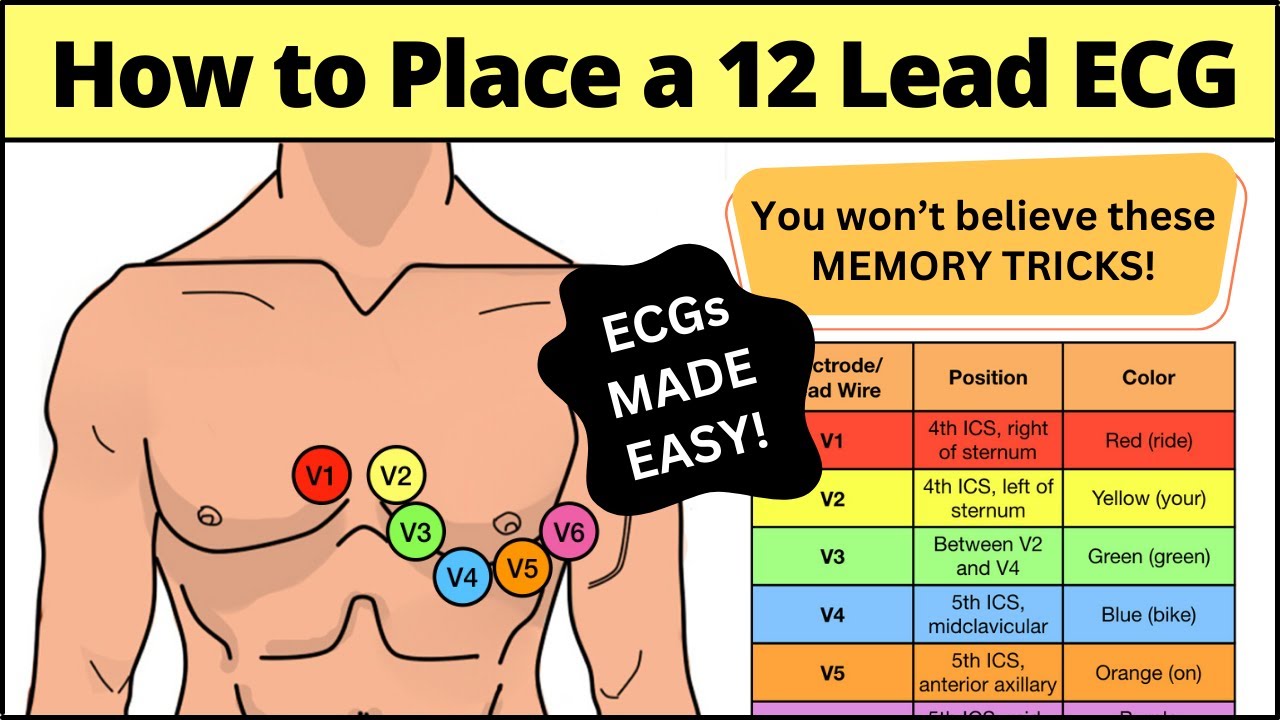
8:39
12-Lead ECG Placement Made Easy: Mnemonics for EMTs, Nurses & Paramedics
@SimplicoHQ
599.9K views•2023-08-31

12:54
Triumph of Orthodoxy Icon: Byzantine Art & History Explained
@BenCallan
2.1K views•2024-08-06

9:49
FastAPI vs Flask vs Django: Choosing the Right Python Web Framework
@TechWithTim
302.5K views•2024-05-26

1:42
Game of Thrones Opening Credits: A Cinematic Analysis
@gameofthrones
46.3M views•2011-04-18
Related Study Plans & Knowledge Roadmaps
Structured learning paths in General & Interdisciplinary Studies
general-studies
Elevator Engineering: History, Physics & Cities
01From Hoists to Safety Brakes: The Dawn of Vertical Lift
02Hydraulic vs. Traction: The Engineering Physics of Elevators
03Modern Speed, Safety, and Algorithms
+ 2 more learning modules
12h5 modules
Explore Roadmap
general-studies
Rubber: Material Science, History & Geopolitics
01Origins of Natural Rubber & Mesoamerican History
02The Chemistry of Natural Rubber & Vulcanization
03The Geopolitics of the Rubber Boom & Colonization
+ 2 more learning modules
12h5 modules
Explore Roadmap
general-studies
Containerization: Evolution, Logistics & Trade
01Ancient Trade & Bulk Cargo: Amphorae to Barrels
02The Industrial Revolution & Cardboard Packaging
03The Containerization Revolution: Malcom McLean
+ 2 more learning modules
12h5 modules
Explore Roadmap
general-studies
Textile Tech: Evolution, Labor & Global Impact
01Pre-Industrial Textiles: Handloom & Cottage Industry
02Mechanization: The Spinning Jenny to the Power Loom
03The Factory System & Global Labor Transformation
+ 2 more learning modules
10h5 modules
Explore Roadmap