
![[2027학년도 EBS수능특강 영어] 22강 1번](https://i.ytimg.com/vi/zEyEUIZXLFw/maxresdefault.jpg)
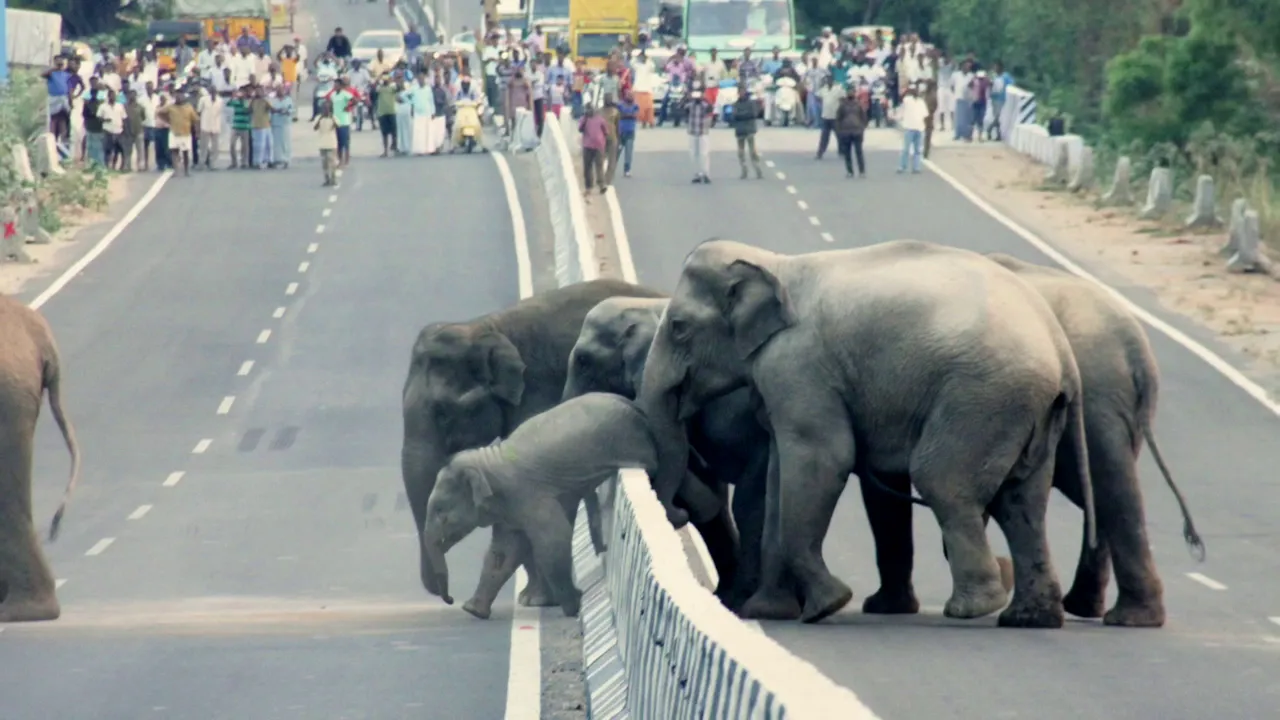
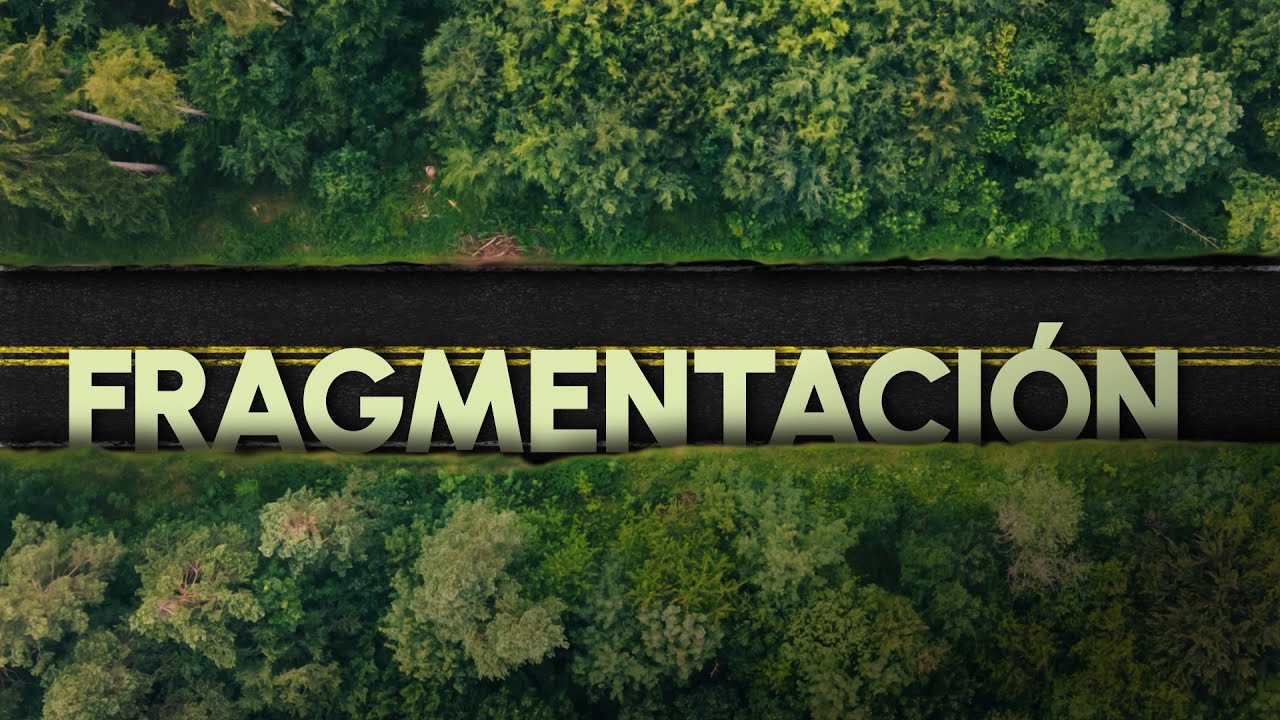







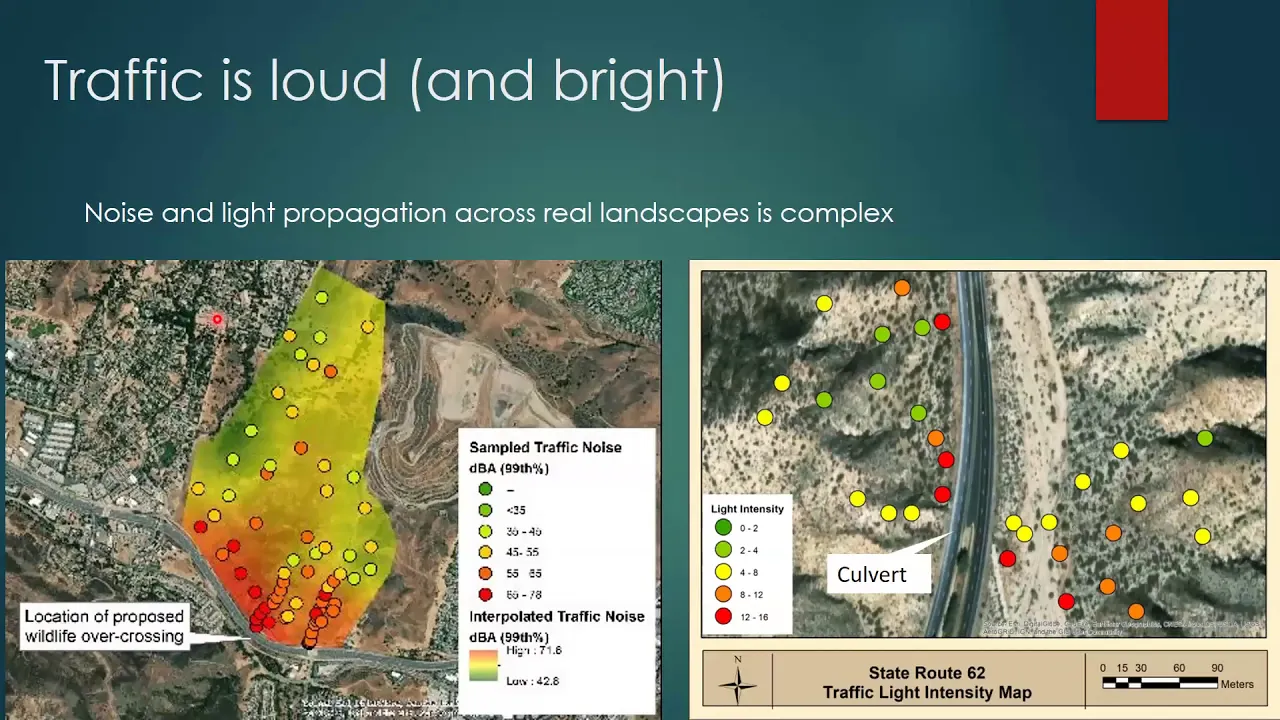


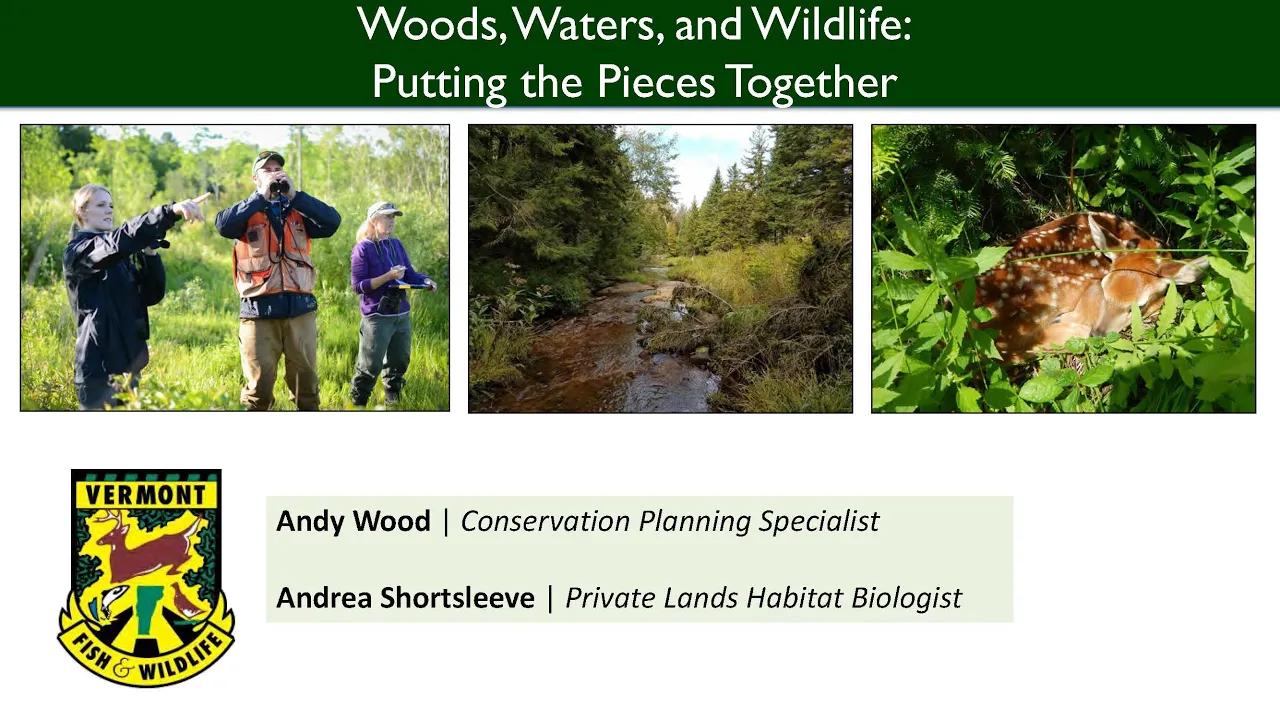

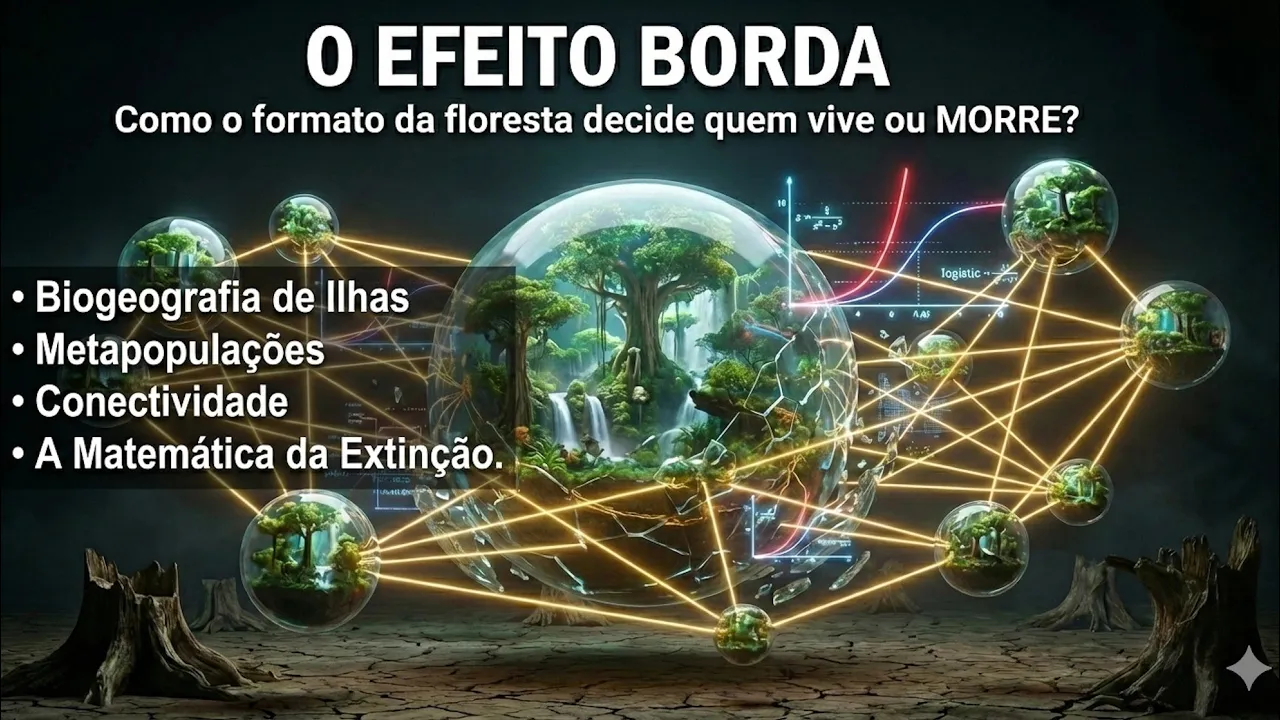
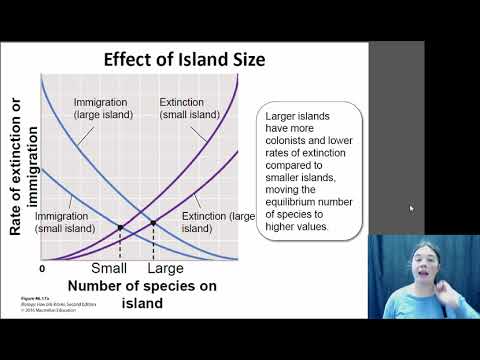






Wildlife corridors and crossings are essential infrastructure that connect fragmented habitats divided by roads, preventing habitat loss and reducing wildlife-vehicle collisions; these structures enable species migration, maintain genetic diversity, and can save society billions of dollars annually in collision-related costs, though their implementation faces challenges due to bureaucratic coordination between multiple managing agencies.
Wildlife Crossings and Habitat Corridors Explained | Edge Effects
Added:The concept of habitat fragmentation and how human infrastructure like roads physically divides natural ecosystems.
Basic principles of gene flow and how isolated animal populations suffer from genetic drift and inbreeding depression.
The ecological significance of animal migration patterns and seasonal movements for survival and reproduction.
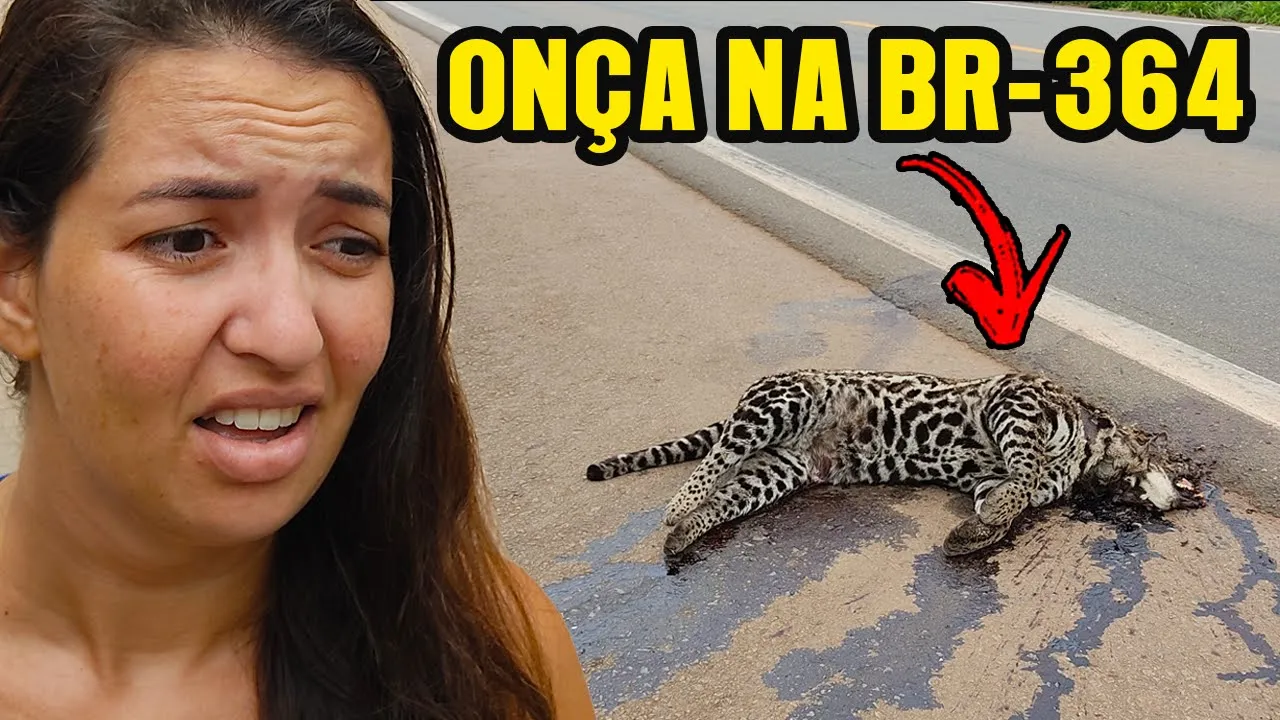
Fundamental understanding of human-wildlife conflict and its impact on both biodiversity and human safety (e.g., vehicle collisions).
Landscape Ecology principles, specifically focusing on the Matrix-Patch-Corridor model of spatial patterns.
The application of Geographic Information Systems (GIS) and spatial modeling to determine optimal locations for wildlife crossings.
Island Biogeography Theory and how it applies to terrestrial habitat 'islands' surrounded by human development.
Environmental policy, public funding mechanisms, and civil engineering standards required to implement green infrastructure on a national scale.
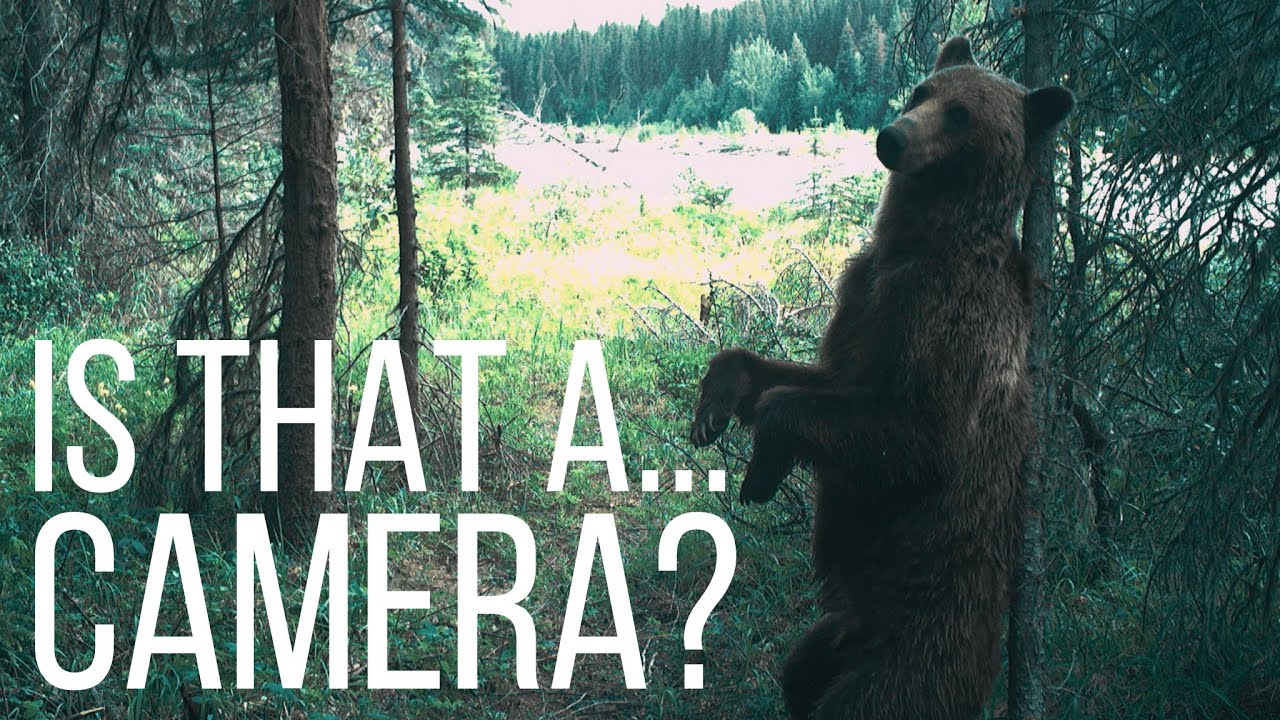
Methods for monitoring and evaluating corridor efficacy, such as using camera traps, hair snags, and genetic analysis to track animal usage.
132 views13likes23:24Original Release: 2023-07-10
hey I've been thinking you and I have known each other for quite a while and I think it's time we can act our habitats together today's video is going to discuss Edge habitat habitat connections and Wildlife corridors so I have been looking at Google Trends and I saw a lot of people ask a question in Google that was which of the following is an example of a wildlife Corridor so of course this is someone's AP test this is someone's exam that they want to you know get the answer for without actually doing any of the background work and I hope that you passed if you found this video because I'm using Google search Trends and this pops up because I'm going to put that exact question into my tags on here hi welcome this video is going to cover everything you need to know so I'll be very Frank that a lot of the stats figures and different understandings of wildlife Crossings uh wildlife habitat uh is from this this is an awesome report that was published in May of 2021 from the USDA and the U.S forest Service that covers a lot of different elements about Highway Crossings and this is of course linked down in description every source that we talk about today is down in the description down below but let's first take a second two uh actually talk about the issue at hand here this may be kind of review for a lot of people but hey let's spend some time to talk about it so what is the actual issue that we are trying to uh convey here well we have habitat we have had habitat for a long time say this giant green blob represents a piece of beautiful forest habitat okay now all habitat has something called Edge effects and the edges of habitats undergo a different set of ecological principles okay it has been found through various studies that the edges of habitats can have microclimate differences up to about a hundred meters into the forest so I'm going to draw a blue line in here now anything between the blue and the green we will consider as Edge habitat okay this is just visual this is of course not done to scale nor is it consistent now in this Edge what happens is a wide array of different effects we imagine this is the Forest right and say wind is coming through well the wind will hit the edge and then it will actually dissipate due to the various uh trees that are there the various plants that are blocking it it will also help in turn keep humidity keep moisture inside of these Central regions okay um further Edge habitat is also a great buffer for fire say there is a farm over here we'll draw a uh well actually a big green tractor uh gotta get that John Deere I grew up in Texas so um tractors are kind of second nature although all of the ones I know are red anyways say there's an agricultural field here uh some fire breaks out because the farmer was smoking a cig while doing it uh well Dryden out on his big green tractor threw it out um I'm stereotyping Farmers right now uh not trying to do that but hey whatever there's a fire now well usually that edge habitat in the case of like forested systems uh this these squiggles represent fire um The Edge habitat will actually buffer out the fire okay so uh there's just two little examples uh so wind microclimates as well as forest fire buffering uh The Edge habitat will protect the interior from being completely burned because of uh well yeah that's just how Edge habitat can work but uh whenever we have more Edge habitat we actually have greater chances for invasive species okay we actually have uh let me add invasive here and we can also have more mosquitoes and pest species on edge habitat I I just want you to have a brief understanding of edge habitat in most cases The Edge habitat is not inherently bad but when we have too much Edge habitat what we lose is this Central habitat so how are we actually increasing Edge habitat how is that occurring so say we Dr say we have this beautiful property this beautiful land right here great it's big it can house many many species and then we're just gonna build a road right through it okay well what happens to this habitat what was once a giant swath a Swatch swath a giant piece a giant parcel of good internal habitat is now bifurcated by a road and what happens is around that road is more Edge habitat okay so let's draw this in here so remember inside of the blue circle is good habitat uh maybe not good is the right way because all habitat is good habitat but inside of this now we have remember Edge habitats can go up to a hundred meters into the forest so now we have this increase of edge habitat okay and this now increases all of the negative effects of the edge habitat okay and we can do the same on the other side as well as decreasing the availability for this internal habitat okay this internal habitat that is unfortunately uh required for many species to exist not all species can exist in the edge habitat areas okay uh think of big enigmatic species like bears and cougars they typically need these large areas of undisturbed habitat they are not as Adept at surviving inside of edge habitat while other species say coyotes are a good example of ones that can exist around Edge habitat pretty readily but also other invasive species uh and generally smaller species so what we've done is we have dramatically decreased the amount of internal habitat just by building a road even if there is still Forest going around the edges of the road so even if there's Forest here that would now be considered Edge habitat okay and these internal areas are now more degraded and of course the smaller the land is the more of an effect it can have so this is a major problem that is occurring throughout pretty much the entire world anytime a road is being built you are bifurcating large portions of habitat and increasing the amount of edge habitat so where does Wildlife play into this well in the U.S alone okay just in the United States there are one to two million collisions between motorists and Wildlife every single year and this has dramatic impacts on Wildlife as well as humans this has resulted in nearly 26 000 human injuries every year as well as 200 human fatalities every year and in fact estimates put the annual cost to Americans at 8 billion dollars so I just want to frame all of this in mind in fact we'll actually write out all of this so we have 26 000 injuries we have 200 fatalities and we have about eight billion with a B dollars of uh damages that the U.S pays out so this would be uh cleanup cruise this would be actual damage to the vehicles this would be any type of law enforcement that needs to get out there or you know in the case of like the car hitting the deer and going way off in the road hitting a tree causing a wildfire Etc et cetera so there's a lot of costs that occur from this but what if I told you there was a way to reduce those collisions by up to 97 percent now we're getting into the Crux of the issue we can create Wildlife Crossings and enable habitat corridors so when we say Wildlife Crossings one of the best examples or maybe a classical example is this a large very wide bridge that goes over the road the bridge is not meant for people it's not meant for humans traveling across the highway this is meant for Animals uh and animals can cross across the the highway so this is an example of wildlife Crossings and there are many different types but what they are looking to do is enable habitat corridors so let's break that down a little bit because sometimes the terms get a little bit uh jumbled so whenever we are talking about habitat corridors what we are talking about are ways to connect habitats so say we have one piece of forest here and then another piece of forest here what we would want is some Corridor that can connect the two now these corridors can be any number of different things this could be a piece of habitat most often in urbanized settings these corridors are green belts that follow Rivers between the two habitats this is a very common type of habitat Corridor another would be Canyons that's another really common way to actually connect it so make sure that your canyons are connecting large open spaces and I have a great example of trying to build habitat corridors in an urbanized setting that's actually my home San Diego San Diego has actually been trying to connect all of their various Parks together and they have an amazing interactive map showing all of their Parks so you can see that there are many connections between these habitats so for example uh here is I believe this is Marion bear possibly part of Rose Canyon up in the north right down here is tecalote Canyon and they are trying to connect the two via corridors via habitat corridors and uh some talks about Wildlife Crossings so here is a really good example of a while of a habitat corridor so you have the beach over here you have the ocean naturally you have the Pacific Ocean here you do have uh this little uh what is this does it tell me um I forget the name of this area but I go there a lot it's a really cool area to go photograph birds and if we follow this little green snakey path okay again following a river I believe this is the San Diego River this is a green belt and it's called a belt because it's long it's skinny and it is following that rivers and Wildlife can cross it yeah San Diego River then it diverts upwards we find it hitting out into another Park before ultimately connecting to Mission Trails one of the largest parks that we have in San Diego County so this is a great example of habitat corridors as well as a few Wildlife Crossings so how do Wildlife Crossings differ than from habitat corridors well in this case we talked about habitat that is connecting to habitats but say we have those same two plots of land uh so we have these two forests whatever um and they are can they are bifurcated by a road okay so a road is going right between them a wildlife Crossing is not necessarily going to be habitat but it will cross that road thus being part of the larger habitat Corridor that is going on here maybe there's some habitat that they want to connect between here but this this right here is simply a Crossing okay this is just a man-made structure that is specifically designed to cross typically another man-made feature most often a road but there are many different types of wildlife Crossings so of course we talk about the bridge um and Banff uh up in Canada actually has some of the best examples of wildlife Crossings they've been doing it uh for decades so there's also great great great data on the effects of um the effects of creating these different habitat Crossings and uh this one up at the Top This is a wildlife Corridor This Is A Highway overpass you can see that it is typically planted this is to make it more natural for the organisms but you can tell very quickly that this is not a big forested area and here this this picture actually I should have shown this earlier this is a great example of edge habitat okay you see along the highway that it's a cleared up that is Edge habitat and going into the woods up until about 100 meters the woods around the highways are fundamentally different they are more affected by wind they are more affected by water loss and they typically have a greater responderance for uh for invasive species I think I just made up a word I don't think responderance is a word don't don't don't repeat that yeah my auto caption thing is not even picking that up as a word um but there are other Wildlife Crossings such as underpasses ones that go underneath the highway this is a great example uh Road culverts are natural underpass maybe not natural since we built them but uh they are a common uh artificial underpass that is typically for water to move through but a wildlife do use underpasses quite a bit um this is another example of the the overpass just a good clear picture there are some trees uh but again it's not fully there yet um but what's cool is that a large amount of species will use this underpasses these overpasses um where am I going oh my gosh I'm trying to go here uh to my whiteboard and and and what was I gonna say what was I going to say oh yeah these underpasses I'm looking at my script uh which is a loose collection of things what they have found is uh we know that these overpasses cost money right they absolutely cost money to make you can't just go out there and build a bridge over several highways without it costing an enormous amount of money but what they are finding is that there are annual benefits from creating these Wildlife Crossings okay and different Studies have shown that the annual benefits from these reduced wildlife animal uh collisions uh Wildlife vehicle collisions alone exceed two hundred thousand dollars per mile per year okay so think about that for every mile that you are accounting for uh that that includes Wildlife Crossing that uh because around a buffer zone say there's a Road here and you place a wildlife Crossing across it here stretching out uh I actually don't have the numbers but um oh my gosh I don't have the numbers in front of me but for every mile that this bridge can affect it's going to save about two hundred thousand dollars per mile and I will say with these Wildlife Crossings there is a warming up time species need time to adjust they need to learn time to learn they need to learn that this that's a b uh time to learn so species do need time to learn uh these Wildlife Crossings I'm covering up the exact thing I just wrote so they need time to learn it does cost money and there is a little bit of a counter argument in that you have to build fences uh so essentially uh we can actually show you a real real world example uh in many cases you have to build some type of uh fence I believe the the where is it the this one here shows it well um yeah it's a little bit hard to tell in this video uh let me actually I can actually zoom in for you guys um so if you look around the edges of the highway you'll see a very long fence going along the highway and this is to essentially funnel the species over the crossing okay it's going uh say a deer a moose an elk or whatever is going to run into this fence usually it's not going to hop it it's not gonna hop it too crazy much but it's going to walk along it it's going to find the crossing and it's going to go over it eventually what they find is the animals actually know where the crossing is it's a learned behavior they know it's a safe Crossing to where they don't have to get hit by a cards to get to the other side of the habitat um and what they find is that with this money that is being saved it is actually beneficial cost wise to do something it is actually there is a uh it actually costs Society less to solve the problem of wildlife vehicle collisions than it costs to do nothing so that billion dollars a year just in the US imagine if that money or eight billion dollars a year um eight billion dollars a year of costs were funneled into creating Wildlife Crossings that is going to save society as a whole money in the long run so naturally the question is why don't we have these Crossings well the the paper that I was talking about here paper this large uh document here let me make sure I'm small again actually details out some of the major issues and one of the biggest problems is that there are often many many many organizations that are operating the roads the parks uh and and they all have a vested interest so say we're in the National Forest um so let's just say we have a forest here and this is managed by uh U.S forest Service you have another pot of land here also managed by U.S forest Service and then maybe you have an adjoining plot that is largely managed by fish and wildlife um sufficient wildlife and then you have this road coming through here uh but then you find out that the road up until up until this point this is managed by the county uh but then this part of the road is managed by the state this actually does happen quite a bit I remember when I lived in College Station they were trying to they were actually trying to build an overpass for for people uh to get from the bar to the classes uh and it was such a terrible problem because because the road they were disagreeing on whether it is owned by the county owned by the city uh and who would actually front the cost to build that overpass for the people um and then even if uh many times there is federal funding to build these overpasses okay so there's federal dollars big dollars to say hey we are the federal uh blah blah blah we are partnering with fish and wildlife and U.S forest Service to build this overpass awesome they front the money to build the overpass but then who handles the maintenance of that overpass who has the crews going out there to make sure the bridge is structurally sound to make sure if someone if a car crashes into it that they can repair it who is in charge that funds it's not the federal government in a lot of cases it's not them it's actually going to be the county it's going to be the state uh this should be a check mark it's going to be the county it's going to be the state so whenever they are saying hey we want to build this money the county could be really realistically and very honestly say we don't have the money in our budget to maintain this long term so we don't want to work on this or it might just be the fact that U.S forest Service fish and wildlife they want to collab they want to put this together but then they have different goals they have different ways of doing things they have different funding opportunities for that fiscal year so it really is just like for lack of a better word it's just kind of a to figure out how do we build this bridge how do we maintain it long term not to say it can't be done many places have done it it just requires a lot of moving parts to even build something very simple or even just converting an already established Culvert into a underpass and another Wildlife Crossing in order to properly have it act as a wildlife Crossing you're going to have to pay for the fences you're going to have to pay for the monitoring to see what species are going underneath it you're going to have to pay the biologists to go out there and analyze the data and in some cases it can take taxa several years to figure out exactly how to use these Crossings so all in all it is just a little bit more of a complicated problem I know many people myself included have said like why don't they just build it it's not that big a deal it saves them money um and often like many things in in biology it is bureaucracy it is politics and it is just we have the money but could someone else pay for it instead so um yeah but this is a very brief overview um I tried to keep it brief I'm looking at the time it's right now 23 minutes um so yeah but let me know your thoughts if you've watched till the end of this video uh you're a Banff uh I appreciate you I'm still trying to get these videos out uh hopefully almost every day I want to be able to get to three times a week at the very very minimum so just trying to figure out how better to do that even if this video is not perfect because I just want to get it out there and if 90 of my information is spot on then I'm happy at this point so uh I'm rambling I don't want to hit it 25 minutes hope you have a great day and if you like what I'm doing please give me suggestions please give me ideas I want to talk about uh and yeah subscribe do that thing that YouTubers tell you to do what's up see ya
Up Next

86:43
Wildlife Crossing Research: US 395 Mammoth Lakes Project
@ucsb_snarl
184 views•2023-06-09

15:54
Life in Biosphere 2: Sustainable Ecosystems & Human Survival
@TED
334.9K views•2009-06-16
14:30
Microplastics Everywhere: How Plastic Impacts Our Lives
@TEDx
100.9K views•2018-05-08
10:28
Ice Stupa Artificial Glaciers: Solving Ladakh's Water Crisis
@SonamWangchuk66
3.2M views•2015-05-03
Related Study Plans & Knowledge Roadmaps
Structured learning paths in Environmental Science
environmental-science
Ocean Noise: Cetacean Impacts & Mitigation
01Fundamentals of Underwater Acoustics
02Marine Mammal Bioacoustics
03Anthropogenic Noise: Shipping & Seismic Surveying
+ 2 more learning modules
16h5 modules
Explore Roadmap
environmental-science
Road Ecology: Corridors, Overpasses & Fencing
01Foundations of Habitat Fragmentation and Carnivore Ecology
02The Road Barrier: Ecological Impacts of Transport Infrastructure
03Principles of Ecological Corridors and Connectivity Mapping
+ 3 more learning modules
14h6 modules
Explore Roadmap
environmental-science
Ocean Acidification: Kelp Buffering & Shellfish
01Fundamentals of Ocean Chemistry & pH
02Chemical Pathways of Coastal Acidification
03Bivalve Physiology & Calcification Under Stress
+ 2 more learning modules
18h5 modules
Explore Roadmap
environmental-science
Ice Stupas: Glacial Retreat & Water Security
01Foundations of Glaciology & Mountain Hydrology
02Climate Change and Glacial Retreat Dynamics
03The Science of Ice Stupas & Artificial Glaciers
+ 2 more learning modules
14h5 modules
Explore Roadmap