















![La struttura degli aerei [Lez.1]](https://i.ytimg.com/vi_webp/Y6LQpaKSXQE/maxresdefault.webp)
![[P3D V4 60FPS] FSLabs A321 First Look! | Full Flight - SHT8G | Heathrow (EGLL) - Edinburgh (EGPH)](https://i.ytimg.com/vi_webp/oyAGE4uoKJE/maxresdefault.webp)

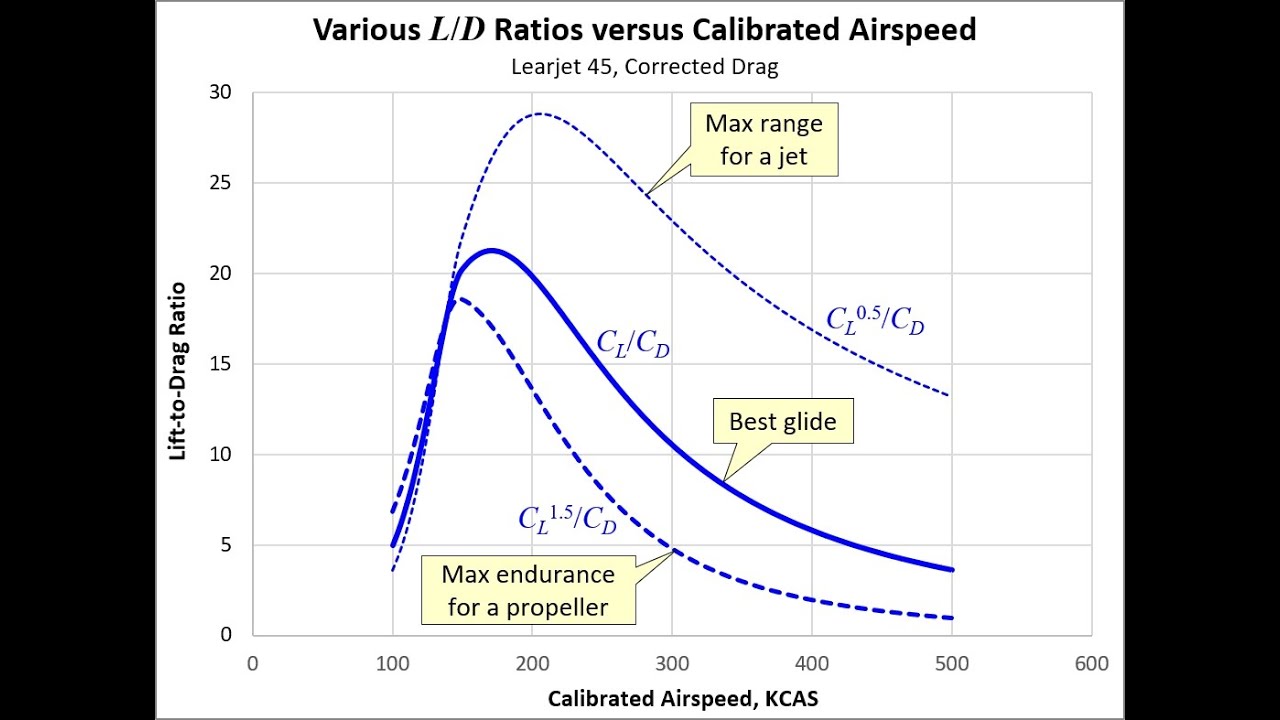
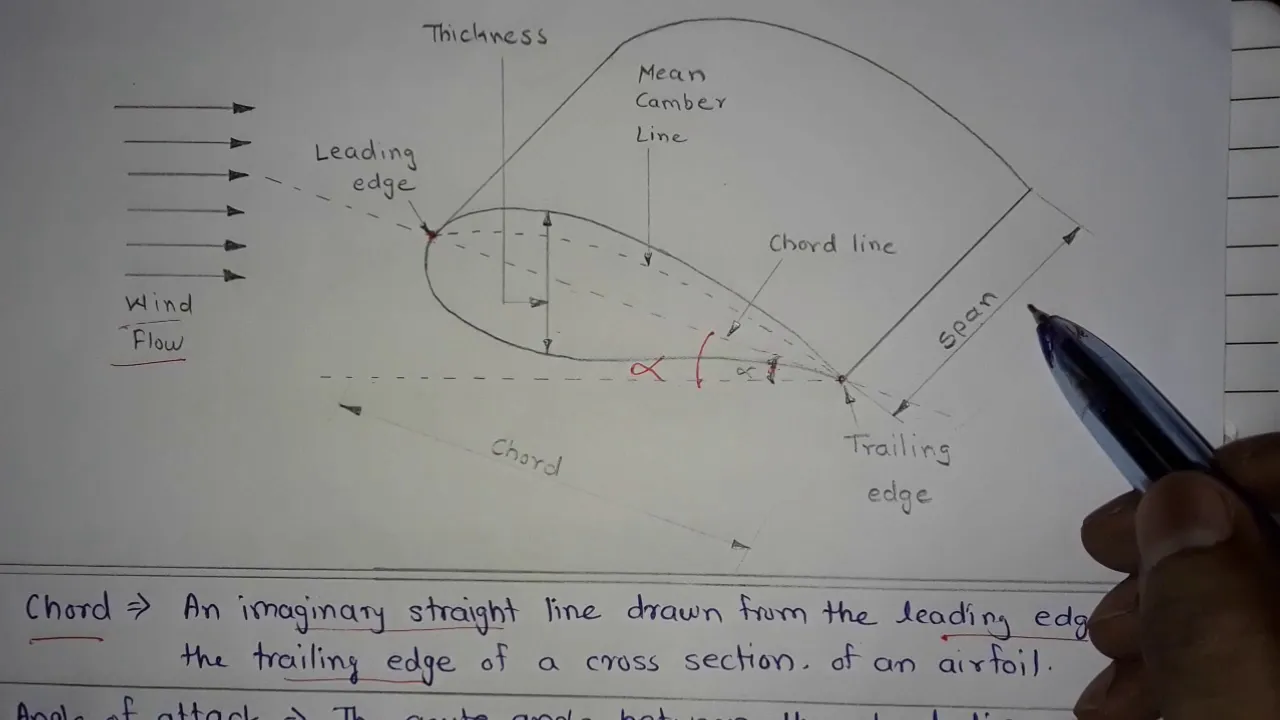
Aircraft flight is governed by four primary forces: lift (generated by airfoil design and Bernoulli's principle where faster-moving air above creates lower pressure), drag (aerodynamic resistance opposing forward motion), weight (gravitational force acting on the aircraft mass), and thrust (forward propulsion from engines). For sustained flight, lift must equal weight and thrust must equal drag; to climb, lift exceeds weight while thrust overcomes drag; to descend, lift is less than weight. The angle of attack—the angle between the wing's chord line and oncoming airflow—controls lift generation, but exceeding the critical angle causes airflow separation and stalls the aircraft. Aircraft control is achieved through three axes: roll (ailerons on wings), pitch (elevators on horizontal stabilizers), and yaw (rudder on vertical stabilizer), allowing pilots to maneuver the aircraft safely.
Aeronautical Engineering Basics: Principles of Flight
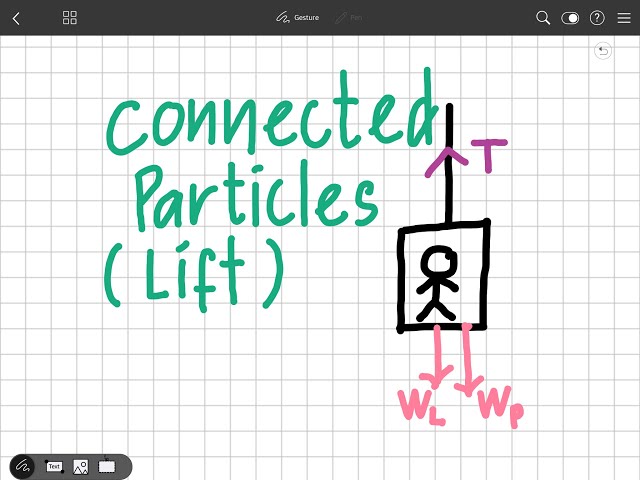
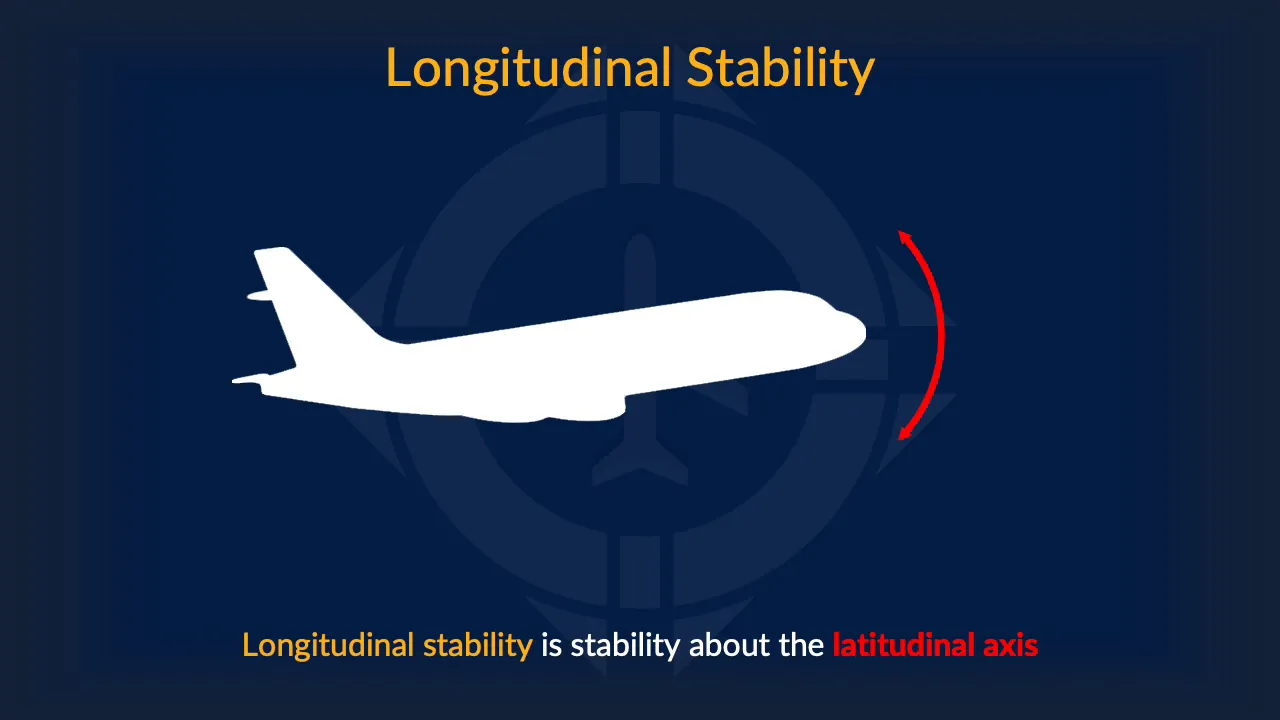
Added:all right in this little session which is only going to take about 20 minutes because we' got no time after that anyway the bell's going to go I just want to get through some of the really basic elements of flight right now we've looked at the history stuff you got this perspective now we're going to look at what is it as an engineer in this course we are meant to know about now flight is maintained as we mentioned already by the fact that the air flow over the AA foil so we go back to that design I showed you in the other morning other day that's an exaggeration no air foil is going to work like that because it'll actually cause too much problem with another thing in a minute the air flow coming over the top creates a faster speed of air to travel the same time to meet with the air that's coming out the other side if you don't get them to meet at the same time what you'll finish up doing is creating a vacuum of some form behind the aircraft which isn't good and it's not possible to do anyway but what you do get too is a problem when they these two mix because they're traveling at different speeds when they come together you can get them to bang into each other a little bit and it creates a area of turbulence so you got to try and minimize that too as we'll see why so here's two things you've got a virtual lift as a result of the more likely to say that the air underneath is pushing up because there's less pressure above to push down so that's where your lift's coming from now the other problem is that this air has to move up and over and change a little bit when you confront it so there's going to be a problem at the front here of air being made to decide where it's going to go and you got this issue at the back right now when we were talking about friction we were looking at friction from the perspective of a box or something on a floor and a natural movement going down as a result of gravity but it's being held in place by a resisting force acting in the opposite direction this aircraft is not on the ground and it's not in contact with anything other than the air this friction was related to the interpenetration of the two materials the roughnesses of the surfaces if you like but you can basically say that from here on in what applied in friction applies in the aircraft friction acts against motion this particular stuff added up acts against Forward Motion you've got to push through the air and you got to stop this tur this turbulence that c attaching at the back and that's referred to as drag drag is what is equivalent to for an aircraft friction to the Box on the slope it retards motion now how do you get motion of the Box on the slope you make sure that the force is greater than the friction all right so you can start moving forward if you have overcome the drag in air second to get up in the air you need for the velocity of the air going over the top here to be sufficient enough to create enough lift enough lift to overcome weight that's terrible writing Muriel so waight I'll put it the other way around weight is due to the mass of the aircraft and gravity now you've got to overcome drag you've also got to overcome the mass due to gravity if the velocity here is important in changing the pressure difference now do you remember from the other day what the name of the guy was who came up with the principle I wrote it down you wrote it down I can look it up too I said did you remember it bini's principle that is that if you have a fluid traveling faster the pressure goes down so the relationship between velocity and pressure is inverse right so if you get the to get the lift you need you need velocity of air over the top to get an inverse relationship between the pressure underneath okay so how do you achieve that well the term we use for it in Flight is that you have to produce thrust now basically that's it from here on in the discussion is going to be related to what are the conditions of thrust and drag versus lift and weight and they are vectors you can look at the diagram as a series of vectors that have to be be counted and work to lift and weight now if you want to go up then clearly your lift has to be larger than your weight otherwise all you're going to do is stay at the same place that's okay when you're at a place you want to stay so if you've got to the height you want to be at then it's great because then you can back off on the velocity cuz you can lower the lift that's another reason why Cru cruising altitudes are really important to commercial aircraft cruising altitudes a place at which you are only going fast enough forward to match weight and drag now if you want speed and acceleration then you've got to increase your thrust now I presume all of us have been in a plane at some point have we anybody here not unfortunate enough to have or unfortunate enough never to have been off the ground yet that's remarkable as I said when I was at school I would not find one person who had been in a plane until I was met this kid who' come back from England right I Reon it'd be hard pressed to go out there now and find someone who hasn't been in a plane and hasn't been in a commercial aircraft so you've all had that wonderful experience my wife loves this she says that it's it's the point of the plane flight that she really enjoys but it's the point of the plane flight that everybody else is white knuckled and that's the thrust that's the plane's taking off and the shake and yeah well she says it's the best bit too um I'm too busy watching the engine shake and all the stuff going on gee I'm glad actually I said to her one stage we're up again in an aircraft we looking out the windows and the wings are going like this and I she looked and I looked at said oh and she said is that bad and I said no that's exactly what you want it's exactly what you want you want the flex cuz rigidity breaks flexibility so as the wings are doing this it's actually a good thing so the the more shaking and vibrating probably the better up to a point of course if bolts start to fall off that's not good but it's that thrust you know that initial get going and they and it's right from it's like a drag race you start from scratch and you go and then you tear up and the plane a couple of times leaving cdy you get you get just sort of leaves the ground and then just goes up and and then Banks you know and you before you know it you sort of leaped off the ground and the and the Ants are getting Bigg smaller and smaller smaller um oh they're people no it's getting further further away right and very quickly because the plane is using the the the most thrust it can get at the shortest period of time to get to a cruising altitude and then it'll tip over and sit and on a a trip like the simple ones like to Sydney Sydney to melbour or Sydney to Brisbane or straight over to New Zealand you're only going one one thing you just straight up you're not going you might have to go around a storm or something sometime but really it's a straight line so they get up there and they just turn everything back you only just once you've got the speed you stay at the speed you that that's something some people can't seem to get their head around too remember I talked about motor car driving when you get on the freeway right you get on the freeway and you get up to speed you're 110 you've accelerated up to it as long as your engine is overcoming friction and drag the engine does not have to do any more work and you get people go but hang on you got to keep going to go spot fast you're already going fast all you're trying to do is stop slowing down and it's the same with aircraft once you get to your flight speed all you have to do is provide enough thrust to keep going overcome drag now if you want to go up you have to accelerate if you want to go down decelerate or alternatively put some things on the wings that will stop the air flow going over the same way and that will then slow the aircraft down as well and you can use the combination of the engine problem with jet engines they don't like to go in reverse not in midair they can be made to Go reverse but they're not really good so what they often do um they do a reverse thrusting system so the jet engine's running in One Direction so let's quickly we we'll talk more about jet engines in another lesson but the jet is trying to come through the air here through the funneling through the compression out the back and that's the thrust but what if what if you have a system that suddenly puts a baffle down the back here so that the thrust is going up and over so you just open a couple of flaps at the back of the engine and you can use the engine itself now as a reversing engine you don't want to do that in air so U you just back off on on the on the thrust and make the Flames would like reverse on the runway or do they actually have Motors in no they the jet engines don't have Motors down on the on the the wheels so what will happen if they're reversing on the runway and it's not using the jet engine if you look out the window there's probably a little guy in a little car with a big steel bar attached to the front wheel of the plane doing it when they land and come up they come up and they meet these little guys in in trucks they put a bar on the front wheel and then they guide them and back them into things so yeah okay this is diagram getting too confusing let's clear it up a bit so lift you got the thrust lift drag stuff going on here so just think in future when you're looking at drag think about um friction really same deal couple of other things I just do this get rid of that come on stay there doing this again yeah got it we're good didn't go didn't go away though yes I do want to get rid of them I use the other side no it doesn't want to stay there this is turning into a comedy routine for the video right okay cool all right try again you can do a number of things with the funny right the a foil can face into the wind or into the direction that you're flowing not into the wind it's not necessarily wind we'll talk a little bit about directions too if you were to tilt the wing up so there is a change in What's called the angle of attack what do you think is going to be the result of the airf flow is it going to be the maximum that you get in level flight does it look logical no what do you think might be the result all right now this can be slightly counterintuitive because it looks now like the air underneath is being squashed against the plane but what is it directing the plane to do the air underneath is now hitting the underside of the wing so increasing the angle of attack up to a point if you go too far then the air flow over the top has not got fast enough to beat the drag being affected on the plane and you lose the advantage and the aircraft stalls that's not good thing cuz they just stop Flying and and fall out of the sky cuz the only thing that was keeping them up was the fact that it had lift so you don't want to go too high but you can use that now you can do things with other control things that can change those elements and you can deepen the front by having a nose that moves you can have a body and some things at the back so you can change the distance over the top and the distance underneath and even the effect of some of the angle of attack by changing the geometry of the wing modern aircraft do that and you may again if you've been on a commercial flight and you get to sit near the wings you can look out and you can see in landing and take off what is happening with these things attached to the back of the Wings creating lift or creating drag depending upon what your opportunity what you want to do so now you're starting to introduce control structures remember I talked to about the R Brothers and um what they did with the idea of having a Canard at the front that did the control for elevation and eventually they moved that to the tail and that became the horizontal stabilizing element for the aircraft and it would it would raise or lower the attitude of the nose of the aircraft and with wings that are fixed to the aircraft it changes the angle of Attack Of The Wings at the same time so pointing the aircraft into the air will create some more lift but it'll also increase drag so you'll have to increase thrust so if you're a pilot know that these combinations of things have to happen in order to keep flying and climbing you need to put the power on to compensate for the additional drag you're now getting because the angle of attack is slightly higher now there's something else you can get out of an aircraft here is that if you leave it to itself to fall out of the sky gravity acting the wing can create a slope like a downward slope on like a ramp and that ramp is just the same as if you put the Box on the the ramp as long as the box is at an angle sufficient for it to overcome the drag the friction it will slide now you can go much further and you'll go faster now the angle at which the aircraft just manages to start going down at a controlled rate so that the angle of the the thrust is now not enough to create the the lift but the aircraft is still flying so it's still got enough to hold it in the air that's the Glide angle right Glide Angle now Glide angles are important too because Glide angles tell you what the aircraft will do if you lost the engine so you got no thrust the only way to keep going forward is to let gravity push you and it's sort of like using the air as a slope to come down now clearly if you want to stay in the air the longest time you want to develop an aircraft wing with a really good Glide path and gliders are designed for that purpose and guess what gliders don't have an engine towed they get towed up to altitude then dropped they are falling out of the sky a glider is literally a falling aircraft it's crashing but it's extremely well controlled crash right however if you were in some of the modern fighter jets where speed is essential to lift you lose your speed they do not fly that Phantom jet that I talked about you know the one that I said was America's proof to the world with a big enough engine and a brick will fly turn the engine off and it's a brick it is it doesn't fly um Glide path then for that is you have to point the nose down and get your acceleration up by flying straight at the ground and then hopefully you've got enough speed to pull up at the end do you know what other aircraft lands like that and it's hardly an aircraft sometimes most time it doesn't operate as an aircraft but it relies on falling out of the sky and generating lift the space Chunnel when it comes back to Earth it falls at a rapid rate once it's got through the area where it's ionizing under the the pressure underneath now what um I mentioned a minute ago something we often talk about that we we talk about wrongly terminal velocity all right terminal velocity is the speed at which you are using gravity to fall but you can't go any faster you can't accelerate because the stuff you're flowing through or falling through isn't getting out of the road fast enough and it limits the acceleration so the shape of the aircraft and the fall could determine what velocity you can reach just using gravity as an accelerator so your thrust is coming from your own mass in the gravitational field right terminal velocity for most people you know like falling out of an aircraft or something is going to be based on what shape you put yourself into um you've probably seen a photographs of people who jump out of aircraft with those Wing things on and do the flying part right so that sort of thing is using the terminal velocity to slow it down by getting air to rush out from underneath you um how fast can it get a a bullet has a nose on the front of it so it doesn't have to push through the air as much so aircraft with pointy noses are there to stop or get higher rates of forward progression because the wind or the air is blowing over it better there's less drag okay so terminal velocity is related to how fast can what you're flowing through get out of the road and gravity is still your accelerator okay so back to those things if you want to go up you want to increase the angle of attack and get lift from underneath as well but you need to compensate for the drag by increasing thrust if you want to go down you back off if you want to just fly straight just keep the thrust and the drag equal pretty straightforward now if you lose any ability to go in forward thrust and you start to fall due to gravity then you better hope that your plane has been designed with a really good Glide path so that the pilot has plenty of time to find somewhere to land right what else is there okay control mechanisms we're talking about the back end being lifted up um these terms for the back section the horizontal sections across the back of the Wings the horizontal stabilizer situation is that when it's moved it's an elevator elevator speaks of going up and down you also have some things along the wings called arlons that can help with another thing you want to do sometimes which is to move the aircraft in a different attitude now probably should talk about the attitudes very quickly there are three axes when you're flying there's the axes straight down the nose of the plane and if you were to turn around on that axis so let's do a stick figure aircraft right stick figure aircraft if you wanted to turn around the axis that is the middle one this line here that's termed roll so you're rolling the aircraft like a victory roll thing they talk about in some of the movies war movies and stuff if you want the aircraft to go from looking at it sideways so you got the wings here and you want it to go up then you're actually pitching on a axis that runs through the wing that axis there and that's called pitch pitching up pitching down pitching up pitching down so you got roll pitching up and pitching down now when you want to turn that Rudder at the back can be made to move left or right or whatever Direction you're actually flying with the left or right is relevant and it moves the aircraft by having the wind or the air I keep saying wind the air hitting it to push in the opposite direction just like it does on a boat so you change the nose position relative to the tail position and that's called yall when you move the nose compared to the tail the control mechanisms for those are the rudder at the back those horizontal stabilizer sections to keep the aircraft float that move called elevators the wings that give you lift with the additional little elements on the sides that can be independently moved to tilt the aircraft in a roll position when you fly if you want to maintain a relatively good attitude to the air for both Wings when you're turning the aircraft you want to roll the aircraft slightly you want to close the nose up a little bit to to compensate for the extra drag that you're generating by turning into the oncoming air so you pitch up or you increase thrust one of the two and the combination of those two things can get you to turn a corner and a relatively tight turn these types of things were first learned in that stuff I was talking about when I talked about World War I fighter pilots they started to put additional aerons onto their wings so that they could turn faster they also realized that when you are in a turn as you turn the aircraft you maybe like that was your forward Direction here now your Forward Air Flow is coming from a different direction because you're turning into it so this part of the wing over here is not going to hit the air at the same angle so when you're turning the the fact that one part of the wing is now not going through the air as fast as the other side side of the wing so you need to adjust these things you need these extra controls on the wings to allow for these tiny little nuances that happen when you start turning remember I said too when the first one I said about the big deal the military weren't going to buy into aircraft until somebody could show them that they could turn a corner flying in a straight line was not a good deal so the right Brothers had to come up with all these things and the other guy Curtis I talked about he got got there first and got the contracts because he was able to do the turns that they were looking for turning the aircraft is probably one of the hardest things to do in the air because as you do it you're actually increasing drag so you got to be aware of all these things if you tilt the wings and you tilt them too far you lose lift on One Wing and you get all more lift on the other Wing right it gets really weird when you fly a helicopter that's because One Wing is going at the direction of the air flow and the other one is retreating they're actually Wings really flying through the air but one so you have to and they actually have to have on the top that little all that control that has all these things on the sides basically as they're going through the air they're changing the pitch of the blades as they go around the corner so as it's going in it's got one one pitch or one angle of attack and when it's retreating on the other side it changes the angle of attack to compensate so it's actually increased there and then comes around changes again so you don't get the plane doing this turn the helicopter on it wants to turn over there were different solutions for that when skyi come one of the great helicopter pilot helicopter designers he put two counter rotating the schnooks yeah and that was also to stop the the the thing that happens when you got the gyration that wants to occur when you turn a motor on and you're not actually holding it with anything um the auto rotation that occurs from the motor so you have to have something on the tail end of the helicopter to stop it from spinning around on itself helicopters are really complex pretty cool though but they're really complex did you'd much rather fly a glider because it's just go straight turn all these sorts of things there not much can go wrong in a glider in style yeah it's it's it is it's crashing in style okay so there's the main things now how we're going to use these in the next few weeks is we're going to be looking at problems involving how you might use the forces that are at Act and work out calculations related to what do I need to have in terms of thrust if I want a certain lift coefficient now they'll talk about drag coefficients like they talk about friction and coefficient of friction it's nothing more than making the numbers add up and it's nothing more than all the horizontal components involved have to um well if you if you don't want motion forward and you want it to just stay where it is not that that's happen impossible with an airplane you must have some air flow over the wings to get the lift so you've always got to be moving forward in an aircraft they don't tend to fly if you don't so um yeah like sharks apparently you have to have to have air flow through the lungs so they don't breathe so there will be some calculations to do anyway so they're the big deals um I think that's about it for today as I said that was only just a brief introduction there's a whole lot of notes in the in the books um you've got here in the textbook stuff on all their you can have positive and negative camber uh the relationship between cord length um so when we looked at that eror foil the distance along them NE often there's a little bit of something underneath whether it's got negative cber or positive cber um that length from there compared to this has some features that make a difference to the lift coefficients and calculating those but we'll we'll look at those at another time but if you started to read through it so bini principle we've looked at lift and drag weight all good AER foil shapes structural integrities and stuff like that um the other thing you'll find too as you look through it you can see that um the structure of the aircraft is particularly the wings are often talked about as candle lers um so you know just trying to bring in beams into it and the big is going to be jet engines when we get to jet engines and stuff okay couple of other things that will come up as we go is some really interesting questions like how do you tell how fast you're going how do you tell how fast you're going in a in a in a car and the meter is controlled by what the wheel rotation real rotation propeller rotation that wouldn't work what it no so there's an interesting problem how do you know how fast you why do you want to know how fast you're going don't want to break the wall what in an aircraft don't want to speed no no all right you're flying from one place to another and it's night time and you can't actually see anything to take bearings off and such which is why in the early times of flight you didn't fly at night cuz if you didn't have any of this you didn't know where you were so yeah so if you're flying high you want to know how far you flowing in the time you've been in the air so you do need to know how fast you're going right now that's an interesting question because you can't just stick a wheel out and run along the ground all right that's not going to work the other one how do you know how high you are they yes they do but how do they work so we'll be looking at that some interesting things in there have solving problems related to things that you never had these problems didn't exist until people started flying all right how far up are you that's us the case yeah that's re the case I'll give you a clue you you personally as a human being have one of these in you as a natural consequence of who you are and that is the middle ear and in the middle ear you've got a pressurizing element and you all know that you can tell that you've gone up a mountain because you going to oh what's that pop yeah or blow your nose same for divers when they go down so you can get a clue from that that height is going to be related to pressure yeah yeah yeah
Up Next

Quadrotor UAV Dynamics and Control: MATLAB PID Simulation (AE450)
@cometstory3639
54.9K views•2019-12-19
Ultrasonic Transducers: Resonant Frequency Measurement and Horn Design
@imajeenyus42
229.9K views•2017-02-22
Polymer Environmental Degradation: Mechanisms & Stabilization
@iit
1.8K views•2012-07-10
How a Student's Question Saved a NYC Skyscraper from Collapse
@veritasium
22.8M views•2025-04-26
Related Study Plans & Knowledge Roadmaps
Structured learning paths in Engineering