

![Leverage Effekt [Geld, Banken & Währung #4]](https://i.ytimg.com/vi/DFsR4HHTFHk/maxresdefault.jpg)
















![[Economy] Basel Norms and Prompt Corrective Action (PCA) | Deepak Kumar Singh](https://i.ytimg.com/vi/Qe4vglC8VCU/maxresdefault.jpg)














Basel Norms are international banking regulations established by the Bank of International Settlements (BIS) since 1988 to ensure financial stability by setting minimum capital adequacy requirements for banks. The framework evolved through three phases: Basel I (1988) focused only on credit risk with an 8% CAR requirement; Basel II (2009) expanded to cover credit, market, and operational risks with stricter 9% CAR in India; and Basel III (implemented by 2019) introduced enhanced measures including better capital quality (6% Tier 1), counter-cyclical buffers (0-2.5%), leverage ratio (3%), liquidity coverage ratio (LCR), net stable funding ratio (NSFR), and special oversight for Global Systemically Important Banks (G-SIBs) to prevent future financial crises.
Basel Norms 1, 2 & 3: Banking Reforms Explained | Tier 1 & 2 Capital
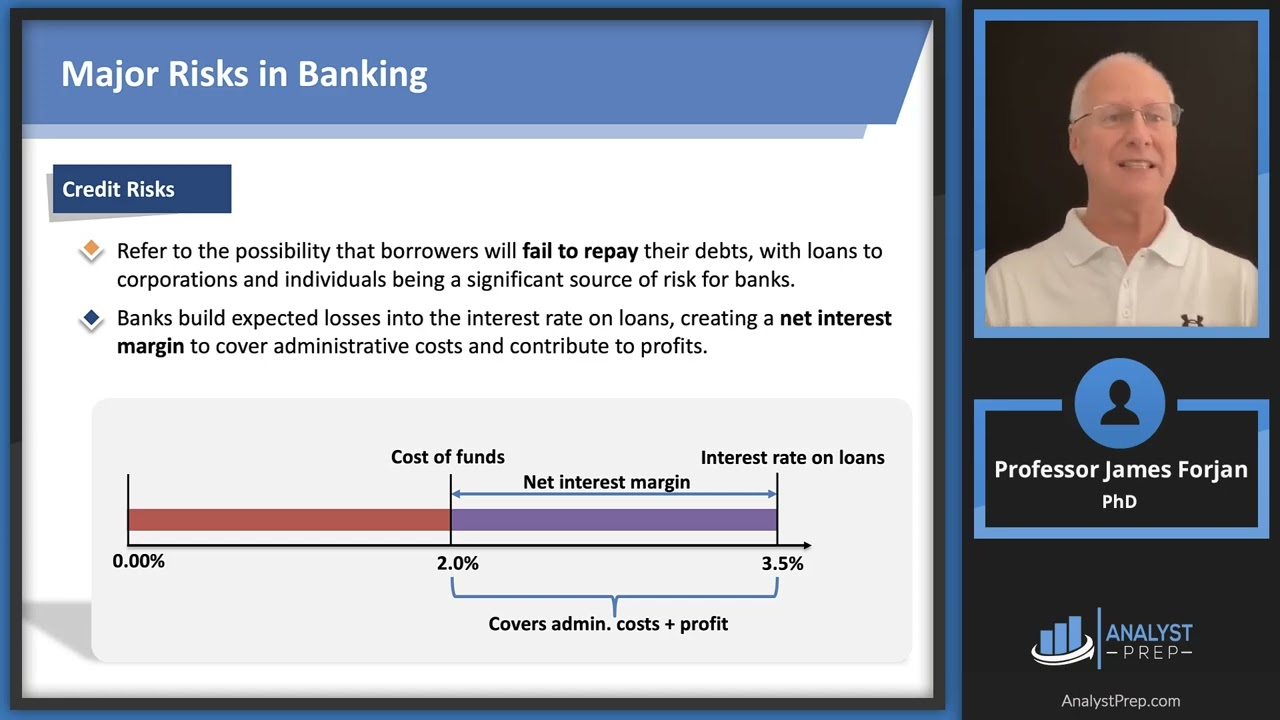
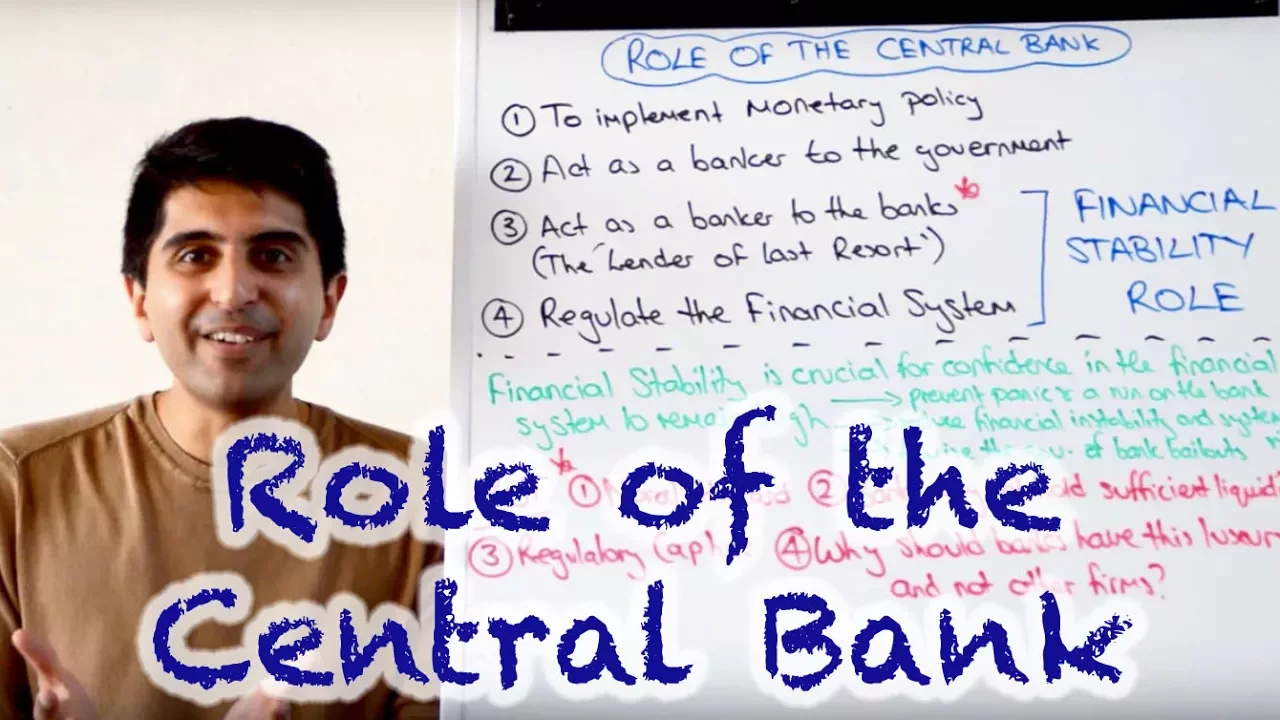
Added:welcome back the next lecture of financial institutions so in the last lecture we discussed about the banking sector reforms we discussed about the narum committee and then we discussed the recommendations of narum committee then we discussed about the mclr marginal cost of fund based Landing rate and then finally we discussed about the recommendations of the PJ n committee one one of the recommendation of nyum committee was India should implement the basal norms so what exactly is basal Norm so in today's lecture we will discuss about different different basal Norms the need of basal Norm why we felt basal Norm is required to be implemented in India which body is there which governs the basal Norms whether the basal Norms are being implemented or not some International body should be there then we will discuss the technicalities what is capital adequacy ratio the exact definition today we will discuss the Tier 1 Capital tier 2 Capital the Basel one Basel 2 basil 3 the new things in basil 3 and some critical analysis of Basil 3 all these things we will discuss in today's lecture so first of all we will discuss what is the need of basal Norm the name itself shows it is just a norm it means it is not mandatory to implement it they are they are not binding in nature they are just suggestions they are just Norms then who gives these Norms Bank of international settlement was established in 19 1930 when 1930 Great Depression came so at International level the a demand was felt some International Bank some Bank of the Central Bank it should be established so bis Bank of international settlement was established 1930 at Switzerland this bis over a period of time in 1988 bis established a committee that is committee on the banking supervision and this committee on the bank Bing supervision recommended different different basal Norms what all things should be included in basal Norm what different Norms should be there in the basal norms and their target as well what should be the target of tier one what should be the target of tier two so all these things they were recommended by the committee on banking supervision then why we need Norms the thing is bank is the basic backbone of any economy so we should have different different indicators first indicator to measure riskiness of the bank second indicator to measure third indicator to measure and if you are measuring these indicators these are the ways through which you are measuring the risk there should be some Norms some solutions predefined Solutions should be there so just like we have NPA so NPA is one tool through which you measure the riskiness of the banking sector Capital adequacy ratio is one of one more tool through which you can measure the riskiness of the banking sector and to avoid all these mistakes in future Bank of international settlement prescribes the basil n then we have one more reason why we should implement the basal n is suppose this is India these are some European countries these may be some African countries or Latin American countries so if one branch of SBI is having office in India the second branch is having office in these two European countries if India will not implement the basal n and these two countries have implemented the basal Norm so they have to fulfill whatever is required in these basal Norms so how we will do the analysis this branch of SBI will send the data in India but the format will be different this branch has to maintain the data in the format prescribed under basal Norm the requirement will be as prescribed in the Bas La in the globalized era when all these economies they are integrating with each other so there should be some common minimum terms just like in case of poity we have fundamental rights so fundamental rights are not absolute it means the government or the executive they can take away some of the fundamental rights of the individual for the betterment of the full Society we have individual fundamental rights government can take away some of these fundamental rights during some contingency situation for the betterment of the society similarly all these countries are sovereign countries we should decide our own monetary policy fiscal policy but for the betterment of across world because we are integrated 2008 recession India's no mistake but still we got infected because we are integrated this world has been integrated this is known as the global village all these countries these economies they are integrating so some of these sovereignity to decide the monetary policy it should be taken away by Bank of international settlement and bis should prescribe some of these Norms these Norms as such they were prescribed in Basel one Basel 2 and Basel 3 but it should be like in India we have a concept like crr and SLR but in USA there is no concept like crr so there should be a compromise which this Bank of international settlement should prescribe then what should be the value of CR and SLR can be decided by the respective Central Bank but as such there should be some concept like that that in so generic form they prescribes or the be is prescribes the Norms once again the Norms of the Basel are not mandatory to the member almost more than 34 members are there but all these 34 members it's not mandatory even if you are a member of this bis still it is not mandatory to implement the basal n but why we are implementing because we have to integrate India is integrating with different different economies so there should be a Comm commonality there should be common the record keeping the different different crr SLR all these tools they should be common this is what the need of the Basel n then we will discuss the type Tier 1 Capital tier 2 Capital different different tier that we have so in the capital adequacy ratio the definition of capital adequacy ratio is C equals to Tier 1 Capital also known as core Capital plus tier 2 Capital also known as supplementary Capital upon risk weighted assets this we discussed in the previous lectures we discuss it is nothing but paid of capital upon this but tier one Capital itself is made up of paid of capital plus it is made up of statutory reserves plus disclosed reserves so what exactly paid up Capital means the promoter's money when they want when you want to start a company your own fund is known as paid up Capital now the statutary reserves what is the statutary reserves so these are the reserves which are required to make you solvent plus if you will maintain these statutory reserves the cost of your insurance will be less how it will be less because to your insurance provider you are saying this much amount of Reserve I has maintain in my accounts always so in case of some contingency in case of some risk I have this much amount of reserves always sa so that is going to decrease your insurance cost plus the statutary reserves will make you always solvent then the disclosed reserves so in case of banks only you have this thing that whatever your profit is suppose the profit of this bank is 50 lakh rupees so now it is the discretion of the bank to keep some reserves as disclosed and some as undisclosed so this disclosed reserves which the bank is telling to the public that this is my disclosed Reserve is known as disclosers so tier one capital or the core Capital the core assets of the company they are the paid up Capital inserted by the promoter then the statutory reserves maintained by the particular bank and then we have the disclosed Reserve so these are the core Capital then we have the tier 2 Capital so under this tier 2 Capital the first one is undisclosed the amount which you are not disclosing is the supplementary of course that is a type of capital of course that is your asset but in the priority order it is known as the second priority it is tier tier two it is just a supplementary of the core Capital then first we have the undisclosed then we have the preference shares we discussed that the normal shares they are they got the least priority but preference shareholders they got preference above the normal shares the preference shares they will come under the supplement capital and then the third one that is known as subordinate debt from exam perspective these things are a bit technical but because Basel 3 is in news these things can be asked which of the following does not come under Tier 1 Capital which of the following does not come under tier 2 Capital so revising it tier one means paid up Capital statutary reserves disclosed Reserve tier two is undisclosed those reserves preference shares and subordinate debt let's discuss what is subordinate debt means so suppose this is Bank SBI is there and SBI has created a morticed back security SBI has given a loan to a and in return a gave the house paper on the basis of these house paper you have created a mortgaged b security which you have sold to somebody else so this mortgaged B Security will be the example of subordinate debt when you will liquidate this particular thing when you will liquidate suppose anything the order of preference will be the normal debt whoever is the B Bond holder the normal debt the second priority will be given to the subordinate debt the third priority will be given to preference shareholder and the last prefer uh priority will be given to the shareholder so this is what at the time of liquidation this again can be asked in the exam what is the order of priority if a company liquidates so first one is that second one is subordinate debt the example of subordinate debt we discuss this morgage B security that we discuss because MBs is deriving its value from this when you have created this MBS so as such there is no existence of this MBS but you are deriving the value of MBS from this thing so here you are selling this MBS maybe to a in return when you are selling this MBS to a in return a is giving you some money so this debt will get the second priority such type of debt a will get the second priority because a has not directly invested in SBI a has purchase a derivative security so first Whoever has given a direct loan to SBI suppose SBI issued some FD so this FD holder B will get the first priority then this a will get the second priority because a has invested in this Mage back security which is a derivative security so of course a should get some money but a will get the second priority the third priority will be given to the preference shareholders of SBI suppose SBI has issued 10 preference shares so that preference shareholders will get the third priority and the normal shareholder of SBI they will get the last priority so this this is the order of liquidation debt subordinate debt preference shares and shares I hope the concept of subordinate debt is clear subordinate debt means it is a type of debt only why it is a type of debt because SBI is borrowing something but the manner in which SBI is borrowing is by using a derivative security so through derivative security when you are borrowing so this becomes an example of subordinate debt the subordinate debt is a part of ti2 Capital then we have types of risk so there can be different different types of risk whenever you are considering the whole purpose of this basal Norm is identify different different risk so the first type of risk can be credit risk just like in Risk weighted assets we discuss such type of risk can be there supp you have given the loan and there is no mortgage so there is a risk attach suppose you have given a loan to government of India so there is no risk you have given a housing loan it means there is some risk to vehicle loan there is more risk so s this these these type of risk it is known as credit risk then we have the second type of risk that you have to consider while framing the policy is Market risk Market risk in the sense suppose interest rate is increasing so you have to count if the interest rate increases exponentially what will be its impact on the functioning of the bank suppose the exchange rate $1 suddenly becomes 90 rupees so what will be its impact on the functioning of the bank all these things all this risk you have to include while framing this Basel one Basel 2 and Basel 3 then we have operational risk this oper ational risk is nothing but which is not in your hands when you operate the environment in which you operate there is some risk which is associated to this oper uh environment just like if flood comes some fire comes some there is hacking on your website some fraud comes so all these are the externalities so these external risk also you have to consider while you are framing your basal Norms so this is known as operational risk under Basel one only credit risk was counted because at the time the intellect of the committee on banking supervision was not that much to count all these type of risk so during Basel one they counted only credit risk the second negative of Basel one is there was no differentiation between different types of data suppose we have one data and the risk profile was not there no risk profile of different different datas has been created if this person is Vijay Malia or this person is Sahara group member or this person is indigo group CEO or this person is infosis group so this differentiation of different different datas there was no such provision so if you have such provision then accordingly you can make the risk profile just like for individual cases we have something that is known as C bill so C Bill gives you the marks out of 1,000 I think an uh an advertisement comes related to Cil a person visited a bank and there was a huge queue in that bank and the person that's that was standing there and he said my civil score is 850 and suddenly the executives started running towards that person so civil is your score out of 1,000 just like we have chry chil is a rating agency which rates to different different companies suppose one company wants to come up with some debenture so chrysal will give rating to that particular debenture one company which is coming with some IPO and all these things so they will give some rating similarly we have international rating agencies also that we discuss SNP modies F at the company's level we have chil at the individual level we have Cil just like to the individ uals you give these scores to this crysal you giv this to companies you give this rating when they come up with the debenture or the IPO fpo and all similarly there was no differentiation between different different datas in Basel one but there were lots of positive things lots of positives of Basel one it was like it set up a benchmark across the word it increases drastically the value of CAS Capital adequacy ratio it was very simple in nature so all these are the positives of basal one then we will discuss Basel 2 Norm in India it was implemented in 1999 then we will discuss the basil 2 Norm so basil 2 implemented in India by 2009 just one year after the recession came so under Basel 2 they counted all the types of risk be it we can remember it with CMO chief medical officer so be it credit risk Market risk or operational risk so all types of risk they were counted under this Basel to Norm and the capital adequacy ratio its value which was stated it was 8% but within India the basil said it should be 8% but RBI Papa domestic regulator our regulator said it should be 9% % so for Indian Banks it was the banks which were India they have to fulfill 9% only so as per basil 2 is what % similarly as per basil 3 it is 10.5% and from with RBI RBI is saying it will be 12% the deadline is 2019 so exact figures we will get to know in 2018 and 19 but right now it is 12% now Within These C there should be minimum criteria for Tier 1 and tier 2 similarly here also there should be criteria for Tier 1 and tier 2 as per Basel 2 the Tier 1 and tier 2 both should be 4% and 4% in Basel 3 they have improved the quality of capital by making it 6% and decreasing it to 2% then 6 + 2 is 8 only how come they have come up with 10.5 because they have created new features these new features we will discuss in the basil threeome so now because the Basel 2 failed the regulatory lapses the regulatory reasons and the consequences led to Basil three Norms the recession came which clearly shows that the basil 2 Norm was unaccessible across the world because that recession came because of banking sector and we already have this Basel 2 norm and when the recession cames it clearly shows that basil 2 failed miserably so when this basil three came it was because of the regulatory failure following new features these are the new new things which were added in Basel threeome just like it widens the scope of operational risk the third type of risk it it widens the scope new new things have been added then the disclosers more information the bank should share with the shareholders with the market with RBI and all these things exactly what are these things that we don't know because the deadline is 2019 and this is only 2016 so once this information will come then that may be relevant from exam perspective but the topics which I'm covering this Bas the things which I'm discussing under Bas is more than enough from any exam perspective be it any exam s RBI State PCS upsc it is more than enough last to last year upsc asked one question Basel three Norms are related to which of the following things and they as one option was the banking sector such simple questions upsc has are the state PCS or SSC can ask some different questions some factual questions they can ask like what is the tier one Target under Basel 2 what is the tier one Target under Basel 3 so some factual questions can be asked the next major change in basil 3 is the better Capital quality this also we discuss how it is better Capital quality how is better because the tier one has increased to 6% earlier it was 4% in Basel 2 so now it became 6% then the counter cyclical buffer now this is a good concept the counter cyclical buffer says there the economy can face two types of situation first one is the economy is Bo booming when there is huge growth and when there is recession counter cyclical buffer CCB so when the economy is growing too much so at that time there are chances of there are chances of inflation in the economy because more boom will be there inflation is always associated with the growth more demand will be there so inflation is possible so how to curb inflation you can curb inflation by decreasing the money supply so this money supply should be removed from uh the banks or the economy and it should be stored with the Central Bank of any country so it will be kept as a reserve ascept separate Reserve which is different from the existing in in India we have the crr SLR and all these things we're talking about International Norms so countercyclical buffer will be a special buffer which you have to maintain with RBI when the growth of the economy is huge and the sh uh this thing the minimum and the maximum value of CCB will be 0 to 2.5% now what should be its value that will be decided by RBI but its value should be in the range of 0 to 2.5% so when the economy is heating when it's too much of growth is taking place maybe RBI said its value is 2% so more money will go extra two money will go and stored in the RBI so the money supply in the economy will decrease that may decrease the inflation in the economy and whenever there is recession in the economy in case of recession you need extra money so that extra two % this 2% suppose was the value the maximum can be 2.5 but suppose RBI said for India it is 2% for this year so this extra 2% will be released by RBI and that can be used at the time of recession because at the time of recession you have to increase the lending so as to increase the demand so as to increase the purchasing power of the society so during growth time you will extract you will remove this extra liquidity so that to curve the inflation and during the time of recession this extra liquidity can be injected from the central bank so that more and more lending will take place and that can look after the impact of recession so recession can be to overcome recession so this is known as the countercyclical buffer so this is very interesting thing when the economy is growing at that time the value of countercyclical buffer will be more and when there will be recession the value of countercyclical buffer can be as low as zero so this is the New Concept counter cyclical buffer then we have a new concept that is known as leverage ratio so we discuss Capital adequacy ratio and that Capital adequacy ratio is nothing but the Tier 1 Capital plus the tier 2 Capital upon risk weighted asset but if you are dividing this tier one and tier to upon total assets without weighing it without taking the average of the risk profile whatever amount you are landing multiply by whatever the risk that is associated taking the average that is known as risk weed assets but in case of leverage ratio you are considering tier one Capital tier 2 Capital divided by assets so that is what the leverage ratio that is a New Concept at present its value should be 3% the present value the initial value Val is 3% now finally that will be decided by the central banks of the respective countries the next we have is liquidity coverage ratio you have to cover your liquidity just like we have Sr so what is the role of SLR statutary liquidity ratio is whatever liquid assets that you have maybe you will invest in any of these four options these are Cash Gold unencumbered government security and exess reserves similarly liquidity coverage ratio LCR will look after your 30 days stress period assets the function the objectives of SLR we discuss in case of Bank this this amount of assets which are being saved because most of these assets they are being stored in the government security so these assets whatever are available with the banks in case of bank run these assets will be sold in the market and the money of the investors will be returned similarly a very similar concept to SLR has been prescribed that is liquidity coverage ratio it means 30 days tress period assets the banks has to maintain it it is also same as SLR SLR is the general one and it is only for the 30 days stress period whatever the total assets of the bank of 30 days that the banks has to maintain now as for the national thing you have to maintain SLR now because I'm saying India will also accept the recommendation of Basel 3 so India will also cover LCR so a lot of money will be stored with bank only that is why Orit Patel committee they said India should adopt only LCR which is an international commitment and we should abolish the concept of SLR but because we still have time the deadline of Basel 3 is 2019 so right now SLR has been continued and liquidity coverage ratio has not been implemented in India next we have is net stable funding ratio this net stable funding ratio is nothing but to check the asset liability mismatch problem so to incentivize the banks so as to collect the money from some stable Source you know one one of the major reason of Basel 3 uh of the uh one of the major reason of the recession was in developed countries the banks were under capitalized the banks were not having any money because uh in developed countries the shadow Banks the money available with Shadow Banks was more than three times the money available with the banks so the banks were under capitalized and when you are under capitalized but you have to perform you have to sustain so to make your particular business viable you started borrowing for short duration because for short duration the rate of interest is less the banks has to pay less interest in case of short duration but Banks were Landing for more long duration so that created an asset liability mismatch problem because two reasons developed countries Banks they started borrowing for short duration and the funds available to the banks were not much because funds were shifting to the shadow Banks also known as nbfcs so to incentivize the banks to take the funds from some stable sources or there should not be any asset liability mismatch problem for one year this net stable funding ratio will be prescribed and now what will be its value and all this thing has not been disclosed by RBI but this is as per the concept net stable funding ratio will be used to stabilize the borrowings of the bank for full one year for short duration liquidity coverage ratio for long duration net stable funding ratio then the last initiative is g g is nothing but globally systematically important Banks so just like lemman brother filed bankruptcy so lemman brother was such a huge huge bank so by learning from that mistake under Basel 3 we came up with the concept that whatever these big big banks these big big International Banks are there you have to take special care of these Banks the transparency Norms the disclosure should be more than the normal Banks because we as the world economy cannot afford that any of these Banks files bankruptcy so what we did is we give extra targets to these Banks just like if for the normal Bank the capital advocacy ratio is 10.5 so for these Banks it can be 11% if you have to disclose this much of the information but for G saes you have to disclose an extra bit of information across the border should be transparency it should not be like if it's a big Bank having one branch in Europe and the second branch in USA so this Europe Branch don't have to disclose any information to the USA Branch so the disclosure Norms they all has been expanded so this is what the GCB is so how many Indian banks are mentioned in GC option 2 3 4 5 of course zero because no Indian bank is so big that is what we discussed that is why the need of authorized Bank investor suggested by PJ naak committee so no Indian Bank was mentioned in GC so who cares RBI said we will use our Dy ships not a problem if we none of our bank came in the global systematically important Banks so we will come up with our theyy systematically important Banks the full form is domestic systematic important Banks and every year RBI will announce two or three domestic systematically important Banks I think SBI and ICI right now RBI has disclosed that ICICI and SBI these these are the two domestic systematic important Banks so these are the things which are more than enough related to the basil Norms thanks a lot
Up Next

The Art of Listening in Aid and Entrepreneurship: Ernesto Sirolli
@TED
849.1K views•2012-11-26

Impact of Yuan in Indo-Russian Trade Amid Sanctions
@WION
261.9K views•2022-07-01

Indian Taxation Structure: Direct vs Indirect, Union vs State | Explained
@MKYadav
28.8K views•2017-02-05

The Age of Easy Money: Fed & Inflation | Full Documentary
@frontline
21.2M views•2023-03-15
Related Study Plans & Knowledge Roadmaps
Structured learning paths in Economics