


![DISCOVERING MUSIC THEORY Grade 5 [Ch 6] | #ABRSM | ANSWERED AND EXPLAINED](https://i.ytimg.com/vi/5liIcba9jdI/maxresdefault.jpg)

![AP Music Theory Crash Course [Part 4] - Harmonic Composition](https://i.ytimg.com/vi/_VB3CmRl_gw/maxresdefault.jpg)


![قيادة الصوت في الكتابة الهارمونية [تعلم الموسيقى بالعربية - 38/40]](https://i.ytimg.com/vi/rU7cr-LMOaE/maxresdefault.jpg)


![النوتات الغريبة [تعلم الموسيقى بالعربية - 30/40]](https://i.ytimg.com/vi/IkeAExjx9aw/maxresdefault.jpg)
![Music Theory I: Introduction to Nonchord Tones [Livestream Archive]](https://i.ytimg.com/vi/V_1baJnRA08/hqdefault.jpg?sqp=-oaymwEmCOADEOgC8quKqQMa8AEB-AGACYAC0AWKAgwIABABGGUgZShlMA8=&rs=AOn4CLCkJlX3AftXkZOspakwq1YX3oVW3Q)

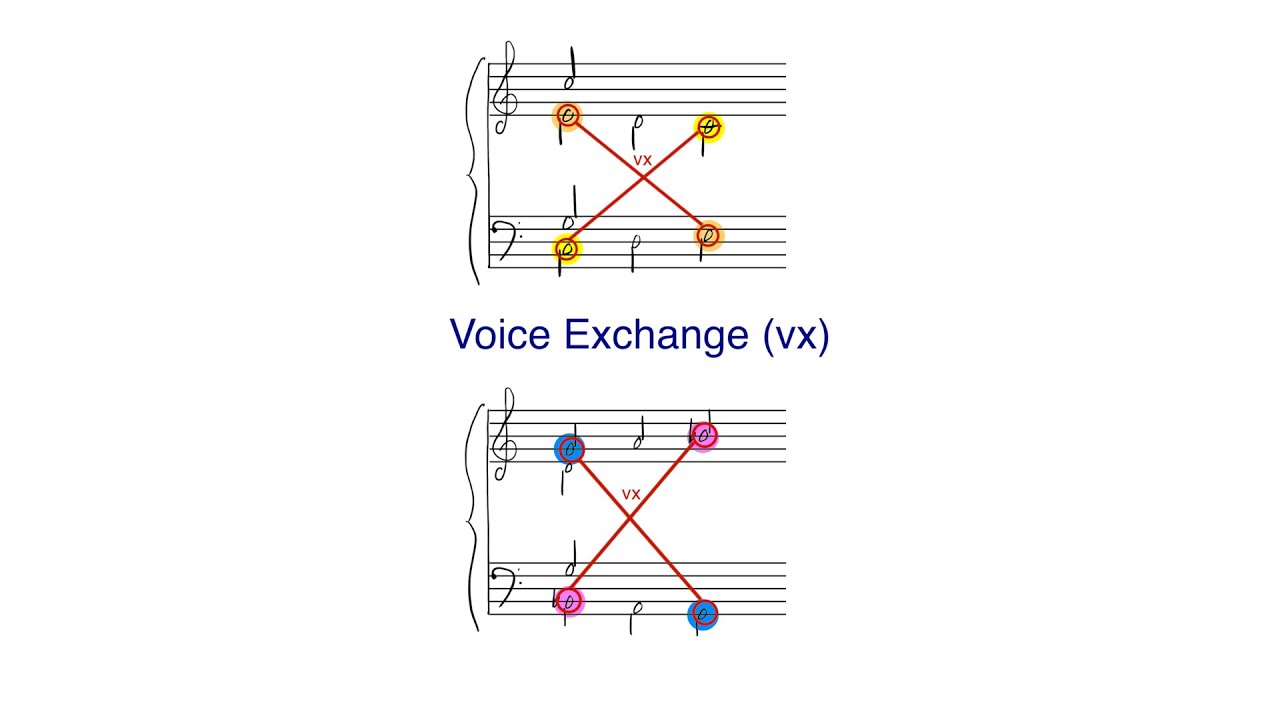





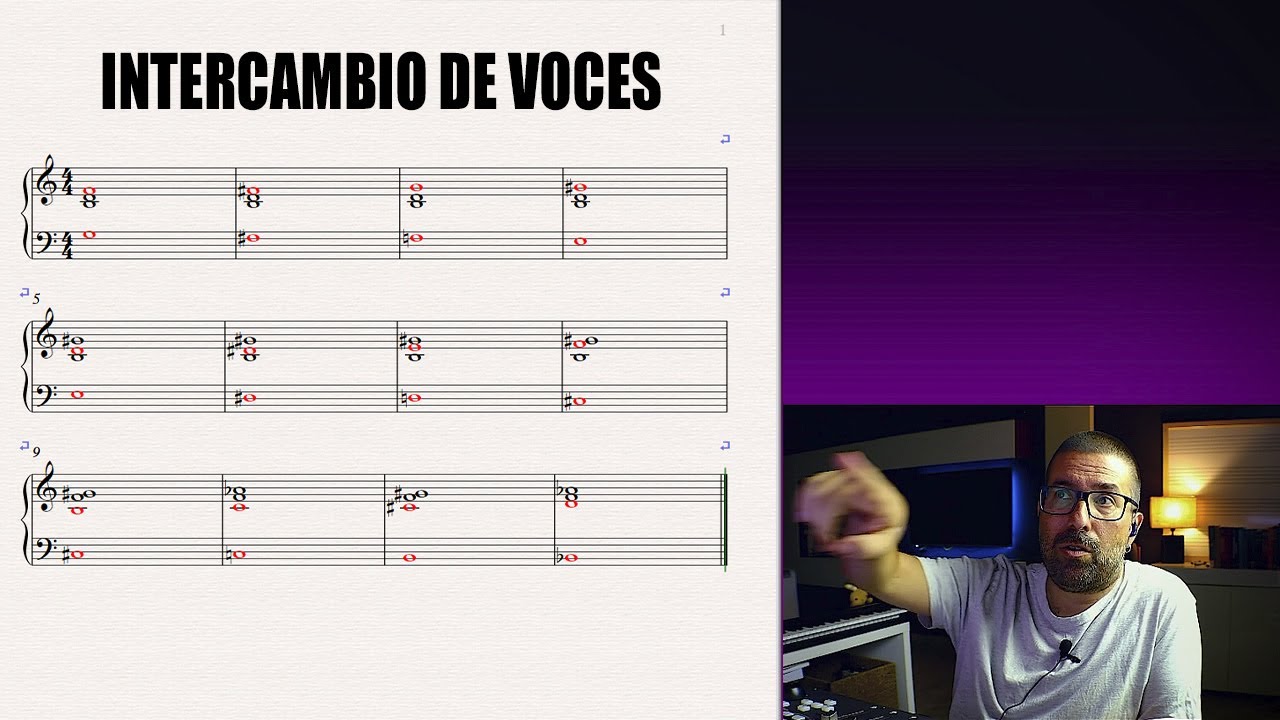
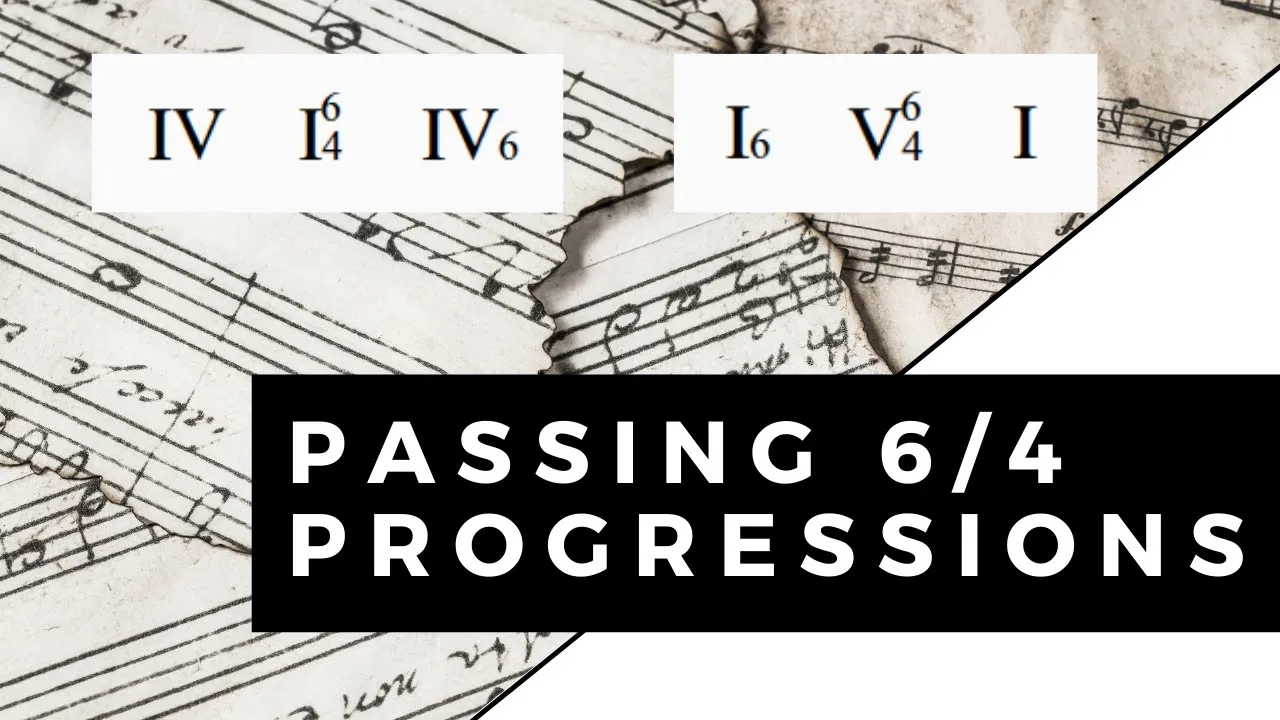



Voice exchange is a harmonic technique where two voices swap their positions between chords, typically occurring between a tonic chord (I) and its first inversion (I6) using a passing half-diminished 76 chord; the soprano begins on scale degree 3 and moves down by step while the bass moves up by step, creating a smooth voice leading where voices exchange their positions.
Voice Exchange in Harmony: Music Theory Explained
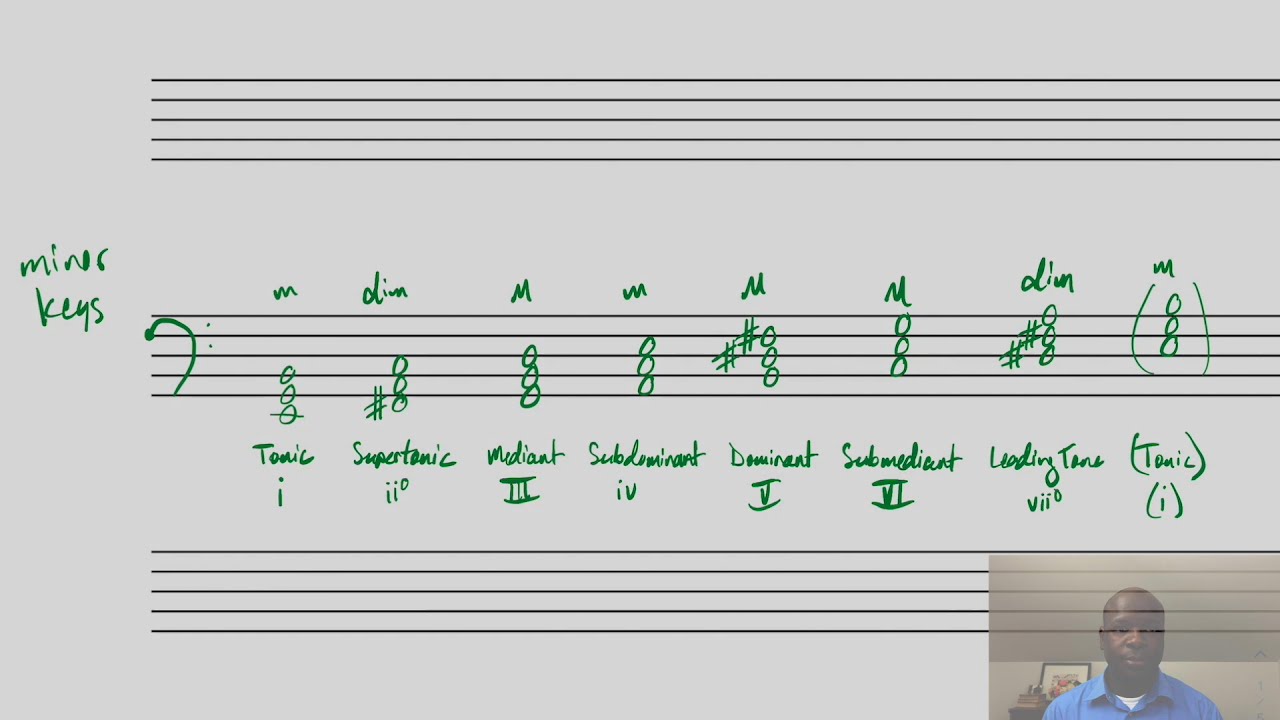
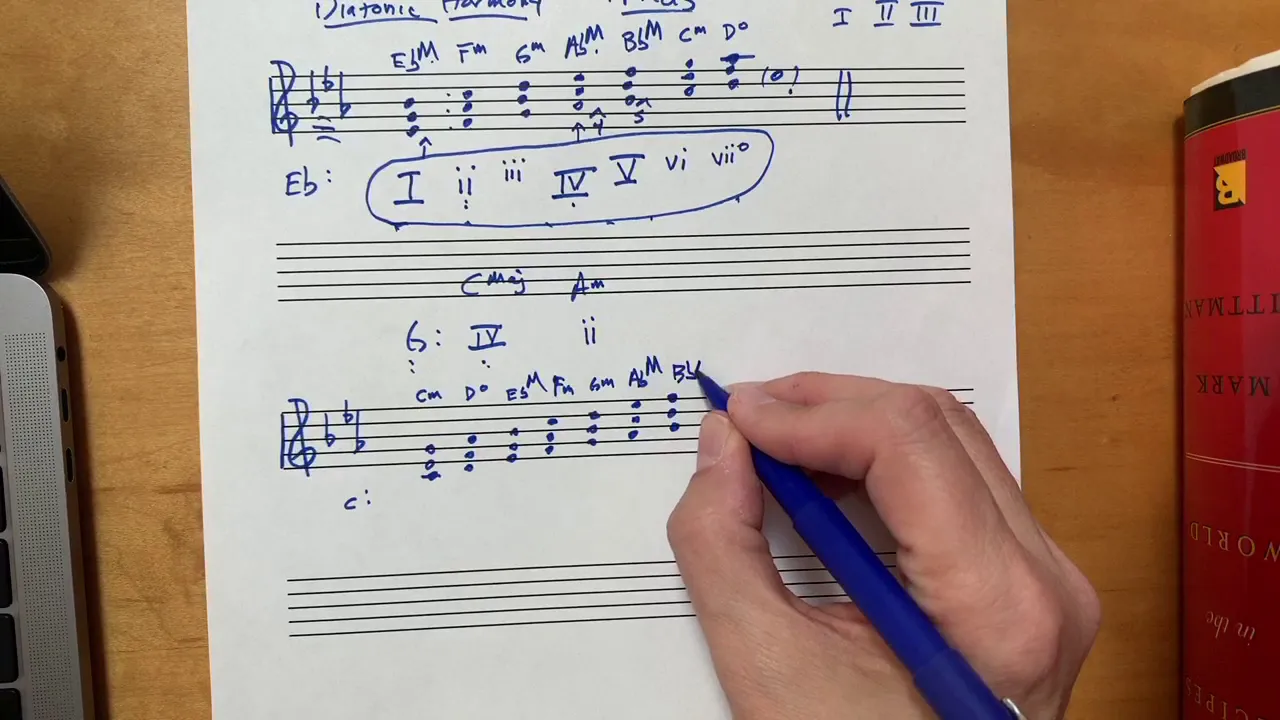
Added:Understanding of basic Roman numeral analysis and diatonic triads in major and minor keys.
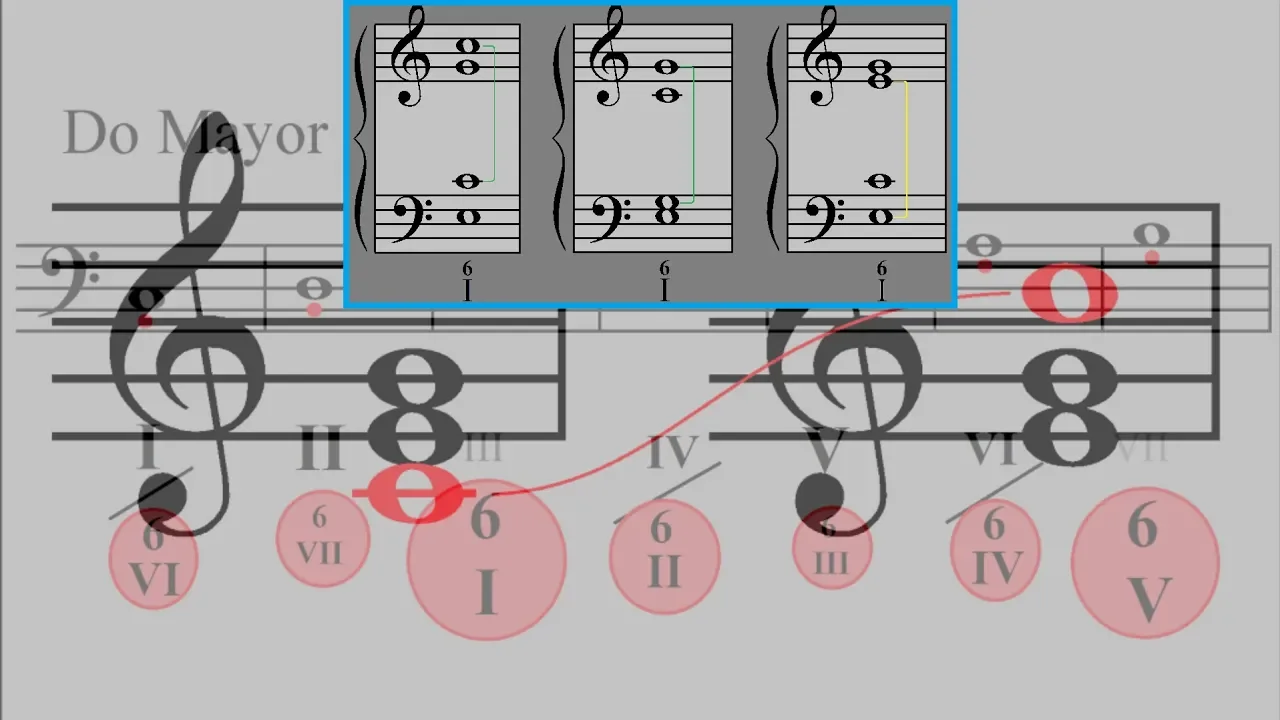
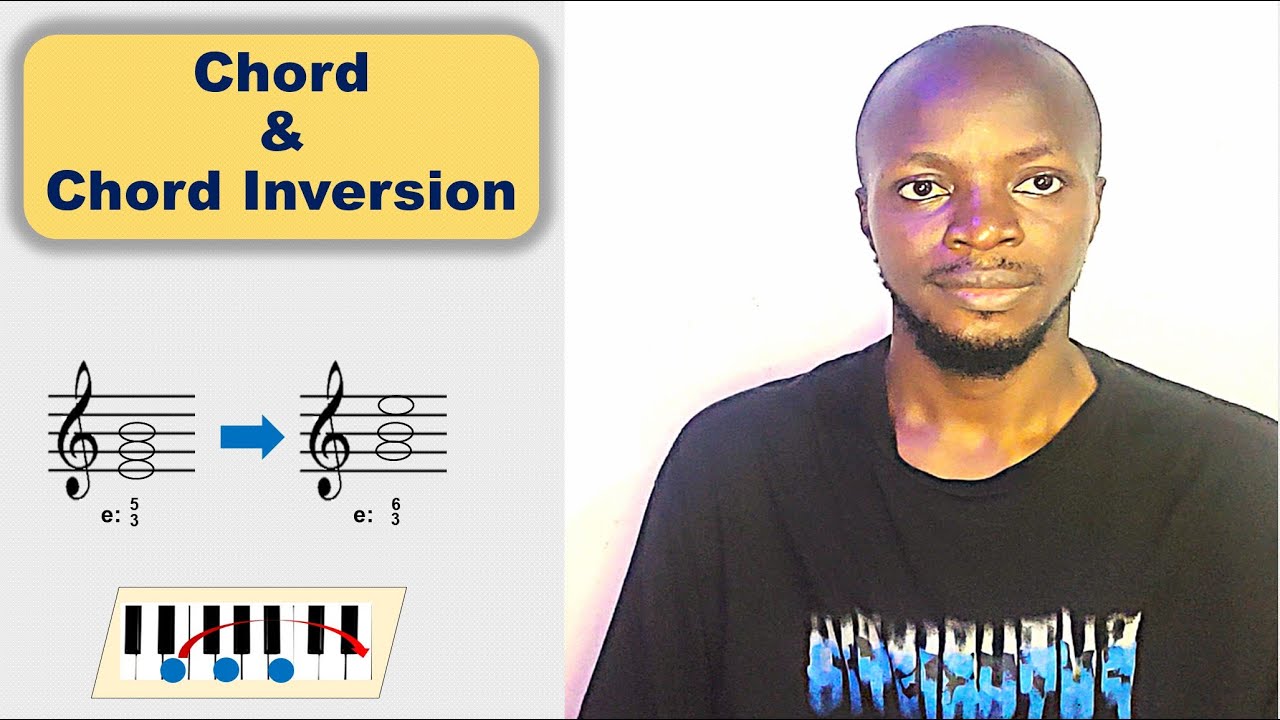
Familiarity with chord inversions and figured bass notation, specifically the distinction between root position (I) and first inversion (I6).
Fundamental concepts of four-part voice leading (Soprano, Alto, Tenor, Bass) and smooth stepwise motion.
Knowledge of non-chord tones, particularly passing tones and how they function to create linear expansion.
Applying voice exchange principles to other harmonic progressions, such as connecting IV to IV6 or ii to ii6.
Analyzing voice exchange and harmonic prolongation techniques in classical repertoire, particularly in the works of J.S. Bach and W.A. Mozart.
Exploring advanced linear progression techniques, such as the use of passing 6/4 chords (e.g., I - V6/4 - I6) and neighboring chords.
Integrating voice exchange into original four-part chorale writing to create elegant and smooth voice-leading transitions.
7.3K views101likes6:59Original Release: 2014-04-04
okay music theory Community hello once again today I would like to talk about voice Exchange in Harmony and what I have here set up is trouble and base cff key signature is key of A and we have a one chord set in corral style here is the root of the chord the a here's the root of the chord again the A and the tener part the e natural is the one of the chord it's the fifth of the chord and then we have our third of the chord in the soprano so a good way to create voice exchange is to typically begin with scale degree 3 in the soprano when starting to create voice exchange between a one chord and a one six chord which is the typical use of voice Exchange in harmony okay so now let's go on we need a chord then that can connect a one chord to a one six chord a one six chord we know is a one chord in first inversion the six defines that so now the one six chord has scale degree 3 in the base so we're going to have our C Shar in the base now the chord that we need here is a passing chord so a passing chord is a chord that connects scale um the one chord to the one six chord and it must have scale degree 2 in the base so passing chord we've been using a lot lot is the 76 chord so let's focus on that chord once again the 76 chord again is a diminished chord and it has the notes S 2 and four in it 7 2 and four so at the moment you have scale degree to we would need the leading tone and we would need the fourth scale degree now think about doubling in a 76 chord the best tone to double in a 76 chord is your scale degree too avoid at all cost doubling the leading tone since leading tones need to resolve up and the other option would be to double the fourth scale degree but definitely doubling the second scale degree is the more common option now let's look on voice exchange needs to have scale degree three in the soprano move down by step and then and continue moving down by step to the tonic so now what you've created here is notice how there's an A in the base here and now there's an A in the soprano here notice how there was a c here in the soprano and now the C is here in the base these voices have been exchanged and that is the use of voice Exchange so once again it typically happens between a one and a 1 six chord with the use of a passing chord in between and it's a good way to maintain the Harmony from here to here you must again use an inversion of this initial chord and typically beginning on the third scale degree on a one chord descending down in contrary motion as to the Baseline you'll arrive at the tonic in the soprano here and the Baseline will rise to scale degree 3 and again these voices are exchanged and that is voice exchange let's flesh out these harmonies in the 76 chord we mentioned that the best tone to double is scale degree 2 and here is the use of the B scale degree 2 doubled where is the best place to put the leading tone the G sharp off these two tones you can skip but if you head off the tenor a there's a smoother voice leading again all leading tones tend to resolve up to the tonic this leading tone resolves itself up no more use of G sharp where are we going to what are we going to do with the alto it's sitting on an e natural What notes do we still need to use we need the D and you can use it right there now when you move in parallel motion like this you do need to check that you don't have parallel fifths perfect fifths so let's check from an A to an E from an A to an e natural is in fact a P5 now our next tone from a G sharp because it's in the key signature to a d natural is that a P5 no no what type of a fifth is that students G natural to D natural would be a perfect fifth this tone is raised 1/2 step it has to be a diminished fifth so these are not in fact parallel fifths and this is okay now let's look at resolution into the one six chord we have CP we have an A we have an A it would be good to include the fifth of the chord and there it is the alter returns back to the e natural and into another P5 and once again the harmonies are completed let's play a little bit of this so you can get a sense of what the harmonies are doing so here is the C soprano the e natural in the in the alto the the a I'm just going to cross my hands over here the A and then the a an OCT lower in the base so first chord second chord and [Music] resolution one more time [Music] and in Block chord [Music] form and there you have it voice exchange using a passing 76 chord thank you very much for watching
Up Next

7:21
Understanding Passing Tones and Neighbor Tones in Music Theory
@jennycateh
602 views•2020-03-31

10:20
Mozart's Musical Dice Game Explained: History, Rules, & Fun
@webpianoacademy
5K views•2023-03-13

47:36
Understanding Diatonic 7th Chords in Major Keys | Music Theory Tutorial
@GracieTerzian
54.7K views•2022-03-02
10:49
Understanding John Coltrane's Giant Steps: A Music Theory Analysis
@Vox
10.4M views•2018-11-12
Related Study Plans & Knowledge Roadmaps
Structured learning paths in Music Theory
music-theory
Composing Galant Music: Partimento & Schemata
01Foundations of Figured Bass and Keyboard Harmony
02The Rule of the Octave (Regola dell'Ottava)
03Galant Schemata: The Building Blocks of Form
+ 2 more learning modules
30h5 modules
Explore Roadmap
music-theory
Decoding Overtone Series: Tuning & Drone Music
01Acoustic Foundations: The Physics of the Overtone Series
02Tuning Systems: Equal Temperament vs. Just Intonation
03Microtonality and Spectralism: Beyond Standard Pitches
+ 2 more learning modules
24h5 modules
Explore Roadmap
music-theory
Impressionist Harmony: Scales, Planing & RPGs
01Foundational Music Theory: Keys, Intervals, and Seventh Chords
02Impressionist Color: Chord Planing and Parallel Harmony
03Whimsical Textures: Pentatonic Cascades and Whole-Tone Scales
+ 1 more learning modules
14h4 modules
Explore Roadmap
music-theory
Negative Harmony: Axis Reflection in Indie Pop
01Music Theory Foundations: Scales, Intervals, and Triads
02Functional Harmony and the Circle of Fifths
03Demystifying the Negative Harmony Axis Reflection
+ 2 more learning modules
16h5 modules
Explore Roadmap