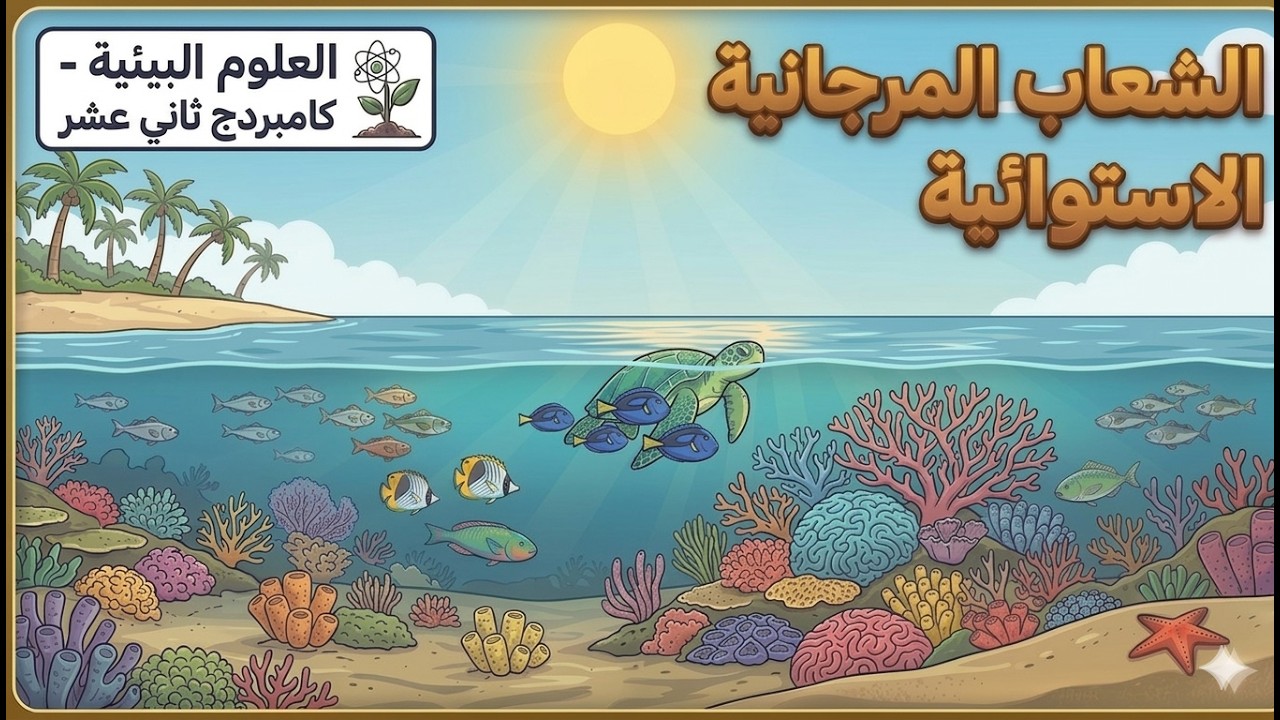











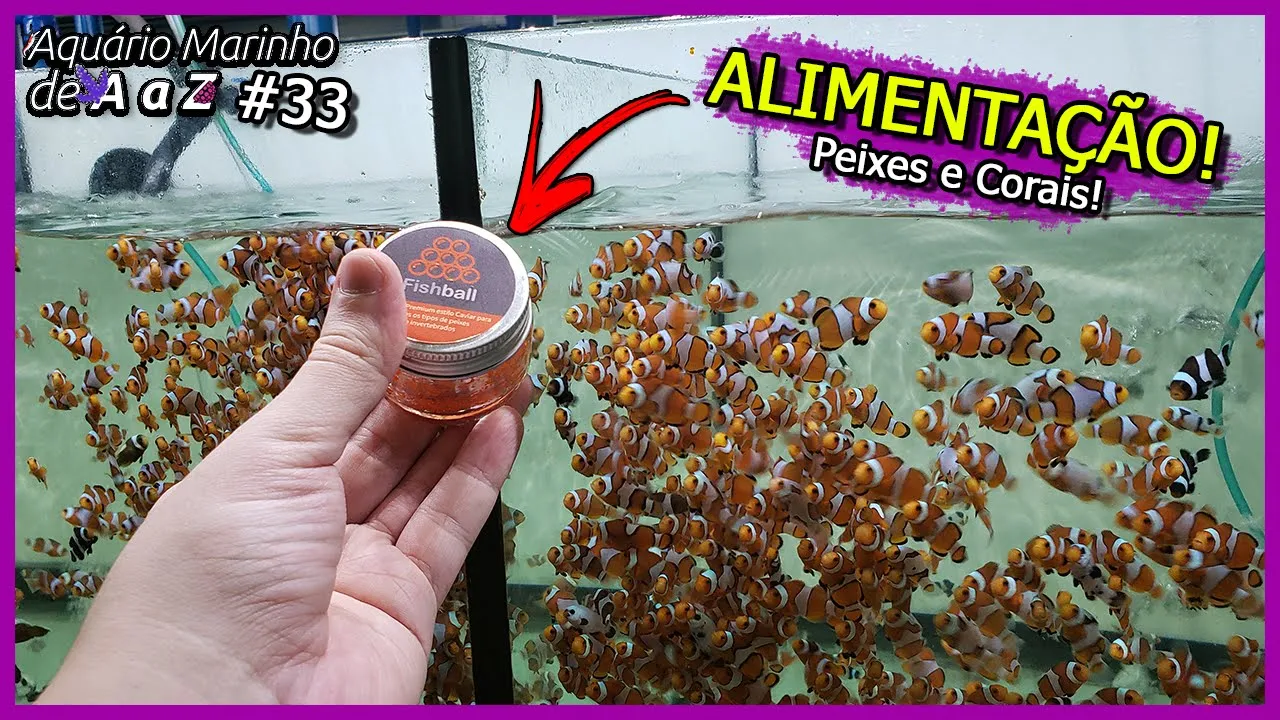







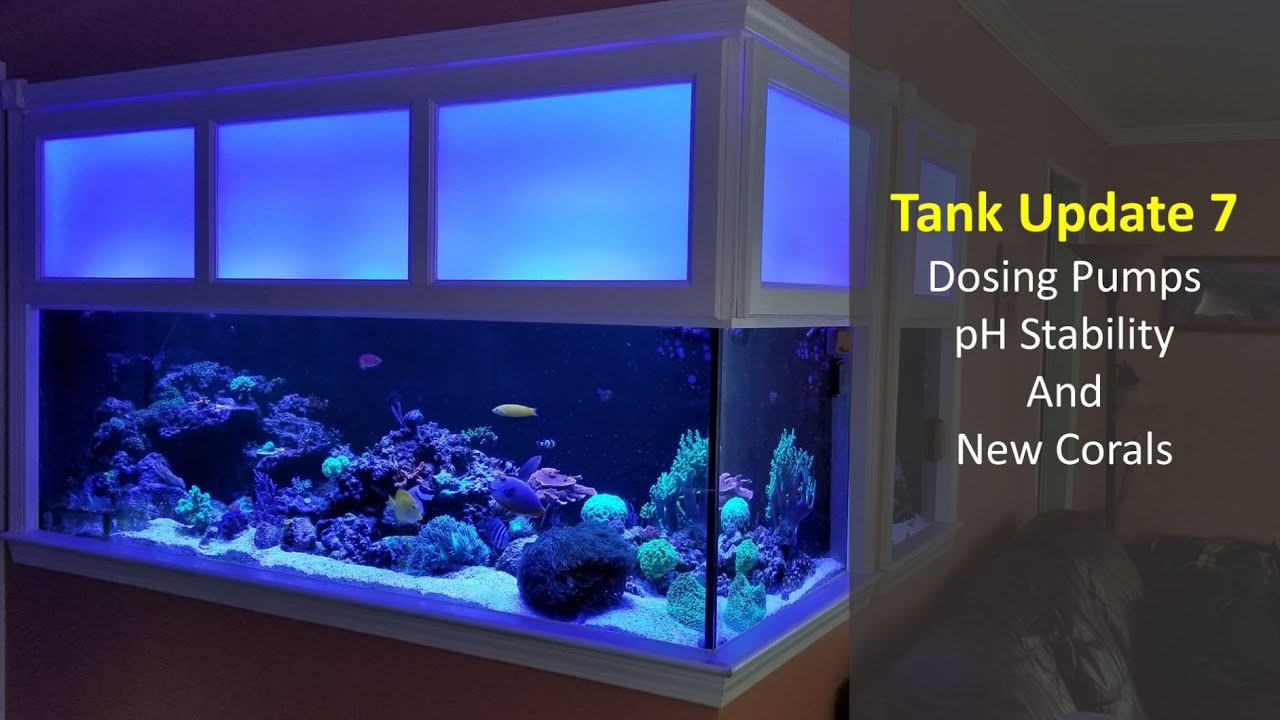
While photosynthetic corals receive approximately 85% of their nutritional needs from their symbiotic relationship with zooxanthellae algae, they still require additional nutrition from dissolved organic matter (DOM) flowing into their oral disc, and non-photosynthetic corals like gorgonia and sun corals must obtain 100% of their nutrition externally; efficient coral nutrition programs isolate essential energy components from various food sources to provide the remaining 15% nutritional requirements for optimal coral growth, coloration, and health.
Coral Nutrition Explained: Reef Energy & Feeding Guide
Added:Basic Coral Biology and Anatomy: Understanding the symbiotic relationship between coral polyps and photosynthetic zooxanthellae algae.
Fundamentals of Marine Aquarium Chemistry: Familiarity with key parameters such as salinity, pH, alkalinity, calcium, and magnesium.
Autotrophic vs. Heterotrophic Nutrition: Knowing how corals generate energy from light versus absorbing organic compounds and capturing physical prey.
The Nitrogen and Nutrient Cycle: Understanding how waste, organic imports, and biological filtration operate in a closed reef ecosystem.
Advanced Coral Pigmentation and Trace Elements: Exploring how specific trace metals and halogens interact with amino acids to promote intense coloration.
Ultra-Low Nutrient System (ULNS) Management: Studying how to feed corals effectively in nutrient-stripped environments without causing unwanted algae blooms.
Target Feeding vs. Broadcast Feeding Methodologies: Mastering physical husbandry techniques and tools for different coral categories (SPS, LPS, and Non-Photosynthetic corals).
Automated Dosing and System Stability: Learning how to integrate dosing pumps and monitoring systems to safely automate daily liquid nutrient additions.
45.3K views155likes5:38Original Release: 2012-01-09
hi and welcome back to the reef CARE program in this episode we'll be looking at how corls feed or in slightly more scientific terms how they get the nutrition they need to fuel all of their metabolic processes in the previous episode we talked about the so-called photosynthetic curls which are the vast majority that have a symbiotic relationship with zuk anelli algae and provide approximately 85% of the nutritional needs of their Coral hosts in this section when I talk about coral nutrition I'm referring to the remaining 15% not provided by the zuk sanelli and the 100% nutrition required by the so-called nonphotosynthetic corals such as gorgonia or sun corals that do not have any zuk FY first let's look at the symbiotic relationship and meet the food stuffs that make up coral nutrition in simple terms the photosynthetic zuk anelli that live in the coral soft tissue metabolize the nitrates phosphates and carbon dioxide excreted by the corals and pass back to their Coral hosts their photosynthetic byproducts carbohydrates amino acids and fatty acids which are all Coral nutrients research has shown that corals also take up similar food stuffs from a wide range of organic sources such as the mucus from neighboring corals bacteria or flocks of proteins and fatty acids of course corals can't bring the foods to themselves so they can only benefit from dissolved organic matter that flows into their tiny oral dis or get synthesized through the soft tissue so now we know what corals need the question is where they get them from there are many Coral Foods on the market that include phytol Plankton or non-marine zup Plankton such as aremia or rotifers these are all part of the food chain of fish farms which makes them great foods for our fish but do they actually do anything for our corals well based on our own as well as published research these foods are at best indirectly beneficial to corals they tend to be inefficient often decomposed add to the overall algae nutrients in the system or are simply indigestible our Research into Coral nutrition in an artificial Reef environment focused on isolating the individual nutritional components from conventional and non-conventional food sources that together provide all of the energy components that soft LPS SPS and non-photosynthetic corals utilized for growth and coloration and which require the least energy for digestion we also investigated the effects of different feeding regimes on the various types of corals and water conditions we discovered that while there are some differences in the nutritional requirements between the different types of corals the most significant differences were in low algae nutrient systems where increased amounts of coral nutrients are required to compensate for the lower supply of energy from the zuk anelli the result of this research is Reef energy a two-part formula which delivers the nutritional needs of all corals and other filter feeders the two parts can be mixed together directly before feeding every component of the formula is available for direct consumption and absorption by the corals which they use for protein production and soft tissue regeneration so no unnecessary organic material is introduced to the system Reef energy a is a unique formulation of carbohydrates amino acids fatty acids and suspended protein flocks which promote the microbacterial FAA that naturally populates the coral tissue Reef energy a stimulates extension of the polyps and soft tissue helping the coral to optimize nutrient consumption by expanding its surface area for absorption Reef energy B is a highly concentrated complex that replenishes the exact vitamins and Marine amino acids that are naturally produced by the zuk anelli and are essential for the production of the chromoproteins that give each Coral their unique colors all of the components of reef energy B come from Marine sources and are emulsified in a unique medium that enhances their solubility and absorption of the vitamins and acids by the corals so that is how and on what corals feed where the importance of efficient nutrition is an integral part of the complete Reef CARE program to learn more about the biological processes that are going on in your reef and the role of the other subprograms in the RCP see each of the episodes in this series so get with the program and make the most of your Reef e
Up Next
8:54
Can Macro Algae Refugiums Deplete Reef Nutrients? A Scientific Analysis
@BRStv
116.4K views•2017-03-31

12:54
Triumph of Orthodoxy Icon: Byzantine Art & History Explained
@BenCallan
2.1K views•2024-08-06

9:49
FastAPI vs Flask vs Django: Choosing the Right Python Web Framework
@TechWithTim
302.5K views•2024-05-26

1:42
Game of Thrones Opening Credits: A Cinematic Analysis
@gameofthrones
46.3M views•2011-04-18
Related Study Plans & Knowledge Roadmaps
Structured learning paths in General & Interdisciplinary Studies
general-studies
Elevator Engineering: History, Physics & Cities
01From Hoists to Safety Brakes: The Dawn of Vertical Lift
02Hydraulic vs. Traction: The Engineering Physics of Elevators
03Modern Speed, Safety, and Algorithms
+ 2 more learning modules
12h5 modules
Explore Roadmap
general-studies
Rubber: Material Science, History & Geopolitics
01Origins of Natural Rubber & Mesoamerican History
02The Chemistry of Natural Rubber & Vulcanization
03The Geopolitics of the Rubber Boom & Colonization
+ 2 more learning modules
12h5 modules
Explore Roadmap
general-studies
Containerization: Evolution, Logistics & Trade
01Ancient Trade & Bulk Cargo: Amphorae to Barrels
02The Industrial Revolution & Cardboard Packaging
03The Containerization Revolution: Malcom McLean
+ 2 more learning modules
12h5 modules
Explore Roadmap
general-studies
Textile Tech: Evolution, Labor & Global Impact
01Pre-Industrial Textiles: Handloom & Cottage Industry
02Mechanization: The Spinning Jenny to the Power Loom
03The Factory System & Global Labor Transformation
+ 2 more learning modules
10h5 modules
Explore Roadmap