



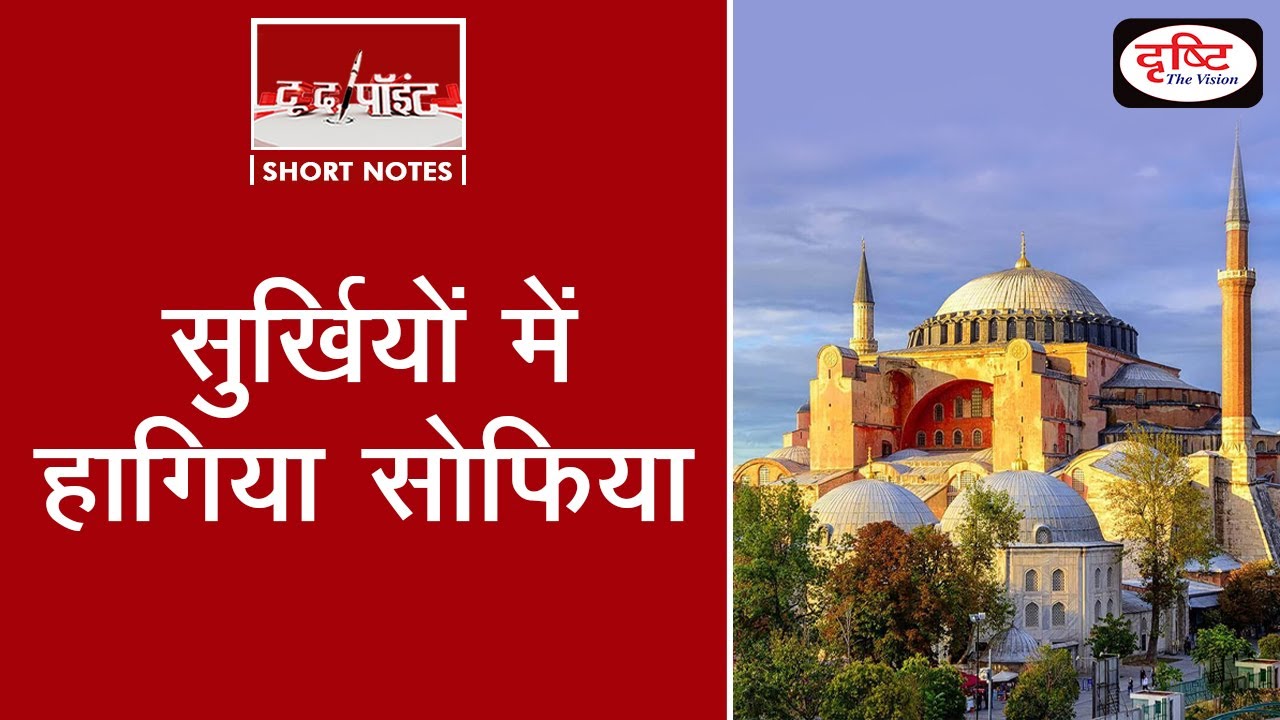

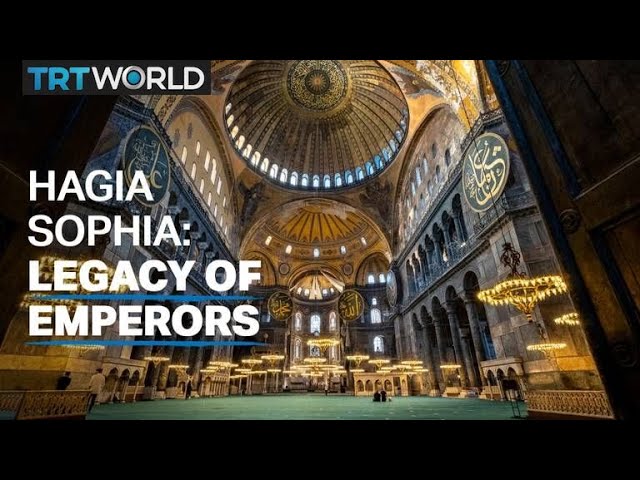




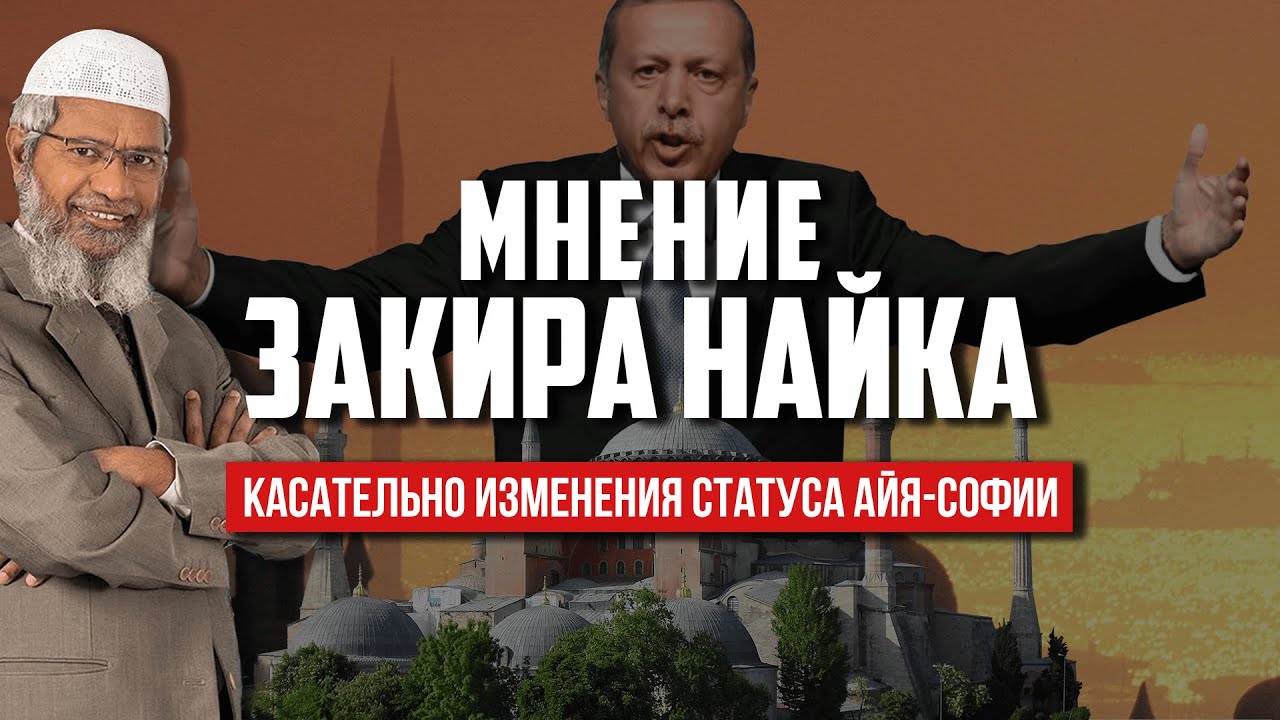


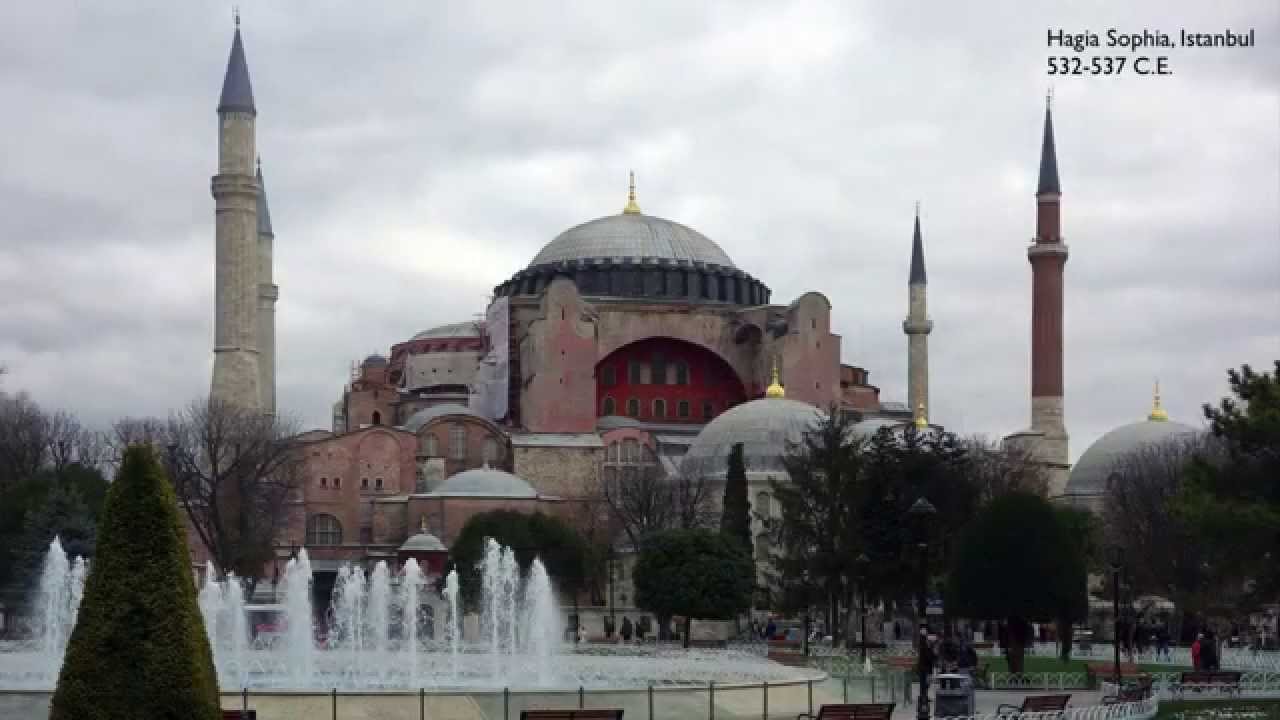








The reconversion of Hagia Sophia from a museum back to a mosque in July 2020 by Turkey's government demonstrates how cultural heritage sites designated as universal monuments under UNESCO can be subject to political reclassification, raising critical questions about the vulnerability of internationally protected heritage sites to national sovereignty claims and the challenges of balancing religious, secular, and universal heritage values in multicultural societies.
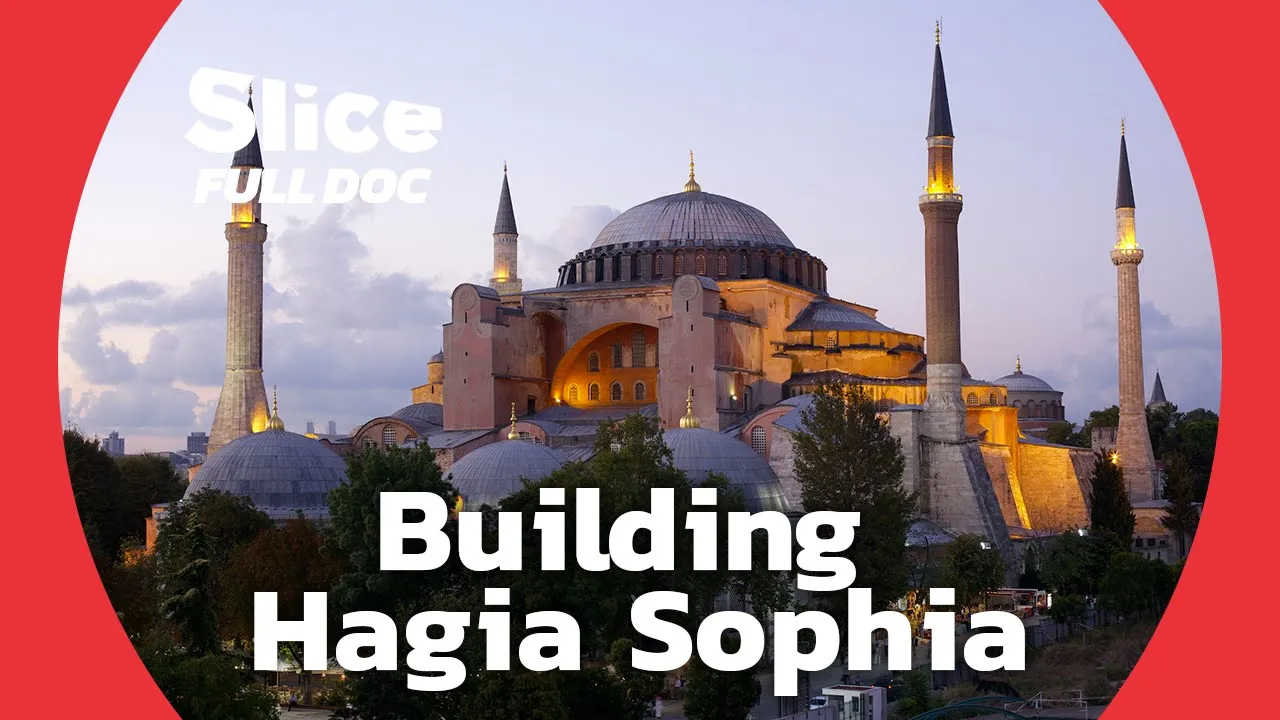
Hagia Sophia Forum: Byzantine History, Conservation & Politics
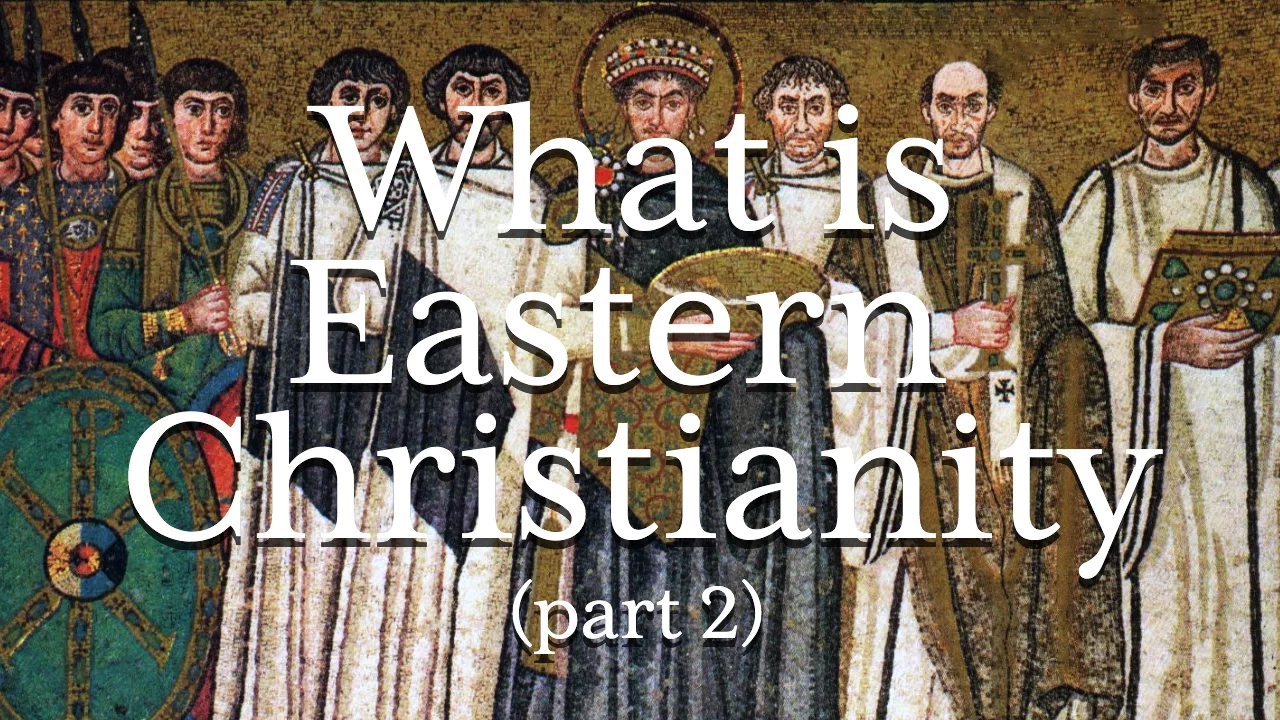
Added:The history of the Byzantine Empire, particularly the reign of Emperor Justinian I, who commissioned the construction of Hagia Sophia in the 6th century.
The 1453 Ottoman conquest of Constantinople under Sultan Mehmed II and the subsequent conversion of the cathedral into an imperial mosque.
The early 20th-century secularizing reforms of Mustafa Kemal Atatürk, which led to the 1934 decree turning Hagia Sophia into a public museum.
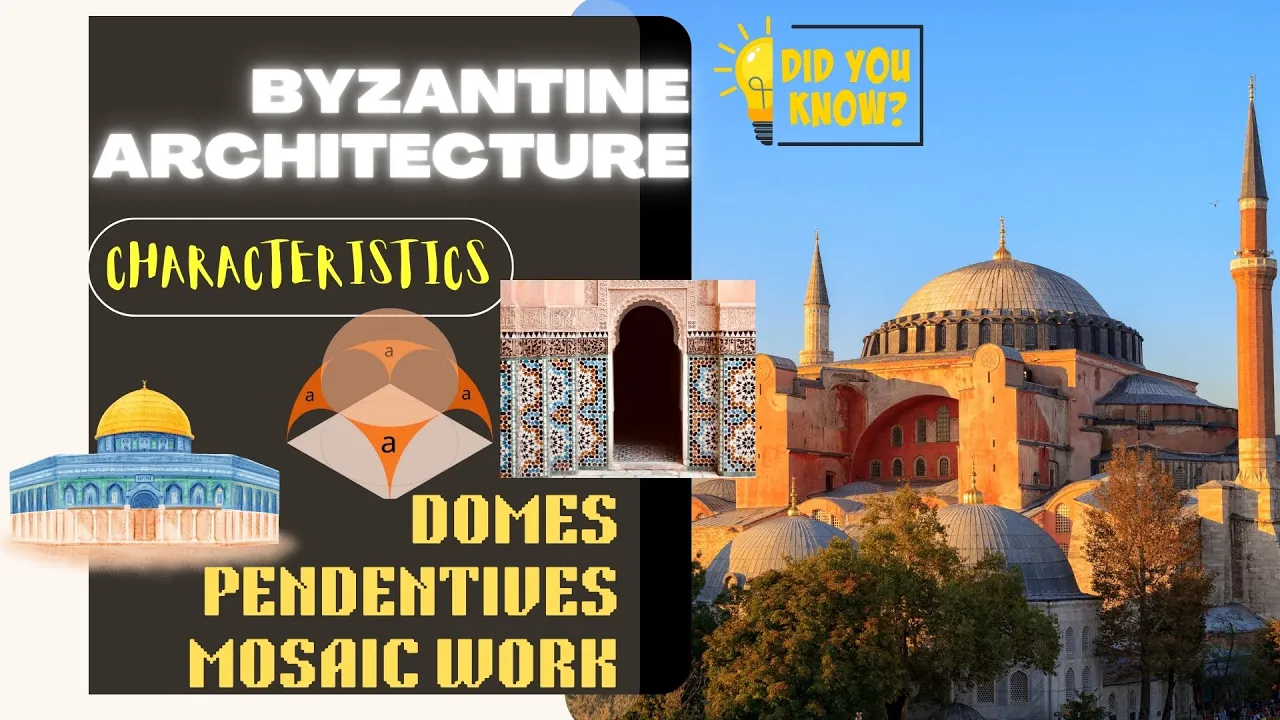
Basic architectural concepts of the Byzantine era, such as the development of the pendentive dome and its structural significance.
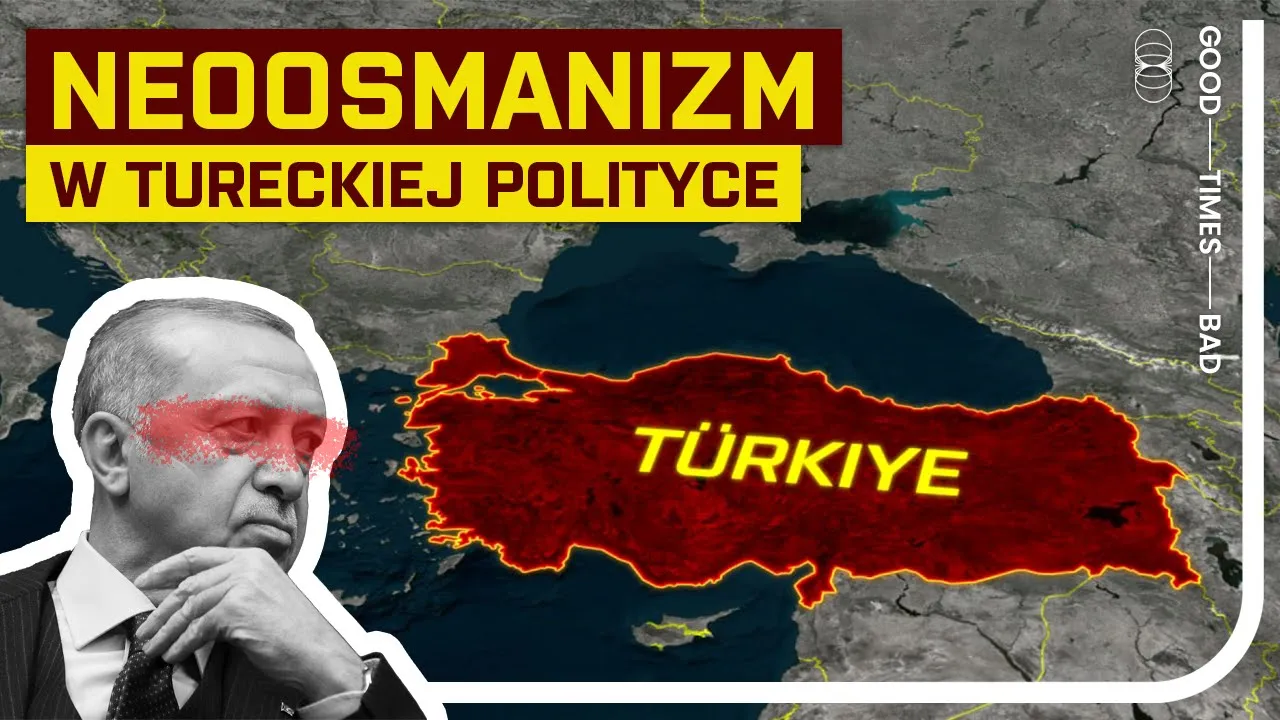
The rise of modern Turkish nationalism, populism, and 'Neo-Ottomanism' under the AKP government, which facilitated the 2020 reconversion.
The role of UNESCO and international cultural heritage law in mediating disputes over World Heritage sites underwent political transformations.
The technical and ethical challenges of conserving Byzantine Christian mosaics alongside active Islamic worship practices (e.g., covering/uncovering figurative art).
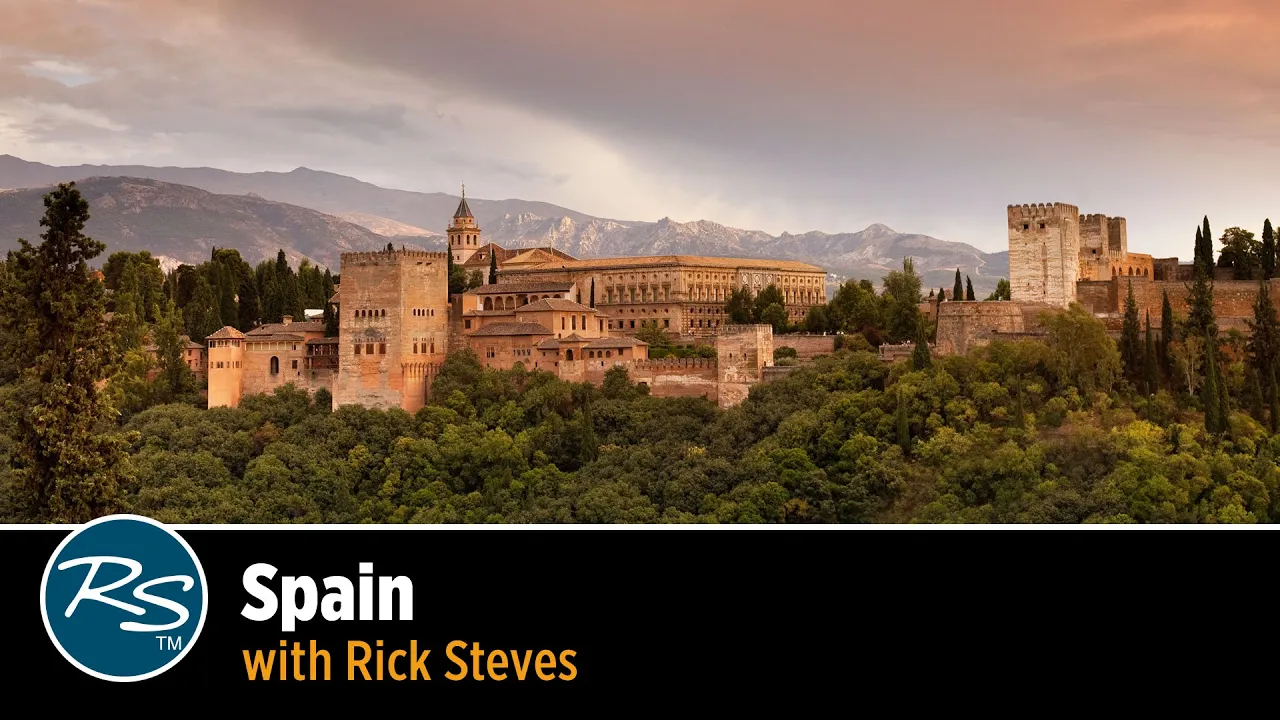
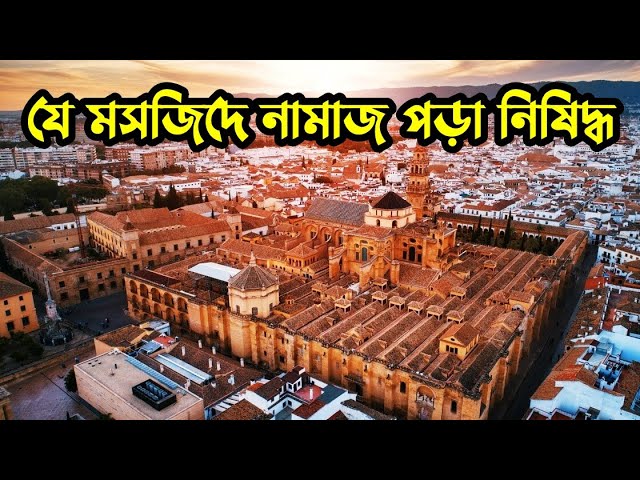
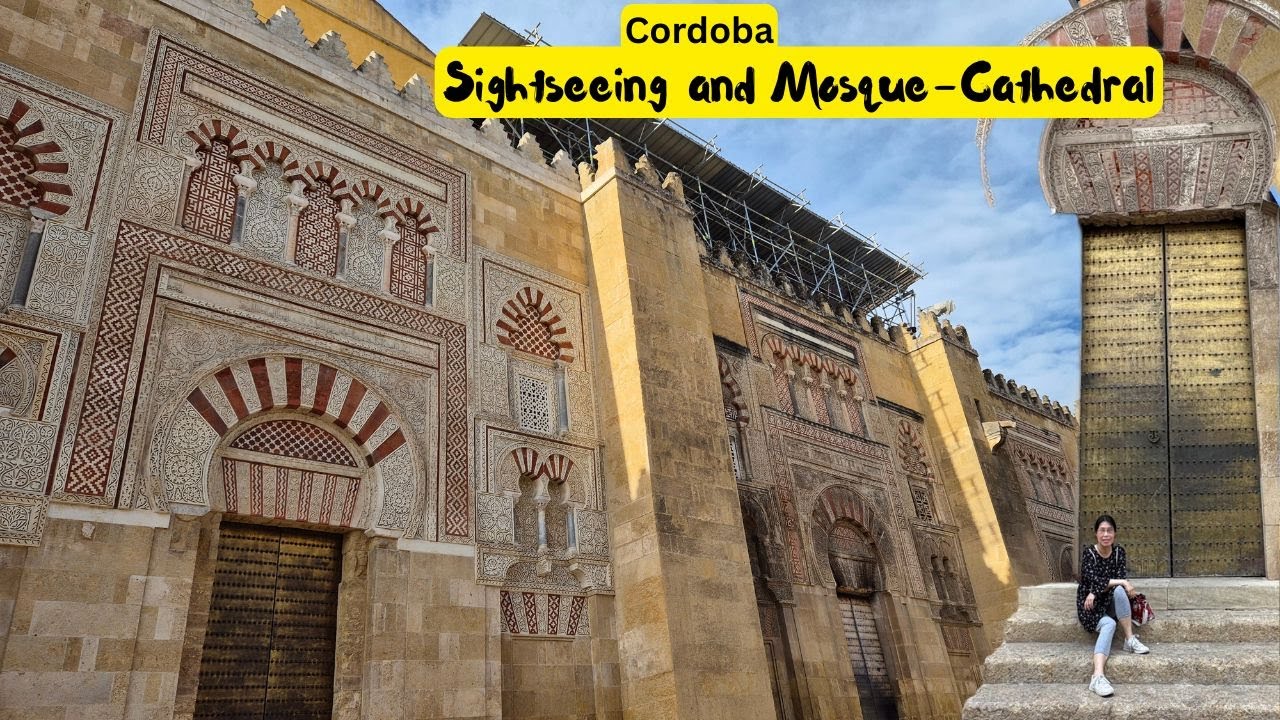
Comparative studies of other contested sacred spaces globally, such as the Mosque-Cathedral of Córdoba in Spain or Babri Masjid in India.
902 views15likes1:42:32Original Release: 2020-10-27
is a masterpiece of world architecture the justinionic building rose with a phenomenal speed from 532 to 537 and served as the cathedral of constantinople for close to a thousand years after the conquest of 1453 the ottoman sultan mehmed ii converted hagia sophia in a mosque and it remained a germy until 1934 when the building was secularized and declared a museum with a cabinet degree decree by the first president of the turkish republic mustafa kemal ataturk on july 24th 2020 the current government of turkey reversed course and reconverted haggai sofia back into a mosque and transferred its jurisdiction from the ministry of culture and tourism to the directorate of bias foundations why a mosque why now for whom is this gesture intended how will this change of jurisdiction affect the stewardship of hagia sophia to address these questions the stanford forum has invited scholars with expertise in conservation art history architecture history religious studies political science and a journalist and a political commentator today zaineb achonbe will explore the current state of conservation works in hagia sophia holger klein will delve into thomas whittemore's uncovering of the mosaics from 1931 to 1950 i will speak about the concept of sofia wisdom in the phenomenality of light and sound in the interior of hagia sofia lucia alaihi who addressed the role of unesco in protecting world heritage sites and elizabeth prodromo will speak about nationalism and religious pluralism homogenization cultural heritage and its geopolitical consequentiality the changes in hagia sophia set a precedent and expose the vulnerability of monuments on the unesco list and the lack of obvious mechanisms to safeguard their protected status and this brings the urgency to create a forum where these issues can be openly presented and discussed with the hope of finding solutions and now i'll give the word to my co-host patrick crowley who is the curator of european art at the cantor museum thank you thank you dana um so is it sorry um my name is patrick crowley i'm the associate curator of european art um at the canter arts center here at stanford um given the historical and cultural significance of hagia sofia's modern life as a museum the cantor is especially excited to host this interdisciplinary event we're delighted to thank our co-sponsors here at the university who have made this public forum possible the department of art in art history the department of religious studies the department of history the center for medieval and early modern studies the abassi program in islamic studies the stanford global studies division the mediterranean studies forum and the center for russian east european and eurasian studies the structure of our program today includes presentations by five panelists who will speak for 10 minutes each afterwards the panelists will have a chance to engage in a discussion with one another for 20 minutes which will be followed by a 10-minute q a session with the audience the audience will have an opportunity to vote up questions for this segment and a record of submitted questions will be retained so that the panelists will have an opportunity to respond to individual questions after the event if they are able our first speaker today is professor emerita in architectural conservation at the istanbul technical university and vice president of international council of monuments and sites ecomas she has overseen the conservation projects in hayek sophia for the past decade and will be speaking today about the importance of these endeavors in istanbul hagia sofia starting from its uh listing into world heritage list which was in 1985 uh here we see uh the historic areas of istanbul and sofia is within the archaeological park area which includes topkapi palace the hippodrome sultan ahmed mosque and also church of or the city walls along the coastline the sea walls hagia sofias environment was protected by the urban plan which was installed in 1930s by henry prost a french urbanist and he tried to control the heights of the buildings around and so we have the skyline in good form with the accent of ancient monuments in uh after uh aguila sophia became a world heritage it was of interest for e-commerce and to unesco and in 1993 a unesco mission composed of experts like professor raymond lemere a leading expert in conservation professor syrian mango an expert in byzantine art and professor cassius expert in seismic assessment and strengthening of structure structures and dr mainstone an engineer who had worked on hagia sofia and published a monographic study about ibiosophia they visited istanbul and they looked at the condition of the monument and ongoing works and made suggestions for future actions their report concluded that there is no evidence of immediate risk to the structure but there should be a full appraisal of what is known about it followed by further investigations and monitoring to serve as a basis for considering possible strengthening measures and after this report by professor professors and dr mainstone [Music] ministry of culture established a scientific advisory committee composed of an architectural historian two structural engineers and a conservation architect to supervise the projects and suggest projects to be put into action at its first advice meeting of the advisory committee they tried to assess the problems of the monument and try to develop projects to address them natural and human factors affect ideo sofia's delicate surfaces and structure the roof is one of the important elements to take care of and if the roof is not maintained the mosaics are disturbed and they fall down the lack of maintenance causes damages to the mosaics so one of the priorities of the advisory committee was to renew the led covering which had been leaking at some points within the framework defined by the advisory committee the roof covering was renewed using three millimeter thick lead sheets the conservation and restoration laboratory of the ministry of culture had a team specialized in conservation of mosaics and wall paintings the dole mosaics were cleaned and stabilized during the years from 1992 until 1999 with technical support from unesco surface and deposits were removed and the times parts of the mosaic surface were fixed the maintenance and presentation of the facades was important as they contribute to the image and perception of hagia sofia during the repairs of the fastas in 1950s exterior was coated with cement plaster and in late 1980s the outer walls had been painted red the paint was washed away and the cement plaster had problems the use of cement in repairs during the 20th century was creating problems and advisory committee made a decision to remove the cement renders on the exterior and the interior of the monument and the work started at the northwest corner with documentation and after removal there was a project developed and very interesting details were recovered and it was decided to leave the facade open so the archaeological finds could be visible this proposal was presented to the monument council and it was accepted so the masonry was left exposed after careful pointing and repairs work uh continued uh on the western facade documentation was carried out at 1 to 25 scale from the original marble cladding on the western facade only a few had survived due to the exposure to hard weather conditions these slabs were distorted and cracked but we tried to preserve them in situ so that the original concept of the facade could be understood at the top of the western elevation there is the cornice from fossility restoration during the repairs this level was researched and a ring from phosphate restoration was revealed engineers examined the ring it was not functional anymore but it was cleaned and conserved during these repairs there were also some cracks and other damages which were revealed and these were treated during the repairs on the eastern facade removal of plaster revealed details related to the 14th century construction of the eastern arch the eastern facade of the monument is open to winds coming from the sea in order to protect the facade better it was decided to cover it with plaster inside the hague sofia the ramps leading to the gallery and the outer nortex walls and walls were restored and the northeast ramp was opened to visitors the original uh paving of the house consisting mainly of broconasian slabs have been damaged by the collapses of the dawn and symbols as well as with the passage of time there were efforts to conserve the original slabs and remove the cement patches in the marble floors underground and gallery levels and work at gallery level is being completed now uh there were also conservation works on the northeast and northwest abandoned teams and the covering over the face of the seraphim was removed the north tympanum wall was studied and interesting details were revealed about damages and repairs conducted to the north arch restoration work was conducted on the western part now the work has started on the eastern half of the timpani mall the structural safety of sofia is of great concern to all there are several structural studies the earthquake engineering department of bosphorus university is monitoring the structure there was a proposal from engineers to fix the eastern arch to the semi-dome with long iron bars this was a big intervention and this was discussed at the advisory committee it was decided to conduct further research and consult experts in mason reconstruction professor weinstein from karlsruhe university was invited to discuss the proposal he carried out non-destructive tests at the main piers and the dome non-destructive investigations provided new information and helped to assess the earthquake safety of the structure the scaffolding in the northwest quarter of the dome was used for radar investigations according to the results of the research professor ransol proposed to monitor the structure carefully and maintain it well at the moment there are projects for the restoration of the south east and north for subs the removal of the cement plaster will reveal the damages and provide more information about the history of the monument during the past years the baptist tree which was turned into a muslim in the 17th century was restored as well and attached to the north uh facade there is this coffee lacquer it was used as a storage uh by the public kitchen of hagia sofia it was cleaned and restored as well consideration of vagisophia requires careful monitoring and treatment as a world heritage its protection is of highest importance for present and future generations i hope international cooperation continues for the preservation of its authenticity and integrity thank you thank you so much our next speaker is holger klein the lisa and bernard seltz professor of medieval art history in the department of art and archaeology uh and director of the the sake of savanchi center for turkish studies at columbia university he will be speaking today about thomas whitmore the american founder of byzantine institute and history of conservation and role of international organization in preserving cultural monuments thank you patch i'm very glad to be here with you let me share my screen good afternoon everybody i would like to start my short contribution with a quick word of thanks to both bisara and patch for inviting me to contribute to this exciting online panel and the discussion of hagia sofia here at stanford my reamer today is to share with you a very small aspect of the fascinating story of thomas whittamore the founder of the byzantine institute of america and how it came about that he established the organization and received permission to restore and conserve the byzantine mosaics of agri-sofia in june 1931. when bishra wrote to me and asked specifically what questions i should address she said try to address what contacts he had and used in order to get into ataturk's presence in 1931 how he organized the work at hagia sophia and who the patrons were who sponsored the byzantine institute in the 1930s and 40s i'm afraid that answering these very legitimate questions is difficult not only because of the 10 minute time frame i have but also because much of the information that would help us to answer those questions is still buried in archival material and diaries that will have to be looked at and studied specifically to answer those questions however i will do my very best in the next nine minutes to give you an insight into the work that thomas whittemore did at hagia sophia byzantine institute received permission to uncover the mosaics of our guest sofia through a decree of the council of ministers that was issued on june 7th 1931 and working hard sophia started in earnest that year later that year continued and continued over the next 17 years until about 1948 when the byzantine institute shifted its attention to the restoration of the mosaics and frescoes at the carriage army it is interesting that the conversion of aggie sofia into a museum by decree of the same council of ministers did not happen until november 24 1934 so a couple of years into the restoration work um at hagia sofia and i'm showing you here two slides one that was made for a publication that should feature the work of the byzantine institute and another one that shows thomas whittemore in the inside with one of the team members nikolai kluger who traced mosaic panels what i hope to do with in the next eight and a half minutes is to give you an insight into some of the reasons that that led to the establishment of the byzantine institute uh which is some archival research that i have done over the last couple of months for a publication on the american contribution of uh to the rediscovery of byzantium in istanbul and that yielded some interesting results so um let me just uh share these few slides this is the second uh project here again you can see thomas wittenberg the team members at the carriage army in fact this is the third uh project of the byzantine institute which started um with a project in egypt so hagia sophia is really the second project that the byzantine institute took up we don't know much about the exact circumstances how the byzantine institute was established sometime in 1929 or 1930 but it was incorporated as the byzantine institute of america in massachusetts and it had headquarters both in paris and wherever the supporters were in istanbul when the team was at work um the library uh was in paris but team members were traveling all over the place and thomas whittemore went back frequently to america to raise funds for the ongoing restoration work let me start at the beginning because some of the some of the reasons of why thomas whittamore got interested in art in the first place and later to become the founder of the byzantine institute is part of that history thomas whitamar was born in cambridge in a family that was well connected his grandfather his paternal grandfather was in fact a um co-founder of tufts college which is where thomas whittamore received his education but it was not there where he was an english major where he got interested in art and archaeology it was really at harvard um where at the time charles elliot norton lectured and drew large audiences in large crowds uh thomas whittemore did graduate work at harvard immediately after his time at tufts from 1895 to 98 and uh he earned a degree there in education uh and it was during that time that he also developed lectures that he gave at the museum of fine arts in boston and where he met people like isabella stewart gardner and and friends like gertrude stein who should remain lifelong correspondence partners here's a photo of gertrude stein in paris and it is through her that thomas whitmore got a lot of entrees with artists including ori matisse in fact thomas whitmore was one of the first collectors of only matisse and brought a painting with him that you can see today in the isabella stewart gardner museum he gifted it to isabella stewart gardner so it is interesting that from 1908 when aleve allowed whittemore to travel in europe he spent a lot of time in europe in fact he got interested in archaeology already in boston but then took it up and became a representative to the egypt exploration fund and he started work in egypt in 1911 to participate in the excavations at abydos when those excavations stopped in 1914 at the outbreak of the first world war he traveled widely and one of the places that he had visited before namely russia became one of his main interests so here we have some archival documents from the bakmatiev archive here at colombia that shows his various travels it is through the travels in russia that he was becoming aware of the destructive force of nationalism but also of uh bolshevism and he published an article in the national geographic magazine in 1918 entitled the rebirth of religion in russia where he lamented the fact that cultural treasures were destroyed and tried to prevent this and to make a case against the destruction of cultural heritage i think it is at this time that his interest in cultural preservation and historic preservation started to emerge but it was really the human suffering in russia that resulted in his founding a committee a fundraising committee a philanthropic committee that would aid refugees in russia those of you who are interested in it you can go to the new york times archive and look up some of the articles that thomas whittemore wrote during this time in 1916-17 and you will see the case that he makes for the aid to be delivered from america to russia it's interesting in our context that the supporters of his work in russia at the time are listed here on this poster that is here at colombia in the archives and it lists among other people charles richard crane and henry morgenthau as supporters of the american executive committee of this refugees foundation and it is through people like henry morgenthau who who was um ambassador uh u.s ambassador in istanbul in constantinople at the time um and charles richard crane who was the heir of an enormous fortune but more interested in politics and became the lead of the um of the ukraine commission that assessed the state of the near east for woodrow wilson so uh very highly and highly connected and influential uh people politically uh here's a photo of crane uh crane uh traveled to turkey a lot he was on the board of robert college um he was also of the um at the in the board of the um college uh for american girls um and uh he is the one who uh met thomas whittemore in 1917 they struck up a friendship um and it is through the influence of richard crane charles richard crane that many of the political contacts were established in istanbul henry morgenthau already mentioned it was u.s ambassador in the ottoman empire and um there is an exchange between whittemore and isabella stewart gardner that in fact gives us some insight in how well he was connected um thomas whittemore in 1913 laments to isabella stewart gardner that there are plans to blow up the mosques and especially hagia sofia in light of the advances of the enemy onto the capital and while these rumors perhaps were unfounded we find the same reference in the diaries and in the memoir of henry morgenthau who intervened with talat bay to make sure that the protest was noted and that the government would not dynamite hagia sofia um of course constantinople at the time was a refuge haven for those who escaped russia so between 1919 and 1923 we are coming up to the centenary um lots of russians were in constantinople and it was basically uh in constantinople that um whittemore continued his philanthropic work and his aid work he established schools brought aid to um to refugees and was especially interested in helping the education of students this is important because in a way whittlemore later capitalized on this intellectual capital because some of the people that he funded here is a photo with whittemore in the midst of a group of porsche of of fellowship recipients who were later also helping the byzantine institute and were employed in the library in paris when these refugee efforts were winding down in 1923 thomas whittemore got re um acquainted with archaeology he taught at nyu he brought aid with the help of friends here we see him at mount athos delivering aid but it was really through the contacts that he had made in those years in the early 20s he had photos of vladimirevsky and his brother um boris and dimitriya molov um uh vladimirevsky you see on the on the right uh the two hermolov brothers on the left they were employed later to help with those educational efforts but um ademolaf became part and rajefsky to some extent too in the affairs in paris and helped to support the byzantine library became mainstays in that byzantine library piankov an epigraphist who had been funded by whittemore's fund studied first in berlin with the help of american philanthropy and then also became employed at the institute library in paris after it was founded in the late 1920s this is all to say that the talent of russian refugees not always refugees but nicolas kluge for example was employed previously by the imperial russian archaeological institute in istanbul and it was uh that expertise of making copies for publications uh of uspensky and other um people for um fiero schmidt uh for his volume on the carriage army um that brought people into the orbit and later into the restoration project at hagia sofia you see the ongoing restoration works here the tracing that happened which is part of another interesting story that i would like to conclude with here is the publication by fedor schmidt with one of those copies of mosaics in the carriage army and interestingly that's work that uh nikolas kluger did who later did the same work for whittemore um in haglia sofia but what i found in the archival research that i did over the last couple of months was that there's another artist who was um active in istanbul uh since 1919 he was a russian refugee he had no uh connections to whittemore and his philanthropic work but who went to [Music] went to istanbul and got employed through a project of the american embassy and it was to copy disney monuments and record them in paintings and he took that project and mounted an exhibition that was later in fact brought to athens uh it was brought to brooklyn it was brought to washington uh he has one example of his copies from 1925 and is my lovage wrote to whittemore and whitmore was aware of his work and he probably saw the exhibition at the brooklyn museum in 1927 which was three years before the byzantine institute got established the archival records are very slim but we know a little bit through the work uh here um about the brooklyn uh description of uh the ismail which works and it is probably through that work of ismailavich which was completely unrelated that whitmore got the idea to establish the byzantine institute of america and continue that work with his own preservation and copying of byzantine artifacts to preserve them for others in the future i think i'm running out of time i cannot see my screen while i share but i just wanted to end with those images of the copying of here the daisies mosaic attackia sofia this was an effort that eventually resulted in an exhibition at the metropolitan museum in february 1944 and it was the same people howland shaw again who had risen to the state department level and was based in washington at that time and who was on byzantine institute letterhead who opened the exhibition at the metropolitan museum so the circle is closing there and the well-connected political and philanthropic friends of whittemores allowed him to conduct this work much more is necessary to be done but this quick insight into some of the work might give you at least a glimpse of what and why the work of whitmore is so important and why the american contribution to the preservation of hagia sophia is of utmost importance those of you who are based in new york the metropolitan museum is open again and you can see those mosaics at least in copy of the daisy's mosaic still on site at the metropolitan museum i'll thank you and i'll give it back to patch thanks very much hogar so moving on our next speaker is um israel pincheva professor of art history here at stanford university for over a decade she has co-directed with jonathan abel an interdisciplinary project called icons of sound and has published extensively on hagia sophia and the phenomenology of space light and sound today she will elaborate upon this work by speaking about byzantium's liturgy and music as it pertains to this important building hello everyone thank you pat today i will speak about the relationship between the sound and light in haggis sofia focusing on the idea of wisdom sofia and how it becomes a phenomenon inside hagia sofia there are two terms which are the core one is kalihoros and this is the name of this the concept the term that is used for the void under the dome in hagia sophia and how it becomes activated through light and sound in the process of the liturgy and also that the uranus passage of light in the space and the other one is sophia the concept to which wisdom the concept to which hagia sophia is dedicated and i'll start with a quote from the sixth century text of procopius describing the accuracies of hagia sofia to show that the space as we view in this eric blessings photograph from the late 60s early 70s it is filled it's understood as filled with energy it's an invisible energy and this is how the byzantine sixth entry description draws the attention of the listeners to this invisible energy and whenever anyone enters this church to pray he understands at once that it is not by any human power or skill but by the influence of god that this work has been so finely turned and so his mind is lifted up to god and exalted feeling that god cannot be far away but must especially love to dwell in this place which he has chosen end of quote the text speaks about three energies it starts with the kalihoros being in a continuous spinning motion because he draws the image of the turning wheel on which the potter creates his spots and so the space is in a continuous rotation and then in the process two other energies two other vectors appear the human gaze that turns up to the divine and the divine that descends to the human and the way the divine descending to the human is expressed is with the word of anfield loves to dwell so the divine has descended and hovers over the space so the building becomes an instrument for this nearness and closeness between human and divine and i'll continue with another quote again describing the space the kalihoros and this energy movement that is in it that is written by paul the cilantroy in the sixth century and he says every mortal who has directed his gaze to the glorious heaven has known has not long endured watching with his backbend neck the circling medal clad with dancing stars so in these two lines paul the cilantro introduces the notion of a continuous rotation that is a reflection of the cosmic rotation of the stars and he said he speaks about this translucency in which the medals become the reflections of the starry night the starry landscape and their musica mondana the music of the spheres the understanding of the universe that creation is continuously producing a sound that human ears could not hear and this is the sound of this rotating dancing memories so the interior of hagia sophia draws the attention in its sixth century descriptions to this invisible energy into space and i would like to connect the invisible energy to the actual energy of light that rotates in this space thomas whittemore not only uncovered the mosaics but already in the early period in 1936 we have a record of him writing notes about the study of light the study of light had gone through several different drafts but they were never published and i recently had an access to this material was really inspired so what he did through his um long periods of staying in hagia sophia he um analyzed how light moves through the space and i'll show you a quick um animation of his study of light for the summer solstice and what you're going to be paying attention to is this rotation of direct light in the space it starts on the uh northeast as the first rays come in and you see how they touch the walls and the galleries of the south west and then by around 8 30 in the morning the light starts to move into the floor and then the activation of the dome light is shown and then between 11 45 and 12 45 there is no direct light in the space and then in the afternoon the light continues to move now it had circled around and it finishes with the apps uh light coming on the apps of the east end so it shows this rotation of light through the space whitamar had a very beautiful phrase in which he described it he says direct light rushes in shining streams dazzles keeps constantly moving and revolving and i introduce that because these are the silent presences within hagia sophia a non-human agency in the space that draws attention to the movement of and the energy inside it why is this important is because the concept of wisdom sophia is connected to this circular movement the light the way that the urinal light circulates around the kalihoros of hagia and this is how wisdom is described in the old testament this is from the wisdom of solomon 7 verses 24 to 26 i quote wisdom is the more dynamic of all movements it pervades and moves hooray through everything because of its purity it is breath of god's power and the effusion of the pure glory of the pantocrator because of this no blemish creeps in her for wisdom is the radiance of the ineffable light in a spotless mirror of the divine energies and its most sacred image and of course this conceptualization of wisdom speaks about energy that is in continuous rotation that is bright and it is resplendent it continuously in a sense reflects generates and reflects light and the interior of hagia sofia plastically expressed these ideas clearly the ideas proceed by thousands of years the construction of high sofia but the success of this masterpiece of architecture is to really plastically communicate these ideas the original dome of hagia sofia the time of justinian had an enormous cross in the dome in the center of the dome probably with diameter of with 11 meters because the the diameter of the entire dome is over 34 meters so this is a huge um aniconic image of the cross across understood as a crossing rotation i'm showing you a copy a much smaller one uh also justinianic from the isles of hagia sophia today and i'm showing this because as i said this is a non figure representation in hagia sophia and right next to it a sliver of a byzantine manuscript from the time after iconoclasm it's a liturgical manuscript that it's a salter that relates to the liturgy of hagia sophia and there i'm showing you the figure and manifestation of this idea that in a sense the enormous reflective mirror that you see here at the very top is an image of christ this is in the super celestial round then you have the waters of the ocean and then below it is this huge reflective mirror and from it streams lights that falls on the mirror on earth which is the virgin in a process of incarnation and so why am i saying this is because you have a kalihoros the void of hagia superior that is stopped an enormous dome that reflects life getters and reflects life and also shows the movement of light through it and basically performs reperforms this descent of the divine on earth and the possibility of humanity being raised to the divine now the wisdom is movement as we saw in the old testament continues on with another concept of this light resplendent light is connected to bright sound and these are some of the descriptive characteristics again in the old testament sophia hints at the gate utters her voice opens her lips to speak her throat practices truth the words of her mouth are in righteousness so we see the concatenation of finding a corollary for the light into the sound within the conceptualization of the knowledge whittemore had a quick statement declaring that no one had ever looked at the acoustics of hagia sofia and this is why i'm going to forge forward the acoustic principles which no one has elucidated bring every component part of this building within reach of the voice and give it brilliancy of sound and of course hagia sofia is a complex space but studies of acoustics only started at the beginning of the 2000s it was a project led by the technician universitat in copenhagen and they did acoustic measurements and they did two acoustic models for both the use of the space as a church with a aerializing sound as well as for the use of the space as a mosque and they also did a couple of studies of the surrounding mosques built by sinam i became interested in acoustics through that study and i reached out to the stanford center for computer research in music and acoustics and together with jonathan we organized we co-direct for now more of a decade icons of sound and so icons of sound started first without any acoustic data the only way we could gather data was for me to go to istanbul i did that in 2010 and using balloon pops and here you see me inside hagia sofia with the balloon recording these balloon pops i was able to give a record of a long spectrum of frequencies from low to high and on the basis of this information we were able to um extract the acoustic signature of hagia sofia this is the acoustic signature is the work of jonathan then in a sequence of two concerts we were able to imprint this life on sound on live performance we collaborate with capela romana very briefly this is our website you can study it more carefully in the leisure of your own time and this is one of the crowning jaws of this collaboration the recent album that was released in 2019 by kapala romana in collaboration with icons of sound focusing on the liturgy for the feast of the cross now having said all this i want to come back to this notion of sofia as wisdom because i will be using one acoustic sample of how chant would sound in the space of hagia sophia there is an awareness of this amazing acoustic of hagia sofia in the sixth century actresses paul the cilantroy writes who would sing gapingly with the thundering mouths of homer the marble meadow solidly assembled along the walls or the open plains of the hottingly high mouse two elements are singled out the enormous volume of that space and the reflective surfaces these are the metals of marble these two factors are really the foundation of how to measure reverberation volume and surfaces that determines the reverberation time what is reverberation it is the residual acoustic energy that continues to propagate in the space and reverberation time is the time it takes for that energy once the signal is fired in the space to decrease with 30 with 30 db this is called um reverberation time in hagia sofia river the reverberation time in the frequencies of the human voice it's approximately ranges between 8 and 12 seconds it is three times the actual normal expectancy of what we want a concert hall to sound like modern console holes have two to four seconds reverberation time so this is the these are the measurements with the building empty and this is the model in a sense which we have worked in other words this is a building with an extremely reverberant acoustics which means that it's not suited for speech but it is suited for the monophony for the um monophony of chant and i would like to play for you um one example of this music and what we are going to listen to is a pro cheminum this is a you can think of it as a melodic um entry into readings from the uh from scripture it is referring to uh the also the western gradual this is an example so it's an elaborate chant that is sung by the elite choir hagi sophia and i will play the piece for you just a second oh [Music] oh [Music] so [Music] i'm not going to go um into further detail in what i want not really though i'm not playing the piece further what i want to draw your attention to is first of all this is a prokemon that focuses attention on um sophia this word is extended with this beautiful melisma extremely long melisma in which a melody that is composed in malt 1 it rises to two scales almost two scales up uh here as you see and the same melodic figure that is sung at sofia the same melodic phrase that is sung at sophia is then repeated at tapantata ethni in other words sofia the divine wisdom sets the model and all the races all humanity follows so there is a continuous so there is a continuous mirroring and i am realizing i'm also going over time so i'll quickly brief uh zoom through uh the next few points that i want to make the choir in hagia sophia establishes synergy with the reverberation in hagia sofia in which the human voice is becomes a reflection of the divine presence in the space the divine bodyless voice and this is reflected in many of the texts that speak about the inauguration ceremonies in hagia sophia but here i would only draw your attention to this short example in the center are the pious hymn singing cantors universal axes of christ through the agency of their voice the divine voice ompi is mixing the immaculate spirit with mortal flesh announcing the human incarnation of christ end of quote so here there are two words that are separated the divine cult with the humeric word anfi which is the voice beyond the register of human speech and the human voice of the singers that sing from the amble underneath the dome that are the reflection this aesthetic in hagia sofia in which the moment the system is activated through the sun rays and through the energy of sound creates an environment which allows for interpenetration the way the energy of the singing voices becomes consumed by the body's surrounding as audience the synthesis and this is an example uh from the accuracies of how this is expressed this inter penetration it here is it is describing the light but the same aesthetic is done through the agency of the human voice through the sound and the energy that the human bodies consume the sound energy so here it says the ceiling encompassing goat inlaid tessary who's powering down in glittering gold streaming rays irresistibly bounces off the faces of the faithful in other words the descending light the reflected light the agency of the human voice that activates the sonic energy and the consumption of the sonic energy by the faithful in the space creates this inter penetration of human and divine and this brings me to the end is everything lost i will give you a quote from whitmore who said in 1920 after the first world war and this is in a letter he wrote to isabella garden sanctu sophia is a sphere of light it is the universe of buildings sancti sophia holy wisdom it is what the world needs most and has lost end of quote and at the very end i'll bring the words of the parliamentarian garu palan of the armenian communi armenian community in turkey this is what he tweeted regretting the decision to reconvert hagia sophia he said the dome of hagia sufia was large enough for all of us large enough for us to share as equals in celebrating this astonishing building that is humanity's shared inheritance as a church mosque and a museum thank you thanks this era we're moving right along to our next speaker lucia who is associate professor of architecture at columbia university founding member of the aggregate architectural history collaborative and editor of the journal great room her work chronicles how the cultural monument became a global building type from the 1830s to the 1960s at the hands of liberal international organizations which chose buildings to be spared from massive destructions today she'll be speaking about the role of unesco in particular thank you patch and i want to also start by thanking bisar for inviting me to be on this panel and and i want to thank the cantor for having the panel i join you today as a generalist i'm a historian of architecture and of cultural internationalism which is to say of the tendency of nation states since 1919 to use architectural monuments as a tool for modern international uh politics so let me share my screen the re-inauguration of um sofia as a full-time mosque in july of this year was legitimated by appeals to national sovereignty but it was clearly also an action intended to reverberate on the global stage so how can we gauge the international repercussions of this act architecturally the transformation has been divisive not only because it has pitted two different building types and their users against one another museum the mosque but also because different rhetoric has accompanied the announcement in different languages and different media the speech which president erdogan gave announcing the decision in july carefully wove together the internationalist language of heritage conservation where hagia sofia is an example of the universal heritage of mankind it wove this together with more frankly nationalist depictions of the turkish state as the proper owner of the building because it is the inheritor of a kind of proto-modern ottoman multiculturalism a slightly different strategy but no less effectiveness effective for divisiveness came in the written announcement that was posted on social media where this time the english text warned foreign observers not to interfere with the country's national autonomy while the arabic language announcement appeared to offer the building as a symbol of a global islamic solidarity across cities very far away so a rupture was presented with an almost conciliatory tone under a single architectural pretext which is that a single building had had a long history of hospitality so in my 10 minutes i want to highlight two architectural and spatial strategies that are being leveraged here to help clarify how it's possible that a fundamentally divisive political move can be presented as a gesture of inclusion the first uh point i will make is that there is a spatial illusion being made between hagia sophia as a building and istanbul as a city and i'll describe this in a moment but just to flag the main point um it is not the building but the historic urban space of istanbul that is listed as a world heritage site so we should think of this decision i think not in terms of an object but in terms of the city secondly a stark opposition is being made between mosque and museum as we are being made to believe that the existence of one relies on the erasure of another this negative mirroring is not unique to this situation in international politics um it's meant to bait the international community into outrage and to a certain extent it has worked before i go into these two points though let me make a quick detour through unesco and its functioning and again i joined you as a generalist so i mean no by no means an expert either in the history of hagia sofia or the history of turkey's investment in world heritage but i can give you a kind of overview as soon as the project to make the building into a full-time mosque was announced unesco the organization that is the cultural arm of the united nations system published a statement that it quote deeply regretted the project which had been under undertaken quote without advance notice um or advanced consultation end quote so some have complained that this is too timid a response as if unesco could kind of march in as a as a kind of um cultural peacekeeping force uh and i i want to say that this is to misunderstand what world heritage is as a cultural governance tool um inscription on the world heritage list does not mean that a state is forced to treat its cultural properties a certain way rather inscription means that a country is forced to report regularly on the state and the status of its cultural property but let me step back for much of its life in the 20th century and certainly much of its life as a museum international involvement in the conservation of hagia sofia came not through the highly public and publicized channels of parliamentary diplomacy like the league of nations or unesco but rather through informally and essentially semi-private uh bilateral exchanges holger klein has just given us a wonderful experience uh an example of thomas whittermore who was invested in creating this kind of channel and again generally speaking this kind of channel of cultural diplomacy is still very much alive today i'm not speaking specifically about this byzantine institute but generally speaking institutions like archaeological institutes schools and academies are places where diplomacy and scholarship intersect and sometimes they have more power to influence national authorities than global bureaucracies like unesco which are cumbersome once unesco became established in 1946 turkey engaged with its heritage experts very generally and essentially kept them at arm's length for example one of the earliest heritage missions to a member state in 1951 was supposed to be to turkey to istanbul it was initiated by french byzantinists and the hope was the kind of anchor to the the plan of uh which was mentioned earlier a kind of additional archaeological international regulation the mission was planned but it was never carried out crucially because the state of turkey refused to issue the basic document that issues an invitation of the international agency to come into its national territory insisting that archaeology was a domestic matter turkey instead offered as a consolation prize to host the meeting a general meeting of unesco's heritage committee to istanbul so that they could at least visit so already then we hear a kind of struggle over who gets to define the terms of international solidarity and i'm showing you here some documents from this part of this history where um van der hagen who is the the unesco uh sort of bureaucrat reports on having gone to different places in turkey and then a sketch that he makes where on the right hand side we have uh sort of a local informant saying that we have to give the impression to the turks that unesco is interested impartially in its monuments without exception and not only to classical archaeology once hagia sofia was inscribed on the world heritage site list turkey did begin to engage in a different multilateral kind of cultural diplomacy and to reiterate this is a diplomacy defined not by its by its publicity by its regularity not by the authority of an international force hagia sophia was entered on the world health heritage list not as a standalone building but as one element in an urban whole which is called the historic area of istanbul in so doing it joined the ranks of many other cultural sites which include not only museum spaces sorry that went too quickly this is this is the part that is inscribed and you can see the yellow patches are the ones that are actually the different sites but the whole is the entire peninsula joining in being a cultural site in urban sites istanbul joined the ranks of many other sites which includes as part of its cultural protection museum spaces urban streets places of worship private domestic life etc indeed the first prototype for this kind of cultural site as opposed to protecting a single building was the vatican since 1983 and now i go to this slide there have been 27 reports and two interim reports on the state of the conservation of the istanbul site the site has hosted 17 heritage missions its physical evolution is recorded in 46 administrative files in paris this is in addition to the two evaluations by e-commerce the ngo that produces expert evaluations to unesco and one document that records a boundary modification in 2012 the turkish government even proposed istanbul's historic area as a case study for best practices in heritage management so having said this i now want to return to my two architectural points first that we should not think of this latest transformation as architectural but as urban every international report that is found in unesco about the relative stability and good maintenance of the mosaics and the building of hagia sofia of the interior and its exterior has been accompanied consistently by con contentious requests that the municipality and the government should do more to protect the rest of the historic district against the pressures of development there is here a slow simmering standoff within these files with both sides manifesting an impulse to integrate history into the city and vice versa unesco has since the 1960s been active in inventing a number of urban tools that expand the value of individual historic objects to their to outside of their boundaries the most obvious of those tools is the buffer zone and somewhat famously issemble does not have a buffer zone which makes it very difficult to control the way in which these monuments are viewed from afar once we understand that the stakes of the debates are urban we can pay attention to the spatial language of inclusion and exclusion not as a historiographic debate but as a contest over who gets to draw the most inclusive expansive boundary literally around certain areas of the city the debate in other words does not stop at the edge of the shell of the hagia sofia building indeed i think it's extremely important to note the emphasis that has been placed on the fact that the new function of the building is a mosque prayer expands outside of the walls and expands out into the city and this brings me to my second point i'm sorry i'm going a little bit over we should not fall into the trap of making an absolute opposition between mosque and museum as several commentators have pointed out the space of prayer continued to exist in hagia sophia during its life as a museum and it will continue to function as a museum in the moment between prayers what has happened is a radical spatial and temporal expansion of the mosque over the museum but make no mistake the turkish regime intends for the mosque to continue to attract international attention and visitors all the better to show off the transformation that have been made like a curator showing off the lewis renovation or the latest blockbuster show at the scale of the city too the hagia sophia conversion is only one in a series of tactical moves that has changed the relative position of religious spaces and museum spaces and i could talk more about this but others know a lot more about it certainly the transformation of the korah church into a full-time mosque also plays a role in this dynamic i would like to propose that we also see the changes that have taken place inside of hagia sophia as a series of curatorial moves intended to control what is visible when and by whom the carpet of course affects the space and the sound as bisar has shown it is also a visual unifier which ensures that the eye goes a certain place the covering of the scaffold which you see here on the left a kind of relatively banal aspect of conservation architecture which is that you have a scaffold so that you can access certain spaces has been judiciously covered with kind of museum-like signage even the way that the dramatic way in which the mosaics are hidden during prayer with the use of these very specific kind of scrims all of this is highly choreographed the lighting scheme that comes to complement the use of curtains during prayer also recalls the light and sound shows that spectacularized various monumental tourist sites since the early 1960s many of these interior changes which are promoted for their religious significance can also be seen as curatorial gestures they do not challenge a collection they simply shape who will see what and where and from what vantage point so just to conclude it may seem paradoxical or provocative to see that president erdogan is a curator who is engaging in a politics of display and i especially don't want to be seen to imply that one should diminish the piety of those who come to this space for worship surely they're animated by genuine fervor not by a desire to consume the newest interior architecture or to look at the adornment on the walls on the contrary if we take seriously the idea that this work is being done for visual consumption then we can see that it is the regime that is putting these followers and these believers on display and the fact that they flood the neighborhood the neighboring um uh space is important also for everyone to see um the pious are being brought here for show and this was made clear in the video um that was produced to um show to broadcast the inaugural prior sequence here the video um was a live feed interspersed with a highly choreographed drone enabled sequence showcasing the historic city in the interior architecture the video begins with a smooth flyover of the streets which are where some people are waiting to pray outside others are processing to go towards the building when the drone reaches the hagia sofia it kind of switches to showing off its world famous cascading of domes for a moment the film resembles one of the many virtual tours of the city that are used to promote tourism and commerce finally the camera takes one last swoop into the into the interior still remaining above the crowd however so we get a full spatial experience but not a full fully human experience i'm sorry i can't show you the whole film but i encourage you to go watch it on youtube the smooth motion of the drone has the effect of naturalizing the presence of the faithful not only the physical architecture but also the human persons are subject to a virtual tour worthy of a veritable open air museum to say all this is to see that the curated experience is appealing to parts of the history of the museum that are not always positive the government here is appealing to a darker moment in the history of museums and of exhibitions when life-size installations of certain architectural objects have been put on display inevitably complemented by human displays of certain persons and this helps to establish hierarchies to reinforce divisions to reproduce an imaginary orient for the sake of a western eye and i would say that the willingness of this government to use people as display objects under the pretext of heritage management is confirmed not too far away in other neighborhoods of the city where such as the neighborhood of sula luke where an entire neighborhood has been expropriated under the pretext of historic preservation of the architecture what is at stake here is not only the visibility of the objects but also of the people and i know i'm over time but just in conclusion if i have a moment there as a historian of internationalism i have encountered many moments when um it is the in uh initiative of individual scholars uh that takes the lead because international organizations have their hands tied or because international law seems to lag behind the capacity of international rulers of national rulers to cleverly exploit popular sentiment and it seems to me that perhaps one of the this is one of these moments and that not international law but the concerted pressure of scholars and conservators to put pressure on the government to make sure that beyond all of this curatorial acts the physical infrastructure of all of this lives to live another day thanks very much and i'll stop sharing my screen thanks very much lucia um our final speaker today elizabeth prodromeu is faculty member at the fletcher school of law and diplomacy at tufts university where she directs the initiative on religion law and diplomacy she is non-resident senior fellow and co-chair of the working group on christians and religious pluralism in the middle east the center for religious freedom at the hudson institute and was non-resident senior fellow in national security and the middle east at the center for american progress she's co-president of religions for peace and we'll be speaking today about the stakes of religious pluralism and cultural heritage thank you thank you very much and uh thank you patricia and bisarra for the invitation to be part of this panel today and thank you to the to the cantor arts center for hosting uh these two weeks of discussions the two public forum on the idea sophia uh i i feel um a bit intimidated coming last and maybe least but i will i'll do my best here um the decision of the state of turkey and the government of richard type erdogan to convert the magnificent byzantine orthodox christian cathedral of a yes mosque announced on july 10 based on a turkish court decree and implemented on july 24th with the celebration of islamic prayer service inside the mosque has been the subject of sustained academic media and policy discussions in the short 10 weeks that have followed since that decision now i say last and maybe least because i feel out a bit out of my element here i'm a political scientist um uh on a on a panel of uh non-political scientists so i speak a slightly different language but nonetheless i hope that it will be useful i come from a hybridized vantage point not only the discipline of political science but also from experiences in diplomacy and policy making and i really appreciate the opportunity to participate in the conversation but also to learn from this cross-disciplinary exchange and hopefully what i will say underscores the value in combining political science analysis and policy making on the one hand with analysis of art and architectural history urban planning analysis and cultural expertise on the other cultural heritage expertise on the other and i begin with a very straightforward proposition namely that the idea sofia decision reflects an opportunity to understand the intersection of cultural heritage with nationalism domestic domestically and with geopolitics externally to understand the intersection of cultural heritage with forms of nationalism that are putatively oppositional secular and religious but which oftentimes function according to a shared logic either of inclusion or exclusion and also it offers an opportunity the decision to understand the implications for the survival of religiously plural societies and rule of law regimes certainly in the case of turkey but well beyond so in this regard the aya sofia decision not only concerns turkey but it's consequential uh well beyond turkey so in the time that we have i'm going to focus synoptically first on the turkish context and then i'll conclude with some brief observations about the comparative significance and the uh generalizable uh importance of the aea sofia decision now regarding the uh yes sofia uh decision on nationalism on the face of it uh the decision to to convert or revert the aya sofia uh to a mosque uh is a an obvious indicator of the broader reconfiguration of turkish nationalism in explicitly religious terms or more specifically in islamic or even islamist terms by the justice and development party of president wretched type erdogan the reactivation of what had been the museum from 1934 to 2020 to a mosque as it had been from the mid-15th century to the to the 20th century signals the rejection of turkey as a secular state with a civic form of nationalism where membership in the national community would be promised on equality before the law for all citizens regardless of their religious ethnic or linguistic identity and indeed much has been made about the decision as the conquest by erdogan and islam over the legacy of kamal and secularity in turkey now while this is certainly supportable this claim the motif and discourse of conquest that was exemplified when the head of the adiana imam ali al-rash ascended the minbar wielding an ottoman sword extends well beyond the conquest of artagonism over erdoganism over kamal ism and over a putative act of islamism over a putative secularism because in fact the reactivation and the embrace of the conquest message deployed through civilizational discourse not only involves internal tensions in terms of the history of turkish nationalism but also involves deeper historic tensions between the turkish republic on the one hand its ottoman past on the other and the long deray and its deep past of the byzantine empire now i would say that the decision actually offers a crucial opportunity to reinterrogate the overall meaning of kamala's secularism in turkey and this is a project that's already been actively undertaken by turkish and non-trigger scholars alike um and a a reinterrogation of the dominant historiographical narrative of kamala's secularism as secular nationalism in turkey and there's a there's a huge literature that has emerged over the last two decades in particular um that reinterrogates the meaning of chemism which has long been equated with secularism and instead what we find is that kamala kamala's secularism actually implied the state's full control over religion kamala secularism did not imply the separation of religion and state in the way that has been understood in the ideal types of uh european and american forms of nationalism and indeed which don't fully exist in those forms of nationalism so the idea sophia decision in many ways points to the the misunderstandings of the meaning of secularism under um under the kemalist ideology in turkey now it's also worth pointing out that the a yes sophia decision uh draws from the wellspring of the founding conditions of the turkish republic in 1923 and kemal as the architect of a new nation state mobilized a cross-disciplinary cadre of state-supported professional intellectuals who are dedicated to creating a new national identity and this was expressed initially in the turkish historical thesis and that thesis uh either occluded erased or appropriated the relics of pre-1923 turkey and the certainly the pre-15th century peoples in anatolia who were there prior to the arrival of seljuks and ottomans the ministries of culture tourism and religious affairs and the ministry of foundations were authorized to implement this project through religiou-cultural heritage policies and education public education became the space for an intergenerational transmission of a particular version of history and model of nationalism benedict anderson has said it far better than i um in his masterful work on imagining communities and theories of nationalism the way in which projects of nation-building occur not only involve politics but in our case the case that we're looking at involved the use of cultural heritage policy and in this regard the arduin government of the jdp or the akipe constitutes continuity not rupture with the kamalas nationalist project nationalism in both cases involved managing religious diversity and indeed repression of religious freedom and associated freedoms of conscience speech assembly according to a kind of authoritarian logic of state control over civil society and conquest ran reflexively through both the kamalas secular self-defined secular model of nationalism and the current erdoganist model of nationalism which is explicitly religious and its valence in both cases then religion never disappeared from these models of nationalism and the the valence of religion was deployed differently by each model kemalis and erdoganes but in both cases they were exclusivist forms of nationalism that allowed no room for non non-ethnic ethnic non-turks or for non-sunni muslims or even for non-conforming muslims so the ihea sophia decision in that regard offers an opportunity to rethink the meaning of these putative oppositions of secular and religious in models of nationalism that have operated according to a shared exclusivist authoritarian logic now this is the domestic story in terms of the uh external or foreign policy story i turn here to uh the question of geopolitics and the links between cultural heritage on the one hand and geopolitics on the other or more explicitly to how the aeo sofia decision points to the use of religion as a soft power tool that can work both independently from and as an amplifier and multiplier of hard power and i know time is tight so i'll say only a few things here um most specifically uh scholars of critical geopolitics have gone far towards explicating notions of geographic space that uh look at geospace as something that extends beyond physical territory and borders and includes cultural content uh cultural boundaries and the emergence and development of of what has come to be an openly expressed policy of neo-ottoman ism under the akp government has drawn on again here we see the continuity has drawn on earlier versions for example a then prime minister the late prime minister turkish islamic synthesis we see continuity here but to talk about turkey's foreign policy as an effort to redefine geospace both in terms of territorial borders as well as content and in president erdogan's 32-minute televised address to the turkish republic to the turkish public um on july 10th he made clear then the significance of the a yes sofia decision for a neo-ottoman geopolitical project referencing a year sophia as the first step and what he said was the reconquest again this motif of conquest of territory stretching from andalusia in spain to bukhara and uzbekistan and since then his continuing comments about for example the liberation of al-aqsa mosque in jerusalem are part of this trope of a geospace that involves both a connection between domestic nationalism and foreign policy revisionism so we see borders and boundaries working together the idea sophia sheds insight into the way in which geopolitics as a foreign policy project is connected to nationalism as a domestic identity project uh and a footnote here before i just turn to a brief conclusion it's interesting that the opening of the sofia on july 24th of course was the anniversary of the signing of the treaty of lausanne which president erdogan has publicly denounced and argued that the treaty of lausanne which redraw the turkey's external borders must be revised now just by way of brief conclusion the consequential nature of the aesofia decision well beyond turkey it involves precedent setting there's only one other case where world heritage designation has been delisted by unesco and currently the unesco executive board and the unesco world heritage committee will be meeting and on their agenda will be both the aesophia and the horror church of the holy savior and so they may decide to read list or even consider the possibility of withdrawing the status of a year sophia the the preceding example was the withdrawal of germany's dresden uh el valley from the unesco world heritage list with very negative consequences for the maintenance of that world heritage or former world heritage site so that would not be an optimal solution with a yes sofia and the failure to take any kind of action uh around the decision um that would allow for a re-embrace of the year sophia not only as turkish cultural heritage but as universal cultural heritage would be a green light for other states that are utilizing religious diplomacy or utilizing the soft power of religion and religious and cultural heritage for domestic homogenization and geopolitical territorial revisionism so the consequential nature of this decision extends well beyond turkey thank you very much thank you everyone we are over time but that's okay the most important thing now is the floor is open for discussion so all the speakers all the panelists for the session today you can unmute yourself so that you have quickness and agility to address questions i would start and i have a question that is both for lucia and for zainab understanding the process of the reconversion of the museum into a mosque as a curatorial act and part of an urban planning infrastructure brings to the foreground of what type of international representation is it is possible to i would say infiltrate this process so i would like to start first with zainab if she could tell us how the conservation work in hagia sofia is dwelling in this past couple of years especially this year and what type of international representation of people who are specialists in byzantine art and architecture have a capacity to be interlocutors in the process and to what extent your committee is consulted as the grand creatorial gestures that luchia presented to us are done and the projects are continuing i think ministry of culture will continue to supervise and also conduct the maintenance and conservation works but you saw the scaffolding inside there is a demand to remove it as fast as possible they gave time until the end of the year but of course there is need to work on the southern uh tympanum wall also and when it is a mosque there is difficulty of working inside putting up scaffolding so there will be difficulties to continue work and preserve the interior of the monument but the exterior projects are easier to implement i think zayn it may ask you what type of communication there is between the committee you're working on on the conservation and the curators of the conversion with no no contact at all it was a political decision and of course ministry of culture was responsible for that and the architects and conservators of ministry of culture have been involved in their works supervising the site but not the advisory committee we were not invited to discuss or to contribute thank you welcome lucia i would like to turn to you very briefly of um listening to all the panels today uh how they refine your thinking what are some of the discoveries or insights that you are making uh as you heard the other panelists well real-time feedback really i mean i'm really first of all i have been very taken with uh and very um moved by the intervention of uh scholars more generally across a range of disciplines um and this is why even though i'm not an expert i um you know want to be on this panel because i find that the there's um it's very important for the level of discourse to be very high uh in order for um political uh speak not to take over what is essentially uh technical discussions so it's why it's important to have professor ayubi with us um to to discuss the status of the physical objects i think um i i think that the curatorial phase may turn out to be very short it may turn out to be a kind of stage setting uh buying time when it seems like nothing physical is changing and it's only sort of um the eye that is being catered to in order for more permanent um physical uh changes to occur so i'm i'm not reassured except that i'm reassured by the fact that expert debate is happening does that make sense absolutely yeah i would say um i i know that um [Music] that there is um more generally unesco operates by exerting pressure and that it very much matters who is on the receiving end and who is on who is on the ground to exert or not this pressure and so that is something that can't be known by me certainly but that is um you know it's important that there should be good um you know nimble people on the ground i think if other speakers feel comfortable asking questions i would just feel free to join in um i would have a question for professor allen by um i wonder what the ramifications are practically speaking of the religious affairs directorate to be in charge um how does it work with other sites in turkey or in istanbul conservation decisions how is the interaction between the conservation professionals and the institutions that have now handed over the responsibility for hagia foreign religious affairs is using but the owner of the building when it is transferred to pius foundations is another department and for example moscow is world heritage and all its conservation projects are conducted by the paris foundations so at the moment ministry of culture is supervising and guiding but i don't know how long it will continue will they hand it over to pius foundations or or not i'm not sure about it that was part of the reason why i asked because uh some of the examples that we have seen for conservation decisions that have been made under the jurisdiction of the pious foundations have been very controversial so that is one of the worries that i would have personally and the group of archaeologists and art historians that i'm working with what is happening when the decision-making is in fact no longer in the jurisdiction of the culture world that shifts over to the pious foundations i wanted to ask professor ebay a question as well i heard that only the mosaics facing a certain direction were being covered and that the others were not particularly do is that the case uh three of the mosaics are covered the ones in the apps and over the imperial gate and over the south gate of the narcs so the ones in in the gallery are not touched and the religious community is not going to use the gallery so i think ministry is going to arrange for visitors because the floors of the gallery are being conserved to restored and they will be open afterwards can i ask all holder questions go ahead my knowledge i mean i i wished i had heard your talk before i made mention of but of the semi-private informal channels um in some places those channels established in the 30s live on in other places they don't is it your sense that they do it depends i think of course the community of scholars and the communities in the conservation community talk to each other and there is informal collaboration and networks that are at work i'm not sure in terms of the investment in conservation work that is going on whether it reaches as far as it reached in the 1930s what i found fascinating when i engaged with whitmore material is how a philanthropic refugee aid project turned into a cultural heritage project and i find that fascinating how the winding down of the operations um of uh aiding refugees and aiding educational programs or establishing educational programs for those refugees then become a cultural project um there's a there's a short period of time where that is um actually where there is a hiatus uh whittamore um disengages with the philanthropic work and the aid work and goes back to his teaching position at nyu so it is then in 1927 when all of a sudden i think instigated by the con correspondence with ismailovich and the exhibition of uh copies of these sites uh at the brooklyn museum uh there is an interest um on his part to um engage re-engage his contacts um and of course all of the people that i mentioned whether it's uh henry morgenthau or charles crane those are people who are interested in the political as well as in the um cultural realm so um crane's activity as on the board of robert college for example is an indication that there is educational work there is of course the engagement with culture and even holland shaw the man who commissioned ismaelovich to paint those copies in the first place is somebody who is then also engaged to support the board of the byzantine institute so there is cross-fertilization on the political and the cultural level that i find interesting and i'm not sure if that is as effective today perhaps i'm wrong but i'm not sure that these big curatorial decisions that you mentioned are in fact preventing these sort of interventions on a lower level which is really the most fascinating aspect um and the possibility that is still there i would like to turn to elizabeth prodromo and i'm scanning very quickly through the questions thank you very much the audience for the fantastic questions that you're raising remember this is also a two-part panel so some of the questions that are about um the current politics we'll have even more panelists to address in our next friday meeting and so i'll turn to um elizabeth right now with a question of um from the audience that says do you see this um organism as a fleeting phenomenon or what traces do you see this could leave in the next decade what are how are we conceiving of the time frame i think it's very difficult to forecast but i i think it's very clear based on the statements of president erdogan and also most perhaps most importantly his actions um everything from the way in which elections have been utilized for consolidating his political power um the shift to a an active uh presidential system and in fact the the hard move in turkey to silence any kind of not only political party opposition but civil society opposition in turkey these have had various kind of time benchmarks associated there with most importantly the 2023 centennial of the establishment of the republic and many of the um the cultural heritage moves both idea sofia but also the recent decision but also the um the horror church decision the uh reactivation of several other agia sofias to uh to mosques all of these i think have been part of a large pattern of erdogan's effort to again reconfigure nationalism still in an authoritarian mode but in a way that foregrounds religion explicitly and islam most specifically so that in 2023 at the anniversary of the republic he will be able to sort of lay claim to replacing certainly coming after but replacing kemal as turkey's greatest modern statesman and there's no indication that he has intentions of leaving office uh anytime soon and in terms of the changes that have happened i think the the corrosion of um the democratic spaces in turkish civil society um the silencing literally and figuratively of opposition and a very robust dynamic civil society discourse um the state control over religious and over institutions for political purposes all of these will do damage to any post erdogan period um that involves a logic of inclusion and a logic of contestation and so i think the damage of these the last 18 years um has been um extremely extremely um it's been deep and broad and and and alas it builds on some of the non-democratic features of the pre-erdogan period that until now have not really been interrogated in the scholarship and that's happened in the last 20 years elizabeth thank you very much because it brings the larger implications um that hagia sophie is a symbol but it is related to other much more society encompassing changes that are happening nowadays and i would say not just in turkey and therefore it speaks to this relevance and as i said we'll have a succession of uh speakers in our next session um next friday to address these ideas i know we are running out of time uh i thank all the panelists for the brilliant talks for engaging in the discussion uh to the audience for listening and asking magnificent questions which we will address uh in our time uh after this session we will export the information and we'll go through the questions and uh and also we'll have a chance probably as we open our next seminar next week uh to briefly summarize um some of the answers so i would like to thank everyone thank you thank you everyone thank you
Up Next

72:49
Requiem for the American Dream: Wealth, Power, and Democracy
@gravitasdocumentaries
1M views•2023-02-25

24:30
BRICS Pay and de-dollarization: A New Financial Order Emerges? | 55 chars
@DannyHaiphongYT
164.6K views•2024-10-22
7:33
Government Surveillance Methods: 10 Ways You May Be Watched
@BeAmazed
1.6M views•2017-04-09
10:19
Explaining the Saudi-Iranian Proxy Conflict in the Middle East
@Vox
18.2M views•2017-07-17
Related Study Plans & Knowledge Roadmaps
Structured learning paths in Political Science
political-science
Economic Statecraft: Sanctions & Chokepoints
01Foundations of Geoeconomics and Economic Statecraft
02The Mechanics of Weaponized Interdependence
03International Sanctions: Types, Implementation, and Efficacy
+ 2 more learning modules
12h5 modules
Explore Roadmap
political-science
Central Bank Independence: Politics & Policy
01Foundations of Central Banking and Monetary Policy
02The Time Inconsistency Problem & Inflation Bias
03The Delegation Model and Designing Independence
+ 2 more learning modules
12h5 modules
Explore Roadmap
political-science
Consociationalism: Power-Sharing & Stability
01Democratic Dilemmas in Divided Societies
02Introduction to Consociational Democracy
03The Four Pillars of Consociational Design
+ 2 more learning modules
12h5 modules
Explore Roadmap
political-science
Rebel Governance: Legitimacy, Economy & State
01Foundations of Rebel Governance and Statehood
02Establishing Political Legitimacy and the Rebel Social Contract
03Wartime Economies and Rebel Resource Management
+ 2 more learning modules
14h5 modules
Explore Roadmap