
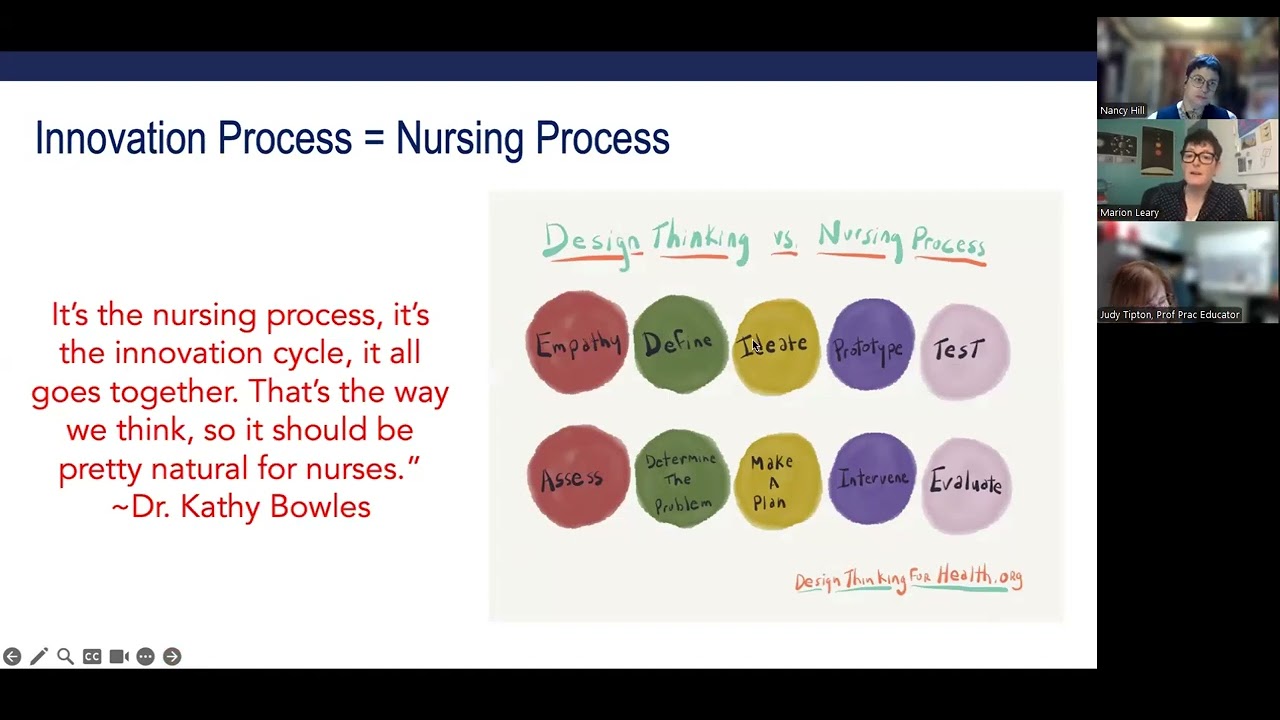


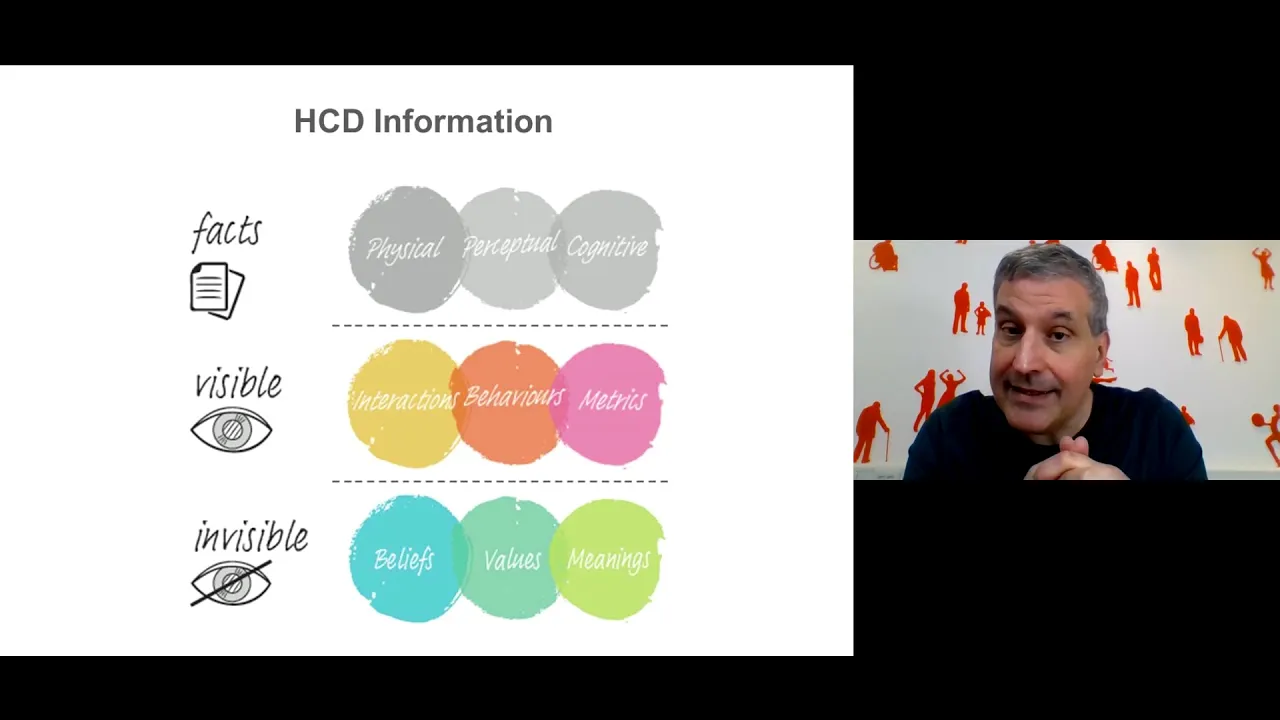


















Legal design is a human-centered methodology that applies design thinking principles to legal work, focusing on understanding user needs, prototyping solutions, and involving end users in co-innovation to transform legal systems, documents, and services into more accessible, understandable, and effective solutions that serve the people who use them.
Legal Design Interfaces: Law, Tech, and Human-Centered Approaches
Added:Fundamentals of Human-Centered Design (HCD) and design thinking methodologies.
Basic understanding of LegalTech, including how technology is currently integrated into traditional legal practice.
The concept of 'Access to Justice' (A2J) and the barriers created by complex legal terminology and procedures.
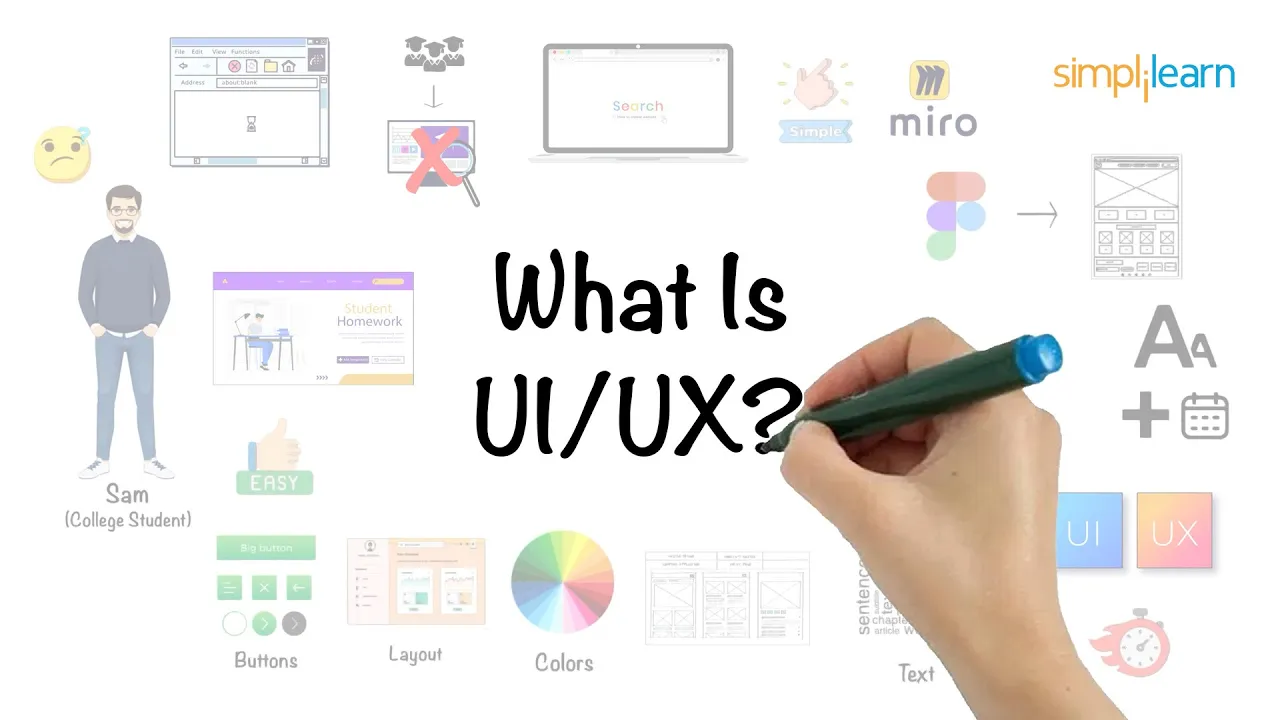
Introductory user experience (UX) and user interface (UI) design principles for digital information systems.
Practical applications of Visual Law, such as drafting visual contracts, flowcharts, and simplified privacy policies.
Methods for empirically testing and measuring the usability, comprehension, and legal efficacy of redesigned legal documents.
The integration of Artificial Intelligence and Large Language Models (LLMs) in generating user-friendly legal interfaces.
Ethical and regulatory implications of digital legal service delivery, including data privacy and the unauthorized practice of law.
116 views3likes1:00:34Original Release: 2020-12-03
[Music] [Music] good morning hello everyone and welcome to the second day of lisbon lauren tech conference hosted by abril knowledge institute my name is ricardo henriques and i'm a partner of abroad and co-head of the intellectual property and information technologies department yesterday we had a very interesting discussion on online courts and justice in times of pandemics with professor richard suskin justice madison blaze and our colleague pedro barraza who talked to us about the potential benefits of this proposition in regards to access to justice today i am honored to be hosting and moderating this panel on interfaces between law and design design applied to law is i would say a hot topic and a new trend customers and business businesses often are frustrated when confronted with texts and legalese that pave the way to loopholes confusion and litigation in this case the legal world is seeking help from the design we will talk about design-driven approach to legal innovation would focus on inventing and building systems that serve the agency of people involved in them i would like now to introduce today's speakers miracle globally recognizes one of the pioneering voices in human centered design for legal professionals in legal business dubbed by the legal forecast as one of the first legal designers and the host of the world's first legal design summit mira continues to lead and actively contribute to the discourse on the evolving role of design law and also alessandro zavaglico director of legal score and one of the pioneers in the use of artificial intelligence techniques in the area of law and in privacy by design projects in brazil executive coordinator of the data governance research and ai regulation group at cepi fgv did i sp chairman of the iisp law innovation and technology commission and member of the data protection commission of the federal council of the brazilian bar association and at the wg to adapt the judiciary to the general data protection law of the national council of justice we will start off with alzheimer alex the floor is yours hi everyone it's a great pleasure to be here with you uh i'm very sad because i'm not in lisbon i'm in sao paulo right now but uh it's a great pleasure to be here with you ricardo and thanks to abril knowledge institute for all the organization and the opportunity to collaborate with this great event uh at its second year so uh it's a it's a very important uh uh environment to talk about what's really going on in the whole world of about law innovation and technology and thanks mira uh mir you know we admire your job since the the first time uh that you that you begin with your working field and so uh it's a great opportunity for us to to talk about what what we are doing so uh i'm gonna share my presentation uh and uh is that okay so uh uh i i have a an approach about uh to contextualize contextualize uh what is legal design uh because of course mira is gonna tell you much better than me what really is and about the techniques and and what are we really using this uh methodology so uh and just uh to to to contextualize what's going on in the whole world so uh we are looking uh and learning about of course what's happening in finland because uh uh they are really uh one of the pioneers in in legal design projects in the whole world and uh we also uh looking and going uh almost every year to london and we have this uh event called legal design geek and i learned a lot there about this visual strategies and and uh what uh the industry doing so uh the last year we have mira here with us in sao paulo she spent uh some days here with us and and it was great to to know her better and and and to to learn about what we're doing what she's doing and of course in lisbon because uh you're on the the uh in the center of all the discussions about uh artificial intelligence and data protection and and all of the discussion of uh uh how the the influence of of this new environment uh on the legal market so i think we are we're trying to understand uh what's going on in the whole world to use uh this concept here in brazil uh so for us to understand we have to uh know the the difference between uh law uh and the influence the the daily activities of society the new business models uh using uh different techniques of uh of automation and and data science so there's a difference between uh the reflex of the this new business model and and the the daily use of technology by the society and they reflect on the the material law in the law and the opportunities of new jobs new legal service and then from the other side uh the the technology uh as tools uh to use automation and data science uh to improve uh the the legal service so it's it's a very important difference between uh uh this this ball uh the this balls the scenarios and it's it's important for us to understand that because legal design is just the field this is a a lab in in stanford of course it's a very well-known uh lab called lego design lab and this this image can can show us uh the legal design is where we can integrate we can merge design uh law and technology so uh and and of course design is not just about the the visual things that most of the people think it's about uh solving problem and and complex uh legal problems so we have the design of systems design of organizations design of service products and on the top of that uh the design of information which of course mira is going to tell us uh much better than than i can do but uh so uh just to contextualize that uh i chose to show you uh some uh some service design and product design just for you to know the the the the range of opportunities that we have here in brazil so uh i'm uh writing about that uh issues for the last 10 years and almost uh from 2017 17 working really with artificial intelligence because here in brazil we have 80 million lawsuits with open data so we are really doing an r d uh deeply job for the last year so we are now uh growing our systems about nlp natural language processing machine learning deep learning and we are really reading uh millions and millions of documents to helping us to organize the information the data and and the the information uh to uh to have better decisions so the the technology is not uh replacing us it's very different than that because we have to build it we have to use we have to uh say which data we want and and for what so uh it's it's uh it's uh uh of course new tools but we uh still uh the doctors we still the the the perfor the professionals that uh that we all the content of these new tools are from us so uh that's why we are talking about open data uh data driven yeah so uh uh real-time data to to this decision makers uh legal design and all these stuffs so we have of course a lot of uh open contents here uh on the internet so if you can search zavagle for example and and also writers you're going to find a lot of ebooks and and uh and content that this is the last one uh about exactly legal design and visual law and and i am now at fgv sao paulo which is a very important university here in brazil uh coordinating a research group about data governance and artificial intelligence regulation about uh bias ethic issues and and all the things that you're of course uh leading uh this discussion in the whole world the europe so and at this group we have uh also the opportunity to have uh joshua walker who's one of the speakers about this uh this event and the last day so uh joshua has this book on lego ai that i am the responsible with fgv team for the the brazilian edition we just uh finished the translation uh this week so we're gonna launch the the project here in brazil about uh march uh 2021 so it will be in portuguese for all of you so joshua say that uh how to to code the law into the systems and that's what that's what i'm gonna show to you uh uh because uh uh inside those systems we have to know that uh this is the the law we have uh to know the ontology the context uh which will be the better argument so it's built by humans and of course viewed by lawyers by judges and and and prosecutors so uh to use this these tools is very different from the how people really think that the robot is ready doing everything but it's none of that and i'm gonna show you uh that now we are delivering uh legal service in platforms so to do that we we are using this four steps that we learned uh for this last year so of course we have a lot of techniques and and mira will tell you uh agile curves or uh or a lot of design thinking but beside of of each different methodology we learned that we have to follow these four steps for our projects because uh we have to know first where is the data that we need at the first step and the second step how can we organize uh uh do the taxonomy and and which kind of tool we're gonna use to to organize the information and then at the third step what we're gonna do with that is the design of the solution so uh in this first steps we are here using a lot of artificial intelligence because uh uh here in brazil we have this this millions uh thousands of millions lawsuits so we have a lot of problem with that and and and i'm doing that in in my constituency for the last years and then at the last step uh this ux and visual law so how can we communicate in a better way with the different persona exactly for uh each kind of problem each kind of situation and and uh to adapt this information for each kind of person so so this is our framework how do you do and so all the projects have uh one side of data science one side of legal design how to merge all that and the people and this multidisciplinary team and then this digital transformation and customer experience because we are delivering the legal services on platforms so odrs online dispute resolution automation chatbots compliance gdpr so i'm gonna show you three cases uh just because of our time we have a lot of uh projects here about using artificial intelligence and and how to uh and and about the results that we are having here expressive hazards but now i'm gonna just show you uh this this three project and how we are using design to build systems uh so uh tax systems for legal service so the first one is uh privacy by design of course we know that uh when we have the data breach or or we use we have a uh unaware uh uh outcome uh with bias for an example uh the uh the problem is done so we don't have uh we cannot fix it anymore because it's done so when we we're working about uh data privacy we have to think uh uh how can we prevent the problems so uh privacy by design is a technique to do that so we have this friendly work uh about the the legal job uh working uh to choose the the legal basis for the to use the data and then we use technology to do the data mapping and i'm gonna show to you and how can we uh target uh all the this personal data into the systems so the how can we we we have this evidence for a in real time about how how and what and and if we can use this data and for what because we have this b2b relationship and and most importantly b2c so so the data holder the uh have the right to know uh how we are how we are processing uh his data so uh and if we don't have this evidence in the in the system in those data lakes we cannot uh uh have this answer for for these data holders so uh how we are doing so we built this framework here uh in a in an integrated systems in in a collaborative environment to legal i.t and compliance and uh and we are doing that here in brazil for one of the most innovative companies in the whole world from from the united states called servicenow so servicenow is one of the leaders in the this gartner magic quadrant uh so it's a very nice job because we are tropicalizing these two to brazil so uh we using this concept of privacy by design so privacy embedded into design proactive not reactive so preventative not remedial end-to-end security visibility and transparency so what we did we divided our our legislation in 150 different topics articles and and their topics and and make an action plan to each article what we have to do to be compliance with this article and who have to do that it's like it's compliance it's it's the the legal uh in-house is it's the law firm so uh we build all the system uh with that and then we use these tools to uh do this uh mapping this data mapping to know where is the data and which is coming from and then we can build this workflow uh of of action plans and and how everyone is uh integrating working together in this environment so and then we can build this assessment matrix and then the compliance kpis for the dpos and also for the board or or for the cio of the company so the cio uh the ceo sorry uh want to see that the the dpo want to see that so that's the the final uh part of the job is how to communicate with each kind of public so the second uh case here is from tonsil writers tons of writers uh uh bought this uh two called iq this is the uh the the word leader uh for 20 years so they bought last year and now we've hired to to also make this tropicalization of of these two to brazil so so they have a lot of big law firms and companies as clients so uh what we are doing is is how to uh to merge all the uh uh see all the tools because we use uh uh words we use uh just like trello and and we use docusign so we use that separately and and what uh iq does is how to use all of these tools inside uh uh one only uh environment so we can see everybody what's what's everybody doing we have all the the security of information we have uh collabor collaborative uh place uh to uh to work with that so we have doing i i don't i cannot uh show you uh the inside of this project because we're gonna launch here in one month but but we are uh building this this shoe to brazil and in the last one it's about hyper automation uh so uh it's it's another uh startup here in brazil called legal code so uh gartner is telling us the the top strategic technology trends for 2021 and one of them is hyper automations because now we are have the automation of simple tasks and we are using artificial intelligence for simple tests and now we can use it for the whole uh for the whole service and so how can we mix automation and artificial intelligence and so we have the ai reader robot process automation risk assessment and assemblies how to build documents using uh this text so so now uh using this technology we have the framework that uh the artificial intelligence can read the the initial petitions so uh we can uh find the the subsid uh to the informations to instruct this this legal process uh using rpa and then we have this assessor metrics that that say to us is better to have an agreement it's it's better to to make the contestation of this lawsuit and and help us to build this document using the right jurisprudence and the right uh value uh to uh this agreement for an example so this whole job end-to-end job now we are reading in brazil we are reading some kind of uh third 30 000 lawsuits each monthly basis so the the time to resist the resistor was 15 minutes and now we are doing it in 30 seconds of course we are building this tool for the last three years with artificial intelligence because we have to know the context the ontology uh to train the system to know the every features and and now uh we have the 98 accuracy about this register because the human being do it almost in 74 percent of accuracy so it's it's much better to have the right data to do the job and now we have uh increased the relative number of rejections because we're doing it for companies uh doing to the adequacy of jurisprudence and subsidy in five times so it's it's been a huge uh result of this job so uh we are using this legal design techniques to improve the legal service as a whole so for lgbt here and gdpr for you to to have this digital homeworks just such as high q and now with this example we are having this this whole hyper automation tools to help to manage uh this uh uh this this lawsuits the massive numbers of lawsuits here in brazil but of course we have lawyers all the time to build that to use that uh because it's it's uh everything is changing every time so it's not ready and it's not just a plugin we have to work on this all the time and of course there's only twos and and we need the lawyers to to use that and and for last and of course mira is going to tell us uh much better than me uh we are using this visual law techniques here in brazil too uh with learning from uh from here and there's a lot of examples here in brazil and in the whole world this is from new york and using comics to to tell the uh uh how can uh if you're in a detention how can you you talk with your lawyer and we have a lot of uh university in having now this visual loss uh areas such as yay or cornell and stanford and of course in europe too and uh a lot of uh tools here are prosecutors here in brazil are using infographs uh in uh administrative misconduct actions showing the corruption step by step and it's it's been very nice here and uh a big law firm such as uh tosinifreddie and we have a a very in and that's why we founded here the the first uh visual law studio here in brazil just doing this this visual documents and uh so we have a lot of jobs here contracts uh uh financial reports of the the lawsuits this is a contestation about credit cards for a very big bank in brazil so you see it's it's not only to put images and here codes and and sometimes we just need a better design from the text so which is the better technique for each project that that's why we have to know and for contracts uh less complex contact so we have a few times to discuss all of that but we are learning is that uh we have uh working now with a much disciplinary team with mathematicians statistics guys so designers journalists and and it's helping us to think in a different way how to solve complex legal problems and it's it's been it's been very nice to have the opportunity to work with in this project and and to collaborate here with the discussions and and just to tell you what is really happened what we have uh and especially that all of that need uh our job need our intervention in every step since the beginning of the project and and of course how to use that and how can we use that so thank you very much and i'm sorry for the time but i'm sure that we're gonna learn much more with mir no problem thank you for your interesting presentation i turned now to mira to give us her views and her experience on some of the cases she's been working on here for is yours hey thank you thank you so much for having me today abru and ricardo thank you for hosting the panel and alex a wonderful kickoff to this session today let me just see how this is going all right hmm okay so i really want to focus today on this concept of legal design and alex you did a fantastic job at really contextualizing that legal design isn't just about making existing legal documents or information look better it's really about utilizing design as a whole practice along with technology and our legal knowledge to redefine the way we work as lawyers and as a legal profession and so a lot of the time i get this question like what is legal design and i really understand especially you know i have both a law degree and a design degree so when i'm thinking as a lawyer i actually think very differently to when i'm thinking as a designer and as a lawyer i like definitions because that's what we work with right it's how we it's how we contextualize everything if something's right or wrong or in accordance with the law or not so i understand it's it's a big question people say what is legal design and there's been quite a lot of uh academic discussion about this by people like stefanie pasera and helena harpio some people at stanford and and we've really come to a consensus that it's best not to think of legal design as kind of a a fixed definition but really to embrace the idea that the definition will be in flux because legal design is more of a lens and an innovation method a way that we can adopt and new ways of working and thinking as well as technical skills to really solve big legal problems so the definition of legal design that we have today should not necessarily be what it is you know in a year's time or so if we're keeping up with how things are evolving in the business and the world but for today and for the purposes of today this is the definition that i have put together for legal design today so it's the deployment of design in the field of law and we're using design to transform legal work and its systems develop human centric products and services enhance the user experience as well as develop business strategy and so when we talk about design it's more than just visualizing but we draw on all design disciplines and i think alex and i will probably talk a little bit more in the panel discussion about where the legal design is design thinking and the answer is no but i think we can touch on that in the in the panel session um but there is a process or methodology and here in legal design we do draw on things like agile and design thinking um and other different design sprint methodologies to run a legal design project and i've put together some some four sort of key milestones here at the heart of legal design is this mindset of being human-centered and that's really about understanding the person or people who are going to be using your solution so if it's for example uh a private practice law firm providing some sort of solution to their external clients that's their user perhaps it's an in-house lawyer who's thinking how do i better serve my marketing and business teams or then it could be within an organization itself say a law firm thinking how can we really uh prepare our senior associates for partnership track the user always changes and depending on who the user is we should um i guess be tailoring the solutions so often we start with a bunch of user workshops to figure out what is it that the person who we're creating the solutions for what do they want what are their challenges their motivations their needs and going from there we can start developing a solution we then have this concept of prototyping and i like to think of prototyping as a rough draft so before you send out any legal advice to your client you probably have a working draft and a prototype is essentially a working draft but a little bit more rough because it could go through many many iterations and updates before we get to the final solution the third key aspect to legal design is the involvement of the end users so this would for example be this concept of co-innovation so an in-house council working with their marketing team and business team to develop a playbook on compliance for example or a law firm working with their external clients to create a new tech solution for example um and it's when you come up with that prototype you then bring on your users again to test and validate and sometimes this can actually seem quite uncomfortable for lawyers because naturally we're conditioned to mitigate risk and and to perhaps not put ourselves in a position where we would be getting negative feedback but we need to start rewiring the way we think of feedback and validation and and co-innovation and and realize that by working together we actually then uh can create better solutions because we'll be ensuring that whatever we create is actually going to fit the needs and wants of the people we're creating it for and then finally implementation so these are just some tools for example we spoke about what is design they're also design methodologies and user personas are a key tool to figuring out what is it that our target audience may be wanting um from us in in regards to a certain situation or challenge but to turn in just to keep this a little bit short today i'm going to run through some use cases and these are just a few cases that i've worked on or then some colleagues in the field have also worked on and i really apologize for this sun i'm just going to move a little bit this way so quite rare to have sunshine in finland but it seems it's come through my window this afternoon all right so one more famous that i've been working with uh and has been really embracing legal design it is link layers their uk office has really taken on this approach of integrating legal design knowledge and building that foundation amongst their their legal professionals as well as working with the business teams so this is one example that i can share which related to a pre-closing memorandum so essentially uh linklaters decided they wanted to create a better way to help their clients communicate uh obligations effectively to the people um when they're closing a deal and we went through these steps of workshops with the clients to figure out you know like what sort of information is most crucial because as we know when we create legal memos that's really important you know from a lawyer to lawyer perspective but if you're then applying it to the business what do the people in the business need to know what's important to them and what order is logical for them and at first our first step our first prototype was thinking okay let's make a quick one-pager uh that people could print off and and keep handy but then we went into a user workshop to validate our first prototype and interestingly the client said well actually we do everything on our phones or mobiles this should be a digital solution and on top of that many of us don't have offices so we work remotely or we hot desks so it doesn't make sense for us to have to print things off and stick them up and so from there we we reworked the solution again and what we came up with was a mobile optimized digital guide on pre-closing obligations and this has been really uh well received from from the client's perspective because it fits it's not only safe legal advice that sound but it also fits into the way the clients do their work do you understand legal design is kind of about providing the the core legal advice but in a way that fits into the business lives of your user let's take a look at the arbitration institute here in finland that was a really fun project that we worked on um essentially the the head of the arbitration institute in finland she wanted to find a way to better communicate the arbitration rules you know it was currently just an online pdf or then a hard copy book of all the rules and laws there and through a series of workshops with lawyers because of course lawyers are representing their clients in in arbitration cases as well as business people because they are the core users of the arbitration services here in finland we managed to create this really cool interactive online tool and you can i encourage you all to go check it out it's on the arbitration institute of finland's website um and basically it's a timeline of the different stages in the arbitration process there are little icons which are indicating to a business person when they need to file documents when they need to be present but then for the lawyer if you click on certain boxes it's going to take you directly to specific parts of the legislation to help the lawyer also do their work more effectively so this is thinking creatively about how can we take you know legislation and make it more accessible but not just for everyday people but for legal professionals as well this was an uh example done by airbus and another legal design expert in the field called astrid cole meyer she's based in germany um and they were looking at redesigning their ndas and and what i love about this visualization that astrid provides is you can really see how uh like the journey from going from a legal document to an end result you know it's not just a matter of adding some visuals or overnight people thinking okay let's let's say this word instead of that word it's really a process of working collaboratively with people within using technology using uh graphic design information design um then design thinking as a process to create different versions so um it's it's quite a profound difference going from that uh image on the left as the first nda to this uh final nda which they have also then i i believe coded into their legal automation systems there so that it can be easily completed and then finally uh i actually saw this it was only a couple weeks ago it's it's by a dutch law firm and some designers uh along with tony's chocaloni and they just created a very vibrant employment agreement you know uh this is they've called it a ticket of trust and it's not only cohesive with tony chocaloni's brand but it's a legal document that's fun to read and i know that if i am a future employee getting this uh feels a lot more uh relatable and and exciting and and it also i guess um perhaps demonstrates the values at tony chuckle only so these are just four examples that i wanted to share with you today about how legal design is being used in all different realms and i think we can end there and head off to the panel session ricardo over to you thank you very much mira so now i'd like to ask some questions and also give you some topics for for discussion and i would start off with uh something that mira already hinted at in our presentation and asked perhaps alessandra if you could sort out this terminology issue on the different types of definitions legal design design thinking for law visual law are we talking about the same things probably not as mira has said but could you just help us clear out the differences please oh so uh nikko legalzy is as uh we said uh a methodology to solve problems so always we start uh observing with the observation of the problem and and of course to do that we have to organize the data it could be uh with interviews surveys or using as we told artificial intelligence to to organize a big data for an example so we start using that and then uh we we can do this to build the solution looking all this journey all the the human uh necessities and all of that so uh so we work between this observation to the last step uh which is the the kind of information and how can we deliver the information in a better way for for the the exactly public so uh so legal design is not just a design thinking it's much more than that it's a concept it's a technique so legal design is one of the techniques and you can use it in in some kind of projects not in everyone you can use agile you can use canvas you have a lot of methodologies but this is not the design design is much bigger than that so visual law for us is one of the sub area of the legal design in the last phase of this project so it's how to deliver the the information so we can do all of that uh uh not using uh any one of this technique such as uh such as design thinking we can just use that in in our daily work but but following these steps so we have a lot of ways to do that but but uh we have to to figure out this we have to uh to follow these steps and look at the journey look at the people look at who you you're working for is a lawyer is the the final client of your client so so that's what we are really doing so i think mira can can tell us yeah and and if i could just build on on that uh alex i think the way to think about legal design is if we think about it as using design in law so so what is design when when you say what is law is law just corporate law no we have many different practice areas right uh ip law privacy law maritime law criminal law family law etc so design to say legal design is just design thinking would be missing out on all these other parts of design so design as an innovation process is design thinking design as a mindset is human-centered design then you have these like tangible design skills graphic design information design this product design if you're creating a solution you have the ones that you can't see like organization design how things flow within an environment process design you know so legal design is applying all of these different forms of design in law to kind of solve our problems and as alex you said you may not use all of these different areas of design all the time sometimes it may just be design thinking because you're trying to think of new solutions etc but other times if you're focusing more on a contract then it's going to be the graphic design and the information design the visual aspects of it i hope that answers your question and he kind of just just to complement now we are working uh on a design of new areas for law firms in brazil uh such as data privacy so we are building with this law office uh which is the head count uh what's the deliverable what kind of technology that you're going to use how much will cost the the service so so we are building with the lawyers holding all the area all the design of this the services and and uh in a end-to-end point of view okay thank you so and mira how do you say that it's uh possible to to go about starting off a project on on legal design what's the what would be the first steps that one has to take to to start off a project on legal design yeah great question and and i think the first step would of course be to take some time to just educate yourself a little bit so you understand uh you know where has legal design been used you know look at some case studies some great materials alex has published some things uh myself and ashford colemai will have a book uh coming out late next year unfortunately still a little while away but uh there are resources online but then i would also say um it's really beneficial just getting a bit of training or first of all before i guess setting building the foundation before you can you know build on from there and and sometimes it it may seem um i don't know i think legal professionals don't always consult external experts or consultants it it's not necessarily within our culture but it is very much so a thing that's done in business right and so i think getting familiar and comfortable with this idea of okay let's bring in an external expert maybe they'll run like one or two education sessions and then our team has this solid foundation from there we can start building on things ourselves um identifying a small project start small and then go big you know don't try and rework a whole huge process you know maybe start with something small do that successfully and then that can be used as i guess um a pilot case to show the value that that project brought to the business and and make sure you measure the impact you know did people start uh did people's attitudes change after we did this project have we seen an uptake in people being more proactive and experimental then from the client's point of view what did the client say did it help them with their business or if it's a contract did we manage to reduce negotiation time or sign the deal more quickly those sort of things so so do a small pilot project and measure the value and i think from there you can really start scaling yeah that that would be my my next question that you already started answering which how can we measure this the the efficacy the the the benefits of this type of projects and on which projects do you seem to see more improvement or more benefits resulting from applying legal design or is it across the whole spectrum of of uh types of projects but for both of you yeah alex do you understand oh please please yeah you're the star i'm here every year but you're the it's very kind of you um so i would say that the projects relating to where you can see a tangible uh outcome tend to be the ones that gain the most traction quickly so i guess that's because people can really see and measure the the impact straight away so if we are talking about say a contract then we can see uh you know maybe reading time was reduced preparation time was reduced uh signing time uh was reduced and then from there like can you measure you know what was the relationship and feedback like from from the client side measuring these type of things and they also don't take as long to measure the value maybe six months after the project you can start measuring but if we then start going with okay now we actually want to create a culture of legal design within the law firm that's a little bit more difficult to measure and that's why it's also a bit harder to get that investment you know because you're only going to see things like a mindset shift this new ways of working uh you know maybe attracting of new clients because you started taking these steps you know whether that be internal if you're in-house or external um they take a bit longer to measure so i that would that would be my answer to you there when we're talking about bigger systems and process changes we have to be a bit more patient it's going to take at least 6 to 12 months to be able to measure the value there yes that's it and you have to to have a picture from the first day because if you don't do that you cannot measure this uh those results after those 12 months so uh so from here uh as i showed to you this hyper automation service so i told you we have 15 minutes for manual registration now we have 15 seconds so we have 98 percent of accuracy and and we had 74 and increase the the relative numbers of rejection uh in five times so it's a it's a uh it's a residue that we can measure and and uh in this uh in those visual projects uh we have a very nice project with uh uh a healthcare uh big company here in brazil so so they have the they had this uh privacy notice uh for the clients to share uh their exams uh for the for the the medical research or drug discovery research so of course they had a 30 pages in words in in legal language you know and and nobody and the rates for who the that really signed that is is very low so so we did a video to because they they are not lawyers they're just doing an exam you know so we we did a video so so how you uh the this healthcare company is really using uh anonymizing and and of course having all the the care of this data and the rates increase uh a lot you know so so this is uh uh so this is real results uh because it's been more effective and there's a another project for a big uh uh real estate company here that digitalize all their contracts digital contract uh uh you buy your house uh from this digital environ with this using this digital environment uh since the photo of the the the apartment for example the text and and how do you sign that and this contract with a very uh clear language intuitive language with videos uh about the uh the the the articles the the cause that that we saw that we have a lot of uh judicial problems or judicial discussion about that specific uh points you know so uh this kind of project uh and now uh guillerme freitas which is the the general uh in-house council uh said uh after uh we we put this this project on uh we didn't have any lawsuit about this country so this is real uh results you know so so now we are starting to have this result as as mira told we have to think big and start small uh start with one project one kind of contract and then you can measure and and choose the right sponsors uh the right area into the law firms because if you've had oh everybody now is going to use legal design and visual conscious it's not going to work but if you choose the right sponsors you can start and then the neighbor will see you as oh it's nice you have results i want to use that too so it's cultural and and it had to to grow up uh from from uh through this process yeah and and just very quickly building on that um like uh one project that i've been working on right now is with a very large energy company and their in-house council you know this project that we're working on there is like a playbook to help their business and marketing and sales teams understand uh certain certain deal terms and uh that's a collaborative project between the legal team but also their marketing team as well as their business development and sales team and external lawyers and me you know so and this is just how the problems and solution problems are becoming so much more complex these days we have to be working together and getting comfortable with that too understanding the value you bring but also understanding the value that others bring to cohesively creating an effective solution um and then on the measuring side it's going to take some some months they've said this is a pilot project and then gonna measure over the course of six to twelve months what the results are like so one one last topic i would like to discuss with you both would be uh something about the transparency paradox and the difficulties in finding the right equilibrium between what you need to explain and what lawyers tend to make very lengthy documents to try and justify and sort out of all the liabilities and and also the the the aim that legal design seems to have to make it more understandable more readable more approachable by the the end user how do you see that and what's the difficulties in these projects to find that equilibrium go ahead okay okay uh it's it's difficult it's there and there are certain agreements that are easier than others for example i showed you that uh tony's chuckle learning employment agreement employment agreements are quite simple to make more uh you know user-friendly accessible and and balance that uh business language or easy to understand language with the legal considerations but um as you as we get more and more complex uh at this moment um i guess there are two solutions it takes a long time to rework a larger agreement because we're also working with precedents that have been created over years and years and we know they're water tight and and part of being a lawyer is ensuring that whatever advice you give is watertight so there's that hesitation to play around with that so a kind of healthy uh middle ground that i advocate for initially is kind of creating like a guide to the contract when the contracts get thick and heavy you know so that the people uh from a business side of things say if you need to be providing as an in-house counsel providing things to the board and the ceo you can say like well this is the you know work with your law firm and some legal designers and say all right this is we've got the contract and then we've created this like guide quick guide to the contract so you can see like from a business perspective what the key terms are key obligations etc but then of course you can refer back to the big media precedent i think that's a really healthy and easy middle ground before tackling kind of reworking these large precedent documents uh alex so uh that's why we're telling this is not plug and play it's hard work you know yeah and it's much more different about replace lawyers with innovation and it's really different from this side for who really works with that so it works uh better with at the same table the in-house lawyers the the strategic law firms the consultancy the uh the consumers and i have the opportunity to be uh part of a roundtable uh organized by facebook just uh 15 or 20 days ago and and they have this paper about this transparency paradox and they trying to understand which is the the better uh to to communicate so they are uh building this all different screens and and all different uh uh strategies for you to choose which kind of data do you allow they to to use and and so they're doing this round table and and this paradox is just like oh if you don't have text you you're going to be a problem with the the regulators if you have a lot of tests nobody will will read that so which is the balance so so we have to prototype you we have to do this a b text it works and and what we uh we discussed that is there's not a uh uh a magic way to do that you have to understand the the difference between each kind of people and uh somebody ne needs and like fortes the other ones uh uh like more visual communication so how can we understand this and and the different kind of person and people and how can we build these different strategies for different stakeholders so that's what we're learning and that's why we have a lot to do together and and building all this ecosystem and these new feuds uh and this different way to work so it's not a different uh loss sector it's just a different way to work but but law still the law and and all the content inside of of what what all we are doing is law thank you very much and thank you for your participation we already ran out of time so now i will have to close the session and i hope the event has provided you all with new insights on these important topic this was only the second of four days of our event dedicated to law and tech and i would like to invite you to join us for the other lisbon law and tech sessions hosted by the knowledge institute of abroad covering topics such as global trends and regulation and artificial intelligence and legal engineering feel free to send us comments and questions through linkedin or by email that you can find on our website on the web thank you very much [Music] [Music] you
Up Next

73:02
Big Tech Antitrust Debate: A Public Policy Panel
@TheFederalistSociety
61.1K views•2021-04-27

4:27
US Secondary Sanctions Impact on EU Businesses and Blocking Legislation
@Bureauvandijk
1.6K views•2019-03-20

5:27
Forensic Phonetics: Speaker Identification in Legal Cases
@nptel-nociitm9240
539 views•2025-03-19

24:42
Police Interrogation Tactics: False Confessions & Legal Reform
@LastWeekTonight
7M views•2022-04-18
Related Study Plans & Knowledge Roadmaps
Structured learning paths in Law
law
Self-Defense Law: Imminence & Castle Doctrine
01Foundations of Self-Defense Law
02Imminent Threat & Reasonable Belief
03The Principle of Proportionality
+ 3 more learning modules
12h6 modules
Explore Roadmap
law
Defamation Law: First Amendment & Actual Malice
01Introduction to civil torts and the First Amendment
02Elements of Defamation: Libel and Slander
03Public Figures vs. Private Individuals
+ 2 more learning modules
8h5 modules
Explore Roadmap
law
Hearsay Rule: Trial Evidence & Exceptions
01Introduction to Trial Evidence & Courtroom Basics
02Demystifying Hearsay: The Core Definition
03Non-Hearsay: Exclusions Under FRE 801(d)
+ 3 more learning modules
14h6 modules
Explore Roadmap
law
Medical Malpractice: Law, Liability & Care
01Foundations of Tort Law and Civil Liability
02The Four Elements of Medical Malpractice
03Defining and Proving the Standard of Care
+ 2 more learning modules
12h5 modules
Explore Roadmap