





















Echo chambers are environments where individuals are exposed primarily to information and opinions that align with their existing beliefs, created by algorithms that filter content based on user preferences and past behavior; this phenomenon warps our perception of reality, contributes to polarization, and can negatively impact mental health, as demonstrated by examples including the failure of polls during the EU referendum and the rise of post-truth politics, though solutions include fact-checking, acknowledging one's informational bubble, and engaging with opposing views charitably.
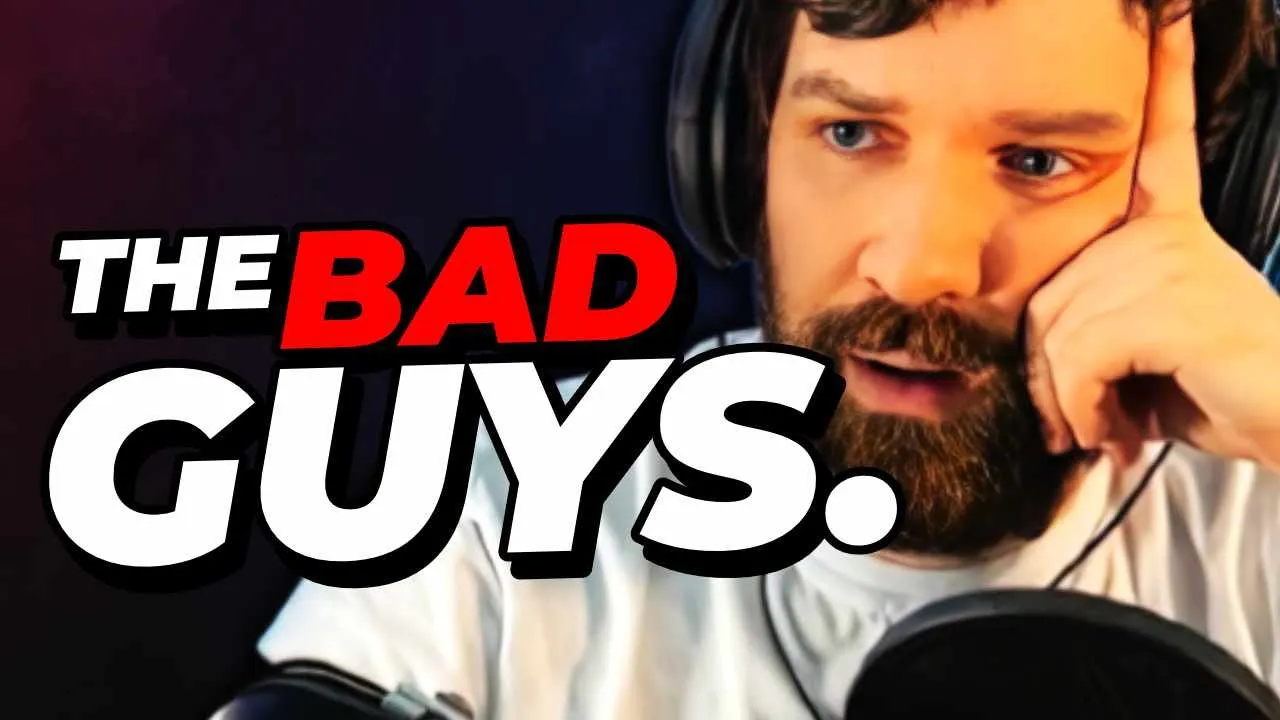
Echo Chambers and the Failures of Modern Discourse
Added:The concept of Confirmation Bias and how cognitive shortcuts affect human information processing.
The mechanism of Social Media Algorithms and the creation of personalized 'Filter Bubbles'.
Fundamental principles of Media Literacy, including how to distinguish between objective reporting and opinion-based commentary.
Basic democratic theory regarding the role of the 'Public Sphere' and open debate in a healthy society.
The philosophical distinction between 'Epistemic Bubbles' (information exclusion) and 'Echo Chambers' (systematic discredit of outside sources).
Applied communication strategies for bridging ideological divides, such as 'Steelmanning' and non-violent communication.
The study of Algorithmic Reform and Tech Ethics, focusing on how platforms can be redesigned to promote healthier civic discourse.
Analyzing the macro-level impact of political polarization on democratic institutions and public policy formulation.
72.9K views8.4Klikes14:55Original Release: 2020-11-22
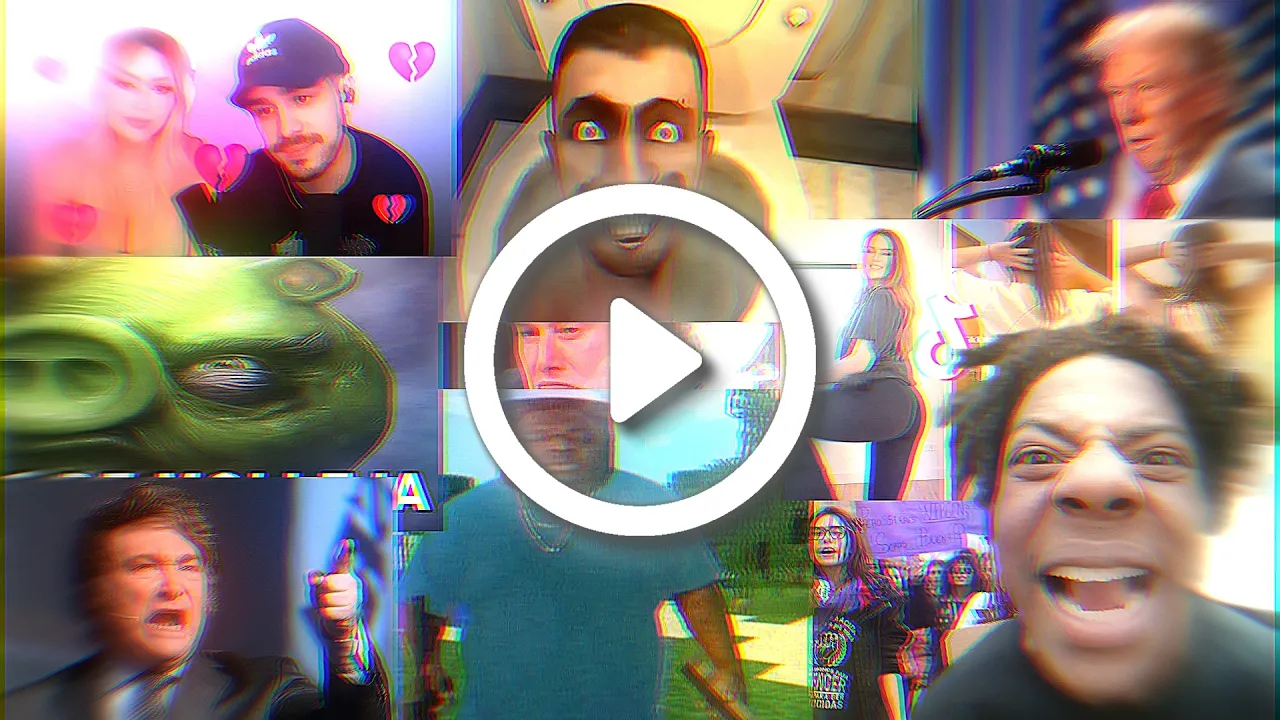
what do you make of the way president trump and the republicans have mastered facebook if they're republicans if they're in a certain group there's discrimination and big discrimination i see it absolutely on twitter all right right as the left stalinist russia i actually think you know across the spectrum i don't think this is a democrat or a republican thing oh playstation won this man the xbox is superior alpha male xbox objectively already lost this console we are in the beginning of a mass extinction she's a kid she talks nonsense all you can talk about is money she knows little and does less when you see these things you're being observed constantly and algorithms are taking that information and changing what you see next tweets another look dude by the end of the year this right you're gonna be a communist but i do love all people but i hate black conservatives we lose our humanity in this very shallow form of interaction why hello my fellow apes i'm stephen woodford and thanks for tuning in to the first in my series on the failures of modern discourse let's begin by shattering the fourth wall why are you here no i don't mean this in an existential sense [Laughter] but rather how is it that you found this video or perhaps more accurately how is it that this video found you algorithms [Music] if p then q in its simplest form that's what an algorithm is if rachel likes a dog meme then show her more dog memes if drew mentions essential oils then advertise to his audience pseudoscience and if your partner uses your youtube account to binge watch simply nailogical then you're now a holosexual with an extravagant interest in nail polish what do you think what do you think what do you think what do you think what do you think i think you should get your own accountant hannah although it is pretty anyhow the most likely reason you're watching me now is because this video was suggested to you by youtube on either your homepage or sidebar and the reason youtube so kindly recommended it is due to your watch history it's because you watch content like mine from captain disillusion to medlife crisis to the atheist experience i'm going to let you continue but as a test i'm not going to hang up on you i'm going to wait and see which one of them does it uh which button is it and this is a great thing not only for me the content creator but more importantly for you you get free entertainment and dare i say once in a while education and youtube gets your continued retention which means they can serve more adverts and make more money everybody wins oh and talking of advertising debunked is now available worldwide just look at the damn linen so if you like the show help the channel grow and yes i borrowed that line from history buffs are you kidding me which is a phenomenal channel that i very likely would not have found if it wasn't for youtube's algorithms the same is true of ostava a dead by daylight channel that i watch most nights to unwind and the cancer vlogs of daniel thomas and emily haywood who were and still are incredibly inspiring people that have been instrumental in my grieving process for my father the algorithms that envelop our lives can be a force for good but like all double-edged swords they can also be detrimental according to the oxford learners dictionary an echo chamber is an environment in which somebody encounters only opinions and beliefs similar to their own to the dismay of scholars this definition is all-encompassing containing both the distinction of epistemic bubbles which are networks that omit opposing information and echo chambers which are networks that exclude and discredit opposing information but the two often manifest together hence the colloquial definition such environments have existed since the dawn of humanity and they've taken just about every form there's only one way to skin a rabbit so say cooks of the same tribe at the rap festival metal is just screaming among the romantics neoclassicism is devoid of passion and at the xbox convention playstation is for beaters the xbox the superior alpha male and the playstation 5 is for degenerate anime nerds on the surface these forms of echo chambers appear benign and to an extent they are they don't inspire riots but they do dehumanize and misrepresent those outside of the clique it can't be for instance that people are in favor of playstation because they want to play spider-man no it's because they're so thick as to believe that playstation has a better graphics card than xbox look here's one person making this claim and he's obviously a typical example now watch this post go viral as its reverberations feed the tribe's need to feel superior whilst this seems silly and again benign it can lead to outrageous levels of dehumanization and if echo chambers can get this out of hand in reference to game consoles consider what they can do to much more serious topics such as religion and politics i woke up on the morning of the 24th of june 2016 and i couldn't believe my ears every single one of my social media connections and every one of my new streams was very very confident that we were going to vote to remain did you know that if 168 polls carried out prior to the eu referendum fewer than a third 55 in total predicted that leave would win yes yes it's very easy to dismiss such failure on account of the polls being carried out by pro-eu outlets but this simply isn't true pro-brexit outlets were also mistaken will be on average to a lesser degree more crucially bookmakers whose very occupation is predicated on accurate prediction projected an 82 percent chance of remain winning that's a costly mistake indeed that's a gross misreading of the zeitgeist another such example is the 2015 uk general election of which polls predicted a very close race it wasn't i don't know why he's talking to a tree further still off the 75 polls that actually predicted a clear victory 56 percent did so in favor of the party that didn't win we could continue to give examples of polls being wrong for hours on end from every political angle but the point is that in addition to dehumanizing those outside of the tribe echo chambers warp our perception of reality you are fake news to give a contemporary example that doesn't rely on polls but rather perception a yougov report conducted on the 8th through 10th of november found that 86 percent of trump voters do not believe that biden legitimately won the 2020 election by incessantly discrediting all opposing views echo chambers of all angles are the not so hidden ingredient to the post-truth and fake news that threatens to collapse our democracies switching gears according to maslow's hierarchy of needs belonging and love friends and relationships are so crucial to our health that they are only surpassed by the physiological needs of sustenance and shelter and with our belonging now being intrinsically fused with algorithms that unconsciously increase polarization and toxicity we are potentially heading for disaster suicide rates are through the roof and especially among teams who according to the centers for disease control have seen an increase from 2000 to 2017 of a whopping 56 as to what extent social media and echo chambers are responsible for this spike is still undetermined but considering that humans are a social species with a deep rooted need for acceptance and the echo chambers have created a very spiteful nasty toxic and unforgiving environment i'd wage a good money on them playing a vital role our failure to take this problem seriously is very likely killing people and especially our children in an attempt to better illustrate the major issue of echo chambers grab some sunblock because we're going to the beach it's a b-e-a beautiful day and the sound of the waves is music to your ears but the waves are not the only sound to be heard many other people on the beach will share your views on any given subject but many won't and on occasion be it this visit or another you'll hear others expressing ideas that you don't agree with and perhaps even misrepresenting beliefs that you endorse should the skull continue you or someone else someone like me might correct their misrepresentation be it with decency or contempt an argument may then ensue but in the future that group will be a little less likely to misrepresent views that they don't hold if only for fear of embarrassment this is the natural order of things we might not like confrontation but confrontation is vital to a healthy society just as we don't like to be told to put the cookie down what they took it down now we don't like our deeply held beliefs to be challenged yeah banner banner's powerful and useful too but now imagine that everyone on the beach who doesn't share your views vanished you can't see hear or communicate with them they're gone an algorithm has removed them from your site and replaced them with more people that share your views think of the deprivation this would have on your beliefs on your worldview think of the erosion this would have on your critical thinking and capacity to engage with those who don't share your beliefs but here's the thing you don't need to think about what this would do but rather what it is doing make no mistake about it this is the sand between our toes this is the status quo of our online lives it's true of me you and everyone else we are all basking in the rays of cognitive bias this is a major systemic issue that quite frankly scares the hell out of me at its worst we find ourselves in an ignorant circle jerk of hilarious memes in which no one corrects the misrepresentations and no one considers alternative views or questions a central narrative out of fear of being cast out of our enlightened tribe and it doesn't matter how smart you are you're human and given enough pressure and conditioning you will be radicalized none of us is an exception those other people who don't share your views for reasons you might not have been exposed to will upon a day be seen as monsters they're evil and they want to see the world burn i mean look here's an example of one of them doing something really bad and this is definitely a typical representation how could it not be you're seeing this every day and here's one of their leaders sayings sure they backtracked immediately but we won't show you that part as it doesn't fit our narrative it doesn't generate outrage it doesn't feed the algorithm to fill my purse now don't get me wrong there are some groups that really are wanting to ban your way of life and in just about every group there are some bad eggs the issue however is that in the reverberations of echo chambers bad eggs make good omelets they satiate the members desire to feel superior they reinforce the monstrous depictions of the other when in the vast majority of cases they are not monsters they are human beings who are suffering from the same systemic issues as you [Music] all right steve so we're beset by a systemic issue but what's the solution how do we break the cycle well i'm personally convinced that since the issue is psychological the solution must relate to the psyche in short we must raise our consciousness and ensure that new users are explicitly aware of the issues of epistemic bubbles and echo chambers just as you must be aware of the hazards of the road before you can drive i think the same should be true of social media just as every driver knows that a red light means stop every person on social media should know that their feed isn't an accurate representation of reality but let's get real absent official decree social media platforms are extremely unlikely to implement such changes and so let me give you my three biggest tips that you can implement now one fact check if you see a depicted view that's utterly insane it's probably a misrepresentation a straw man yes in some cases it won't be after all it's no secret that people really do believe and do extraordinarily stupid things but whether it be a straw man or not the only way you're going to really know is by fact checking it if you can't be bothered to fact check it which is fine by the way then don't like share or repeat the view however if you are going to do the aforementioned then do fact check it through independent non-partisan sources that is reputable sources that don't have a dog in the race two acknowledge your chamber appreciate that your bubble is not a perfect representation of reality and that due to the algorithms it's predicated upon you're going to be exposed to absolutely every insane thing the opposing groups do register that this has warped your perception and that to truly understand their perspective you're going to have to leave your chamber and three engage charitably always remember that behind every post in common is a human being and just like you they are fallible they can come from vastly different cultures and generations and they can like you make mistakes don't treat them like they're scum even when their views are worthy of condemnation in the vast vast majority of cases they are not monsters never ascribe malice when ignorance is suffice very few people actually want to see the world burn through the act of charitable listening the musician daryl davies talked over 200 kkk members to hang up their ropes treating your opposition with dignity is sometimes all that's needed to save them from themselves respect is the key sitting down and talking not necessarily agreeing but respecting each other to air their points of view because of that respect and my willingness to listen and his ways to listen to me he ended up leaving the clan and there's his robe right there and the last thing to be said is that these tips of mine of course apply to your viewing me right now fact check me and if you're watching this video due to an algorithmic recommendation appreciate that fact you're in a bubble indeed my critics would say that i am firmly in the echo chamber of the enlightened centrist and you know maybe they're right the only way you're going to find out is by fact-checking it through reputable sources anyhow i'm stephen woodford thank you kindly for the view and an extra special thank you to my wonderful patrons and those of you who have supported the channel via other means such as by buying and playing debunked this video took a lot of time and resources to put together and due to its nature it might not be deemed eligible for advertisement this encourages content creators like myself to avoid difficult topics such as this but i honestly think that these issues need exploring and discussing if you can afford to pledge just a cup of tea per month i'd really appreciate it until next time my fellow apes until next time
Up Next

3:39
Deepfakes and Shallowfakes: Risks to Information Trust
@NYTOpinion
975.8K views•2019-08-14

26:22
Walking in the City: Urban Rituals and the Flâneur in Contemporary India
@PSBTIndia
1.9K views•2016-08-02

9:49
FastAPI vs Flask vs Django: Choosing the Right Python Web Framework
@TechWithTim
302.5K views•2024-05-26

1:42
Game of Thrones Opening Credits: A Cinematic Analysis
@gameofthrones
46.3M views•2011-04-18
Related Study Plans & Knowledge Roadmaps
Structured learning paths in General & Interdisciplinary Studies
general-studies
Artificial Light: History, Tech & Human Impact
01The Pre-Electric Era: Fire, Oil, and Gas Lighting
02The Incandescent Revolution and Grid Electrification
03Gas Discharge and Fluorescent Illumination
+ 3 more learning modules
14h6 modules
Explore Roadmap
general-studies
Elevator Engineering: History, Physics & Cities
01From Hoists to Safety Brakes: The Dawn of Vertical Lift
02Hydraulic vs. Traction: The Engineering Physics of Elevators
03Modern Speed, Safety, and Algorithms
+ 2 more learning modules
12h5 modules
Explore Roadmap
general-studies
Rubber: Material Science, History & Geopolitics
01Origins of Natural Rubber & Mesoamerican History
02The Chemistry of Natural Rubber & Vulcanization
03The Geopolitics of the Rubber Boom & Colonization
+ 2 more learning modules
12h5 modules
Explore Roadmap
general-studies
Containerization: Evolution, Logistics & Trade
01Ancient Trade & Bulk Cargo: Amphorae to Barrels
02The Industrial Revolution & Cardboard Packaging
03The Containerization Revolution: Malcom McLean
+ 2 more learning modules
12h5 modules
Explore Roadmap