








![[ARCHIVED] Mixing YOUR Tracks!](https://i.ytimg.com/vi_webp/_YV26g840h8/maxresdefault.webp)




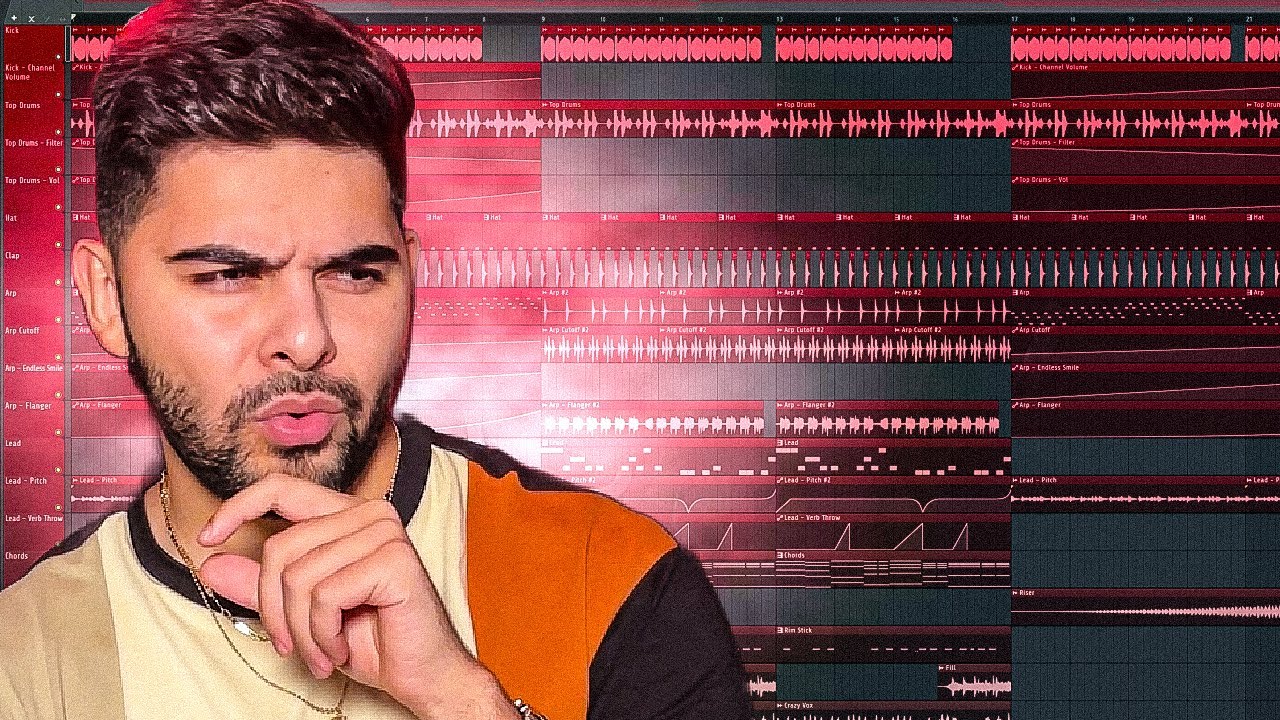

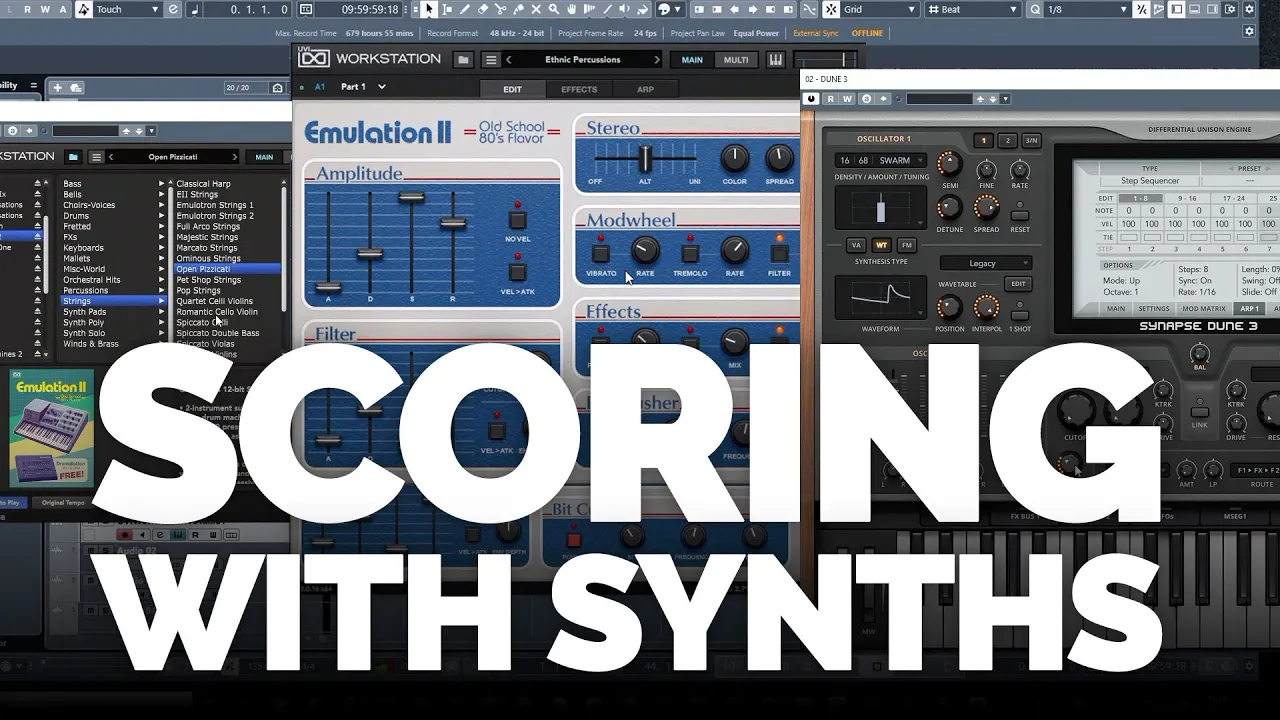
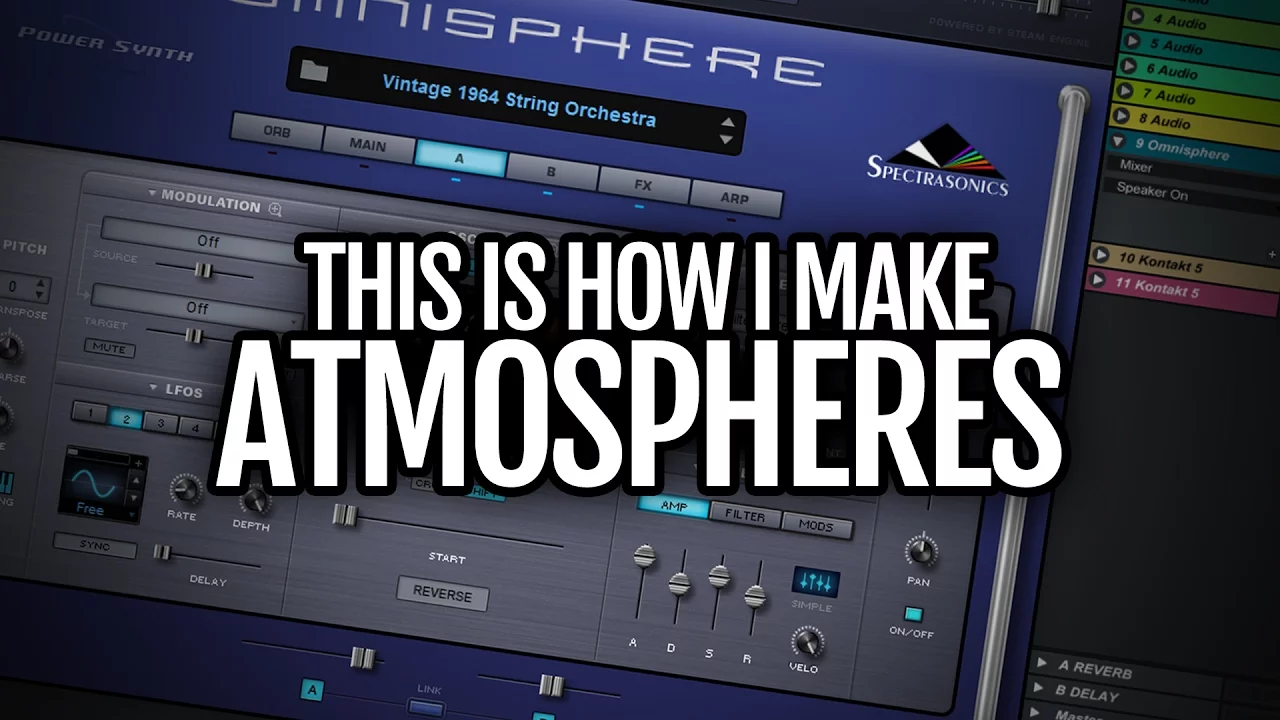



Effective song arrangement requires strategic pacing of musical elements throughout the track, including delayed introduction of notes, sound upgrades through filter and unison adjustments, and layered chord progressions that create tension and release, which together produce satisfying transitions that elevate a beautiful melody into a compelling musical experience.
Why Porter Robinson's Music Is a Masterclass in Arrangement
Added:Familiarity with standard Electronic Dance Music (EDM) structure, specifically the concepts of intros, build-ups, drops, breakdowns, and outros.
Basic music theory knowledge, including major and minor keys, chord progressions, and the concept of melodic resolution.
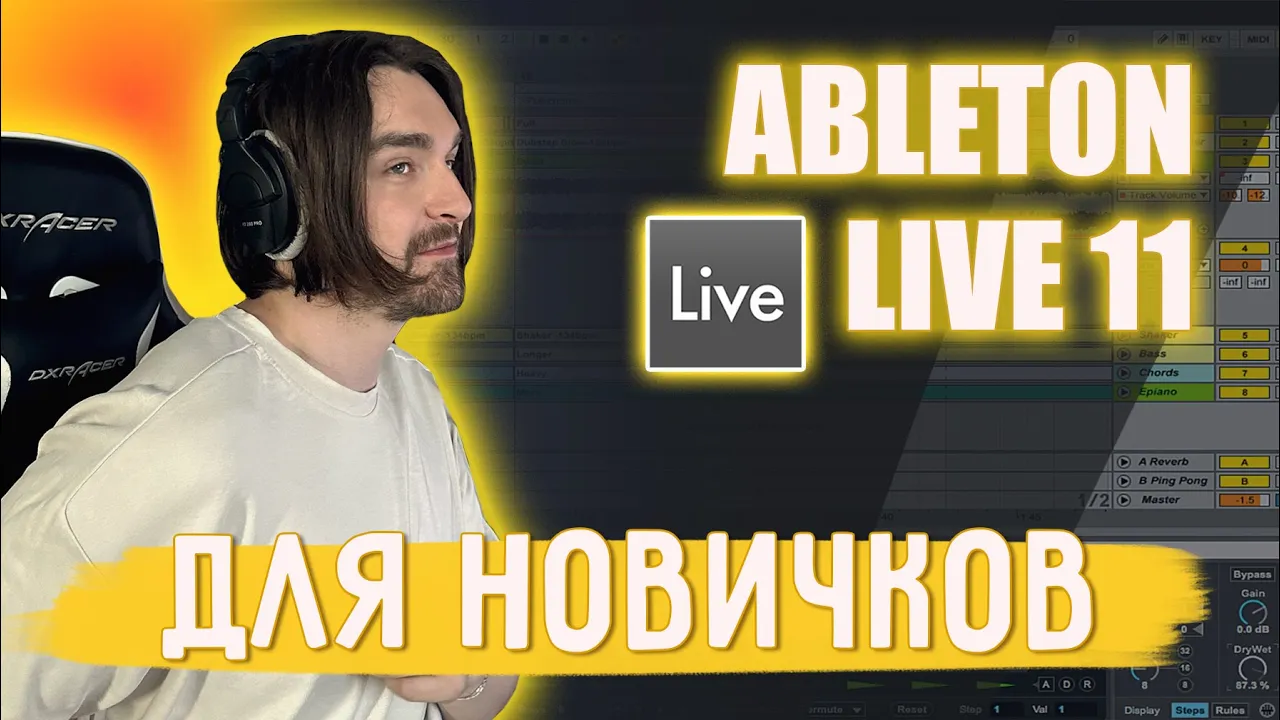
Fundamental understanding of Digital Audio Workstations (DAWs), MIDI sequencing, and track arrangement basics.
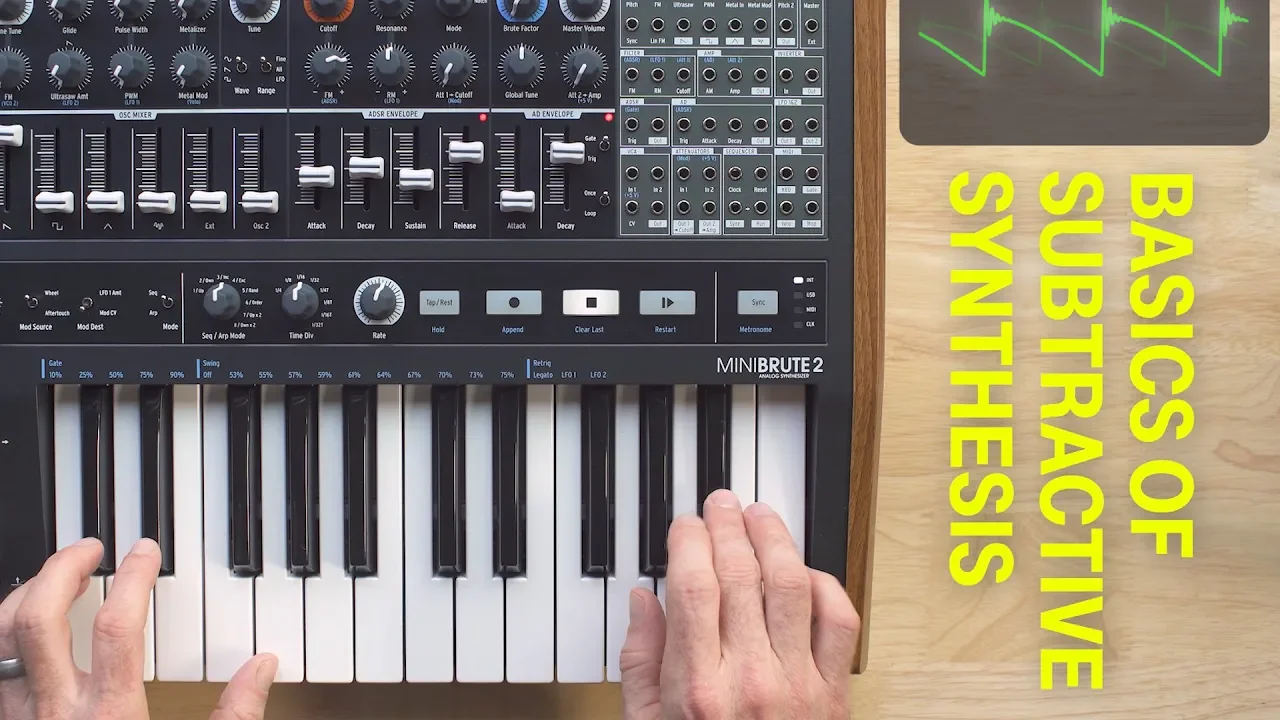
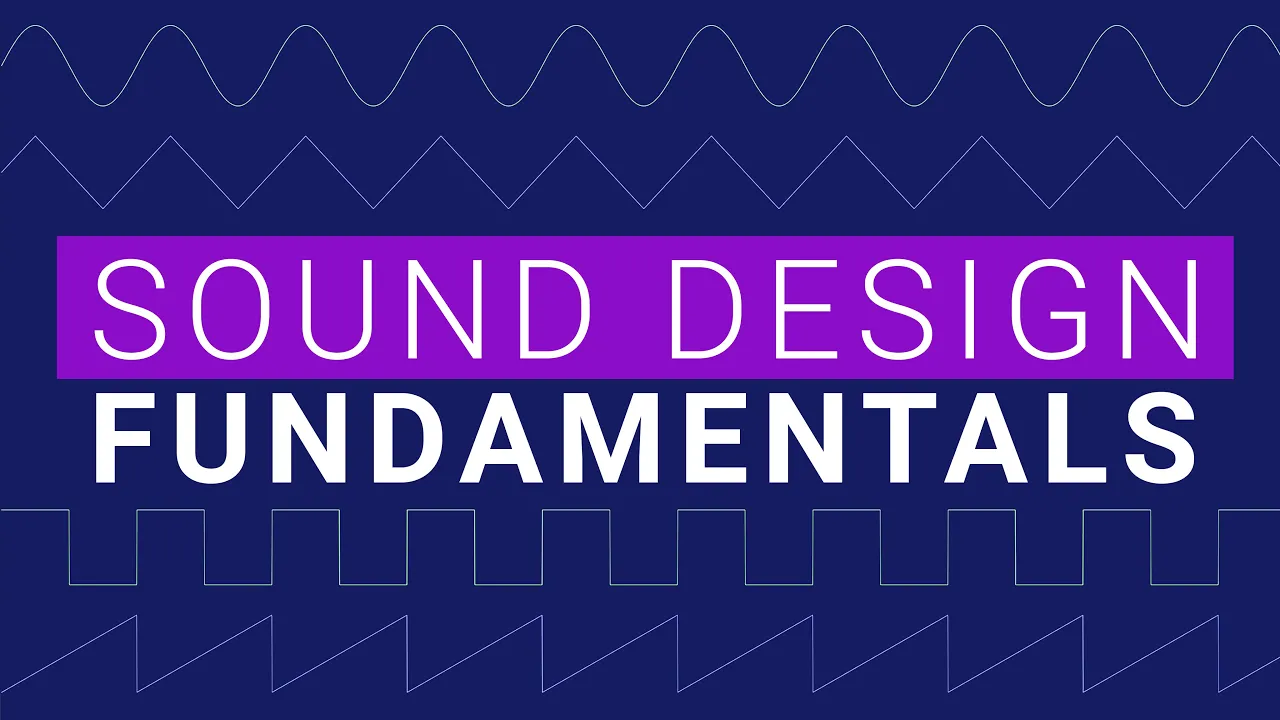
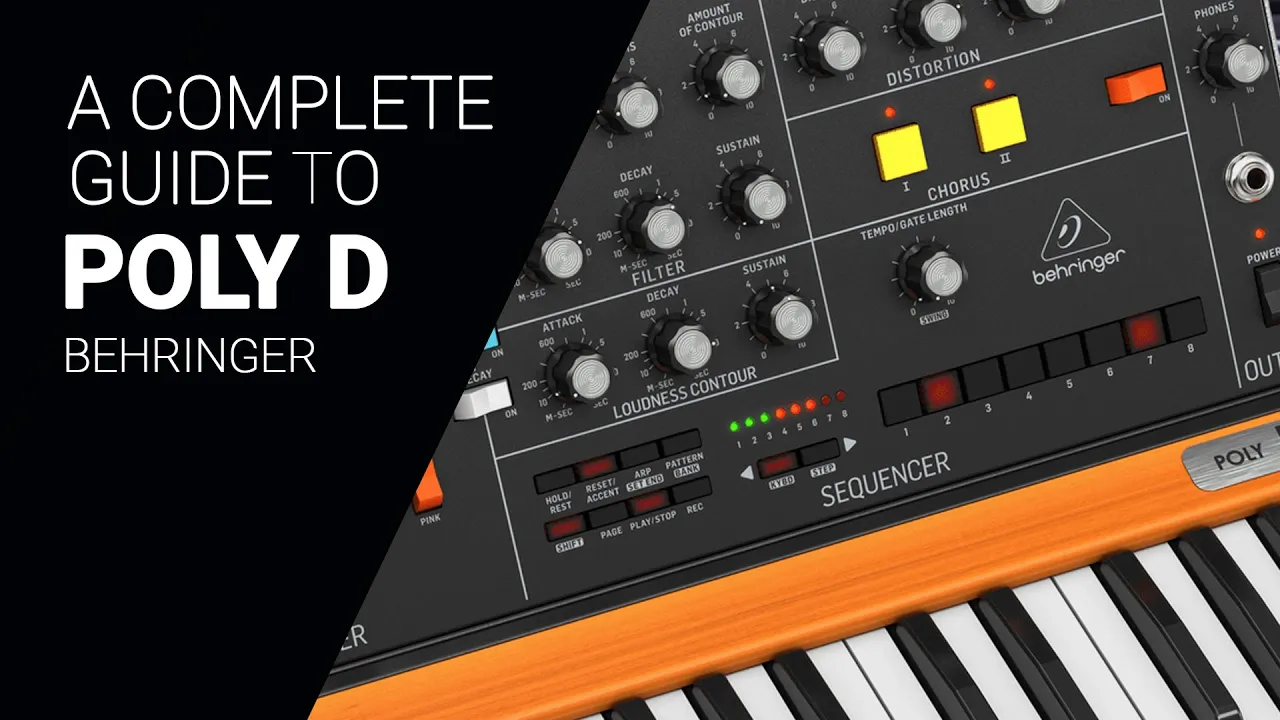
Basic concepts of sound design, such as subtractive synthesis, oscillators, filters, and envelope generator settings (ADSR).
Advanced mixing techniques to manage complex arrangements, including sidechain compression, frequency-specific EQ carving, and spatial positioning.
Techniques for creating 'micro-tension' through the use of sweeps, risers, custom drum fills, and automated filter cutoff modulation.
Exploring the fusion of cinematic orchestration with electronic elements to create emotional, narrative-driven synth leads and pads.
Analyzing the arrangement styles of other pioneering electronic artists (such as Madeon, Deadmau5, or Lane 8) to contrast production methodologies.
530.5K views27.5Klikes10:24Original Release: 2023-08-18
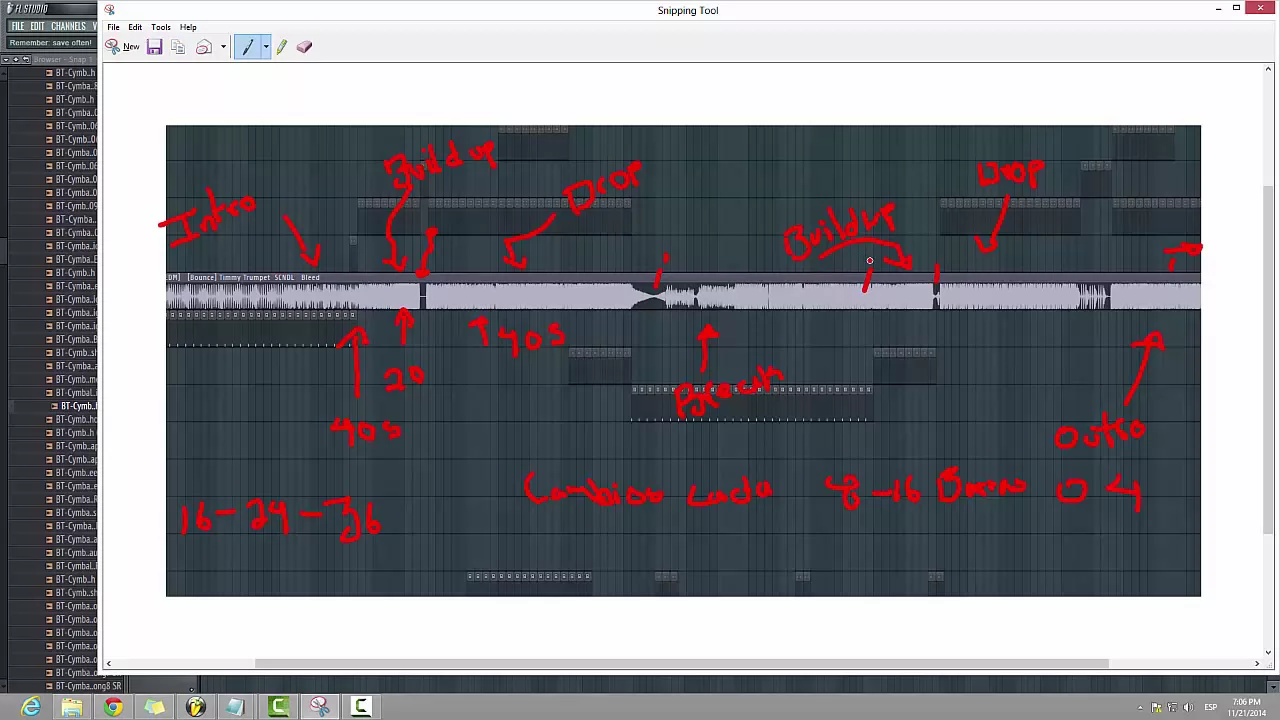
today I'm going to break down the melodic Masterpiece that is Language by Porter Robinson this is one of the most magical songs that helps shape the new EDM sound back in 2012 when it was released and what I'm going to do in this video is show you some of the Timeless beautiful techniques that help make the song so good so that you can apply these techniques to your own music and make some pretty beautiful powerful music as well so let's go ahead and jump into it the song starts with one of the most beautiful sounds ever invented and to make that sound we're going to use x for serum we're going to initialize the preset grab a Sawtooth wave turn on the filter tighten up the filter go to envelope 2 drag it over the cut off knob and pull this blue thing back a little bit so the sound is deep and then we're going to turn down the sustain a little bit and the Decay and then we get this pluck sound it's best sound in EDM and this sound plays a repetitive interval art Melody and the way that works is it starts on the E and it triggers an eighth note which means eight notes per bar and then the second note is on a and then it just repeats over and over like this Melody that is five steps apart like this or seven semitones apart can create the most beautiful harmonies when you align these with a set of chords and you're going to see that in a minute I'm going to add a region for these chords and now these chords use the same sound as that Melody and they also trigger in eighth notes and the first note of the chords is this really long D note for two bars and then the second two bars is where these chords come to life and this is where things get pretty cool because all the movement of the chords happens on the second two bars so we go up to that F sharp and then down to the e down to the C sharp and then back to that D and in the intro they're technically not even chords yet they're just intervals because they only have two lines and the second line would go an octave up and just sit on the fifth or five steps up from this root note here it is with the ARB isn't that like beyond beautiful that is just a weightless Harmony [Music] come on that is gorgeous now what's cool about these chords is that this movement here is actually pretty rare like you couldn't just copy these chords and put them in your song otherwise your song would sound like this song and that wouldn't happen if you copied the chords from 99 of other songs because most songs just use basic diatonic chords and very basic movements like if any other artists use these chords they would most likely use them like this one chord per bar maybe the chords vary in length foreign they're still pretty but they're not unique the third melodic line to this intro was this nice piano Melody I'm going to use the Native Instruments the giant piano then we take this piano and we put it up an octave [Music] isn't it just weightless then the intro it does this whole sequence four times now right here is where things get really cool the song takes an aggressive leap in expression the chords stay the same and the melody stays similar but the sounds get really big and I believe it's one of the most satisfying transitions of the time I'm gonna take the chords and then the chords upgrade to this bigger synth sound but technically it's not a different sound it's the same sound as this it just has a wide open cut off knob and also more unison and that's how you add expression to increase the energy of a sound but that's not the only thing he does to add expression here remember in the intro the chords only had two lines but another line is added and that's the third [Music] now what this teaches us is that when you're arranging songs a very satisfying way to keep your Arrangement interesting is to not use all of your notes early in the song so you have something to build up into if you use all your material too early in the song it'll be really hard to build up into something and you'll run the risk of having an arrangement that isn't satisfying now this art Melody also upgrades into a bigger synth sound and again it's the same sound as the intro I just wanted to use a different track because it's sometimes it's easier to do that this ARP it doesn't stay the same the ARP actually forms into the main Melody of the song which is kind of cool foreign [Music] Melodies of all time but it doesn't end there this is also where the piano goes from this sort of introductory sound [Music] to a really big satisfying Melody because we're in the chorus I'm going to take this piano and increase the velocity of it it's massive [Music] [Applause] do you love it like I love it now I'm going to show you what I think made this song work so well and that is how he made the arrangement interesting with really good transitions I always say to my students it doesn't matter how good of a Melody you have like this is a beautiful Melody [Music] foreign but if you can't arrange that Melody make it interesting you you have nothing so there's two major transitions in this song there's one we go from the Mellow Melody to the big sense and then there's the other transition from the breakdown into the drop I'm going to remake this transition because this is the one that I think is one of the most satisfying transitions that I've ever heard this transition without any transitional details sounds like this [Music] that's just not satisfying no nothing's telling us that this is the same song So What Porter did was he took the chords on this last sequence and just sustained them and that's very suspenseful when you sustain the chords and you stop making the move like that then the second thing is that he automated the cutoff knob so we're just gonna go to the end here and open these up then we'll get this very suspenseful sound here how it's like opening and then this ARP does the same thing with the cutoff knob as well and then he had a lot of transitional effects and this is what really made the transition come to life listen to Just the transition effects it's kind of funny [Music] that crazy now with all of the effects in place listen to how satisfying this transition is again I think this made the song [Music] that is why the song was so good because he did these satisfying shifts in the arrangement and that was so cool back then in 2012 and to this day the biggest artist in EDM still are doing this type of stuff that's a video for you guys if you'd like to learn more about sound design music theory and arranging songs I have a structured step-by-step learning program to learning music production and songwriting and it's called EDM boot camp there's a link to this program right below this video this course is self Pace but you are not entirely on your own it comes with full access to my inner circle and that's where you can receive feedback on all of your assignments and also feedback on your music as well if this sounds like something that interests you click the link below and let's get started today and as always stay tuned for the next video Lesson
Up Next
33:54
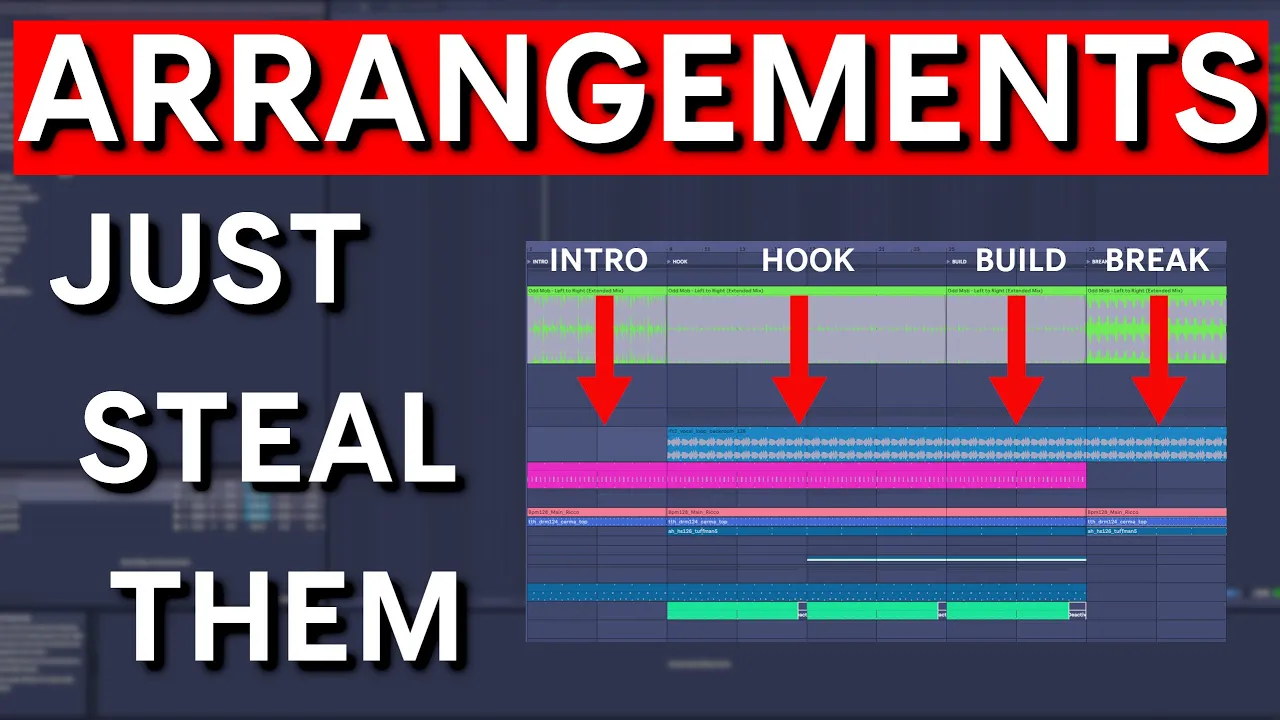
Master Music Arrangement: Learn to Structure Tracks with a Reference Track
@Bthelick
34.7K views•2025-01-13

10:20
Mozart's Musical Dice Game Explained: History, Rules, & Fun
@webpianoacademy
5K views•2023-03-13

47:36
Understanding Diatonic 7th Chords in Major Keys | Music Theory Tutorial
@GracieTerzian
54.7K views•2022-03-02
10:49
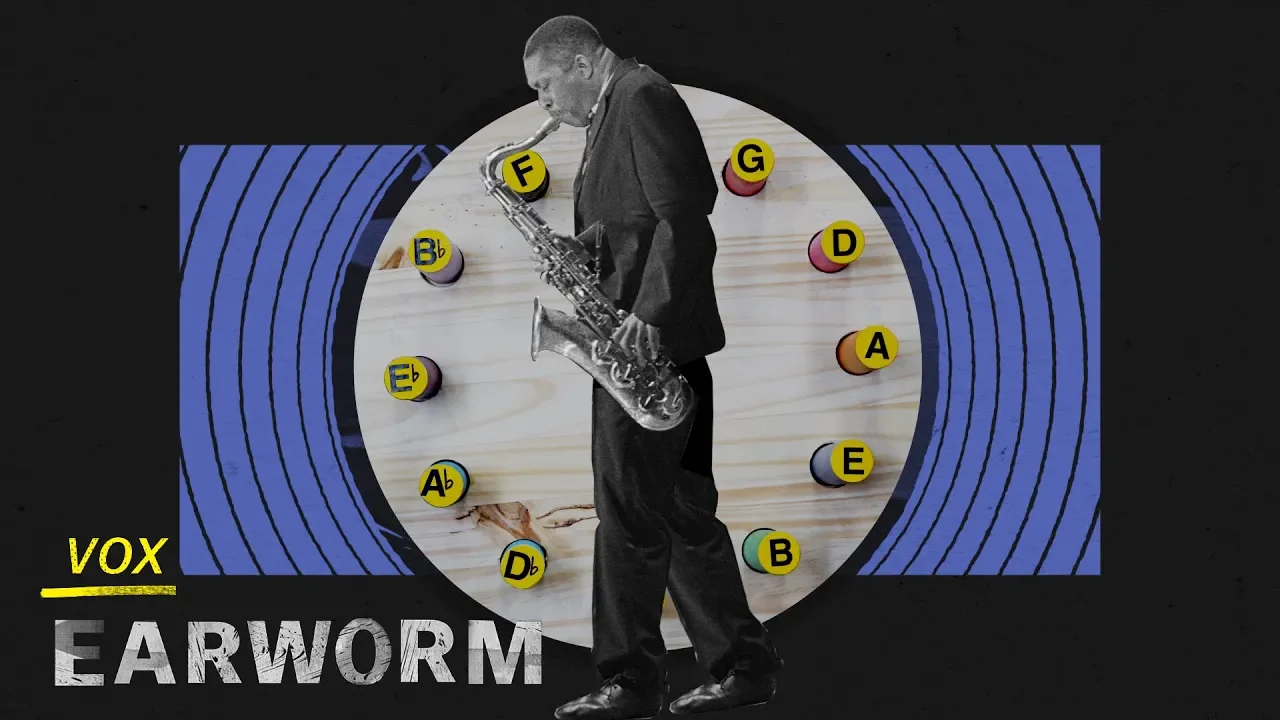
Understanding John Coltrane's Giant Steps: A Music Theory Analysis
@Vox
10.4M views•2018-11-12
Related Study Plans & Knowledge Roadmaps
Structured learning paths in Music Theory
music-theory
Composing Galant Music: Partimento & Schemata
01Foundations of Figured Bass and Keyboard Harmony
02The Rule of the Octave (Regola dell'Ottava)
03Galant Schemata: The Building Blocks of Form
+ 2 more learning modules
30h5 modules
Explore Roadmap
music-theory
Decoding Overtone Series: Tuning & Drone Music
01Acoustic Foundations: The Physics of the Overtone Series
02Tuning Systems: Equal Temperament vs. Just Intonation
03Microtonality and Spectralism: Beyond Standard Pitches
+ 2 more learning modules
24h5 modules
Explore Roadmap
music-theory
Impressionist Harmony: Scales, Planing & RPGs
01Foundational Music Theory: Keys, Intervals, and Seventh Chords
02Impressionist Color: Chord Planing and Parallel Harmony
03Whimsical Textures: Pentatonic Cascades and Whole-Tone Scales
+ 1 more learning modules
14h4 modules
Explore Roadmap
music-theory
Negative Harmony: Axis Reflection in Indie Pop
01Music Theory Foundations: Scales, Intervals, and Triads
02Functional Harmony and the Circle of Fifths
03Demystifying the Negative Harmony Axis Reflection
+ 2 more learning modules
16h5 modules
Explore Roadmap