















![[ICFP/SPLASH'25] Peony NW - SPLASH-E (Oct 18th)](https://i.ytimg.com/vi/QCRUqqxu5to/maxresdefault.jpg)
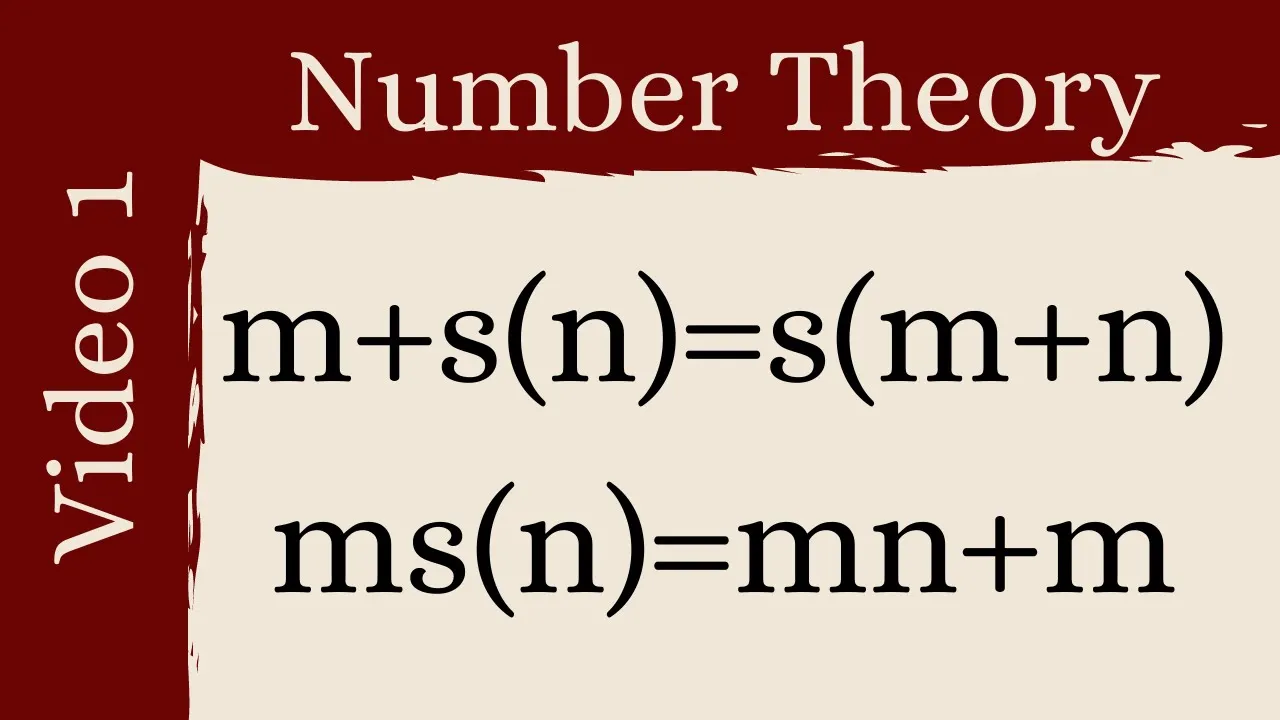
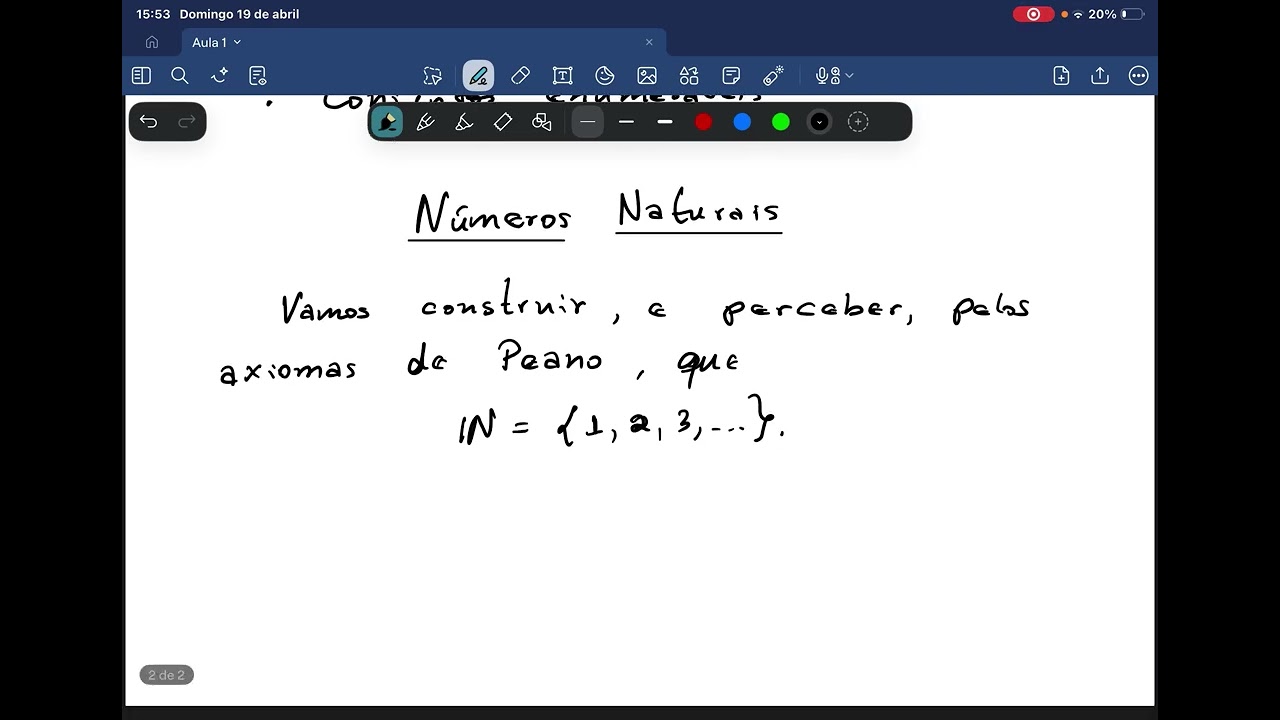
The equation 1+1=2 can be formally proven using the Peano Axioms, which define natural numbers through five fundamental properties: (1) Zero exists, (2) Every number has a unique successor, (3) No number has zero as its successor, (4) Different numbers have different successors, and (5) If zero has a property and every number with that property has its successor also having it, then all natural numbers have that property. Addition is defined recursively where a+0=a and a+s(b)=s(a+b). By defining 1 as the successor of 0 and 2 as the successor of 1, we prove 1+1=2 by rewriting it as s(0)+s(0) = s(s(0)) = 2.
Proving 1+1=2: A Rigorous Foundation of Mathematics
Added:Basic mathematical logic, including propositional calculus, logical connectives, and the general structure of mathematical proofs.
The conceptual distinction between an axiom (an assumed starting truth) and a theorem (a proven statement).
An intuitive, school-level understanding of addition and the set of natural numbers.
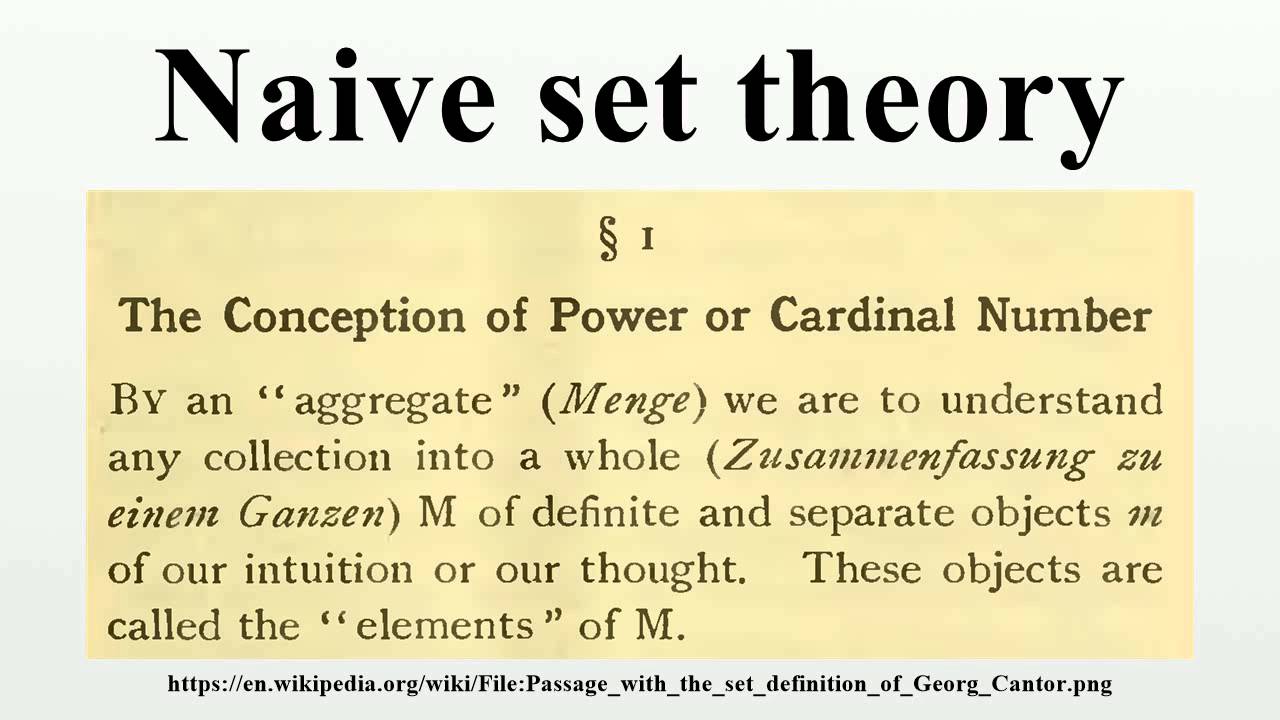
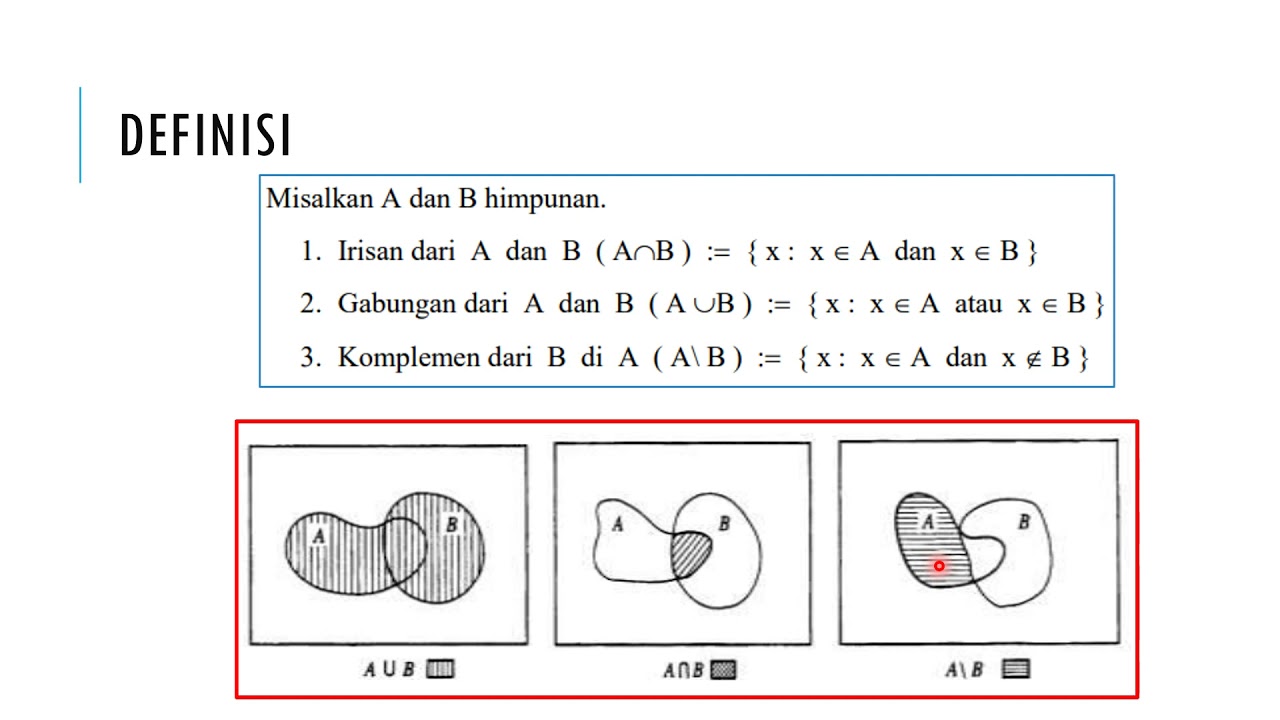
Fundamental concepts of naive set theory, such as sets, elements, subset relations, and the empty set.
The recursive definition of addition and multiplication for all natural numbers using the successor function.
The algebraic construction of larger number systems, including integers, rational numbers, and real numbers, starting from the natural numbers.
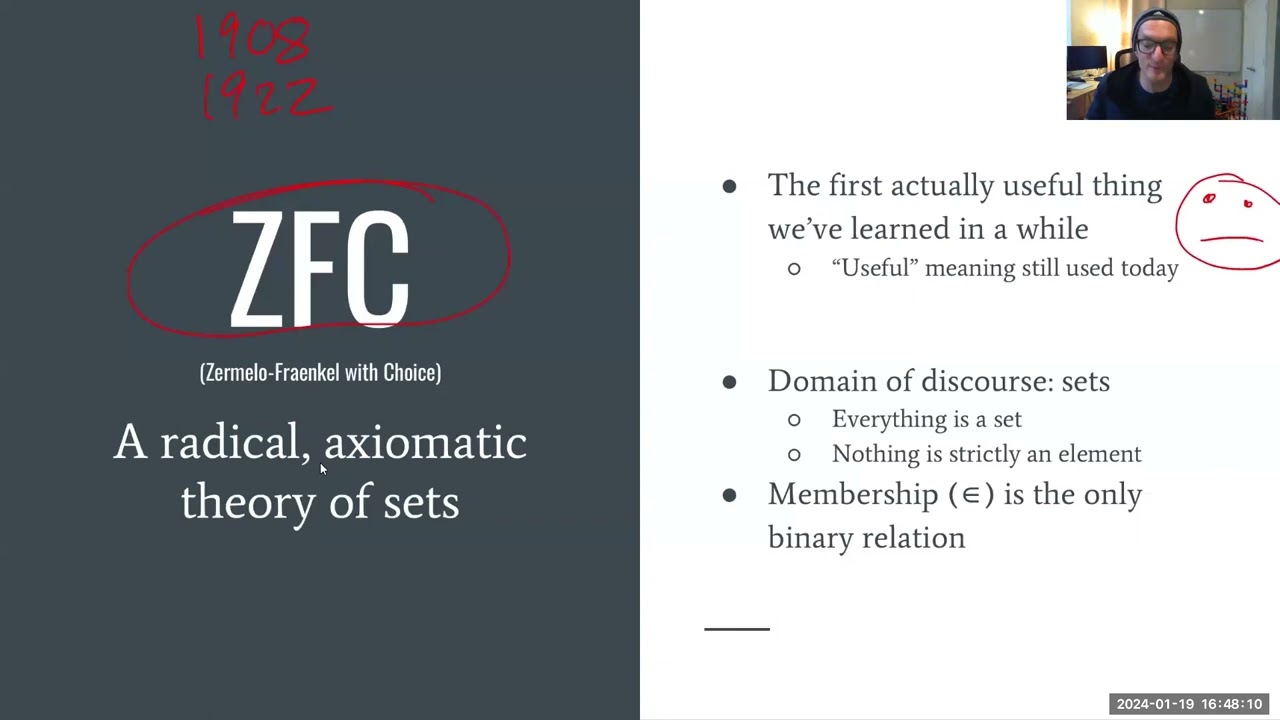
Zermelo-Fraenkel Set Theory (ZFC) and how Peano arithmetic is formally modeled within standard set theory.
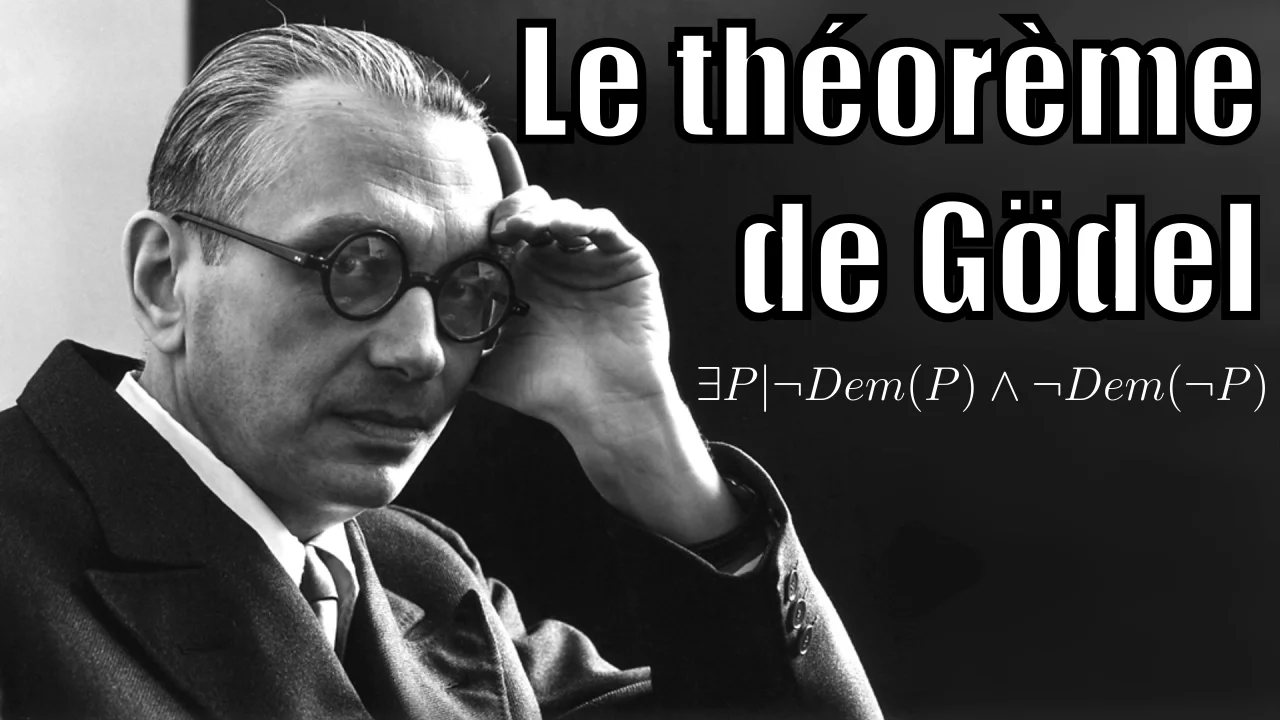
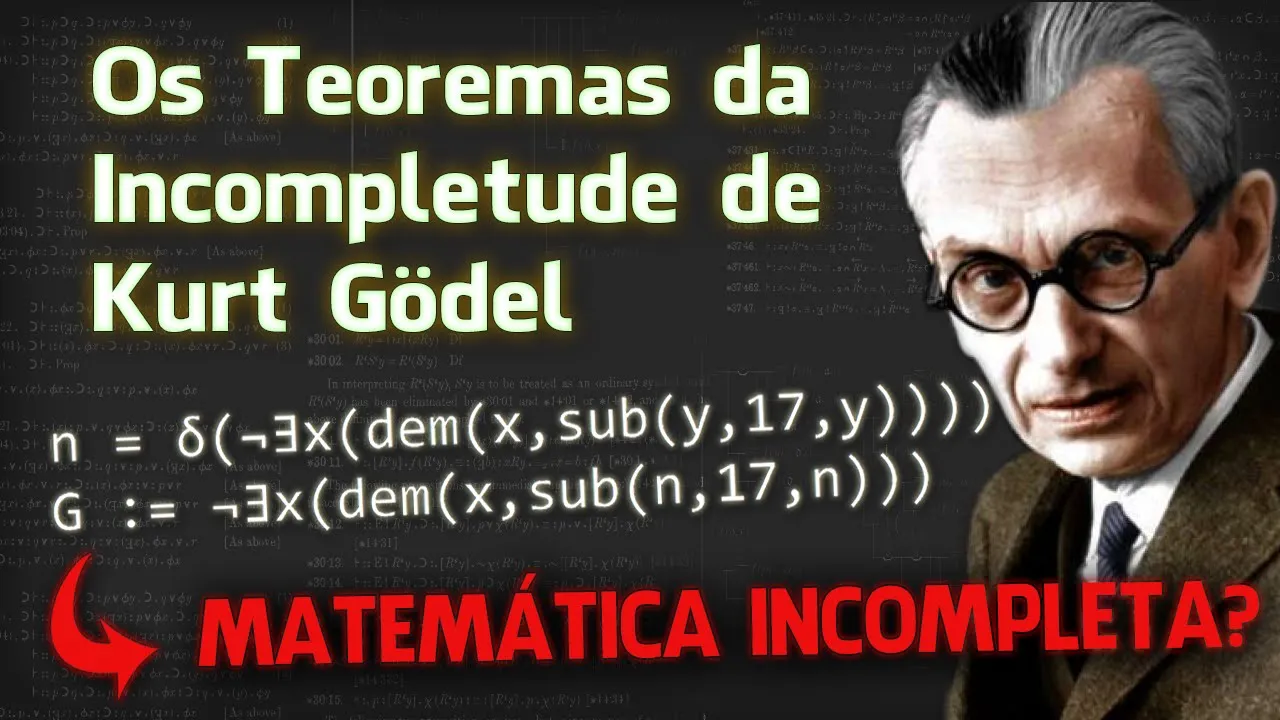
Gödel's Incompleteness Theorems, which explore the logical limitations of formal systems like Peano arithmetic.
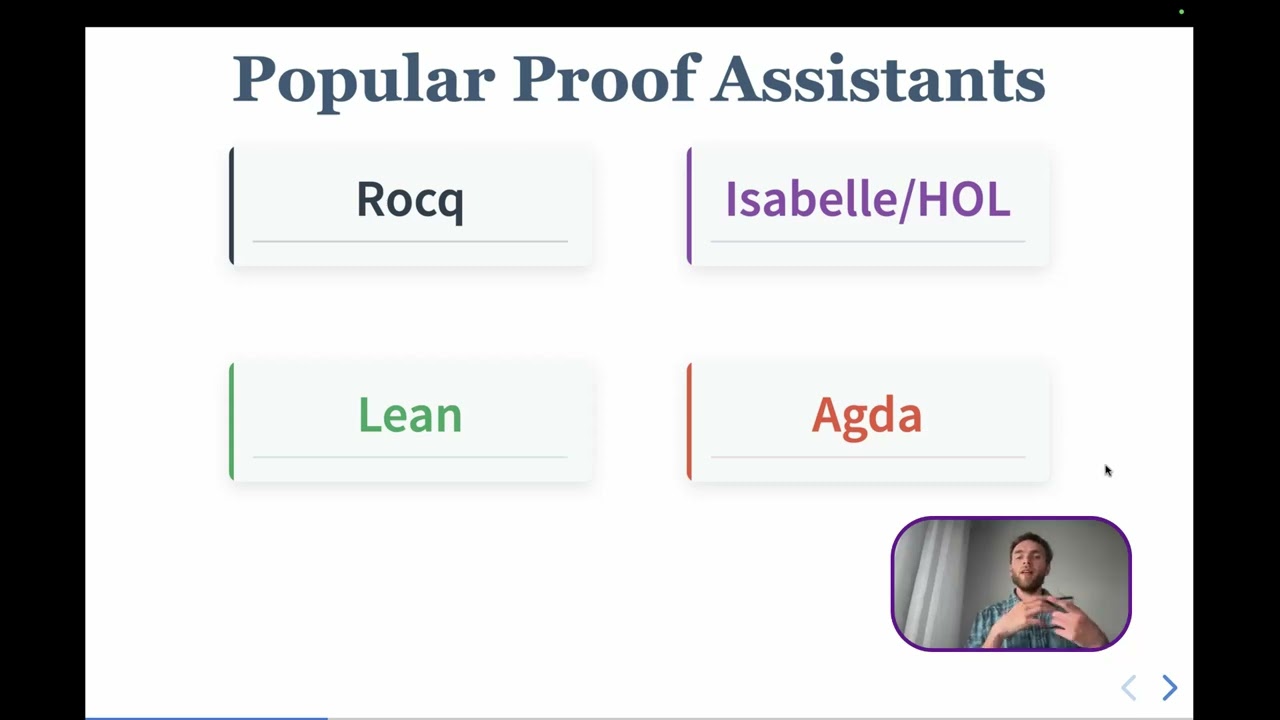
An introduction to interactive theorem provers and proof assistants, such as Lean or Coq, to write computer-verified mathematical proofs.
1.1M views36Klikes12:16Original Release: 2021-08-22
oneplus one is two this is one of the first things we learn when exploring the topic of math and at the same time we might think how do we prove that this is true see that's a really important question to ask mathematics is based on fundamental definitions known as axioms yet throughout our standard education we are not taught what those definitions are even though it is at the core of this field and so in this video we will go over why or how one plus one equals two proving the most basic arithmetic equation in mathematics if we search proof that one plus one equals two on google we get a direct excerpt from principia mathematica but looking at this we can't really tell what anything means here principia mathematica is an encyclopedia defining the building blocks of math in essence what this writing is saying is taking the ideas that we defined previously we can show that one plus one is two but in all honesty looking at this won't really give you an idea of why one plus one is two all right then let's go back to our equation [Music] we can notice that there are three main components to this equation the numbers 1 and 2 which are often what we refer to as natural numbers the addition symbol and this equal symbol to truly understand what this equation implies we need to define all three of these symbols notably equality natural numbers and addition let's start with this equal symbol equality there are three properties that this symbol holds [Music] the names for these properties are not that important first we have the reflexive property for any quantity a a equals a next we have the symmetric property for any two quantities a and b if a equals b then we have that b equals a imagine some equation a equals b flipping a and b still maintains the equality of this equation finally we have the transitive property for any quantities a b and c if a equals b and b equals c then a equals c you can imagine this as a triangle if a equals b and b equals c it can be implied that a equals c these points are pretty obvious for someone that knows basic arithmetic but it is really important that we define these properties because we will need to use these later [Music] moving on we need to define natural numbers number one zero exists so we first start by stating that 0 exists in this set of natural numbers now it is often debatable whether 0 is a natural number or not but for the sake of our purposes we will say that 0 is in this set of natural numbers number two every number has a succeeding number for instance we know that the succeeding number of zero is one the succeeding number of one is 2 and so on for today's purpose let's define the successor of some number a to be defined as s of a so the successor of the successor of a is defined as s s of a and so on number three number two is false for zero when showing one plus one equals two we don't need to consider the existence of negative numbers so all of this we don't need to consider and so we need to make sure to state that there exists no number who's succeeding is zero number four different numbers different successors in other words no two numbers have the same successor if they do they must be the same number mathematically if the successor of a equals the successor of b then a must equal b let's look at these three cases the first case satisfies our definition different numbers different successors each number has its own successor that does not overlap with one another and goes on in our second case this is not true for this number there are two numbers whose successors equals the same number which would imply that this has to be equal to zero but zero cannot have a successor so this example cannot be true as our third example we have two branches that lead to one same number and the only way for this to hold true is if the previous numbers are equal to each other so these two numbers have to be equal to each other and these two numbers have to be equal to each other in any case we don't need to consider these numbers then so this puts us back to our first line number five if zero has some property that a also has where a is a number then the successor of a also has that same property essentially this is a foundational idea to what we commonly refer to as induction but in simpler terms all this is saying is that if 0 is in the set of natural numbers then for every natural number a in the same set the successor of a is also a natural number think of a very large bag with all the natural numbers [Music] if 0 is inside it and if a is inside it then by this definition we also know that the successor of a must also be in the set of natural numbers and so this defines our natural numbers and finally we can move on to defining addition and this is actually the simplest of all three [Music] for every number that satisfies our definitions that we posed so for every natural number let us first state that a plus 0 equals a and this is exactly why we define the existence of zero what this does is it simplifies our equation by removing the plus operation so here we have the plus operation but here there is no plus operation so we need to add another definition that can create zero without complicating the equation further let this be the property that for any a plus the successor of b be equal to the successor of a plus b the second property attempts to create 0 by making a number closer to 0 inside of itself in this case b is closer to 0 than the successor of b so we can then see if the first rule can be used to take the addition operator away from this equation if not we can always use this second property again until we can make 0.
finally let's give a name for these numbers let's say that the successor of 0 is equal to 1 and the successor of the successor of 0 be equal to 2.
now we are done with our definitions and can prove that one plus one equals two [Music] let's start with one plus one and one is the successor of zero so let's rewrite that as the successor of zero plus the successor of zero now let's consider the successor of zero as a and this zero as b so using this formula here we get that this is equal to the successor of a which is the successor of zero plus b which is zero and using the fact that any a plus zero equals a we can cancel this 0 leaving us with the successor of the successor of 0 which if we refer to the definition is equal to 2. therefore these two can be connected by an equal sign meaning that one plus one equals two and we have finished our proof and actually now that we have proven that one plus one equals two we can prove other simple additions as long as we define each number in terms of a successor of some other number so say we write the successor of the successor of the successor of zero to be equal to three then with a similar method we can prove that one plus two equals three when we name each number we chose that the successor of zero is one and the successor of the successor of zero is two but if we were to redefine the successor of zero is equal to two and the successor of the successor of zero is equal to one then what we'd end up with is we can change these numerical values to two plus two and this would end up as one and so instead of one plus one equals two we'd end up with the proof that two plus two equals one and that's what i want everyone to take from this lecture we went over defining properties of equality natural numbers and addition to prove that one plus one equals two but in the end all of those definitions are something that we chose in math the fundamental axioms are ideas that we just define to exist like the concept of infinity to align mathematics to be used to solve a problem and today we created a set of definitions to show how one plus one equals two but in the end that's all based on the specific definitions that we have created and that ends this lesson thank you for watching you
Up Next

18:58
Model Theory in Mathematical Logic: Key Concepts
@wikiaudio956
246 views•2016-01-22
4:43
Elliptic Curve Cryptography Explained: ECC, ECDSA, ECDH
@PracticalNetworking
28.5K views•2024-10-21
10:44
Fourier Series Introduction: The Big Idea Explained
@DrTrefor
387K views•2021-05-03

6:00
The Mathematical Impossibility of Accurate World Maps
@Vox
23.3M views•2016-12-02
Related Study Plans & Knowledge Roadmaps
Structured learning paths in Mathematics
mathematics
Tensor Calculus: Vectors to Riemann Curvature
01Mathematical Foundations: Linear Algebra & Calculus
02Covectors, Dual Spaces, and Tensor Basics
03The Metric Tensor and Index Gymnastics
+ 2 more learning modules
40h5 modules
Explore Roadmap
mathematics
Gödel's Incompleteness: Logic, Proofs & Limits
01Introduction to Formal Systems & Hilbert's Dream
02Set Theory, Cardinality, and Cantor's Diagonal Argument
03Arithmetization and Gödel Numbering
+ 2 more learning modules
14h5 modules
Explore Roadmap
mathematics
Galois Theory: Fields, Groups & Solvability
01Foundations of Abstract Algebra: Groups & Fields
02Polynomials & Field Extensions
03Splitting Fields & Symmetries
+ 2 more learning modules
24h5 modules
Explore Roadmap
mathematics
Non-Euclidean Geometry: Models & Geodesics
01Euclid's Fifth Postulate and the Birth of New Geometries
02Hyperbolic Space and the Poincaré Disk Model
03Geodesics: Defining Straight Lines in Curved Spaces
+ 2 more learning modules
15h5 modules
Explore Roadmap