




















State government in India consists of the state legislature (where MLAs make laws and policies) and the state executive (headed by the Governor who appoints the Chief Minister, who leads the Council of Ministers responsible for implementing state policies). The opposition party plays a crucial role in keeping the government accountable through debates and questioning, while media helps citizens stay informed about government activities.
State Government Functions & MLAs: Class 7 Civics One Shot
Added:The basic concept of democracy and the fundamental right of citizens to vote in elections.
The foundational structure of local self-government, such as Panchayati Raj and Municipal Corporations.
The general distinction between the three levels of government: Local, State, and National.
The elementary definition of a political party and its role in contesting elections.
The executive branch of the state government, specifically the roles, powers, and relationship of the Chief Minister and the Governor.
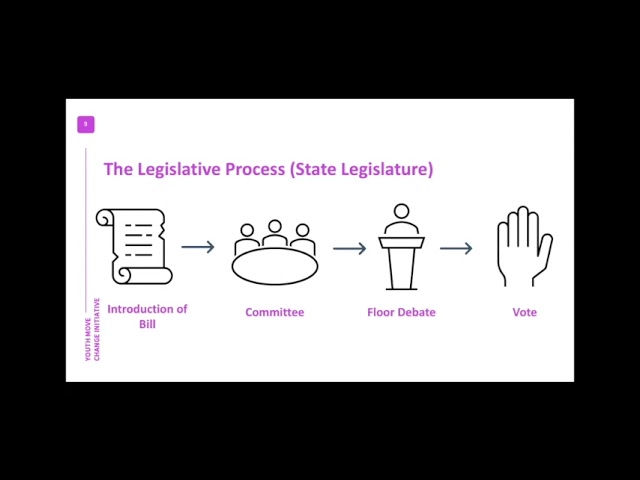
The step-by-step legislative process of how a bill is introduced, debated, and passed into law in the state assembly.
A comparative analysis between the State Legislature (MLAs) and the National Parliament (MPs, Lok Sabha, and Rajya Sabha).
Real-world case studies on how state governments manage public welfare, particularly in healthcare and education sectors.
98.4K views1.6Klikes19:03Original Release: 2023-08-04
Hello everyone, good evening. Welcome to sixth, seventh and eighth channel of Baiju. I'm your teacher Rankita and in today's class we will be discussing about class 7th political science chapter and the name of the chapter is how government works. It's a very very easy and super important chapter from the exam point of view and we'll be taking a look at this interesting and amazing chapter. I hope that all of you are excited for this chapter. I hope that all of you are sitting with your pen and your notebook and your textbook.
so that you can know down all the important points that we'll be discussing in today's class. This class is a recorded video. So please make sure to pause it wherever you want to read your NCRT and come back and please make sure you watch the whole video because we will be covering this whole chapter in just one shot. So please make sure everyone to stay with us till the end.
And if you're new here, if you're watching this video for the very first time, please make sure to hit the like button for the video and do share this video with your friends and most importantly, please make sure to subscribe to the channel. Now that's introduction is done. Let's see what we'll be doing in today's class. Now we have broadly divided this particular chapter into two major subtopic. We have uh state government. What are the needs and what are the formation? how the the formation of it and what are the important needs for it and what are the functions of the state government. So let's get started. First of course we'll be discussing about our country. We know that in our country we have the democracy and people elect their leaders or we can say that we have the people who are directly involved in the process of selectioning or electing their representatives who will be eventually will forming the government and will be making the laws and the policies. So we can say that in India of course we have a huge population of 130 kores approximately till you know the the data that we have is from 2020 approximately.
Then of course we know that uh in our country we have some major issues like poverty and unemployment and of course these are the these are the issues that we have at a uh national level but at a state level or at a local level what are the issues the individual feels sometime they're struggling for the water uh water supply electricity cleaners around it. So all of these things are taken care by the state government. Now we have uh the understanding of the national level, the national government right the government which is there at the national level will be taking care of the defense of the finance of the country and various other sectors altogether. But when we talk about the state government right they will be taking a part uh in the well functioning of the state and will be working for the people who are there in the state. We all know that uh we have different levels of the government. So here we have central government or the union government. Then we have the state government and we have the local government which we uh which are usually very actively involved in the village or the district right. So they take the responsibility of that and in this particular chapter we will be dealing with the state. So here we go. Now in the state right there are a lot of uh election that happens and of course we have legislative assembly elections. In that of course we have MLAs. We'll be discussing about how we will be able to elect MLAs. what are the constituencies right and of course what is a coalition government these are important question that we'll be addressing in this particular segment of the chapter let's start with it right we'll be talking about the state government function now now the first chapter right we know that why there is a need of the state government we know that we need a state government because there are various topics that will be easily taken care by the state government for example if I'm living in a state right if I have an issue with the water supply I cannot go and talk to the central government or the union government right the water issues will be taken care by the state only similarly goes with the electricity so all of these things that can be easily taken care by the state they will be taking that responsibility and will be working for the people now that we are clear that how uh that state government plays a very important role let's talk about their function in general so in talking about the function they plays a very important role in the making of the laws. So the parliament right the parliament of the of our country is the supreme law makingaking body right. So in the parliament right what happens we'll see the formation of the laws and policies.
Now these laws and policies are made by the members that we elect through the elections right every year um we have different types of elections. Every 5 years we have uh elections right and from there we will be able to select the MPs that will be going to the parliament to the Lok Sabha and they will be the one who will be making the government altogether they'll elect a leader and then we'll have a prime minister of the country so it plays a very important role over there apart from the MLAs that are there in the government there are members who are there in the opposition also now these people will be keeping a track on the working of the government and of course both of these parties right the ruling party in the opposition party will be playing a major and super important role in the formation of the laws and the policies but that is happening at the central level or the union level but what about the state level let's talk about it so we know that parliament in India of course is the supreme making law body that we have the representatives are elected by the people and they will be making the laws when we talk about it in the state government we have the state legislature and the state executive so we can for our understanding we can divide this the State government into the two major bodies. We have the state legislature and of course we have the state executive. So let's talk about it. The state legislative assemblies right they are the assemblies where we'll see the formation of the laws and policies for the state. So laws making bodies of a states right we have it in in our in our country right and members are called as the MLAs which are the legislative assembly right members of the legislative assembly we call them as MLAs now these MLAs are responsible for making the laws and taking care of the policies for that particular state and they will keep a check on the working of the government also so over here also we'll have an opposition and over here also we'll have a ruling ruling party that will be taking care of the rules and laws and the policies and they will be keeping a check on whether the rules that are being made or the laws that are being made are followed through or not.
Moving ahead further we let's talk about the role of the MLAs. Now we're talking about the MLAs right now. MLAs are the one of course they will be going undergoing the you know they will be contesting in the elections people will be voting for them and that's how they will be the MLA. Now what are the roles of the MLA? Once they get they get selected by the people or elected by the people they holds a huge responsibility the legislature responsible from for framing the new laws new policies reviewing them review the reviewing the ones that are already there. If there has to have made any correction they will be moving and talking about it right. So they plays a very very important role right they will be raising issues and demands of the people of their constituency. Now what is this?
Now this is nothing but a area. What is constituency? It's a small area. For example, if this is a whole state, right? We'll have different small small areas that we have and that generally depend of the population of the area. If the population of this area is huge, then pro probably we can divide it into the two more constituency. If the population is not that much, probably we'll have a one one single one over here or maybe we can club two or three together.
So this constituency is nothing but the area okay the area that they will be uh you know electing uh they'll be standing for the elections for so that's really very important for us to understand more when we talk about more further right these MLAs plays a very important role in the making of the laws and policies and they are the people who will be representing the people right because they're elected by these people now moving to the next topic which is a state executive Now we have state legislative where of course they are the one who will making the laws. They will be framing the laws and the policies. Right? Now we have state executives who will make sure the execution is happening and of course they're the very important pillars of the state government. We have governor, we have chief minister and we have council of ministers. Let's talk about governor. Now the governor is a very very important person of the state.
Right? They have the nominal executive right and they have the authority of the state. They are the one who will be appointing the chief minister.
Definitely the people will be electing it right. Electing a MLA and of course if in a party if people feel that okay this is one leader that is the correct representative they will make that individual as a chief minister. So the governor will take the responsibility of appointing it. I'm sure you would have seen in various uh you know oath sessions the governor will be the one who will be uh you know helping the chief ministry to take the oath. So on one side we have the governor know saying the oath and the chief minister will be repeating it. So they are the one that will be appointing the chief minister and again they are the one that will be appointing the council of minister the people who will be working with the chief minister in the well functioning of the state. More further let's talk about the chief minister. Now the chief minister of a state is a real executive right and they have the authority and they are the head of the government. So in any state if the elections are happening the party who is winning those election will have a leader and that leader can or will become the chief minister of that particular state. All the policies uh discussions regarding to the states are taken by the chief minister and they will be assisted by the council of minister. So chief minister alone cannot have the uh you know cannot have the understanding of all the areas. So and they don't have a time and of course they need someone to support them in that way. We have um to support them we have the council ministers. Now each of these council ministers will handle one or the other departments like health department, finance department, income tax, school, education, uh education will come together, right? All of these different sectors will be taken care by the other different types of council ministers and they will be able to help the chief minister in the well functioning or a smooth functioning of the state. More further when we talk about the how the chief minister is elected. So MLAs of the ruling party will be electing their leaders. So MLAs are elected by us right? I'll just write over here they're elected by us or we can say they're elected by the people right and the MLAs will be electing the chief minister. So the electic uh the elected leader that we have right goes to become the chief leader sorry the chief minister okay so here we have a very important information talking more further about the council ministers what we have over here so these uh MLAs right these they are the MLAs only but they will have a one more function they are MLAs and of course they are the council ministers also so they are the selected as ministers by the chief minister chief minister will be appointing basically chief minister among its people will say okay you know you know what you have this expertise why don't why don't you take care of the health or you know you have a good understanding about the economics probably you take the finance department so that's how the chief minister will be electing the council ministers also and they are allocated with various departments and uh they will be helping in making the smooth functioning of the government and it will ease out the administration work also. So in that what we have we have uh governor right in the state executive we have governor we have chief minister and now we discussing about the council of minister furthermore when we talk about all of this right they plays a very very important of uh we we have one more addition that plays a super important role in the f functioning of the state and that is the officers of the state right now these are assisted right they will be assisting the minister now they are the one who are the officers Right?
And of course they will be assisting the ministers in the administration. These officers are not elected by the people.
Right? Now what type of officers we talking about? We're talking about the is officers. Right? And of course in the states we have the civil services. So those people who will be writing the civil services examinations right and they once they will qualify them they will be there at a position where they will be able to help the council ministers to understand the policies uh because of the subject knowledge they'll be able to help them with the council ministers and with the officers when they work together they will be able to build up the laws and the policies for the people so that the people have benefits from those policies and the laws. So that's how the officers plays a very important role. But unlike we have the MLAs which are elected by the people these officers will be directly joining the government right because they'll be writing the examinations once they qualify that they will be getting a post and that's how they'll be helping.
Moving further right that's all about it but moving further we have something really very important. We always talk about just we talk about the chief minister the council of minister. Now we have an opposition party to keep a check on it. So these MLAs will be meeting you in a the state legislative assembly.
They will be there. They will be going there. They will be having discussions, debates about it. And we have one ruling party and we have an opposition party.
The role of the OPPOSITION PARTY BECOMES REALLY very critical and super important because they are the one that will be taking a check or we'll be asking questions from the ruling party. What are you doing? What are the policies that you're working upon? Tell us why you feel that this policy will work.
Tell us the data. Give us some time to process that information. We will uh have our own research on that and then only we'll be able to say that whether we want to pass this law for the people or not. So it's a very important process. Ruling party is definitely important but the opposition party which is sitting against them in the assembly are equally important because they will be keeping a check on what the ruling party is working upon. So they are very much accountable. The opposition party regularly ensures that the government is is held accountable for its action. They will be keep on questioning why you doing this? What is the reason behind it? and they will raise questions and debates to discuss uh basically to have the discussions about the government working. So this becomes really very important right the opposition the opposition government is equally important when we talk about more further let's understand the role of the media also now media is equally responsible now we can whitewash things and can show it to the public but the media plays a very important role in showing the reality and once we have right that people can understand more about the chief minister or the opposition party or the ruling party and how the ministers are working when we have the press conference is right. What happens? These journalists will be asking the questions to the leaders and of course they have to answer. If their answers are not uh not correct or not in the favor of the laws and policies and not in the favor of the people definitely we as a people can take some actions right we can take some actions and we can show our disagreement and that's that is the reason media plays a very very important role over here. So media help the people to become more aware about it and people have a huge huge impact and very important role of it. When people are happy with the law and policies they will show it by using various social media platform by using the protest or by just you know going and celebrating in public. If they are not in support of that they will protest right. They can talk about they can have the rally they can have the demonstration they can go and talk on the TV interviews and debates etc. So people over here holds a very important power. If we are aware we can know what is correct and what is incorrect. So media plays a very important role over here. Opposition party plays a very important role over here for uh for people to understand whether what is right and what is incorrect. What is right and what is wrong. So that's how all of these are accountable and we as a citizen should be aware about these things because ultimately these laws and policies are made for us and for nobody else. So I hope that you are clear with this particular point when we're talking about the opposition party and the ruling party. Let me which is very important information for all of us to understand is that the ruling party of course will come if let's suppose if if in a state we have 50 votes right we have 50 seats just it's an out of topic but just helping you to understand more further let's suppose um um in in assembly we have 50 seats and out of those 50 seats a if an individual if a party has 35 seats if they have more than 35 seats they will have the majority and they will be able to form the government in this case if this is a party A if they have 35 seats they will be forming the government just in case we have one party like this which have like something you know a drastic uh kinds of let's suppose over here um a something votes right so what will happen they can actually come and form a coalition government now what is a coalition government a government which is formed with the joining two parties together now they will be able to uh you know run the state but of course they will have a discussion who will the chief minister who will get which ministry etc etc so for all of you to understand I've just given you the example now with this we are actually done with the chapter so I hope that all of you have under understood this particular chapter that that talks about that how the state plays a very important role right how the state government works so with this everyone we will be ending our class I hope that you have enjoyed the class Please make sure you hit the like button for the video. Do share it with your friends and subscribe to the channel because only on this channel we promise you to provide you the amazing academic sessions not just for your academic session but of course the session that will be helping you to grow your personality and of course various Olympiad session that will be helping you to ace various examination. Please make sure you hit that subscribe button and join our channel. I'll be meeting you really very soon. Do take care of yourself and keep on learning with Baiju. Bye-bye. Good day.
Up Next

6:25
2010 UK Election: Brown-Campbell Coalition Debate
@BrockElection
77.3K views•2010-05-10

24:30
BRICS Pay and de-dollarization: A New Financial Order Emerges? | 55 chars
@DannyHaiphongYT
164.6K views•2024-10-22

7:33
Government Surveillance Methods: 10 Ways You May Be Watched
@BeAmazed
1.6M views•2017-04-09
10:19
Explaining the Saudi-Iranian Proxy Conflict in the Middle East
@Vox
18.2M views•2017-07-17
Related Study Plans & Knowledge Roadmaps
Structured learning paths in Political Science
political-science
Economic Statecraft: Sanctions & Chokepoints
01Foundations of Geoeconomics and Economic Statecraft
02The Mechanics of Weaponized Interdependence
03International Sanctions: Types, Implementation, and Efficacy
+ 2 more learning modules
12h5 modules
Explore Roadmap
political-science
Central Bank Independence: Politics & Policy
01Foundations of Central Banking and Monetary Policy
02The Time Inconsistency Problem & Inflation Bias
03The Delegation Model and Designing Independence
+ 2 more learning modules
12h5 modules
Explore Roadmap
political-science
Consociationalism: Power-Sharing & Stability
01Democratic Dilemmas in Divided Societies
02Introduction to Consociational Democracy
03The Four Pillars of Consociational Design
+ 2 more learning modules
12h5 modules
Explore Roadmap
political-science
Rebel Governance: Legitimacy, Economy & State
01Foundations of Rebel Governance and Statehood
02Establishing Political Legitimacy and the Rebel Social Contract
03Wartime Economies and Rebel Resource Management
+ 2 more learning modules
14h5 modules
Explore Roadmap