




















![[정치비화 그땐 왜 18회] 언론의 내란 물타기 / 김어준 VS 최승호 (ft. 최강욱, 장인수)](https://i.ytimg.com/vi/cAtMHM6BLvQ/maxresdefault.jpg)





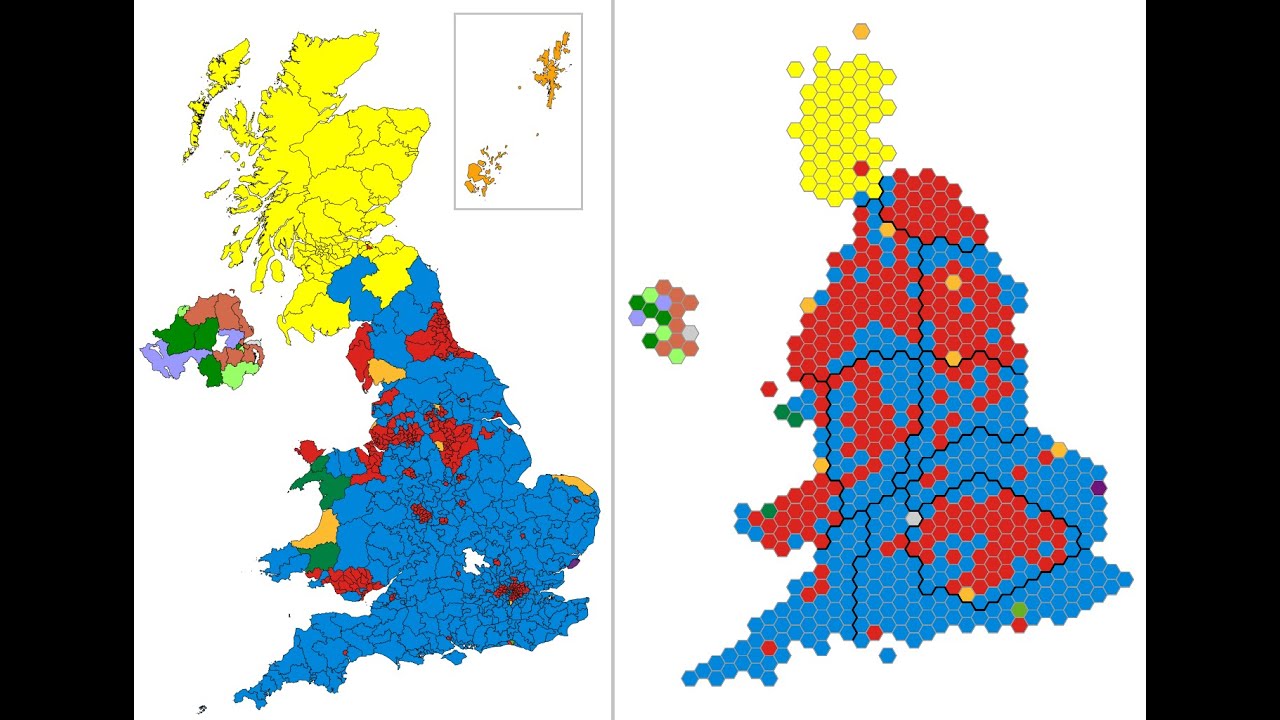


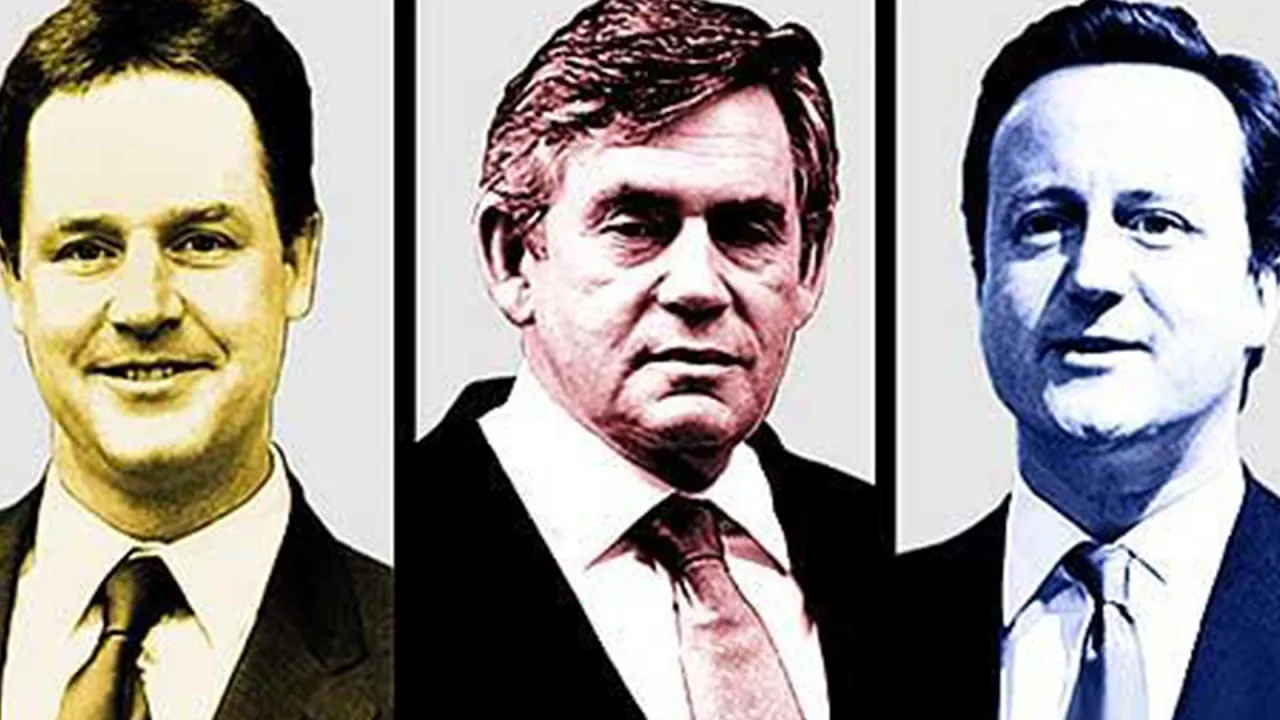
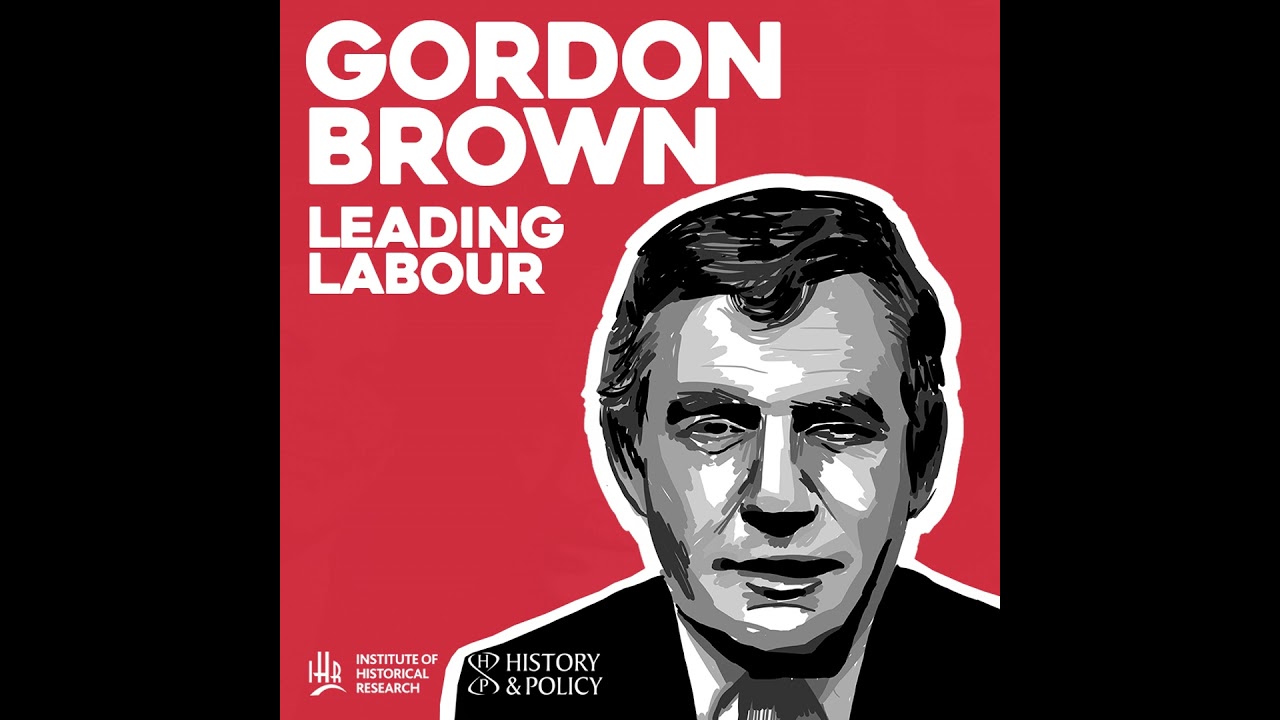
In parliamentary democracies, when no single political party wins a clear majority of seats, coalition governments may form through negotiations between parties, as demonstrated by the 2010 UK election where Gordon Brown's minority Labour government faced potential coalition discussions with the Liberal Democrats, raising questions about democratic legitimacy and the national interest in government formation.
2010 UK Election: Brown-Campbell Coalition Debate
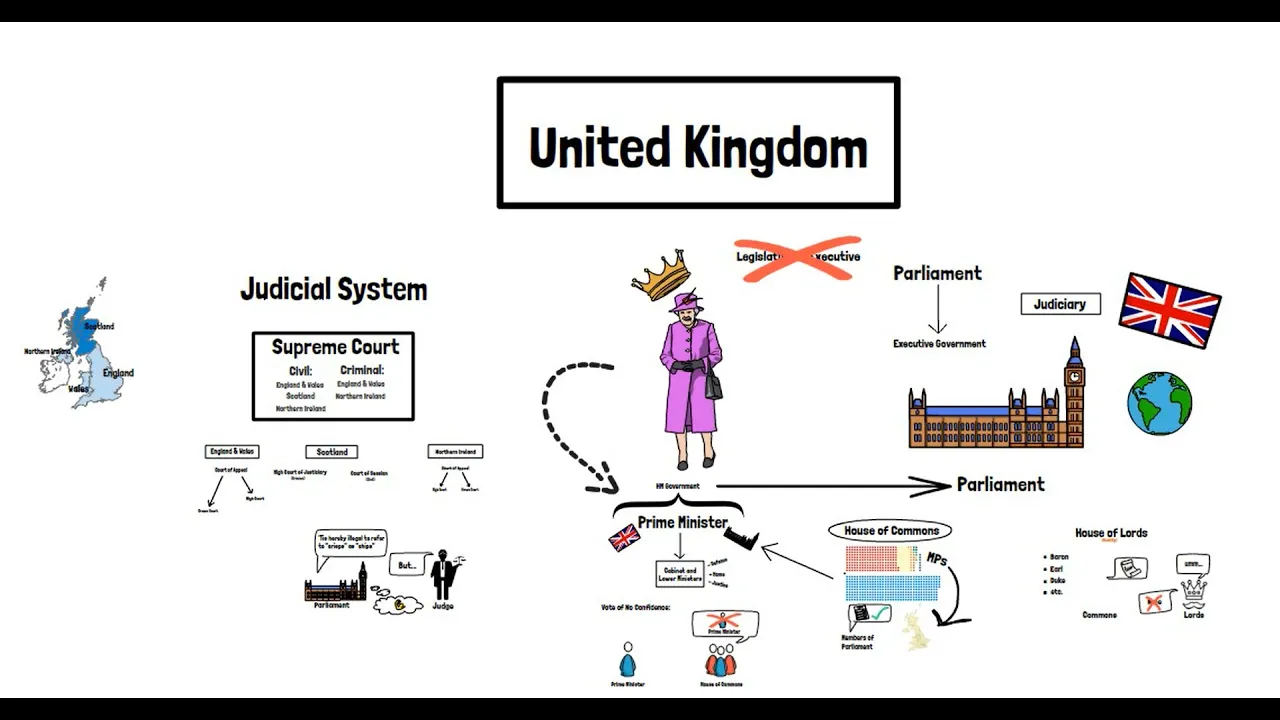
Added:The structure of the UK's Westminster parliamentary system, including how a Prime Minister is appointed and the constitutional role of the monarch.
The concept of a 'hung parliament' and the constitutional conventions regarding which party has the first opportunity to form a government.
The 'First-Past-the-Post' (FPTP) electoral system used in the UK and how it historically favors single-party majorities over coalitions.
The key political figures and parties involved in the 2010 UK General Election, specifically Gordon Brown (Labour), David Cameron (Conservatives), and Nick Clegg (Liberal Democrats).
The actual formation, stability, and policy compromises of the 2010 Conservative-Liberal Democrat coalition government.
The passage and constitutional impact of the Fixed-term Parliaments Act 2011, which arose directly from the 2010 coalition agreement.
The role of political spin, media neutrality, and broadcast journalism in times of political crisis, using the Boulton-Campbell clash as a case study.
Comparative analysis of coalition building in the UK versus European nations that utilize Proportional Representation (PR) electoral systems.
77.3K views119likes6:25Original Release: 2010-05-10
by uh alist Campbell evening to you um a lot of people trying to make head or tail of what the Prime Minister said uh your colleague say it's a dignified and statement like uh statesmanlike uh offering from him um those on the other side of the house saying that it's a blatant Pete of uh party gamesmanship and has nothing to do with dignity what it is I think is it brings sense to this very very complicated and difficult situation which the election result threw up no party won no party leader got a very clear mandate the Tes got most seats they got the biggest share of the vote and the options remain at minority T government some sort of deal between the tro and the Liberals and they can carry on their discussions with that but what's happened today is that Nick C has indicated to Gordon Brown that there may be sense in actually a discussion developing there have obviously been sort of behind the scenes discussions going on but a proper policy-based discussion developing between labor and the liberal Democrats to see whether the basis for a coalition government can be formed and I think actually a lot of people will feel that's not a if that materializes is not a bad outcome from this election let's just you know go back a bit where we were do you think that's what the British people really voted for well I don't what they certainly didn't they they certainly voted for change of some sort no doubt about that let me finish they voted for change of some sort see I thought you want to have discussion no I was I wanted to answer Jeremy's question if I may right they they they wanted change of some sort they did not go for David Cameron despite the utterly slavish media support that he got despite all the money from Lord ashro and his friends despite the fact that we' had the recession and so forth they didn't really want Cameron there's obviously been Gordon accepts that there was Well appear to be their least worst option they certainly didn't give said was no party leader and no party about the fact of the election in the election if we take three main parties yeah there is one party that lost both in terms of share of the vote and seats that is l there is one party that is behind the conservatives uh and on top of that we've now got a prime minister who wants to stay on over for 4 months but is saying he's going to resign uh in four months time now none of that with all due respect Al Campbell can be seen as a vote of confidence by the voters in the labor party but nobody's saying that it is in fact that's the whole point you're saying nobody won what I'm saying is if you just look at the results there is a party lost as much as it moved down yeah what you're saying though is that look David Cameron didn't do that much better than some of his predecessors but I accept he got more seats and a bigger show of the vote my point is right okay but my point is the situation constitutionally second Point can I answer the first one second can I answer the first one if you put together the percentages of the vote all the Parliamentary seats a lib lab combination doesn't do it no you then have to look at other majority a minority government yeah but a lib lab a lib a lib conserv Coalition clearly has a majority and a majority of seat and that may happen and all that's happened why not do what Malcolm Wick says and just go quietly except that you lost this election why not do what David blun says and accept that you lost this well because I don't think that would be the right thing to do because I don't think that's the verdict that the public National interest is actually what you're seriously thinking about in this yes the nation needs four more months of Gordon Brown limping on until he res Adam I know that you've been sort of spending the last few years saying Gordon Brown's dead meet and he should be going anyway I'm not saying that me where I I don't want to are you saying in the National interest what the nation needs is for saying there are three options one is a Tory minority none of them are perfect one is a Tory minority government that would be perfectly legitimate okay it wouldn't be terribly stable it might not last very long but it's legitimate the second is a lib Tory deal either formal which could be stable but what's absolutely clear Adam you can't tell the liberal Democrats to do things they don't want to do I'm not telling anybody you're sort of saying it's an easy for them it's not and what's coming through loud and clear from a lot of liberal Democrats is that their activists and their supporters saying hold on a minute we did not vote to get you to put David Cameron in power we voted to stop that happening did they vote to put keep Gordon Brown in power they voted they vot no they didn't and accepted that today which is why what does he do what does he do he just sort of says well here you go David Cameron come on in you didn't actually get the vote you should have done you didn't get the the majority you said you were going to you got a lot more votes and seat yes I know Adam you're obviously upset that David Cameron's not you are you probably are I am commenting don't keep saying what I think this is live on don't keep telling me what I think this is what you do you come on you say one won the election no don't you talk to me I'm fed up with you telling me what I think I don't care F I don't care what you're fed up with you can think what you like I can tell you my opinion don't tell me what I think I will tell you why I think your reaction being being you are being a bit provocative here notnecessarily sometimes politics is about passionate things he is saying Gordon Brown is no longer legitimately I'm saying Jord Brown I'm saying if you look at the performances in the elections labor did worse than the conservatives no they got more seats of course they did the tor's got more seats so you do accept it yes Brown is constitutionally perfectly intitled to be Minister let finish this point let me finish this point he has managed this situation I think perfectly properly he's a today announced he will not be a Min simple question why hasn't he had a cabinet meeting before making to have a cabinet meeting now yeah but he hasn't had it now what can the cabinet do why haven't you had a meeting of the Parliamentary labor party like the liberal Democrats and the cons in other words I didn't know you were so concerned our proed totally unelected have plotted this with yeah you're elected appear speaky about him no but maybe that's because the minister he's going to gent let uh you're the one who us up with let let this debate carry on later just remind you Gord Brown said a few minutes ago that led to this latest round of debate this is Gordon Brown's statement if it becomes clear that the national interest which is stable and principal Government
Up Next
3:22
German Coalition Talks: CDU-SPD Begin Exploratory Negotiations
@dwnews
40.9K views•2025-02-28

24:30
BRICS Pay and de-dollarization: A New Financial Order Emerges? | 55 chars
@DannyHaiphongYT
164.6K views•2024-10-22
7:33
Government Surveillance Methods: 10 Ways You May Be Watched
@BeAmazed
1.6M views•2017-04-09
10:19
Explaining the Saudi-Iranian Proxy Conflict in the Middle East
@Vox
18.2M views•2017-07-17
Related Study Plans & Knowledge Roadmaps
Structured learning paths in Political Science
political-science
Economic Statecraft: Sanctions & Chokepoints
01Foundations of Geoeconomics and Economic Statecraft
02The Mechanics of Weaponized Interdependence
03International Sanctions: Types, Implementation, and Efficacy
+ 2 more learning modules
12h5 modules
Explore Roadmap
political-science
Central Bank Independence: Politics & Policy
01Foundations of Central Banking and Monetary Policy
02The Time Inconsistency Problem & Inflation Bias
03The Delegation Model and Designing Independence
+ 2 more learning modules
12h5 modules
Explore Roadmap
political-science
Consociationalism: Power-Sharing & Stability
01Democratic Dilemmas in Divided Societies
02Introduction to Consociational Democracy
03The Four Pillars of Consociational Design
+ 2 more learning modules
12h5 modules
Explore Roadmap
political-science
Rebel Governance: Legitimacy, Economy & State
01Foundations of Rebel Governance and Statehood
02Establishing Political Legitimacy and the Rebel Social Contract
03Wartime Economies and Rebel Resource Management
+ 2 more learning modules
14h5 modules
Explore Roadmap