
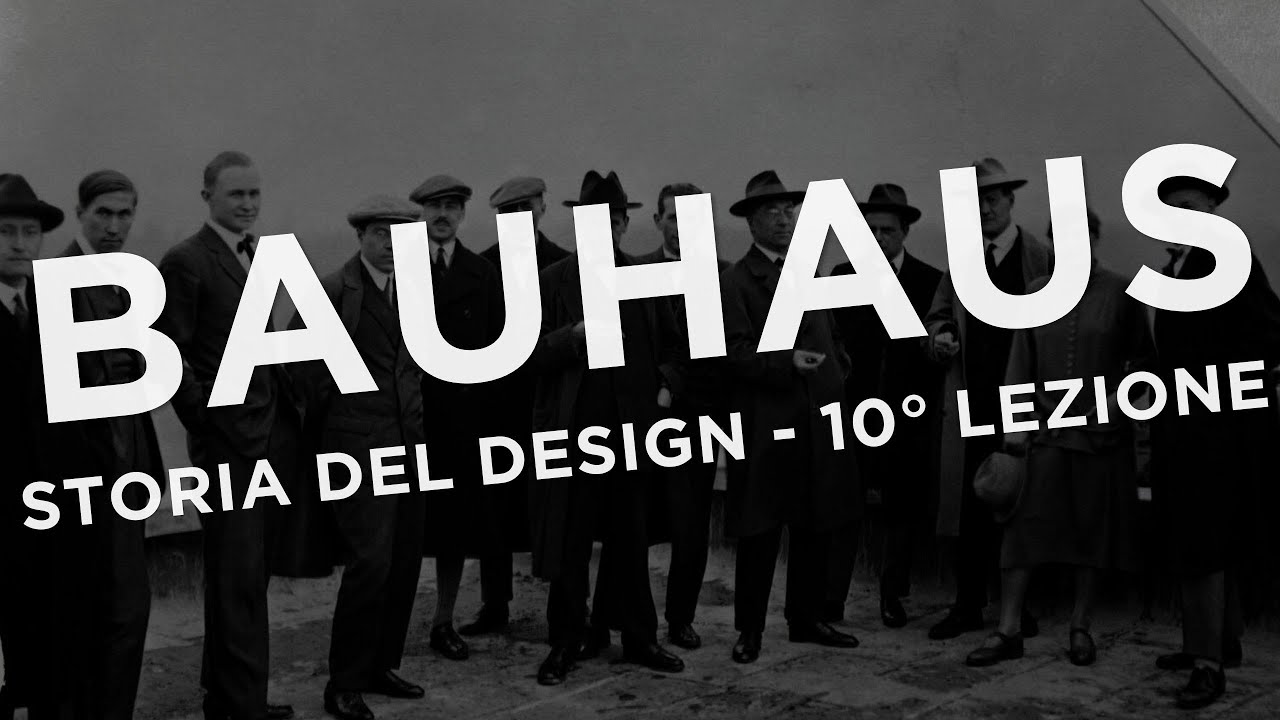









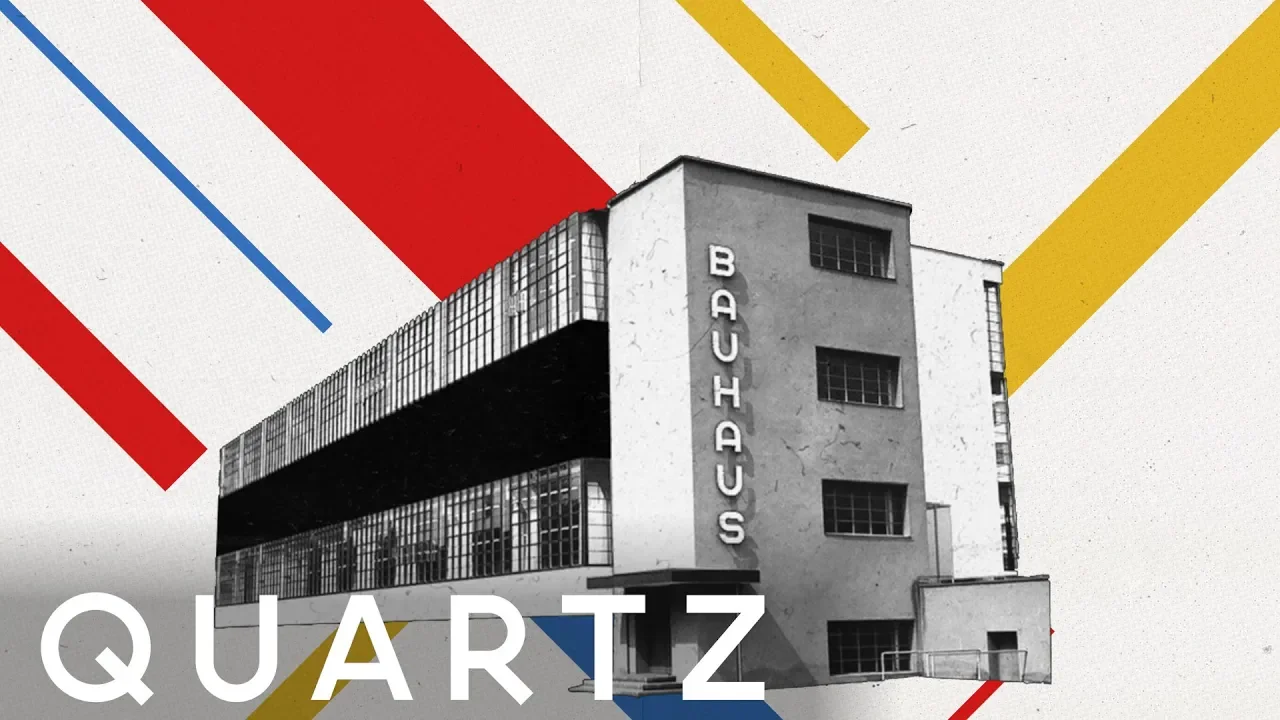









The Bauhaus was not a style but a revolutionary educational institution that operated from 1919 to 1933, bringing together artists, architects, and designers in a dynamic school environment where learning occurred through hands-on experience and interdisciplinary dialogue; its greatest legacy lies in the operational approach to art-making—understanding art as actions performed on materials—which profoundly influenced post-war American art movements, as exemplified by figures like Richard Serra and Robert Rauschenberg who carried forward this ethos despite the school's closure by the Nazis.
Bauhaus Explained: 10 Key Principles for Modern Design
Added:The historical context of Weimar Germany post-World War I, which served as the socio-political catalyst for the establishment of the Bauhaus school.
The core tension between traditional handcraftsmanship and rise of industrial mass production initiated by the Industrial Revolution.
Basic design vocabulary and concepts, specifically the historical distinction between fine art (painting, sculpture) and applied art (crafts, architecture).
An introductory awareness of preceding design movements, such as the Arts and Crafts Movement and Art Nouveau, which Bauhaus reacted against.
The global diaspora of Bauhaus instructors (such as Mies van der Rohe and Walter Gropius) and the subsequent rise of the International Style in architecture.
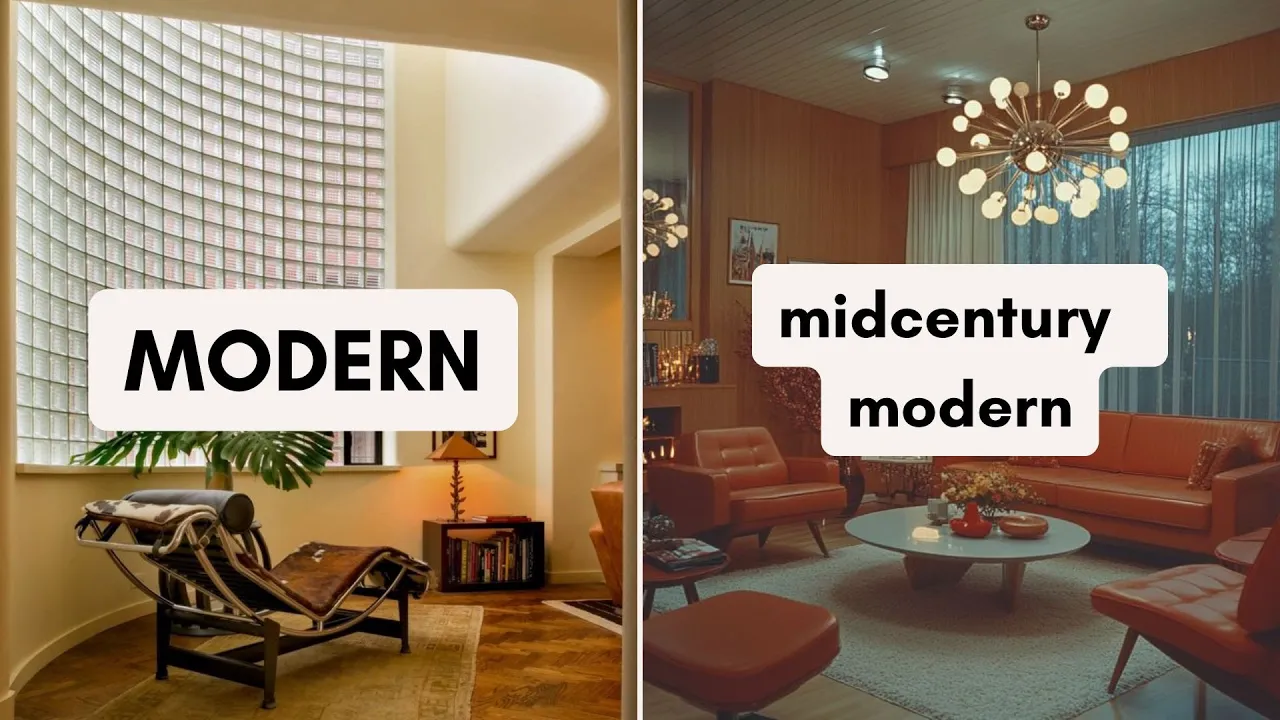
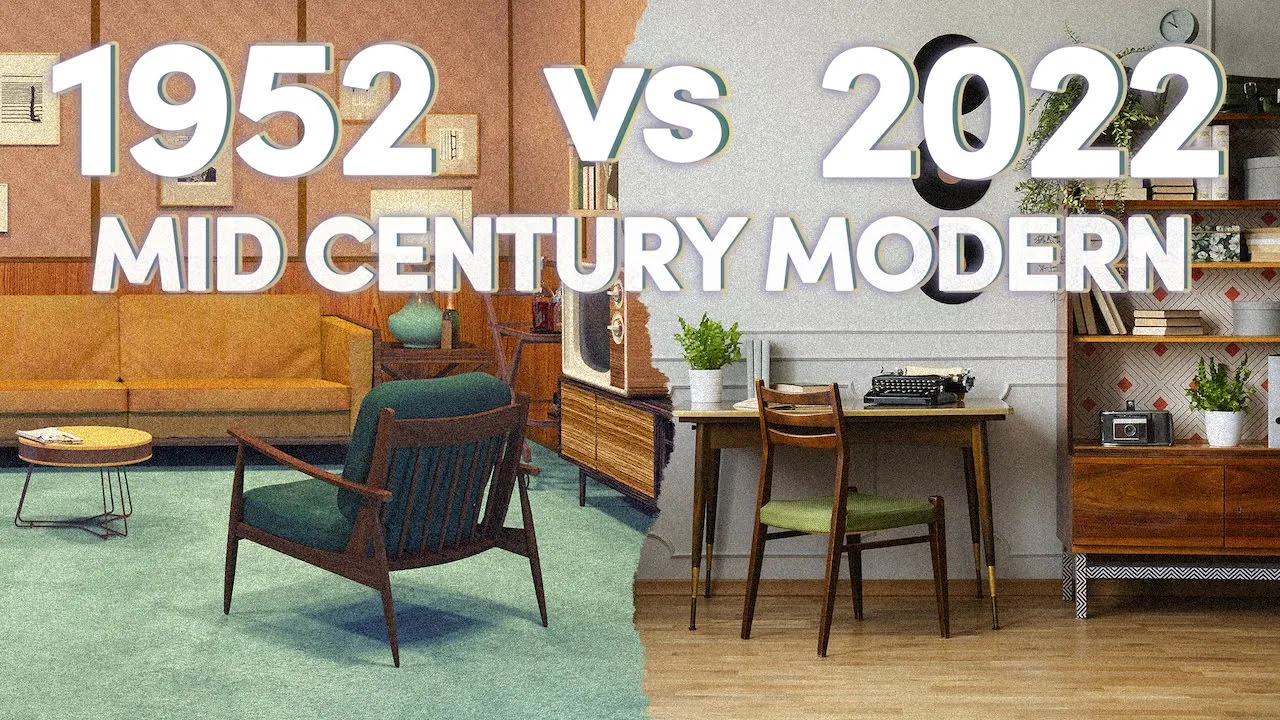
The evolution of Mid-Century Modernism and how it adapted Bauhaus principles for post-WWII domestic design and furniture.
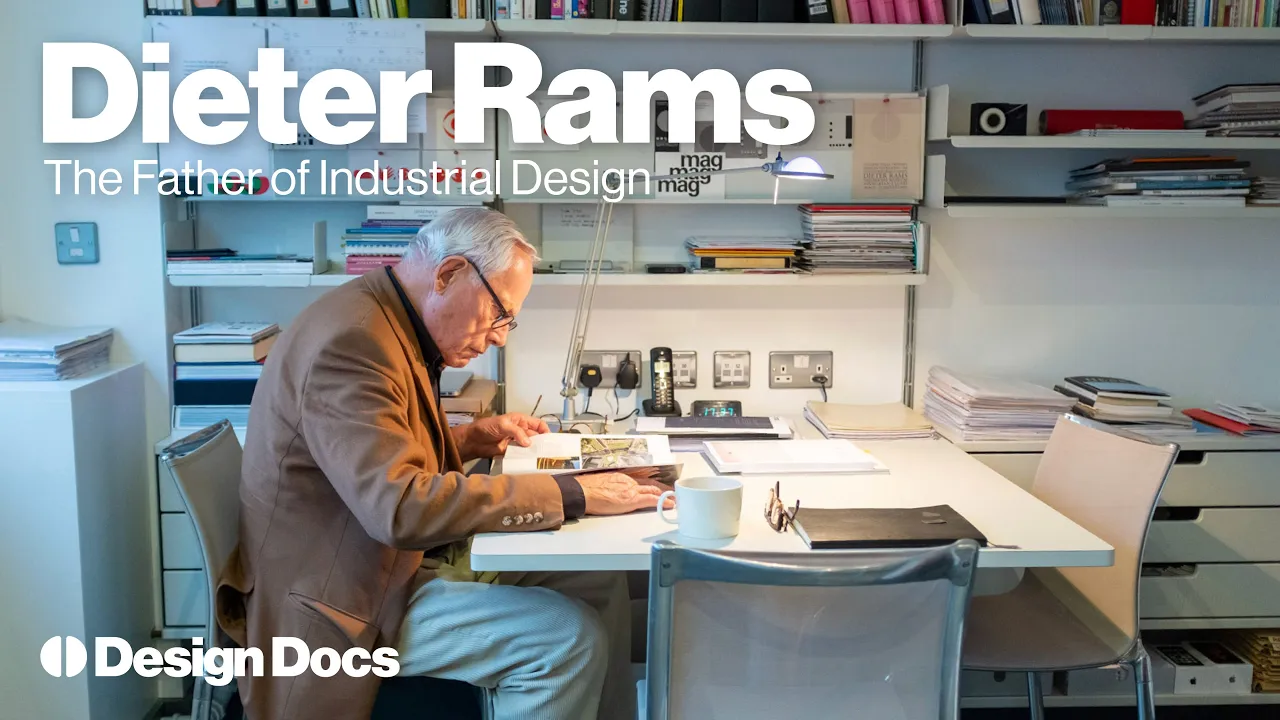
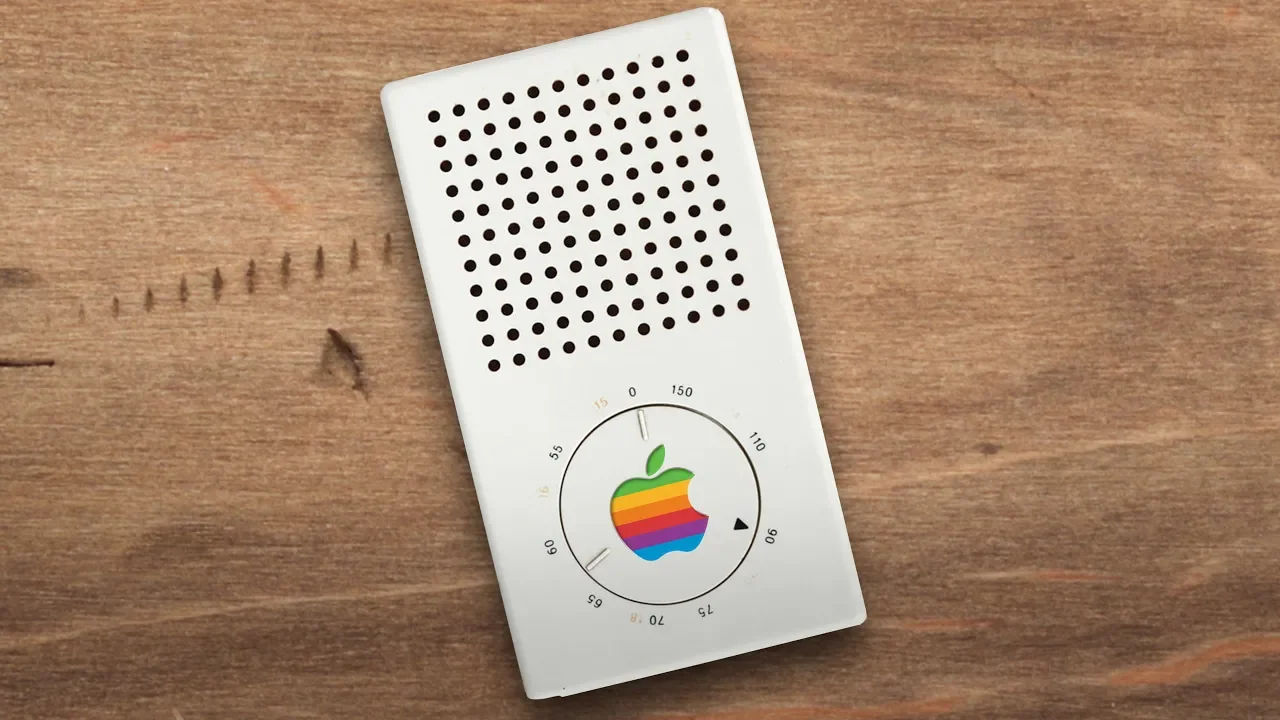
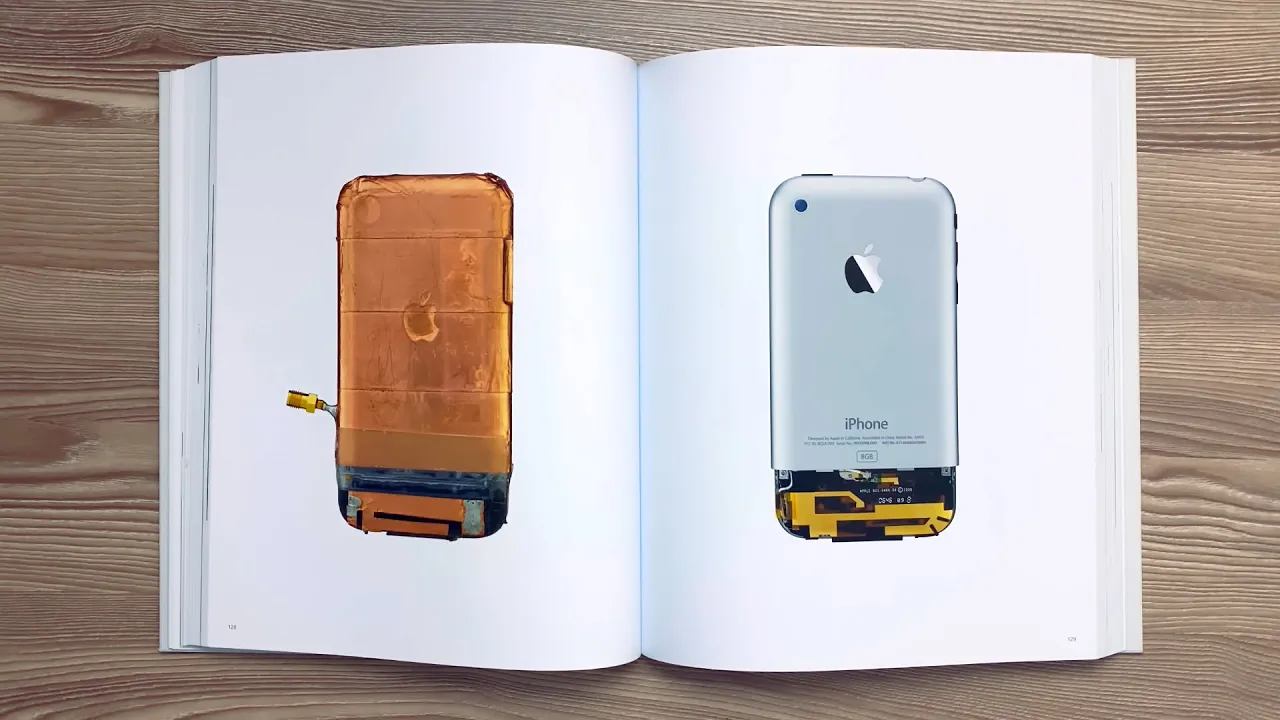
Dieter Rams' 'Ten Principles of Good Design' and how Bauhaus ideals directly influenced 21st-century consumer technology design (e.g., Apple product design).
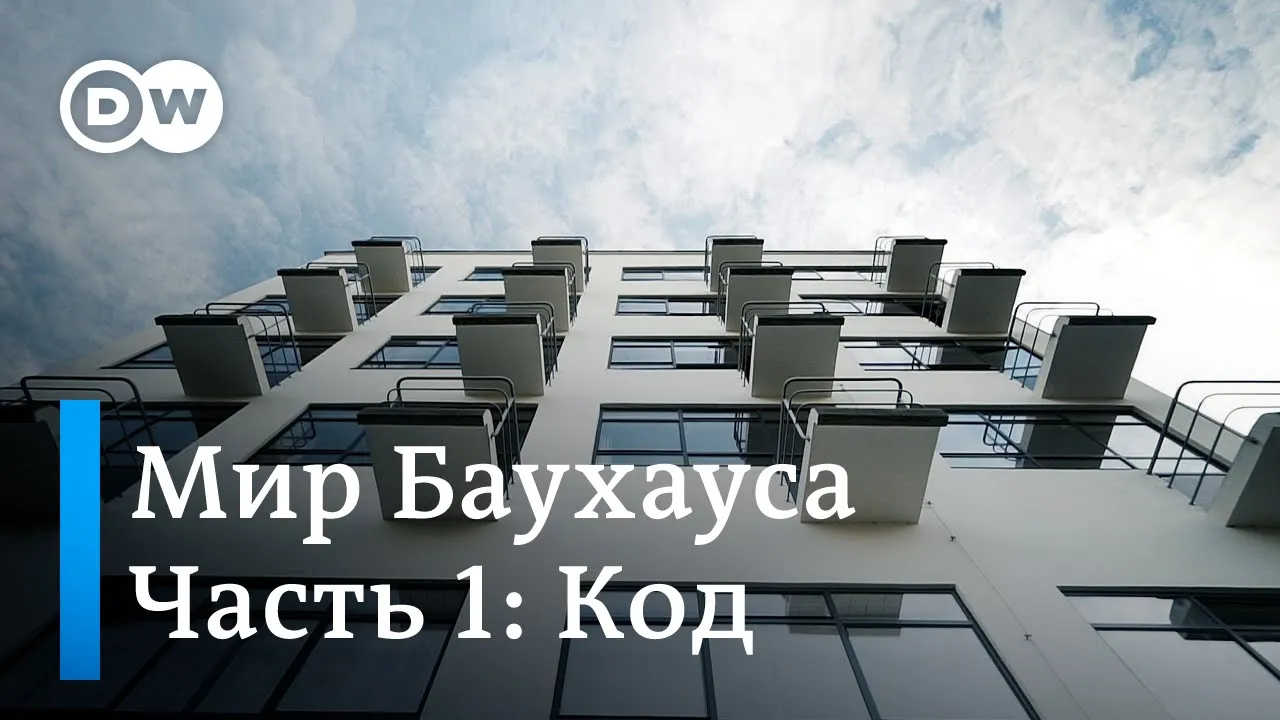
The architectural legacy of the 'White City' in Tel Aviv and other UNESCO World Heritage sites showcasing Bauhaus urban planning.
550 views9likes54:05Original Release: 2019-08-19
everybody enjoying your dinner how about that dessert sculpture very BA house very Bauhaus very wonderful very tasty the Bauhaus was a revolutionary educational experiment both within the classroom and beyond masters and students alike participated in a number of extracurriculars including legendary parties theater and most famously Oskar Schlemmer triadic ballet tonight we have a special Bauhaus performance a dance performance inspired by the Bauhaus brought to you by head big dances which is a contemporary dance company led by Jan Bart osek they create perform and cultivate dance within communities of audiences dancers and artists to provoke human connection and Wonder please help me welcome Olivia Gonzales from hedvig dancers and please enjoy this creative ode to Oskar Schlemmer [Music] [Music] [Music] [Music] [Music] [Music] [Music] [Music] [Music] [Music] [Music] [Music] you [Music] [Music] [Music] [Music] you [Music] [Music] [Music] [Music] [Applause] we would have called that a typical Friday night in the south so thank you to Hedwig dancers for that and it relates to the Bauhaus the Bauhaus is dynamic and complex it is certainly impossible for us to cover all facets in just three days tomorrow we dive into how the school materialized and how it operated Tuesday we explore its disbanding and the includes it had around the world as well as the legacy that remains today but tonight very Bergdahl and Lear Dickerman curators of MoMA exhibit Bauhaus 1919 to 1993 workshops of modernity will give us a preview of what's to come by discussing ten key principles for understanding what the Bauhaus was and was not and why it has continued to be so important to modern culture please help me welcome Barry bergdoll and Lea Dickerman ten years ago 10 years ago lea and i this is a reunion for us ten years ago we culminated a several year project at the Museum of Modern Art for the 90th anniversary of the Bauhaus very clever because we didn't need to compete with everybody who needs the Bauhaus things that are circulating around the world in this centennial year and as we discussed how we were going to grasp the Bauhaus in an exhibition and all of its facets all of the media that came together there the one mantra that we gave ourselves and is the first that we want to give you so we've organized this as a series of statements we might not always totally agree but we're gonna have the conversation about about these but this was essentially the motto that we gave ourselves for the show the Bauhaus is not a style but a school this and we're playing a game here because we have 10 principles and we're gonna give ourselves three minutes yes we're supposed to be watching the time countdown I think already having chosen the rediscovered very colorful African chair by Marcel Breuer and goodness Dodson there already emphasizes the point that what you think is Bauhaus style is not embodied by the object that you see on the screen and so our principle for the things that we gathered together in the exhibition was that everything that was shown in the exhibition was created at the Bauhaus by a creator be they student or master while they were at the Bauhaus the your entire life before and after the Bauhaus was not suddenly part of some Bauhaus style of eternal principles bringing all those things together brought together the fact that the bow like a school that was dynamic and exciting and could have the influence that we've come together to discuss was a place where ideas were continually exchanged and therefore the visual products of the Bauhaus even if we might search for some unifying principles did not have an outward look I just say one more thing as I'm watching the countdown before handing it over to Leah this is not a later historians problem already the Bauhaus struggled terribly with the notion that in its own time people began to refer to the things that the Bauhaus was making as reflecting Bauhaus style and they retaliated against this and they were caught in this very fascinating conundrum so I think it's one of the things we'll be discussing for the company one of the things that they worried about with idea of style as it means that it would have been set already that it would have been a set of principles that were received and then you would create objects and relationship to an own set of rules and the mantra of the Bauhaus was learning through experience even trying to take yourself back to this tabula rasa moment where we were learning anew so we could even go further and say that Bauhaus wasn't a style but a school was actually two schools coming together Academy of Fine Arts and the School of Applied Art and Design and the first faculty or the faculty throughout its 14 years pulled together architects designers fine artists and I think in retrospect its greatest legacy might have been that purposeful diversity that was there from the very beginning of holding a faculty together for over 14 years in a moment of great instability and political turbulence to discuss again and again in different moments what it meant to be an artist what technology meant which an emerging media culture meant what rising right politics meant and to play these questions out across a Faculty of extraordinary thinkers and and sparkling students that kind of conversational body is really important for us to think about now and what emerged wasn't a style but many propositions that were often at variance with each other and I think that's something that is an important legacy for us to think about what does it mean to hold a school together across many disciplines and talk about how art matters in the world I think we're obliged to go on to the next principle ok so even though Walter Gropius founded the school in 1919 in order to produce architects and craftsmen the first faculty that he invited were painters and that's an extraordinary thing most of the faculty that he invited first were chosen from around the gallery in Berlin called their Sturm it was a gallery it was a journal expressionist artists and in inviting painters into this school of applied arts and architecture they created a proposition that was very radical and maybe ultimately one of the most enduring aspects of the Bauhaus legacy starting with johannes itten who was teaching in vienna they created a preliminary course and the preliminary course was a strong counterpoint to academic training traditional academic training that had been around since the 17th century in which students of art would study models and copy them or models in galleries or some time's models from the nude and instead they created a curriculum that was shared by students across the entire school the curriculum endured for the entire 14 years in which students learned about the fundamental language of art making of mark making of color of line this language at its very beginning so is a language of abstraction really in this moment in which abstraction was totally new and that legacy of the preliminary course is something that you see through art schools still today I think one of the most interesting things about the presence of these painters in a school that was not really training painters it wasn't set up as a place to create the future painters and sculptors per se but had this vision of abolishing a distinction between the fine arts and the useful arts one of the key principles is this initially striking paradox that painters were so important to it but I think for Gropius that meant that the dialogue that he wanted to set up between artistic values between formal values and technical values always in conversation so I think one thing in the legacy of the Bauhaus is when it gets assumed consumed in the notion of a kind of radical machine functionalism is an absolute reduction of what he was after for from the beginning was this conversation between a kind of liberated non imitative non historicist way of thinking through artistic and form problems with the what would happen when that met materials and techniques so that one was not going to be dictated to either by the pragmatics of materials nor by any received conventions or notions of art making look we have a tiger that we're playing also you don't seeing what a tense exercises is okay this is a we we got into the third principle we haven't even taken on this name simultaneously this name that is weird but also extraordinarily memorable if you if it were meant to be called the state school of fine and applied arts fusion together and never to be subdivided you would not remember its name but Bauhaus you remember and the very concept of this word this German invented word of course German lends itself to inventing new words and new concepts from the word for building and of house and I think a number of the principles are going to lead us to question to what extent we must understand the seeming predominance of architecture as a literal thing or a metaphorical thing this is of course one of the versions of the famous diagram of the curriculum that led in its outer ring from the preliminary course here called the basic course in this particular rendering of it through the specialization of students in materials and activities all leading to that kind of central target called building so one of the great paradoxes since this school was founded as Lea said from this fusion of two schools by Walter Gropius himself a trained architect with a traditional architectural training with an architectural practice with quite a lot of architectural experience behind him creating a school called at the house of building coming up with a curricular diagram in which every one everything was aimed towards building one of the paradoxes of this is that it took eight years before architecture was actually taught at the Bauhaus now you've heard over and over again that the Bauhaus lasted for fourteen years so that means that slightly under fifty percent of its short existence was there a formal architectural training at the the Bauhaus clock so I think you have on the other hand the idea of architecture was very useful as a metaphor and in gropius's founding manifesto the Bauhaus manifesto of 1919 he spoke about all the arts sculpture painting glass making ceramics coming together under the aegis of a new architecture and the idea of architecture had all that in it the idea of bringing the disciplines together imagining the craftsman as an artist it had the idea of collective labor it had the idea of integrating a notion of social function into art it even had an idea of gazhams Koons work in it of bringing everything together into a synthetic whole and these were very important animating principles in the Bauhaus pedagogy even if architecture wasn't being taught footnote academic has to add a footnote this could go to a local Technical College where they there was architectural instruction so it wasn't that was no architecture and structure but it had not yet been folded in right and there were some important building projects taking place with the faculty mukha was building a house the Sommerfeld house there were a lot of ways that students might have gotten their hands in an aspect of an architectural project so the next one is mine which is the idea that the women led a quiet revolution and this is not to say that the Bauhaus wasn't full of gender bias and in fact most women were ushered in to the weaving workshop or the ceramic workshop whether they wanted to be or not in fact women who wanted to be architects were ushered into the weaving workshop but the floor master of the weaving workshop was an expressionist painter named Georg mukha who did his this best to say that he wanted to have nothing to do with weaving itself he didn't want to weave a tapestry or a wonk a wall hanging himself and he was really only interested in the weaving workshop to the extent that it might provide a revenue stream for the school and in one of those and-and-and-and he would paint pictures and he would give them to the women to weave in one of those moments in which a little absence is very productive however the women organized themselves women like Gunther stencil and Bonita organized themselves and they created a new governance structure within the weaving workshop which which is much more collective and much more collaborative and they also rejected the idea of weaving that was based on pictures that were handed to them and instead they committed themselves to an idea of weaving that was based on the grid and the warp the weft that's inherent in weaving and in fact many of their explorations of this grid logic that you can see in this beautiful Gunter stencil tapestry here ultimately then had impact on the male artists and artisans in the school including for instance seeing weavings by any Albers that play with the grid metaphor before Josef Albers began using the same types of images in his glass paintings so quietly by organizing a collective governance structure and creating a new type of formal logic based on the material properties of weaving the women Weaver's influenced the way that grids and the language of painting was thought about and discussed in the Bauhaus and ironically I think as you found out in the research around the exhibition and drawling also on a lot of work that's been done on on textiles at the Bauhaus one could say polemically that it was in the textiles which we might think of as one of the most crafty parts of the Bauhaus you know the weaving and the ceramics and an old line is that of course the women were pushed towards these more traditional craft based things maybe the guys would go deal with the things that were more related to the emerging industrial aesthetic but it was actually a transformation of the technology of the weaving machines in some ways there was more machine culture in the text literally present day-to-day in the practice of the textile workshops than in in many others we don't have the image of the Bauhaus manifesto the famous Cathedral I think it was already evoke by the Herbert Byers legacy on stage here but we wanted to make the claim that the most important symbol despite the call you know to come to the Bauhaus of the of that manifesto with its image of the cathedral as the total work of art in a woodcut it was something that fell into the hands of people like like Breuer perhaps buyer and and gave them the idea to go not to berlin or to some metropolis to study but to a small provincial town of avemar but by the time the school was up and running and thinking about how it might even move beyond the bounds of the building that it had inherited from the the schools that were fusion together to create the Bauhaus the idea of creating the home had really were proposing become the great metaphor for thinking and so the total work of art that was a building moved from this image of the cathedral with all of its evocation of the guild culture and the combination of all of the arts in the medieval cathedral really a 19th century notion taken over to the idea that the modern artist would recreate the domestic sphere that the Bauhaus would not simply create objects but that it would recreate the very notion of modern living and the house would of course be the bow or the framework in which that would happen and and with that there was a shift in the types of things that were discussed and talked about so instead of a glass workshop and a ceramic workshop much more emphasis on textiles weaving furniture making ultimately wallpaper as well so that metaphor of the home where the emphasis on the home began to change the activities of the Bauhaus here this image is before it leaves us could well also be part of the quiet revolution led by the women at the Bauhaus because what you're looking at is the Bauhaus demonstration house of 1923 from their first major exhibition of what they had all collectively been up to this is an image that we particularly like because it looks from the children's playroom into the kitchen the implication is that perhaps on one hand seems to reinforce traditional values may be the housewife will be in the kitchen watching the children play in adjacent but in the adjacent space on the other hand this complete rican Sep xual ization of the children's room next to the kitchen has a kind of mini Bauhaus for children so the relationship of thinking about children and child's education to the preliminary course but then actually in the life of the house so this wonderful furniture designed by one of the great inventive women artists at the Bauhaus Alma Bush recede off included furniture that the children could transform turning the stool into a little wheeled device taking opening the cabinet door and making the the cupboard into a into a playroom or into a stage actually is quite literally a we're on a stage for performing Marinette who were playing probably with approved Bauhaus toys so in the preliminary course there was an emphasis on looking for a fundamental language of visual form I've made out of point and texture and color and plain and when Herbert Beier got to the Bauhaus he put almost as much emphasis and rethinking what a fundamental language would be for graphic form and for the alphabet so from 1922 to 1928 he worked on creating a new alphabet for the modern era and one of the things that he was really taking as a point of departure or as a point of something to leave behind was the German type fracture which was used in all kinds of business correspondence at the time and was based on handwritten calligraphic type it was still entered into the 20th century even though it was a letterpress type and so buyer worked on rationalizing letter forms using the tools of an engineer like a compass and a ruler and a curve to create what he understood as fully efficient modern language built of parts that could be combined and recombined and in doing this one of the things he was doing was trying to create a letter form that would be a universal letter form not one that would speak of German culture but one that could move in an unfettered way across political boundaries so to think in these terms creating a universal letter form that could you know could move easily across boundaries that wouldn't be carrying traces of German nationalism is a really important thing if you're thinking of what's happening politically in this moment this is a political position that he is taking as a graphic designer and you can see other activities at the Bauhaus that are similar to that you Smit who round the woodworking workshop created a chess set that he intended to demilitarize the traditional figures of the chess knights and kings and rooks and bishops to create an abstract diagrammatic chess form so it's setting this abstract language against a nationalist position that is some of the ways that the politics would come into the objects that you see in the box not the least that with the rise of the National Socialists a celebration of fact or of returning to traditional type so this is the graphic design and March will be discussing this over the coming days was anything but an innocent activity of simply searching for underlying Universal forms and well it was a debate between universalism and nationalism took place and when the Nazis came to power in 1933 they would return the lettering on train stations to effect your type again just one footnote cuz I can't resist footnotes people we leave this image which is this as an advertisement for a lecture by the architect hans policy and we don't associate on sports league with the Bauhaus so I think it does also make the important point for us in the coming days that as much as we might want to think about the curriculum who was a student who was a professor many people pass through the Bauhaus many people were on the edge of the Bauhaus it was not as as formalized as an institution as we might think of as either a late 19th century art school or for that matter and this goes to what the Bauhaus people who came to America found Gropius at Harvard dealing at Harvard University is a little bit different than being able to reinvent the school every semester and dealing with outsiders who want to cluster around it who might have as much immediate impact on the students through a lecture series or a charismatic well not only that there was the Bauhaus book series so eight books that were published in in 1925 but there was a plan to publish I think almost 50 volumes and among the books that were ultimately published were Malevich and Mondrian Corbusier moholy-nagy so all of these texts that address the issues of modernity in the modern world were part of the Bauhaus publishing series and then in that way taken in within the aegis of the kinds of conversations they were taking place at the school trying to make a crossroads of the Avant Garde's industry way so despite the fact that there was and this led to its many moves in its politicization there there was state financing in fact the Bauhaus is status changes in terms of its relationship to to government and to central funding non-stop political battles over that because it was not until the very end of private school nonetheless the Bauhaus had a relatively novel idea of having a revenue stream from the sales of the things that it would make and therefore was also always in negotiations with manufacturers because despite the factory look of the building it was actually not a factory an it was not possible to produce their things there on a factory scale and so in order to create some of the Bauhaus products often either they were in reality very much put together under the image of the industry but crafted in their making or there was a negotiation with an outside manufacturer or distributor one of the most surprising seeing facts so we wanted some of these facts to maybe a little bit shock you maybe send you out to the bookstore to see is this really true or they exaggerating is that this business model never actually function even though there was a full-time business manager at the Bauhaus with the exception of one of the most successful products that the Bauhaus came up with which was Bauhaus designed wallpaper so when we think about of modern architecture as being that which refuses any transformation of the surface of the architecture beyond the reality of its materials that borrowed American slogan of form versus function the fact that the Bauhaus would be designing wallpaper is already something we have to get our minds around and secondly that it should be so successful in fact one of the rare things that we included an image of in the catalog was of the a wallpaper being still marketed even in national socialist times under the name Bauhaus even though the National Socialists had closed the school there's a different way you can see of thinking it's about form here because instead of the grid logic that you might have seen in some of the earlier about house work now the kind of mark that's being made in wallpapers is this small mark that's repeated again and again until it becomes a kind of overall patterning and you could see in thinking about the wallpaper the Bauhaus students would do it with almost anything good rub with chalk to create a wallpaper pattern some of Albers students made wallpaper patterns with repeated typewriter units so it's this again this small mark that's done again and again and again and it had the idea it ended up creating a transition from an idea of pattern and ornament to texture and texture was one of the really important ideas that came out of Bauhaus teaching that you should learn materials through contact with material that you should touch things and set things in juxtaposition and in the later of Bauhaus moment when Lily Reich comes to the school in 1932 you can see her creating a new type of interior in which you had very open spaces that were divided into functional areas often with textiles as drapes or wooden wall dividers and each functional area would have tactile surfaces burnished wooden veneers or fluffy sheep skin rugs or rough textiles that would let the light in and it would be almost monochromatic in tone but full of tactile interest so that's a later Bauhaus idea do you want to even though the future belongs to Bauhaus wallpaper we have to go under the next card okay so Gropius was not at all interested in photography as an art he thought of it as playing only an archival function or documentary function but in fact despite all of the talk of Technology and industrialization at the Bauhaus the machine that probably played the greatest role was the camera and this is in part to largely the the moment of shift comes with the arrival of the majalis lászló moholy-nagy and his wife Lucia mohali and they began to in combination push the throttle of the Bauhaus in a new direction and Lucia mohali the moment she arrives becomes a kind of in-house official photographer of the Bauhaus of activities of the of the buildings of the products and even though she wasn't named as a photography teacher the school's first teacher of photography and she together with her husband lászló moholy-nagy also are interested in theorizing a a platform photographer for photography and for media culture as a way of developing a new perception in the modern world and here I want to stress that lászló moholy-nagy when he comes to the bajas doesn't speak German so she's the one who's helping him write and formulate phrases finding words for him and that's a reminder that all of these great foreign masters not all I'm exaggerating now many of these great foreign masters are not in fact just a single person there are a couple Walter Gropius and his wife ISA Gropius and lászló moholy-nagy and his wife Lucia Mohali there are actually double units in many cases and both partners play a really important role in activities and the theories of this school so although photography was very important at the school practiced by many it was not officially one of the workshops so much later until very very late and of course this would get transferred to Chicago where photography with patrons was extremely important one of the things I hope we can discuss it's always and there are many people in the room who probably can discuss this better than I but just as a I think it's interesting to go not with just with principals but also with questions of course the camera was a 19th century invention although it was going through radical transformations in this point and the way of holding it and using it and they exposure times you can see in these deliberately oblique views in which over and over again to the architecture becomes the subject of the photography so the relationship between the architecture that's emerging here in the desk I'll bow house and the and photography is in and of itself fascinating but photography permeates in many ways but my question has always been and I think the simple answer is they just did not have the money to be buying tons and tons of machines the way in architecture school now today brings in the 3d printers and all of the computer things for the next semester film making motion pictures especially given the fascination with time with transparency with sequence and the extent to which of course movies were shown there and they were fascinated with with photography and one of the Bauhaus books addresses this but the actual making of movies does not seem to my knowledge to have been very much entering in to the way of figuring the world now they had another kind of modern Holy Grail which was an abstract light and sound show it was an animating dream for a lot of Bauhaus art artists under Ludwig Hershel Mac this idea that you could create something that would be light and sound devoid of image a sensory experience over the duration of time in fact it's like all the things that a cinema is that the cinema is that film is except a camera image and that was something that different house artists come back to again and again and again much more captivating somehow than film itself was for Bauhaus students so the next point is this change in location now we know that the change in location from vimar to Dessau comes 25 into 26 it was motivated of course by politics and by Maher in turn deaths they would be in a sense invited to leave Dessau so this is a very tumultuous political period we'll be hearing more about that first thing tomorrow morning as Regan to work but we put this in juxtaposition with our thinking about the role of machines because I think it's also important outside simply what did the Bauhaus look like in both locations if these are radically different places in vimar Germany obviously Vai Mar Germany takes its name from buy more the Constitution was there the past there the national the attempt that a republic was created there this experiment with democracy is born in vimar but vimar is also of course famously the city associated with the high point of German enlightenment and romanticism with Goethe and Schiller I think has already been referenced by Herbert Beier earlier to Gert his garden house in vimar bime are a very small town with a relatively conservative population Desalle was an industrial powerhouse that's why today it looks a bit like the Detroit of East Germany and the one of the major we picked this image of many that we could has also to do with aerial photography one of the major industries in Dessau was the Yonkers aircraft industry and so there was really the powerhouse of machinery making heavy machinery making airplanes using heavy machines to create machines that were so light they could take you up into the air so the fascination with the aerial comes from there there was even a story that it might have been in the furniture that was designed for the production lines in yonkers aircraft that a use of lightweight aluminum and of tubular bench materials despite the fact that Breuer always insisted that he came up with his furniture design by looking at bicycle handlebars that might be anxiety of influence he might have had a certain amount of influence by seeing what real industry not artistically designed industry was really producing in the Yonkers aircraft Factory which was not that far away so this Pratt this move from the city that associates itself with the Constitution and with a poetic and intellectual heritage to a real industrial city which then also was able to give the Bauhaus commissions for what we would call public housing for housing estates for an employment agency so that's how really became a very different field of action for the so if the overriding metaphor in the early years of the Bauhaus and vimar was the craftsperson the craftsman the the guild worker who could have potentially or metaphorically contributed to the building of a cathedral in dust ow the artist became a media worker as somebody who was working with the tools of modern mass media and communication the Bauhaus set up under Herbert Beier an advertising agency that it's the school itself was a client as well as having outside clients photography became a major an important medium for expression graphic design and thinking about letter and mass communication the BAU has became a publishing agency as well so in that moment you have a shift in the idea of what an artist could or should be it's a pretty fundamental one so for our last principle is the idea that the forces that ultimately close the Bauhaus in 1933 sent its students and faculties in a diasporic range of directions major nexus of Bauhaus students former students and faculty ended up in tel-aviv ended up in South America ended up in the United States and and that in many ways that the legacy of the Bauhaus was became even more important after the Bauhaus closed and that's not because students and faculty began creating objects that looked like the things that they learned about in the object but a certain kind of ethos and a way of teaching was carried with the house alone and I remember having a very keen feeling about this when we were organizing the show and I saw something that was published in the Bauhaus magazine by Josef Albers in which he was describing his preliminary course and he was writing about how important it was in the preliminary course to have contact with material and he gave as an example when we work with paper we don't just paste it but we suture it we Bend it we sew it we fold it we tear it and I thought to myself like this that's Richard Serra and what I was thinking about was his verb list in which he created which is on the screen now a list of verbs in using the infinitive form largely that a reimagine sculpture as an operation as an action as something that you perform on some material and looking backwards you can see that that idea thinking of art as something that you do to some material is a fundamental Bauhaus legacy and that doesn't sound like much of anything like idea that art is something that you do to send a material until you think about all the other things all the other ways that art has been described art has been described as the direct imprint of the soul it has been described as a sphere of pure autonomy this idea that it's a very operational procedure where it's an action performed on some material has animated I would say almost all of post-war American art and that came back to me later on when I was working on the Robert Rauschenberg show and I should go back to say that Richard Serra was never actually a student of Josef Albers but he went to Yale and he became the person who did the press proofing for Albers color theory book the interaction of color and he made an extraordinary video that you should look up and see on the internet at sometime called color aid where he's flipping through Albers color papers with his dirty sculptors thumbnails because you can see all the grime from working with metals and as almost like oedipal gestures he goes like this so all of this weight came back to me when I was working on the rauschenberg show and reading about Rauschenberg's relationship with Josef Albers at Black Mountain College he went to Black Mountain College to study with Albers but he was never Albers favorite student but there he learned something about the idea and he would say this that anything could be art idea that art didn't have to be made out of a precious material but could be made of things that you picked up and combined in different ways in fact the combinations was the watchword of Albers class at Black Mountain College and the fact that Rauschenberg called his most famous work combines is no no coincidence so one of the most Rauschenberg's most favorite famous works is the race de Kooning drawing which he described as creating a drawing out of erasing could he asked himself the question could he draw using only erasers and he erased a drawing by wilhelm de Kooning who was the most celebrated painter of the time and it seemed to me that that was in a particularly poignant example of understanding art is something that you do to something especially because Albers never allowed erasers in his class so you have another one of these moments I'm telling this in an anecdotal way but there's a through-line about understanding art in a very operational way that comes out of Bauhaus teaching that allows for a work that is very different in the way it looks in style but a logic for art making that has profoundly changed what we understand things to be today and I know you want to talk about Jasper oh no I do think that that returns it's very beautifully to the point that we tried to make at the very beginning so the Bauhaus is a school not a style and the school only existed for 14 years what subsists so what persists and I think Lea's made quite clearly that first of all I think we're gonna discover over the next two days that in that fourteen year period with three different directors and three moves of location and if we put together a medley of of things that came out of the Bauhaus you would be hard-put if we chose them carefully to say what Bauhaus style was you would see such a diversity of experimentations and of course continual recalibrations as one director or one shift even in a in a master in a in a workshop might critique what had come before so this very very vibrant institution that's continually critiquing itself continually experimenting that idea of experimentation in which some of the things Lea was just talking about would survive so that both Gropius and Mies van der Rohe would say once they came to America for Hannes Meyer didn't make that move so he's not as celebrated in this country we'll get to that in the coming days but both Gropius and Mies could talk about the Bauhaus as having been an idea rather than a set of a set of styles and with the notion very much in the context of the Cold War that ideas are difficult to you can fight them but they're very difficult to kill and so I think that's what we're going to be discussing very much over the coming days this kind of dual motion of understanding just how diverse the Bauhaus was and not reducing it to one look or one set of things at the same time as being open to the potency of what it what it suggested and I just stopped with one maybe this will horrify you and you walk on attack me first thing in the morning at breakfast but and it goes into the impossibility of the historical what didn't happen so what would have happened if the Bauhaus wasn't closed after 14 years the Bauhaus is closure the Bauhaus is closure has an awful lot to do with how we perceive it not only the conditions under which it was closed but because it became something that was lost that was truncated and I think that those political circumstances also added to its potency and the urgency with which many who had been there took that name with them as they dispersed across the world not only to Cambridge New York and Aspen but to Moscow Mexico City Santiago in Chile Palestine and many many other places so anyway thank you for letting us open this all guys ok events thank you very and Leah tonight's been a kickoff in a taste of what's to come we celebrate bow house in Aspen because of all that has come before the bridge that was built the design ethic established by Walter and Elizabeth petka much work to do over the next few days so for last closing remarks please help me welcome Kitty Boone and Warrick Sabin to the stage we'll be fast I just have to say that it's so incredible to see so many people convened around art and art history and really that was the beginning of the Aspen Institute for humanistic studies and let us not forget how important art and the making of art and the design and the thinking that went into that is so important to our society I want to thank everyone who had such an incredible role in producing tonight Deborah Murphy John Mel guard Lissa Ballinger Chloe tebah have done an extraordinary job with their teams and pulling off our sets our speakers our beautiful dinner thank them they've really worked hard for months and months and months to pull off this event I think you're gonna have an incredible and we definitely hope tonight a whet your appetite for the bauhaus because we're getting started bright and early in the morning with breakfast at 8 a.m.
and all of our speakers will be available to visit with all of you for that first hour and then we get the program going right at 9 a.m. we also have four exhibits that are on display here in this building and the one adjoining and we hope you'll check those out all of the information about those exhibits as well as all of the information about the rest of the program over the next two and a half days are going to be available in the program guide that you will pick up on your way out the door so thank you and we look forward to seeing you tomorrow
Up Next
26:04
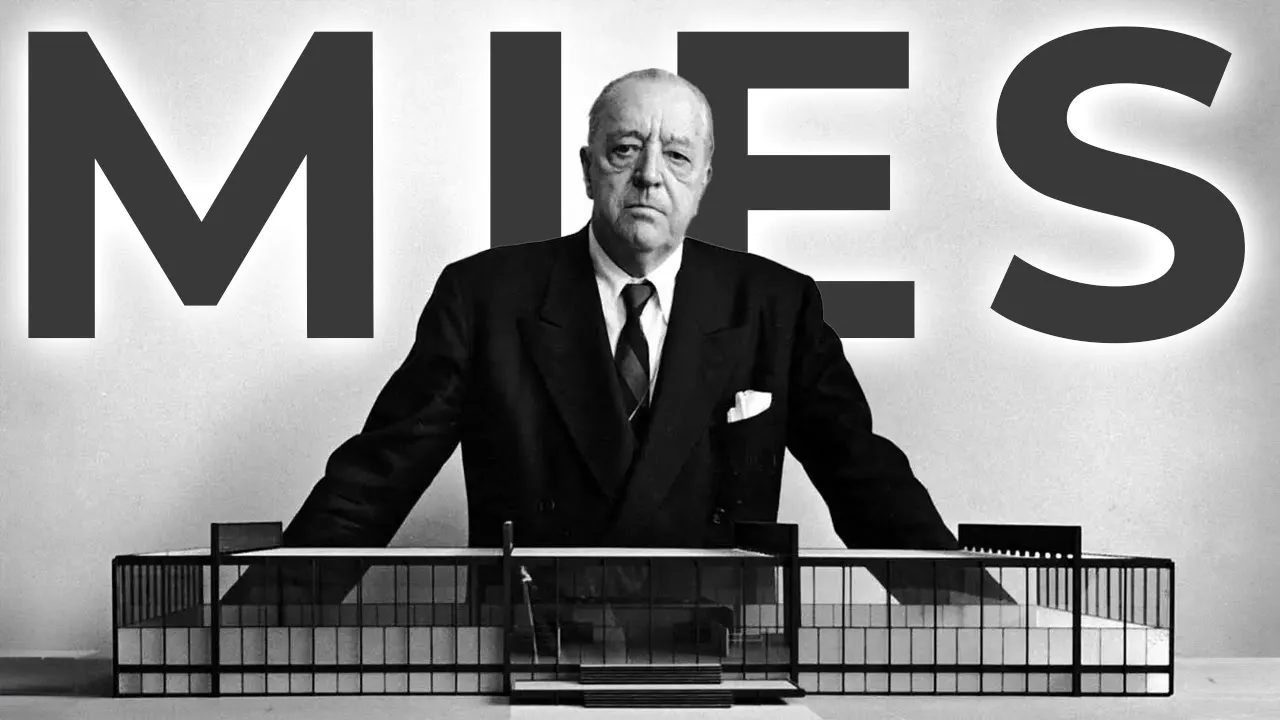
Mies van der Rohe: Architecture, Politics, and Modernism
@blessedarch
50.8K views•2024-03-29

12:54
Triumph of Orthodoxy Icon: Byzantine Art & History Explained
@BenCallan
2.1K views•2024-08-06

9:49
FastAPI vs Flask vs Django: Choosing the Right Python Web Framework
@TechWithTim
302.5K views•2024-05-26

1:42
Game of Thrones Opening Credits: A Cinematic Analysis
@gameofthrones
46.3M views•2011-04-18
Related Study Plans & Knowledge Roadmaps
Structured learning paths in General & Interdisciplinary Studies
general-studies
Elevator Engineering: History, Physics & Cities
01From Hoists to Safety Brakes: The Dawn of Vertical Lift
02Hydraulic vs. Traction: The Engineering Physics of Elevators
03Modern Speed, Safety, and Algorithms
+ 2 more learning modules
12h5 modules
Explore Roadmap
general-studies
Rubber: Material Science, History & Geopolitics
01Origins of Natural Rubber & Mesoamerican History
02The Chemistry of Natural Rubber & Vulcanization
03The Geopolitics of the Rubber Boom & Colonization
+ 2 more learning modules
12h5 modules
Explore Roadmap
general-studies
Containerization: Evolution, Logistics & Trade
01Ancient Trade & Bulk Cargo: Amphorae to Barrels
02The Industrial Revolution & Cardboard Packaging
03The Containerization Revolution: Malcom McLean
+ 2 more learning modules
12h5 modules
Explore Roadmap
general-studies
Textile Tech: Evolution, Labor & Global Impact
01Pre-Industrial Textiles: Handloom & Cottage Industry
02Mechanization: The Spinning Jenny to the Power Loom
03The Factory System & Global Labor Transformation
+ 2 more learning modules
10h5 modules
Explore Roadmap