

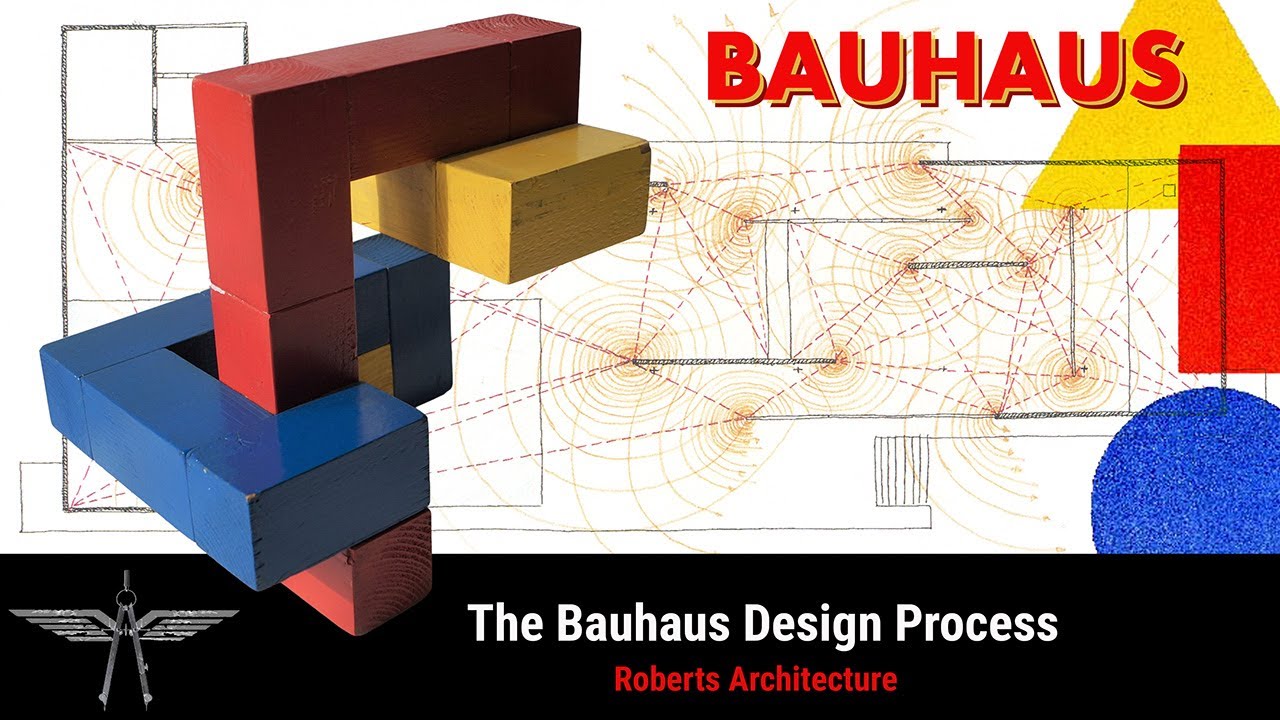


![Architecture History: All Architectural Styles & Epoches, Complete Overview [University Lecture]](https://i.ytimg.com/vi_webp/JHClCthMK-g/maxresdefault.webp)





![[한조각케잌레슨] 건축구조실무 [B-5] 기둥의 구조계획](https://i.ytimg.com/vi/VVIdtsv5NNM/hqdefault.jpg)
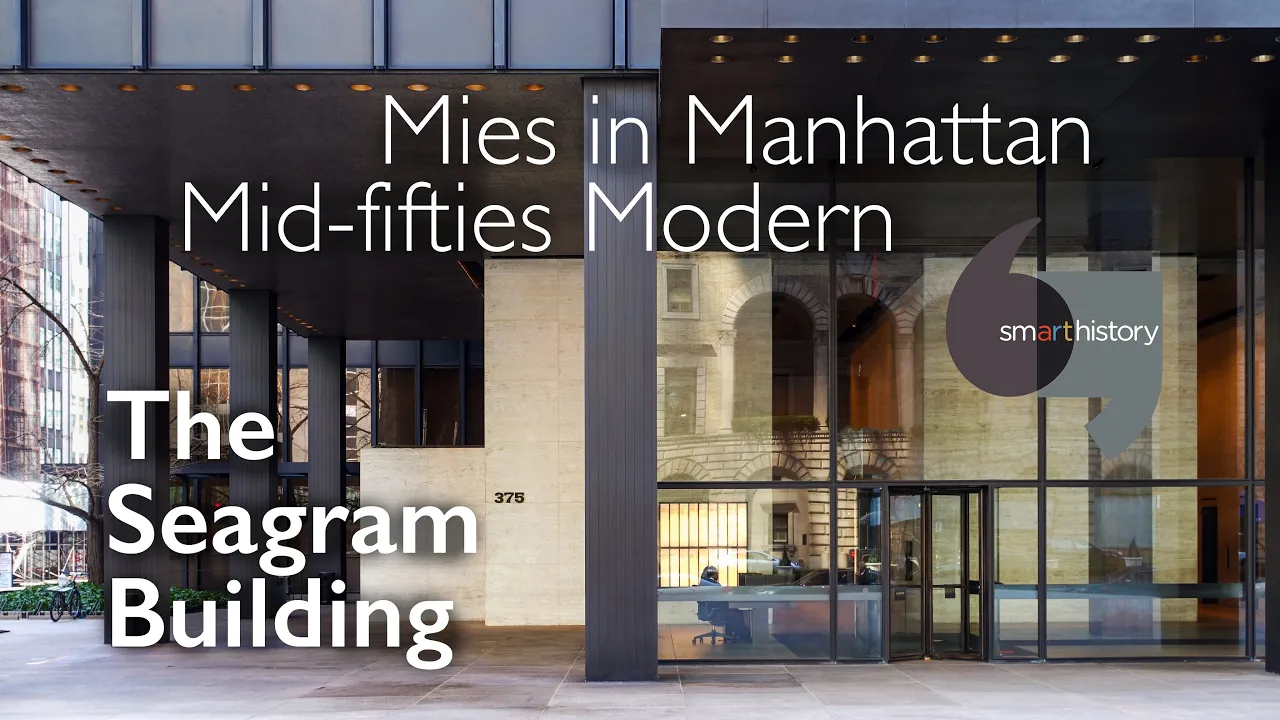
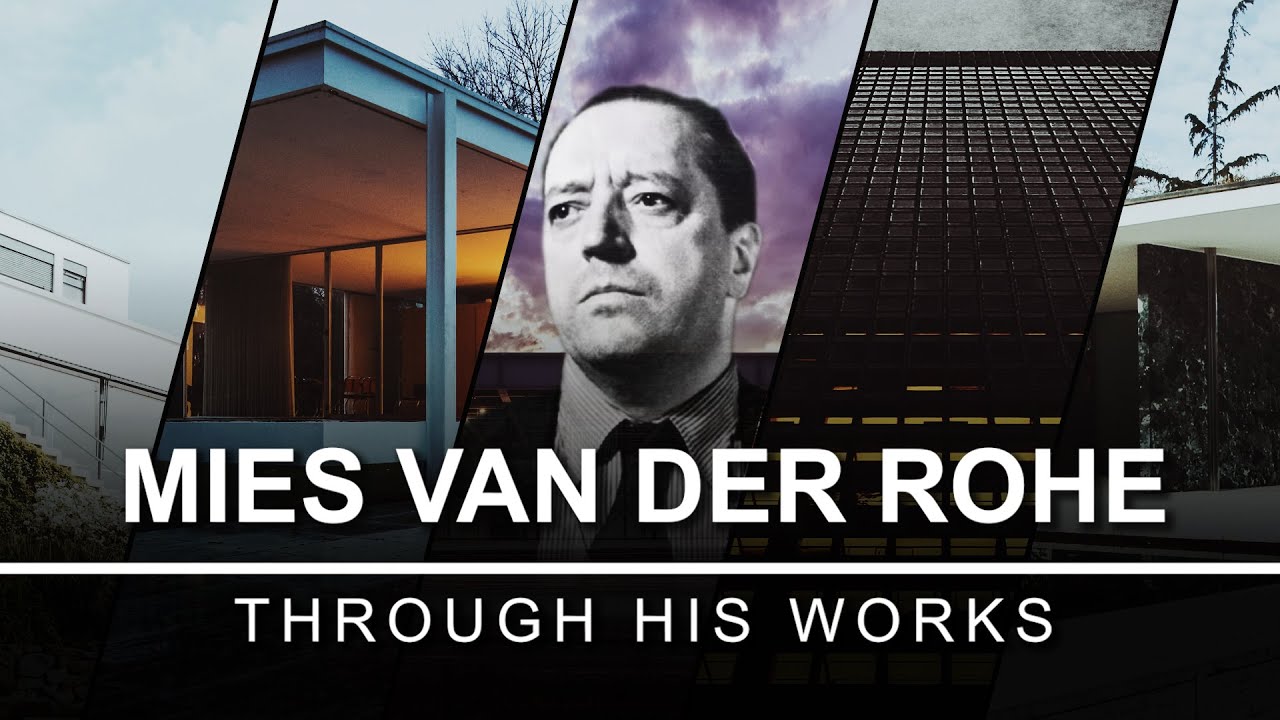




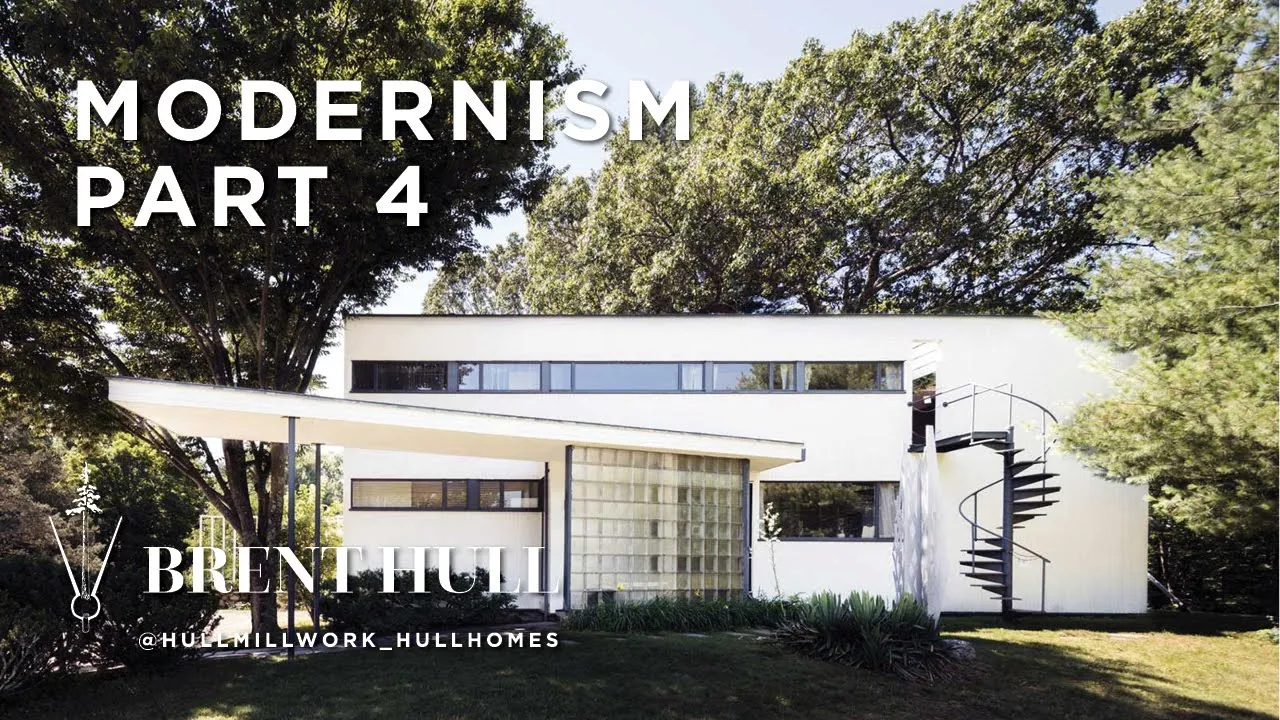
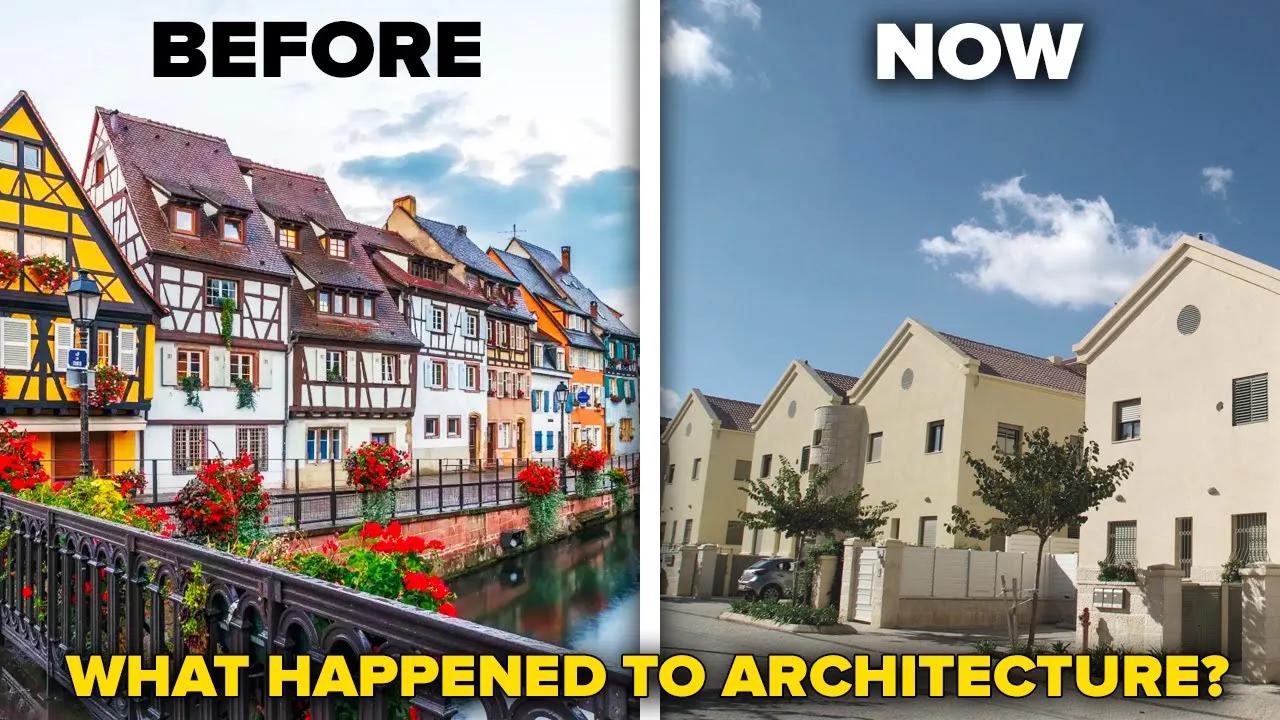


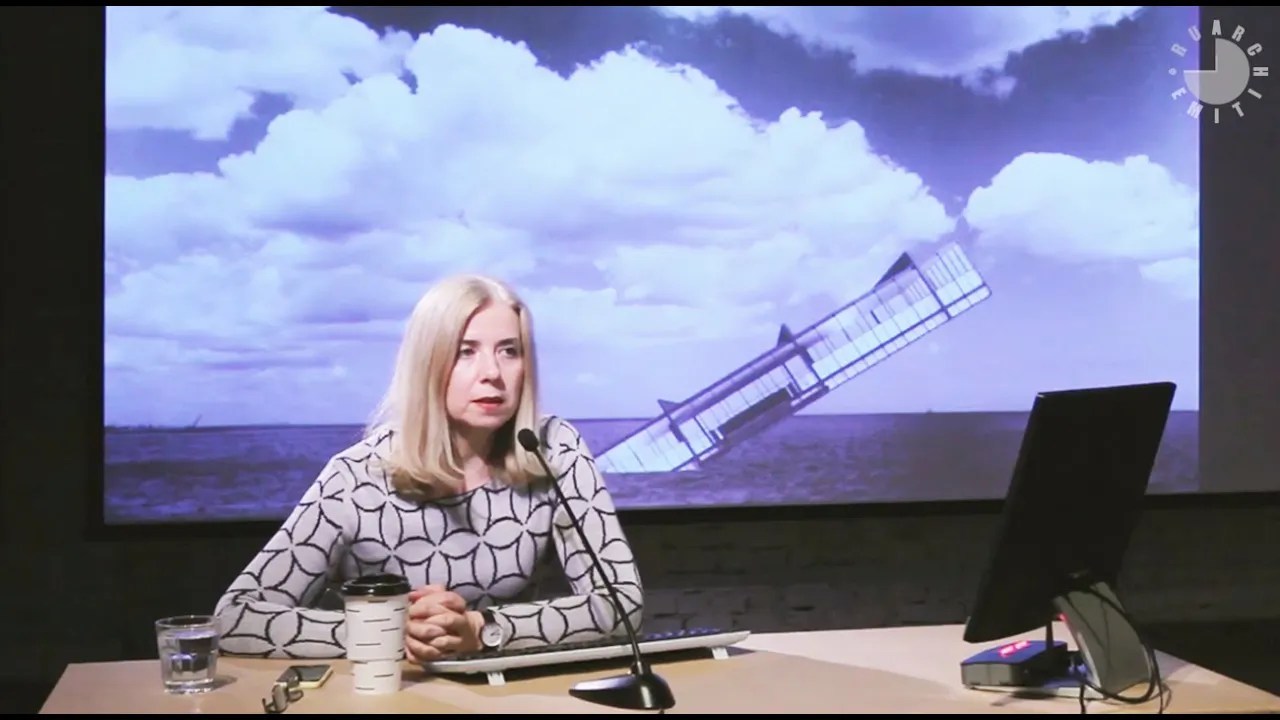

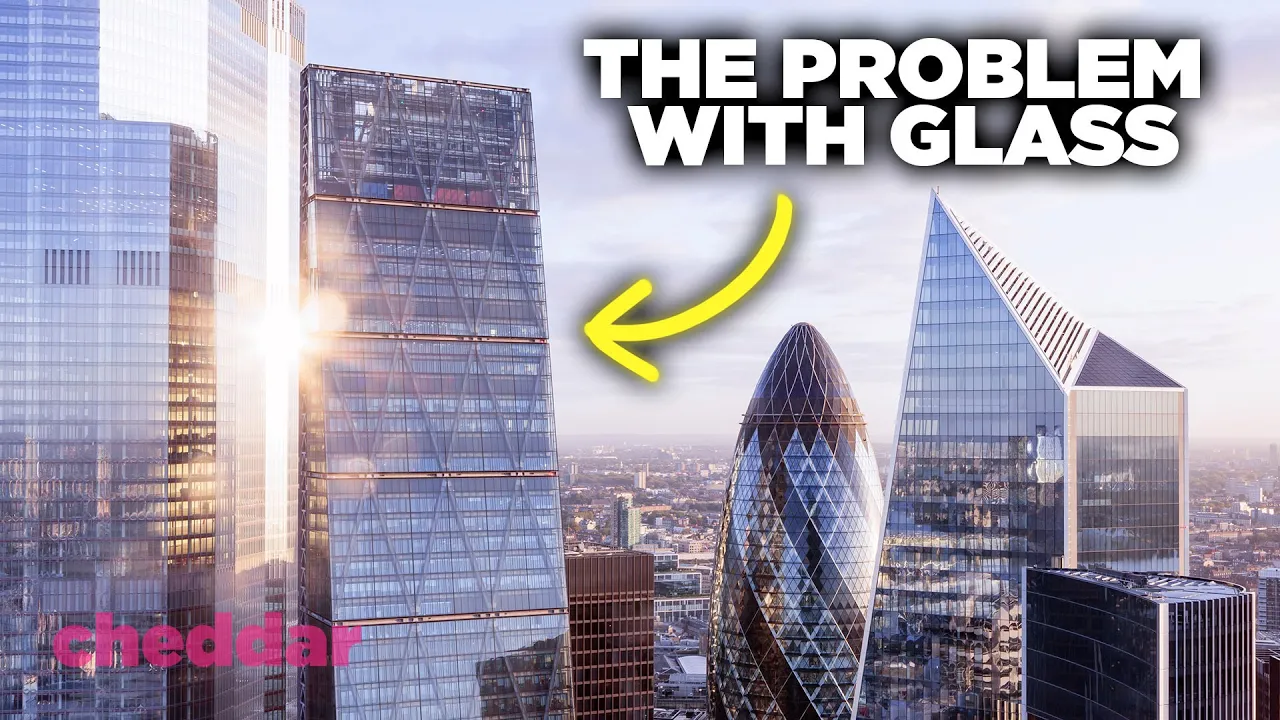

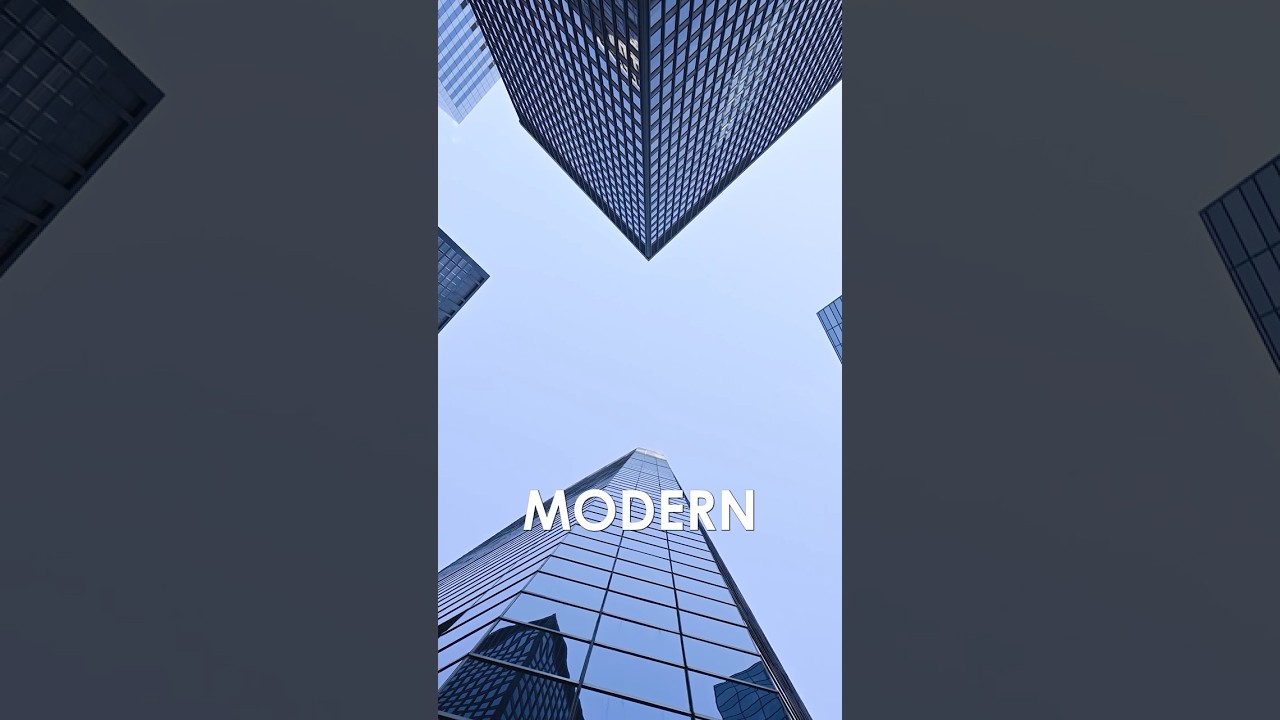


Mies van der Rohe (1886-1969), originally named Maria Ludwig Michael Mies, was a pioneering 20th-century architect who coined the famous phrase 'less is more' and championed the pursuit of pure, raw architectural form; despite facing political persecution during the rise of Nazi Germany which forced him to flee to the United States, he went on to create iconic modernist structures including the Barcelona Pavilion (1929), Farnsworth House (1951), and Seagram Building (1958), establishing himself as one of the three main pillars of modern architecture alongside Le Corbusier and Walter Gropius.
Mies van der Rohe: Architecture, Politics, and Modernism
Added:The historical origins and core philosophy of the Bauhaus school in Weimar Germany.
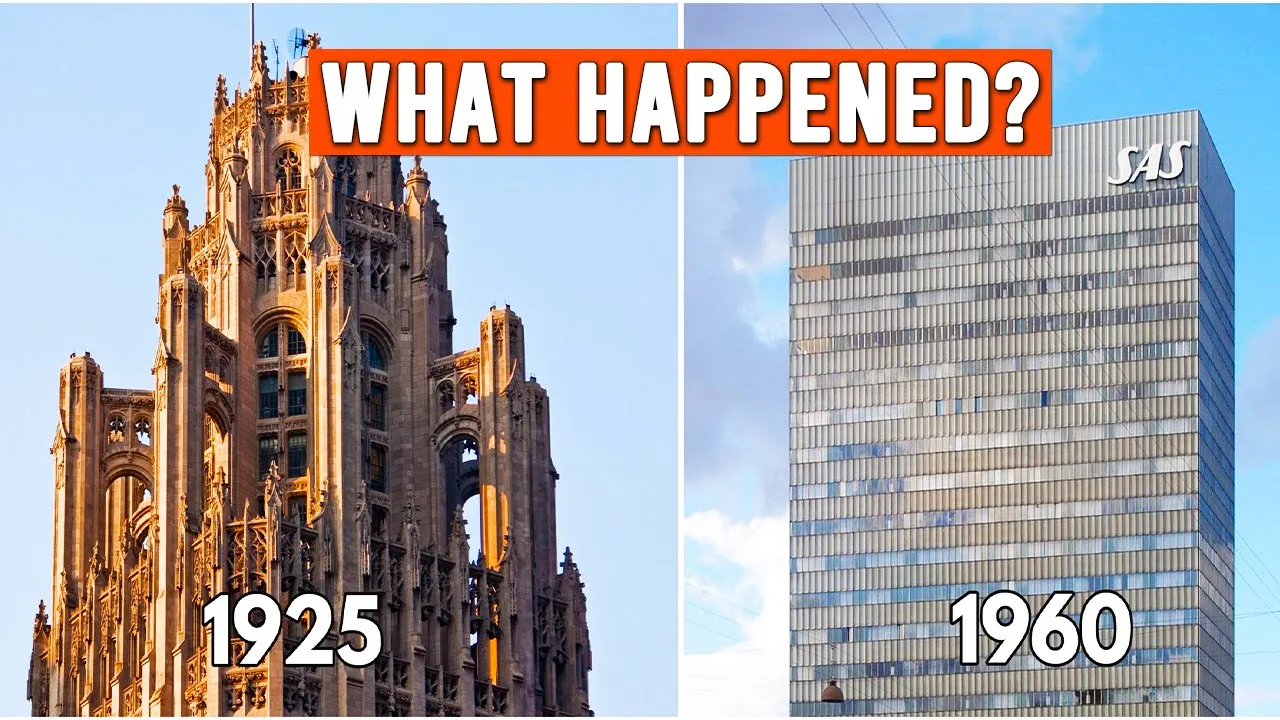
The fundamental shift from 19th-century historicist architecture to early 20th-century Modernism.
The political climate of interwar Europe, particularly the rise of National Socialism (Nazism) and its hostility toward avant-garde movements.
Basic architectural concepts regarding industrial materials, specifically the structural capabilities of load-bearing steel, plate glass, and reinforced concrete.
In-depth structural and aesthetic analysis of Mies van der Rohe's landmark American projects, such as the Seagram Building and the Farnsworth House.
The codification and global spread of the 'International Style' in post-WWII corporate architecture.
The philosophical and aesthetic critiques of Modernism, leading to the rise of Postmodern architecture and Robert Venturi's counter-dictum 'Less is a bore'.
The environmental and thermodynamic challenges inherent in mid-century glass-and-steel skyscrapers and their influence on contemporary green building design.
50.8K views1.5Klikes26:04Original Release: 2024-03-29
less is more you might have heard this phrase often but do you know the story of the man who coined it Mies Van der Rohe is often hailed as one of the biggest architects of the 20th century his designs adored his theories celebrated Simplicity in form is something he always embodied and his works of design till today hold an important place in the world of architecture but this path of modernism was not always easy especially back in the 20th century when architecture was so intertwined with politics the story of Mies Van der Rohe is not just a story of great architecture this is a story of War a story of defeat a story of great highs and the story of a man whose single Focus was the pursuit of pure and raw form so today on Blessedarch let's uncover the tale and understand the history behind this man this is the story of Mies Van der Rohe now before we dive deeper into the world of Mies I want to talk about the sponsors of this video rayon now rayon is a new generation Drafting and design software that is free to use and helps you draw layouts quickly online it is much faster than Cad and it has got some Bim features as well it's web based so it's easy to use and can be accessed from anywhere you can simply import your CAD drawings or even PDFs onto the platform and effortlessly start working on them once you are done you can even export it back into these files to continue working on them in another program they also have a huge library of built-in assets that can be easily dragged and placed in your file also with rayon you don't just get regular line drawings you can stylize your plan as you want preparing it directly for presentations and since this tool is collaborative you can work with other people in the same file rayon gives students an unlimited account for free and if you're not a student you can try out their free version I will leave a link to their platform in the description below so do check them out for your next next project and now let's get started with understanding the life of Mies Van der Rohe now Ludwig Mies Van der Rohe it's a strong sounding name right feels like he was named to be a star architect well this was not his actual name or not the one he was born with Maria Ludwig Michael Mies was born on March 27th 1886 in Germany his his father had a stone carving shop and from an early age he spent a lot of time there this was probably his earliest time of understanding different materials and how they can be manipulated as he grew he got an interest in design and so he moved to Berlin where he joined the office of interior designer Bruno Paul while working for Bruno Mies actually received his very first independent commission at the age of just 21 me was approached by a plan to design a house in the suburbs now if you're familiar with Mies's work this might just seem alien it has no connection with the architecture Mies is associated with well back then Mies followed the traditional way of building that was prevalent in Germany and the rest of Europe now this design might not seem very groundbreaking today but it was quite appreciated and talked about in the architectural press back then so much so that it actually caught the attention of Peter Behrens Peter was one of the most famous architects of Germany at the time and he was impressed by Mies's Design and right away offered the young architect a job now this time at the studio was one of the most significant points of Mies's life not just because of the work he got to do but because of the people he was working with at the time at Peter's office two young Architects also worked both of whom would go on to completely change the world of architecture you might have already heard of them Le Corbusier and Walter gropius now if you're familiar with all three you know how all three of them significantly changed and altered the profession of architecture in the 20th century and all three of them started their careers here at the same office all at the same time this introduction of the three would actually go on to impact the life of Mies considerably in the future but at the time these were just young architects who worked hard and worked with Peter on some influential projects now even though Peter Behrens was a big name this time at his Studio was not a pleasant one for Mies and a lot of conflict went on between the two both during and after Mies's time at the studio in 1912 after 4 years at his Studio Mies decided that he had learned enough and left his job to work independently but there was one slight problem his name was still Maria Ludwig Michael me at the time which was a good name but not really a bold and professional sounding one so something had to be [Music] done in 1913 Mies got married to a woman called Adele Auguste Bruhn she was the daughter of a wealthy industrialist and naturally after this wedding Mies was was not only in a better financial situation he also got access to the more wealthier Circles of the city but again the name Maria though not bad needed to change and so he came up with an elegant solution he dropped the Maria to make his name Ludwig Mies and then adopted his mother's surname Rohe he also added the Van der which in Dutch translates to off thee to complete Mies Van der Rohe now to it might seem trivial to change a person's name but names have always had a great impact on a person's career even the name Le Corbusier which is famous in the world today was an adopted one so Mies was just following the Zeitgeist of the time and with this new name m was able to craft a new identity for himself and now he began his career as an independent architect designing homes for the wealthy but then came the event that r battled and changed much of Europe for good in the 20th century and that was the first world war Germany was an active part of this war and all German citizens were expected to serve so Mies was conscripted for it in 1915 he spent three full years away from Berlin and when he returned he came back to a brand new Germany the country has as we know had lost the war and the new Weimar Republic had been constituted in the following years Mies saw the changing ideologies of the creatives within the city you remember that house which was Mies's first commission well that style of building was popular in pre-war Germany but now the classicism that he was familiar with was being rejected The Architects of the new Weimar Republic were looking towards a brand new style called modernism which at the time was taking over big parts of Europe modernism was all about change about looking forward about breaking the classical shackles of the past and moving towards a new society which believed in logic reasoning and scientific inquiry at the time it was all new for me and he did resist for a while but he knew that the winds were blowing strong towards change and speaking of change his personal life went through significant change changes as well during this time now even though the marriage to Adele did do a lot for him professionally it wasn't particularly a happy one over the years they had given birth to three beautiful daughters together but after he came back from the war they both decided to separate so both personally and professionally Mies was going through a lot but little did he know that both these aspects of his life were very soon about to change forever now along with his traditional house designs Mies started dabbling in this newfound style that was emerging out of the modern Industrial Age and it wasn't just Mies The Winds of architecture and design were changing Walter Gropius had founded a new school in 1919 dedicated to Bringing together all arts and experimenting and perfecting the modern style of design this new school which would go on to become one of the most important schools of architecture and design was called Bauhaus so experimenting with this new way of Designing and building was widely underway Mies joined many modernist architectural groups and he even organized and took part in many exhibitions now at the time much of these modernist experiments were mostly on paper but especially for Mies that was about to change a big turning Point soon came in Mies's life and her name was Lily Reich Lily was a German designer of textiles Furniture interiors and exhibition spaces in the mid 1920s Mies and Lily had met through one of the modernist exhibitions and I guess it was collaboration at first sight a collaboration that ultimately led to the creation of one of the finest examples of modern architecture the Barcelona Pavilion [Music] now what we call the Barcelona Pavilion today was actually the German Pavilion for the Barcelona exhibition in 1929 World Expos or expositions have always been a celebration and display of culture and Technology from around the world and they have given many Architects the platform to put forth some of their boldest ideas so for 1929 Germany put out a call to design its pavilion the commission was bagged by Lily and Mies and together they came up with a simple and elegant design a handful of columns were elevated on a platform creating an almost floating horizontal plane the space underneath was enclosed with opaque and transparent walls and that's it the space was simply that simple but what made the structure so celebrated was yes the Simplicity of the form but the complexity of the details the columns on closer inspection were cruciform shaped and Chrome plated the marble that adorned the floors was imported from different parts of the world the opaque walls had colored Onyx which was cut specially to expose the diamond pattern Mies rid the building of all ornamentation and truly let the materials speak their truth me was famous for saying less is more and this structure embodied that when the Expo opened its doors to the world the Pavilion was an instant hit it was being praised the world over this structure thrust Mies on an international scale he was already a popular architect in the German circles but this project put him to Greater Heights and Mies went on to create some beautiful and influential modernist designs but in just a few years time everything was about to change in the year 1937 Mies would leave everything behind and flee Germany but why would he do that why would he willingly leave the country he called his home why would he leave his practice that he spent years building especially now when he was at the top of his career the story is riddled with politics with war and with capitalism it all started with the fall of Bauhaus now to understand how Mies got involved with the Bauhaus we need to back up a few years to understand what was happening both in the school and in Germany at large so after Germany's defeat in World War I the Weimar Republic was established around the same time the Bauhau school was established and Walter Gropius became its first director initially Bauhaus was set up in wear and the school was run by state support but Weimar at the time had a lot of conservative circles and so the school was continuously put under pressure there were a lot of restrictions put on it and many demands were made of the school including the cutting of the budget and a requirement to display any and all outputs that came from the institution as an exhibition Walter being the director of course complied with these rules and pushed back where he could but it was as if the state just kept trying to impose newer and newer restrictions so in the year 1925 the school was closed in Weimar and was moved to a new location in Dessau now the 1920s were a time of great changes and political tensions in Germany even though Dessau was a much more liberal place the political unrest and the differences of the country were soon entering the school as well now Walter had been at it close to 9 years fighting Rising Political tensions keeping the spirit of the school alive he loved the institution but he decided it was time for him to step down so in 1928 he resigned and recommended Hannes Meyer as his successor now Hannes was a celebrated architect in his own right the only problem was that Hans held communist ideologies and this rubbed a lot of people the wrong way the mayor of Dessau at the time had a say in who gets to to run the school and with growing political differences he finally decided to fire Hanness Walter was approached once again to take over but this time he recommended Mies and so in 1930 Mies Van der Rohe became the new director of the Bauhaus school but as fate would have it he would also be its last Mies Once In Charge made some very quick and strict changes to the school his first the biggest task was getting politics out of it in one of his first actions he interviewed each and every student of the school and dismissed those who he believed were uncommitted to the principles of Bauhaus or ones that could incite political differences within the school now as much as Mies wanted to make the school unpolitical the whole of Germany itself was going through upheaval at around the same time the Great Depression had kicked in Germany's economy was at an all time low and the stage was set for the Nazis to rise to power in the year 1932 Nazis put pressure on the state sponsored school they believed the school was spreading certain political ideologies that were against them so the school was forced to shut down Mies putting his own money on the line bought a new place in Berlin but even this change did not help the school for long just a year later Nazis once again came down cracking the doors of Bauhaus and shut it down again Mies tried everything he pulled all strings he wanted the school to live on he was actually successful the Nazis sent him a letter demanding certain changes and asked Mies to fire two of The Faculty members in exchange for letting the school remain open Mies by this time had understood that no matter what they agreed to the school will always be asked to do more to conform and so Mies took an impossible decision he gathered all the staff of the school and everyone unanimously agreed that it was time for Bauhaus to end now the school was over and the economy of the country was bad there were very few commissions left in Germany and the climate of the country was turning hostile day by day as the Nazis were taking over but New Opportunities started coming in from the west from United States where wealthy capitalists were looking to work with Innovative Architects as much as Mies loved his home and all that he had worked towards in his country he understood that his time in Germany was over so finally at the age of 40 he left the country he had called his home all his life and made way for the United [Music] States now as we already know Mies had become one of the big names in the industry he had become what we call today a star architect once the school was shut for good commissions dried up in Germany but this was not the case across the ocean on the other side of the world America at this time was booming and building great infrastructure projects thanks to wealthy businessmen modernism as a style was being appreciated in the US especially in the wealthy circles and Mies being a big modernist name was getting many commissions at around the same time Mies was offered to run yet another School of Architecture and design the armor Institute of Technology today it is known as The Illinois Institute of Technology in his final years in Germany he was already in talks with the Institute and when he finally left for the states a major reason was accepting this new position this new world was a big shift for Mies for one he did not even speak English when he came on his initial trips to the US he had even met and become good friends with Frank Lloyd Wright but the first time they met they barely communicated because neither of them spoke the others language Frank however introduced Mies to the architectural world of Chicago new projects new city new language and new responsibilities well Mies even found a new romance and her name was Lora Marx in the years that followed Mies created some fantastic projects in the US like the SR Crown Hall of the IIT Chicago Lakeshore dive apartments and the Lafayette Park two of the most significant buildings to come out of his time in America were the farnsworth house and the Seagram building the farnsworth house was a weekend retreat outside Chicago created for Dr Edith farnsworth the glass Pavilion by m instantly became one of the most celebrated and praised pieces of modern architecture when it first opened the other project that Mies created that really took the modernist agenda forward was the Seagram building this was the structure embracing its verticality Mies's design included a bronze curtain wall with external Edge shaped Mullions that were exaggerated in depth beyond what was structurally necessary he created this skyscraper as a sculpture carefully crafting it and giving it ample of breathing space on the ground level this along with the farnsworth house are considered one of the best examples of the 20th century modernist architecture Mies with these two new projects in his Arsenal was at a completely different level project after project he showed how with less he could do more in the year 1944 he formally became an American citizen severing his final ties with the country he called home for 40 years he taught at the iitc till 1958 and then went on to solely focus on his projects but from 1960 onwards his health started taking a drastic turn he started focusing less and less on the day-to-day operations of the firm over the next few years he began to spend more and more time at home immobilized by arthritis he and Lora took out more and more time to travel especially to the Tuscan Sun by this time he had also developed a problem in his eyes so he couldn't concentrate on the pages anymore she became his eyes and would regularly read to him in the year 1966 he was diagnosed with esophageal cancer the habit of smoking that he had picked up in Germany had finally caught up to him though he kept at it fighting this disease with all he could in the August of 1969 he caught a cold that developed into a pneumonia his already strained body finally gave him win and so Mies Van der Rohe finally took his last [Music] breath Le Corbusier Walter Gropius and Mies Van der Rohe these were the three main pillars of modern architecture throughout the world in the 20th century Mies was the last remaining one and when he died the world of architecture went through another change post the 1960s the world had already began to question modernism and criticized it for stripping away local identities from architecture Robert Venturi the famous architect even came out with scathing words against this style I like Elements which are hybrid rather than pure compromising rather than clean I am for messy Vitality over obvious unity and finally he turned around Mies's most famous phrase coining the new term less is a Bore Mies and the brand of architecture he professed had started being criticized all over the world although he continued to be critically celebrated in various retrospective and exhibitions his Works were being honored and celebrated both during his final years and even after his passing Mies in no way had invented modernism but but he did take this style to new and unimaginable Heights throughout his life nothing got in the way of his quest for Pure form whether it was politics family love clients and sometimes some might say even practicality now whether this Relentless pursuit of the pure the clean and the aesthetic should be celebrated or criticized I will leave that up to you there have been a lot of accolades and Honors that have been bestowed on Mies especially after his passing but I think the biggest tribute to his legacy is his grave after he died he was buried in Graceland Cemetery in Chicago and his grave was marked by a clean black slab of polish granite with simple engraved words Ludwig Mies Van der Rohe 1986 to 1969 [Music] and that was it you guys that was the documentary on the life and designs of Mies Van der Rohe it took a lot of research to make this documentary come to life so I hope you like it let me know your thoughts in the comments below now you might have noticed a lot of visuals in this documentary were made using Ai and whenever I use an AI generated visual on the bottom left corner you could see a disclaimer about that what do you think about using such AI generated visuals in the documentary did it make the narrative more compelling let me know in the comments as well also I keep making documentaries on this channel so you can comment below to tell me who I should make the next documentary on don't forget to give this video a like to share it and do subscribe to Blessedarch I will see you guys soon with more such content [Music] bye-bye
Up Next

27:12
Gropius's Dessau Bauhaus: A Masterpiece of Modern Architecture
@kientructre-hau191
72.7K views•2013-01-24

12:54
Triumph of Orthodoxy Icon: Byzantine Art & History Explained
@BenCallan
2.1K views•2024-08-06

9:49
FastAPI vs Flask vs Django: Choosing the Right Python Web Framework
@TechWithTim
302.5K views•2024-05-26

1:42
Game of Thrones Opening Credits: A Cinematic Analysis
@gameofthrones
46.3M views•2011-04-18
Related Study Plans & Knowledge Roadmaps
Structured learning paths in General & Interdisciplinary Studies
general-studies
Elevator Engineering: History, Physics & Cities
01From Hoists to Safety Brakes: The Dawn of Vertical Lift
02Hydraulic vs. Traction: The Engineering Physics of Elevators
03Modern Speed, Safety, and Algorithms
+ 2 more learning modules
12h5 modules
Explore Roadmap
general-studies
Rubber: Material Science, History & Geopolitics
01Origins of Natural Rubber & Mesoamerican History
02The Chemistry of Natural Rubber & Vulcanization
03The Geopolitics of the Rubber Boom & Colonization
+ 2 more learning modules
12h5 modules
Explore Roadmap
general-studies
Containerization: Evolution, Logistics & Trade
01Ancient Trade & Bulk Cargo: Amphorae to Barrels
02The Industrial Revolution & Cardboard Packaging
03The Containerization Revolution: Malcom McLean
+ 2 more learning modules
12h5 modules
Explore Roadmap
general-studies
Textile Tech: Evolution, Labor & Global Impact
01Pre-Industrial Textiles: Handloom & Cottage Industry
02Mechanization: The Spinning Jenny to the Power Loom
03The Factory System & Global Labor Transformation
+ 2 more learning modules
10h5 modules
Explore Roadmap