























In a medical malpractice case, the 'standard of care' refers to the baseline medical knowledge and practices that doctors in a particular specialty are required to possess and follow; it is established through medical experts who determine what a doctor should have evaluated and done for a patient, and doctors must adhere to these standards regardless of their geographic location within the country.
What Is the Standard of Care in a NY Medical Malpractice Claim?
Added:Basic elements of tort law and negligence (duty, breach, causation, and damages).
The fundamental distinction between ordinary negligence and professional medical malpractice.
The concept of jurisdiction and how state-specific laws (specifically New York State) govern civil lawsuits.
The general role of expert witness testimony in civil litigation to assist the trier of fact.
Understanding the legal requirement of 'proximate cause' and proving a direct link between the breach of standard of care and the patient's injury.
The procedural requirements for filing a medical malpractice lawsuit in New York, including the 'Certificate of Merit'.
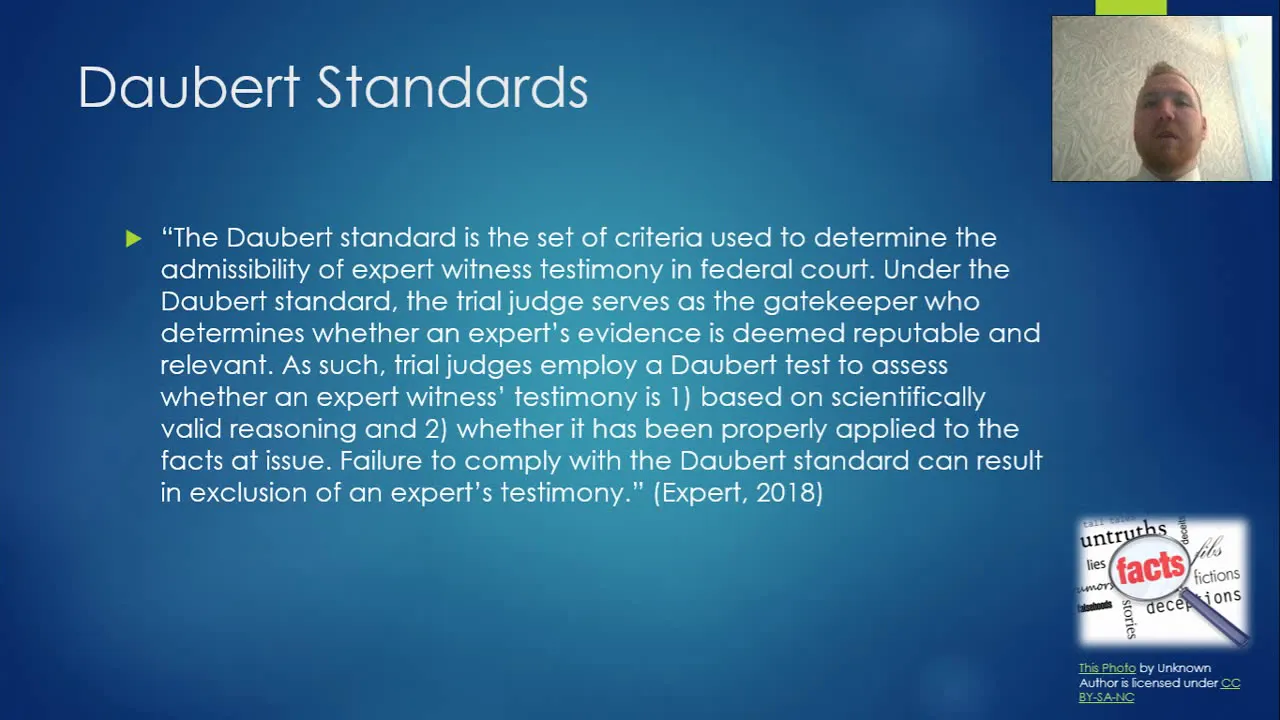
The standards for admissibility of expert testimony in New York courts (such as the Frye standard).
Analyzing New York's laws regarding damages, including the lack of caps on non-economic pain and suffering damages.
Exploring the statute of limitations for medical malpractice actions in New York and exceptions like the 'continuous treatment' doctrine.
865 views8likes3:22Original Release: 2013-05-27
did you know that in a medical malpractice case in new york we have to show that the doctor violated the standard of care in order to show that they are responsible for the injury and the harm that you suffered would you like to learn what this is about come join me as i share with you this great information hi i'm gerry oginski i'm a new york medical malpractice and personal injury trial attorney practicing law here in the state of new york you know we have to determine whether or not the doctor violated the basic standards of care in order to determine whether or not he's responsible for the injuries that you suffered now why is that and first of all what is the standard of care well let me share with you a couple of things there are basic patient safety rules that the doctor must adhere to for the benefit of treating patients the doctor also should know what the standards of care are for different scenarios and many times especially doctors who are board certified have achieved a certain level of certification and that means they have achieved the baseline standards and understanding that is applicable not just in brooklyn not just in the bronx or queens or manhattan or long island but throughout new york throughout new jersey throughout connecticut throughout every single state so let me give you an example let's say you go to a gastroenterologist and now you're complaining about a problem well if that gastroenterologist is board certified in new york those standards that he is aware of and should be aware of are the same as the standards that a doctor in california should be aware of and the doctor in florida should be aware of and a doctor in new jersey so those are basic standards of care the doctors all across the country who are board certified should recognize and understand so now when you come into the doctor with certain conditions complaints and now the doctor begins to evaluate you there are certain tests and evaluations that need to be done and if the doctor fails or violates those basic standards of care and does not do what he's supposed to do then all of those things may be a violation of the standard of care and may cause you significant injury and harm and so the real question is what is the standard of care well the reality is the standard of care is the baseline knowledge of medicine that the doctors in that specialty are required to have and in every medical malpractice case in new york we are required to bring in our own medical experts to come in and establish what the standards of care are that in this particular instance it is required that a doctor evaluate this patient and come up with maybe a differential diagnosis so why do i share this information with you i share with you just to give you an idea and an understanding about what is the standard of care how it's established and what happens when a doctor violates the standard of care you know chances are you have questions or concerns about your own particular matter and if your matter happened here in new york and you do have legal questions what i encourage you to do is pick up the phone and call me i can answer your legal questions i do this every single day and i welcome your call you can reach me at 516-487-8207 or by email at gerry g-e-r-r-y at oginski-law.com that's it for today's quick video i'm gerry oginski have a wonderful day bye woo
Up Next

56:37
Medical Malpractice Defense: Working with Outside Counsel
@FredriksonandByron
468 views•2015-12-28

6:55
Understanding Copyright and Fair Use in the Digital Age
@techquickie
144.1K views•2016-07-22

5:27
Forensic Phonetics: Speaker Identification in Legal Cases
@nptel-nociitm9240
539 views•2025-03-19

24:42
Police Interrogation Tactics: False Confessions & Legal Reform
@LastWeekTonight
7M views•2022-04-18
Related Study Plans & Knowledge Roadmaps
Structured learning paths in Law
law
Analyzing Mergers: Clayton Act & FTC Rules
01Introduction to Antitrust Law and Market Competition
02Corporate Mergers and Section 7 of the Clayton Act
03Defining Markets and Measuring Concentration (HHI)
+ 2 more learning modules
10h5 modules
Explore Roadmap
law
Self-Defense Law: Imminence & Castle Doctrine
01Foundations of Self-Defense Law
02Imminent Threat & Reasonable Belief
03The Principle of Proportionality
+ 3 more learning modules
12h6 modules
Explore Roadmap
law
Defamation Law: First Amendment & Actual Malice
01Introduction to civil torts and the First Amendment
02Elements of Defamation: Libel and Slander
03Public Figures vs. Private Individuals
+ 2 more learning modules
8h5 modules
Explore Roadmap
law
Hearsay Rule: Trial Evidence & Exceptions
01Introduction to Trial Evidence & Courtroom Basics
02Demystifying Hearsay: The Core Definition
03Non-Hearsay: Exclusions Under FRE 801(d)
+ 3 more learning modules
14h6 modules
Explore Roadmap