


![투자의 본질, 대중들이 인지하지 못하는 기업가치를 주목해야 합니다!ㅣ[특강 1부] 체슬리 박세익 전무ㅣ투자의 본질](https://i.ytimg.com/vi/m7K7ym4S2uw/maxresdefault.jpg)





![MEGA REVISÃO Noções de Economia e Finanças [parte 2] 🔥 POLÍTICAS MONETÁRIAS 📚 CPA-10, CPA-20 e CEA](https://i.ytimg.com/vi/ryZMdEAkZL4/maxresdefault.jpg)





![L'échec d'un système 💔 [Yorick de Mombynes] #FIAT #Bitcoin](https://i.ytimg.com/vi_webp/O8tAgsZA5OE/maxresdefault.webp)




![Quelles stratégies à appliquer contre l’inflation en 2022 ? [Didier DARCET]](https://i.ytimg.com/vi_webp/cOmyZvQrbZA/maxresdefault.webp)



Central banks face a fundamental dilemma where expansionary monetary policy benefits the wealthy and indebted while harming savers and the poor, as low interest rates and quantitative easing create artificial economic growth that masks underlying debt problems and inequality; this policy framework, while appearing to stimulate economies, actually distorts resource allocation and exacerbates wealth gaps.
Central Banks in Crisis: A Critical Analysis with Daniel Lacalle
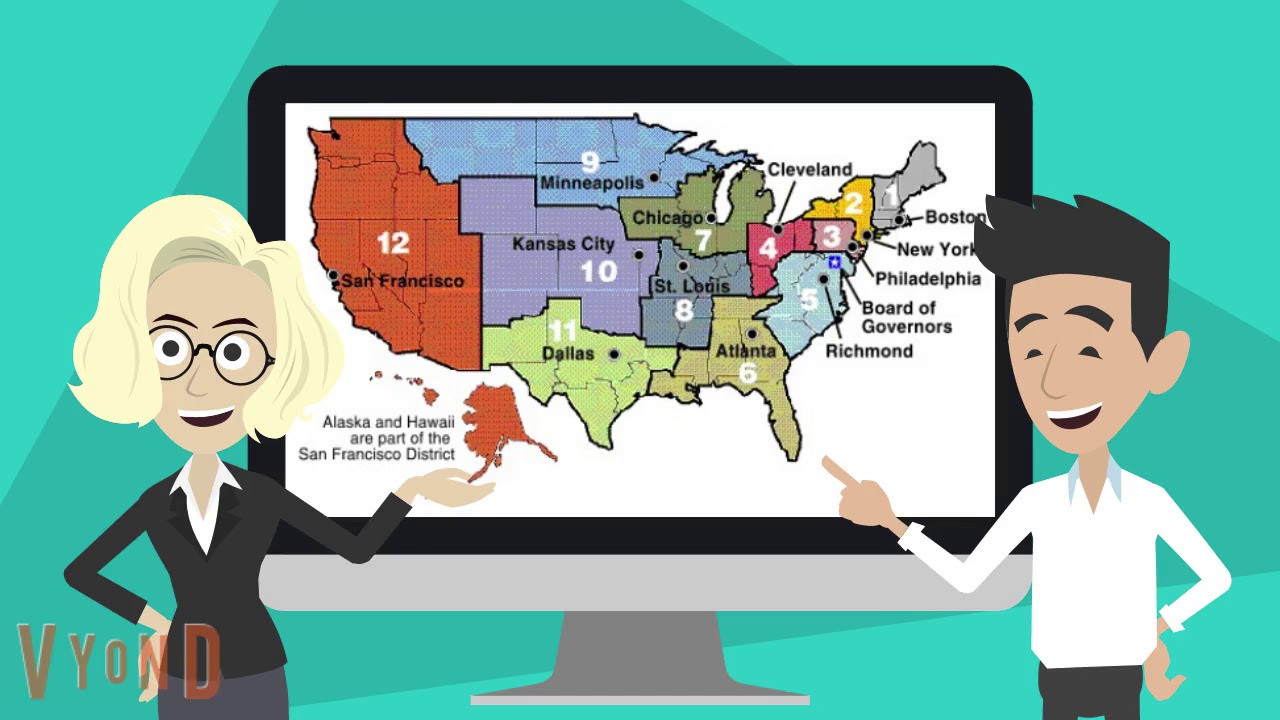
Added:The fundamental functions of central banks, including interest rate setting, reserve requirements, and money supply regulation.
The mechanics of Quantitative Easing (QE) and how central banks use asset purchases to inject liquidity into the financial system.
Basic macroeconomic relationships, specifically how interest rates influence inflation, asset prices, and borrowing behavior.
The concept of national debt and the interplay between fiscal policy (government spending) and monetary policy (central banking).
The Cantillon Effect and the specific mechanisms through which monetary expansion exacerbates wealth inequality.
Austrian School economic theories regarding credit cycles, malinvestment, and critiques of fiat currency systems.
Strategies for asset allocation and wealth preservation in environments characterized by persistent inflation and currency debasement.
Case studies of historical sovereign debt crises and the systemic risks associated with central bank balance sheet expansion.
4.3K views143likes29:06Original Release: 2018-12-28
[Music] this is Mises weekends with your host Jeff dice alright ladies and gentlemen welcome back once again to Mises weekends I hope you all had a very Merry Christmas this past weekend I'd like to wish you all a very happy new year as we go into 2019 and we do so with one of my favorite guests the great economist Daniele la calle many of you know him as someone who's been on the show before he's been sort of back and forth between London and his home in Madrid over the past few years and very active on all the talking head shows but perhaps more importantly for our purposes author of a great book called escape from the central bank trap Danielle great to see you great to talk to you as well pleasure well I have to start with this dog-and-pony show of a week or so ago when Jerome Powell made his dreary announcement that we're gonna have another quarter point interest rate high I what kind of economy is so terrified of of two and a half or three percent interest rates it seems absurd to me it is it is completely absurd and it shows what what type of bubble we live in that an economy with almost 3 percent unemployment 3 percent inflation is not going to take a rate hike of 25 basic points sounds absurd it is completely absurd if you think about it from the real economy perspective because we're talking about a rate hike that has very little sort of effect in the real economy the investment decisions in everything that should be you know a really strong economy you know and and to think that there are people out there sort of is implying that that's such a completely tiny miniscule rate hike more importantly announced I don't want to know how many times I don't even want to know want to remember how many times have they said that rate hikes are going to follow this path announcing it over and over and over again precisely for the real economy to get used to it but ah here's the problem is that the financial asset led economy is very much based on single trade which is the Fed will not do what they said they will do and as such we have the tantrum that we have seen in the markets but but the economy can should and must take a rate hike that by the way continues to place the Fed below the curve yeah well it's interesting Austrians get a lot of heat sometimes for their obsession with central banking do you think we put too much into central bank that it has a smaller effect on the economy than we imagined no I think we rightly place the blame and and you know under the headline and and and the impact of the central bank is enormous the impact of the central banks is enormous because at the end of the day in the in the last ten years what we have seen is unprecedented we have seen an unprecedented increase in money supply and unprecedented monetary stimulus we have never seen anything like what we have seen with all central banks almost in tandem raising their balance sheet to above 20 percent of GDP in the case of the United States but a hundred percent of GDP 40 percent of GDP in the case of the of the eurozone and at the same time massively distorting the price of money so at the end of the day obviously we we are we're doing the right thing which is which is to show that the the one single factor that has the biggest impact on the economy is a central bank that is distorting the amount and and the price of money you think Jerome Powell is is well read do you think he would accept the broad parameters of business cycle that that banks are too expansionary malinvestment occurs as a result and and then there's a bus later do you think he'd accept that just conceptually to a certain extent yes I don't think that he sees it from the perspective that we see it I've had the pleasure of speaking with him and I don't think that he sees it from the perspective that we see it of incentivizing malinvestment by lowering interest rates to unsustainable levels and I don't think that he sees it either from the perspective of banks having a perverse incentive to to create these bubbles that we talked about but I do think that he does understand that there is a point in which further stimulus is not going to help the economy rather it's going to harm the economy and I think that he understands that that if the if he believes in central in the central bank as a factor that sort of smoothes out economic cycles if interest rates are not height right now and the quantity and the balance sheet of the central bank is not reduced right now then it is going to create a much larger and very important a problem once the cycle truly changes so you mentioned the the extraordinary monetary policy the last 10 years is that mean we'll never see 10 or 15 percent feds fund rate again in the in the u.s. like we saw in the seventies or those days simply over in America I think yeah I think that they are over I mean obviously never I wouldn't dare to say never as Janet Yellen said that we would never see a crisis in in our lifetime it's very difficult that we see interest rates of 10-15 percent because it's also extremely difficult that in a globalized economy in which the level of debt is is as high as it is right now and will likely continue to rise it is very unlikely that we will see the levels of inflation that those 10-15 percent rates implied as well know so it's very very unlikely we have to that technology hi dad many of these factors basically erode inflationary pressures and some of those factors are truly are fantastic like globalization like the improvement in in in worldwide commerce the increase of technology efficiency all those factors are very positive obviously unfortunately the massive increase in debt is not a positive but all of those factors are disinflationary so it is very unlikely that we will see the levels of inflation that we saw in those in those years and with that that that price that price of money those interest rates well if we look at the West we look at this huge increase in debt we have we have sovereign debt exploding we have corporate debt exploding personal and household debt mortgages credit cards student loans the amount of debt today versus 2008 the last crisis is is almost unfathomable so doesn't this mean that raising interest rates is today by central bankers is very different than raising them 30 or 40 or 50 years ago it is a different animal today it is a completely different animal absolutely it is but that is precisely why communication and the way in which interest rates are set is so important from placing myself in the in the position of how central banks think it is so important that they constantly give guidance about what the rate hike path will be and that they adhere to it because when they don't is when you create the the massive perverse incentives that lead to bubbles if you say I'm going to increase rates next year two times you don't decrease them then there's a there's a massive by the junk type of end and and get more get more into more debt type of type of situation I think that what happens is that on one side you want to have interest rates that disincentivize the malinvestment that we were talking about before and that prevent the creation of large bubbles but at the same time we want interest rates there are no enough for governments to sort of absorb this kind of debt and it's it's a it's an impossible scenario to contemplate you cannot have interest rates that are low enough for governments which are the first recipients of money and obviously the ones more incentivized to increase that because they don't suffer any of the negatives of increasing debt and at the same time prevent the creation of bubbles and the creation of large financial asset imbalances well here's a point I'd like to make which is at least speaking to America there are still poor people in America who might go into a rental center to read some furniture or a TV or might obtain a credit card they're still paying twenty two percent interest on these things in other words ultra low interest rates haven't necessarily helped people at the very bottom much at all low interest rates never help people at the bottom because low interest rates and high liquidity always benefit the ones that are already indebted and that are the first recipients of money therefore governments the very wealthy and extremely high intensive acid wealth no mmm sectors so obviously the the who suffers from from money creation and from very low interest rate savers and salaries the the the and as you very well say the poor if they have to use a credit card to to finance some of their purchases they're going to be paying twenty two percent who pays who pays two-and-a-half percent the extremely indebted and the government that's basically basically the it's it because so that's why funnily enough these monetary policies are allegedly made to sort of help redistribution of wealth what they create is actually more inequality because the the the sectors that are not that do not access debt and do not access stock markets or financial assets those are not just not benefited they are the ones that are actually suffering from it because they see the inflation that we believe is low but is high for them now and they see that the that the cost of borrowing a little bit for tiny purchases is actually very very high well you talk a lot about the effects of QE both in the US and in Europe I'd like to touch on that first of all your argument is not that all the growth in the u.s. since the crisis of 2008 in in equity markets in housing in jobs and consumer confidence etc you would not argue that all of that has been artificial and and purely purely a result of fed stimulus you would argue there is some organic growth in the United States economy yeah there is there is obviously the US economy is is completely different to the Japanese or the oh the European one because the real economy is not is barely financed by the financial system by the banks so it's about 20 percent of the real economy is financed by by the banks and as such artificial money creation does obviously lead to pockets of bubbles here and there but but it's a much more dynamic and much more real economy than economies that are sort of very clustered around government spending like the Japanese or the all the eurozone one now as part of that just because the United State is so vast in inside the scope when you say only about 20% of it is directly financed by banks you know just explain a little bit more what you mean and does that help us understand why QE hasn't led to huge CPI increases yeah well if you think about the the real economy when the real economy is extremely the pendant on bank financing very large changes in interest rates and in money supply coming from central banks create a very quick domino effect into the economy why because banks basically are penalized for holding assets and they are incentivized to lend almost at any cost this is what happened in the stimulus of the eurozone of 2008 this is what happened actually the eurozone has been a chain of stimuli since its creation but in the case of the of the United States it is true that there is a very large sort of financial asset based economy but the real economy is mostly financed by a via equity and we talk a lot about the debt of the S&P 500 companies we talk a lot about the debt of the large companies that are quoted but that is a very actually it's a very small proportion of the economy hmm and it's not just because it's very large it's because it is very independent from from government the the US economy the year's economy the small and medium enterprises the the households etc depend very very little on government spending the obviously the the public sector work forces is significantly lower than in then in the eurozone or in other in the eurozone countries for example so it's much more it's a much more dynamic economy and it is also an economy in which there is a very quick process of penalization of mistakes that is that that creates that the the positive effect of creative destruction so yes you do get pockets of bubbles you get the tech bubble those companies go bust certainly hey you have this massive investment that has already happened and you have other companies that take over and that mmm generate higher returns that's why it is an uncommon an economy that tends to avoid the risk of zombification that economies in with that depend too much on the on the sort of circle of government and crony sector type of let's say base depends now so if you look at for example the from 2000 in the crisis of 2008 one of the reasons why the why the US economy recovered very very quickly was because you had a very quick process of creative destruction you had yes you had numerous bankruptcies you had foreclosures you have all those things but quickly you have people buying those assets people restructuring those those those companies people making big big changes into that you don't have sort of a subsidy system that would samba fie the in competitive sectors you do have it in some parts in the United States economy but it is much much more dynamic and much more let's say price and profit driven this is the key the key is that the u.s. is a profit driven economy will that is not the case of Japan or or the eurozone for example well you point out that Europe is actually not doing nearly as well as I think a lot of Americans might believe so ECB QE has not been a resounding success I was I was interested in where you point out not only is government spending as a percentage of GDP up but I didn't realize unemployment in Europe in the eurozone is maybe twice that of the United States yeah so why why why isn't this seen as a refutation of QE you find it very interesting I think that there is you know what happens you know when you travel a lot like I have the the great opportunity to do is that you see how when you travel to the United States most people have a very negative perception of what is happening in the United States why because everything that you read every day is is negative and you think that everybody else is doing phenomenally in the in the eurozone and obviously if when you travel you tend to travel on holidays and on holidays your beautiful cities lovely restaurants great tricks you know great things but at the end of the day when you're thinking about the economy the the reality of the eurozone is is very very challenging because we took yes first the eurozone unemployment is doubled not only the United States rate but also the Japan and other comparable economies rate so that is a bear a very good problem youth unemployment is also a dramatic problem in the eurozone because it has a system that is allegedly a protection system that doesn't protect that basically just keeps a very high level of unemployment and this is not a fixture that has always been that way Olivier Blanchard and many other economists have pointed out how the eurozone the the European Union and the United States had very similar rates of unemployment about 20-25 years ago it's just moved dramatically dramatically in different directions since the implementation of this directed economy and it's very easy for some economists to blame it on the Euro or to blame it on the currency oh it's because of the currency they can't print money and therefore they if countries cannot print money well it didn't work either before it didn't work for Italy or Spain before when they had their own their own currencies so unemployment is a very big problem the other big problem is how quickly industrial production credit growth direct financial investment in hiring decisions consumer confidence deteriorate after the stimulus has happened it's been staggering to see how quickly I can even the the allegedly strongest economy of the eurozone Germany how quick it has deteriorated in 2018 but the case of France which has never had any austerity is is also quite quite staggering and and it's not because of the monetary policy it is not because of the of the not being able to print the currency by each of the countries it is because it has implemented a completely directed economy model copied from the French do you think we'll ever see a day where their art sovereign bonds among eurozone countries that they'll just be euro bonds in other words to have a single currency but to have all these countries still issuing their own debt seems unsustainable long term it is to a certain point instant unsustainable but it is very difficult to you have to change the structure of the euro zone in order to have Euro bonds you cannot have Euro bonds when you don't have credit responsibility because if you have if you have euro bonds today in essence would what I don't know France or Italy or Spain or Portugal or Greece will would be doing would be to issue a lot of debt underwritten by Germany and you know think about it from the perspective of the United States the reason why the United States has a fiscal Union and has the ability to to sort of have that that that that system is because at least so far there is credit responsibility so when California goes back bankrupt it doesn't get bailed out by I don't know any no Texas by alright text although the Texas believe that they do but it's not true so the the the problem of the eurozone is that is a system that from the fiscal perspective it is based on credit irresponsibility so you you get penalized if you do well hmm if you do well the ECB is gonna buy less bonds from you if you do well your your your savings are going to be used to finance the excess spending of other countries so it becomes it is a fiscal system that is the equivalent of a classroom in which you get penalized if you get a if you get A's No so you have all the incentives to have lots of DS and be and be bailed out and that is so you cannot have Euro bonds in that environment you need to have some level of fiscal responsibility that is that is not based on oh yes we have a deficit target of 2% whoops it went to fall guess what no problem you have to have some level of real credit responsibility that is very very difficult in a euro zone in which the main target the main objective of all of the governments is to avoid the pain and avoid the pain means that you cannot be you don't penalize the ones that do things very incorrectly and you don't reward the ones that do very well well then your final question for you we live in the world we live in central banks are as they are if you could sit down and advise people at the Fed or the ECB today what would be your real world advice to you know given the situation we're in today I think that the my real world advice would be to say first you need to stop looking only at CBI at for consumer price index for for your analysis of what monetary policy is doing you need to look at financial assets you need to pay attention to financial assets because financial assets lead the bubble but the burst of financial assets hurts the real economy so you need to look at that and you need to really from a serious perspective look at whether valuations are aggressively heated or so that that is one of the key factors that I would say the other is that you know central bank's only rely on one thing which is faith if they lose the conference of citizens and they're very close and they are extremely close to that then it's going to be a big big big disaster so what they want us to sort of continue to be moderators of liquidity and improvements in the economy etc but they definitely need to do is three things one is that they need to be data dependent that they need to they need to say look this is the way in which we will set rates this is the way in which is going to be in which liquidity is going to be injected and it's going to be based on these parameters so that me or any other financial investor doesn't go out and say ha ha ha opportunity to buy the junk so that is one so data dependent the second is communication do what you say if you don't do what you say do you create the perverse incentive that you're seeing in the eurozone that you're seeing in so many countries in which countries in which governments in the euro zone are saying now we don't care that the ECB is is not going to buy bonds anymore because we're going to continue spending they will have to buy them so do what you say you do because if you don't you will you are basically generating the the next crisis the third and I think that is an important factor is you cannot just look at CPI you cannot end end unemployment you need to add other factors and other factors that are extremely important here is not just credit growth per se money supply growth but quality of that credit growth so they need to go they need to be more detailed for example about analyzing what type of credit growth is happening in in the economies that they are sort of directing think about this for example when I visited the ECB recently I told them that one of the things that worried me was that 80% of investment growth in the eurozone of investment growth okay was recycling of capital guess what very few first knew that that piece of information secondly very few thought of that as a problem it is a problem because it's part of this massive illusion of multiple expansion now so those three factors I think would be very important I think that there's a you know I'm not going to defend it but the I I sort of understand the new school of Fisher Irvin Fisher followers that basically believe that it is interest rates going higher what will actually drive better and stronger growth and better growth of of capital expenditure instead of low rates and high liquidity but you know those three factors pay attention to financial assets communication do what to say third pay a lot of attention about the quality of credit growth well Daniel that's all really fascinating stuff we'll see what Paul does he certainly claims to be data-driven so far he's stuck to his guns on these interest rate hikes we'll see but but what I like about him is he sees by all accounts you know not a walk he's not a PhD academic he's a lawyer and and we're going to see just how data-driven he is that said Daniel thanks for your time ladies generally the easiest way to follow Daniel and his work and catch up on you know his appearances on the talking head shows us via Twitter on his Twitter feed it is at D like ia underscore ia and Daniel we thank you for your time late to tell them and have a great New Year's Eve thank you so much happy New Year to everyone and thanks for having me subscribe to Mises weekends via iTunes you stitcher and SoundCloud or listen on Mises org and YouTube [Music] you
Up Next

35:30
Central Bank Independence and Democracy: A Political Theory Analysis
@WatsonSchoolBrown
11.6K views•2025-09-19
5:07
Impact of Yuan in Indo-Russian Trade Amid Sanctions
@WION
261.9K views•2022-07-01
10:33
Behavioral Economics Explained: Rationality, Nudges, and Risk
@crashcourse
1.1M views•2016-03-12

113:18
The Age of Easy Money: Fed & Inflation | Full Documentary
@frontline
21.2M views•2023-03-15
Related Study Plans & Knowledge Roadmaps
Structured learning paths in Economics
economics
Sovereign Debt: Defaults, IMF & Restructuring
01Introduction to Sovereign Debt & Government Bonds
02Debt Sustainability & Credit Ratings
03Anatomy and History of Debt Crises
+ 2 more learning modules
12h5 modules
Explore Roadmap
economics
Market Design: Matching Theory & Gale-Shapley
01Introduction to Market Design and Price-Free Markets
02Two-Sided Matching & The Gale-Shapley Algorithm
03School Choice Systems and Mechanism Design
+ 2 more learning modules
10h5 modules
Explore Roadmap
economics
Impossible Trinity: Forex, Capital & Policy
01Introduction to Monetary Policy and Central Banking
02Exchange Rates and International Capital Flows
03The Mundell-Fleming Model
+ 2 more learning modules
8h5 modules
Explore Roadmap
economics
Healthcare Economics: Market Failures & Systems
01Introduction to Healthcare Markets and Market Failure
02Asymmetric Information and Adverse Selection
03Moral Hazard and Insurance Design
+ 2 more learning modules
12h5 modules
Explore Roadmap