


















Quantitative easing (QE) is an unconventional monetary policy tool used by central banks to stimulate economic recovery during severe recessions when traditional interest rate cuts reach their limits; it involves the central bank creating new money to purchase large quantities of financial assets (such as government bonds and mortgage-backed securities) from the market, thereby increasing the money supply, lowering borrowing costs, and encouraging lending and investment, though it carries risks including potential inflation and the possibility that injected liquidity may be hoarded rather than circulated, requiring careful management when reversing the program.
Quantitative Easing Explained: How Central Banks Stimulate Economies
Added:The role of central banks and traditional monetary policy tools, such as setting reserve requirements and discount rates.
The mechanics of conventional Open Market Operations (OMO) involving short-term government debt.
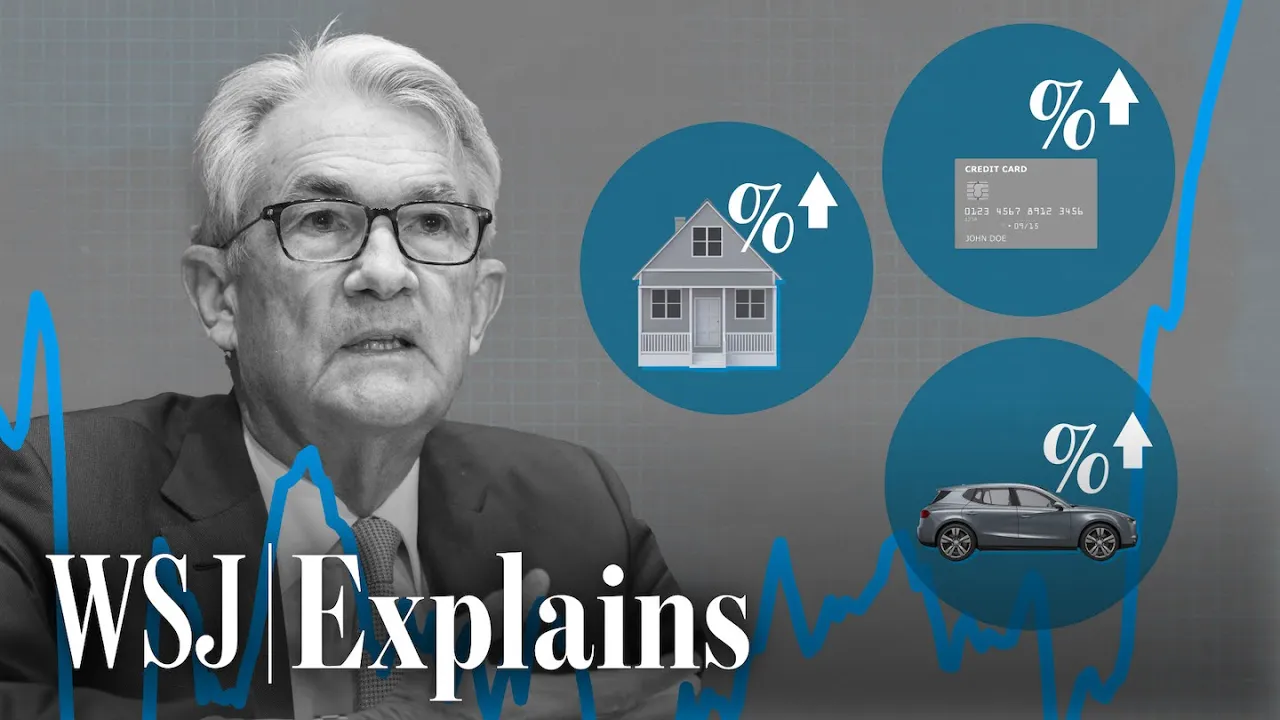
How interest rates influence consumer borrowing, business investment, and overall economic demand.
The fundamental relationship between money supply, economic growth, and inflation.
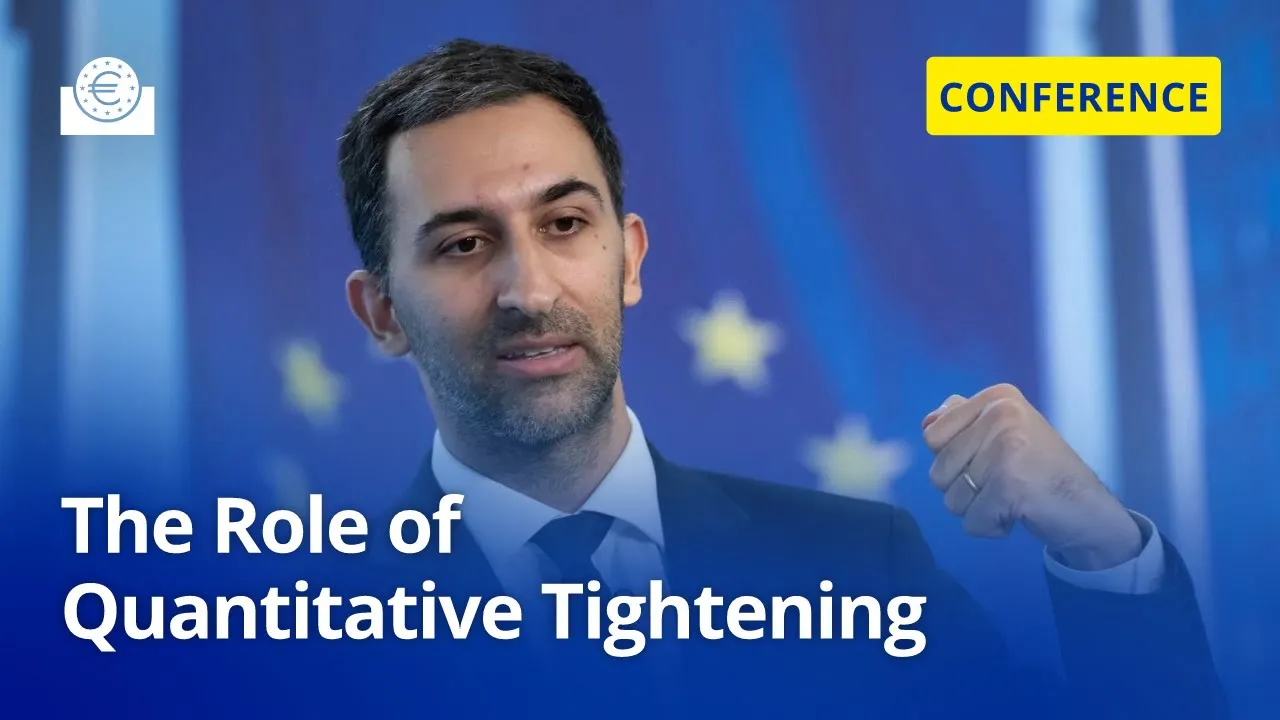
The mechanics of Quantitative Tightening (QT) and how central banks shrink their balance sheets.
The 'Zero Lower Bound' (ZLB) constraint and alternative unconventional policies like Negative Interest Rate Policy (NIRP) and yield curve control.
The impact of prolonged QE on asset price inflation, wealth inequality, and financial market distortions.
The historical case studies of QE implementation, such as Japan's economic stagnation or the Federal Reserve's response to the 2008 Financial Crisis.
661.8K views20.2Klikes11:44Original Release: 2019-12-13
this video is sponsored by skillshare go to skl.sh the plain bagel 5 to get a free two-month premium trial quantitative easing is something we've seen pop up around the world ever since the 2008 financial crisis the us uk eurozone and japan are just some of the countries that have implemented the unconventional monetary policy as a way of helping their economies recover from the recession but what exactly is quantitative easing well the short of it is that it involves printing money which is thought to encourage business activity but it's a little more complicated than just creating dollar bills and tossing them from a helicopter to cheering crowds and businesses below the central bank will use the newly created money that it produces to purchase assets from the market and while this isn't different from what the institution actually typically does it's the scale and the type of assets involved that makes quantitative easing so unconventional and quite frankly controversial so let's go through how quantitative easing works and what it means for the economy on today's plain bagel a country central bank like the federal reserve in the us and the bank of canada and canada is the steward of the country's currency they are intended to be an independent institution from the government and among the responsibilities is the task of actually issuing money and managing its supply while simultaneously helping the economy maximize employment and stabilize prices so when a country starts to show signs of a slowing economy the central bank will typically step in to try and boost business activity through expansionary monetary policy which involves influencing the country's currency to encourage more spending and lending one way they do this is by changing their policy interest rates which you hear about in the news quite a bit especially within the last decade by lowering interest rates they pay on their deposits that they receive from other banks the central bank applies downward pressure to other interest rates within the economy from interest rates paid on government bonds and corporate debts to car loans and mortgages that you or i might take out the idea is that a lower cost of borrowing will encourage spending which is a fair assumption if you were going to buy a house for example you might be more inclined to make a current purchase if you could borrow at a lower interest rate whereas if interest rates were higher you might decide to hold off and at the very least increase the down payment you make before making the purchase so that you don't have to borrow as much and pay the expensive interest rate that you're going to be charged low interest rates have prevailed in most developed countries since the 2008 financial crisis but as you would expect interest rates can only go down so far in the us and canada the central bank interest rates are in the low single digit range and in the eurozone and several other countries around the world rates are actually in the low negative range and so with little to no leverage left in that department many central banks have implemented or considered expanding quantitative easing programs first started a decade ago as a way to continue stimulating their economies quantitative easing or qe as it's commonly referred is the process by which the central bank injects money into the economy but while it's often imagined as a central bank printing dollar bills and giving them to banks and corporations it's not that simple firstly the move is actually mostly digital with the central bank simply crediting themselves electronic funds and the money enters the economy through open market operations that is the central bank inserts itself into the market as a buyer and purchases securities and assets using its new money typically buying government bills and bonds from other banks this action increases an economy's money supply by buying the assets the central bank is replacing them with new money as if pulling the funds from an alternate dimension and injecting them into the economy the process also leads to the central bank increasing or expanding its balance sheet since it will end up holding financial assets so why does the central bank consider doing this what's the benefit of buying financial assets from the market well one of the main objectives of qe is to lower the costs of borrowing i.e they're looking to ease a country's financial markets this is done during periods where financial markets are tight or when banks are more reluctant to lend like after the financial crisis when the credibility of many businesses and organizations became less certain now when overnight rates are near zero percent from the central bank's influence banks already borrow at a cheap cost but the rates they turn around and charge on other longer term loans may still be high so by increasing money held by the banks which is sitting around not earning a very high return the hope is that the banks will be more willing to lend out to businesses and consumers and since there's more banks with more money to lend they will ideally compete in lower interest rates making it easier for market participants to borrow and spend thus theoretically saving the economy this is why higher money supply is thought to lead to lower interest rates money becomes easier to come across so it costs less to borrow qe can also decrease interest rates by lowering the yields on financial assets as a quick refresher yield is the income return an investor receives when they purchase an investment it's interest or dividend payments divided by the price paid the market price by buying financial assets like treasury bills the central bank increases its price by bidding it up thereby lowering its yield with interest rates remaining constant this has a number of effects for one it can make it easier for the government to borrow money moving forward for example imagine the government has issued one thousand dollar treasury bills that pay twenty dollars annually so what two percent annual interest rate and the central bank has bid up the price of outstanding treasury bills to 1 100 so they now only offer a yield of 1.8 to new investors because outstanding treasury bills only offer a 1.8 return to investors government could issue future treasury bills that pay say 18 annually and still offer a competitive rate lowering their own cost of borrowing and allowing them to spend more in this way qe can actually help a government pursue fiscal policy whereby the government increases spending to directly increase economic activity another effect of this is that it encourages more investment in riskier assets since government debt which is fairly not risky offers a less attractive return investors may look to sell treasury bills and bonds to purchase higher yield corporate bonds in stocks something that can help boost the stock market and improve capital market conditions again making it easier to borrow money so that's why central banks might pursue qe but what we've described isn't much different from the standard open market operations carried out by central banks in fact purchasing treasury bills is one of the standard mechanisms used by the federal reserve for managing the federal funds rate in the u.s what makes qe different is its scale in the fact that it can span other financial assets outside of government debt in the us for example the federal reserve found itself adding almost four trillion dollars to the us economy after 2008 and from 2009 to 2010 the central bank bought just over one trillion dollars worth of mortgage-backed securities an investment that became unpopular and risky due to its exposure to the housing market this not only helped boost money supply but it unloaded unwanted assets from the banks with the hope that it would improve confidence in the housing market and allow banks to continue providing mortgages to home buyers sounds like a pretty solid win-win right an institution that can print money buys assets investors don't want to boost the economy what could go wrong well as with most things in economics the action is not without its own risks and downsides for one qe can lead to runaway inflation inflation is when the value of a currency falls with more money in circulation each dollar becomes less valuable leading to rising prices qe will most of the time cause inflation and while most developed countries target a low single digit inflation rate they may accidentally push inflation much higher potentially causing a crisis when qe is implemented secondly injecting money into the economy may not necessarily lead to higher business activity after all the central bank can't force banks and businesses to use their newfound liquidity and if institutions don't have confidence in the stability of the economy they may simply hoard their newfound cash this is part of the reason why japan has continued to experience deflation even after implementing qe programs and boosting money supply quite a bit and even u.s banks were found to have held quite a bit of the money they received from the post 2008 program rather than lending it out finally qe programs are not intended to be permanent once the economy has recovered gone back on its feet and inflation starts to rise the central bank will often reverse its qe program selling nests back into the market shrinking or unwinding its balance sheet and sterilizing or destroying money it receives to reduce money supply and keep inflation in check effectively putting money back into the alternate portal it pulled it from but the timing of this step is just as important as the decision of implementing qe if done at the wrong time it can make a bad situation much worse taking away a crutch businesses and banks have come to rely on now qe is thought to have helped quite a bit with the post-2008 recovery of countries around the world according to institutions like the imf but we have yet to see countries fully reverse the programs they put in place the u.s federal reserve's balance sheet still has roughly four trillion dollars worth of assets up from around one trillion dollars in 2008 so while the process can support a country and bring cash to businesses in need it requires extreme caution and care if a country wishes to maintain confidence in its economy and importantly its currency thanks for watching if you like this video make sure to hit the like button if you like what we're doing here make sure to subscribe hit the bell icon if you want notifications about future videos if you have any feedback or topics you want me to cover in a future video leave a comment down below for the plain bagel my name is richard coffin thanks for joining me today hey have you heard of skillshare well they're the sponsor of today's video and i think you should check them out why well it's a website that offers thousands of classes teaching you different skills classes are offered in a video format are segmented into short lessons and cover pretty much whatever hobby or skill you want to develop want to learn coding great how about cooking sure thing wine tasting uh yeah that's on there too actually and honestly there's more than can be listed a great one on the topic of finance is modern money habits five steps to build the life you want a great start to finish discussion of money and personal finance and hey if you're not sure where to start wanna begin with how to learn strategies for starting practicing and mastering the skills you've always wanted which goes over learning methods now skillshare normally costs 10 a month for its premium membership which gives you unlimited access but how would i cut you a deal if you visit skl.sh the plain bagel 5 link in the description below you can try it out for two months free a child to see if you like it that you can cancel any time it's a great service with a lot to teach you and trying it out will support the channel join skillshare that i sent either way so whether you're looking to try something new or further advance your talents check it out it's got a lot to offer you
Up Next
7:37
Quantitative Easing Explained: How the Fed Stimulates the Economy
@marketplaceAPM
514.9K views•2008-12-23

5:07
Impact of Yuan in Indo-Russian Trade Amid Sanctions
@WION
261.9K views•2022-07-01

13:22
What Happens When a Country Defaults on Its Debt? A Deep Dive
@ThePlainBagel
528.7K views•2022-09-16

113:18
The Age of Easy Money: Fed & Inflation | Full Documentary
@frontline
21.2M views•2023-03-15
Related Study Plans & Knowledge Roadmaps
Structured learning paths in Economics
economics
Sovereign Debt: Defaults, IMF & Restructuring
01Introduction to Sovereign Debt & Government Bonds
02Debt Sustainability & Credit Ratings
03Anatomy and History of Debt Crises
+ 2 more learning modules
12h5 modules
Explore Roadmap
economics
Market Design: Matching Theory & Gale-Shapley
01Introduction to Market Design and Price-Free Markets
02Two-Sided Matching & The Gale-Shapley Algorithm
03School Choice Systems and Mechanism Design
+ 2 more learning modules
10h5 modules
Explore Roadmap
economics
Impossible Trinity: Forex, Capital & Policy
01Introduction to Monetary Policy and Central Banking
02Exchange Rates and International Capital Flows
03The Mundell-Fleming Model
+ 2 more learning modules
8h5 modules
Explore Roadmap
economics
Healthcare Economics: Market Failures & Systems
01Introduction to Healthcare Markets and Market Failure
02Asymmetric Information and Adverse Selection
03Moral Hazard and Insurance Design
+ 2 more learning modules
12h5 modules
Explore Roadmap