
















![[#벌거벗은세계사] 2시간 만에 사라진 주식 투자 금액 100억 달러💸 세계 경제를 이끌었던 미국 자본주의의 붕괴💥](https://i.ytimg.com/vi/1Kus6Ox0IX0/maxresdefault.jpg)

![[최배근 TV Live] 미국 경제 '양적완화 함정'에 빠질 것인가?](https://i.ytimg.com/vi/7pqIGSAR1sk/maxresdefault.jpg)

![강달러 고금리는 끝났는가 [신과대화: 오건영 신한은행 부부장]](https://i.ytimg.com/vi/GB6Lu7nyCfU/maxresdefault.jpg)

Quantitative Easing (QE) is a monetary policy tool used by central banks like the Federal Reserve when traditional interest rate cuts are insufficient to stimulate the economy. When banks refuse to lend to businesses despite having access to cheap money, the Fed responds by purchasing financial assets (such as treasury bonds and toxic securities) from banks, thereby injecting money directly into the banking system and encouraging banks to lend to the broader economy instead of holding safe assets.
Quantitative Easing Explained: How the Fed Stimulates the Economy
Added:Understanding the role and mandate of the Federal Reserve as a central bank, including its dual mandate of price stability and maximum employment.
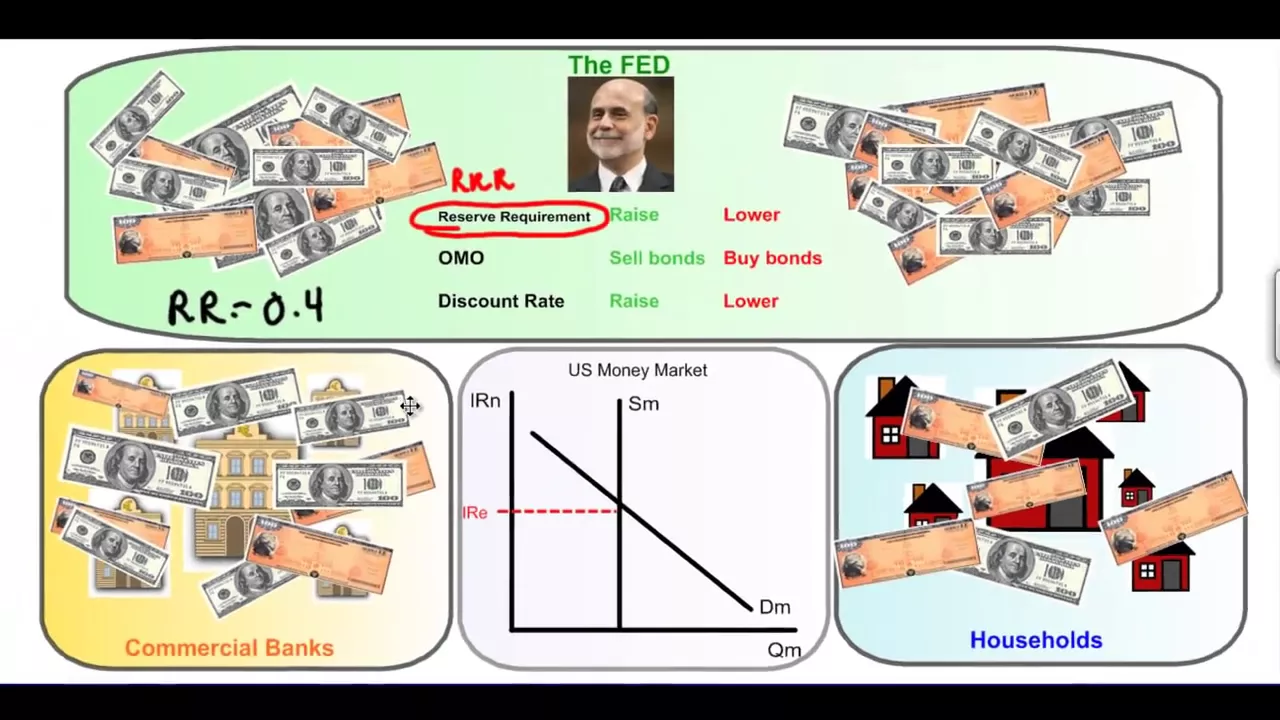
The fundamentals of traditional monetary policy, specifically how the Fed manipulates short-term interest rates and conducts standard Open Market Operations (OMO).
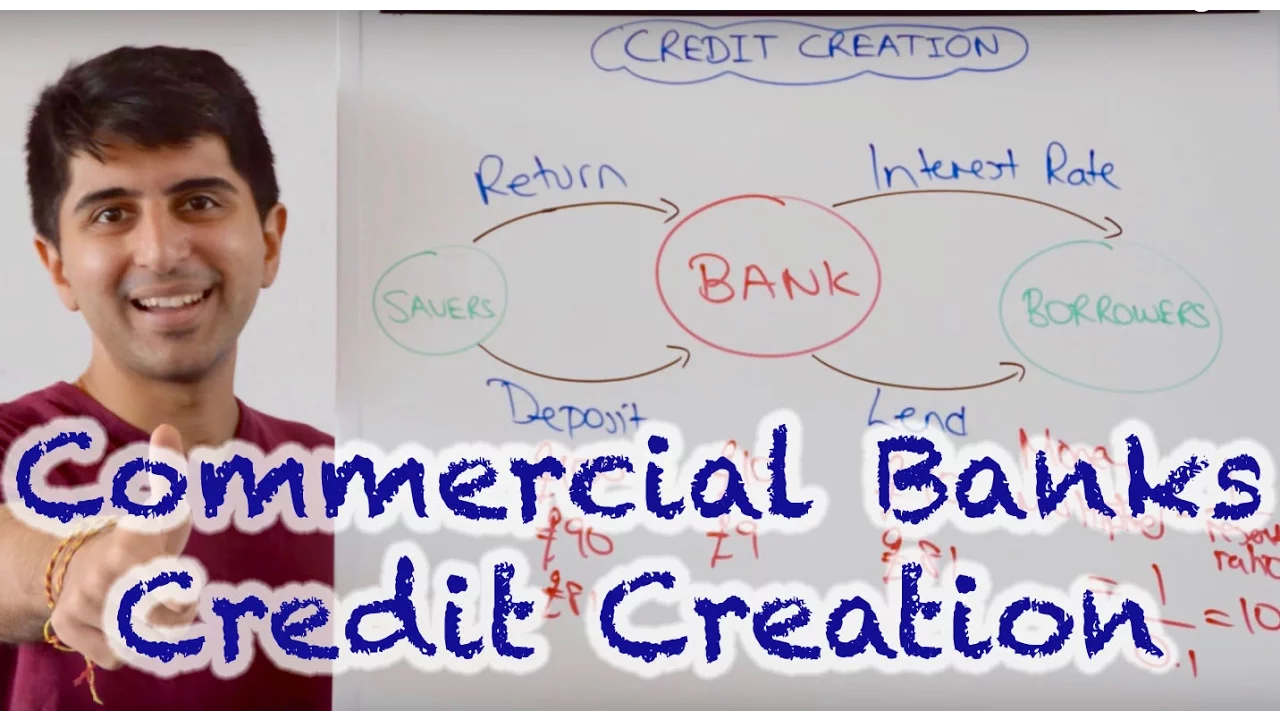
How the fractional reserve banking system works and the process through which commercial banks create credit and lend to businesses and consumers.
The basic relationship between the money supply, interest rates, and overall macroeconomic indicators like inflation, GDP, and unemployment.
Quantitative Tightening (QT) and the mechanisms central banks use to taper asset purchases and shrink their balance sheets.
The long-term economic debates and criticisms surrounding QE, including its potential role in asset price inflation, wealth inequality, and moral hazard.
Historical case studies of QE in action, analyzing its effectiveness during the 2008 Financial Crisis, Japan's lost decades, and the COVID-19 pandemic.
The international spillover effects of US quantitative easing on global exchange rates, capital flows, and emerging market economies.
514.9K views6.4Klikes7:37Original Release: 2008-12-23
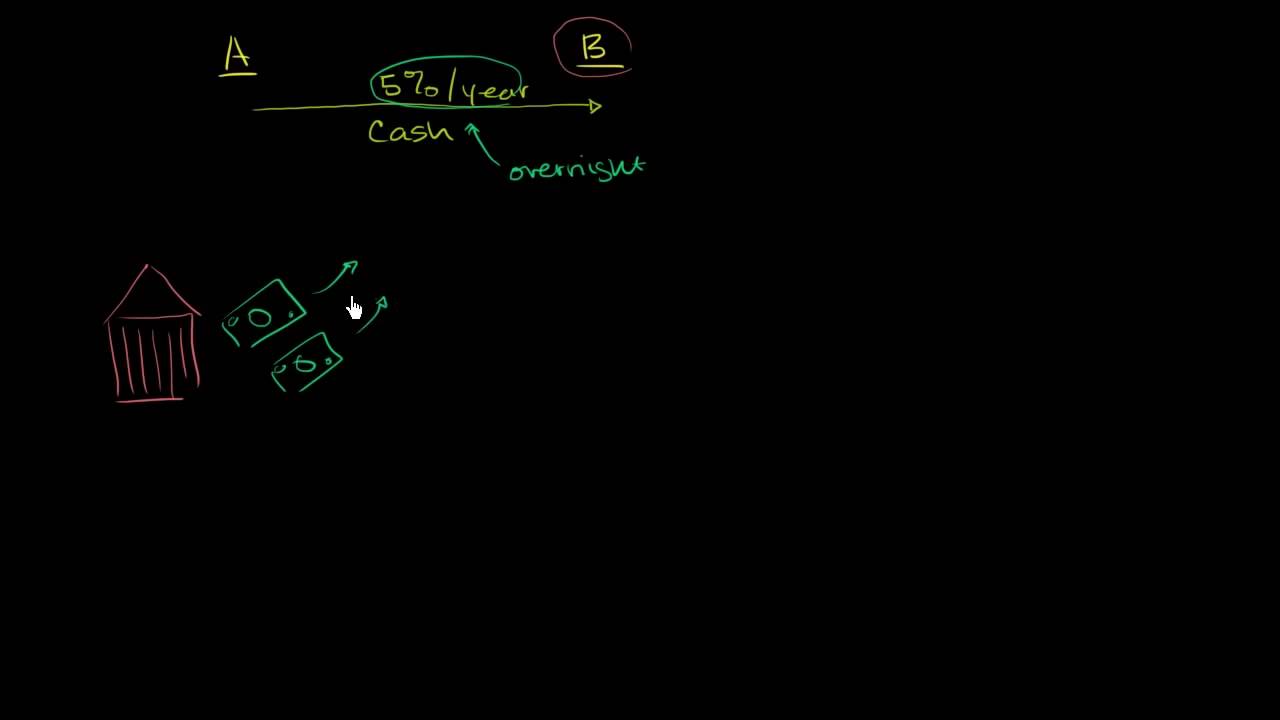
hi my name is Patty H I'm a senior editor at Marketplace and today I want to talk about quantitative easing I know it's a difficult one isn't it h difficult to say difficult to spell too let me write it up on the board first quantitive eing okay bear with me there we go quantitative easing this is a word that's come into the Lexicon recently because in the United States the Federal Reserve decided to cut its Target rate the FED funds rate to between zero a ban between zero and a quarter perc it's a historic low never happened before in the US has happened elsewhere however in Japan back in 2001 they cut the rate to zero and what that means is I mean the central banks um the the fed and in Japan's case the bank of Japan they have this weapon that they can use to try and get Banks to lend to each other and this is what we've had the problem that we've had in the US is that Banks haven't been lending to each other and we've had a a log a lock up in the um in the uh The Lending cycle the whole credit Market has frozen up and so the FED uses this uh this interest rate this target rate as a weapon to try and get Banks to to lend to each other and to free the credit market up so that's what we had we had this rate cut which knocked the uh uh the the the the FED funds rate to between zero and a qu% now that's this this is the the weapon that the the FED uses in terms of the the price of credit it's not quite the price of money but it's what it costs Banks to borrow uh to lend or to borrow to each other or that's the target rate so if you cut that to zero you've got nowhere else to go you can't bring the rate down to to a negative level so that's the pricing taken care of now what the uh the central bank has is it can it can take control of the quantity of money in the market as opposed to the price of money in the market and that's where we get to this word or to This this term quantitative easing so here we are we have easing we're trying to ease take pressure off the markets by using quantity all right now this is all about one thing which is trying to get this man to lend money and this man is a course B the bank manager okay so here he is with his bank and the whole mission of what the FED has been doing with its rate cuts and now its quantitive easing is to try and get this guy this bank manager to lend money and thus far he hasn't been lending the money okay he's able to get money at very very cheap rates but what he's doing is instead of taking that money and lending it to all of these poor business people out here who desperately need money you know whether it be you know General Motors or general electric or you know the general contractor down the road these guys can't get money because this chap here the bank manager will not pass on this cheap money that he's getting to these people to the men in the street to the companies in the street that need it to uh to expand their operations to buy other companies to do whatever it is to expand to grow he will not let that happen because this guy B the bank manager will not lend and the reason he won't lend is because he is scared that he is not going to get his money back all right so what he does instead is he gets money from the Federal Reserve or from other Banks although interbank lending is still not there's still not that much of it going on despite the cheapness but he gets money and what does he do he goes out and he buys treasuries why does he buy treasuries he buys treasuries because say the 10year treasury is paying about 2% so he takes that money at zero or close there to and he goes out and he buys 10e treasuries and he makes 2% so at least he's making money I mean inflation's running at about what 5 a half% right now at least he's making some money on that deal and he's not taking any risk because the 10e treasury as we know you know underwritten by the full faith and credit of the US government is safe these people down here who he might lend to at you know 8 9 10% or whatever these people are not safe in his opinion because they're in the economy the economy is deteriorating so he won't lend so what he does is he goes out and buys these treasuries instead so the Federal Reserve and that's old Uncle Sam over here this top hat he's not happy about this at all and so he has decided chairman Ben he's decided to go out and do what's called quantitative easing so what is that well essentially it is taking money and pumping it into the economy pumping it into the banks and the way that it does that is it goes out and it and it goes out and it buys assets from the banks themselves because the other problem with uh Mr Barry the bank manager is that in his bank and in a bunch of other Banks of course he's got a bunch of dodgy security whether it be you know Mortgage Bank Securities or cdos or collateralized loan obligations or bad loans to bankrupt companies whatever it may be he's got a lot of toxic Assets in there so the treasury is saying well I'll come in and I will buy those assets from you and therefore put money into the into your account so Uncle Sam you know says I'll take money I I'll basically create money and I will give it to you and in return you give me your bad securities all right so that's the first thing it does this quantitative easing of creating this money takes the pressure off the banks by buying these bad Securities the second thing that Uncle Sam does is he says I'm going to go out and I'm going to buy these treasuries in the market the reason he wants to do that is because the more demand that he creates for these treasuries the lower the yield becomes all right and if the yield goes down it means there's less incentive for Mr Barry the bank manager to to buy those bonds because he's not going to be making any money on the bonds the year drops to close to zero well Mr Bank Mr Barry is now making zero money on his Investments so what does that do it forces him to look elsewhere and the hope is is it will force him to look into the wider Market into the wider economy to find good companies to invest his money in all right say he asks for you know 5% or 8% or whatever it is but the hope is that by taking the pressure off the bank B Barry the bank manager by buying his asset back Securities or his bad Securities and by reducing his incentive to buy treasuries and therefore closing that part of the market it is increasing the likelihood that Mr Barry will go out and invest in The Wider market and invest in in companies that are able to make him money by uh just through normal regular business loans and that's what quantitive easing is core the problem of course is if quantitive easing doesn't work it means that Uncle Sam or B banki has pumped vast amounts of money into the system which devalues the dollar now of course that has an upside devaluing the dollar means that it's uh cheaper for people to buy from us so they may come and buy more of our Goods which may invigorate the economy but if you devalue the dollar too much and suddenly nobody wants dollars people start selling the dollar um crazily and you have a crash in the uh in the value of the currency you've got a ro problem then that's going to leave everybody very badly needing a drink
Up Next

2:31
How Quantitative Easing Works: Central Bank Money Creation Explained | The Economist
@TheEconomist
327.8K views•2012-09-28
5:07
Impact of Yuan in Indo-Russian Trade Amid Sanctions
@WION
261.9K views•2022-07-01

33:09
Childcare Crisis Threatens Economic Recovery | Experts Explain
@marketplaceAPM
2.7K views•2020-07-08

113:18
The Age of Easy Money: Fed & Inflation | Full Documentary
@frontline
21.2M views•2023-03-15
Related Study Plans & Knowledge Roadmaps
Structured learning paths in Economics
economics
Sovereign Debt: Defaults, IMF & Restructuring
01Introduction to Sovereign Debt & Government Bonds
02Debt Sustainability & Credit Ratings
03Anatomy and History of Debt Crises
+ 2 more learning modules
12h5 modules
Explore Roadmap
economics
Market Design: Matching Theory & Gale-Shapley
01Introduction to Market Design and Price-Free Markets
02Two-Sided Matching & The Gale-Shapley Algorithm
03School Choice Systems and Mechanism Design
+ 2 more learning modules
10h5 modules
Explore Roadmap
economics
Impossible Trinity: Forex, Capital & Policy
01Introduction to Monetary Policy and Central Banking
02Exchange Rates and International Capital Flows
03The Mundell-Fleming Model
+ 2 more learning modules
8h5 modules
Explore Roadmap
economics
Healthcare Economics: Market Failures & Systems
01Introduction to Healthcare Markets and Market Failure
02Asymmetric Information and Adverse Selection
03Moral Hazard and Insurance Design
+ 2 more learning modules
12h5 modules
Explore Roadmap