















![지금 주식시장은 - 정체된 미국 고용지표와 임박한 듯한 테이퍼링 두 가지 이슈 [김일구의 쩐쟁]_STEPS](https://i.ytimg.com/vi/Z0m_wNAU4YY/maxresdefault.jpg)

Keynesian economics, developed by John Maynard Keynes, advocates for government intervention through deficit spending and public works programs to stimulate economic recovery during severe recessions; this theory was applied during the Great Depression through FDR's New Deal programs like the Civilian Conservation Corps and Works Progress Administration, which employed millions and helped rebuild the economy, though full recovery only occurred during World War II when the government fully embraced Keynesian principles.
Keynesian Economics and the Great Depression: FDR's New Deal
Added:The fundamental causes of the Great Depression, including the 1929 stock market crash and subsequent systemic bank failures.
The core tenets of Classical Economic Theory, particularly the belief in self-correcting markets and laissez-faire government policy.
Basic macroeconomic concepts such as Aggregate Demand, Gross Domestic Product (GDP), and the distinction between fiscal and monetary policy.
The long-term institutional impact of New Deal programs on the modern US economy, such as Social Security, the FDIC, and the SEC.
The rise of Monetarism (led by Milton Friedman) and the economic stagflation of the 1970s, which challenged Keynesian dominance.
Modern applications of Keynesian principles, including government stimulus packages used during the 2008 Great Recession and the COVID-19 pandemic.
The ongoing economic debate between demand-side (Keynesian) and supply-side (Reaganomics) economic policies.
40.5K views135likes9:24Original Release: 2010-02-27
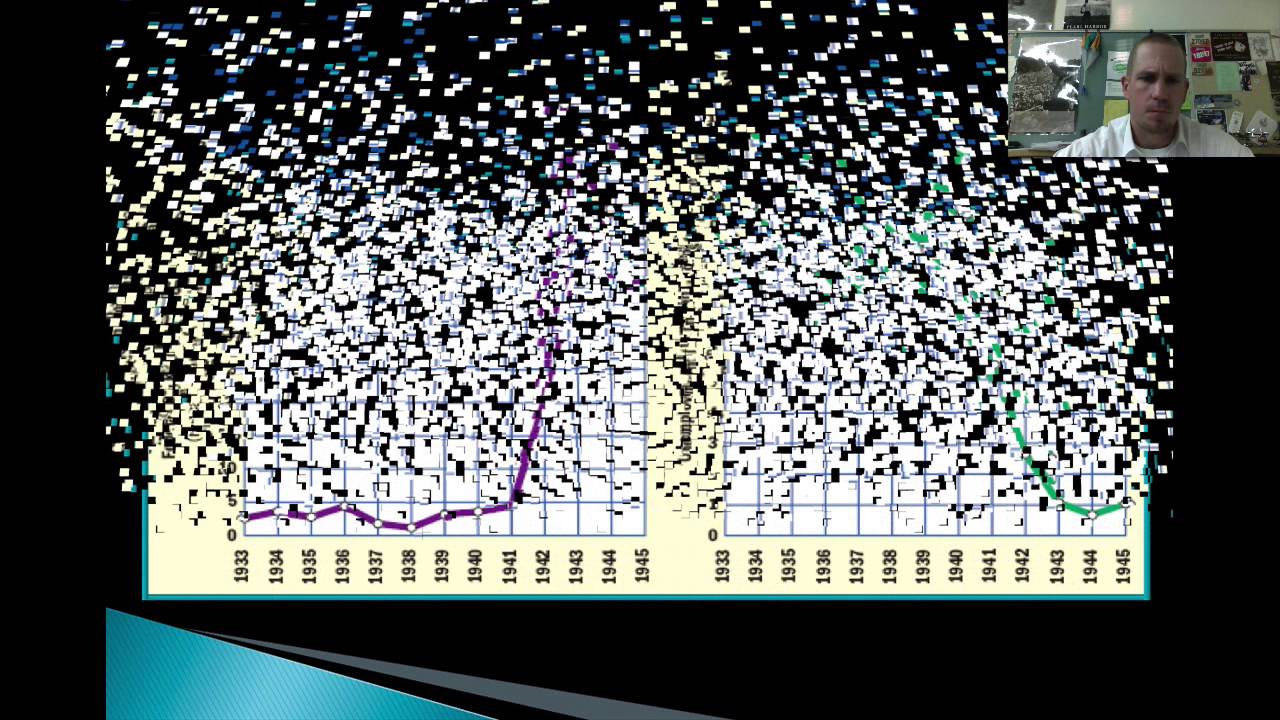
[Music] our greatest primary task is to put people to work this is no unsolvable problem if we face it wisely and courageously it can be accomplished in part by direct recruiting by the government itself treating the task as we would treat the emergency of a war but at the same time through this employment accomplishing greatly needed projects to stimulate and reorganize the use of our great natural resources hand inand with that we must frankly recognize Le overbalance of population in our industrial centers and by engaging on a national scale in a redistribution Endeavor to provide a better use of the land for those best fitted for the land the United States never fully recovered from the Great Depression until the government employed the use of Keynesian economics when FDR came into office he set out to give jobs to the jobless and to restore the Integrity of the American economy that Integrity began to be lost when the stock market crashed on that fateful Black Tuesday throughout his legendary first 100 days his goal was twofold to provide immediate financial aid to citizens in need and to get the economic ball rolling because of the DraStic state of the country Congress was very willing to pass anything FDR proposed this allowed Roosevelt great power unavailable to nearly every president preceding him Roosevelt spent these first 100 days laying the groundwork for his new deal by establishing many legislative changes that directly affected the American people and significantly changed the way we operate our country today the agricultural adjustment act attempted to reduce the amount of crops in order to stop Surplus and increase the price of goods while at the same time the government attempted to maintain the profitability of the farming business by paying Farmers not to work the Federal Emergency Relief act handed out millions of dollars directly to unemployed workers in an effort to cushion the blow of the depression the national industrial Recovery Administration while generally unsuccessful did show Roosevelt's intent to bolster the economy by attempting to ensure minimum wages to workers the Civilian Conservation core immediately put men to work improving the infrastructure of the country during this time FDR flirted with the idea of Kian economics in his reform the creator of Kian economics was a man named John manard kees a Cambridge bred macroeconomist his work for the United Kingdom's treasury financing the war effort during World War I propelled him to the top in the world of Economics many historians believe that FDR's economic recovery plan changed dramatically because of Kansas Theory KES officially published his book The general theory of employment interest and money in 1936 but his philosophy already was quite well known in the economic World many politicians and figures of power wrote kan's Theory off because of its Simplicity KES asserted that because of private sector decisions and their negative impact on the economy government interference is necessary to raise the gross domestic product he believed that this was done by inserting money into the economy kan's believe that in times of severe recession citizens will not spend money the economy slows down and a depression ensues priming the pump is a phrase used Often by canes that correlates to Roosevelt's attempt to propel the economy out of the recession therefore Keynesian economics requires government interference and mass deficit spending in government sponsored programs and work projects in order to start the economic machine again in a very real way this is exactly what Roosevelt was doing however Roosevelt was scared and rightly so he didn't want to exclusively use a policy or an economic theory that had never been proven on a major scale but his new deal policies did very closely resemble Keynesian economics for example the Social Security Act of 1935 contains many different social welfare and insurance programs Social Security Not only was insured but it also had government sponsored unemployment programs Roosevelt also set the labor department to recruit participants for the Civilian Conservation Corps and through direct government involvement nearly 250,000 young men were employed reshaping the west by Building Bridges clearing forests and making national parks another part of the New Deal the works progress administration created jobs for millions of people in America and most importantly the federal emergency relief Administration put $500 billion directly into state run projects and unemployment this only shows Roosevelt's movement towards the use of kesian Economics because some of his programs didn't succeed after economic growth and Improvement of the standard of living during the initial new deal policies the economy slumped back into a recession the Roosevelt recession of 1937 many historians blame the recession on a Slowdown of federal spending coupled with increasing taxes whatever the reason this recession set back Roosevelt and his administration KES assigned the blame of the recession on Roosevelt for not fully embracing his theory and only incorporating government involvement where he saw necessary I cannot detect any material Aid to Recovery in the Nira though its social gains have been large the driving force which has been put behind the vast administrative task set by this act seemed to represent a wrong choice in the order of urgencies this is my first reflection that NRA which is essentially reformed and probably impedes recovery has been put across too hastily in the false guise of being part of the technique of recovery John mayard kanes Kan sympathizes with Roosevelt but says that in time of depression they need material gate immediate aid and tangible results in K's open letter to President Roosevelt he pleads with the president as his humble servant to take greater initiative in the recovery of America he urges material increase in the new loan expenditures in order to lay the foundation for larger expenditures in the near future Roosevelt did ignore canes in his policies for a long while but following his recession he more confidently asserted the government's power perhaps Roosevelt was a little unsure of what to base his new deal policies on before but with a strong economic theory by a well-respected British Economist backing his administration FDR could safely begin to embrace the new role of the government the Congress and many s were very skeptical of an economic policy that had never been proven effective before although they were more careful after being led again into a recession Roosevelt did pass the Fair Labor Standard acts of 1938 which instated a national minimum wage and overtime for workers in a way you could say that after he began to more confidently use Keynesian economics he stopped the courtship and began working on the marriage of Kian economics and regular economic theory he launched launched a $5 billion spending program in 1938 to increase the sheer purchasing power of the government and to increase the possibilities of direction to a congress restricted economy the economy did not truly recover until World War II yesterday December 7th 1941 a date which will live in infamy the United States of America was suddenly and deliberately attacked act by Naval and Air Forces of the Empire of Japan no matter how long it may take us to overcome this premeditated Invasion the American people in their righteous might will win through to Absolute Victory FDR in fact the urgency of war led to a full Embrace of Keynesian economics that resulted in virtually Full Employment and an economic recovery that would be sustained for decades the budget was increased from $9 billion to hundred billion in one year unemployment dropped 50% in three years and salaries jumped nearly 33% FDR never officially embraced Keynesian economics and actually to some extent refuted its claims his initial new deal policies flirted with ke's Theory using what the policies needed and expanded the economy then the economy slumped back down into a recession as a result of his half policies the real irony here is that the government funded the war effort and revived the economy using principles it had intensely resisted in the past the principles of Keynesian economics despite the fact that many historians believe that FDR never officially embraced Kian economics it's obvious that he followed Kian economics first during the Depression and fully during World War II
Up Next
7:14
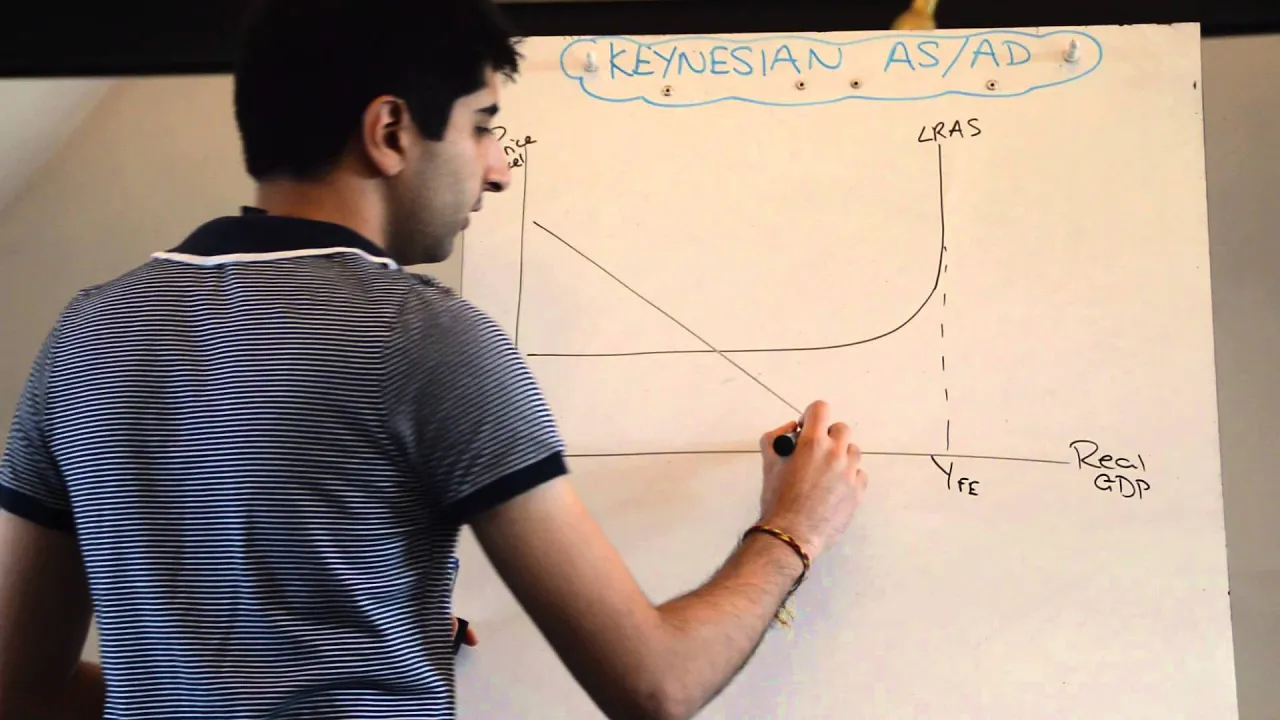
Keynesian AS/AD Model: Sticky Wages and Fiscal Policy
@EconplusDal
235.6K views•2015-02-28

5:07
Impact of Yuan in Indo-Russian Trade Amid Sanctions
@WION
261.9K views•2022-07-01
10:33
Behavioral Economics Explained: Rationality, Nudges, and Risk
@crashcourse
1.1M views•2016-03-12

113:18
The Age of Easy Money: Fed & Inflation | Full Documentary
@frontline
21.2M views•2023-03-15
Related Study Plans & Knowledge Roadmaps
Structured learning paths in Economics
economics
Sovereign Debt: Defaults, IMF & Restructuring
01Introduction to Sovereign Debt & Government Bonds
02Debt Sustainability & Credit Ratings
03Anatomy and History of Debt Crises
+ 2 more learning modules
12h5 modules
Explore Roadmap
economics
Market Design: Matching Theory & Gale-Shapley
01Introduction to Market Design and Price-Free Markets
02Two-Sided Matching & The Gale-Shapley Algorithm
03School Choice Systems and Mechanism Design
+ 2 more learning modules
10h5 modules
Explore Roadmap
economics
Impossible Trinity: Forex, Capital & Policy
01Introduction to Monetary Policy and Central Banking
02Exchange Rates and International Capital Flows
03The Mundell-Fleming Model
+ 2 more learning modules
8h5 modules
Explore Roadmap
economics
Healthcare Economics: Market Failures & Systems
01Introduction to Healthcare Markets and Market Failure
02Asymmetric Information and Adverse Selection
03Moral Hazard and Insurance Design
+ 2 more learning modules
12h5 modules
Explore Roadmap