![¿PUEDE LA IA PENSAR? (Documental de Filosofía) - El EXPERIMENTO de la HABITACIÓN CHINA [EP.2]](https://i.ytimg.com/vi/syNX0o914r4/maxresdefault.jpg)



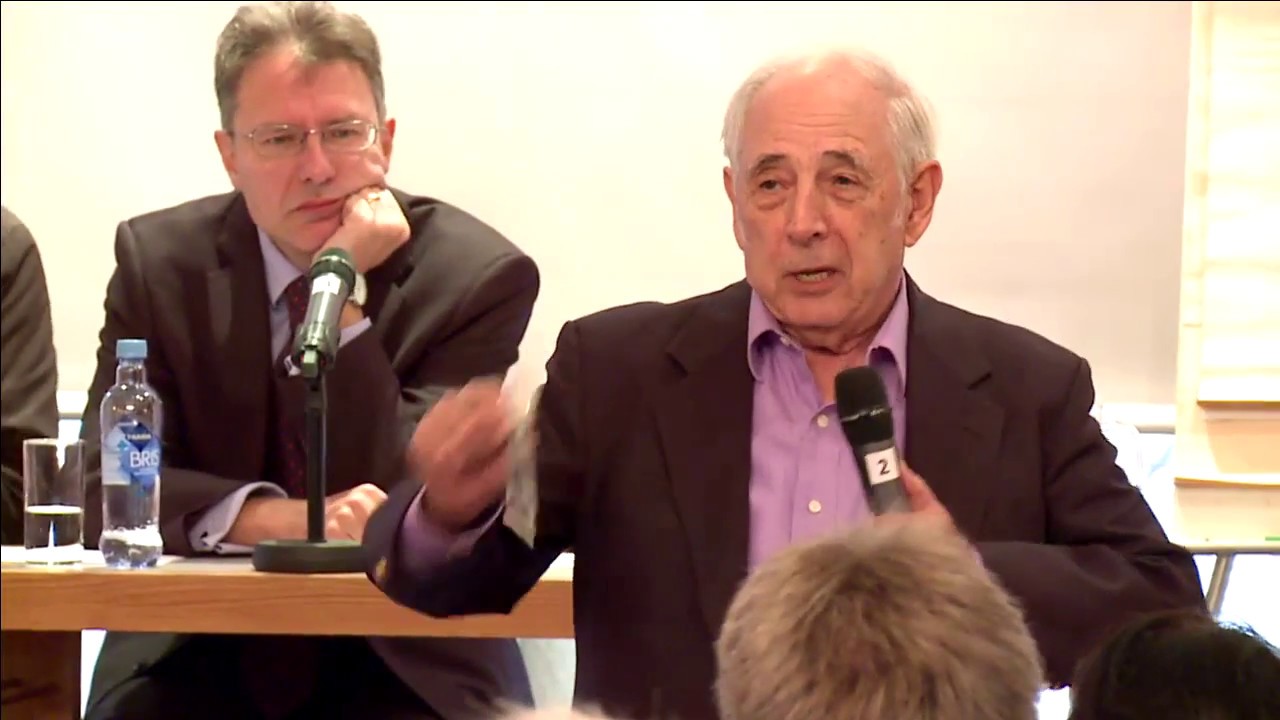


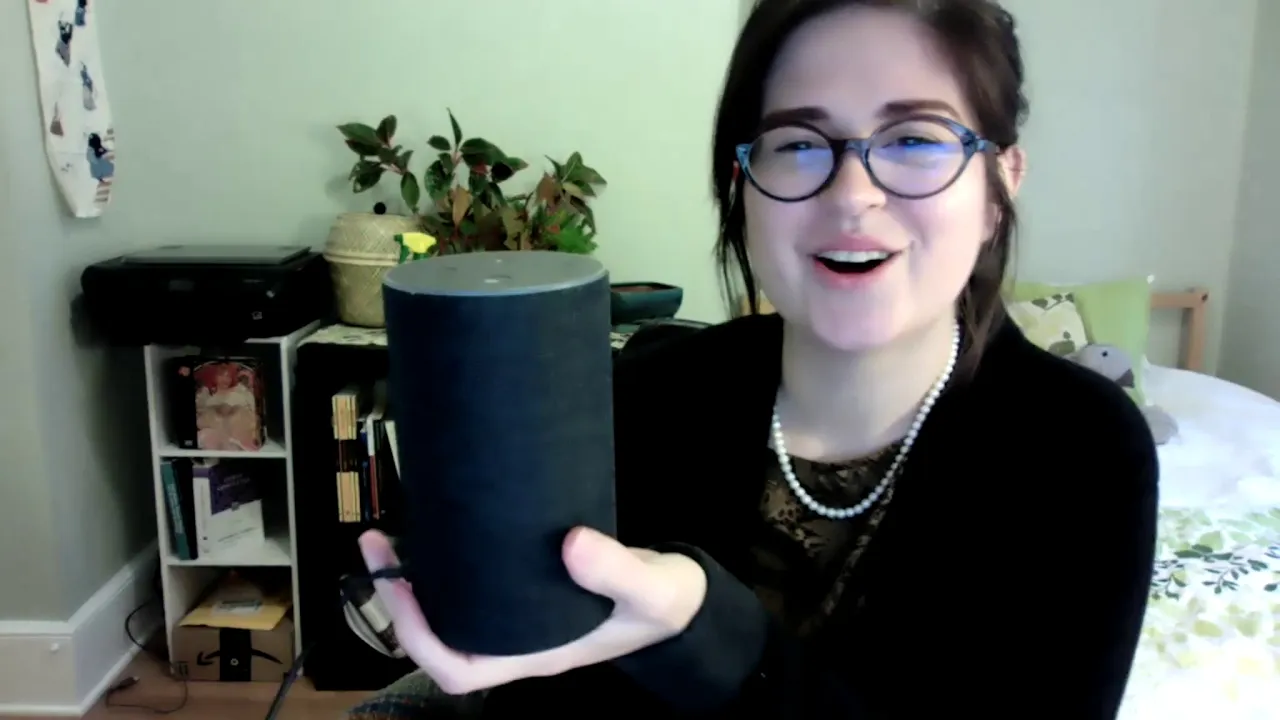



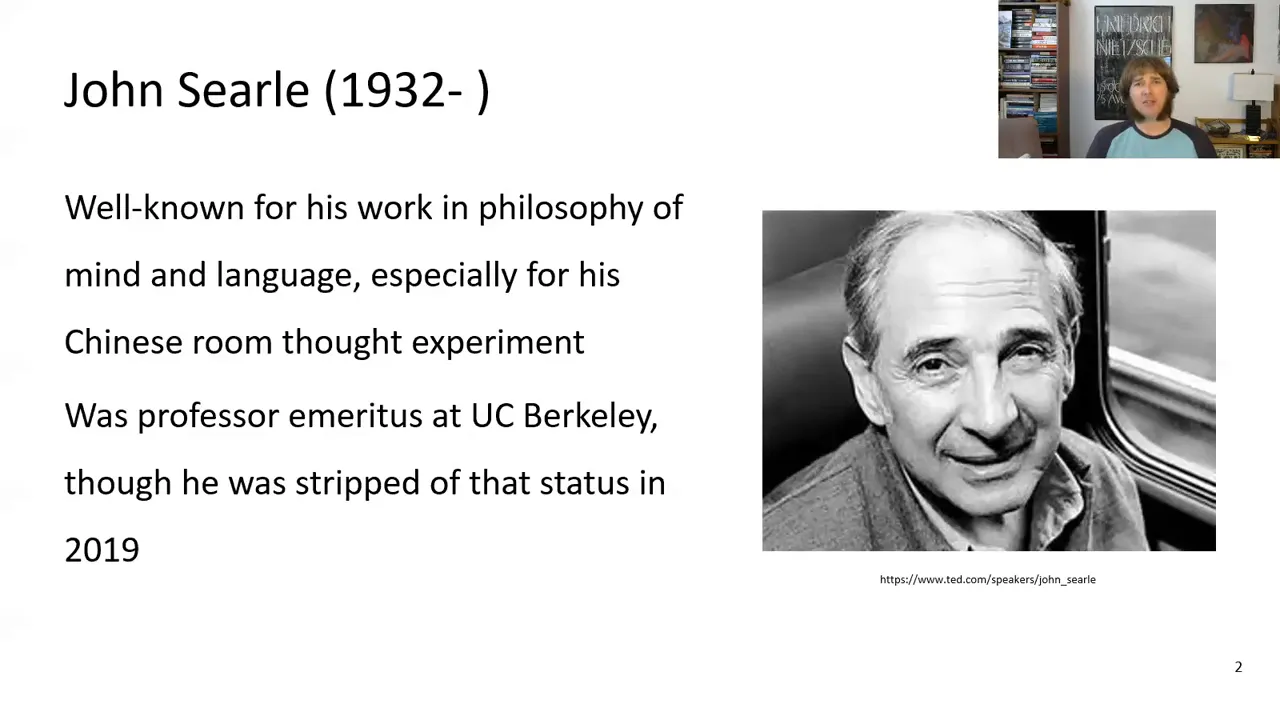





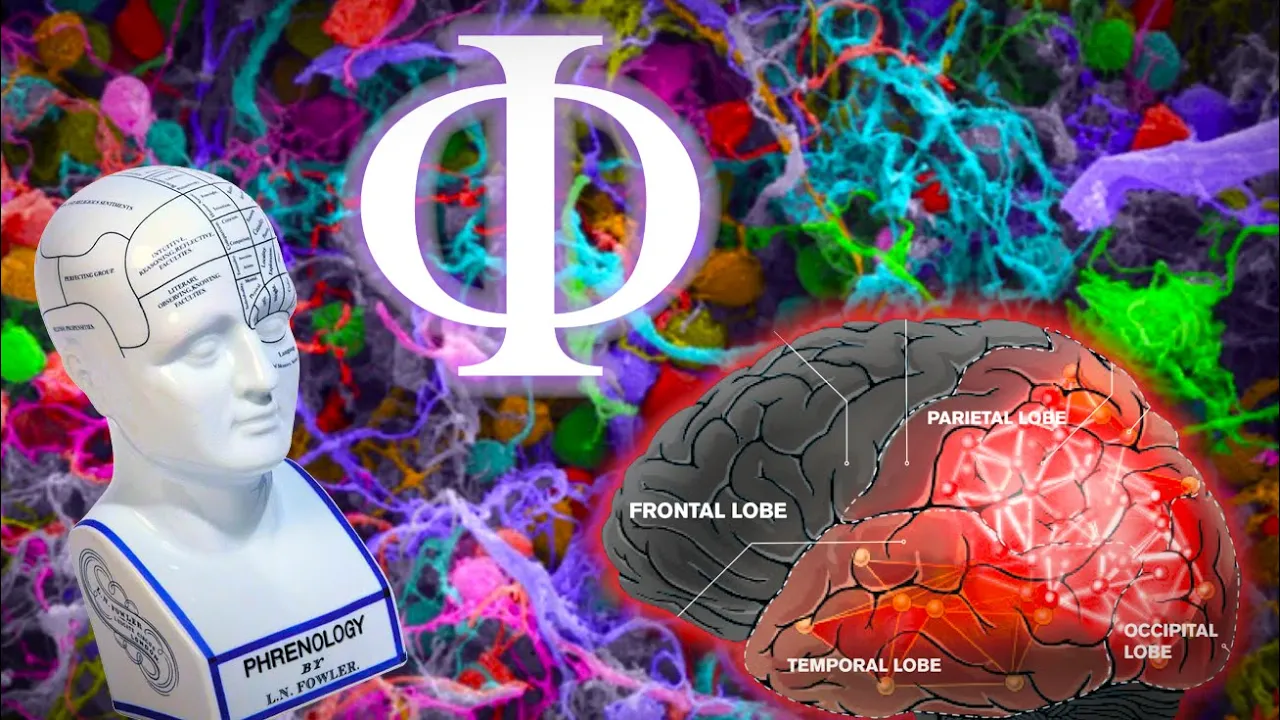



Philosopher John Searle's Chinese Room thought experiment argues that computers cannot achieve genuine consciousness or understanding because they only manipulate syntax (formal rules for symbol manipulation) without semantics (meaning), demonstrating that passing the Turing Test does not prove true understanding; even if a computer produces answers indistinguishable from humans, it lacks actual comprehension since it merely follows formal rules without knowing what the symbols mean.
AI Consciousness and the Chinese Room Argument in Philosophy
Added:The Turing Test and Alan Turing's criteria for determining machine intelligence.
The philosophical distinction between Strong AI (the belief that computers can literally have minds) and Weak AI (the belief that computers can only simulate mental processes).
Basic concepts of functionalism and computationalism in the philosophy of mind, which view the mind as an information-processing system.
The fundamental difference between syntax (the formal rules and structure of symbols) and semantics (the actual meaning associated with symbols).
The major philosophical counterarguments to Searle, such as the Systems Reply, the Robot Reply, and the Brain Simulator Reply.
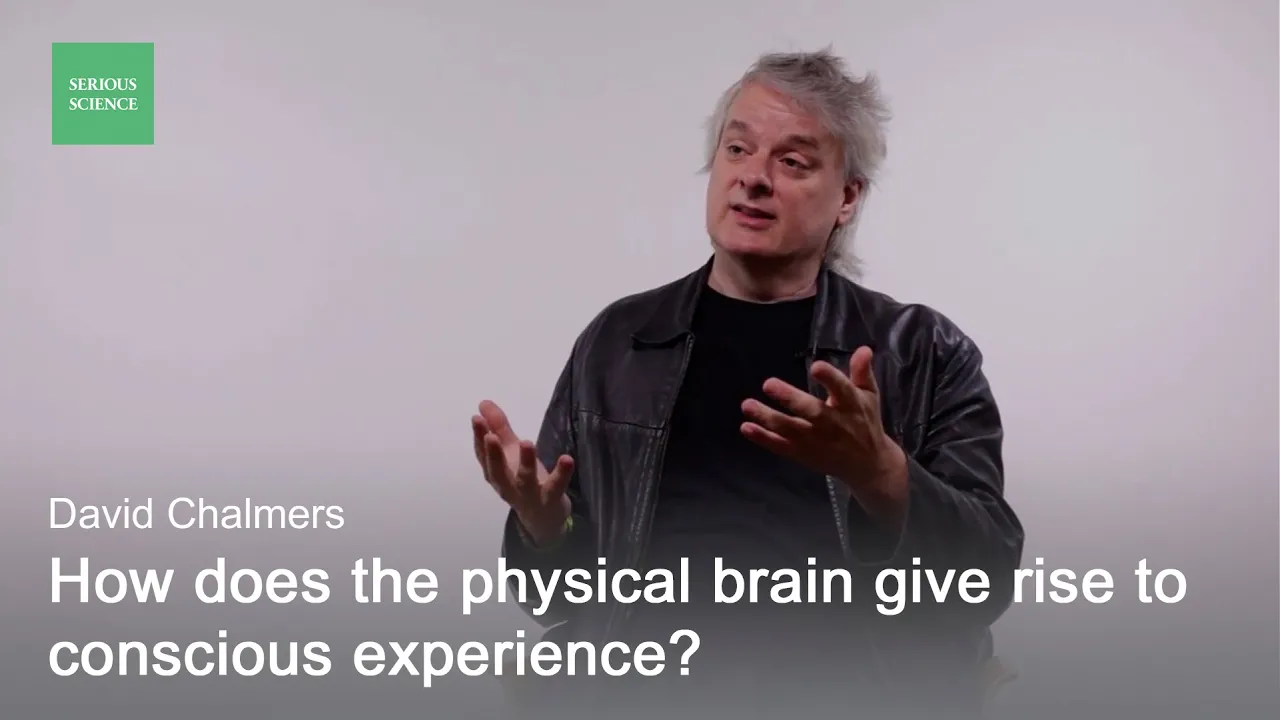
The 'Hard Problem of Consciousness' as defined by David Chalmers, which explores why and how subjective experiences arise.
How the Chinese Room argument applies to modern generative artificial intelligence and Large Language Models (LLMs).
Contemporary scientific frameworks for consciousness, including Integrated Information Theory (IIT) and Global Workspace Theory (GWT).
2K views81likes39:05Original Release: 2022-12-08
[Music] foreign [Music] you have strong views on the subject of artificial intelligence and I think those views focus on one argument yeah and it's something about a Chinese room well let me tell you I wonder if you would tell me what it aims to prove and then tell me what it is okay um I like to talk about particular programs and the sort of thing that's claimed for them so let's take as an example the Yale program that the Yale artificial intelligence lab for understanding stories that's understanding it in quotes the way it works is this you give the computer a story and these tend to be rather simple-minded stories here's a story man went into a restaurant and ordered a hamburger when they brought him the hamburger it was burned or crisp so the man stormed out of the restaurant without paying the bill now you ask the computer did the man eat the hamburger and lo and behold the computer says no he didn't eat the hamburger now that's an interesting result because you remember it didn't say in the story whether or not the guy ate the hamburger one up for the computer one after the computer okay now and that's presumably doing something we could do this is passing the test that we would test but we would expect a child to pass we're understanding story okay how does it work well the computer has in its data Bank in addition to the story it's got a representation of how things go on in restaurants called a restaurant script and it matches the story and the question against the restaurant script before it gives the answer now what are we going to make of this well the what I call the strong AI people and I'm really not sure Maggie is one of them but the people who are sort of the gung-ho Fanatics in AI say this proves that the computer literally understands the story now I think I can demonstrate conclusively that it proves no such thing and in fact that the computer doesn't understand the story exactly is that understanding without inversion no quotes here John understanding I mean and to their credit a lot of people in AI insist we are using these words in their literal sense Simon and Newell say the understanding we attribute to the computer is that same understanding we attribute to human beings okay what I ask you to imagine is this I like to do it in the first person and have everybody do it from their own point of view imagine I'm locked in a room and I I got a huge box full of Chinese symbols I don't know any Chinese just so many squiggle squiggle signs to me now they bring in another box full of Chinese symbols and they give me a bunch of rules in English for matching these symbols so it says take a squiggle squiggle sign out of box number one and go and put it next to a squirtle squaggle sign out of box number two just to jump ahead a second that's called a computational rule over formally specified elements okay now let's suppose they give me in another little batch of Chinese symbols together with some more rules in English for shuffling these symbols around only this time I give them back the chaps who are giving me all this stuff through the window I give them back some Chinese symbols so here I am in my room with my three Bunches of Chinese symbols I'm Shuffling symbols around symbols are coming in and I'm Shuffling them back out now I imagine unknown to me the guys who gave me the first box call it a restaurant script the second box they call a story about a restaurant the third bunch of symbols they call questions about the story the rules in English they call the program the answer the the stuff that I give them back through the window they call answers to the questions about the story and me they call the computer now let's suppose that after a while they get so good at writing the program and I get so good at shuffling symbols that my answers to the questions are indistinguishable from native Chinese speakers so the story comes in I don't know what it means there's a bunch of symbols but the question follows did the guy in the restaurant eat the egg foo young and I give back the symbol that means no the guy didn't eat the egg foo young now I passed the test for understanding the story but I don't understand a word of Chinese I think that is the touring test well Alan Turing a Great British mathematical genius invented the test for determining whether or not we should attribute understanding to the computer and the test was could the computer fool an expert so let's suppose that I can fool the experts my answers to the questions are as good as those of native Chinese speakers imagine they even give them give me a question of the form uh do you understand Chinese and I give them back answers that mean in Chinese of course I understand Chinese why you guys keep asking me these stupid questions can't you see I'm passing the touring test now here's the punch line This is the point of the whole analysis I do not understand a word of Chinese and if I don't understand Chinese in this example neither does any computer because the computer has exactly what I have the computer has that nothing more it has a set of formal rules for manipulating symbols it takes symbols as input it manipulates the symbols it gives symbols as output and if I don't understand Chinese which I obviously don't there's no way any other digital computer could understand Chinese or anything else because all it has is uninterpreted formal symbols or just to put this again in one last sentence and that is what the computer has and Maggie described this very well with the programs is a syntax and not a semantics what it's got is a set of formal rules for manipulating uninterpreted formal symbols but what human being things have is not just a bunch of symbols we know what the symbols mean you give me a story in English and I know what it means so what what the computer has is rules for putting terms together but no rules specifying what terms stand for something like that and furthermore it couldn't because suppose you tried to give a uh I I guess one thing's I do feel like uh he went over what the turret test is like so quickly that it would be used to deploy can miss it um so this is funny actually I remember like um nine years ago I think there was a Hollywood movie that came out about Alan Turing called the imitation game which the uh the the name of the movie is a reference the turret test but they never actually say anything about the turret just to the movie it doesn't come up in the movie uh which I could only assume it was you know part of some original script that ended up getting cut and they just kept the name of the movie or uh it sounded incredibly subtle way that I missed you know you were supposed to get it out of the movie or something but um but it is interesting because if uh you know people who know a little bit about Turk you know they know that um I mean he's one of the people who's uh most responsible for uh the you know sort of uh foundations of computer science you know computers as we know them today uh he was you know it was a code breaker World War II helped defeat the Nazis uh and then uh he uh and then he was you know to simplify a little bit essentially uh murdered by the British government by by you know sort of forcing him to take medication that I think ended up leading him to become suicidal that uh that you know to to de-gay him because it was like the late 40s or early 50s and people thought that worked um but in the uh which all of which I'm just saying because it contributes to why this would actually have been interested if in the movie that includes something about the test uh because the uh the original paper uh that he wrote I remember reading that Minds machines class back in 2002 whenever that was uh heads the way it starts out it's a it's like the the original Imitation game that was the inspiration for the Turin test was apparently some sort of like weird British aristocratic party game where like they'd have somebody who uh was uh was in a room uh who uh or two people in a room maybe one was a man and one was a woman and they would have uh questions passed into them and they would pass out answers and I think they were supposed to use typewriters so you couldn't tell by the handwriting you were supposed to guess who was the man who was the woman and uh and he said if people fail you know if people he said if people uh weren't able to identify whether they were talking to a computer or human as often as they were unable to identify whether they're talking to a man or a woman then then we would uh could safely conclude that the computers could could really think that's that's more or less what the turret test is I didn't know that it came from a game that's interesting yeah whose cat is that by the way is that oh that's that's my cat he's uh because I know Ethan has one too so yeah I'm pretty sure that's Shabazz though he he doesn't I I think whatever I mean if he does need anything Jen could deal with it but I seriously doubt he needs anything he can just be you know sometimes he just likes to wander around me yeah yeah for sure uh you know on the touring test this is like slightly off topic but I think I was thinking about it recently are you familiar with like the ideological touring test because I think that's like an interesting good face no no I forget who invented it I mean I don't know if Ethan knows but like the whole idea is like if you pass the ideological touring test if you can like say back to your like debate opponent or your like political or ideological adversary you can say back to them like their own position that they accept in a way that they would be like yes that's correct if you can kind of blend in you know if you can go and hang out with Libertarians for example and they they can't tell that you're not one of them because you're saying all the right things and you're saying it charitably in the way that they would say it right then you're passing the ideological Turing test that's interesting I might be able to do that with Libertarians I feel like I would absolutely be unable to do that if you if I was like hanging out with like Sora bamari and Patrick today and I had to pretend to be like a Catholic integralist like I have I I am a hundred percent sure that I wouldn't be able to pass the test yeah that would be a hard test to pass for sure um yeah so anyway okay so he's he's given his he's given the basic thing I don't know if this is going to come up later in the debate or I don't even know how much of a debate this ends up being uh at this point although it does sound like it should be a little bit of a one because she did say in passing that she does think strong AI is possible in principle so you know yeah maybe you know maybe there is like a fundamental disagreement there although I honestly I think Cyril is slightly Pro is like slightly slippery about whether he's saying that there can't be or just that like the shurin test wouldn't tell you that you'd achieved it um because because he does say I remember some place like well look there's nothing about like Silicon that like necessarily means that you know it couldn't be conscious but um or I don't know maybe he doesn't say that about silicon he definitely says I think he does okay he does but I think his point is more like the material maybe it doesn't matter it's more just like the method of using computation and symbol manipulation like it doesn't matter what you do but like but then I think he likes to say like but I'm not um you know he's like I'm still he's like I'm a materialist so like I do think that you could probably make an artificial brain one day like I don't see why you couldn't assuming that like the you know the human being is a machine and the brain is a machine of some kind he's like we can maybe make a brain maybe it could be out of silicon but he's just like as long as you're using the kind of um computational Paradigm he's like in principle it would be impossible I think is his View ERS um oh sorry God could you say those last like two sentences again uh Victor I just want to make sure I got it oh like so so he's just saying like um he's a materialist so he thinks that like you could in principle make an artificial brain he's just like we have no idea how to do it right now right right he's like he's like we just have no idea how the brain works but he's like in principle if you accept that that the human being is a machine and the brain is a machine one principle you can make that machine some other way he's like but as long as you're using the Paradigm of computation which is using symbol and manipulation in principle it's impossible to get Consciousness from that he thinks gotcha yeah that that does sound very familiar uh I wonder if um what what John Searle thinks about um bowden's point about well it was interesting because based on how she started it I thought that I was going to have more contention with Cyril but then she went on to make this claim about um machine Minds even if existing like wouldn't matter morally um I wonder what Cyril thinks about because I can't think of like it almost takes me back to like um like Peter singer's argument for like animals mattering it's like in virtue of what trait are you gonna say like all humans are valuable right because humans have different levels of like intelligence different physical capacities seems like the only way you can say all humans are of equal value is if you value them based on like their subjectivity and their Consciousness but then like how are you gonna bar machines or animals from moral consideration um it's not clear to me yeah that was weird um yeah it's a good question yeah I mean like especially because the way she said it was like uh like naturally evolved creatures batter boards like well why should that be yeah yeah it's like you didn't like you sort of um imagine some like conscious robot a science fiction story that's like feels pain and stuff and you're like sorry yeah or like um have you seen the movie Prometheus uh unfortunately yes yes I think it didn't it turn out at the end of that movie that humans were like the product of some like weird God creature like planting a seed like so it seems like on her view right like we would end up just not mattering if that turned out to be the case well actually the really fun thing about her view is that uh if creationism was true then we wouldn't we wouldn't begin intelligently designed we wouldn't be morally significant right that's funny I like it all right let's keep watching the computer an interpretation of the story so you feed in more symbols that says that say in Chinese uh the symbol for egg foo young means a certain kind of egg dish made by putting in a whole lot of uh soy sauce when you cook the eggs but there's no way that the computer can know any of that because what it gets is just more symbols that is the any effort to give an interpretation of the symbols results only in more symbols and that's by definition what a program right Professor Bowden that argument as you know has enraged a lot of people I wonder if it enrages you it enrages me a bit too um you shifted John from talking about a specific example the Yale program with the restaurant script and the hamburger so talking about any computer now I think that was a bit naughty because if you stay talking just about Shanks program I entirely agree with you these things do just shift symbols around they've got no sense of what a restaurant is or a hamburger or anything else I entirely agree but then I think um there are two things that you would need to add to that sort of program to get a program which was much nearer to having genuine meaning genuine intentionality one is as you said yourself you've got to have some semantics plugged in now how are you going to do that I agree you cannot do it in principle purely by adding more formal rules which by definition aren't interpreted in terms of things in the real world and I think that you've got to have some causal relationship built into the computer just as it's built into our brain into our retina you know whatever in order to establish the semantics in order to establish the reference and you've not only got to have sense organs if you like taking information in in causal Commerce with the world you've also got to have the thing you know manipulating things so if it doesn't you know if the egg foo young has a certain chemical in it it will spit it out now um if you say that that reply isn't really very clear because there's all sorts of questions all sorts of problems you could raise about whether I really have plant semantics in I would say you're absolutely right but then I would say we don't understand from the philosophical point of view clearly what semantics is in the human case we don't understand what it is for you or me to refer to that glass so to be fair we shouldn't ask for a clearer account of semantics in the AI case than we ask for in the human case that's the first point I'd make uh the second point is that I also think there's a little bit of a slate of hand when you talk in this dismissive way about shuffling symbols you know having you imagine this man having the table whether you look up sprinkle squiggle and he looks across and you find Squad great squabble squagger goes in this box and out of the window um even the programs that Yale have at the moment and as I said before those are absolutely my Newton poultry compared with anything that would have genuine psychological interest in explain what understanding might be even his programs are much much more complex than that and not only much more complex but they involve a wide range of sorts of internal representations which represent which model if you like and we'll put all the scare quotes on okay things like beliefs desires intentions of the person who's listening to the story and emotionally reacting to it um of the various characters in the story and anything which is going to be um or a candidate being the same sort of thing as a human mind has got to have all that uh so I entirely agree that his program doesn't have any sort of semantics but I'd like to know what you'd say about the programs of people like David Marr or free Hinton which are programs basically their visual programs and the point of Interest here about them is that they're built in what's called dedicated machines that's to say they're building machines which like the retina of our eye has got special little bits in them which react to the light coming uh in a certain way so that they can suss out what the three-dimensional shape of something like this is given that they're getting a two-dimensional image in now what would you say about that well let's let's take let's take both of these uh points first of all the point about complexity it seems to me my argument has nothing to do with the Simplicity or the complexity of the program because the point is a perfectly General point the point is that however simple or complex the program is it ordered that it be a computer program it has to be defined purely formally the whole appeal of artificial intelligence and indeed the power of computer science is that one in the same program can be instantiated in an indefinite range of different kinds of Hardware precisely because it is defined purely formally so I I would say as far as the Chinese room is concerned make the program as complicated as you like put in as many representations of as many facts about the world as you like and the argument remain exactly the same I still don't know any Chinese because in the way that the system is set up I have no way of attaching any meaning to the elements in the program to the symbols that the program operates over regardless of how complex the program is so I think the issue of complexity is a red herring but I don't think that's your main argument your main argument if I understand you correctly is it's causation plus the program that gives us the mind now I already want to say that is an abandonment of AI as it's traditionally conceived because now we're not saying the mind is a program mind is the brain as program is to Hardware what we're saying is it's program plus causation so let me consider that if I may for a couple of minutes is it causation on the way into the computer or a causation on the way out the way now you had it I listened very carefully the way may head it is both and I think that's a more powerful I mean that's the argument I like to challenge because that's a more powerful argument so if you had a computer with a good program attached to a robot right and it was causal affected by the environment and in turn acted causally so that it behaved right then on Professor bowden's view it would understand or understand an inverted commas and on your view it would be nowhere near it that's right let me let me go through what I think would be the strongest version of Maggie's case imagine a robot and it's got television cameras attached uh to its eyes and it's got a motor apparatus attached to the computer in its uh compute in its skull and it takes in visual stimuli and it let it use the mar program to process the visual stimuli goes through the Primal sketch and all of those things and then it has motor output based on the set of the set of interfaces between the sensory input and the motor output in short the way that we've described it is much like the way a lot of people who believe in the computer theory of the brain describe the way that our brain mediates sensory inputs and motor outputs okay I want to say the Chinese room applies exactly to that case imagine that in this robot there's a big room in the robot's skull and I am in that room and what comes into me from these from from these television sets are a lot of Chinese symbols and I'm I have no idea where they come from I'm just paid to sit sit in this room and follow the instructions and Shuffle the symbols around now I then pass back certain symbols or put them in the appropriate slots and push the appropriate buttons and unknown to me what I'm doing is mediating the sensory input to a motor output but all the same what I have is what any digital computer has formal symbols uninterpreted and you can give them any causation you like as long as there's no mental representation of that causal relationship they give me no way of attaching any meaning to the symbols so let's take an actual case here here I am and I am the robot's brain now or I'm if you like it's homunculous and uh the robot uh eats egg foo young at this point and a symbol comes into me that means egg foo young unless I have some way of knowing the causal history of that symbol that is unless I have some mental representation of the causal relationship I still don't learn any meanings of any words that is the as long as the form of causation isn't mental causation it is as long as it's just ordinary physical causation it won't give me the meanings of any symbols yes I mean can I make two responses to that John the first is that um you've got it you've weakened your homunculus in in the story that you just told us you aren't the robot you aren't even the robot's brain you are a sub-system in the robot's brain now there are lots of subsystems in our brain lots of distinguishable psychological processes which are used for example in understanding a sentence or even in working out what the syntax of the sentence is now nobody would want to claim I think but one of those processes actually understood what syntax was in the sense in which you and I you know as human beings understand it so that you know you cannot uh cheat by cutting off the semantics By ignoring the fact that there are these causal relationships with the outside world with this robot and having a truncated homunculus where you've deliberately you know got rid of the semantics that's the first thing I'd say and the second thing I'd say is that when we talk about causation here it's very important to realize that there are two sorts of causation that we need one which we need to get the meaning in is the plugging into the world the causal Commerce with the world in in the way that we just talked about what you might call Pure physical causation but light comes into my eyes makes things happen on my retina and that this body in the world touches that and it moves in physical space okay but in between that there is psychological causation what you call mental causation now I would want to say that that psychological causation is best understood as a series of computations computations which ultimately are anchored in processes with a genuine causal semantics if you like of the thought that I've been mentioning but when Ma for example talks about Vision he doesn't just talk about the way in which the light affects the cells in the retina he then goes on as you know to talk about a number of different levels of representation in the visual system which are needed even just to work out something simple as what the three-dimensional shape of that glass and each of those levels of representation um is defined by him very carefully in terms of a set of symbols which might conceivably have been different and Each of which is defined in terms of the more primitive symbols at the level below and ultimately of course you've got the level at which the eye is actually functioning as a physical transducer namely you've got a a plugging in of your semantics causally into the world but we mustn't forget that there's physical causation in that sense which is crucial but there's also mental or I would prefer to say computational causation The crucial point in my analysis is that since the formal computer program has no semantic or mental content by definition then any artificial system that is supposed to give it mental content will have to do something which is equivalent to what the human brain does now that's because that's what the human brain does but on the way that you described it where an incidentally in my uh reading for example I was supposed to be the whole brain that is it isn't that there are a lot of other brains in there I am the entire brain I do all the mar processing as well as other sorts of processing now on that way of describing it there is no way that the causation plus the symbols could produce any mental content because there's nothing in the system that performs functions equivalent to those of the human brain now let me take these two propositions because they are crucial to the argument we got one out at the beginning namely syntax is not semantics the syntax of the program by itself doesn't give us semantics now the second proposition which is implicit in my account is brains do it brains cause Minds now if you take those two together then we know that the way that the brain does it can't be solely manipulating syntax because that the syntax is Enough by itself now what you suggested is well let's add causation to the syntax and that way we'll get what the brain does but the answer to that is the only way it would do it would be if you added something that was more than what any digital computer has namely something that was biochemically the functional equivalent of the human brain good place to stop yeah uh I I have some thoughts but I'm curious about what you guys think about the back and forth so far yeah I mean I'm enjoying it I think um there's a couple things there it seems like the on the like main kind of point of disagreement is like what exactly constitutes semantics or like meaning or like uh and I think she raised kind of an interesting question about the fact that he wasn't exactly at the beginning at least defining uh what that means but ultimately um I mean I'm I'm remaining sympathetic I think to Cyril here yeah well actually the reason first I think um I'm more sympathetic to Cyril's view than I thought I would be when we first started the debate um because I I originally took his position to be um you know like Minds can only be in the types of organisms that we are but it seems his argument's more like given the framework of you know how computation works you can't have a mind and a program that's basically just manipulating symbols according to certain specified rules um yeah I think I'm I'm pretty sympathetic to that view um although a lot of this a lot of what they're talking about like we started out in philosophy of mind which is like a subject I don't know as much about and now we're getting into like meeting and semantics which I know even less about um so I'm trying my best to follow along but yeah yeah I mean obvious my sense so far is that a sort of I sort of feel like Bowden kind of has the better of him on some of these specific arguments like I think she was like giving you like really sharp responses but there's there's still something that he's like putting his finger on that light bothers me uh you know and and like there still seems like there's something there um I I mean I think that um you know yeah I mean there's this there is something there is something very intuitive about his perspective about all this I do think um you know I I do think that put this like I do think that um one thing that seems like she's been pushing a lot of her responses which is like a really good response to Cyril I think is okay if you just describe symbol manipulation and it's very easy to sort of get the intuition that's like okay well that's obviously something different from from you know semantics understanding Consciousness whatever which are you know maybe different concepts but I mean like just for our purposes right now we can just lump them all together like Cyril is like but but then at yourselves we'll see computers were only doing that thing therefore it's not consciousness and brains are doing something else but then like the obvious follow-up question is okay great what's the something else the brains are doing like once you kind of nail that down then like we'll have a better idea of whether we can get computers to do them and and I think um that Cyril doesn't have a great response to that in his back pocket I mean like like he sort of says well brains are interpreting the symbols and ways that give them semantic or mental content or whatever but like okay so what would it be you know what is the extra thing besides symbol manipulation and causation that allows brains to do that and if the answer is oh uh then you know then I don't it's really hard to know where to go from there yeah I mean I think he he he at the end and I think someone in the chat pointed this out he just ends up kind of appealing to biochemical processes right like any and you know I think I agree that that's like a photosynthesis that's true yeah he does talk about that I think um yes yes exactly so he appeals to that but like I think I think both kind of like the strength and maybe weakness of his view is that like he his View kind of depends on the idea that like well we don't really know how the brain works yet right so like but he's like but in principle it doesn't seem to me that it's anything magical we just don't know how it works yet it's like that's a good thing but I agree it also leaves the door open well then what's this extra thing that the brain is doing if it's not symbol manipulation I think for him also part of it which I don't know if it's going to come up in this debate is just like that by accepting that symbol manipulation is sufficient for some kind of Consciousness then you accept a whole bunch of other ideas that I think he finds unacceptable like the idea that Consciousness if it's just a program that is symbol manipulation then presumably you could produce Consciousness on you know anything that is that is just manipulating symbols right you can make I think I've heard him say something like oh you could do like a bunch of beer cans that like that have that are like put together to run in a program that that Bang into each other that then isn't somehow connected electrically to to then you could create Consciousness on that right so I think he's uh he might hopefully he'll he'll like kind of um uh talk about that but uh but but yeah it just kind of leads you down this road where you're like okay well literally anything could be conscious then yeah I mean I'm sort of um like yeah so as much as I'm uncomfortable I'm sort of uncomfortable with the the racial politics of all these examples made about China uh the uh there's also uh something called the Chinese Nation thought oh yeah which is like could like some vast group of people like the entire nation of China if they arrange themselves in certain complex ways to read their messages and stuff would that become like a collective Consciousness and if you think that that's wrong then then you should uh you should think that like mere complexity isn't uh isn't good enough I I think I mean yeah I might be getting this slightly wrong but I think that's the point of that example yeah I know exactly I think I think uh you're right yeah like that's a good example of kind of what I was talking about well like because you yeah if you have like a coordination of people to like run the program the exact same way that a computer is running that program then that you would have to accept that that's conscious if you accept the computational view uh which seems very unintuitive yeah uh off topic but Charles says by the way am I the only one drowning Warnock emails and texts uh my brother you are not uh I uh I I voted for the guy I am going to vote for him on the second round you know when the runoff happens but like every single day I block a few of those numbers on my phone oh yeah you guys get I guess you both must be in Georgia I mean I'm definitely not getting any of those up here in Canada yeah you're not getting them up in Canada but I think plenty of people who don't live here you should probably still getting like fundraising stuff are you getting any Ethan no I I still get it's weird because I don't even remember like linking my email or anything in any context I get a lot of emails from Elizabeth Warren um and I swear to God last time I checked my email uh or one of the last times I checked my email which is rare I just see an email from Elizabeth Warren that says like I wish I could have called my daddy today and I'm like wow yeah no I uh I was um yeah my favorite fake ones were the messages from Nancy Pelosi it's like it's like God damn Nancy I keep blocking your numbers stop but um I guess now it'll be Hakeem Jeffers but I was gonna oh sorry go ahead no please well I was just gonna say like um kind of back to the The Throne again I wanted to mention as well that I I know that like one of the famous responses and maybe he'll talk about it here like to the whole Chinese room thing is some people will say well oh of course like the symbol and manipulator isn't conscious but the whole room is conscious right like that's that it's like somehow there's an emergence so a lot of people like to respond the entire system is conscious exactly they try to say they try to have some kind of an emergent property argument that it's like it's the Consciousness emerges from which it doesn't really seem very intuitive to me but I get the impulse in a way exactly those terms that does seem like what Bowdoin was pushing with a lot of in a lot of the exchange just now that uh that she um says well okay like when you're talking about these like very simple computational systems then that it seems unreasonable to say they're conscious but um you know like this this is the kind of idea that people have that it like this is somehow emerges at a sufficient level of complexity or something um and uh which you know yeah I mean I think um is both sort of intuitive like like it does seem less ridiculous um would you get up to a sufficient level of complexity but then like you think about it from a different angle it's like wait wait say watch that matter right like that you know um but but I will say that in his explanation of the the homunculus and all that it um that did I think feel very prone to that because it's like that that did and I think she called him on this correctly like that that did kind of sound more like we're imagining something that's like much more within the brain than even the whole brain you know that like like it really did sound like he was describing like one part of a cognitive system so it's like yeah sure that thing doesn't understand Chinese or whatever but like is that really like you know I mean this is so like in terms of the sort of like deflating the intuitive punch of the Chinese room I think the idea that um there's something about the guy in the room that's like dissimilar from like a whole person uh who who would speak Chinese and that therefore maybe if we're thinking about you know the AI in a larger context or the AI embedded in the right kind of physical system or something uh to be more like to be more like a person understanding Chinese and less like a some sort of module in the Chinese speaker's brain uh I mean I think like at least sort of rhetorically that's a good strategy I'm not sure you know I'm not sure how convincing I really find it or not [Music] foreign content from give them an arguments to access every single episode of the show The Big Show on Monday nights all of the streams all of the uh debate breakdowns all of the Patriot exclusive postgames on Monday nights all of the Patriot exclusive bonus episodes every week and much much more go to patreon.com Ben Burgess I cannot resist any of this with don't be foolish
Up Next

99:33
Chinese Room Argument & AI Consciousness | Philosophy of Mind Explained
@MachineLearningStreetTalk
21.9K views•2024-10-11

164:01
John of Damascus on Holy Images: A Theological Defense
@BannedBooks
139 views•2026-04-25

68:32
Should We Destroy the Machines? Big Tech Surveillance Critique
@TheStoriesWeTell303
167.9K views•2025-11-30
4:57
The Myth of Sisyphus: A Greek Legend of Eternal Punishment
@TEDEd
8.6M views•2018-11-13
Related Study Plans & Knowledge Roadmaps
Structured learning paths in Philosophy
philosophy
Frankfurt School: Critical Theory & Culture
01Foundations of the Frankfurt School and Critical Theory
02Horkheimer & Adorno: The Critique of Instrumental Reason
03The Culture Industry and Mass Deception
+ 2 more learning modules
12h5 modules
Explore Roadmap
philosophy
Philosophy of Language: From Frege to Austin
01The Linguistic Turn: An Introduction to Language in Philosophy
02Gottlob Frege: Sense and Reference
03Early Wittgenstein: The Picture Theory of Meaning
+ 3 more learning modules
15h6 modules
Explore Roadmap
philosophy
Feminist Epistemology: Standpoint & Injustice
01Introduction to Epistemology and Feminist Critiques
02Sandra Harding and Standpoint Theory
03Donna Haraway and Situated Knowledges
+ 2 more learning modules
12h5 modules
Explore Roadmap
philosophy
Environmental Philosophy: Ethics & Deep Ecology
01Foundations of Environmental Ethics & Anthropocentrism
02Biocentric Individualism and Animal Liberation
03Ecocentric Holism and Deep Ecology
+ 1 more learning modules
10h4 modules
Explore Roadmap