





















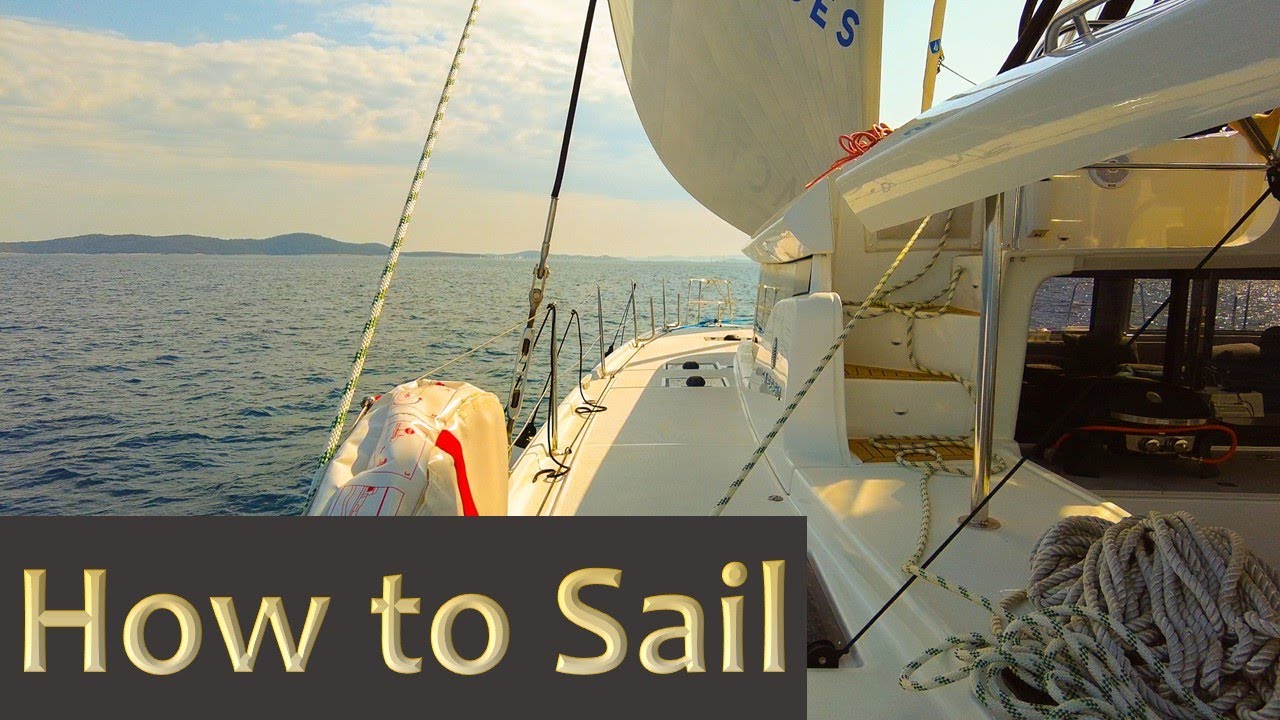
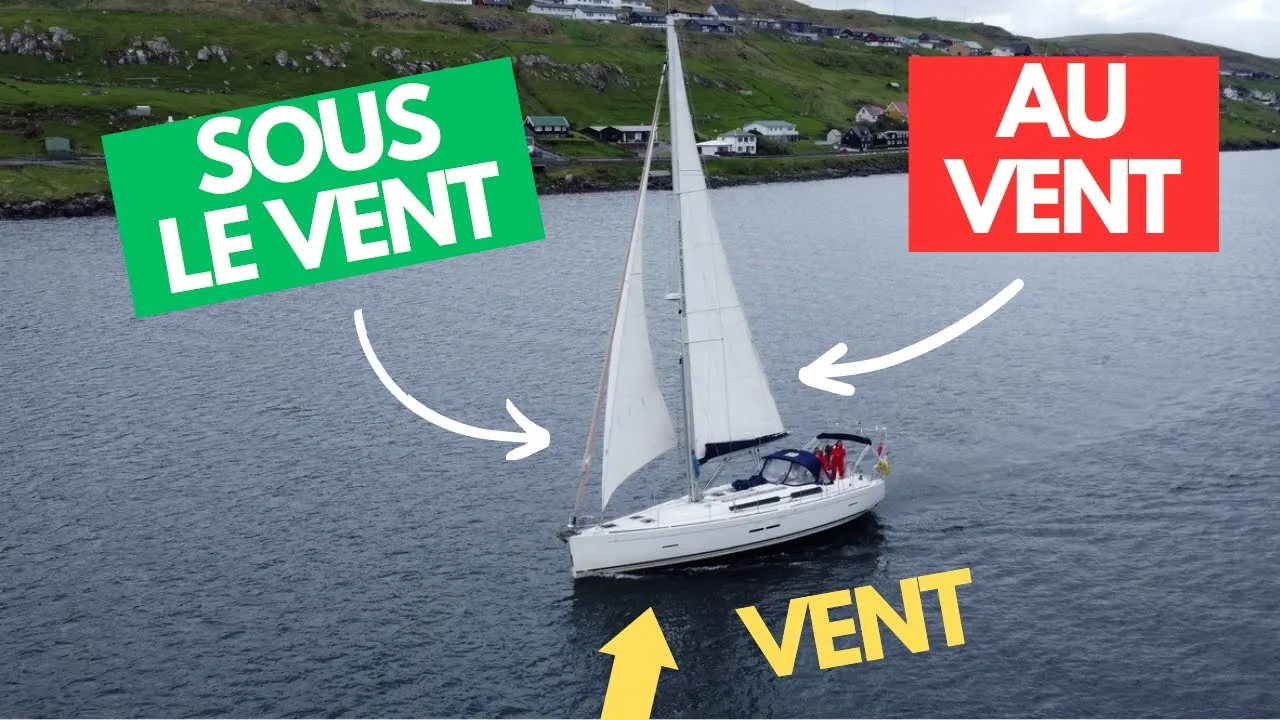




Sailing involves understanding your boat's relationship to the wind, which determines your points of sail: the no-go zone (when wind hits you straight on), close hauled (sailing at a 45-degree angle to the wind), beam reach (90 degrees, fastest point), broad reach, and running (dead downwind). You're propelled forward by the combination of wind pressing against the sails and water pressing against the keel and rudder, similar to how airplane wings generate lift. Key boat components include the mast, boom, rudder (controlled by the tiller), mainsail, and headsail (jib or genoa). Essential vocabulary includes sheets (ropes controlling sail tension), halyards (ropes raising sails), and dock lines. Basic maneuvers involve tacking (turning into the wind to switch sail sides) and jibing (turning away from the wind with the sail behind you). For close-hauled sailing, pull both sheets tight; as you fall off the wind, loosen them gradually. Always watch telltales on the sails to ensure proper trim.
How to Sail: Step-by-Step Basics of Sailing for Beginners
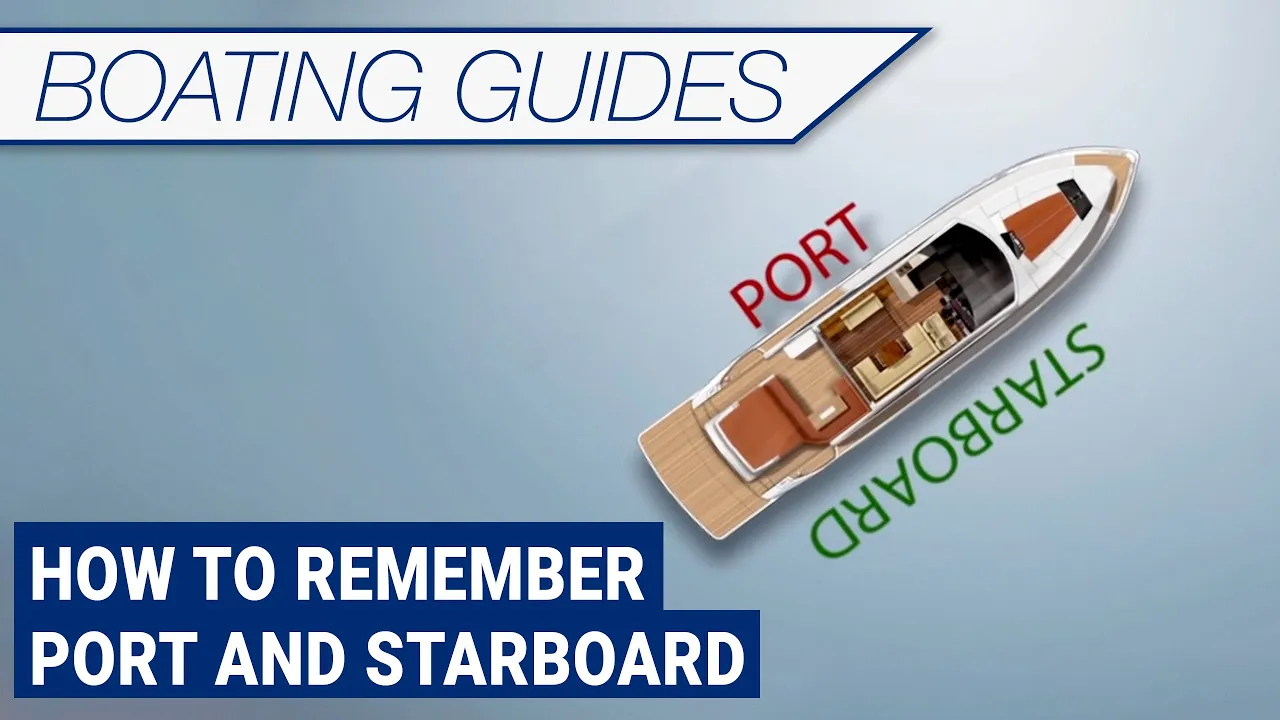
Added:what is up YouTube today I want to go sailing and I want to take you with me it's springtime a lot of people have been asking me is sailing difficult it's sailing expensive no to both of those it's not that expensive you can get into it for as much as you would pay for camera equipment or a motorcycle a couple thousand dollars sounds a little pricey but no more than a lot of other hobbies - is it difficult no it's a lot of vocabulary and it's kind of intimidating vocabulary because it's brand-new but once you learn some of that and you get underway and you start learning some of the maneuvers you can be good to go so today I've done my best to put together a comprehensive tutorial on the basics of sailing talking about the points of sail the vocabulary and then sailing if you want to skip straight ahead to the ceiling you can skip to the 11 or 12 minute mark now I've kept this fairly basic I'm not going to fly the spinnaker I'm not gonna do more the advanced techniques but this is a fairly long video so thanks for watching and let's go sailing [Music] [Applause] [Music] in order to understand how to sell you first have to understand your boats relationship to the wind so let's say the wind is coming from this direction we're looking at an overhead view of us on the water easiest to understand this is looking at a clock and approximately 10 + 2 is gonna be called the no-go zone you're not going to be able to take your boat into this area because if you take your boat here the wind is going to hit you straight on and the sails are going to luff in the wind it's called going in irons and you're not going to move anywhere as long as you're outside of this 45 degree angle you can go here that's going to be called close hauled you can go here also that's your boat right there called a beam reach you can go here or anywhere I'm just giving the designated areas and this is called a broad reach and you can go straight downwind there's your wind hitting right here your boat is going this direction that is called either running or dead downwind same goes for the other side it's called a broad reach you're going at a 90 degree angle with the wind that's going to be called a beam reach and you're gonna be right here at a close hauled which is close to the no-go zone but you can still go with the wind hitting you and you propels you forward now how does that work how are you propelled forward if you are either at a close halt or perhaps a beam reach when you're not going dead downwind so let's say I have a piece of ice right here that's gonna be my boat let's say this is going to be the wind this finger is the wind and my thumb is the water now the wind and the water work as two forces against each other against my boat the wind is pressing against the sails while the water is pressing against the keel and the rudder so you have those two opposite forces going and it makes it go forward when those forces are working against each other the boat moves forward because of a combination of the shape of the boat kind of shaped like an arrow along with the lift from the sail like an airplane wing and the wings that are below the water that you don't see the keel and the rudder and you're forced to go forward now when you're going dead downwind you don't get the same physics you can move forward but it's simply because the sails are acting like parachutes catching the wind and you move in that direction typically if you're in the beam reach area at a 90 degree angle is when you're gonna get the most force from the wind reacting against the force from the keel and the water and it's gonna give you your fastest point of sail another way to think of this and you can quiz your friends doing this you can look in a mirror but it's to designate the wind coming from this direction so you are the wind right I can't go this way it's a no-go zone right if I turn slightly it's gonna be a close hauled turn it a 90 degree angle that's a beam reach turn this way it's gonna be a broad reach go completely down this way it's gonna be running with the wind you get the idea now let's put this stuff in practice first thing we have the cockpit is where you're gonna sit when you're sailing you have here a tiller this is what will turn the rudder of the boat the rudder is underneath the hull of the boat and the rudder is going to be sticking way down in the water and it will turn the boat as you go so this is a tiller other boats might have a steering wheel right here or what's called a helm after you look at the cockpit you obviously have the tall thing in the middle is called the mast right what is this long thing here it's called the boom so you got the mast it's comes down to the boom now what is this this is a rope that will net to the mainsail and will help you control the mainsail but it's not called a rope in sailing this is called a sheet this is the main sheet during sailing you might have someone say let out the main sheet pull in the main sheet that's to put tension on the sail for different angles of wind this is the mainsail the mainsail cover right now this red piece of fabric the mainsail is covered we'll take it off in a moment looking down again on the side of the cockpit this is called a winch this is where you're gonna take the sheet from the head sail and you're gonna wrap it here always in a clockwise manner and that's where you're gonna help with your getting your tension on the sails so this is a winch [Music] there's typically a winch handle so you put it in here and you can actually get a better grip you're gonna use the winch for the headsail sheets let's go up here these are the rigging that will support the mass to make sure it's gonna stay up you have different rigging throughout on the back here you have what's called a back stay it's holding up the back portion of the mast on the sides you have what is called shrouds and on the front here or the bow of the boat you have the four stay or the jib stay now on the fourth day this is where we put the head sail it could be a jib sail and technical terms a jib sail dust 100 percent or less what does that mean it's just the size of the fabric of the sail so 100 percent would be a triangle that goes from here and essentially meets right here on the mast and that would make up the triangle of 100 percent if it's bigger if it's bigger than a hundred percent if your piece of fabric of the sail is going all the way from the forced a pass the mast that's going to be called a Genoa do you know why now we're gonna be using an Jenna one today I think it's one hundred and thirty percent sail and we're going to put it on the for stay there's different types of for stay this particular sailboat has a track system so you'll put the head sail you'll put the head sail in this track and you'll take it up there are other boats that have what's called Hanks and their little clamps when you get to a little bit of a bigger boat you'll find what's called a roller furling it has a little drum at the bottom that spins the sail to wrap it up and then it's an easy access in and out you have in the front it's going to be called obviously the bow which is a common term people know or the foredeck [Music] that would be the front side of the boat now this particular boat has an outboard motor to get in and out of the slip now you don't even need a motor when you're doing sailing that's the beauty of sailing when you're learning with a smaller boat they might not even have a motor and you might just have to find the wind put up the sail right out of the dock and then make your way with sailboats even though everything looks like ropes there's actually different names for the different types of rope so like I said before this that would connect to the bottom of sail that creates the adjustment on the sail these are called sheets so you have two sets of sheets you have the main sheet and the jib sheet you also have what's called the halyard okay the halyard the halyard is gonna connect to the top of each sale so you have a halyard for the mainsail you also have a halyard for the head sail that's gonna connect to the head of the sail you're then going to raise the halyard and you're gonna raise the sail so you have the rope that's pulling up the head of the sail is called a halyard to adjust the tension on the sail you're gonna have those called sheets now the lines they're connected to the dog those are called doc lines all right so you have lines halyards sheets that's the basic that's gonna be the basic thing you need to know for now [Music] now we're gonna prep the boat to get underway we're gonna take off this mainsail cover now I'm going to grab the head of the mainsail and put it in its track I then grab the halyard and place it on the mainsail now I'm not gonna raise the mainsail at this time I'm just getting it into position so I pulled the slack out of the halyard and now it's ready to go once we're in the wind now many at the headsail ready and in this boat it's stored under this hatch I unfold the head sail I attached the tack part of the sail at the bottom of the four stay near the deck I then put the head of the sail into the track of the fourth day I take the halyard and connect it to the head of the sail then I pull on the halyard to take out the slack again I'm not raising the sail but I'm getting it into position it's a good idea to tie this head sail down so it doesn't fly into the water before we raise it now a little more vocabulary so you have three parts of the triangle obviously you have the head which is the top triangle piece you have the tack which is the front triangle piece which attaches to the bow at the very front of the boat you also have the clue which is the triangle portion on the backside of the sail now you've got your jib sheet I'm gonna put it on the clue but this Genoa sail now I have my two jib sheets one for each side of the boat I'm going to take each sheet to the outside of the shrouds then the jib sheet goes through this block and I tie a figure eight knot in the end so it doesn't come out while underway then the same thing on the other side now just tidy up the sheets so they aren't all over the place some other quick vocabulary would be what's right and left right we have starboard is the right we have port is left you can remember port because it's four letters and left is four letter so port is on your left side starboard is on your right side what we'll do is we'll get out of the dock area using the outboard engine we'll get out into the open water where then we can raise the sails this is the mainsheet I'm getting it ready by the way you should always wear a life jacket I have this life jacket tied to my GoPro so at least he will be safe if he goes overboard now we are out away from the dock so as I get ready to handle the lines I like to put on gloves but this is optional before we put up the sails we want to get the boat going directly into the wind you can check your wind vane at the top of the mast to see wind direction now let's put up the mainsail I grab the main halyard here on this boat I typically need to help the sail up the track so I stand on the deck I pull a little on the Hauer then I take off the sail ties then pull up the sail as fast as you can this can be a little tough if you're on your own because no one's steering the boat but the sail is now up and we're sailing let's turn off the motor beautiful quiet only the wind let's get into our close-hauled position I'm gonna pull the mainsheet pull it right high and turn slightly into the wind see it's too much too much fall off the wind fall off the wind let it catch let it catch there we go all right so you want it to go right you can go right past that point to where the sail is gonna be luffing and then let it fill the sail look at those telltale to see if they're sticking straight out once we fall off of the wind we're gonna let this out [Music] we're turning downwind and now we're going at a broad to reach almost running with the win let's go back a little way and now let's bring it in again for more of a close hauled bring it in bring in the mainsheet you can see that it's now lining up to where we're in the middle of the boat and we're also turning at the same time and we're gonna get into that we're a little bit into the wind I'm gonna fall off of the wind just slightly and there we go now we've got the sail is full and we're going to have about that 45 degree angle off of the wind now let's put up the head sail now that head sail on this boat is actually much easier to get up than the mainsail so it should be pretty easy and once we get this head sail up you're gonna feel a difference we're gonna be moving pretty good because that head sail it picks up a lot of extra wind and a lot of extra speed so let's go for it not mandatory but recommended I'm going to get the sale tie from the front it's not safe to run up to the foredeck when sailing by yourself but I've got to do it then I'm going to come back and got the sail tie now grab the jib halyard and raise the sail now grab the jib sheet on the side of the sail this is the starboard side you always want to clean up your cockpit area making sure that the lines and sheets are not tangled and they're not in your way I've got my jib halyard here which is now a lot longer after raising the head sail so I will coil it up and throw the end below in the cabin to keep it out of the way now we have a better organized space in which to work now that we've got both sails up we're moving pretty good now let's get some maneuvers going probably the most basic sailing maneuver is a TAC TAC K what is this it simply means we are going to turn into the wind turn past the wind and the sails are going to end up on the other side of the boat after the turn before we turn I need to fix a tingle in my jib sheet this is tricky with one person again not super safe to run onto the foredeck when no one is steering I don't have any kind of autopilot but luckily the boat is sailing very straight today so now I've reset my portside jib sheet after tacking this is going to go automatically the mainsail is going to go on its own when you turn but I have to control the jib sheet okay ready ready to tack or coming about tacking I'm turning I'm turning release the starboard jib sheet then grab the portside jib sheet I should have kept turning a little more now your sails will catch the wind from the starboard side and you can secure the jib sheet on the port side there we go not too difficult now just work on that good angle with the wind I want to pull this jib sheet in a bit if I'm going to be close hauled I'm also gonna pull the mainsheet in what I can tell you is if you're going to be close hauled the closer you are to the wind both your jib sheet and your main sheet will be pulled about as tight as you can as you fall off the wind you will loosen your sheets and let them out if you can remember this concept sailing is pretty simple now I'm going to turn a little to the left to the portside so I will let out the sheets just a little though you want to go in small increments as you transition to a beam reach and again you will look at those little ribbons on the sails the tail tails to see if they are sticking straight out and adjust your sails as needed just a little I'm pulling on the sheet just a little a couple of inches and there we go we're sailing look mom no hands now I want to show you a jibe it's similar to attack we're returning but a jibe is with the wind coming from behind so instead of going into the wind as we did with the tack we're going to let the wind pass us at the rear or the stern of the boat it's a little trickier because as soon as the wind catches the mainsail it will fling the sail and the boom to the opposite side so you have to be careful when jiving so no one gets hit on the head with the boom you want to have the mainsheet in quite a way so that the boom has less distance to travel so bring in your main sheet for a more controlled jibe let's jibe so I'm going to go into the dead downwind position you see what's happening right now is a very slow jibe control jibe I'm going to switch sides you can see we need to pull in on the headsail and now we're good to go the wind is still at our back so I need to let out the sheets a bit more okay so that's a jibe not much to it let's do another quick tack remember the tack is where we turn into the wind and then past the wind with our bow tacking release the jib sheet on the starboard side switch sides you want to move to the high side or the windward side grab the jib sheet on the port side trim in on the jib sheet done now we are on a starboard tack on a starboard tack because the wind is coming over our starboard side it's pretty much sailing right there just went into the wind because I was talking to you straight into the wind let's get everything ready to go back in again this is the fun part when you're doing it solo because the sales have a tendency to go off any wire where you're trying to bring down with nobody steering let's give it a shot here's the play-by-play I have released the knots from the jib sheets they are ready to go forward when I pull down the head sail when I get going into the wind in irons I'm going to release the halyard I'm going to go up to the foredeck I'm gonna pull down the head sail off of the track we talked about earlier and then I'll stuff it into the hatch I'll fold it up later alright let's do it here's my halyard I need to make sure it's not tangled so I'm gonna bring it back into the cockpit organize it now see the sails starting to luff as I turn into the wind release the halyard go forward and wrestle down the hedge sail I'm gonna start the motor now ready for the mainsail I'm going to get the sail ties got the sail ties ready the mainsail is more difficult because I have to flake it as it comes down to tie it onto the boom now I'm taking the halyard off the head of the sail I'm going to bring the Howard back to the end of the boom where I will attach it to keep the boom up so that's pretty much the basics of sailing I will continue to tidy up the deck and put things away before getting back to the dock today we've covered the basics and I encourage you to take a sailing lesson to get out on the water and to go sailing please subscribe for more and feel free to ask me questions or make a comment in the comment section below thanks for watching and happy sailing
Up Next
Connect & Use NEO-6M GPS Module with Arduino: Tutorial
@neosarchizo
10.8K views•2024-08-26

Whole Brain Architecture: First International Workshop 2024
@thewholebrainarchitecturei9784
640 views•2024-07-22

FastAPI vs Flask vs Django: Choosing the Right Python Web Framework
@TechWithTim
302.5K views•2024-05-26

Game of Thrones Opening Credits: A Cinematic Analysis
@gameofthrones
46.3M views•2011-04-18
Related Study Plans & Knowledge Roadmaps
Structured learning paths in General & Interdisciplinary Studies