





















![CENTRAL BANK AND ITS FUNCTIONS [ PART 1] [ DP THAPLIYAL]](https://i.ytimg.com/vi/cklP-j2UIWw/sddefault.jpg?v=5eb17eea)






The collapse of Silicon Valley Bank (SVB) and Silvergate in March 2023 illustrates how bank runs—where customers withdraw more money than banks have on hand—can trigger financial institution failures, particularly when banks hold long-term fixed-income securities that lose value during rising interest rate environments; SVB's failure, the largest since the 2008 crisis, occurred because the bank had to sell $5.2 billion in treasury bonds at depressed prices to meet customer withdrawals, highlighting the importance of liquidity management and how concentrated banking niches (like serving startups or crypto clients) can create systemic vulnerabilities when economic conditions change rapidly.
The Collapse of Silicon Valley Bank and Silvergate: Causes and Fallout
Added:Fractional Reserve Banking: Understanding how commercial banks manage deposits, assets, and liabilities.
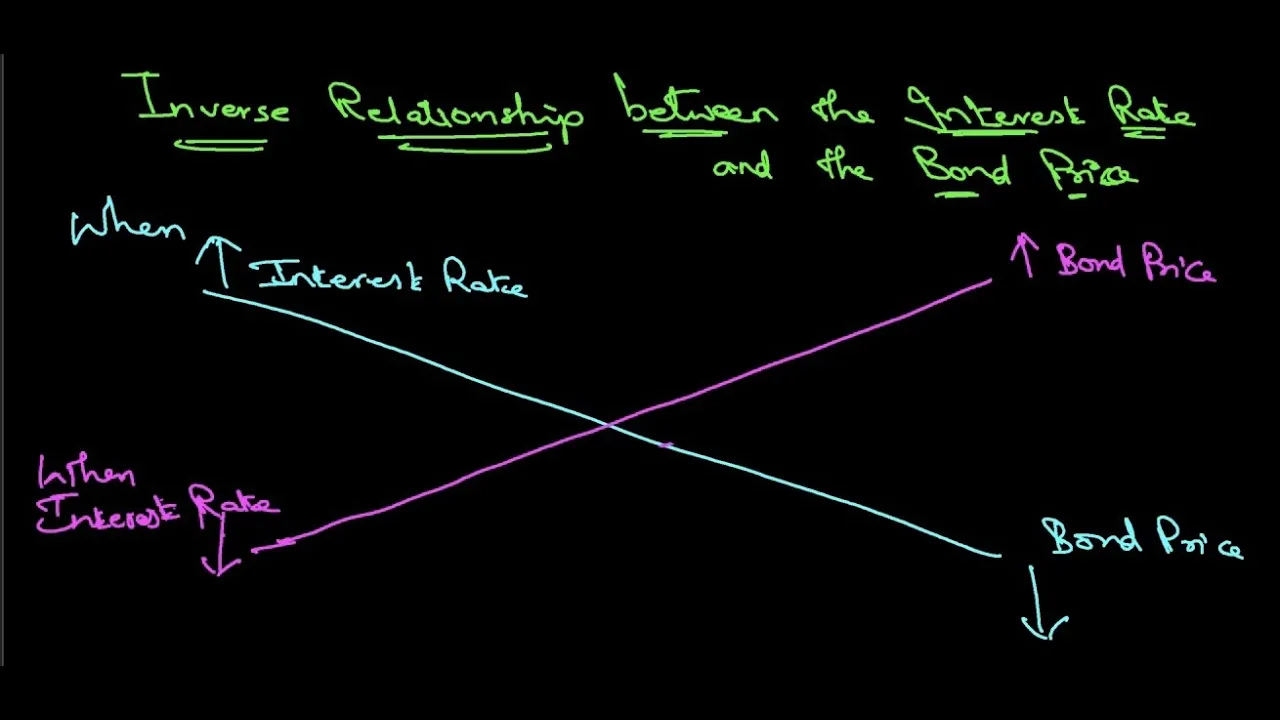
The Inverse Relationship between Interest Rates and Bond Prices: How rising interest rates decrease the market value of existing fixed-income securities.
Monetary Policy and Federal Reserve Rate Hikes: The mechanisms through which the central bank uses interest rates to combat inflation.
Federal Deposit Insurance Corporation (FDIC) Limits: The role of deposit insurance in preventing bank runs and the implications of uninsured deposits.
Macroprudential Regulation and Basel III/Dodd-Frank Standards: Examining banking regulations designed to mitigate systemic risk and liquidity crises.
Modern Bank Runs in the Digital Age: Analyzing how social media and mobile banking apps accelerate capital flight compared to historical panics.
Central Bank Intervention and Emergency Lending: Studying the creation and impact of programs like the Bank Term Funding Program (BTFP).
The Intersection of Cryptocurrency and Traditional Finance: Exploring the unique liquidity and regulatory risks faced by crypto-friendly banks like Silvergate.
1.4M views41.1Klikes15:52Original Release: 2023-03-11
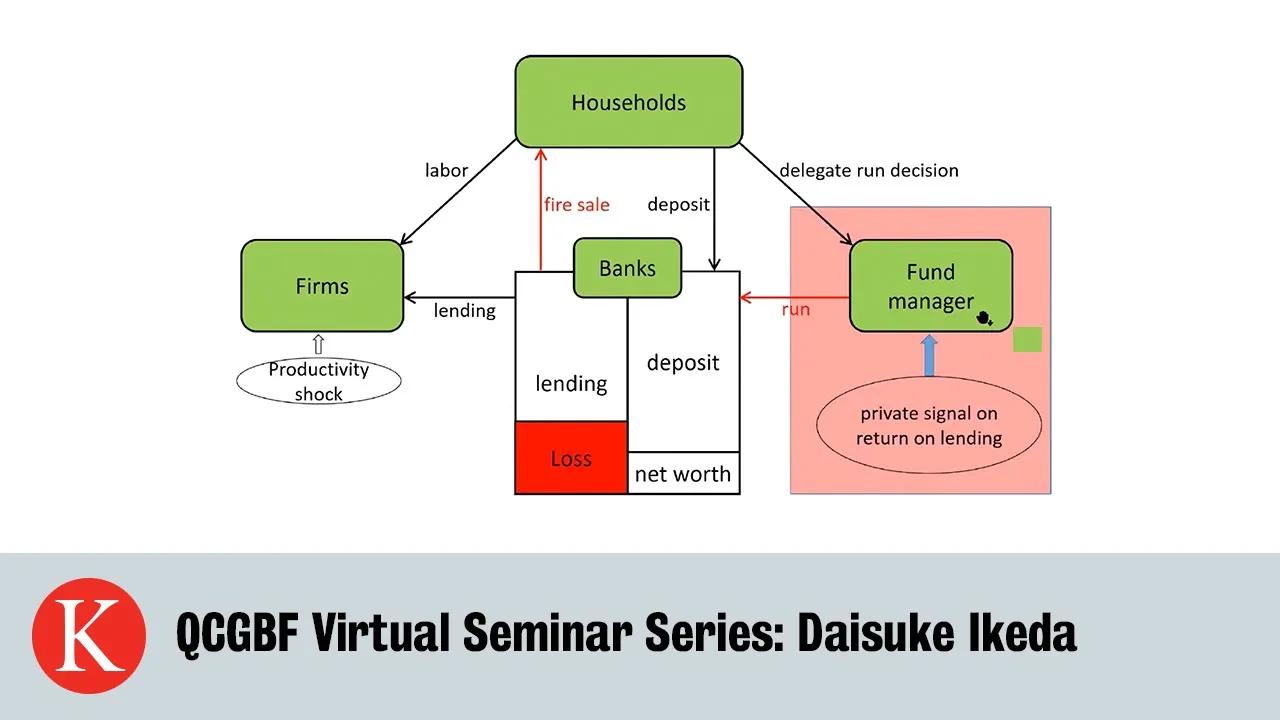
hey guys this Richard watching the plane Bagel it's been a crazy week in the world of Finance as you've probably heard by now we've seen the collapse of not one but two US Banks over the span of just a couple of days this past week it started on Wednesday with silvergate Capital Corp which is a crypto-friendly institution whose stock was already down 94% over the past 6 months announced that it would begin its voluntary liquidation to try and meet its liabilities which caused the stock to fall roughly another 50% since it's still a publicly traded position and then on Friday after seeing its own stock drop 60% on Wednesday alone and another 66 plus% in pre-market trading on Thursday before the stock trading was halted Silicon Valley Bank a commercial bank that served primarily startups and tech companies in California was shut down by the FDIC the Federal Deposit Insurance Corporation and while the fall of silver bank is itself problematic I can't emphasize enough how much bigger of a story svb is because of just how much bigger of a bank it was at the end of 2022 silvergate had $6.3 billion in deposits compared to Silicon Valley Bank which had over 170 billion or 27 times what silvergate had and roughly 17 times the amount of customer funds that were misappropriated by FTX in fact svb is the largest bank to collapse since the 2008 financial crisis and is the second largest bank collaps in US history uh so clearly a meaningful story and what's really crazy here is that this isn't the result of some bad loans or a stupid investment in a cryptocurrency project that went sour it all seems to be because of a bank run where customers withdraw more money than the bank has on hand since it uses customer deposits to lend out loans and can't immediately recall that money something that many consider to be an old problem and that we haven't really seen to this scale since again the 2008 financial crisis now as with any story that involves a collapse of a company bank or otherwise uh I do want to provide a more well-rounded perspective on the situation there's a lot of people uh ringing the alarms and and you know warning that this is the next big financial crisis I think there's a lot of nuance to the situation that's worth highlighting things could evolve very quickly and obviously this is a developing story uh but you know it is very very incredible early to make such a drastic call like that uh but there are problems here that are worth addressing and I want to focus primarily on svb since it is a much larger bank and Patrick Bo recently put out a video explaining the silvergate situation in more detail than I'll likely go in with this video so highly recommend that one I'll leave a link in the description if you want to learn more about that situation but the two cover the same problem the two stories are both kind of about the same thing to an extent uh so you kind of may as well explain the silvergate situation to explain what happened with svb so I'll be summarizing that situation and and then focusing on what the ramifications of svb is for the economy so silvergate as you might have heard by now is an otherwise conventional financial institution uh that helped provide services for crypto companies cryptocurrency exchanges and services a lot of their clients were cryptocurrency focus which was a really good Niche for them prior to 2022 but with the collapse of FTX and all the fraud that's surrounding the situation with s bankman freed it's led to a run on cryptocurrency exchanges which has translated into a run on this financial institution's assets and in the last 3 months of 2022 alone silvergate customers withdrew $8 billion of their crypto link deposits which represented roughly 2/3 of the cryptocurrency deposits and because this Bank didn't have the full $8 billion on hand they had to sell $5.2 billion worth of their assets to meet this Demand with which translated into a loss of $718 million and to put how much money they lost into perspective if you took all the money that the bank made in profits from 2016 up to the third quarter of 2022 it wouldn't even cover a quarter of the money lost in Q4 of 2022 alone so yeah they lost a lot of money as for why this loss was so big as you might know Banks hold a lot of their money in treasury bonds including customers deposits which is seen as a relatively safe and liquid investment it doesn't earn you a crazy return but you know there's confidence in the US government and it's very easy to sell to get your money back out of these instruments but the problem is that a lot of these Bonds were required when interest rates were near Rock Bottom over the past decade when the federal funds rate was near zero and as you might be aware a fundamental relationship in bonds is that their price is inversely related to interest rates so when interest rates were low these Bonds were purchased up here and now that rates have had their very aggressive move higher prices for these Bonds on the market have decreased quite dramatically now bonds are still typically a safer investment because you could technically just wait for them to mature to get the face value of the bond back so you wouldn't necessarily realize such a drastic loss but the problem is that this bank with these large customer withdrawals had to meet these cash needs immediately with a fire sale of these bonds onto the Open Market at this depressed price at basically the worst time to do so in fact Bank even had to take bonds that had planned to hold until maturity that were classified as such on their balance sheet and had to sell those ones as well which even widened the loss further and all led to two weeks ago the company announcing that it wasn't sure if it would be a going concern business and this past Wednesday the company announcing a voluntary liquidation of its assets that it would be closing down selling everything to try and meet all of its liabilities now that's not the end of the drama here the company is still being invest investigated by the Department of Justice for its connections with FTX and S bakman freed who were allegedly big customers at the bank with over1 billion of assets with them and on the same day as this announced liquidation we started to see the crumbling of Silicone Valley Bank which as mentioned is a much bigger deal now Silicon Valley Bank is actually just one of four businesses owned by the holding company which is svb financial the publicly traded stock albit it is the largest segment by far it makes up roughly 90% of their pre-tax earnings as of 2021 and as the name probably implies they primarily service startups and Technology firms uh which have been under pressure in the current High rate environment and economic Outlook uh because in addition to all this Bond stuff Rising rates do also make Capital harder to access for Venture capitalists and and startups so it's not a very uh ideal environment for someone who's trying to start a business I know we talked numbers but again to put this Bank size into perspective according to their own they Bank nearly half of US venture-backed tech and Life Sciences companies in the United States so they are a big player in the Venture Capital space and really at a high level the situation is very similar to what happened to silvergate it started again on the Wednesday when s spb announced that because of large customer withdrawals it had lost $1.8 billion related to the fire sale of assets to again meet those cash withdrawals something that allegedly stemmed from the company facing a potential credit downgrade grade from Moody's which also prompted the company to look into selling $2.25 billion in new shares and preferred shares to bolster its cash balance and restore confidence in its operations but rather than calming the markets this triggered a panic in the Venture Capital space and cause many Venture Capital companies to advise their clients their startup clients to withdraw their money from the bank and withdraw they did because in a single day the company saw $42 billion worth of withdrawals roughly a quarter of their customer deposits gone in a single day at this point the company had failed to raise Capital had had its stock halted as it tried to find a buyer for its business and on Friday Regulators closed down the bank which leaves us with the question of what now you might have heard before that Banks do not go bankrupt and that is true and that applies in this situation so where do we go from here well according to Gate's own liquidation plan because again they are still within control of their assets unlike svb they plan to pay back everyone's deposits and meet all their obligations uh time will tell if that's possible and if they have the means to do so but being preemptive in doing this liquidation does certainly help with that as opposed to waiting for the last second and as mentioned with svb they've now been taken over by the FDIC as a receiver meaning that they'll be selling all the assets to try and meet depositors and creditors liabilities uh with the money being returned to depositors as a dividend that'll be paid over time as the money's received and there is also some protection here for FDIC insured deposits with the FDIC indicating that depositors should have access to their insured funds no later than Monday morning which is a awesome turnaround but as great as that sounds the problem is that 95.5% of the bank's deposits are not covered by this FDIC insurance for a couple of reasons the first is that some of these deposits are foreign deposits which are not covered by FDIC and the second reason is that the FDIC only covers commercial accounts up to $250,000 and given that these are Silicone Valley Ventures many of them have a lot more than $250,000 to run their corporation so that means that the vast majority of deposits are not protected by this traditional safety net and that basically means the FDIC will just have to do the best it can with the assets that the bank has to raise the money needed to cover these liabilities uh which obviously does not give depositors who are stuck with this Bank a whole lot of confidence but obviously the biggest concern here is more so about the Fallout right the contagion effect here and how this will impact other parts of the US Financial system past week saw a broad selloff in the US financial sector uh big Banks like JP Morgan and Bank of America saw their stocks decline quite a bit and other Regional Banks even saw their trading activity halted we had First Republic Bank Western Alliance Bank Corp pack West Bank Corp and perhaps most notably Signature Bank which was another bank that catered primarily to cryptocurrency clients uh with $114 billion in assets relative to silvergate 11 billion doar and with how difficult it is to really quantify the risk involved with the collapse of a financial institution within the largest economy in the world it has left a lot of people wondering if this is the next financial crisis in the United States uh but again to that point I do want to offer some points to consider not to tell you that something's going to happen this way or that way but just to provide better perspective for one an important thing to keep in mind here well this is obviously going to be detrimental to the cash flows of venture firms uh and you know just their financial situation as a whole depositors are likely to get some of their money back with some believing that there is a chance depositors are made whole um same can't be said for investors probably very low on the priority list here but based again on what we can see there are assets that should help cover these deposits as of the end of 2022 the company had $212 billion in assets of which roughly 131.5 billion was in cash and government fixed income securities which taken at face value would represent 75.9% of deposits albeit there is likely to see some write down with the treasuries there and the company is owed $ 73.6 billion in in loans so that's money that the company should eventually receive and that the FDIC should be able to eventually pay out to depositors and creditors and assuming that the loans are as high quality as the bank claimed before being taken over that should help with the situation another point to keep in mind here is that again compared to cryptocurrency collapses that we saw this past year uh this situation has the full attention of regulators and even other financial institutions it's in those parties best interest to maintain faith in the US Financial system so they're obviously incentivized to see this resolved in a sound way and finally the biggest point to keep in mind is that the scope of the situation is currently pretty limited I understand that there is risk of contagion and that's kind of the biggest fear people have is that this will lead to other types of Bank runs but this does seem to be a relatively idiosyncratic situation as has been highlighted by some other analysts these are Regional commercial Banks meaning that they operate in a specific area they aren't a nationwide operation and they cater to companies not individual households or or retail Bankers it's unlikely that we'd see a situation like this play out with one of the bigger Banks like Bank of America or JP Morgan JP Morgan has $2.3 trillion in deposits and has a much more Diversified client base that again isn't as exposed to the specific industry risks that were faced by these other two Banks uh given the collapse of cryptocurrencies and the harsh environments that venture capital is currently operating within still with all this there will likely be Fallout of some sort we've already seen a sell off in the cryptocurrency space tied to silvergate the usdc stable coin has since lost its Peg to the US dollar as it's been revealed that it had exposure to the Silicon Valley Bank and for anyone in the space of venture backed tech companies this is a devastating event right some people might never recover from this I get that with over a quar million dollars of money deposited these companies might not be getting all that much sympathy but by the end of the day these are firms that contribute to the American economy that have had their access to cash completely hampered because of what's transpired over just a couple of days and there will likely be things that we can't predict today that will happen down the road because of what's happened this past week uh but currently again my point here is to provide a more rounded perspective to kind of guide people away from the headlines about the next financial crisis because this is nowhere near the scale of the 2008 financial crisis uh and is not nearly the same uh fundamental issues at hand when it comes to leverag derivatives this is tied to a bank run and concentration risk primarily that also caused issues because of rising interest rates uh it's not nearly the same level of say negligence You could argue that concentration risk was poorly managed and you know Building A Bank off of of allal cryptocurrency industry silvergate is maybe less defensible uh but nonetheless it's a very fundamentally different situation and this isn't the fdic's first rodeo they actually just dealt with a bank collapse in 2020 albeit a much much smaller situation there but this is what they were made for and the vast majority of retail Bankers do have that FDIC insurance to cover the vast majority of the deposits they have if not all of them so long as they do bank with an FDIC insured institution still in terms of how far reaching the impact here will eventually be we will have to see how things play out so that's the video another kind of light on Frills piece to get it out quickly and talk about something that really has been very crazy and very fast in the financial markets uh and trying to counteract some of the titles that you'll likely see around the situation and pull people back from the edge a little bit uh so I hope you found the information useful if you did please make sure to like subscribe all that good stuff it does help the channel tremendously and let me know your thoughts on all this down below thanks for joining me today and as always be safe out there
Up Next
14:22
Silicon Valley Bank Collapse: Economic Analysis and Lessons
@glennbeck
287.5K views•2023-03-13

5:07
Impact of Yuan in Indo-Russian Trade Amid Sanctions
@WION
261.9K views•2022-07-01

13:22
What Happens When a Country Defaults on Its Debt? A Deep Dive
@ThePlainBagel
528.7K views•2022-09-16

113:18
The Age of Easy Money: Fed & Inflation | Full Documentary
@frontline
21.2M views•2023-03-15
Related Study Plans & Knowledge Roadmaps
Structured learning paths in Economics
economics
Sovereign Debt: Defaults, IMF & Restructuring
01Introduction to Sovereign Debt & Government Bonds
02Debt Sustainability & Credit Ratings
03Anatomy and History of Debt Crises
+ 2 more learning modules
12h5 modules
Explore Roadmap
economics
Market Design: Matching Theory & Gale-Shapley
01Introduction to Market Design and Price-Free Markets
02Two-Sided Matching & The Gale-Shapley Algorithm
03School Choice Systems and Mechanism Design
+ 2 more learning modules
10h5 modules
Explore Roadmap
economics
Impossible Trinity: Forex, Capital & Policy
01Introduction to Monetary Policy and Central Banking
02Exchange Rates and International Capital Flows
03The Mundell-Fleming Model
+ 2 more learning modules
8h5 modules
Explore Roadmap
economics
Healthcare Economics: Market Failures & Systems
01Introduction to Healthcare Markets and Market Failure
02Asymmetric Information and Adverse Selection
03Moral Hazard and Insurance Design
+ 2 more learning modules
12h5 modules
Explore Roadmap