
![[Curso de extensão] A Engenharia das Missões Espaciais: Introdução ao Curso e Mecânica Orbital](https://i.ytimg.com/vi/NcoIIqPf4dU/maxresdefault.jpg)


![화성에 '집 짓기' 가능? 화성에서 살아남는 법까지! 과학자들이 밝힌 진실 '대공개' | 다큐S프라임 [반복재생]/YTN 사이언스](https://i.ytimg.com/vi/Fx6rrR1GC8o/maxresdefault.jpg)




![Robot NASA có phát hiện gây SỐC trên Sao Hỏa [Replay] | Khoa học vũ trụ - Top thú vị |](https://i.ytimg.com/vi/fPltPBmZZYQ/maxresdefault.jpg)







![[수면다큐]⏳ 시간여행 – 과학이 말하는 진실은?|자기 전 틀어놓는 영상](https://i.ytimg.com/vi/hZXm9H6Od1g/maxresdefault.jpg)

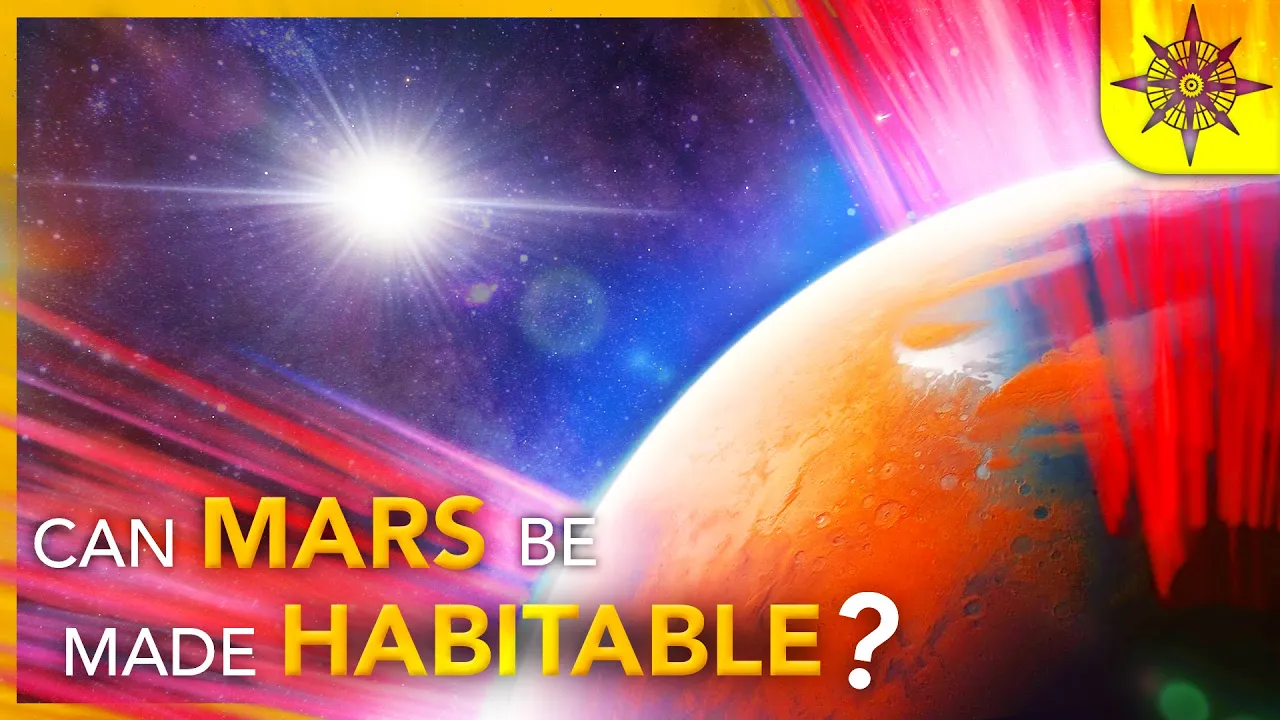
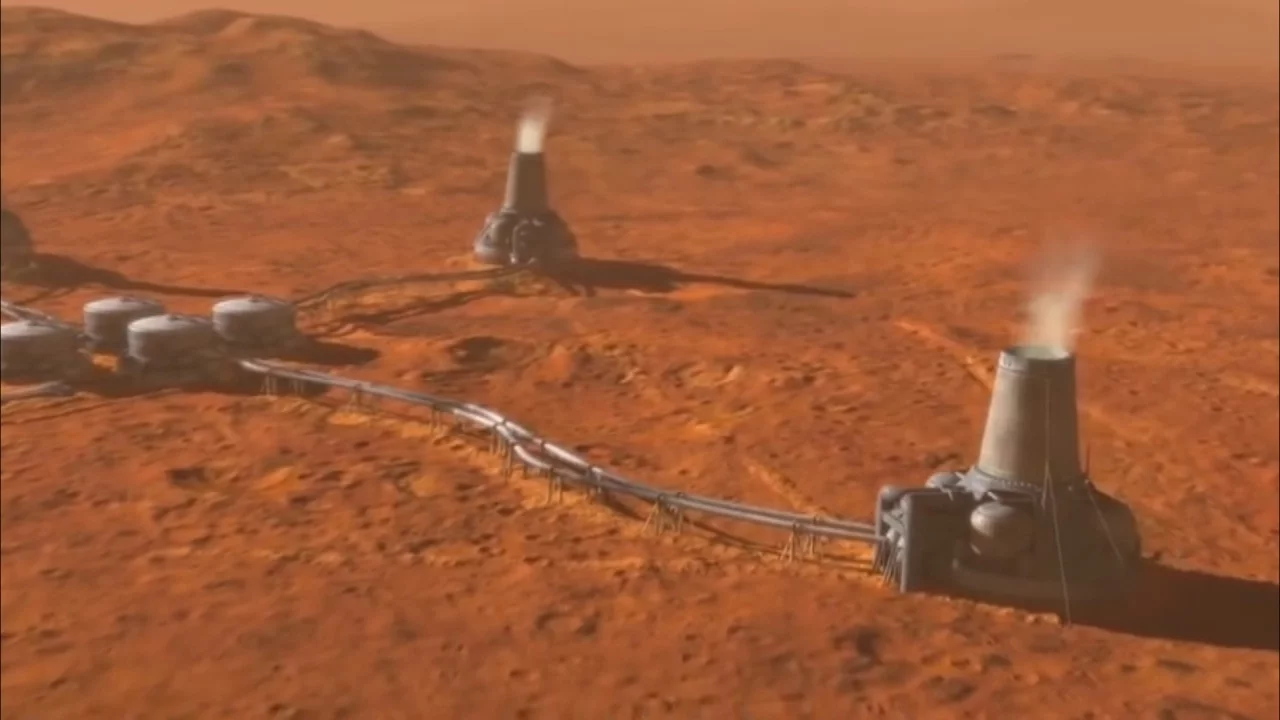


Human colonization of Mars faces enormous challenges including the vast distance (140 times farther than the Moon), requiring 6-9 month journeys, and the technical difficulties of launching from Earth's gravity well; NASA's Artemis program aims to establish a lunar base by 2025-2028 as a stepping stone, with plans for human Mars missions around 2039, while SpaceX's Starship offers a revolutionary spacecraft design capable of carrying 100 passengers for interplanetary travel.
Mars Colonization Challenges: NASA, SpaceX & the New Space Race
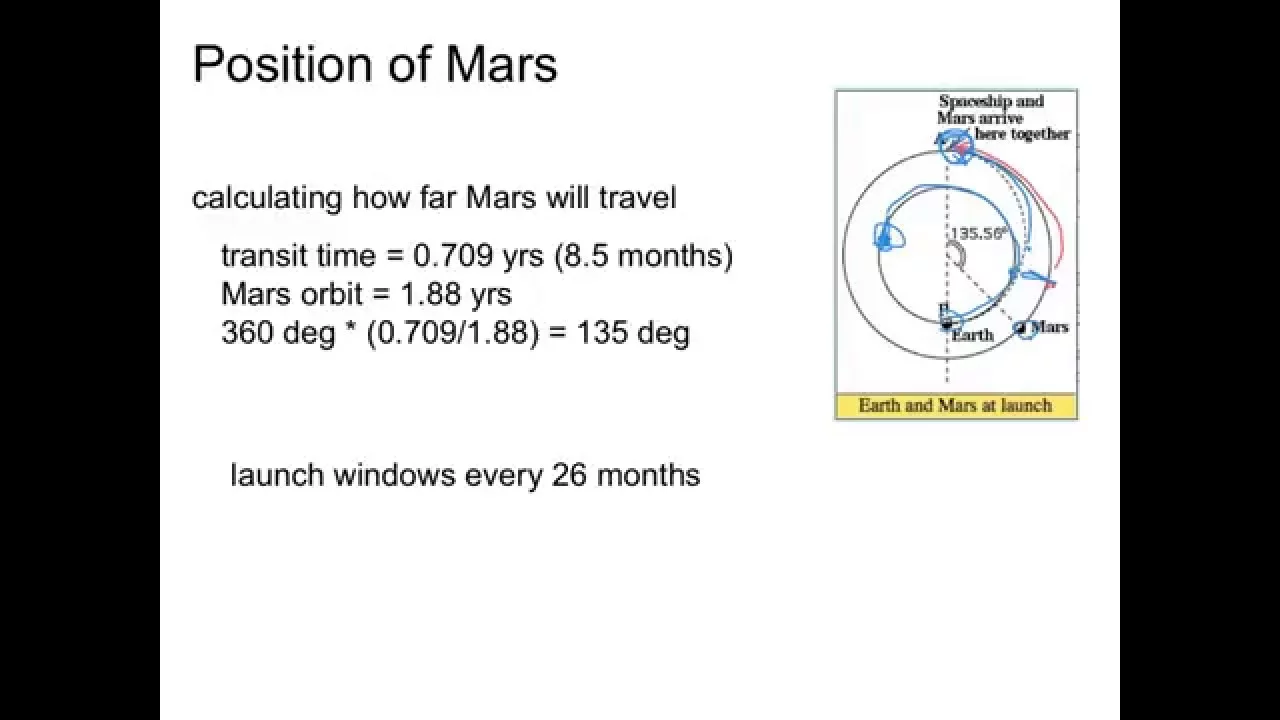
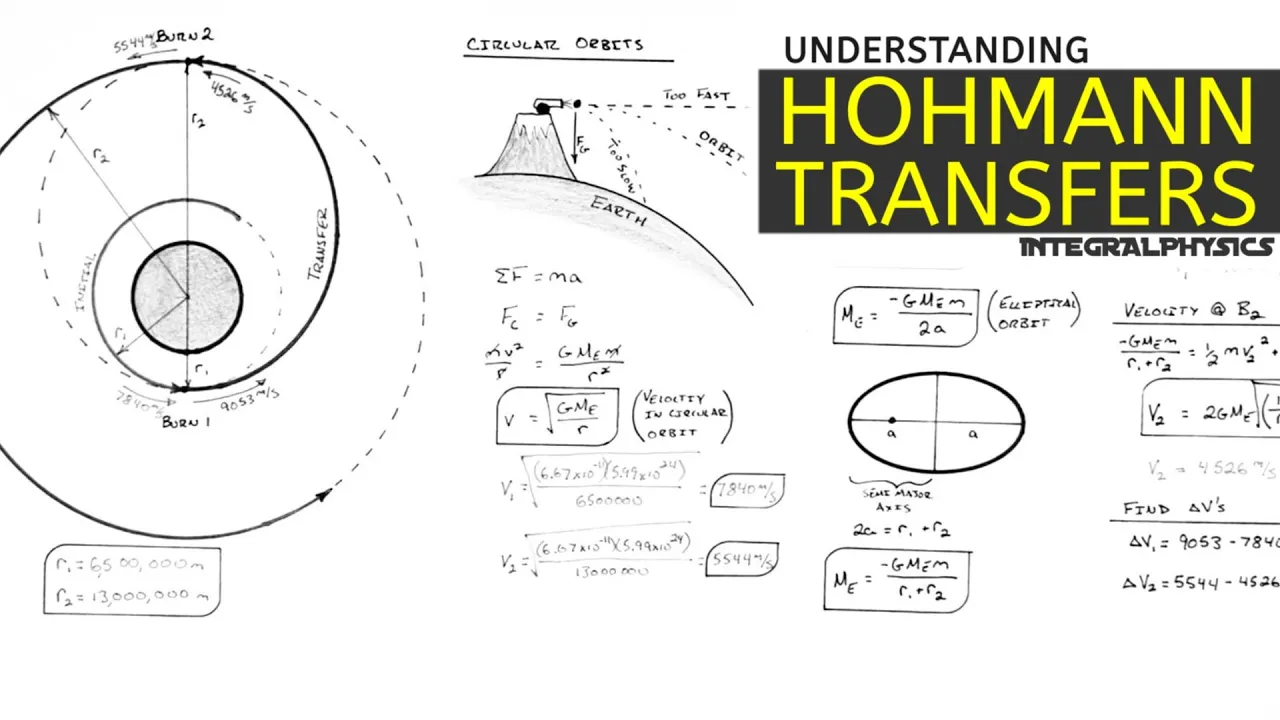
Added:Basic orbital mechanics, including concepts like Hohmann transfer orbits and planetary launch windows.
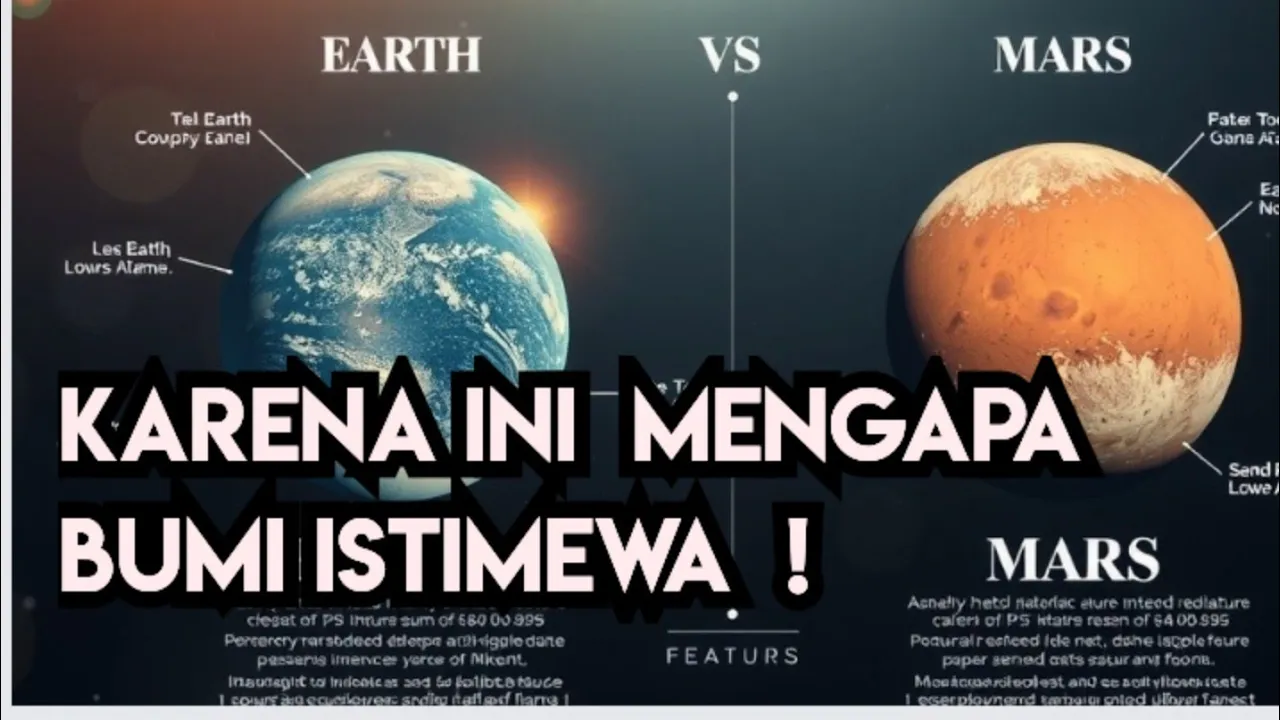
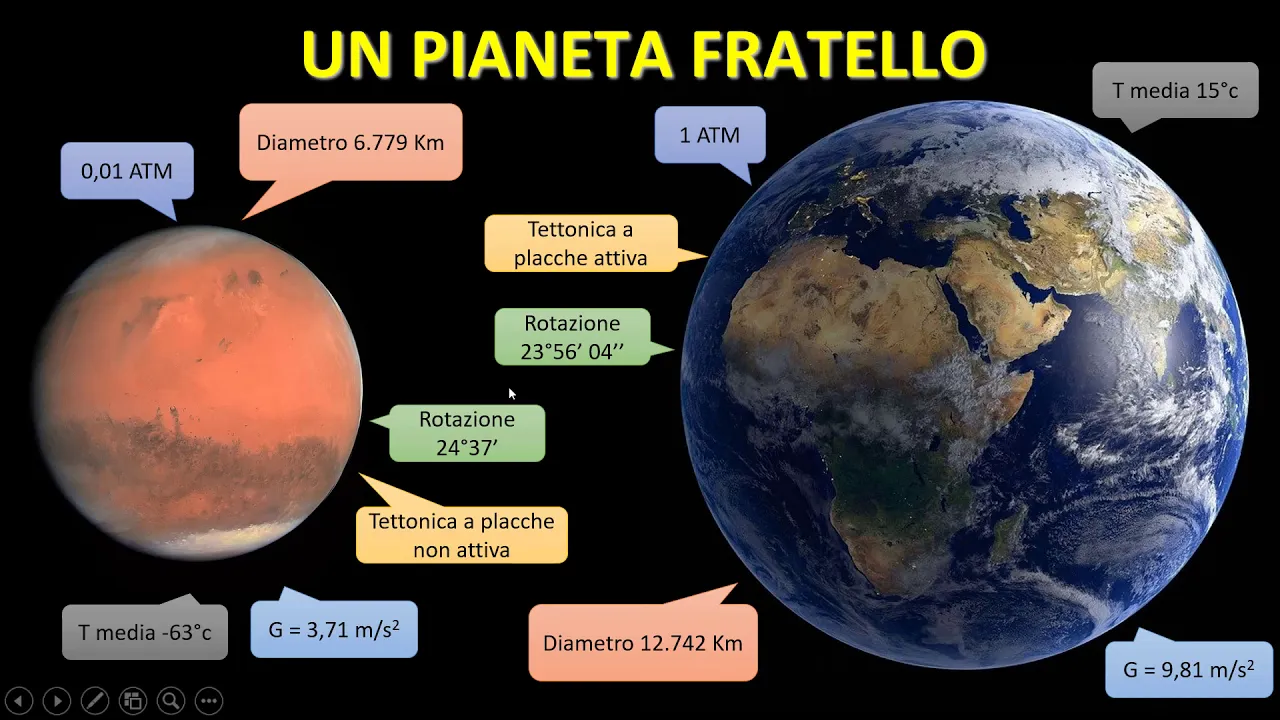
The fundamental environmental differences between Earth and Mars, specifically atmospheric density, gravity, and radiation levels.
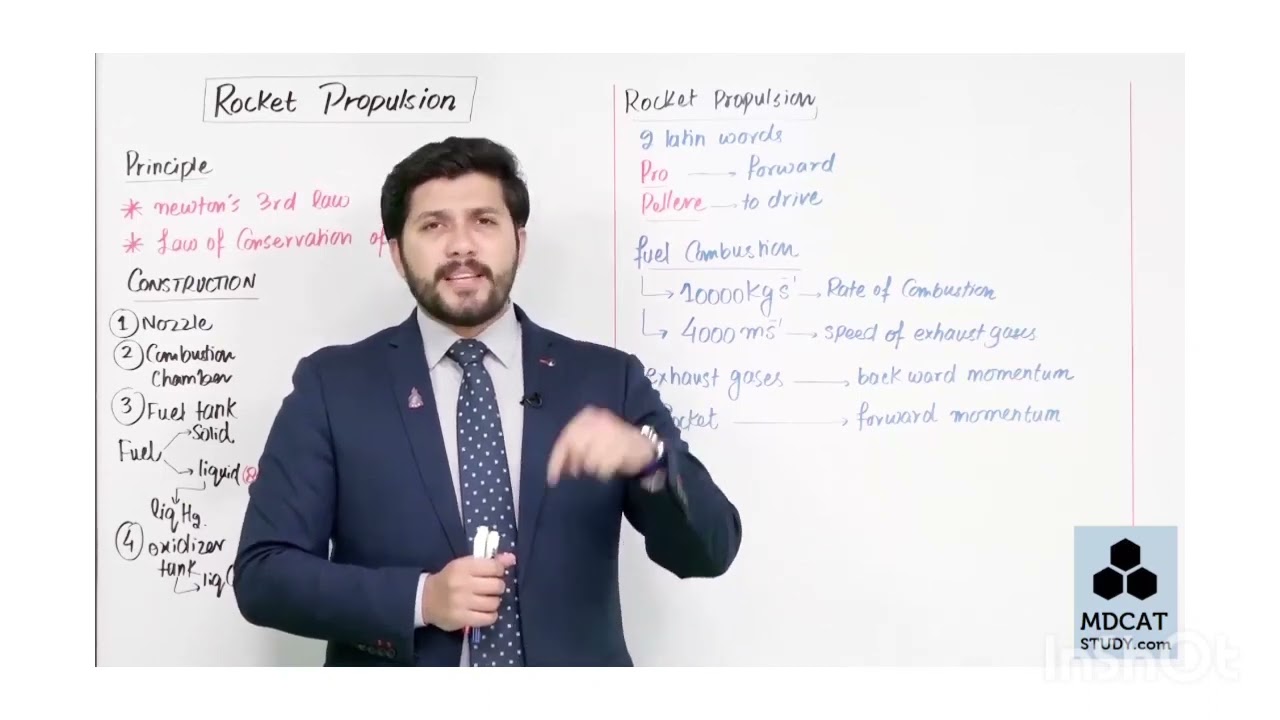
An understanding of basic rocket propulsion principles and the significance of payload capacity and launch vehicle reusability.
The history and key scientific findings of previous robotic Mars exploration missions, such as the Curiosity and Perseverance rovers.
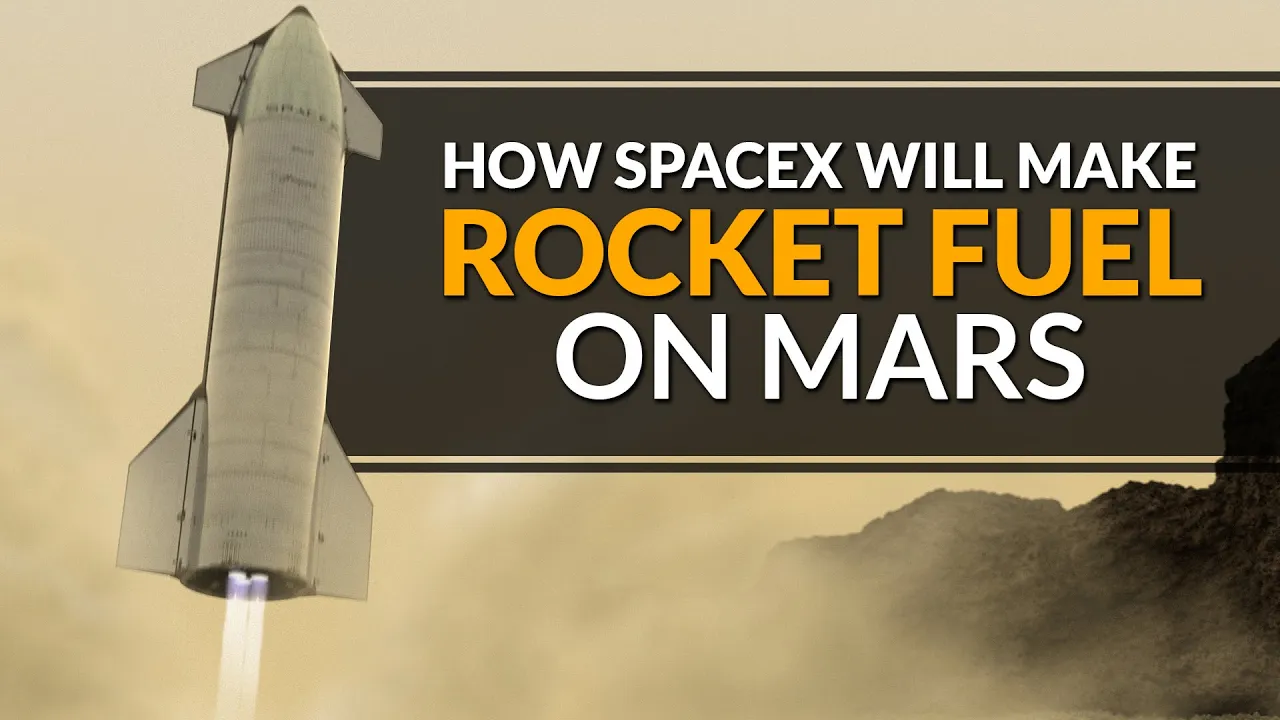
In-Situ Resource Utilization (ISRU) technologies, specifically how oxygen, water, and rocket fuel can be synthesized on Mars.
The engineering of Closed-Loop Ecological Life Support Systems (CELSS) required for long-term human survival and agriculture in space.
Planetary protection protocols, astrobiological ethics, and the biological risks of forward contamination.
Theoretical concepts of terraforming and planetary-scale geoengineering to make Mars habitable.
Space law and governance, including the Outer Space Treaty and the legal frameworks for resource extraction on celestial bodies.
329K views3.6Klikes1:33:58Original Release: 2025-03-09
Humanity has always been searching for new lands now the boundaries have expanded our next step leads to Mars or at the very least to the moon and our Ambitions are anything but humble we don't want to only reach these other worlds we want to build colonies that will one day become independent but traveling the cosmic void is only the first part of the challenge what comes next we set out to pursue a dream yet we will face the harshest reality a colony on another planet isn't just about survival it's a struggle for resources technology and Power in the depths of Distant Worlds we may find materials that could redefine our vision of the future who will claim these Treasures who has the right to call them their own and most importantly how will they be shared the new space race has already begun the space race in 2020 Elon Musk confidentially declared that his company would land the first human on Mars by 2026 from what we can see musk hasn't had any luck so far and with Just 2 years remaining until his predicted date the prospect of seeing a human on Mars is to put it mildly unlikely meanwhile NASA seems to be in no hurry they're just now planning missions to the Moon again but even these missions are constantly being postponed so what went wrong in this video you'll learn why is it so hard to travel to Mars from Earth why have we already traveled to the moon but not yet to Mars how and when is it planned to travel to Mars how are we going to conquer Mars what does conquering Mars even mean for most people this means at the very least to have a person fly there and plant a flag or to build a base with regularly rotating staff like on the ISS or even to terraform Mars that is to deliberately change its condition so much that it would resemble Earth whatever people dream about for now even flying there and planting a flag is an extremely challenging task it would be a great achievement if the first interplanetary astronauts managed to reach the red planet land and successfully return to Earth successfully means alive and preferably more or less healthy but why is it so difficult after all people went to the moon several times more than half a century ago because sending a person to Mars is because to put it mildly not the same as going to the moon this task is incomparable terribly harder and now we'll show you just how vast this difference is let's take a step back to fully comprehend this a human first set foot on the moon on July 20th 1969 and this wasn't a symbolic Mission just to plant a flag people worked there there were six M missions in total and 12 people were lucky enough to walk on its surface it took just 7 years from the Gold's announcement in 1962 to the landing of a human on the moon which is incredibly fast the question is what's wrong with Mars why hasn't a single person been there in more than half a century despite all his optimism even Elon Musk said in an interview with entrepreneur and space adventurers co-owner Peter diamandis honestly a bunch of people will probably die in the beginning honestly a bunch of people probably will die in the beginning it's it's tough seding over there you know we're in exporing species so what makes it so difficult imagine that you need to walk to a shopping mall 1 km about 0.6 M away from your home and back it would take you about half an hour or you could comfortably make the trip in slippers and you probably wouldn't get very tired you certainly wouldn't need to bring sandwiches to have a snack on the way now imagine having to walk not 1 km 0.6 Mi but 140 km 87 miles plus the same distance back that's more than a be line from New York to Philadelphia keep in mind that this route would go through uninhabited terrain with no roads stores or people a regular person wouldn't be able to cover this distance in a day or two if there are no stores along the way you'd need to carry food water medicine tools and a rain coat sleeping bag and a tent because there would be nowhere to buy supplies on the way if if such a traveler breaks a leg halfway then they're almost certainly doomed this is roughly how a flight to Mars compares to a flight to the Moon only many times worse the distance to the Moon is stable 384,000 km about 238,857 Mi while Mars is at least 56 million km about 34.8 million M away which is about 140 times further than the moon this is the minimum value because this distant constantly keeps changing given that planets orbit the Sun at different speeds at some point Earth and Mars can end up on opposite sides of the sun then the distance will reach 400 million kmet about 248.50 million miles that's 1,000 times farther than the distance between the Moon and the Earth in our example with a hiker this is like walking from New York to Chicago mind you all of this is on foot and we emphasize on foot for a reason considering the size of our solar system and the universe as a whole the current human space travel is almost at snail's speed with modern technology a one-way flight to Mars will take 7 months or even nearly a year that's because of the distance the enormous distance is the main issue with a man Mission to Mars and all other problems come from it there are plenty of those problems too during all these months the crew needs to eat and drink keep their bodies clean monitor their health and perform many daily tasks they also need to get along with each other in a confined space all this would happen in a setting with numerous threats breakdowns Cosmic radiation and no chance of receiving help from her even getting simple advice from Specialists on Earth will be delayed by 10 or even 20 minutes depending on the current distance can we somehow assess in advance the likelihood of such a mission's success well see for yourself in over 60 years 48 missions have been sent towards Mars including those that didn't even involve Landing a probe or Rover of these 26 failed even the chances of an unmanned mission's success are almost 50/50 you see even unmanned considering all of this Elon musk's words about the likely death of the first Mars explorers sound frighteningly convincing and keep in mind that this is coming from musk who is widely known for his optimistic take on Mars exploration but no matter what Humanity does not intend to give up therefore we will stop pessimistic thoughts for today and move on to how the optimists plan to get to Mars let's take this journey along with them first we'll see how Nast the most iconic space agency in the world sees this so the first problem is actually taking off getting out of Earth's powerful gravitational pull now this all depends on how much equipment needs to be taken along take a look at this space shuttle that performed Mann missions to Earth's orbit it's a huge rocket 56 M about 183 ft long but even it looks like a toy compared to the satin 5 that delivered man missions to the Moon one can only imagine what a monstrous rocket one would need to lift all the enormous supplies and equipment required for an Earth to Mars mission to get this into perspective let's go back to our example with the hiker from the start of the video and complicate it a little bit imagine you need to walk those very same 140 km about 87 Mi through uninhabited terrain with a full supply of food water and and everything else in your huge heavy backpack and now here's the kicker the path will be off-road but on flat terrain however the first kilometer must be covered on a very steep slope so steep that you might not make it to the top and even if you do you might collapse at the top unable to go any further this roughly describes the scenario of starting a mission to Mars directly from Earth it's almost impossible to build a rocket that can lift a giant load in one T go fly to Mars with it and then return not to mention Landing people on the surface that's why NASA decided that the first Mann Mission to Mars won't start from Earth it makes much more sense to start from a place where there is no strong Earth gravity currently the most accessible option for Humanity is to transport all the necessary spacecraft Parts Fuel and cargo to orbit in several launches assemble everything there there and then start the mission however NASA decided to go one step further by building a base on the moon and simultaneously a space station in lunar orbit the idea is that if the spacecraft is launched from space where there's zero gravity it wouldn't be such an insurmountable task to start the mission to Ms the station itself can be built in several stages as the task can be broken down into Parts this is like in our example with the hiker first you'd run several times up the mentioned slope to carry Provisions water and everything else during several trips you'd then store it all in a simple but built in advance and only then set off with a heavy backpack but on flat terrain actually this is a very serious program that has been in development for several years it's called emis and there has already been a successful flight within its framework no we haven't missed anything people haven't returned to the Moon yet but humanity is now closer to this goal than it has been in the past 50 years the emis program includes many stages so far only the first stage has been successfully completed in November of 2022 NASA launched the SLS rocket which was designed based on the Technologies of the satin 5 rocket and reusable space shuttle ships it delivered the Orion spacecraft to the Moon which was sent without a crew for the first mission it orbited the moon and safely returned to Earth this was the emis 1 mission emis 2 will follow the same route but with a crew in September 2025 according to the plan astronauts will fly to the moon without Landing during this Mission they'll confirm that all spacecraft systems are fully functional in deep space conditions the flight is expected to take 10 days which includes orbiting the moon the emus 3 mission will involve Landing astronauts on the moon for the first time in half a century the Orion spacecraft is not designed to land on the moon so the Luna spaceship module developed by SpaceX will be used for this task Orion and the lunar Starship module will meet in lunar orbit then the astronauts will transfer to the Luna Starship for The Descent to the Luna surface the astronauts will spend about 7 Days on the moon exploring the South Pole region and establishing a base this Mission will set a record for the longest human stay on the moon surpassing the 72-hour mission of Apollo 17 the internal volume of the Luna Starship module would provide much more Comfort compared to the Apollo Mission Vehicles during the mission two astronauts will conduct several Moonwalks performing various scientific OB observations including collecting samples of water ice let's try to look even further into the future when the red planet will be within our Arms Reach in every sense of the word during emis 4 the active stage of constructing the lunar Gateway station will begin this orbital station will go around the moon and serve as an intermediate point for Missions to the lunar surface and eventually to Mars the first step is the launch of two key modules of the future station the power and propulsion element PPE and the habitation and Logistics Outpost h l on the Falcon heavy rocket scheduled for 2027 they'll be sent into space in a single cluster it will take approximately a year for the modules to reach their target orbit after completing all necessary checks the dragon X EXL Supply ship will be launched to the Gateway following the docking of the lunar Starship which is designed for landing astronauts on the moon after this the station will finally receive its first visitors the astronauts of the emis 4 Expedition what will happen next up until the 11th Mission it will be a complex and exciting yet somewhat routine process under the emis program astronauts will build and improve the orbit station mission after mission they will establish a lunar base on the moon develop lunar infrastructure and run countless tests experiments and trials the objectives will be varied but the primary goal for all of them will be preparing for a mission to Mars the 11th emus mission is the last one that NASA has officially announced it's scheduled for 20136 the further we look into the future the less specific details we have even from a official sources however we'll still piece together all the data all the plans hypotheses Concepts and expert opinions to show you the likely course of events while emus Missions 4 through 11 will primarily focus on the developing infrastructure on the moon and its orbit starting with the 12th Mission the vision of the main goal the future Mars flight will start to come into Focus let's imag imagine how this might unfold now let's Envision Artemus 12 first and foremost astronaut teams will work on and streamline Technologies for obtaining water and oxygen from readily available sources essentially lunar mineral deposits of course this doesn't mean turning rocks into water it means finding ways to efficiently process deposits of lunar ice for this geological studies will be conducted on the moon to search for and extract resources including water ice reserves by the way if you want to get ahead of things oxygen can also be extracted on Mars and not necessarily from water recently the perseverance Mars Rover successfully proved this it utilized Moxy Mars oxygen in situ resource utilization experiment a kit designed to experiment with extracting oxygen from the carbon dioxide in Mars's atmosphere so the prospects are promising but let's return to the moon what else can be done there to prepare us for a mission to Mars during emis 13 astronauts will likely refine the rapid construction technology these technologies will be essential for long-term Luna missions so they'll have to be developed on the moon first and then transferred to Mars for this NASA is exploring ing Innovative approaches the agency is seriously considering 3D printing as a technology for creating habitats on the moon and Mars in 2020 it signed a contract with icon a company specializing in Innovative Construction Technologies the idea of using lunar igth for building bases and protective structures using 3D printing technology is also being considered analog missions will be a crucial component of the subsequent program missions starting with Artemis 14 and continuing through Artemus 20 NASA will conduct analog tests on the moon to evaluate the capabilities of future Martian habitate capsules suits and life support systems NASA plans to use the fish and surface power system to generate energy on the moon this is a pinnacle of engineering a power plant capable of converting the energy from uranium atom fish into electrical energy essentially it is a compact nuclear reactor this system will power the lunar base providing a stable and reliable energy Supply several such systems will be implemented so that one system can replace another in case of failure ensuring the base is additional protection and stable operation the power output of one nuclear energy system will be 40 KW astronauts will also test and develop Advanced life support systems they'll grow plants in speci greenh houses and use microbes to recycle waste the recycling process will produce oxygen and food for instance astronauts will be able to use lunar soil in hydroponic setups to grow vegetables and microbes will help convert organic waste into fertilizers for plants astronauts will study the effects of low gravity and radiation on bone mass as well as the impact of living in confined spaces on Mental Health telescopes will be installed to observe space without the interference of Earth's atmosphere by the 20th mission NASA and his Partners will have developed the lunar infrastructure enough for astronaut teams to stay there permanently and feel at home then we'll take a historic step that'll make the red planet much more accessible and the plans for its colonization much more realistic we are talking about the construction of the first orbital Martian station in history Lockheed Martin the corporation that created the man Orion spacecraft presented the Mars base camp project in 2016 the concept includes a martian orbital station that can accommodate up to six astronauts having a station in Mars orbit will significantly accelerate the process of actually traveling to the red planet however before attempting to land on Mars some conditions must be established for the first explorers according to NASA's plans the conquest of Mars will be carried out in three stages so stage one some equipment will be brought to Mars in advance before humans arrive these units will be initially delivered from Earth to the Luna station and from there to Mars it is likely that the fish and software power system will be deployed on the red planet several of these systems will be dropped on the surface they are the ones that will make the future Marti and base energy autonomous and independent of sunlight otherwise any prolonged dust storm could cause significant issues in addition to the fishing surface Power Systems themselves fuel supplies and equipment of fuel transfer will be sent to the planet in advance according to the approximate estimates the total weight of the essential cargo will be tens of tons this is orders of magnitude more than any any automated Mission to Mars ever undertaken to put this into perspective the weight of the most advanced and heaviest Rover perseverance is just over 1 ton 2,260 according to NASA's concept special heavy duty cargo Landers designed to carry 25 tons will be used for such cargo missions cargo Landers are spacecraft designed to deliver Goods to other planets or moons in the second stage a special module called the Mars Ascent vehicle MAV will be sent to Mars's surface this vehicle is designed to bring astronauts back to Mars's orbit it will be a relatively compact structure equipped with rocket engines capable of overcoming Mars's relatively low gravity and carrying people and cargo into orbit finally in the third stage astronauts will fly to Mars from the Luna station aboard the deep space transport spacecraft equipped with the Transit habitat module the transit habitat is a living module that provides astronauts with sleeping quarters work and rest areas air and water regeneration systems and radiation protection for long space missions it will take 10 months to reach Mars then two people will descend to Mars while two remain on the orbital station the astronauts will use a specialized Landing module to descend to the planet's surface this module will be pre- delivered to Mars's orbit and ready for use when the crew arrives in orbit essentially this will be both a vehicle and a home for the astronauts NASA's idea was to combine the first Martian home and transport vehicle into one Rover equipped with an Air Supply system this is all about optimization to reduce the number of items needed for landing on the surface the agency has been working on creating this Rover for a long time and has even conducted EX exensive prototype testing on Earth in the sealed Rover which resembles a van there will be everything the astronauts will need to live and work for several weeks they'll be able to travel around Mars inside it wearing comfortable clothing instead of bulky space suits which they'll only need to wear outside the vehicle this futuristic looking machine will be designed for two to four crew members the Rover will have several functional compartments including medical exercise and storage area as well as a gallery and crew cabins the life support systems and the environment will be designed in general 30 to 60 days of fully autonomous operation after landing on the red planet the astronauts will conduct research naturally they'll take numerous soil samples okay we've figured out the astronauts descent to Mars but how will they get back into space and return home here's how it's going to happen having collected Mars samples the crew will fly to the planet's orbit on the MAV which was sent to the red planet during the second stage the crew will spend about 2 and 1 half Martian days around 60 hours traveling to the orbital station where the deep space transport with the transit habitat module will be pre-docked after docking the crew and cargo will transfer to the transit habitat and the MAV will be discarded next the deep space transport will set out for a long trip back to Earth which will take approximately 17 months the Orion spacecraft will meet it once it reaches High Earth orbit Orion will take all four crew members and land them safely on earth now let's take a look at the entire Mars flight epic in the grand scheme of things the fact that spacecraft carrying astronauts to Mars will be launched from Mo orbit rather than from Earth or the moon itself makes the whole launch process much easier do you remember our example with the cabin at the top and the hiker indeed packing your backpack at the top and traveling over flat terrain is much easier than hauling it up in one go but there's one caveat this life hack doesn't eliminate the vast distance that one still needs to cover we can travel to Mars only at specific times when the planet is at a certain distance after all planets don't stand still they move around the Sun and since the spacecraft will be traveling for many months the trajectory must be calculated so that both the spacecraft and Mars literally meet at one point in the shortest possible time there are only two such Windows of opportunity and they imply different trajectories namely conjunction class and opposite class a conjunction class trajectory requires less fuel due to the use of convenient launch Windows for the outbound and return trips however it requires a lot of time around 900 to 1,000 days with about 400 and 600 of those days spent on Mars an opposition class trajectory on the other hand requires more fuel but reduces the Expedition time to 560 to 700 days and people stay on Mars to about 30 to 90 days the difference in fuel costs is significant more than threefold therefore at first NASA did not consider the opposition class trajectory as a viable option however in recent years this perspective has changed the new Mt study of 2023 exclusively examines the opposition class Mission concept for the first man expeditions to Mars it's crucial to reduce the risks of equip equipment failure and cruise radiation explosure both of which increase with the mission's duration in this regard the opposition class Expedition has a significant Advantage interestingly this trajectory involves performing a gravity assist flyby near Venus it might even seem peculiar to get to Mars faster one must fly to Venus which is in the opposite direction but that's how orbital mechanics work sometimes quite strangely and unexpectedly so now we have the full picture of how humans Will Conquer Mars in the future both in general and in detail the question remains when when will a living person set foot on the planet at the time of this video's release NASA's current announcement and forecasts indicated that the emus program would reach its final stage with a man landing on Mars by 2039 however but given the shifting timelines of timus 2 the actual date for a man Mission to Mars might be postponed much further it's impossible to predict this there are too many unknowns in this equation one thing's clear every step forward in the moon exploration brings us closer to the next big step for Humanity life on the red planet and when that day comes a question arises what kind of spacecraft will take us there our favorite Sci-Fi movies always feature spaceships that look stunning but reality always disappoints us space Travelers face cramped spaces and minimal amenities however Elon musk's SpaceX with its Starship has seriously decided to change this the ship is the embodiment of Humanity's Wildest Dreams what will its interior look like and when will we finally be able to conquer Mars in it you will learn all of this and much more in our today's [Music] video what does the SpaceX Starship look like inside ignition sequence St 6 5 4 3 2 1 Z all engine run in all the history of space exploration the Saturn V rocket which flew to the moon proudly held the title of the largest rocket it was unrivaled until the Starship [Music] appeared this giant consists of two parts the booster which is the 71 M SpaceX super heavy rocket and the 50.3 M Starship when assembled the the entire structure stands at 121 M that's 398 ft tall that's 10 m taller than the Saturn Vibe rocket and almost 30 m taller than the Statue of Liberty including its pedestal the Rocket's diameter is 9 m 30 ft for comparison the diameter of the usual SpaceX Falcon 9 rocket is only 3.7 M 12 ft the fully fueled tandem of super heavy and Starship weighs approximately 5,000 tons that's more than a 100 Boeing 737 Planes together with passengers and luggage so what kind of engine is needed to lift such a huge weight into the air but it certainly wouldn't just be one engine in fact the super heavy rocket is equipped with a whopping 33 Raptor engines also designed by SpaceX and that is just the rocket as the Starship itself has six additional engines three larger ones for flights in space vacuum and three smaller ones for taking off and landing in the atmosphere the fuel used is a mixture of methane and oxygen and that's no accident this is designed with the future in mind both of these components can be extracted from Mars's atmosphere [Music] in terms of structure the Starship is one continuous innovation to reiterate nothing like this has existed before but in addition to engineering Marvels we shouldn't forget about another ambitious plan of Elon Musk Starship will not just be a ship that can reach Mars but one that can do so while ensuring maximum comfort and there's more to it than just words SpaceX has already proven with outstanding persuasiveness that space flights can really look like what we've seen in the most idealistic Sci-Fi movies take a look at the conditions in the Russian soya spacecraft the space shuttle cabin had somewhat better conditions but the space shuttle program is closed and for a while it was unclear whether there would ever be a worthy match but it has been found its name is Dragon 2 in the crude version of crew Dragon a reusable spacecraft created by Elon musk's company here's what it looks like on the outside and here's what it looks like inside with the crew a lot of space visual appeal comfort and futuristic Aesthetics all of this is as close to sci-fi as possible and it already Works since 2020 the crew Dragon series of ships have made a total of seven man flights to the ISS and even carried civilian space tourists and this doesn't include cargo missions so the Starship with its full height of 121 m is about 14 times larger than crew Dragon which is just a tiny 8.1 m in fact any other spacecraft that people have ever flown on whether to orbit or even to the Moon looks like a bug compared to Starship Just take a look the interior concept of the ship is still being developed but even preliminary presentations give an idea what it will be and it is to put it mildly impressive since we mentioned crew dragon and noted that it seems to have come out of a sci-fi movie we can't help but say that things will be much cooler in the case of Starship no unfortunately it's naive to expect luxurious Apartments like on the Starship Enterprise from Star Trek but it will still be much better than even crew dragon and here comes the immediate question how many people will be comfortable on a long flight in Starship the declared specifications in all seriousness include the figure of 100 people technically this might be possible but certainly not on the first fight let us remind you that from the crew's perspective a flight to Mars means at least 6 months spent in a metal box airtight like a can any reasonable person would want this can to be more spacious but here it's important to maintain a balance if there are too many people a lack of personal space will lead to tension between crew members but if the crew is too small there'll also be problems because people may quickly get sick of each other this is a serious issue and ISS crews are already selected with psychological compatibility in mind most Specialists agree that 10 people is roughly the optimal number of crew members for such a long flight even on a large ship like Starship Elon Musk will surely be disappointed but all evidence suggests that a 100 people is really a bad idea now imagine that we are part of the crew traveling to Mars let's see what awaits us and where we'll live okay let's go through the internal structure of Starship starting from the bottom at the very bottom of the engines above them the fuel tanks and all the main equipment this takes up about half the volume of the ship so the 50 m of starship's length about 25 M are left for us however According to some worst case estimates the usable part of the ship will be around 17 M long these figures don't seem too farfetched in fact this is about the length of an average residential building Starship will actually have several floors inside the there'll be at least six levels even in the worst case scenario where we'll have only 17 M at our disposal the ceiling height will be about 2.8 M this is quite normal even for a regular person living in the city and for a modern space traveler this is a dream come true so let's start with the first lowest level here we'll most likely have the cargo bay where all the equipment including the habitable Mars Rover will be stored there'll also be all the life support systems and other heavy equipment the second level is a place where Food Supplies medicines and other household consumables would probably be stored some even suggest an idea to make a hydroponic garden on this level to grow live Greenery if we manage to grow something on a spaceship there's a chance we could one day do it on Mars the third level can be fully equipped as a gym and bathroom this is absolutely essential for astronauts even on the ISS there are large strength training machines and their sizes are impressive considering how valuable every kilogram delivered into orbit is rest assured this huge machine was brought here for a reason without such training in zero gravity a person will very quickly suffer muscle atrophy as well as bone thinning and degradation unfortunately it won't be possible to take a shower after such a work out not just because one needs to save water although that's also the case but because water doesn't flow in zero gravity thus astronauts will have to make do with wiping down with wet towels and using dry shampoo to wash their hair indeed such shampoos are specifically made for astronauts and other professionals working in extreme conditions the same goes for the toilet orbital toilet designs are constantly being improved although there's little room for engineering creativity in zero gravity conditions but for Starship they promis to come up with something even newer and more convenient than on the ISS or crew Dragon the fourth level will include the rest areas something like a bedroom but which will still provide a separate space for each crew member most likely it will be done based on the capsule hostile principle they first appeared in Japan and were later adopted by some other countries the F level would be an excellent place for common use a sort of Hall to hang out together look at the stars and stretch out by floating from one wall to the other perhaps this is where the largest observation window will be at least even in the official designs there are windows placed in a semicircle closer to the nose of the Starship it's just like scenes from our favorite Sci-Fi movies right because of the tapering of the starship's cone the six level will be significantly smaller than the lower levels making it an optimal space for the Command Deck this both makes sense and looks like from a movie we're used to seeing the captain's bridge at the front of the spaceship even though it can be anywhere this comes from Maritime Traditions much like the terminology after all we call spacecraft ships even though they have virtually nothing in common with sea vessels all levels will be connected by by something resembling an elevator but without a lifting mechanism in fact it will be a hollow column in the form of a hole that goes through all the floors in zero gravity astronauts will simply fly through this makeshift tube easily reaching the desired floor and stairs can be used when Starship lands on the moon or Mars well all this looks quite impressive but by and large there's nothing entirely Fantastical about it challenging yes unrealistic no but the question remains what will power all of this literally where will the energy come from for all these life support systems electronics and so on the first obvious energy source is solar panels solar energy is quite suitable for flights from Earth to Mars although it may be insufficient for starship's energy intensive systems Elon Musk also proposes using power wall battery packs solar panels can charge them providing energy for all systems however these packs are quite heavy which creates an issue for space flights the most promising option remains hydrogen fuel cells which convert hydrogen into electricity and produce water this technology was already used in the Apollo missions one only needs to maximize its efficiency for long flights in any case whatever the energy challenges on board Starship may be they seem quite solvable of course all of this is very intriguing but um isn't it time we got the answer to the most pressing question how this miracle will be implemented are these Starships even being built they certainly are moreover they're already flying at least they're trying to as of July 2024 four test launches of the complete set the super heavy rocket with the Starship have already been performed and each one has been better than the previous one during the fourth test launch the Starship was able to successfully separate from the super heavy rocket reach orbit make a loop and even perform a flip maneuver for vertical landing and the first stage successfully landed fired its engine and as planned descended into the ocean so progress is indeed here who knows maybe right now in one of spacex's workshops workers are welding the hull of the ship for travel to Mars and maybe you personally will travel on it as a regular tourist but before we go to Mars we must conquer another space body the moon why hey what are you up to right now I guess you're sitting in your warm room possibly eating some snacks maybe drinking tea coffee or juice simple treats huh I bet but as with everything on our planet it's not as simple as it seems all of this wouldn't be possible if at some point we didn't realize how to mine all the energy resources that bring us comfort and warmth in the modern age for instance oil and coal demand for them only increases every year but the resources tend to run out not to scare you but it's predicted that fossil fuels will be finished already in this Century oil can last up to 50 years natural gas up to 53 years coal 114 years huh so most probably our generation is safe but what are we going to do next is there anything that can help us to create a sufficient amount of energy actually there is it contains a lot more potential energy than any fossil fuel one ton of that material produces the same amount of energy as 50 million barrels of oil okay okay just to be more clear imagine 500 kilos of this material can produce 5 gaw of clean ecological energy 24 hours a day for 1 year for a city with around 3 million inhabitants this precarious thing is called helium 3 so why are we still relying on gas oil and coal well there's one tiny detail that we haven't told told you about we can get that gas only on the moon Humanity knew about this for some time already and seems like that Sparks another space race right now countries fighting for their place on the moon seems like a scenario For an upcoming Blockbuster but who can tell if that's already in fact the reality I bet you have a ton of questions I mean this whole idea of mining on the moon seems strange if not fulltime crazy now how exactly are we going to get that strange gas on the moon we could hardly walk on the moon more than 50 years ago and now suddenly we're going back there to start mining maybe it would be much wiser to search for alternative sources on Earth why should we spend ridiculous amounts of money on those kind of space races are we sure that the potential space mining of helium 3 will actually pay off in this video we'll tell you everything you need to know about the power of helium 3 what exactly humanity is doing right now to get it and how the countries want to take over the one and only satellite of the planet earth and its resources get prepared to learn everything you need to know about the space race of the 21st century the new space race why do countries want to colonize the moon okay let's start with the main question why exactly we can't just stay on Earth and search for alternative resources here and why should we spend that much money wouldn't it be better to spend it on new hospitals shelters why why do we always spend so many resources on things we're not even so sure about well here I would like to suggest diving into history for a moment just imagine this it's the year 1803 the Young Nation the United States the western territories are yet Uncharted the whole knowledge about those parts of North America was learned from the French Traders fur Trappers and also Spanish and British explorers however the president at the time Thomas Jefferson had a Grand Vision to explore the vast unknown he hoped to establish trade with Native American people of the West and find a water route to the Pacific also Jefferson wanted to uncover invaluable information about the natural resources and geography and so he asked Congress for $2,500 to fund the exploration of the western part of America just a year later in 1804 the epic adventure started a team of volunteers led by Captain Merryweather Lewis and his close friend second Lieutenant William Clark headed to the West they navigated through Uncharted Territory meticulously mapping the land getting to know Native American tribes they recorded 178 plants and 122 animals not previously known to science after over 2 years of travel the Expedition reached the Pacific Ocean in November 1805 becoming the first American expedition to cross the continent the Lewis and Clark expedition brought back a treasure Trove of information that greatly expanded the understanding of the western territories their detailed maps scientific observations and accounts of Native American cultures opened up new possibilities for trade settlement and Westwood expansion it opened up the opportunity to build new settlements and a railway later on nobody knew what was going to happen with the Expedition but Americans took the risk and it was rewarded just like that many great achievements in human history became possible because of our insatiable curiosity and our willingness to push boundaries from medical discoveries to technological innovations Curiosity has always been the driving force behind our advancements taking risks and venturing into the unknown have paved the way for new discoveries and shaped the course course of history all right all right that's true but all of these things happened on earth now we are talking about the colonization of the Moon I mean that is a valid point we didn't even Explore the Earth fully more than 80% of our ocean is unmapped unobserved and unexplored why exactly do we need to spend billions of dollars to explore the moon and get helium 3 there aren't there enough sources of renewable energy well about that truly in recent years solar power and wind power have gained significant attention as promising alternatives to traditional fossil fuels obviously they have a lot of advantages they are clean abundant and have the potential of reducing greenhouse gas emissions and mitigate climate change but despite all of this relying solely on solar power and wind power as the exclusive sources of energy may not be a comprehensive solution to our needs one limitation of solar power is its dependence on sunlight solar panels generate electricity when the sunlight is available but their efficiency can be affected by many factors such as weather conditions latitude and time of day in regions with frequent cloud cover or long Winters solar power is less reliable and efficient as a primary energy source similarly wind power also has its limitations wind turbines require consistent and strong wind to efficiently generate electricity in order to achieve a sustainable and reliable Energy Future we need a balanced approach that combines various sources and in that sense helium 3 is just perfect okay now finally let's understand what is helium 3 and why we so desperately crave it basically it's a rare isotope of helium it is different from the more common helium 4 it has one less Neutron in its nucleus therefore it's lighter now the reason why helium 3 gained so much attention as its high energy yield and low environmental impact when fused with another isotope such as dyum it can release a tremendous amount of energy another big Advantage unlike traditional nuclear power it does not produce long-lived radioactive waste that requires complex disposal procedures sounds perfect but why couldn't we just find it somewhere on Earth well and here comes the biggest disadvantage of this isotope tiny problem we can't exactly get helium 3 on Earth yeah not like we don't have it all at least that's what the geochemical evidence indicates but the majority of it seems to be very deep down in our Earth in the core at this moment we cannot get there the temperature is too high and we don't have the technology to go down that deep however we do have the capacity to go to the space potentially we can start mining helium 3 there and fortunately for us we can find this isotope on one of the closest space objects the moon but how exactly did Moon get all the helium 3 and we have um nothing well there's a very simple explanation for this helium 3 is emitted by the sun within its solar winds our atmosphere prevents any of it from arriving on Earth but the Moon is less Lucky in that sense nothing protects it so for billions of years the moon has been bombarded by solar winds containing helium 3 and that's how it has all those massive volumes of the precious isotope some estimates suggests that there are at least 1.1 million metric tons of helium 3 on the lunar surface that's enough to power human energy needs for up to 10,000 years but it's not all about helium 3 the moon has another important resource water you've probably already heard that our satellite has water on its surface NASA found evidence of water in certain areas on the moon in the 1990s later they found hydrogen in soil samples from the Apollo missions in 2020 NASA's Sophia Mission provided evidence that water is present on the sunlet area of the lunar surface another important discovery y was made during China's Luna Mission changa 5 Lander brought back to Earth a soil sample in which scientists found H2O but it wasn't in the form we're all used to seeing the moon water was trapped inside tiny beads of glass but however did water appear on the moon if there was water then isn't it possible that there were living organisms on the moon or maybe they're still there well it's highly unlikely but scientists are still trying to understand where the water on the moon comes from and how it behaves they think that the water might have come from past and recent impacts by comets collisions with icy microm meteorites and reactions between Luna dust and the solar wind however further research is much needed if we want to gain a complete understanding of the moon's water history current state and future prospects and we definitely need more Moon soil samples for that one thing certain extract AC ing water on the moon will help us in our future space missions and here's how today space missions are launched from Earth to enter the orbit the spacecraft needs to be going about 11 km or 7 m per second or over 40,000 km per hour 25,000 mph this is necessary to overcome the force of gravity on the planet any rocket leaving the Earth carries a supply of fuel to fly to its destination and if necessary to return back and here lies the main problem in some modern rockets fuel takes up sometimes about 98% of the mass of the spacecraft for example for the 1969 Apollo Mission the rocket that achieved one small step for a man and one giant leap for mankind held just under 950,000 gallons of fuel if scientists could refuel the spaceship in orbit then it would be able to accommodate more people and cargo now the force of gravity on the moon is six times lower than on Earth this means that the rocket will need less fuel to overcome the gravity of our satellite this makes the Moon very attractive from a technical point of view but what about water well if we figure out how to extract the water on the moon then it can be processed to produce hydrogen oxygen Rocket Fuel basically if we have a station on our satellite then we can send the spacecraft from the earth with the minimum amount of fuel then we can refuel the spaceship on the moon with the hydrogen oxygen fuel made right on the spot the construction of a refueling station will decrease the mass of the ship also it will help significantly reduce the cost of deep space missions and also we will need much less fuel since the force of gravity on the moon is lower no wonder so many countries want to have a station on the moon so who's going to be the first one to start mining helium three and extracting water on the moon well humanity is set in the exploration stage but even now it's all giving new space race Vibes do you remember the one we had before ah most of us don't but well history tends to repeat itself the previous Space Race was a 20th century competition between two Cold War Rivals the United States and the Soviet Union each country was trying to achieve significant milestones in Sp space exploration unfortunately that also included the ultimate goal of Landing humans on the moon it began in the late 1950s when the Soviet Union successfully launched the first artificial satellite Sputnik into orbit in 1957 this event triggered a sense of urgency in the United States to catch up and surpass the Soviet Union in space exploration the Space Race escalated with various achievements and Milestones including the first m and space flight by Yuri Gagarin in 1961 in response to these Soviet successes US President John F Kennedy announced in 1961 the goal of sending astronauts to the moon and safely returning them to Earth before the end of the decade the moon landing of Apollo 11 in 1969 was a significant milestone in human history and a major achievement for the United States the race ultimately concluded with with the joint us Soviet Mission Apollo suer test project in 1975 that marked the beginning of a new era of international cooperation in space exploration but now almost 50 years later seems like the game is on again but this time there's another big player China its changer program is a multiphase mission to study the moon's geology topography and resources as well as conduct exper ments and tests for future crude missions the program has included orbiters Landers Rovers and Sample returns spacecrafts however other countries are also actively pursuing Luna missions with plans for manned and unmanned missions soon Russia will launch its first lunar space mission in modern times on July the 13th 2023 it's also important to mention that in 2021 China and Russia announced they would be building a Moonbase together but the USA and NASA never sleep they have bigger plans with their upcoming arimus 3 mission and as NASA claims it has a significant role for the whole Humanity currently the mission is scheduled for 2025 it will Mark a historic moment as Humanity's first return to the lunar surface in over 50 years NASA's Mission will explore the region near the Luna South Pole of opening up New Frontiers in lunar exploration and Paving the way for future space exploration Endeavors once on the Luna surface the crew will conduct a range of scientific experiments explore the terrain and Test new technologies designed to support long duration human exploration missions it will also include the deployment of scientific instruments such as seizers and drilling equipment the experiments aim to study the moon's geology and better understand the early history of our solar system NASA sees timus as the next big step towards the long-term goal of establishing a sustainable presence on the moon in 2028 they plan on launching the lunar surface asset a small habitat on the surface of the Moon very ambitious and well kind of scary it seems like politics are already a thing even in space you can tell that the fight for the resources of the moon has already lowkey started and not only for the moon's Treasures but for all of space space race something we've already faced before back in the 20th century the Soviet Union and the USA were the two main competitors in the race to explore space the race was fueled by political tensions between the two superpowers during the Cold War it led to some major milestones in the space exploration which eventually led to the first Mann space flight to the moon in 1969 now it's seems like the human race is going to face another challenge and this time it's China and USA both of them have some serious missions prepared for the moon at this point it may seem like just a harmless competition to us but is it so the moon has some valuable resources that can potentially provide us with energy for at least 10,000 years obviously every country wants to have access to them but you know how it works no resources were ever accessed without an actual fight the question is is the new space race going to be a new space war in this video we'll tell you everything about the USA's dominance in space and how other countries try to shatter it we'll learn who actually owns the moon the stars and if you can actually buy yourself one spoiler not really together we'll learn everything about the current state of politics in space and what it exactly the billionaires have to do with that shall we Space Race 2.0 who owns space okay so let's start with the moon we all remember how Americans planted the American flag there does it mean that whoever reached it first owns it well if it was that easy no country or individual can claim ownership of the moon or any other Celestial body-like planets asteroids or stars that means the moon belongs to all of humanity and no one can go and plant a flag on it to claim it as their own however this doesn't mean that no one can use the moon and as you may already know many countries are planning missions to the Moon to conduct research and exploration but wait wait wait but if no one can own Stars how are some companies selling them while some claim to sell Star naming Services the truth is that buy a star is not really possible The Intern National astronomical Union which is the only organization responsible for officially naming celestial bodies doesn't recognize the commercial sale of star names all those fancy certificates and coordinates you receive are just for fun and don't hold any scientific or legal weight if you previously bought a star you can't really go to the nearest Observatory and ask them to show you your star it's all symbolic but you know what isn't space forces Yep this is a reality the space force was created by the United States in December 2019 when the then president Donald Trump signed the National Defense authorization act it established the US space force as the sixth branch of the United States armed forces now fun fact the people who work in the space force are called Guardians that's right they're not just regular old Soldiers or Airmen they're just like Guardians of the Galaxy the space Force's motto is simpa Supra which means always above and look at their uniform this six button double breasted tunic Drew comparisons to the costumes worn in the Sci-Fi series battl Star Galactica moreover the space force even has its own official seal its symbol the Delta signifies the services responsibilities and also honors its long history yep you heard it right long history it all started back in 1954 when the US Air Force created a special group to take care of the military's ballistic missiles over time this division changed and merged with other organizations as the US was putting more and more satellites in space for communication and missile warnings in 1982 the Air Force created the first operational space command in the US military Air Force space command from there the Department of Defense continued to build up its space capabilities which eventually led to the creation of the space force so basically the space force is the newest addition to a long line of organizations that have been working to keep the US safe in space for almost 70 years no kidding that's an extremely serious organization although its name and basically everything connected to it has sci-fi movie Vibes but I guess you still have some questions about their responsibilities yeah not like there are aliens to fight with so what's their main role well let's hear their answer access to freedom to operate in space underpins our national security and economic Prosperity however space is no longer free from conflict potential adversaries are seeking ways to deny the us access to the space capabilities fundament to our way of war and modern way of life they have developed an array of threats both on Earth and in orbit that continue to grow in scope scale and complexity today the Guardians of the ussf have been called to protect and defend American interests and to ensure our forces our allies and the world never experience a day without space so the space force unlike NASA focuses more on enhancing the modern military's capabilities and Effectiveness rather than research from satellite operations to intelligence the space force Guardians play a significant role in our daily lives as civilians for instance the space force operates 32 GPS satellites and GPS is a widely used service that many of us depend on in our daily routines so the space force is always present and contributing to our daily lives even if we don't realize it of course all of this is not exactly cheap the US space force has requested a $30 billion budget for 20124 which is $3.9 billion more than what it received in 2023 and over 60% of that budget which is approximately $19.2 billion is going straight into research development testing and evaluation that means they're pouring in big bucks to make the space force even better faster and more effective you may think that 30 billion is not that much but that's until you compare it with the other military Departments of the US overall there are going to be around 9,600 Guardians in space forces in 2024 and they are going to receive $30 billion now the other branches have around 64,000 people and they're going to receive 2 $ 55.8 billion let's do the math $3,125 th000 per person on Space Forces versus 416,000 per person in other departments the difference is huge and you may question why well right now there are a lot of Technologies in the sky that are protecting us national interests for example there are early warning satellites that are designed to rapidly detect ballistic missile launch es and enable defense military action of course you want systems like this to run smoothly and it's space Force's job to ensure that feels like the USA is practically trying to create some kind of Monopoly in space but what about the other countries well in general there's something called the outer space treaty that was created to protect space from any kind of ownership does it actually have any power well let's see the outer space Treaty of 1967 was the first attempt to create a peaceful arrangement of space activities the treaty was signed by the United States the Soviet Union and the United Kingdom among others it states that outer space is not subject to National appropriation meaning that no country can claim ownership of celestial bodies like the moon the treaty also prohibits the placement of weapons of mass destruction in orbit or on celestial bodies was it successful well in some ways yes the treaty has been ratified by over 100 countries however there have been some challenges and criticisms such as the lack of enforcement mechanisms nonetheless the outer space treaty remains an important landmark of International Space law although we should acknowledge that it's just a general framework for the exploration and the use of outer space which doesn't address specifically many issues unlike the moon treaty that was proposed in 1979 this one tried to establish a framework where space resources would be considered the common Heritage of mankind and that means that any resources extracted from celestial bodies such as the moon should be shared equally the treaty would also have required countries to Share technology and scientific knowledge related to the exploration and use of celestial bodies basically as critics say it was some kind of socialistic agreement but for space as you may have already guessed the United States Russia and China did not sign such a treaty and that contributed to its limited adaptation and implementation to this day only 18 states are parties to this treaty however in May 2020 the United States proposed another set of principles promoting peaceful and Cooperative exploration of the Moon and other celestial bodies emus Accords and this one seems to be more successful the main aim of the arimus Accords is to establish a framework for international cooporation and transparency in space exploration the principles include commitments to Peaceful exploration sustainable use of resources and the sharing of scientific data all of this sounds great but let's take a look at the document for example Section 8 and what do we see here the signatories are committed to the open sharing of science scientific data the signatories plan to make the scientific results obtained from Cooperative activities under these Accords available to the public and the international scientific Community as appropriate in a timely manner well nothing wrong with that but let's read further the commitment to openly share scientific data is not intended to apply to private sector operations unless such operations are being conducted on behalf of a signatory to the Accords yet so it's not a coincidence that there are so many private sector companies in the US doing research in this sphere and Elon Musk with his SpaceX and big ambition to organize a flight to Mars soon all of this makes even more sense now cuz well in the case of private companies they don't have to share the scientific data with others nevertheless the Accords were signed on the 13th of October 2020 by representatives of the National Space agencies of eight countries Australia Canada Italy Japan Luxembourg the United Arab Emirates the United Kingdom and the United States then additional signatories include Ukraine South Korea New Zealand Brazil Poland Mexico Israel Romania bin Singapore Colombia France Saudi Arabia Rwanda and Nigeria which makes it 22 countries but I guess you noticed that one huge country is not on the list or even two China and Russia of course already in 2020 the emis Accords received some heavy criticism from those countries particularly it was said that the Accords are too centered on American and Commercial interests Russia has condemned them as a blatant attempt to create International Space law that favors the United States at the same time Chinese government Affiliated media has called the Accords akin to European Colonial enclosure land taking methods Russia and China have since reached an understanding to work together on the Chinese International lunar research station concept which is particularly for third parties like India a possibly competing proposal to choose from do you feel those Space Race Vibes I would even say space or Vibes but is China a serious competitor in the space matters well it seems so Artemis is not only an agreement it's also a huge Space Program with many important missions NASA sees emis as the next big step towards the long-term goal of establishing a sustainable presence on the moon in 2025 they plan to land the first woman and the first person of color on the surface of the Moon and already in 2028 they plan on launching the lunar surface asset a small habitat on the surface of the Moon being the first in the space race is extremely important for the USA before ordering the establishment of a sixth branch of the military the space force Donald Trump said it's not enough to merely have an American presence in space we must have an American dominance in space and that pretty much describes the US policy in space but then China got involved in recent years the country has been actively involved in the exploration of the Moon through its lunar exploration program called Chang named after the Chinese Moon Goddess it's basically a multiphase mission with the aim of studying the moon's geology topography and resources as well as conducting experiments and tests for future crude missions and it seems to be very successful in 2014 China has achieved landing on the moon with changer 3 China's first lunar rover 5 years later in 2019 the first soft landing on The Far Side of the Moon took place this was changer 4 Mission at that time shang's Lander carried a Rover named uu2 which was actively exploring the lunar surface but the upcoming missions of Chang are even more impressive Chang Ur 8 is going to test the technology necessary for the construction of a Luna science base it is set for 2028 the country also plans to conduct a crude Luna Landing mission in the 2030s Russia also has some missions planned although they are less significant it will launch its first Luna space mission in modern times on July the 13th 2023 Luna 25 the first domestically produced spacecraft of this type in post Soviet Russia will land on the surface of the Earth's satellite the purpose of this project is to send a robotic probe to conduct research near the moon's South Pole and China and Russia announced in 2021 that they will be building a moon base together the countries also forly invited more countries and international organizations to join their International lunar research station as a competitor to the American arimis will the space race between the US China and Russia lead to an allout space war or will we see peaceful cooperation and collaboration for the greater good of humanity at some point well the bets are on the stakes are high and the competition is fierce perhaps as we continue to explore and understand the vastness of space we'll come to realize that our differences pale in comparison to the infinite possibilities and wonders that lie beyond our planet but that sounds too optimistic honestly it's highly unlikely that Any Nation at this point is ready to give up its own Ambitions in the next few years we'll see what exactly this competition brings us one thing is clear space exploration and development will continue to be a major Focus for China and the USA shaping our understanding of the universe and our place in it but as Nations move further into space another question arises not only about who controls space but also about how it will be used hey you yes you behind the screen look away for a moment check out your surroundings tell me what do you see notice the smallest things bolts pins Keys forks knives jewelry think about the objects that you don't see which are definitely there the wires parts of the device that you currently use to watch this video many of those items are made from different Metals we all take them for granted every day we use and buy metal objects thankfully we have all the necessary resources to mine those materials but did you ever think about the real cost of the mining process this you may think well I paid for all those things absolutely you did but there's a bigger price to pay the mining process is truly wrecking havoc on the environment its consequences are severe and far reaching the most obvious is the environmental damage deforestation soil erosion and water pollution but the process has also some social and economic consequences leading to the exploitation of workers and child labor extremely unsafe working conditions make people sick Additionally the demand causes geopolitical tensions and even armed conflicts as countries compete for access to these resources again you may think okay what can I do that's life it's not easy not like we can live without metals or mine them somewhere in space you're right life is not easy but I won't be so sure about the impossibility of mining in space there actually seems to be one object in the solar system where we can get some of those precious metals and no it's not Earth this is not a fantasy of a crazy scientist this is not science fiction this is the reality with a very real NASA Mission the agency plans to send a spacecraft to a metallic space body that apparently cost 70,000 times more than the whole economy of planet Earth Yep you heard it right 70,000 times more sounds insane and I can already hear your questions where is this object how do we even know that it contains metals and when will we have the opportunity to start the mining process there no worries we have all the answers let's see how this metal badass was even discovered how can it be useful to us and why NASA decided to send a spacecraft there space mining is the upcoming NASA Mission going to make everyone a billionaire for instance let's talk about nickel which is used in batteries including rechargeable nickel cadmium batteries currently the price of nickel is around $23,000 per metric ton as you can see it has grown more than three times since 1980 in 2021 the global nickel Market size was $ 31.5 billion the main exporters of nickel and nickel products were Canada the USA Russia UAE and Norway in 2021 only Canada exported nickel and nickel products worth 3.63 billion it was followed by the USA with 2.2 billion nickel and nickel products make up a significant part of the export for some countries for example in 2021 Zimbabwe exported goods worth $ 6.03 billion 20% of it $1.24 billion were nickel and nickel products with every year Global nickel demand grows it's expected to fourfold over the next 30 years as electric vehicles with batteries almost entirely replace traditional cars however metals are non-renewable and their resources on Earth are extremely limited nickel deposits in Canada are expected to run out in 2032 followed by the USA in 2034 in 2039 Russia most probably will also run out of nickel so what are we going to do next well one method is finding a good alternative to metals and another way is mining Metals in in space yep you heard it right mining in space let me show you where we can actually do that meet psyche 16 a metal asteroid in the solar system it was actually the 16th asteroid that was discovered by astronomers that also explains the number in its name obviously now we know about hundreds of thousands of asteroids but back then in the 19th century discovering an asteroid was is kind of a big deal the main character of this video was first noticed in 1852 by Italian astronomer anali de gaspara he named it psyche after the Greek goddess of the Soul further studies of the object suggested that psyche is made entirely almost of iron and nickel just like the core of our planet only the Earth succeeded in forming the mantle the crust and everything and psyche well wasn't the that lucky aside from iron and nickel it apparently also has some rare metals like gold Platinum copper Cobalt idium and arenium the metallic composition sets psyche apart from other big asteroids that are usually made from rock or ice if it's really the remnant of a core of a protoplanet then through studying the asteroid we'll be able to learn a lot about the formation of our planet this fact explains the major scientific interest in this asteroid since we cannot directly study the core of our Earth it is too deep too hot under immense pressure beyond our technological capabilities now it seems like we've found the twin of Earth's core in our solar system and it's a giant chunk almost entirely from metal floating in space and it's not as hot as our core so we can actually explore it it but where is psyche located can we see it given that there's such a high interest in this object and the fact that it was discovered in the 19th century you may assume that it's close to us well I won't put it exactly like that psyche is chilling between Jupiter and Mars the space between those two planets is known as the main asteroid belt in the solar system it's home to millions of asteroids our metal body is located at a distance ranging from 378 million to 497 million km that's 235 million to 309 million miles from the Sun that's 2.5 to 3.3 astronomical units just as a reminder that one astronomical unit is the distance between the Earth and the Sun psyche completes one orbit around the Sun in five Earth years however it takes just over 4 hours to rotate once on its axis using a combination of infrared emissions observations and different calculation methods scientists estimate that psyche is around 226 km 140 mi in diameter it is roughly equivalent to the state of Massachusetts in the United States or the island of Hokkaido in Japan Additionally the asteroid is massive enough that its gravitational perturbations on other asteroids can be observed this enables Mass measurement according to the latest data it's around 2.72 * 10 ^ 19 kg it's like around 130,000 Everest or 4 billion Pyramids of Giza no wonder psyche is one of the 10 most massive asteroids in the asteroid belt it represents 1% of the belts Mass observations also helped scientists to determine its approximate shape apparently psyche looks like a potato ah and just to clarify there are no photos of psyche yet everything you see here is just a 3D model but wait wait wait if there are no images and no spacecraft has ever been on this asteroid yet how do we know that it contains Metals first spectroscopy helps a lot with this this technique analyzes the light reflecting off an object it revealed that P's surface reflects more light at certain wavelengths than asteroids composed of rock and Ice that fact indicated that its surface is largely composed of metal possibly iron nickel that combination is much denser and more reflective than Rock and Ice additionally observations of psyche conducted by the Aros IO observatory in Puerto Rico also provided evidence for the asteroids metallic composition the radar Reflections were consistent with a highly reflective surface so it's highly unlikely that scientists are wrong about the composition of psyche but if this asteroid really contains all of these metals can we all start mining there and become billionaires well it has a potential economic value that we can't just ignore NASA scientist Lindy Elkin tanton suggested that only the iron on the asteroid could be worth as much as 10 quintilian dollar have you ever heard of such a number here it is yep that's A2 figure sum just to compare the entire global economy is worth roughly 110 trillion dollar now let's see those numbers together just wow but there are a lot of butts here first new research from the University of Arizona has undercovered shocking evidence that challenges a long held belief according to the latest findings psyche seems to be less metallic and dense than scientists thought therefore it may not be a failed planetary core but a rubble pile this means that the asteroids scientific and economic value may be significantly lower than previous ly thought anyway we won't know this for sure until we actually get physically closer to this asteroid but is psyche our only hope to find some precious metals in space worth our attention apparently not again according to NASA there are still plenty of asteroids rich in minerals in the belt between Mars and Jupiter for instance there's Davida a large asteroid that is worth even more than psyche because of its content of nickel iron Cobalt nitrogen ammonia and hydrogen look at this number yep it's 27 quillion dollar with an estimated value of $100 billion per person on Earth the asteroids between Jupiter and Mars hold the promise of Untold wealth obviously if we can figure out how to mine there and if we choose to distribute those re resources equally and if the price for those resources stays at the same level a lot of ifs and butts huh well let's be honest here the potential mining in space is more possible than equal distribution of resources also we shouldn't ignore the technical challenges of mining on an asteroid robots and spacecraft for this don't exist at least not yet however there's a high possibility that the asteroids will likely be mined sometime in the future but once metals from psyche actually reach the Earth the influx of Supply will most Drive their prices to the ground and here the economy can change forever precious metals won't be precious anymore and that actually answers our main question unfortunately we all won't become billionaires when we start mining on psyche or we will but the inflation will be so high that the those billions won't cost anything on the other hand if only one country comes up with the technology first and starts mining on the asteroid it can drastically change the geopolitics on the planet Earth this would hardly make Humanity better in any sense and as we've already hinted one country is already taking steps toward exploring psyche America's space agency NASA plans to send a spacecraft to the asteroids the mission is called psyche the spacecraft surprise surprise is also named psyche but what's the point of sending a spacecraft to the asteroid is it going to start mining there no Humanity doesn't have the technology for that yet for now NASA has more of a scientific interest the agency had never explored a Celestial body largely made of metal before additionally if psyche is really a partial core of a shattered planetesimal it can tell us a lot about the formation of our own planet or maybe we'll just learn that the rubble theory was actually true NASA equipped the spacecraft with the best Technologies to get all the necessary information psyche spacecraft will use radio waves to measure the asteroid's gravity combined with maps of the asteroids surface features this should yield Clues to the asteroid's interior structure sounds fancy and expensive but actually the psyche mission is part of NASA's lowcost robotic space mission program it's going to cost something around $96.60 to the asteroid to compare NASA's preservance rover project price tag was nearly $3 billion now that we know about the costs it's time to learn about the timeline of the mission well the mission was approved in 2017 the spacecraft was set to launch in August 2022 and arrive at the asteroid in 2026 however due to some software issues and development problems it missed its optimal launch window due to the postponement once a 4-year Journey will likely extend to a six-year one because scientists missed the best possible alignment of the planets they need to recalculate The energy needed to reach the destination because the orbital positions of Earth and psyche will make for a longer distance to cover now the spacecraft is scheduled to enter orbit around psyche in August 2029 it will spend there around 21 months Gathering all the necessary information and only then will we learn about the real nature of the asteroid of course it will take years to study all the gathered materials only then it will be possible to tell if mining on psyche will actually be worth it at this particular moment it would be much more effective and valuable to focus on minimizing the negative impact of mining on Earth and searching for alternatives to various metals and in around 15 years or so after scientists researched the whole data from psyche we can start the real talk about mining out outside our planet
Up Next
30:52
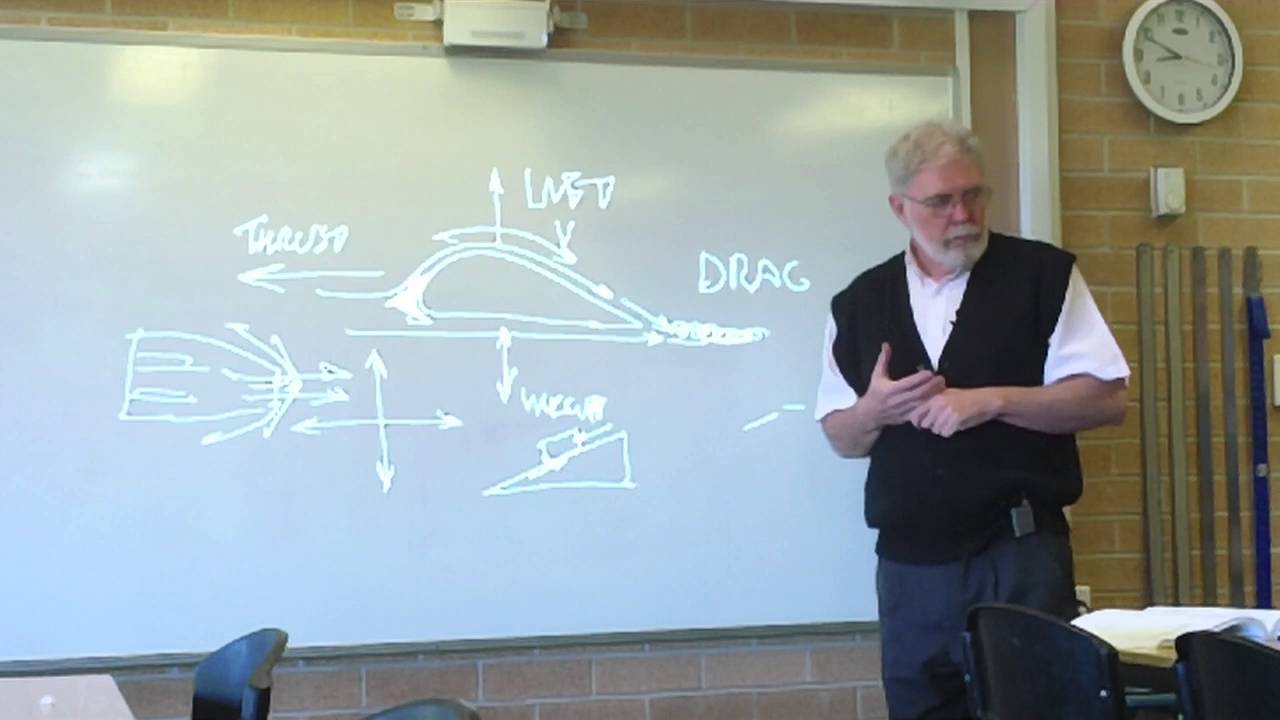
Aeronautical Engineering Basics: Principles of Flight
@grahamwise5596
81.9K views•2016-05-06

30:32
Ultrasonic Transducers: Resonant Frequency Measurement and Horn Design
@imajeenyus42
229.9K views•2017-02-22

54:16
Polymer Environmental Degradation: Mechanisms & Stabilization
@iit
1.8K views•2012-07-10
33:39
How a Student's Question Saved a NYC Skyscraper from Collapse
@veritasium
22.8M views•2025-04-26
Related Study Plans & Knowledge Roadmaps
Structured learning paths in Engineering
engineering
Building Acoustic Levitators: Physics & Arduino
01The Physics of Sound and Standing Waves
02Piezoelectric Transducers and H-Bridge Drivers
03Arduino Programming: Generating 40 kHz Signals
+ 2 more learning modules
14h5 modules
Explore Roadmap
engineering
Building Peltier Cloud Chambers: Particle Tracks
01Cosmic Rays & Cloud Chamber Physics
02Thermoelectric Cooling (TEC) Fundamentals
03Custom Liquid-Cooling Loop Design
+ 2 more learning modules
18h5 modules
Explore Roadmap
engineering
Yagi-Uda Antennas: Modeling, Build & VNA Test
01Introduction to RF and Antenna Fundamentals
02Yagi-Uda Antenna Design Principles
03Antenna Modeling and Simulation in 4NEC2
+ 2 more learning modules
18h5 modules
Explore Roadmap
engineering
ECG Monitor Design: Op-Amps, Filters & Noise
01Electronics & Breadboard Basics
02Op-Amps and Instrumentation Amplifiers
03Bioelectricity and ECG Fundamentals
+ 2 more learning modules
18h5 modules
Explore Roadmap