

















Functionalist theory of religion argues that religion serves essential functions for society by maintaining social integration, solidarity, and consensus through shared beliefs and values; Durkheim viewed religion as a unified system of sacred beliefs that reinforces collective conscience, while Malinowski demonstrated how rituals address uncertainty and emotional stress, and Parsons emphasized religion's role in providing meaning and moral guidance during life transitions.
Functionalist Theories of Religion: Durkheim, Parsons Overview
Added:Introduction to Structural Functionalism: Understanding the sociological paradigm that views society as a complex system of interconnected parts working together to promote solidarity and stability.
The Sociological Definition of Religion: Distinguishing the sociological study of religion (focusing on institutions and behaviors) from theological or personal faith perspectives.
Core Sociological Concepts of Durkheim: Basic familiarity with Émile Durkheim's concepts of social solidarity, social facts, and the distinction between the sacred and the profane.
Alternative Sociological Perspectives on Religion: Exploring Conflict Theory (Karl Marx) and Feminist critiques to understand how religion can perpetuate inequality and social division rather than just harmony.
Max Weber and Social Change: Investigating Weber's 'The Protestant Ethic and the Spirit of Capitalism' to see how religion can actively drive economic and social transformation.
The Secularization Thesis: Examining the debate over whether the social significance of religion is declining in modern, scientifically-advanced societies.
Civil Religion: Analyzing Robert Bellah's concept of how secular societies utilize quasi-religious rituals, symbols, and beliefs to maintain social cohesion.
11.8K views79likes14:57Original Release: 2015-09-10
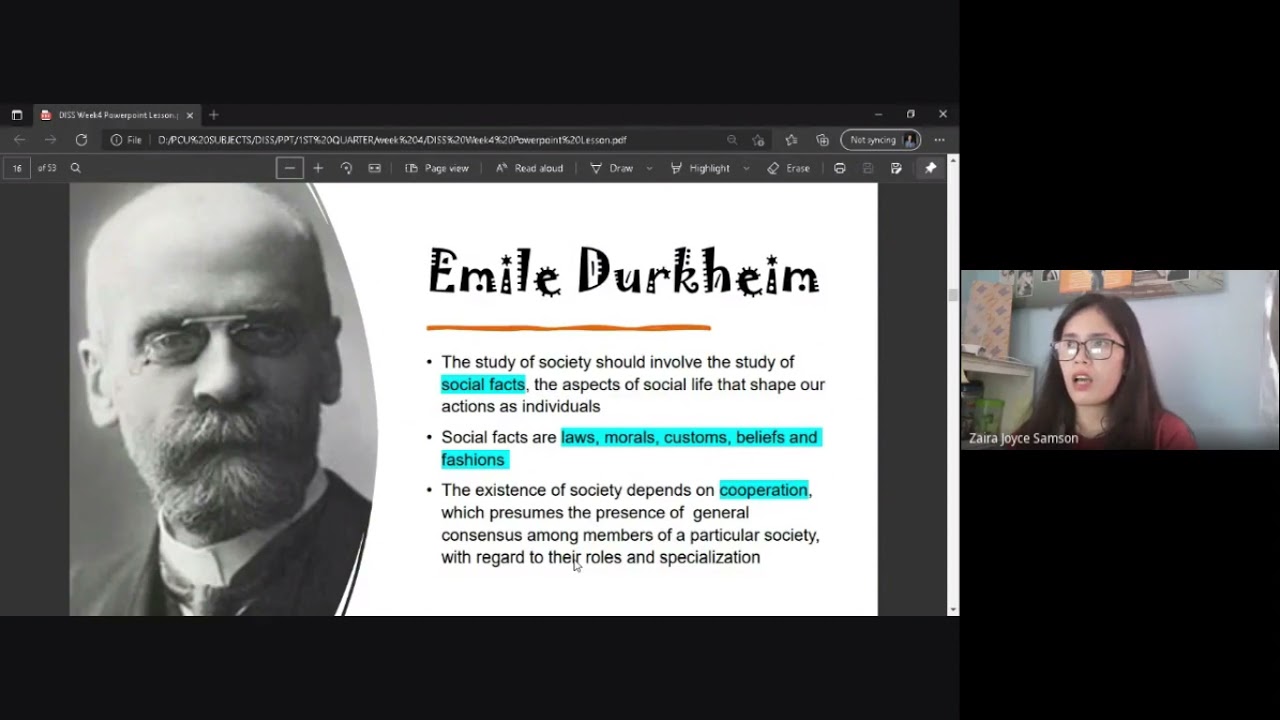
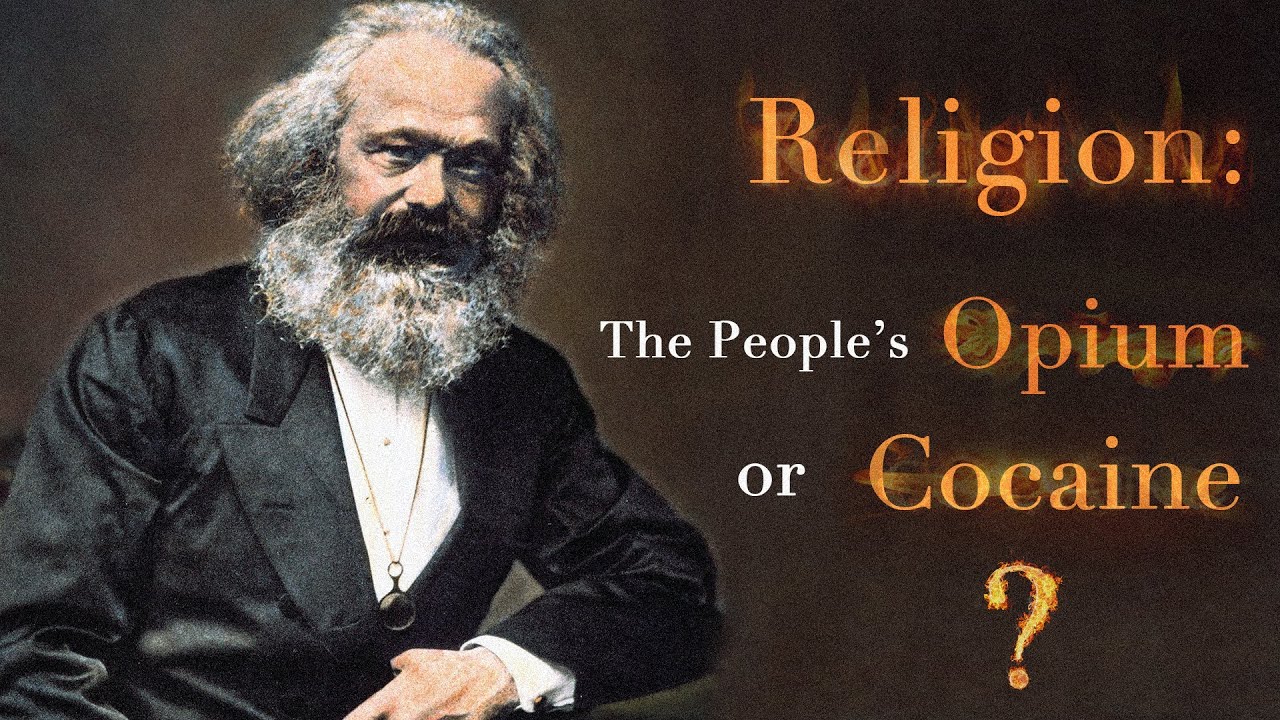
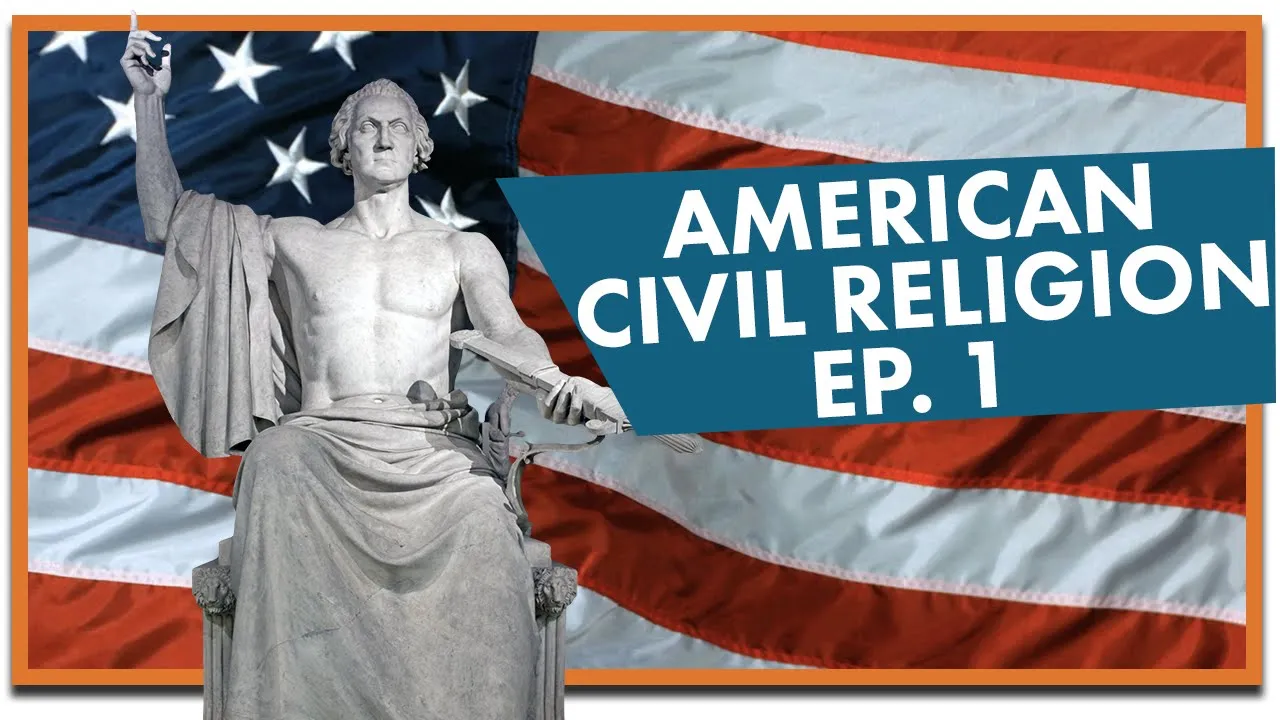
the functionist theory of religion is fairly predictable functionalists argue that we are in a consensus so we all have shared norms and values and religion contributes to these shared norms and values functionalists also argue that all parts of society are interrelated so religion is an important as aspect of society and affects other institutions and organizations such as education and politics as you know functionalists use the biological analogy to explain Society so each part of society is like an organ every single organ is needed however a criticism of such a theory is that is religion really needed and have have other organizations in society taking over the functions of religion I suppose if we want to liken religion to an organ in the body we might like it liken it to an appendix it's quite easy to take out and not really necessary so in society functionalists argue that there are functional prerequisites that is that there are things that we need for society to function the basics of the society and these three things are social integration social solidar solidarity and consensus so social integration is that everybody in society needs to get along and and be integrated into society it's quite similar to social solidarity which means that we need a sense of belonging and also we need a general consensus we need to have the same shared norms and values if we don't have social integration social solidarity and consensus animy might result and animy is basically a sense of meaninglessness and a lack of belonging in society and that leads to society breaking down so religion helps to meet these prerequisites by providing beliefs to follow which link to the shared norms and values and lead to a consensus and also by uniting people in society and giving them a sense of social solidarity and social integration because they're United in the same beliefs so tishler argues that religion helps to maintain norms and values violations of religious codes are often violations of laws some examples might be thou shalt not kill and thou shalt not steal religion also rein firms the group's beliefs and values and makes those beliefs and values more set in stone another function is it is that it transmits a group's cultural heritage which is their identity this therefore gives the group a stronger sense of belonging in society it also gives emotional support for individuals during times of stress so individuals are able to pray and gain hope and gain answers when they need it most and finally religion brings people together and gives them social cohesion it's the glue that binds people together and that is because not only do they have a shared sense of identity but they also have shared norms and values and perhaps they may go to the same place of worship and worship together which helps the group become more cohesive Zim defines religion as a unified system of beliefs and practices relative to Sacred things set apart and forbidden he argues that every single Society divides the world into two clear and distinct categories the sacred and profane the sacred are the things that we regard as special and the profane are the things that we regard as ordinary so in Islam they regard the Quran as sacred and they have to wrap the Quran in a cloth and place it on the highest shelf that would be an example of something that we may see as sacred many things are sacred however they are symbols so they must represent something durheim argued that religion did not need to involve the belief in Gods but religion did need to have the presence of the Sacred durheim saw totemism practiced by the aboriginals as the most simplest form of religion and he studied totemism because he regarded it as the simplest form and therefore he argued that you could find out about the basics of religion and the meaning of religion by looking at the simplest form of religion so in this Aboriginal culture then clan members have a duty to assist each other and join together to grieve and they also join together for revenge on another clan each Clan has a totem the totem is sacred it is a symbol and It's a Sign by which the clan distinguishes itself it is a visible form of God and it is the most sacred symbol Zim argues it's not just a symbol of God it is also a symbol of society this is because society and God are one as a result he says when worshiping God people are really worshiping Society humans are inferior and dependent on the sacred which is the totem this is the same relationship between between society and people people are inferior to society and are dependent on it however it's very difficult to wor for people to worship Society because Society is abstract it's not solid so it's easier to direct feelings towards a symbol than the whole clan therefore when the clan are gathering around the totem and worshiping the totem they are really worshiping themselves and Society so their kind concludes the worship ship of gods is really the worship of ancestors souls and this strengthens the collective conscience religion has a very important role to play in reinforcing the collective conscience and reinforcing the value consensus because without shared values and beliefs there would be no order and Anime would result and as mentioned previously anime leads to the breakdown of society so religion basically reinforces the collective Consciousness and consensus through a variety of ways through religious beliefs and also through Collective worship the attitude of reverence and respect towards the sacred is similar to having respect towards the social duties and respect towards Society Collective work worship involves faith in common values and it means that integration is strengthened because people come together and worship under the same roof either in a church or a mosque or a synagogue as a result of collective worship and following religious laws the collective conscious conscience is realized malanowski is another functionalist and he too looks at small scale Society to explain his theory he studied the Troian Islanders he looked at the rituals that they conducted when they were fishing he compared fishing to the Lagoon and then he compared it with fishing in open Waters Lagoon fishing was safe and as a result they used the predictable method of poisoning and there was no ritual however ocean fishing was dangerous obviously as the sea could get rough and therefore it was uncertain ocean fishing unlike Lagoon fishing was accompanied by rituals which malinowski refers to as canoe mag magic this ensured a safe Expedition malinovski argued that the rituals serve as a god of gaps the rituals fill the gaps in human beings control of the world religion reinforces norms and values and promotes social solidarity this is because anxiety and tension disrupt social life so it is possible if we didn't have religion that social solidarity wouldn't be restored and again this could lead to anime there are many crises that we have to put up with in our lives um crisis such as birth puberty marriage death all produce intense emotions so malanowski argued that we have ceremonies and rituals to deal with situations of emotional stress and these ceremonies and rituals ensure that people can come together again and grieve or come together as one and this promotes social solidarity because people come together in mour and it brings the social group back together and allows us to deal with emotional stress which threaten the stability of society even weddings which are a right of passage could cause emotional stress and by celebrating such a change in life it brings people together and it reinforces social solidarity and Collective conscience so one of the last main functionist that we've got to cover is Parsons Parsons argues that life can be disrupted by unforeseen events it's full of uncertainties pars really leads on from from what mopy says so religion provides a means of coming to terms with the situation through rituals Parsons focuses mainly on the rituals of rights of Passage so religion maintains solidarity by relieving the tensions and frustrations and religion Bel religious beliefs give meaning to life so many people question life particularly when tragic events happen so religion gives hope to those individuals and gives us answers to those ultimate questions that we might ask they help us make sense of our tragic experiences why did somebody die why did my life wife leave me etc etc Parsons also looks at the Ten Commandments and argues that the Ten Commandments give us morals and laws to abide by these are important for the functioning of a moral and stable society and as mentioned before some of the Ten Commandments have fed into law so it is argued that actually religion is declining and religion is becoming less important in modern society so derim accept actually that new ideas may take over the function of religion such as nationalism and communism derim referred to these as religious surrogates they take the place of religion but still provide the functions of religion Bella expands on this by talking about civil religion so Bella argues that civil religion is where sacred qualities become attached to certain aspects of society he uses the idea of americanism to illustrate this and he says that civil religion is highly evident in America America is a nation of immigrants with a wide range of beliefs he argues and Americans are therefore United by faith in americanism please watch the following YouTube clips here and and here you won't be able to click on them but please put them into your search bar to understand how civil religion is part of American Life please ensure that you have detailed notes for next lesson where we'll be looking at the criticisms of functionalism and linking in aspects such as social control and consensus
Up Next
6:02
Emile Durkheim's Theory of Religion: Totemism Explained
@khanpadawan
39.1K views•2014-04-13
54:57
Contemporary Sociological Theory: Micro, Macro, Integrative
@NaSESYNC
45.7K views•2016-02-17
19:23
How to Analyze Conversations Scientifically | Elizabeth Stokoe | TEDx
@TEDx
1M views•2014-12-04
9:41
What is Sociology? The Sociological Perspective Explained
@crashcourse
4.6M views•2017-03-13
Related Study Plans & Knowledge Roadmaps
Structured learning paths in Sociology
sociology
Celebrity Culture: From Hollywood to TikTok
01Foundations of Celebrity Sociology
02The Rise of Micro-Celebrity & Digital Platforms
03Parasocial Relationships & Algorithmic Intimacy
+ 2 more learning modules
12h5 modules
Explore Roadmap
sociology
Hostile Architecture: Space, Power & Control
01Introduction to the Sociology of Space
02Social Control and Surveillance in the City
03Hostile Architecture and Defensive Design
+ 2 more learning modules
12h5 modules
Explore Roadmap
sociology
Loneliness Epidemic: Third Places & Isolation
01Foundations of Social Capital and Community Cohesion
02The Death of Third Places and Urban Space Erosion
03The Privatization of Leisure and Atomization
+ 2 more learning modules
12h5 modules
Explore Roadmap
sociology
Sociology of Tourism: Gaze, Power & Heritage
01Foundations of the Sociology of Travel and Leisure
02John Urry and the 'Tourist Gaze'
03Staged Authenticity and Cultural Commodification
+ 2 more learning modules
14h5 modules
Explore Roadmap