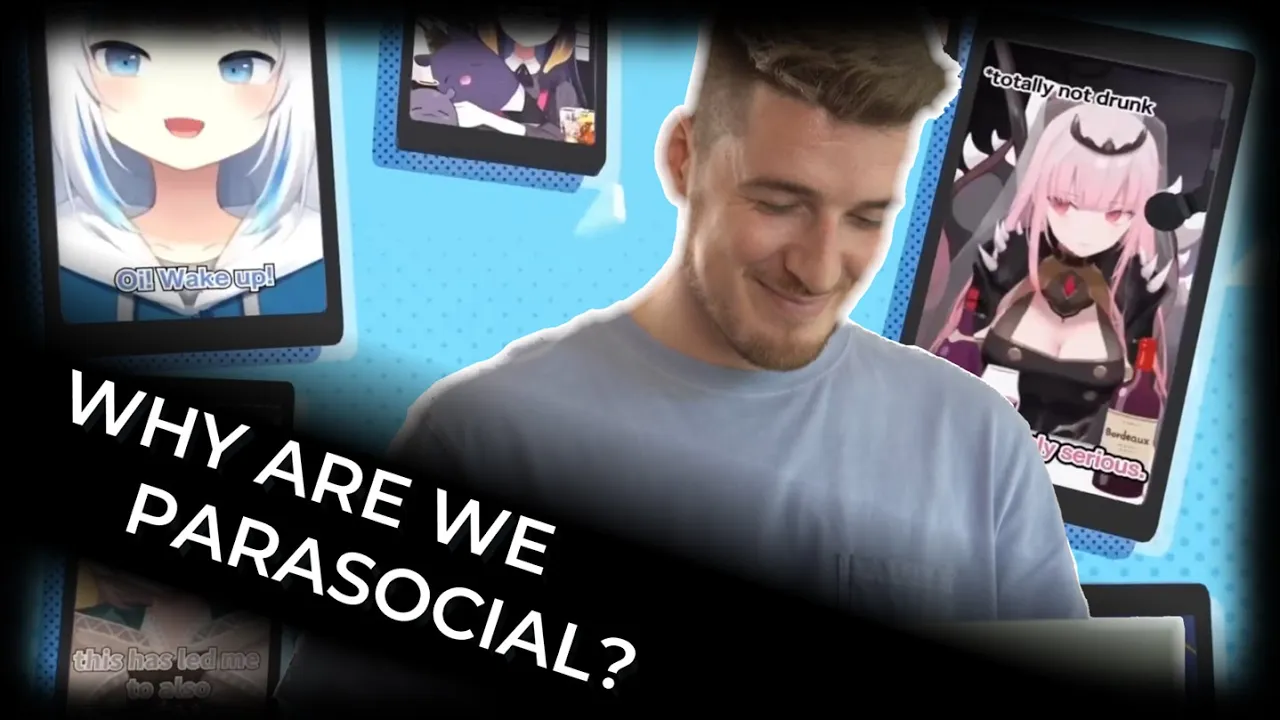

![Cambridge'e Göre Yılın Kelimesi: Parasocial / Parasosyal [ENG DUB]](https://i.ytimg.com/vi/lva7TgiGna4/maxresdefault.jpg)

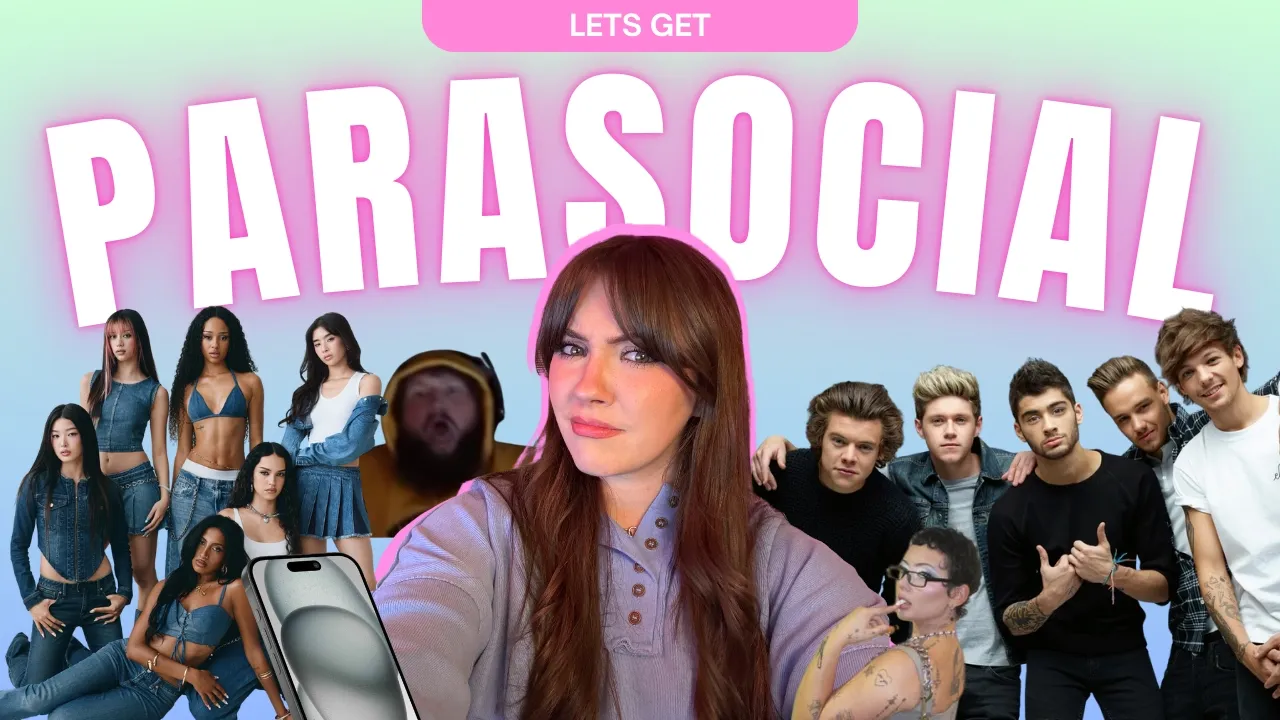



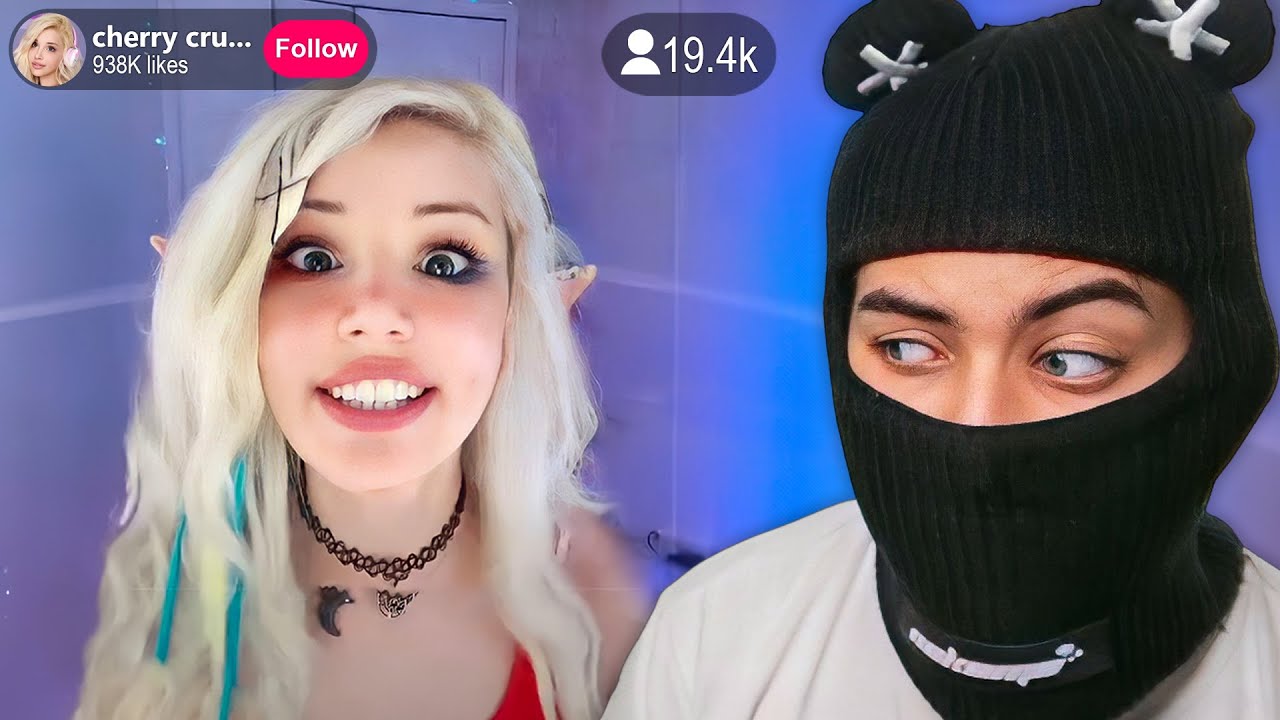








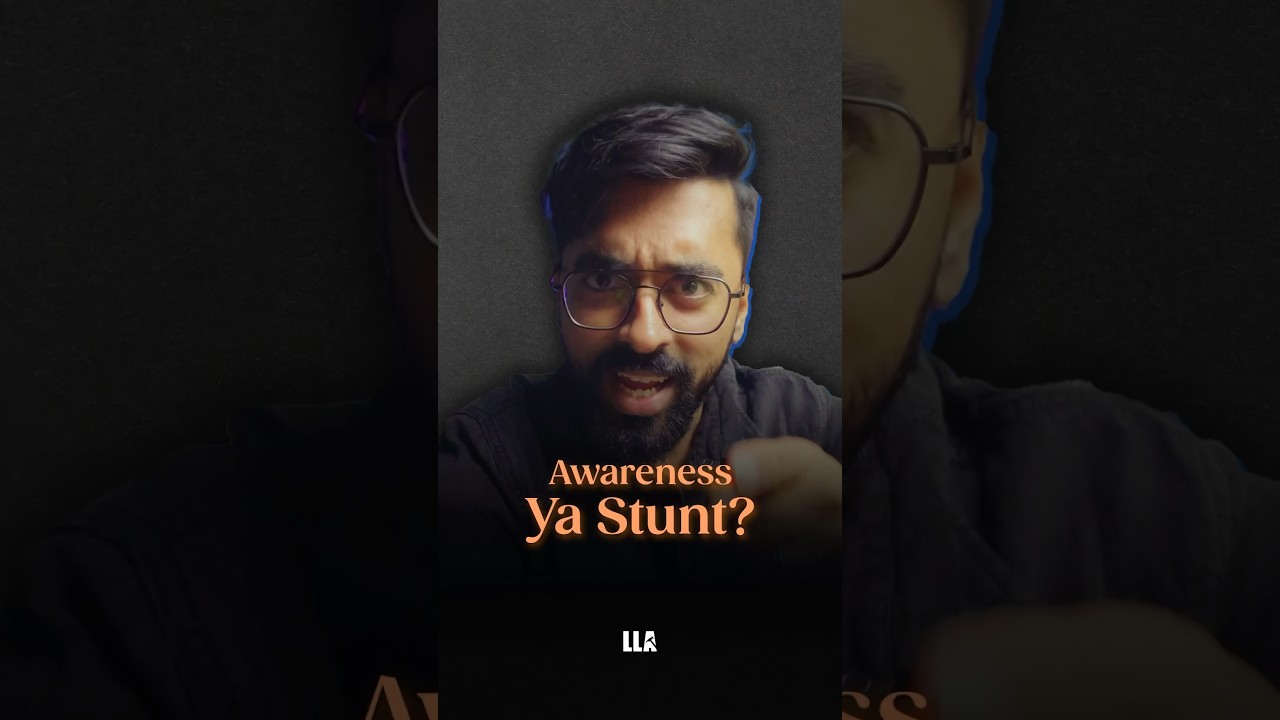

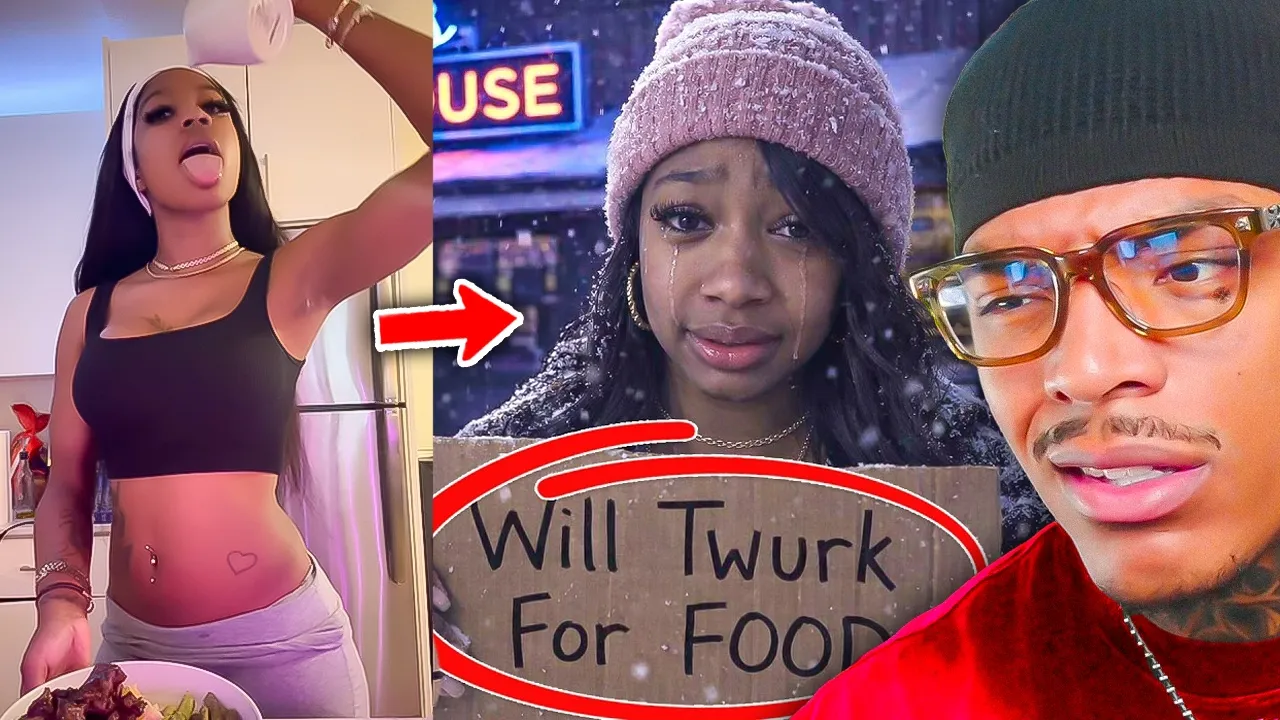
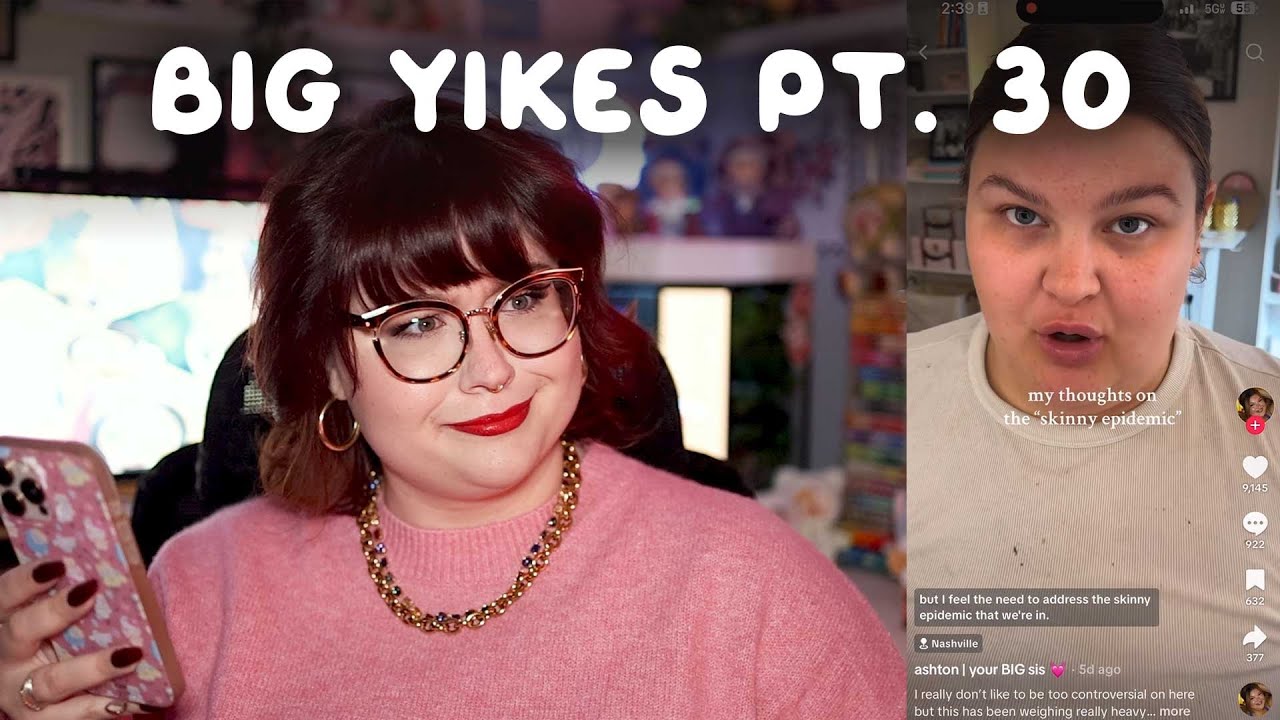


Parasocial relationships are one-sided emotional connections where viewers feel personally attached to content creators, while creators view their audience as a collective group rather than individuals. These relationships can be psychologically harmful because viewers may form emotional dependencies with people who cannot genuinely care about them, potentially distracting from real-life relationships and personal growth. The interactive nature of platforms like Twitch, where viewers can directly communicate with streamers and send financial support, creates a false sense of intimacy that differs fundamentally from genuine friendship.
Understanding Parasocial Relationships in Content Creation
Added:The foundational definition of 'parasocial interaction' and its origins in 1950s media studies (Horton & Wohl).
The core psychological differences between reciprocal, two-way interpersonal relationships and one-way media attachments.
Basic mechanics of modern livestreaming and social media platforms, specifically how features like live chat, direct donations, and algorithmic personalization simulate intimacy.
An understanding of basic media psychology and how audience members construct social identities through media consumption.
The economics of the 'attention economy' and how digital platforms monetize perceived intimacy through subscription and gifting models.
Psychological boundary management for creators, including the study of creator burnout, stalking, and the erosion of private life.
The ethics of digital influence, examining the moral responsibilities content creators have toward vulnerable or highly attached followers.
The phenomenon of 'parasocial breakups' and the sociological impact on online communities when a creator retires, changes content, or faces public controversies.
1.3M views105.3Klikes15:30Original Release: 2020-12-28
[Music] what is up boys welcome back to the youtube channel look i know this might be a bit of a harsh title but i think this is a topic i haven't really spoke about on youtube even though i've talked a lot about it on twitch and it's worth bringing up to you guys because it's kind of important i don't know if you know this but listen loud and clear none of your content creators your favorite ones including me are your friends now again it's not just to make you feel bad or whatever it's just the truth look i have a million subscribers but i don't know a million people in the world i don't know how many people you can know i don't even think i know all my facebook friends all right i don't even know all the people i follow on twitter how many people are you actually friends friends with for me it's like 20 25 i don't really know i guess it's the list of people i'd invite to my funeral do you get to make an invite list for that i don't know how that and i know this might seem random but i'm bringing it up for two reasons the first of which is because somebody made a youtube video called i'm not your friend and i'm gonna play most of it here for you because i kind of want you guys to watch it's really well made and it actually features slime and miles two of my real in-life friends who talk about this and i actually had no idea was going to be made so big shout out by the way to skip the video you can find in full down below and i implore you to check it out because it's really well done but let's just watch some of it here how could we not get attached to someone like you just treat it like you would treat the tv show mad men you shouldn't form a relationship with me at the end of the day i'm entertainment if i stop entertaining you stop watching that's it that's what i want from you guys because i'm not your friend i will never ever hang out with you and i don't care about you because i don't know you i can't there are 13 000 people here i can't care about all of you because i don't know any of you so all i do is i turn on twitch i treat you like a coherent body of people and i stream to entertain that's all i do okay let's pause for a second who is this guy what is twitch who is he talking to and why do they supposedly want to be his friend let's start from the beginning this is ludwig he's one of the most popular streamers on twitch the biggest live streaming platform in the world although twitch started out as a platform for streaming video games ludwig is known as a variety streamer which means that he broadcasts himself doing activities including but not limited to cooking painting wearing costumes shopping ranking things telling stories tasting food reacting to content hosting game shows unboxing things the list goes on for longer than you can imagine these aren't just solo performances though on twitch viewers can interact with streamers in real time any message you send in the chat is visible to the streamer and to everyone else watching every stream has hosts the hundreds of interactions between ludwig in his chat and between the chatters themselves so with all that said the question remains why do ludwig's viewers want to be his friend so badly well who better to answer that question than his actual friends right away it was it was pretty apparent that ludwig loved entertaining and he was always you know funny quick-witted guy and sometimes we would even have to tell him you know we're your friends not your audience like stop we want the real ludwig back that is the real ludwig like he's being so genuine and he has such a passion for entertainment that um it was just clear in the beginning that if he wanted to make a career out of it that the sky would be the limit he he got very big very fast because he has this innate ability to absorb material and understand systems he just watched a switch all the time you know and and he just learned and understood what what worked and what didn't and what he enjoyed and what didn't i mean the basics are all there very charismatic very witty handsome guy friendly and i think that's what a lot of people are looking for in a friend since he began streaming in 2018 ludwig has quickly risen the ranks to become one of twitch's top streamers currently sitting at over 25 000 paying monthly subscribers as the platform grows a lot of its creators are starting to experience a phenomenon most commonly experienced by celebrities and sports stars parasocial or one-sided relationships viewers get to know ludwig through the hours and hours of personal content he puts out while from his perspective his audience is just thousands of faceless chatters but what makes people partake in these relationships knowing that they're inherently one-sided i think that people wanting to feel connected to humans that they like on like a screen or something is very natural it's just a very natural inclination to feel a connection to someone who is not engaging with you and you know that's still meaningful and significant twitch sort of especially parasocial relationships on twitch tend to cater into a niche and that's where a lot of his his viewerships and his jokes a lot of those jokes are geared around playful banter at this guy who seems so handsome so successful in a way where you feel like you're his friend because you're able to play those same jokes that we did for many years that's what friends do right and i think his encouragement of that does make people feel like they have maybe a closer connection with him as a person than they do there's like these extra header wires of engagement that you can plug into that are just so much more than anything that we've kind of dealt with as a society like your tv just doesn't talk back to you it's just not the case you know because you can type to someone and they can look over and they can see it or or that they can respond to you or you can give them something like money um or bits or whatever and they can respond to that and i think it's just this reward system that is very natural and embedded in our heads um that once again many streamers it would be detrimental if they explained that that reward system was based on a relationship that wasn't really two-sided um and because that makes people feel bad but yet they need that to continue doing what they do to be financially supported right and that's the system that twitch created it's often a competition of especially in a chat that's moving as fast as somebody like ludwig's who can say the funniest or edgiest things so to you know catch attention either from the stream or from other viewers what we actually see represented in twitch chat is just a small small piece of the of the swarming mass and that in a way gives me comfort because it makes me believe that many people are just simply watching and maybe they'll throw an emote um and that's i think such a better system than this sort of hybridized hyper engaged content machine that is so lacking in sincerity across the board due to the nature of needing someone to support you but also having to look the other way when you don't like them i think the relationships that viewers have with streamers aren't really ever going to be fulfilling because it's very much a ghost of the feast kind of thing it's the same as fast food or porn or any of these you know monday extrapolations of something that we've created in order to fill a need you know whether that's sugar fat salt you know sex drive or friendship um i think if you're getting that through something like twitch with a streamer you're looking for it in the wrong place and i think that's likely more harming for people than it is good i mean if you can separate it as purely enjoying it for entertainment that's great i think once you start feeling connected to somebody who's performing online that's dangerous territory but what i will say is i think that the communities that spring up around these people are very real and authentic places for people who maybe are lacking certain things in life to create friendships and people have made friends that they still talk to daily and i think those relationships are 1 000 real and very important too so i think there's a double-edged sword in terms of the relationship with the streamer but the relationship with other viewers and how they can interact together to form a community is very real there were 7.8 million unique streamers on twitch in october that's 7.8 million communities for every chat like ludwig's there are thousands of others where a single message can make an impact rather than calling them parasocial the relationships formed in these communities are better described as symbiotic [Music] sometimes it's nice to feel like you're a part of an intimate community and other times it's nice to be a part of the swarming mess to feel like you're a part of something bigger the very nature of online streaming means that the boundary between performer and friend will always be a tempting one to cross and that's not going to change the machine is working as it should it's up to us to figure out what we're looking for [Music] and yeah i think that video covered almost everything that i want to say but it's true that the problem's not nearly as bad on youtube as it is on twitch because twitch you can directly interact with me but it's still worth bringing up on youtube because i never talk about it here and there is still some of that that's left over whether it's in the comments or wanting to come to my twitch afterwards or whatever it is so that's why i want to show it to you and there's another reason i'm bringing this up and it's because of jay schlatt who recently on his other channel the weekly slap where he gives advice to watchers based off of emails they write in uh said this and the last bit that i want to talk about and i think this is the most important one in my opinion is this parasocial relationship that sometimes exists between uh the people who you know consume content and the people who make it i remember seeing a clip from ludwig who uh is actually the only other person i've ever featured on this channel and he was talking about this kind of thing and he basically said like i want you to treat my [ __ ] like a tv show you know i want you to think of it like lost almost like you you tune in every week on abc to watch it holy [ __ ] it's entertaining at first you know they're on an island there's [ __ ] bears in the forest like what's going on you know this is fun i want to watch it every week but then you know maybe in the third season starts getting a little weird falling off the rails a little bit you don't even know what the [ __ ] going on in the fourth season they go to some church and then they open the door and then they're filled with light are they dead was the island real the [ __ ] knows either way you stop watching it because because it's it's not it's weird you know it's [ __ ] it's resident sleeper if i'm ever boring i i don't want you to keep watching what i'm doing i i want everybody who watches uh to be here solely because of the content and that's part of the reason why i enjoy putting on this bombastic character i do because it's fun it's it's entertainment and that's all it is and this is the same reason i don't spam my twitter feed with personal [ __ ] and even my alt is literally just memes and me typing things in all capital letters like it it should be pretty clear to you guys that i don't want you to know all about me i don't really tend to open up this window of uh yeah here's everything about me here's my [ __ ] i'm a virgo you know like you're a number for me i i don't i'm sorry i don't love you i could tweet that i love you but that's not true and when i see relationships being formed like this that that are just so one-sided in nature i can't help but feel kind of concerned again my [ __ ] is a [ __ ] tv show the tv show will never love you the characters have no idea who you are they're not even real and that's that's basically it and it sucks because this channel is kind of a contradiction of everything i just said and it feels kind of hypocritical for me to have this channel while also maintaining that i don't want people to get too attached to me as a person and that's what i've been struggling with it's definitely a gray area and i wish it was an easier situation to kind of reconcile with in my head but it's it's not and i thought that was uh i thought that was pretty sick of shot to do i love the weekly slap by the way i hope he continues to do it because even though i think it reveals maybe a deeper side to him i think it's it's useful because woody's gamer tag was really useful to me as a kid and i think at the end of the day most people kind of get it you know like most people just kind of watch it maybe they pull some personality traits or maybe they just come for a laugh and then they leave and that's it but some people you know this is for you make sure at the end of the day that you're just watching to watch you know for fun for a laugh to escape reality for a moment but then you go right back into it all right and you need to work on your life i get this all the time on twitch and sometimes even on youtube or twitter ludwig you saved my life no i didn't save your life what do you mean i saved your life i've been playing pokemon in among us in minecraft where in that journey did i save your life did i pick up a scalpel and take out a cancerous lump no all i did was play games and you used me as a distraction to maybe get through a bad period or whatever it was but you did it you used me you could have used anything you could have used taylor swift's most recent album you could have just used jay schlatt himself if you wanted it could have been anything that you used you just happened to have used me and i promise if you didn't you also would have been fine all right so stop giving me the credit that you deserve for doing all the work i don't know you how can i save you come on think about it think about it anyway look i just think it's worth saying and i've never talked about this really on youtube but parasocial relationships can be a bit dangerous which is why it's worth at least being cognizant that uh that they exist in the first place and maybe just reevaluating your interests and things you know and your real-life relationships and all those good things that make your life better instead of working on relationships with people that you're never really going to hang out with and that can't care about you not just don't literally cannot whether it's me whether it's dream or whether it's ariana grande it's scales but it's all the exact same doesn't matter how many times ariana grande tweets i love you she doesn't love you she cannot love you she will never love you she only loves the entire group of people who let her do what she loves to do which isn't the same as loving you get it anyway boys thought it was worth saying thought i'd make a little video about it because this documentary was uh uh really interesting and insightful and i thought it was uh worth mentioning to you guys so anyway appreciate you all watching um hey uh subscribe down below for a best friend coupon code 10 best friend coupon codes and you get invited to my uh oh wedding raffle giveaway 10 red wedding raffle giveaway no stuff don't you get the writing raffle give and then you get i don't know how my editor's an outro screen so click one click something i don't know i don't know what the hell's going on here how the hell do they even where do they get that from did you make it this is crazy you
Up Next
37:15
Marina Diamandis on Pop, Feminism, and Psychology
@Channel4News
354.5K views•2019-02-27
178:38
Whole Brain Architecture: First International Workshop 2024
@thewholebrainarchitecturei9784
640 views•2024-07-22

9:49
FastAPI vs Flask vs Django: Choosing the Right Python Web Framework
@TechWithTim
302.5K views•2024-05-26

1:42
Game of Thrones Opening Credits: A Cinematic Analysis
@gameofthrones
46.3M views•2011-04-18
Related Study Plans & Knowledge Roadmaps
Structured learning paths in General & Interdisciplinary Studies
general-studies
Artificial Light: History, Tech & Human Impact
01The Pre-Electric Era: Fire, Oil, and Gas Lighting
02The Incandescent Revolution and Grid Electrification
03Gas Discharge and Fluorescent Illumination
+ 3 more learning modules
14h6 modules
Explore Roadmap
general-studies
Elevator Engineering: History, Physics & Cities
01From Hoists to Safety Brakes: The Dawn of Vertical Lift
02Hydraulic vs. Traction: The Engineering Physics of Elevators
03Modern Speed, Safety, and Algorithms
+ 2 more learning modules
12h5 modules
Explore Roadmap
general-studies
Rubber: Material Science, History & Geopolitics
01Origins of Natural Rubber & Mesoamerican History
02The Chemistry of Natural Rubber & Vulcanization
03The Geopolitics of the Rubber Boom & Colonization
+ 2 more learning modules
12h5 modules
Explore Roadmap
general-studies
Containerization: Evolution, Logistics & Trade
01Ancient Trade & Bulk Cargo: Amphorae to Barrels
02The Industrial Revolution & Cardboard Packaging
03The Containerization Revolution: Malcom McLean
+ 2 more learning modules
12h5 modules
Explore Roadmap