












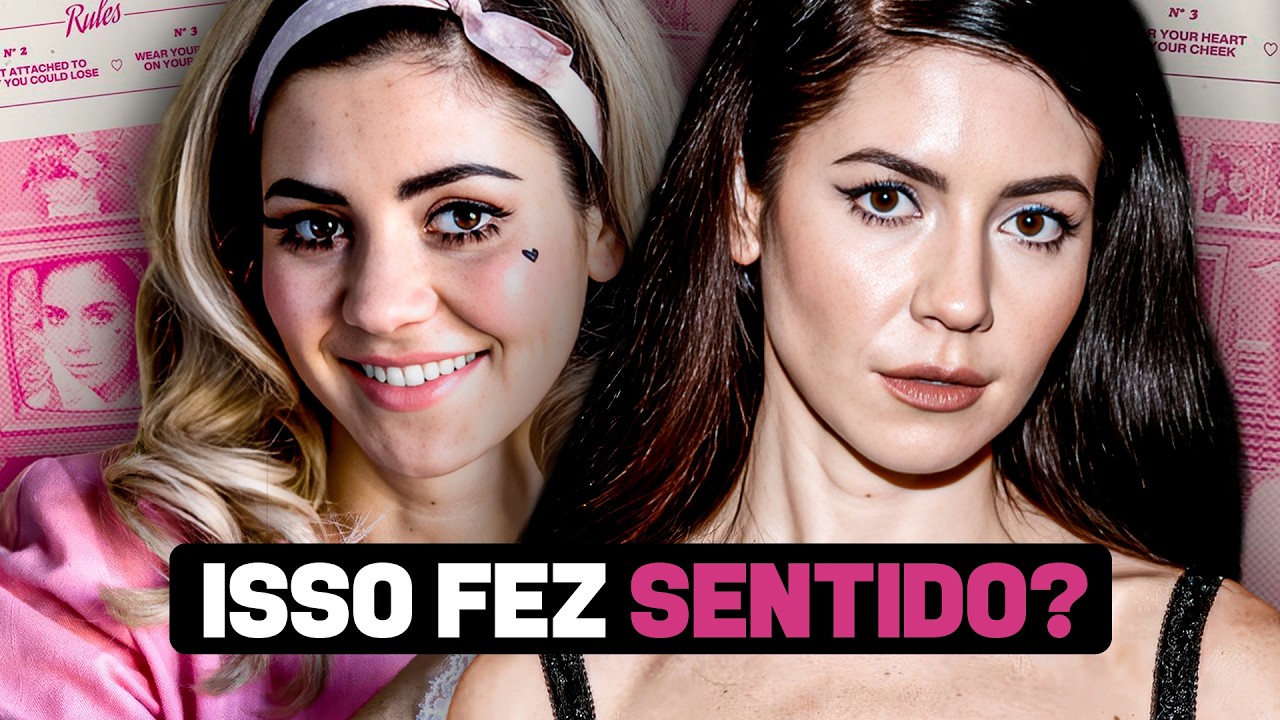
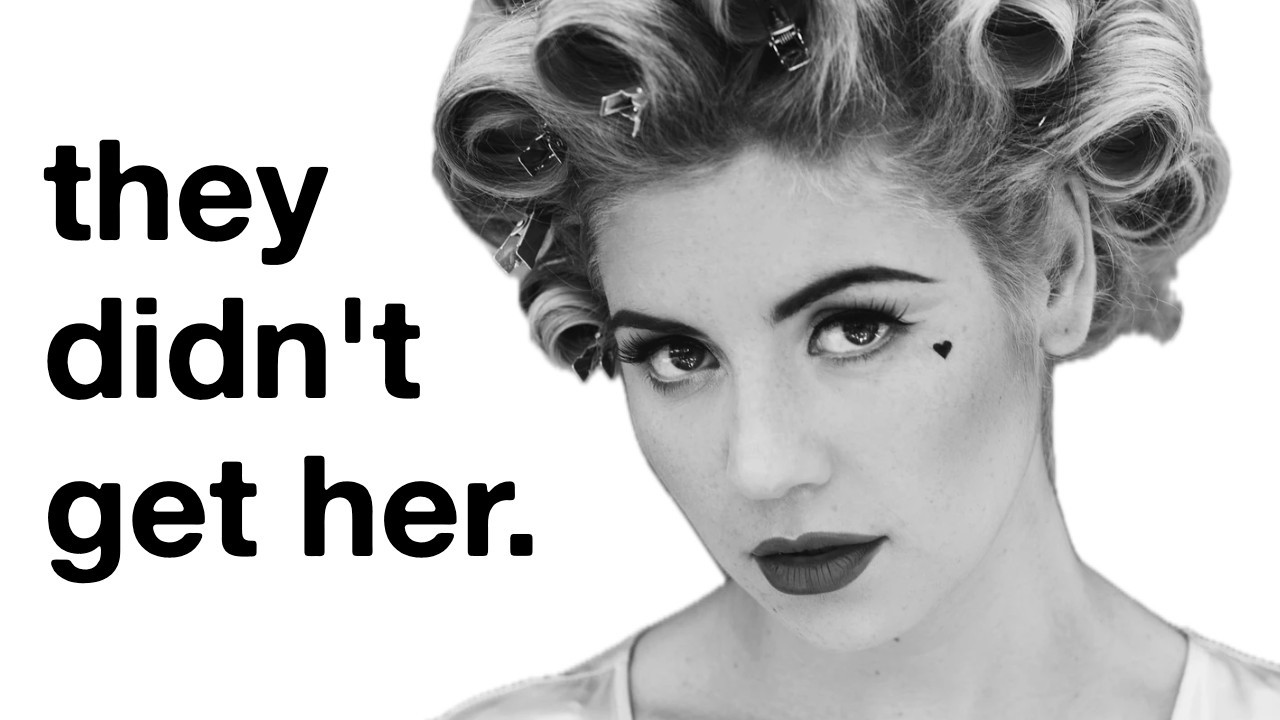



Marina Diamandis, formerly known as Marina & The Diamonds, discusses her decision to drop her stage name after 10 years, revealing how her connection to music changed and prompted a three-year hiatus; she explains that her music has always been driven by a desire to address serious social issues like female shame and inequality rather than ego, and how studying psychology and attachment theory helped her reconnect with authentic songwriting and return to music with a renewed focus on themes of love, fear, and social commentary.
Marina Diamandis on Pop, Feminism, and Psychology
Added:The foundational principles of feminist theory, particularly concepts surrounding systemic patriarchy, gender roles, and the social construction of female shame.
Basic tenets of cultural studies, specifically how pop culture acts as both a reflection of and a tool for reinforcing or challenging societal norms.
Introductory psychological concepts, such as identity formation, defense mechanisms, and Jungian archetypes, which artists often use to frame narrative themes.
The historical relationship between art and activism, understanding how musicians historically utilize mass media for political and social critique.
Advanced psychoanalytic feminism, investigating how theorists like Julia Kristeva or Luce Irigaray analyze female subjectivity and psychological liberation.
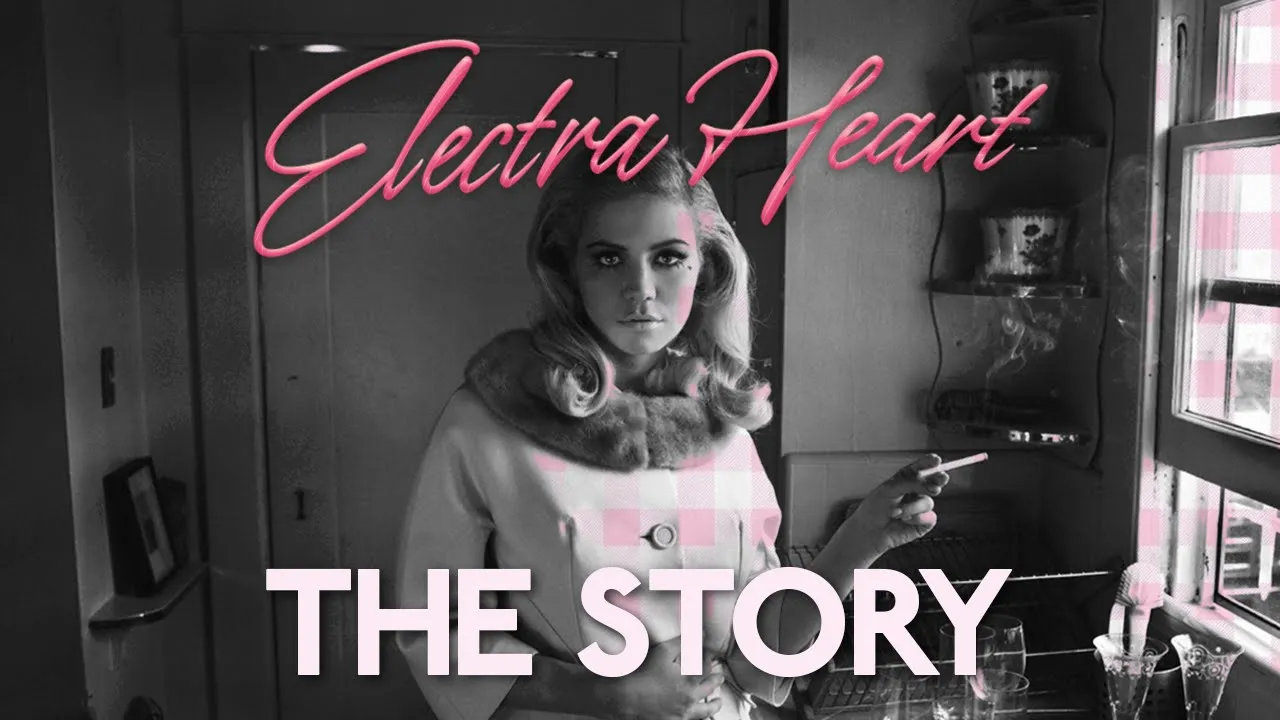
A critical musicological analysis of Marina's discography (such as her album 'Electra Heart') to evaluate how archetypes are subverted to critique consumerism and gender expectations.
The study of media psychology and the 'male gaze' versus the 'female gaze' in visual and performance art, exploring how female artists reclaim agency.
Practical frameworks for 'artivism,' analyzing how contemporary creators design public campaigns that merge mental health advocacy with creative expression.
354.5K views17Klikes37:15Original Release: 2019-02-27
my guest today is marina diamandis better known by her stage name of marina and the diamonds and just over 10 years ago i suppose marina began a a music career that led to three top ten albums lots of hits lots of success and then she slightly dropped off and disappeared three years ago but she's just come back with a new album and a tour and a new name you changed your name no longer isn't marina and the diamonds it's just marina yes so welcome and explain that first the artist formerly known yeah as marina in the diamonds is now just marina i love saying fka marina in the dials um yeah i i'm now going under my first name marina and there's not really a huge reason behind it it just felt like a natural um a natural decision for me and i spent 10 years of my life um under marina and the diamonds exploring a lot of topics that were connected to identity personas in pop and i just wanted to simplify the way that i function and interact with the world as an artist and to distill what i do into like a very singular message so the name change has encouraged me to do that and it just feels right i mean was marina and the diamonds more of a creation and marina is more just yeah exactly exactly and it was kind of unwittingly as well when i first came up with the stage name i didn't really think about it too deeply i just like the idea that it what it sounded like a group or community and but i was actually a solo artist now i feel um like i want to do things differently you've always been a little bit different um in that uh you know you're not you're not a conventional pop star you're not you're not um you know you don't play the pop star game or haven't played the pop star game on the whole um and you've talked about much more serious topics than a lot of people and about the industry quite openly and about your sort of struggles with this um i mean why did you why did you stop in 2016 why did you decided you wanted to quit uh because i felt like my connection to music and performing had changed and that freaked me out a lot because for me the first 10 years of my career i was writing music because i needed to write on an emotional level but also i feel like a lot of what i did was motivated by ego and as it is for a lot of artists especially when they're younger so you have this constant tension between the draw of being a pop star yeah and the need to write music yeah and but also perhaps perhaps not just being drawn to being a pop star it was more thinking that that's what i should want and actually like you said i'm not a traditional pop artist whatever that means these days i just needed to have a break but i because i was worried that i didn't feel as passionate anymore and i thought if i'm not led or driven by ego maybe it means that i'm i'm not gonna be a good artist anymore i couldn't see how i could write good music without like needing um praise from other people i was just like that part of me is dead and i always see that it was a positive thing about your music i mean have i always been intense about it yes yeah it was my whole life it was my whole life and i didn't really have a life outside of that i didn't have much of an identity outside of that because it was so drawn up in being mourinho and the diamonds and you know using my my life as inspiration for my work can we can we sort of wind back to the beginning about how it all started yes because you weren't a sort of uh a manufactured pop child or anything were you i mean did you learn music as a child i i tried krishnan to be a manufactured pop child i did try to do girlbound auditions but i never got never got the job so what was childhood like i grew up in athens and wales in a little village in wales from the age of four i didn't have any musical training to speak of and i i mean up until i was about 18 i was like very studious in school i was actually going to go to university soon media studies and then i i announced to my parents that i actually wanted to be a singer and a songwriter and they were just very bemused because i'd never i'd never sung before and i'd never written a song had you studied music no at school or anything i mean i did violin and flutes when i was 14 but that was it and so um where did it come from i mean was it something you'd always really thought you'd see yeah i had yeah i had secretly harvard yeah i hadn't talked about it because i didn't want anyone to say that i couldn't do it but i knew that i should be doing this because i love i love words i love writing lyrics and that's that's kind of like the thing that powers my whole experience as an artist it always starts with lyrics it's never like oh i've just thought of an amazing chord progression it's like i have something i need to say or work out for myself and that's why i write so when did you start writing a song um 20 that was that was when you began yeah and then four years later i got signed so it was quite a fast track process how i mean that's incredible isn't it yeah but it didn't feel it didn't feel fast at the time it was just like oh my god how am i how am i like gonna get this done how am i gonna get signs um it was a lot of actually one one thing that i hope people listening to this might take encouragement from it there was a lot of failure like a lot a lot of going to open mic nights having a really bad time a lot of embarrassment of like not singing well a lot of rejection from labels and i think because i just kept trying and if something didn't work i wouldn't get disheartened i'd say well i'm just gonna try something else and i was always very determined um and that eventually led me to getting signed and how were you making a living um i was a waitress um at lots of different places because i couldn't hold down a job i i hated um i actually hated retail and waitressing because i got bored so quickly so i would usually do these temp jobs doing like film premieres you know house parties at like wealthy people's houses and then at some point i thought you know what i think i should go to university and i should get a student loan so that i don't have to do these jobs then every you know every single day and i can spend my time songwriting and i can buy a laptop so i can start producing my own songs and that's what i did so i on the last day of clearing i just picked a uni which was university of east london and i went and studied music there so i did that for two years to to be able to not have to work as much right okay but then how about how did you how did you become successful uh were you discovered i yeah i was i suppose on myspace my current record label actually they found me on there and at the time i wasn't quite ready to be signed so when i'd written a lot more songs and got a bit more confident then i got a record deal so what was the dream at that stage i mean what what why were you doing it if you talked about this tension between sort of ego and leading yeah and art i can't really explain any other way then i had a very strong instinct that this that music was a very good vehicle for me to talk about things the reason that i love pop artists like madonna for example is that they've used this vehicle almost like as a trojan horse in a way to talk about things that are important socially and culturally and to put them into a pop song that will be played all over the world i thought that was a really interesting way of of being able to talk about social issues so you saw the power of pop very early on exactly i mean did you have a load of things you wanted to say to the world or or things that were important to me i didn't know if other people would find them important but i it for me it was the process songwriting was a process of trying to understand things that i was thinking about or feeling especially as a woman as well because back in 2008 it was a very different landscape for female artists and even just just as a young woman it was really different in what way i mean the type of female role models that we had or just the way that we saw women represented in media was completely different at the time we were still looking at a lot of girl bands who whose main currency was the way that they looked um [Music] which there isn't anything wrong with that but we didn't have other types of artists to balance that view of women give me some examples what do you mean when you see an image let's say girls loud girl bound full of you know beautiful women when you um see primarily those types of artists in the pop landscape you compare yourself to them as a young girl and if you don't see you know other types of artists who who you know you might actually really relate to that's quite difficult and i think at that time we it was a really exciting time because we had artists like lily allen coming out amy winehouse was out and they were like forging a new way for female artists um but uh but you know two years before that it was like the women that i saw on the internet were all size zero for example and that was really damaging to me like i really was affected by that hell thinking that i should look like that and that that would make me acceptable do you mean generally or acceptable within the music industry within the music industry and unlikable to other people and do people in the music industry reinforce that i mean the people you met thankfully not because my music was so left of center that they they didn't expect me to be pop i think it was a shock to them when i actually had commercial success because they were like she's an oddball how was this happened do you think you were an oddball yeah yeah definitely what in what way i mean what is an oddball's good yeah i think they are um just the way that i expressed myself i mean even before i got signed i was being courted by 14 different labels and i didn't have a manager and i chosen not to because i split up with my my other manager um he he was managing another artist and he was too busy so i thought well i'm gonna do these uh meetings myself and um the feedback that i got and the rumors that i heard within the music industry was that i was like crazy unhinged and you know just all all around like a mad person and though i have an eccentric side to me i think i was getting those comments because i was really confident and assertive and i think people didn't understand that they were like well i need to meet you with a manager like why using doing all these meetings and in the end it's very revealing isn't it and terrible actually that the the words people used that were she's bonkers yeah like she's unhinged because she's like daring to be confident it's just i don't get it and i still don't and why did you have 14 record labels queuing up was that the power of the internet that was yeah and also it's just um that's how the industry works when they get a sniff of someone who might uh well potentially be big they then all start to contact your lawyer and say you know they'd like to meet up with you to discuss if you know they want to sign you and once you once you're in the industry what's it like i mean you know when you're suddenly having this quick success um how are people treating you and how how were you coping with the expectations of the music industry um good question because not very well i uh i found it really stressful and actually i didn't really enjoy that my first album campaign because of that because i was so anxious all the time but the last album i you know it was a different experience and this one has been too so it's i think it's quite polarizing experience because it's an odd job to have and you can't really compare it with many jobs just in terms of not even not even like being known or being famous or whatever but the actual lifestyle of being on tour and traveling a lot is weird and that's something that you can't really underestimate the effect of i've heard you talk about the difference between your first and to our second albums you know before in terms of how you were encouraged to work with different people um what do you think has been the overall experience of that and where have you ended up with this latest album so the order the order if you like was you you wrote your first album yourself yeah uh pretty it was like half half and then the second one was you were thrust together with all sorts of stupid star collaborators yes yeah and what was that like um just not enjoyable there were moments that were enjoyable but again i like i am a very anxious person and i found it really anxiety-inducing because i also wasn't confident in those environments when you're co-writing is quite an exposing experience anyway and so if you don't know that person it can take a while and then for the third album you came back to being in control yes and i wrote it completely alone and i produced it with one producer which i definitely needed to do and that was a much happier experience yeah i loved it i absolutely loved it and so if you got to the end of this sort of happy experience why did you want to stop well the creating it was nice and actually you know promoting it and being on tour was was nice but i just knew from the start of promoting it that something had changed in me and i didn't have the same motivations anymore you know it's like if you do something for 10 years then if you're if you've stopped growing within that job and it's vocation then you just think what am i doing what do i have to contribute i don't want to go through the motions with anything ever and that's why i thought well i'm if i feel like this i'm not going to do anything i'm not going to put a record out i can't ever imagine just doing something because i have to earn money or um or like satisfy a label that's not why i became an artist so what changed why did i start writing again i think it was because i allowed myself to quit because for the first year i was like oh i just said to my management oh i'm not sure if i really want to do this anymore but i still dabbled in it i was still writing a bit because it's not easy just to stop working you're like what else can i do in my life um and so what's your transferable skills exactly exactly because i've been doing this since i was 22. in 2017 perhaps i fully allowed myself to quit and i was like you'd never have to do this again three albums is enough um you know just see what else is out there what what are you interested in and at that point i'd done an acting course i'd done a floristry course and then i thought well actually i've a lot of my reading material is like psychology based and so i enrolled at university of london at burkback and i did six months there studying modern psychology and understanding personality and i loved it and that seemed to rebalance me and actually i started to write out of pure joy again so that was for me the turning point what was it about psychology that drew you i just really like understanding how people work i mean was it for yourself do you think were you learning for yourself what were you learning because you were interested in psychology and other people yeah more in other people for example one of my essays for that module was about attachment theory which is um the theory basically states that your early relationships in infancy can um really color your adult relationships in later life and so each of us has a different attachment style side that's secure which is when you know you've probably had both parents around you your needs have been responded to or you have three different types of insecurities attachment that was one of the things that i really found interesting in that module we did a lot of freud psychonauts stuff which i was less interested about um [Music] but yeah it was a really nice time for me and it was a nice time for me to start writing again as well so that unlocked something again today yeah i think the pressure to not to not write music was really healthy and also just to be in normal environments where you're not like the focus of your everyday life it's boring you know it's boring to do that every single day and so and are you now are you approaching it any differently what music yeah yeah i think so i mean even doing something like this today is really refreshing and i i would much rather be doing types of promotion that are is like genuinely engaging we're talking about issues outside of music as well as inside than always doing photo shoots or you know one-liners somewhere it's i think it's you just have to figure out what you're actually interested in what's important to you and then build your life around that in your career i think it will work so what are the big themes in this record that you're hitting so my fourth record was called love and fear when i listened to the songs i'd written it felt very odd to put them on one record there were 16 songs i noticed that a lot of the songs could be divided up between songs that were written from a place of love and songs that came from a feeling of fear and the themes on love are very much about unity and i that hasn't been like something that i've done on purpose but i am influenced by politics or you know whatever's going on in society even though i know nothing about politics um i think that's been a theme that's been very difficult for a lot of people to um to grasp and to see what's been happening all over the world we've had a lot of social change in the past three years another is well let's stick with that i mean how has that affected you at all you know what's been going on around you i mean if you say i know nothing about politics a lot of people say that you know without really stopping to think well actually we're all political beings to some degree we all have you know the vote and conversations and we care and believe in things which i i'm you know you which i know you do as well so i mean how have you been affected by seeing what's been going on over the last two or three years in this country i would say i've been more affected by by events in america in a way it's not to say i haven't been affected by things like brexit because i have but just seeing how racism is still present is so disgusting to me and it's so it's so upsetting sorry we've all cried about this yeah um at different times and i think particularly racism is one that goes uh right to the gut yeah it just feels so anti-human and i i think we're at a time socially where we've been able to absorb and try and understand what's happened in the past three years to you know with events in the uk and america all over the world but it's it's very um it's very painful to see that some people's realities still involve racism and and misogyny as well or you know homophobia i just feel like it's so it's so hard for me to accept that people are empty human being is is this based though on um personal experience or the experience of friends or just what you're seeing as an observer on the media on social media it's all three really i mean in terms of racism i'm greek but i'm white so i i've never really experience that but i have friends who certainly have um and you know in terms of being a woman i feel very aware of um of the the progress that's happening and the changes that are being made and the way that in which we view women as multi-dimensional people as we view men um but there's you know there's still a lot of there's still a lot of hurt there i think for a lot of a lot of women particularly particularly in how women are treated in the media i did a post recently on twitter saying listing all the ways i could think of that women were shamed and that went from you know being too fat being too thin being beautiful not being beautiful wearing makeup not wearing makeup having kids not having kids being a working mother being a stay-at-home mother you know being confident being assertive i know that men get shamed in different ways too but it just seems like the female experience is like it has to change it just has to because i'm not going to put up with it anymore i don't want to make myself small or make myself different to who i actually feel like inside just to you know be passable to society and i've i know that a lot of other women feel the same how much do you feel it affects you personally though because you know a lot of people would assume that you're a successful artist you'll presumably pretty well off come from a nice background and nice family as far as the world knows um you know you must have had it easy um [Laughter] it's i mean whether i've come from a good background or not doesn't matter even for me as an artist who is supposedly in a powerful job i've had a lot of flippant comments made um by male co-workers about my body and i don't find that appropriate but it's only until recently that i genuinely felt that that wasn't appropriate i always used to laugh it off or be like you know you can't say that in a studio session um so though my experience as a female has been much more fortunate than a lot of other females i still feel those injustices i mean music is often a thing that people turn to when they're feeling well and then when they're feeling anything to be honest um [Music] is that how you want to change the world is is is that the power of your music it's such an epic statement i mean and it's self-aggrandizing but so i and that's i can't say that that's my way of doing it because i'm not doing it for that reason but i think i contribute something definitely by being a songwriter and helping people feel like either they that they can relate to someone who's going through the same thing or that makes them question how they think about the world what what they want out of life that's always been at the core of my songwriting it's never been about writing a fluffy love song even though i love fluffy little socks we all love fluffy love songs but why is it that um so much of commercial radio and commercial music industry is all geared the same way as somebody who's been in it can you just explain why i think people find it risky um to have an artist who has a strong opinion or maybe they just think oh people don't want to think about that they just want to you know drive to work and listen to a song that's going to make them feel uplifted have you been told by music executives don't write about that stuff uh no i haven't actually i haven't because i was signed to an indie label that was inside of atlantic records so i was given a lot of space to develop and to you know write whatever i wanted to would you say too many artists you know cave into the ways of the industry or the demands of the industry yeah definitely because they're not thinking i think what happens is that their their main goal is to succeed and they've got pressure to do that and to be in the charts so i think that sometimes the message comes second to to that i don't know if that's well it must be easy to get buried once you have a little bit of success you have to replicate it you have to do it again and again and again yeah totally like i'm so happy with how my career's gone because i've always had success but i've never had like a massive you know globally um successful album and i think that's been really beneficial to me as an artist because if i had that on my first record i think my career would have gone very differently and i wouldn't have had as much creative freedom and how do you see your journey now who knows i do not know what to expect for this fourth record but i feel very positive and confident about it i think i've made i think this is my best record today can we go back to i don't wanna make you cry again but can we get back to america yes um you know because it was interesting that you said america was was the thing that kind of had got you thinking more and obviously um you know your your your single that hollywood and the line in that about being obsessed with america yeah is obviously something that you felt for it for a while i mean where was that referring to anything in particular um i think probably that was referring to tabloids culture at the time and american celebrities but that formed part of um social commentary in my songwriting and that's something that's that's always been there so what do you mean by tabloid culture just flesh it out again it's going back to how women were documented in media and seeing you know these like size zero tabloid headlines or like i don't know with with artists like lily allen she was always in the tabloids um it felt like something was changing and i wanted to write about that because we have this image of hollywood being very glamorous and perfect as it you know is in the movies and i wanted to talk about how that wasn't the case for me that's not how i saw things i don't see things in a fan fantasy way i want to see things for how they really are i can ask you about wales and how big how do you think wales is in your life i mean when you say you grew up in wales what was your growing up in wales like because you don't sound very welsh part of anything else i know i'm so sad did you ever i did yeah yeah until i was about 11 and then i went to um a girls school and started to i think adjust my accent really so that i fit in a bit more where was the school um haberdashers in monmouth um and also i was surrounded by a lot of girls who come from affluent backgrounds they you know spoke a bit more eloquently and so i just started to change my accent to fit in i think but after that i moved to greece when i was 16 so i then went to an international school so my accent just became whatever just like a nondescript accent so what is your identity then so my identity is greek welsh um and in that order yeah i would i would well there's no order really but i think because i haven't spent as much time in greece sometimes i feel like i i want to explore that side a bit more so i always say greek welsh but the fact is that i've i've lived in wales so much of my life in a um in a market town called abergavenny it's very beautiful quiet um but my greek side has really influenced me the culture there is really rich and the music there melodically is very rich so that's also influenced my music a lot too is it your mother or father it's my diet yeah and so if you've got a big greek family yeah that you're that you see and are in touch with yes yeah i do yeah i think my fiery like passionate side for sure but i think a lot of my creative side comes from my greek side too and so where do you feel about europe and brexit and all that as a greek welsh person it's just tragic that's how it feels to me it feels like it shouldn't have happened it is strange being dual nationality because you always feel slightly torn either way wherever you are i mean how do you i mean what what we've seen over this last couple of years here is this sort of rise of of of you know the smaller nationalism um and not necessarily i don't mean nasty nationalism and that has just generally been a sort of a bigger sense of being british and britain standing on its own and bristol yeah and this kind of mentality are you able to join you're not able to join in with that at all then no no i don't feel that way at all i don't feel whatever british means at the moment i don't feel it and i i hope that doesn't sound harsh i wonder if other people feel the same i am british but i don't feel it because i don't relate to it to like what it's it's it's starting to mean what do you feel it's starting to mean that we're like excluding people again it comes back to this anti-human thing and it feels it feels extremely wrong do you think we will end up coming back what do you think these things i hope so i do think they're cyclical i really do and i think that's why it's been so difficult the past three or four years um because what we're experiencing is like a seismic shift in culture and when that happens there's always going to be people who don't want culture to change so i'd like i'd like to think this is why these acts of violence and hatred are happening um and why people seem to be regressing as opposed to progressing so i really hope that in two generations it's going to be a different story but i just i can't tell you so you're going out on tour as well soon aren't you i mean are you taking a message out with you of sort of the love and unity bits i don't know is that gonna um no i think there's a strong nature theme to my show and also i don't feel like i can talk about these things all the time and it's you know if i'm asked about it i'm happy to talk about it but it's also not my place to ram it down people's throats i think my music as like cliches as it sounds it does speak for itself and i put a lot of my thoughts into music because i am a slower thinker i think about things slowly and then i make a song and that's how i like to present my ideas so it's more difficult for me to talk about these things in person so i probably won't be chatting about it when i'm on the road but um but yeah i do have a tour coming up from playing royal albert hall on third of may and i've got i think five more dates in the uk in and around the uk i mean what i want you went to the oxford union and spoke to students there and you know i watched you there talking about how you thought you know the power of music was to be a social commentary on the time is that what you're doing i mean do you think your new record tells us something about where we are right right now i do but i definitely didn't do it on purpose again i'm not really in charge of what i want to write the idea just comes and then what comes up and i and i do usually think about things for about a month so i might write down a line and then a month later i'll come back with a better informed um perspective on it and i write about it so it's i you know i wouldn't go as far as saying this is like a political record but there are songs on there that definitely reflect what we are experiencing and what's happened to your your following has your following stayed loyal yeah because because you're because your albums you you you sold albums without huge amounts of promotion and airplay on the radio because you have this very loyal following exactly are they are they still there i mean are they still diamonds i mean i think they're still there i mean they seem to be online because that's a good gauge for when i communicate with them you know even for example with having time off i haven't felt pressured to come back at all like at all and i think my fans appreciate that because the reason they've connected with me is not because i'm in magazines every day it's because my music has said something to them and it's spoken to them so i i mean i hope that i hope that's all that i'm pretty sure they are they're waiting very impatient well you'll find out pretty soon yeah yeah i know they're impatient they're like where's the damn album i do like to ask everybody if they've got a sort of uh a slightly far out way of changing the world um that they know would be hard to hard to deliver or maybe impossible i don't know whether you have any kind of the world according to marina things that you know if you could change things and make them a certain way what would it be i did have an idea recently i was like what if when you traveled to another country you immediately started speaking the language of the country as soon as you crossed the border like you you know you had some chip in your brain that that that would probably help a lot because you'd be able to understand people's points of view people that you might you know not be able to connect to otherwise so that's my way of half changing the world well marina thank you very much indeed for coming in to share your ways to change the world it's been a pleasure talking to you um and the album is out it's out on the 26th of april love and fear brilliant well good luck with it thank you very much
Up Next

51:04
Twitch Monetization Roadmap: A Look at Revenue Streams
@AsmonTV
201.7K views•2023-01-27
178:38
Whole Brain Architecture: First International Workshop 2024
@thewholebrainarchitecturei9784
640 views•2024-07-22

44:19
Humans Aren't Evolved for Modern Life: An Evolutionary Biologist's Warning
@Channel4News
430.4K views•2025-08-15

1:42
Game of Thrones Opening Credits: A Cinematic Analysis
@gameofthrones
46.3M views•2011-04-18
Related Study Plans & Knowledge Roadmaps
Structured learning paths in General & Interdisciplinary Studies
general-studies
Artificial Light: History, Tech & Human Impact
01The Pre-Electric Era: Fire, Oil, and Gas Lighting
02The Incandescent Revolution and Grid Electrification
03Gas Discharge and Fluorescent Illumination
+ 3 more learning modules
14h6 modules
Explore Roadmap
general-studies
Elevator Engineering: History, Physics & Cities
01From Hoists to Safety Brakes: The Dawn of Vertical Lift
02Hydraulic vs. Traction: The Engineering Physics of Elevators
03Modern Speed, Safety, and Algorithms
+ 2 more learning modules
12h5 modules
Explore Roadmap
general-studies
Rubber: Material Science, History & Geopolitics
01Origins of Natural Rubber & Mesoamerican History
02The Chemistry of Natural Rubber & Vulcanization
03The Geopolitics of the Rubber Boom & Colonization
+ 2 more learning modules
12h5 modules
Explore Roadmap
general-studies
Containerization: Evolution, Logistics & Trade
01Ancient Trade & Bulk Cargo: Amphorae to Barrels
02The Industrial Revolution & Cardboard Packaging
03The Containerization Revolution: Malcom McLean
+ 2 more learning modules
12h5 modules
Explore Roadmap