


















Green chemistry is the design of chemical products and processes that reduce or eliminate the use and/or generation of hazardous substances, achieved by applying the 12 Principles of Green Chemistry which prioritize waste prevention, energy conservation, and environmental sustainability while maintaining product efficacy.
Green Chemistry: Principles & Sustainable Glue Making Lab
Added:Basic high school chemistry concepts, including chemical reactions, reactants, products, and stoichiometry.
Fundamental laboratory safety protocols and standard techniques for handling chemical solutions.
An introductory understanding of polymers, adhesives, and macromolecular structures.
Awareness of environmental issues related to chemical waste, industrial pollution, and non-biodegradable materials.
In-depth analysis of the 12 Principles of Green Chemistry and how to calculate metrics like Atom Economy and E-factor.
Life Cycle Assessment (LCA) methodologies to evaluate the environmental footprint of materials from raw extraction to disposal.
Advanced study of bio-based polymers, biodegradable plastics, and sustainable biomaterials in industrial manufacturing.
Exploration of green solvents, catalysis, and renewable feedstocks used to replace fossil-fuel-derived reagents.
7.2K views64likes17:53Original Release: 2016-06-09
[Music] hello I'm Ann Lambert high school chemistry teacher at King Philip Regional High School in rtha Massachusetts and I'm also a green chemistry Lead Teacher with Beyond benign today we are on site in the labs of Beyond benign and the Warner Babcock Institute for green chemistry Beyond benign is recognized as an international leader in K to2 green chemistry education chemistry as you probably know is the study of matter and the changes that it can undergo what kind of things do you think of when you hear the word chemistry do you think of some of these types of things often when people think of chemistry they think explosions colored precipitates reactions giving off toxic gases and other changes that are not really likely very green so how is a green chemist different from a regular chemist green chemists still work with reactions and develop new materials but they make every effort to make sure there are no detrimental effects where do you think they look for ideas one great place is to look to Nature Nature has found a way to develop chemicals that are non-toxic yet still extremely effective let's take a look at some things in nature what do all these creatures have in common turn to your neighbor and discuss what you think welcome back we're now in one of the labs at the War Babcock Research Institute for green chemistry did you come up with a variety of answers for what these creatures have in common one thing I notice about all these things is that they stick to other things how do they do this interestingly they do not use a mechanical means the spiderweb the gecko and the blue muscle all use intermolecular forces to adhere to other substances this means that they stick to other things using forces between the surfaces rather than hooks or claws kind of like glue but they do it in a nonhazardous non-toxic way some of the glues that people use are made synthetically using methods that require a lot of energy or involve using hazardous materials in nature none of these creatures need extra energy to make their glue and they are able to achieve a great stickiness without creating any type of hazardous waste what if we could make a glue that worked like the blue muscles or like the gecko so that we didn't need to use high energy or harmful starting materials this is where green chemistry can come in now that you've got a little background information let's brainstorm for a definition of green chemistry work with a group or with your partner and come up with an idea of what you think green chemistry might be how was your discussion I bet you came up with some great ideas about what green chemistry might be when I think of green I think of the environment things that are made from recycled materials products that are made from Plants Alternative Energy I bet some of you even thought of money when you thought about the word green there are lots of ways the word green might be used but green chemistry is actually very well defined technically green chemistry is the design of chemical products or processes that either reduce or eliminate the use or generation of hazardous substances now that's a pretty lofty definition but we can summarize it pretty easily green chemistry is chemistry that is better for human health and the environment and often times this type of chemistry can actually save you money because we can decrease the cost of waste and Hazard management so those of you that thought about money you're not wrong okay let's get ready to do a lab activity that will help us to think about green chemistry you're going to make some homemade glue you're going to be given a handout with some lab directions make sure you follow them step by step but as you're doing it make note if there are any that could be improved upon and while you're at it make sure you note which steps work well how did your glue come out what' you think of some of those steps did some of them seem a little unnecessary wasteful even silly perhaps even dangerous or harmful if you thought so I definitely agree with you in chemistry there are some traditional reactions that we could think the same thing about for example ibuprofen the painkiller now known by the names moin or Advil was traditionally produced or synthesized with a reaction that involved a huge number of steps with this process many of the atoms that started out in the reactants ended up as waste products with many traditional industrial processes this is the case and sometimes those unuseful products not only become unnecessary waste but they are also harmful to the environment or to living systems as green chemists it's important not just to think about the properties of your final product but about the process of making your product as well now it's your turn to be a green chemist you'll be given a revised lab procedure handout out this is your opportunity to give your boss the lead scientist some feedback on that glue recipe work with a partner to rewrite each step of the glue recipe make sure you provide an explanation for each change you make as the lead scientist will want to understand how the changes you make will benefit the production of the glue how did you do with the revisions to the lab procedure there were definitely some silly steps involved did you all take out the part about singing the alphabet backwards as a green chemist It's always important to be able to justify why each step is taken out each change is happening for a different reason you probably wouldn't give the same justification for not pouring out the excess milk as you would for not reciting the alphabet backwards there are many parts of our procedure to consider when you're viewing it through the lens of green chemistry as a class let's brainstorm how these revisions either minimize the impact on Earth or maximize the conservation of energy or raw materials perhaps you'd like to write your list on the board you should now have a copy of the official 12 principles of green chemistry you didn't know it but as you were brainstorming a more efficient glue making process you were using the 12 principles if you said not pouring out more milk than you need you were really using the first principle of green chemistry which says that it's better to prevent waste than to treat or clean up waste after it has been created as you read over the official list of the 12 principles you might find some of them a little confusing because they're actually referring to some very complex SCI scientific processes that's okay because what you have actually just done is practice using those principles another important aspect of green chemistry is that it has to work as well or better than traditional chemistry you all have the opportunity to compare your glue with that of a commercial glue that you could get from the store by gluing two pieces of paper together with your glue and gluing two pieces of paper together with store bog glue you can compare the quality of your product I hope that you had some fun making your homemade glue let's summarize what we've learned with this activity green chemistry is a process with the goal of doing chemistry that is better for human health and the environment than traditional chemistry processes if we compare this chart of the traditional steps used to make ibuprofen to this revised list of steps that incorporate green chemistry princip principles we can see how green chemistry is being used in the real world today to solve many of the challenges facing the environment and Human Health Green chemists are using the principles to address issues ranging from the problem with Plastics in the ocean to Pharmaceuticals like ibuprofen we have a great need for more green chemists who will be able to work to solve many of our problems as well as create new products that will reduce the amount of waste in our environment I hope you enjoyed making your homemade glue and this introductory lesson on green chemistry you can learn more about green chemistry and the opportunities available for a green chemist on the Beyond benign website the objectives of this lesson are to introduce students to the ideas of toxicity and environmental impact as it Rel relates to the properties of matter and to give students an introductory understanding of the basics of the 12 principles of green chemistry we want them to be able to use match and measurement to understand the concept of a recipe as it's applied to a chemical process and to give the students a chance to think critically about how the process might be improved the estimated time required for this activity is 60 Minutes you could certainly divide it up into two lessons whatever fits your schedule better for example you could complete the lesson through the glue making activity and then have the students glue papers together overnight then come back the next day test the efficacy of the glue and then move on to the brainstorming activities of segment four the core of this lesson is to have students work through a poorly designed procedure and then have them rewrite the procedure in a way that makes more sense to them by doing this the students will naturally make the process more natural and less wasteful than that what was given to them by asking the students to explain why they made the changes that they made they are going to be able to fill out a simplified version of the 12 principles of green chemistry together during Activity three the students could work in pairs or more convenient in groups of four they may protest some of the steps which is that the silly and pointless but do your best to try to get them through the entire procedure however you obviously know your class best so if you think it's better to stop the activity go ahead and do so and then you can move them on to segment 4 which will be Activity 4 where they're going to rewrite the procedure during Activity 4 students are going to work to rewrite the process you could have them work individually or in pairs so that they can really think critically about the revisions to the process afterwards come back as a class and they can work together to brainstorm and you want to make sure that they identify the reasons behind the changes that they have made Activity 5 will be where you really begin to draw out the take-home message together let the students brainstorm this list of ways that their new versions either minimize the impact on Earth or maximize conservation of materials or energy you might want to have them write their list on the board this is the list from which you're going to draw out the 12 principles of green chemistry some of the principles are a bit difficult for the students perhaps something like principle number eight reducing derivatives since they do involve really complex chemical processes you might need to prompt the students more when you get to those principles or alternatively you might decide to just skip some of those focus on the principles that your students will be able to understand and relate to and then you could just give them the more complex principles when you give them the entire list of the 12 principles in segment six I'll introduce the 12 principles and showcase how the students have likely already drawn these out through the process that they just went through the principles were written for complex scientific processes so they can be difficult for the students to understand and for you to explain because of this it's going to be helpful for you to have read read the supplemental information provided in the teacher background prior to doing the lessons this will help to break down the 12 principles for you and give you some hints on how you can more easily explain the steps though these principles can be complex the process ofly applying them is going to be exactly what your students will be doing with the glue making procedure this lesson as well as all the lessons available on the Beyond benign website are available in word format so that you may simply download it and tweak it so that is more beneficial for your use for example when I do this lesson I substitute in whatever materials I have available perhaps I use skim milk instead of the powdered milk powder and I usually use whatever I have available for the red dye if I have peppermint sticks left over from Christmas that's what I use if I don't then perhaps I'll go and buy some beets I never use the glitter because I find that really messy and I never use the ventilation hood or the centrifuge tube but I still get across the same process you want to use it with whatever is available in your classroom ultimately the only comp components that are critical to the glue making process are the milk the vinegar and the baking soda you'll probably find that it will look a little bit different every time you do it this lesson and the activity can be applied at various points in your curriculum and with different types of classes for example I've used it for an introduction to biomimicry and I have used it at the beginning of the year as an introduction to the 12 principles of green chemistry I like to have my students compare the the homemade glue to store by Glue so that we can focus on the fact that green chemistry must produce products that work just as well as traditionally made products you could also do a cost comparison of the homemade glue to the to the store bought glue I hope that you will have fun with this lesson with the introduction to Green chemistry and making some homemade glue with your students and I encourage you to check out all the lessons that are available on the Beyond benign website [Music] a [Music]
Up Next
11:49
How to Calculate the E-Factor for Green Chemistry Reactions
@DrDougYoung
8.3K views•2022-10-28
83:56
Biocatalysis and Catalysis in Islatravir Synthesis | Merck Webinar
@SCIwheresciencemeetsbusiness
675 views•2020-10-08
10:06
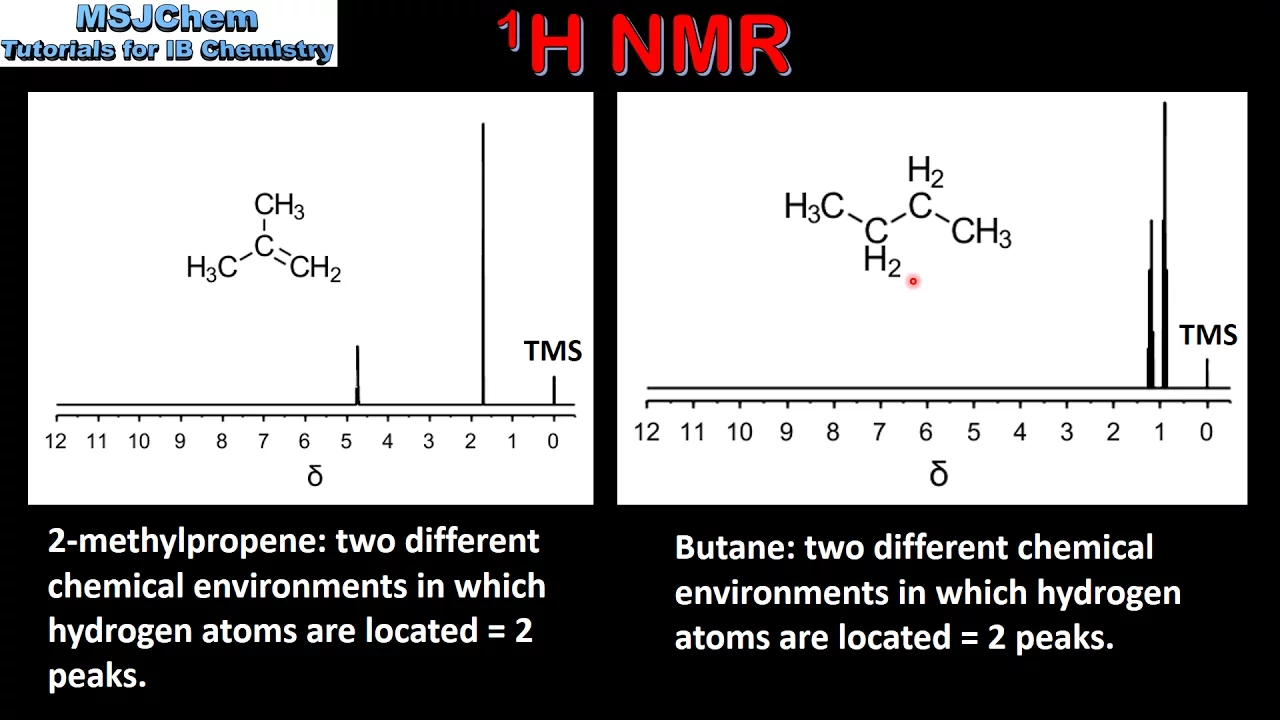
1H NMR: Determining Number of Peaks from Structure
@MSJChem
59.2K views•2017-04-06

17:31
Edible Water Bottles: A DIY Guide to Sodium Alginate Spherification
@ryan
10.5M views•2019-06-21
Related Study Plans & Knowledge Roadmaps
Structured learning paths in Chemistry
chemistry
Nuclear Chemistry: Decay, Meds & Fuel Cycle
01Introduction to Nuclear Structure and Radioactivity
02Decay Dynamics and Kinetics
03Radiation Interaction and Detection
+ 2 more learning modules
24h5 modules
Explore Roadmap
chemistry
Supramolecular Chemistry: Forces & Machines
01Foundations of Chemical Bonding and Intermolecular Forces
02Introduction to Host-Guest Chemistry
03Thermodynamics and Dynamics of Self-Assembly
+ 2 more learning modules
16h5 modules
Explore Roadmap
chemistry
Photochemistry: Excited States & Reactions
01Foundations of Light-Matter Interactions
02Molecular Orbitals and Electronic States
03Photophysical Processes and Jablonski Diagrams
+ 2 more learning modules
18h5 modules
Explore Roadmap
chemistry
Coordination Chemistry: Bonding & Properties
01Introduction to Transition Metals and Ligands
02Crystal Field Theory (CFT) and Geometry
03Magnetic Behavior and Spin States
+ 2 more learning modules
14h5 modules
Explore Roadmap