






















Fiber optic cables are manufactured through a precise multi-stage process that transforms pure glass preforms into light-carrying cables: first, ultra-pure glass is melted and drawn into hair-thin fibers using precision furnaces with strict temperature and speed control; second, protective polymer coatings are applied to shield the fragile fibers; third, multiple fibers are bundled together through stranding; fourth, a protective outer jacket is extruded around the bundle; and finally, rigorous quality testing including laser attenuation measurements and environmental stress testing ensures the cables meet German engineering standards for reliable long-term performance in global communication networks.
Fiber Optic Cable Manufacturing Process: Industrial Documentary
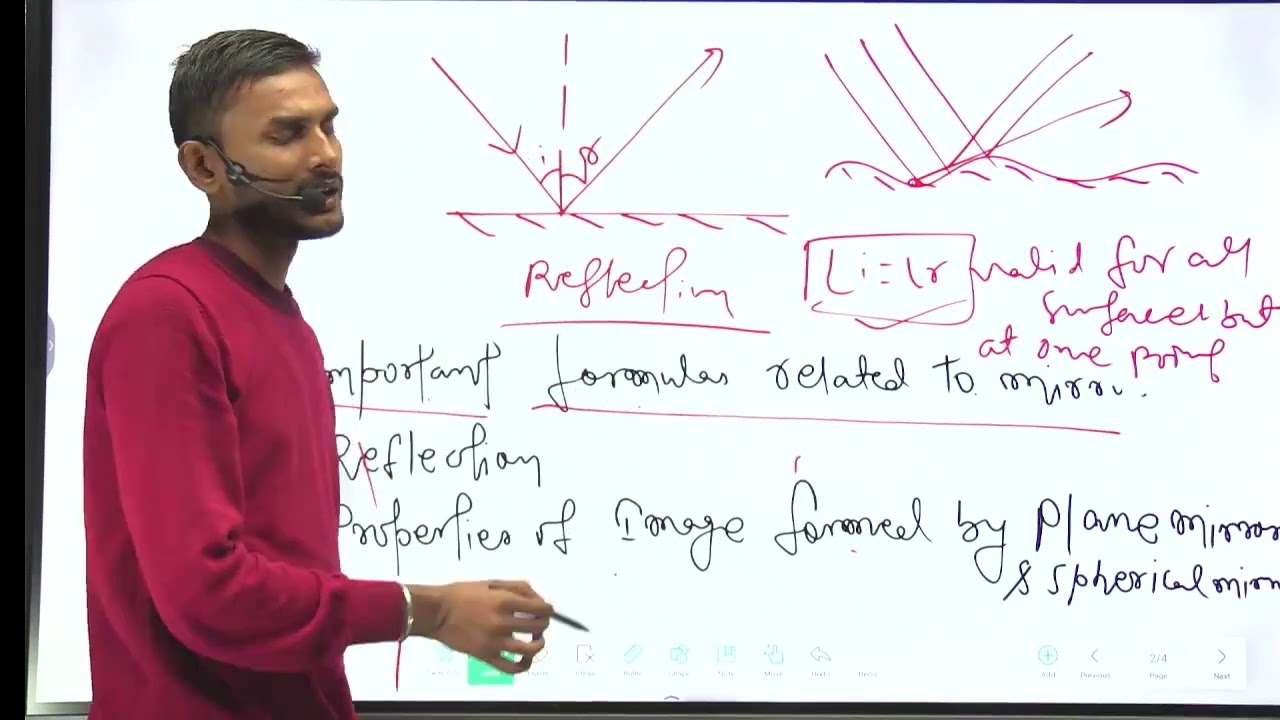
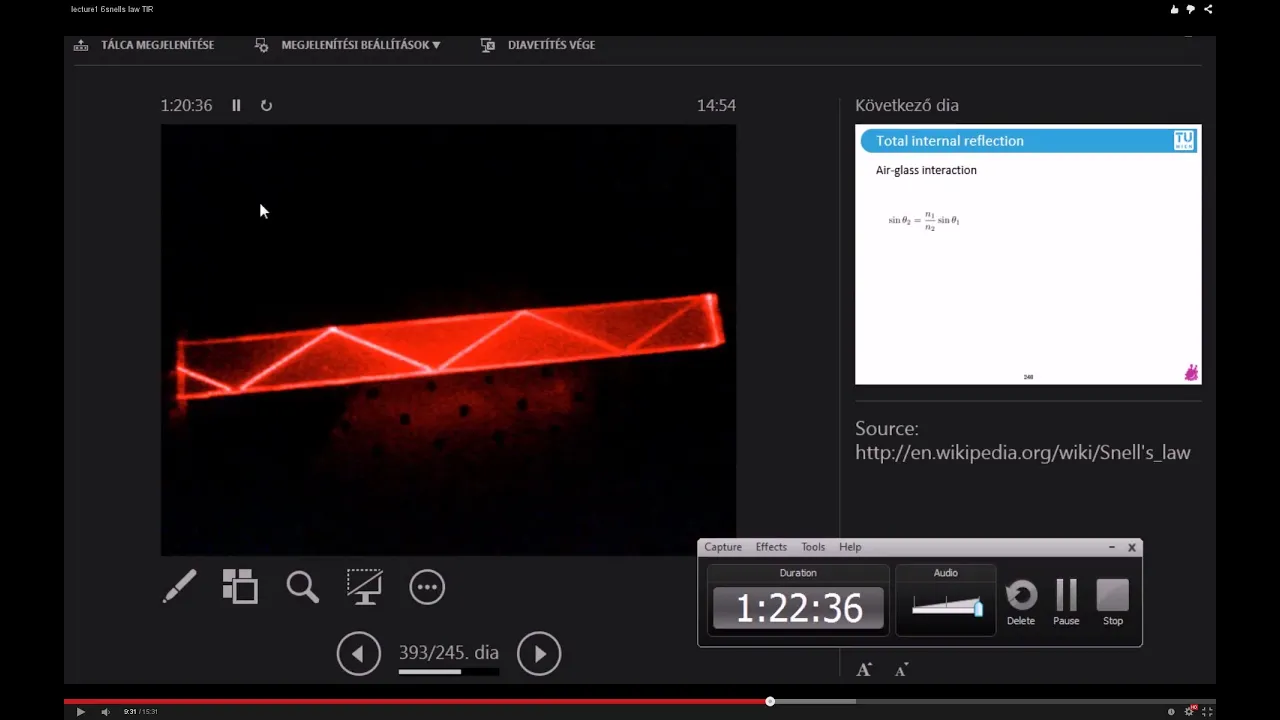
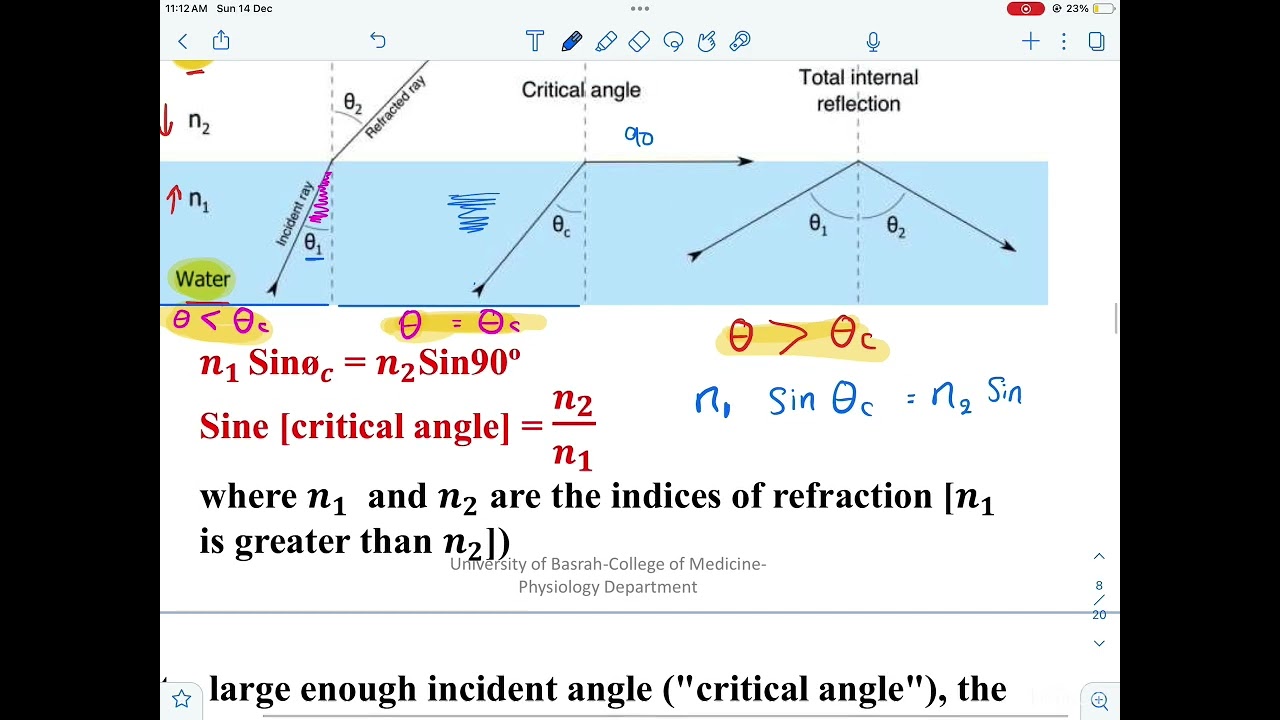
Added:Basic principles of wave optics, specifically Snell's Law and the concept of Total Internal Reflection (TIR).
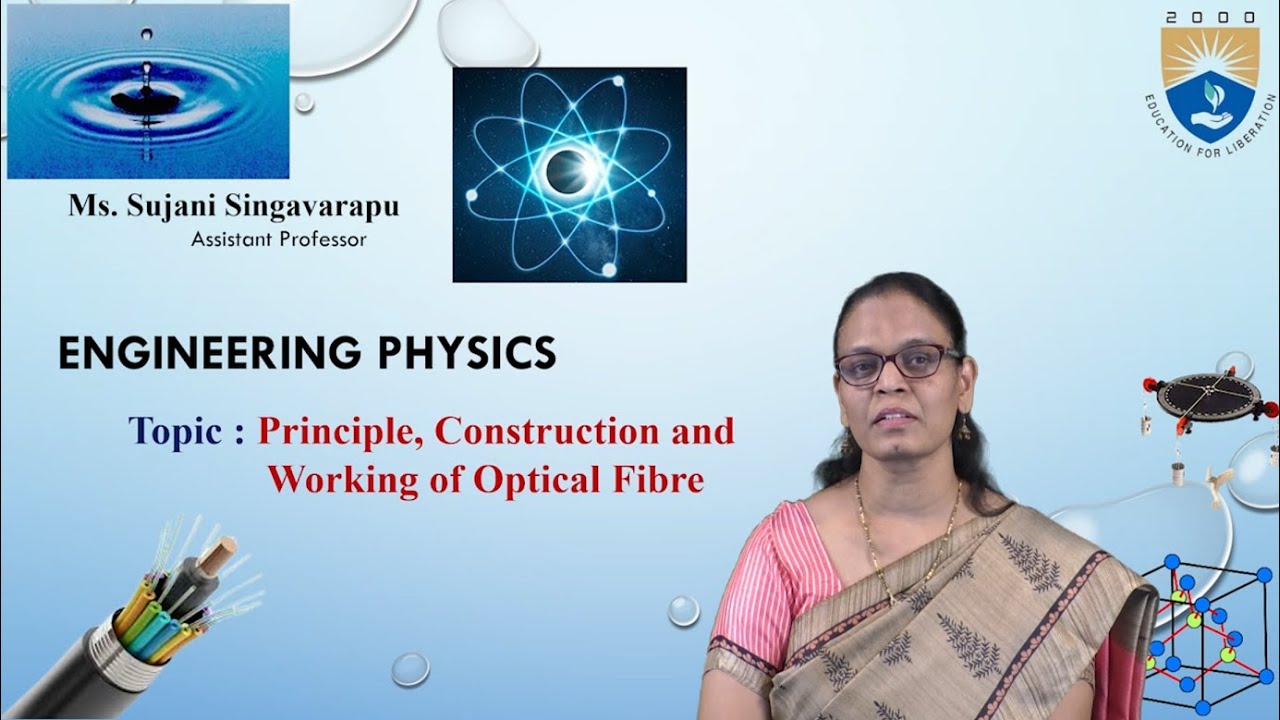
The fundamental anatomy of an optical fiber, distinguishing between the core, cladding, and primary buffer coating.
The chemical properties of silica glass (silicon dioxide) and how dopants like germanium alter its refractive index.
An introductory understanding of industrial manufacturing concepts such as raw material purification, thermal drawing, and quality control.
Fiber-optic testing and diagnostic methodologies, specifically Optical Time-Domain Reflectometry (OTDR) and spectral attenuation measurements.
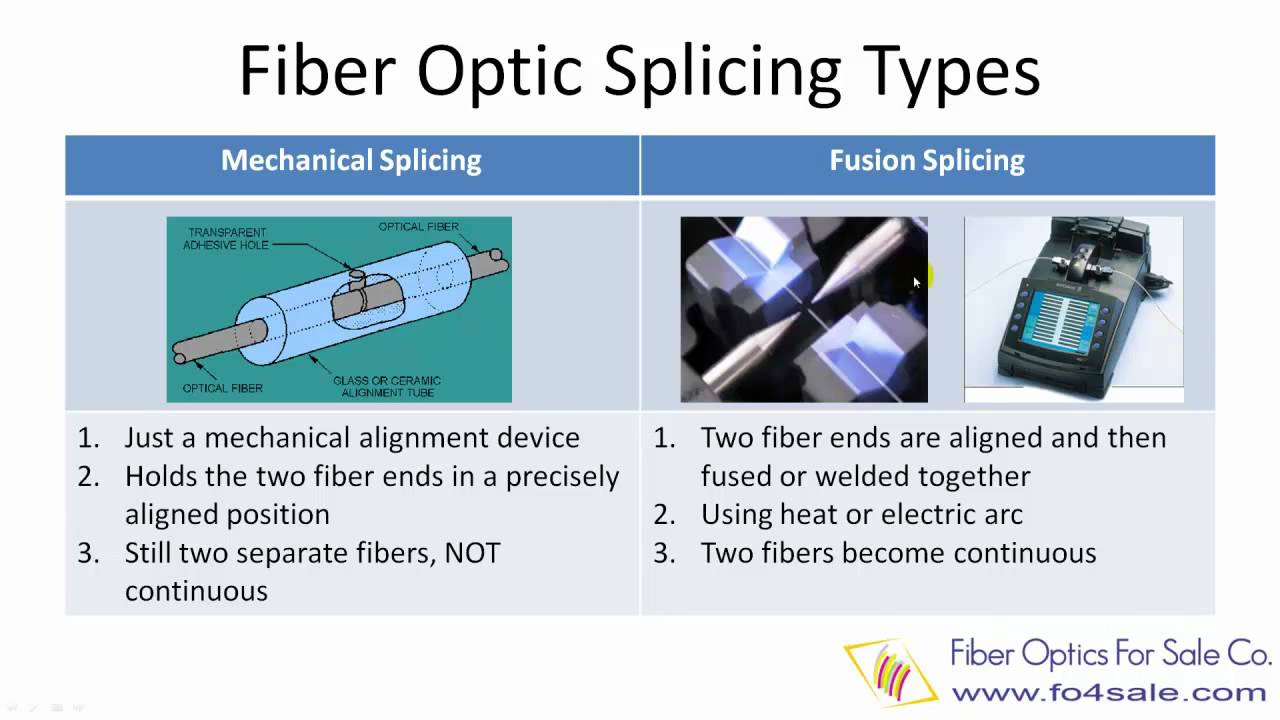
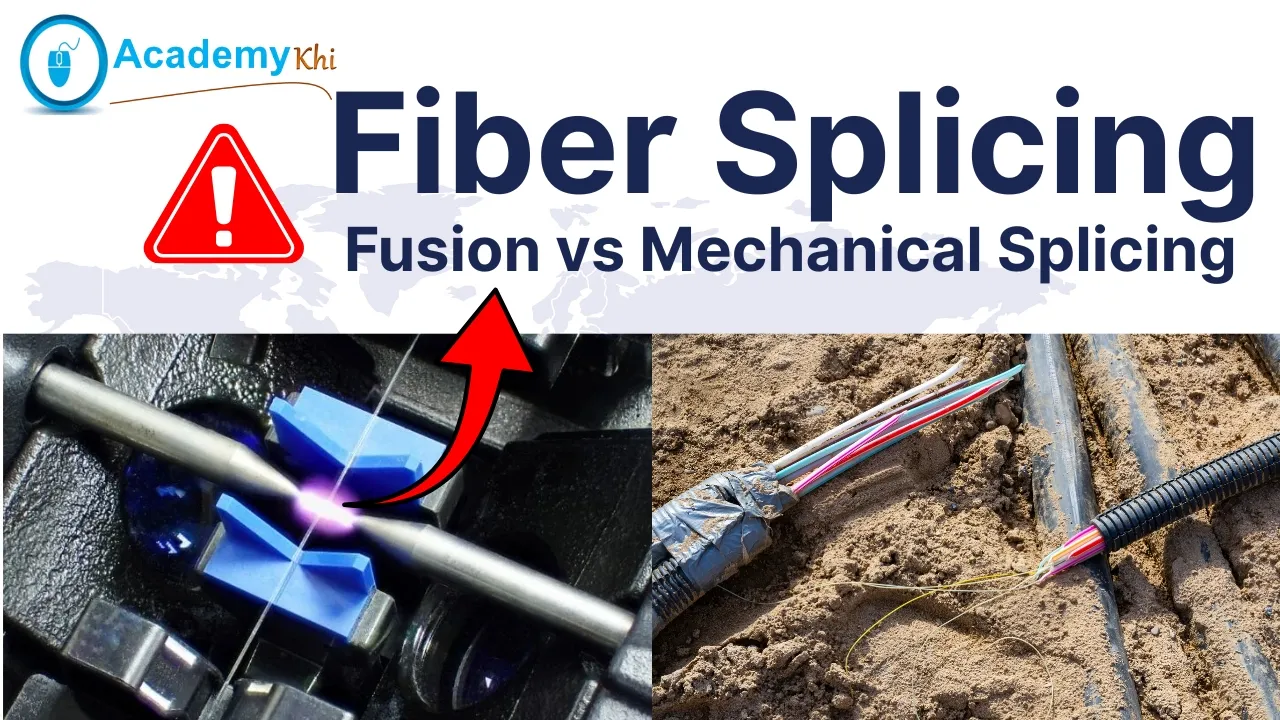
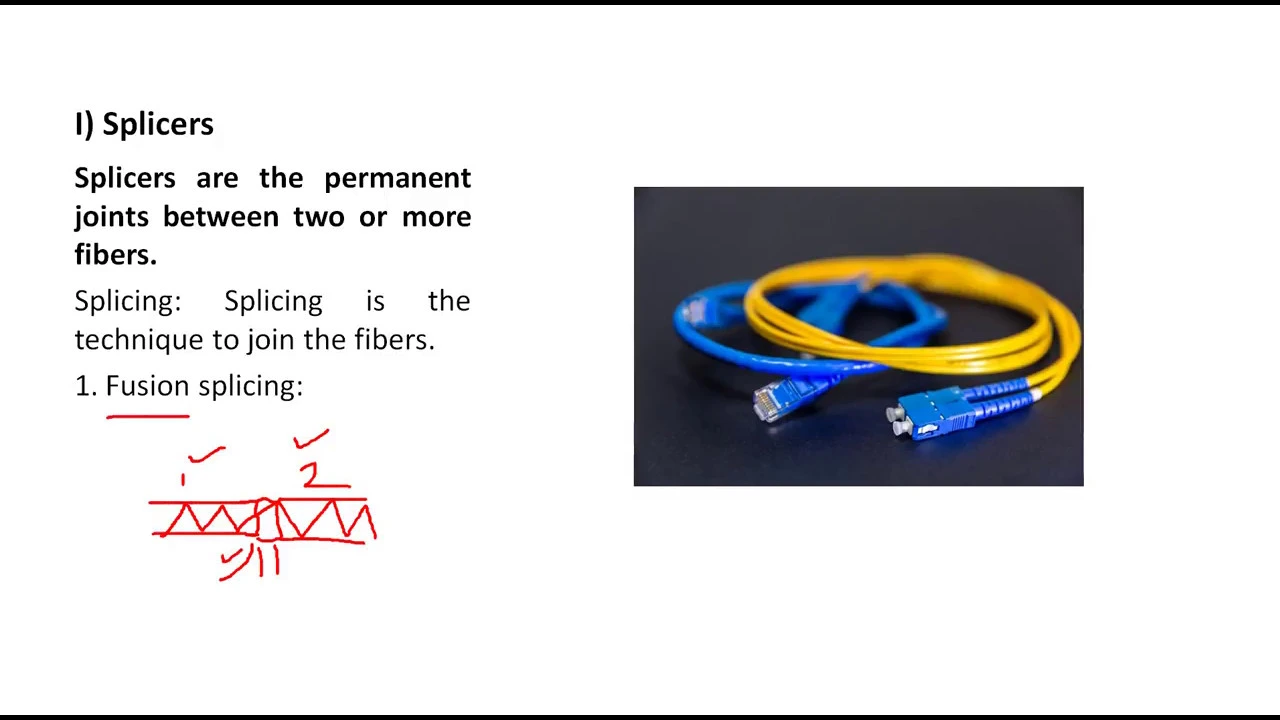
Methods for joining optical fibers in the field, including fusion splicing, mechanical splicing, and connectorization.
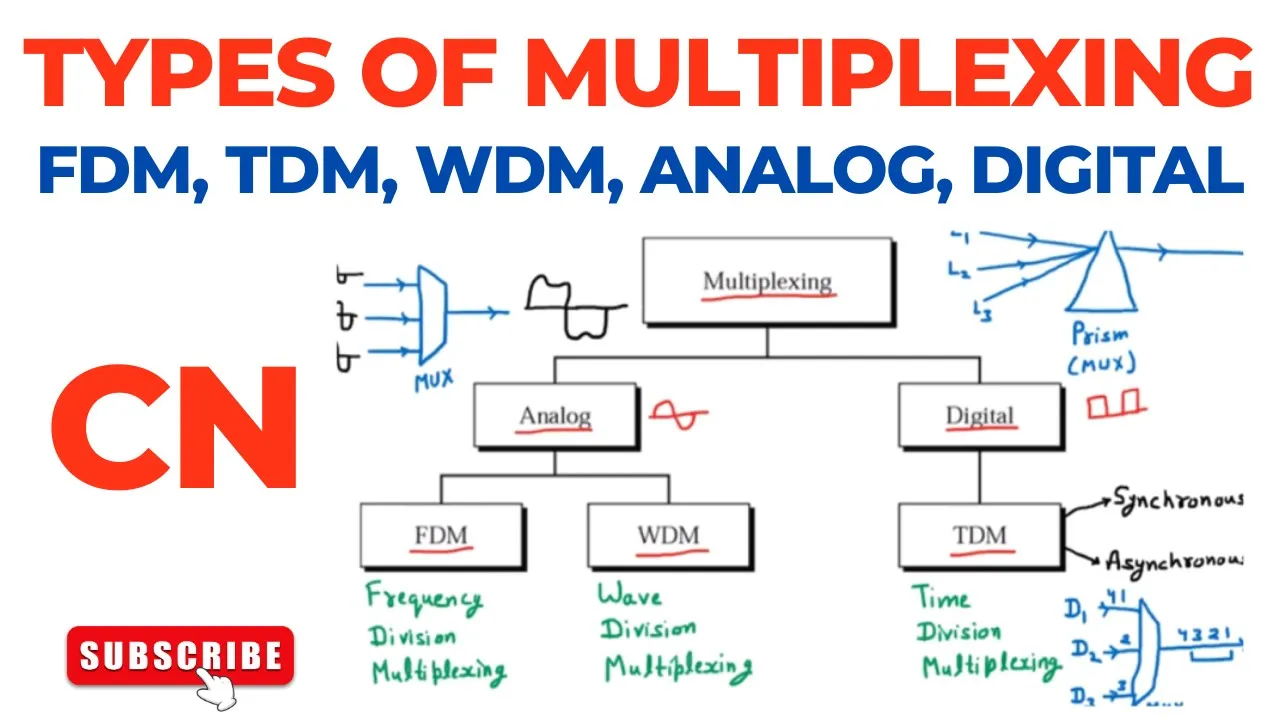
Advanced multiplexing technologies used in optical networks, such as Wavelength Division Multiplexing (WDM).
Specialized fiber designs and emerging technologies, such as multicore fibers, polarization-maintaining fibers, and hollow-core photonic crystal fibers.
112 views1likes14:40Original Release: 2026-01-01
In German engineering excellence, fiber optic technology begins its journey from pure glass to global communication networks. Every fiber optic cable begins with pure [music] glass preforms transformed through German precision into light carrying perfection.
Precision fiber drawing transforms solid glass into hair thin optical fibers through German engineering mastery of temperature and speed control. Advanced polymer coatings protect fragile optical fibers applied with German precision to ensure long-term durability and performance. Rigorous quality control testing ensures every optical fiber meets German engineering standards for optimal signal transmission. Automated cable assembly transforms individual fibers into robust communication cables through German precision engineering.
Environmental testing ensures fiber optic cables maintain performance under extreme conditions through German engineering validation. Final packaging and shipping complete the fiber optic manufacturing process, ensuring products reach customers in perfect condition.
Precision connector preparation ensures optimal light transmission through German engineering mastery of surface finishing.
Advanced fusion splicing creates permanent fiber connections with German precision, ensuring reliable long-term performance. Ultra pure glass purification forms the foundation of German fiber optic excellence, eliminating all contaminants for optimal light transmission.
Chemical vapor deposition creates perfect fiber structures through German molecular level engineering. Precision precision drawing furnaces transform solid preforms into optical fibers through German mastery of heat and speed control. Advanced coating [music] systems protect optical fibers with German precision, ensuring long-term durability and performance. Multifiber cable assembly organizes individual fibers into robust communication systems through German engineering excellence.
Rigorous connector testing ensures reliable optical connections through German precision engineering validation.
Precision fiber bundle preparation organizes optical elements for optimal light transmission through German engineering mastery. Protective cable [music] jackets shield optical fibers from environmental damage through German precision extrusion technology.
Comprehensive cable testing ensures optimal performance through German precision engineering validation and quality assurance. Specialty fiber optic cables serve demanding applications through German engineering excellence and precision manufacturing. Advanced connector systems ensure optimal optical performance through German precision engineering and superior surface finishing. Installation preparation ensures field ready fiber optic cables through German precision engineering and quality assurance.
Comprehensive quality assurance testing [music] validates German fiber optic excellence through rigorous engineering standards.
Splice protection systems ensure long-term fiber optic reliability through German engineering precision and quality assurance. Automated production lines manufacture fiber optic cables with German precision engineering excellence and quality assurance. German fiber optic manufacturing excellence produces worldclass optical cables through precision engineering and quality assurance. Precision glass melting furnaces transform raw materials into pure optical glass through German temperature control mastery. Quality verification ensures every fiber optic cable meets German engineering excellence through rigorous testing standards. Quality verification ensures every fiber optic cable meets German engineering excellence through rigorous testing standards. Advanced material processing ensures pure optical materials through German precision engineering and contamination control.
Performance optimization ensures superior fiber optic transmission through German engineering excellence and precision testing. Advanced control systems ensure consistent fiber optic quality through German engineering precision and automated monitoring. The fiber optic excellence center represents German manufacturing mastery through precision engineering and quality excellence. Precision optical fiber coating protects fragile fibers through German engineering excellence and protective technology.
Stress testing ensures fiber optic cables withstand extreme conditions through German engineering durability standards. Advanced quality control ensures fiber optic excellence through German engineering precision and quality assurance. Manufacturing innovation drives fiber optic excellence through German engineering innovation and precision technology. Precision measurement ensures fiber optic accuracy through German engineering excellence and measurement technology.
Production optimization achieves fiber optic excellence through German engineering efficiency and quality standards. Manufacturing Mastery produces world-class fiber optic cables through German engineering excellence and precision mastery. Precision testing [music] ensures fiber optic transmission excellence through German engineering accuracy and [music] quality testing.
Advanced assembly creates superior fiber optic products through German engineering precision and assembly excellence. Material excellence ensures fiber optic purity through German engineering mastery and material technology.
Coating technology protects fiber optic integrity through German engineering excellence and protective innovation.
Quality assurance ensures fiber optic excellence through German engineering standards and comprehensive quality control. Manufacturing efficiency achieves fiber optic excellence through German engineering optimization and production mastery. Innovation center drives fiber optic advancement through German engineering innovation [music] and manufacturing excellence.
Precision fiber drawing creates hair thin optical fibers through German engineering mastery and drawing technology. Advance testing protocols ensure fiber optic reliability through German engineering validation and quality testing.
Manufacturing precision achieves fiber optic excellence through German engineering accuracy and precision technology. Performance validation ensures fiber optic excellence through German engineering standards and comprehensive validation.
Quality control ensures fiber optic excellence through German engineering mastery and quality assurance technology.
Manufacturing automation achieves fiber optic excellence through German engineering automation and efficiency technology. Engineering excellence produces worldclass fiber optic products through German engineering mastery and precision engineering. Preform manufacturing creates fiber optic foundations through German engineering precision and preform technology.
Coating excellence protects fiber optic integrity through German engineering mastery and protective technology.
Assembly mastery creates superior fiber optic products through German engineering precision and [music] assembly excellence. Testing excellence ensures fiber optic reliability through German engineering validation and quality testing technology.
Systems achieve fiber optic excellence through German engineering mastery and precision manufacturing technology.
Quality excellence ensures fiber optic superiority through German engineering standards and comprehensive quality control. Manufacturing leadership produces world-class fiber optic products through German engineering mastery and leadership excellence.
Material processing ensures fiber optic purity through German engineering mastery and material technology excellence. Performance optimization achieves fiber optic excellence through German engineering optimization and quality technology. Manufacturing innovation drives fiber optic advancement through German engineering innovation and technology excellence.
>> Precision engineering creates fiber optic excellence through German engineering mastery and precision technology.
>> Quality control systems ensure fiber optic excellence through German engineering control and quality assurance technology.
Manufacturing Excellence Center produces world-class fiber optic products through German engineering mastery and excellence technology.
>> Technological leadership advances fiber optic industry through German engineering leadership and innovation technology. Production systems achieve fiber optic [music] excellence through German engineering mastery and production technology excellence.
Testing protocols excellence ensures fiber optic reliability through German engineering validation and quality testing excellence. Manufacturing technology drives fiber optic advancement through German engineering technology and innovation excellence.
Precision manufacturing creates fiber optic excellence through German engineering mastery and precision manufacturing excellence. Quality assurance systems ensure fiber optic excellence through German engineering assurance and quality technology excellence. Manufacturing excellence facility produces world-class fiber optic products through German engineering mastery and excellence facility technology. Industrial leadership advances fiber optic industry through German engineering leadership and industrial technology excellence.
Technology systems achieve fiber optic excellence through German engineering mastery and technology excellence.
Manufacturing systems ensure fiber optic reliability through German engineering manufacturing and quality technology excellence. Precision systems excellence drives fiber optic advancement through German engineering systems and technology excellence. Quality systems mastery ensures fiber optic excellence through German engineering mastery and systems technology excellence.
Manufacturing excellence mastery creates fiber optic [music] excellence through German engineering mastery and excellence technology. Technological excellence facility produces worldclass fiber optic products through German engineering mastery and technology excellence facility. Engineering excellence leadership advances fiber optic industry through German engineering leadership and excellence technology leadership. Excellence systems achieve fiber optic excellence through German engineering mastery and excellence technology.
Systems ensure fiber optic reliability through German engineering mastery and quality technology mastery. Leadership systems excellence drives fiber optic advancement through German engineering leadership and technology excellence.
>> Technology mastery systems ensures fiber optic excellence through German engineering mastery and technology excellence. Manufacturing leadership mastery creates fiber optic excellence through German engineering leadership and mastery technology. Excellence leadership facility produces world-class fiber optic products through German engineering mastery and leadership excellence facility. Excellence [music] leadership advances fiber optic industry through German engineering mastery and excellence technology leadership.
Excellence mastery systems achieve fiber optic excellence through German engineering mastery excellence and excellence technology. Leadership excellence systems ensure fiber optic reliability through German engineering leadership excellence and quality technology excellence. Mastery excellence leadership systems drives [music] fiber optic advancement through German engineering mastery excellence leadership and technology excellence.
Technology excellence mastery leadership ensures fiber optic excellence through German engineering technology excellence mastery and technology excellence factoring excellence mastery leadup systems creates fiber optic excellence through German engineering manufacturing excellence mastery leadership and mastery technology excellence mastery leadership facility produces worldclass fiber optic products through German engineering excellence leadership and mastery excellence facility >> mastery excellence leadership technology [music] advances fiber optic industry through German engineering Masterlands to excellence techn leadership.
Technology mastery excellence leadership ensures fiber optic excellence through German engineering technology mastery excellence leadership and excellence technology technic excellence mastery leadership technology ensures fiber optic reliability through German engineering manu >> mastery excellence leadership technology systems drives fiber optic advancement through German engineering mastery excellence leadership technology systems and technology excellence >> excellence mastery leadership facility and technology excellent facility >> since praised as manufacturing tennis excellence in techn leaders stand creates fiber on optic excellence through German exc excellence mastery leaders leadership techn technology center produces worldclass fiber optic products through German engineer mastery excellence leadership technology manufacturing advances fiber optic industry through German engineering mastery excellence excellent manufacturing Excellence mastery leadership technology ensures fiber optic excellence through German engineering. Excellence mastery leadership technology manufacturing center creates fiber optic excellence through German engineering excellence mastery leadership technology manufacturing center and manufacturing excellence center. IC mastery excellence leadership technology manufacturing excellence produces worldclass fiber optic products through German engineering masters manufacturing excellence leadership mastery leaders techn leadership technology manufacturing exc leadership technology excsures fiber optic excellence excellence excellence mastery leadership technology excellence [music] manufacturing center ensures fiber Fiber optic reliability through German engineering. Mastery Leadership Technology Excellence Manufacturing Facility produces world-class fiber optic products through German engineering.
Up Next

20:57
Europa Clipper: Engineering a Mission to Search for Life
@RealEngineering
1.3M views•2024-10-13
30:21
Damped Free Vibration of Structures: Viscous Damping Theory
@IITKanpurNPTEL
23.4K views•2019-08-26
54:16
Polymer Environmental Degradation: Mechanisms & Stabilization
@iit
1.8K views•2012-07-10
33:39
How a Student's Question Saved a NYC Skyscraper from Collapse
@veritasium
22.8M views•2025-04-26
Related Study Plans & Knowledge Roadmaps
Structured learning paths in Engineering
engineering
Structural Dynamics (DIY TMDs & Shake Tables)
01Foundations of Structural Dynamics & Resonance
02Designing and Building a Motorized Shake Table
03Constructing the Scale Building & Tuned Mass Damper
+ 2 more learning modules
35h5 modules
Explore Roadmap
engineering
Building Acoustic Levitators: Physics & Arduino
01The Physics of Sound and Standing Waves
02Piezoelectric Transducers and H-Bridge Drivers
03Arduino Programming: Generating 40 kHz Signals
+ 2 more learning modules
14h5 modules
Explore Roadmap
engineering
Building Peltier Cloud Chambers: Particle Tracks
01Cosmic Rays & Cloud Chamber Physics
02Thermoelectric Cooling (TEC) Fundamentals
03Custom Liquid-Cooling Loop Design
+ 2 more learning modules
18h5 modules
Explore Roadmap
engineering
Yagi-Uda Antennas: Modeling, Build & VNA Test
01Introduction to RF and Antenna Fundamentals
02Yagi-Uda Antenna Design Principles
03Antenna Modeling and Simulation in 4NEC2
+ 2 more learning modules
18h5 modules
Explore Roadmap