














Fire behavior fuel models are standardized tools that provide fuel characteristic inputs to predict surface fire behavior, developed by U.S. Forest Service researchers Richard Rothermel (who created the foundational surface fire spread model in 1961), Frank Albini (who expanded this to 'The 13' models in 1976), and later Joe Scott and Robert Bergen (who created 'The 40' models in 2005); these models help fire managers predict fire spread and intensity by matching fuel characteristics to expected fire behavior conditions, though they are generalizations that require skilled observers to select appropriately for accurate predictions.
Fire Behavior Fuel Models Explained: The 13 & 40 Systems
Added:The Fire Behavior Triangle: Understanding how fuel, weather, and topography interact to influence wildland fire behavior.
Fuel Classification and Properties: Familiarity with fuel loading, fuel size classes (1-hour, 10-hour, 100-hour fuels), and fuel bed depth.
Basic Fire Metrics: Conceptual knowledge of key fire behavior outputs such as rate of spread (ROS), heat per unit area, and flame length.
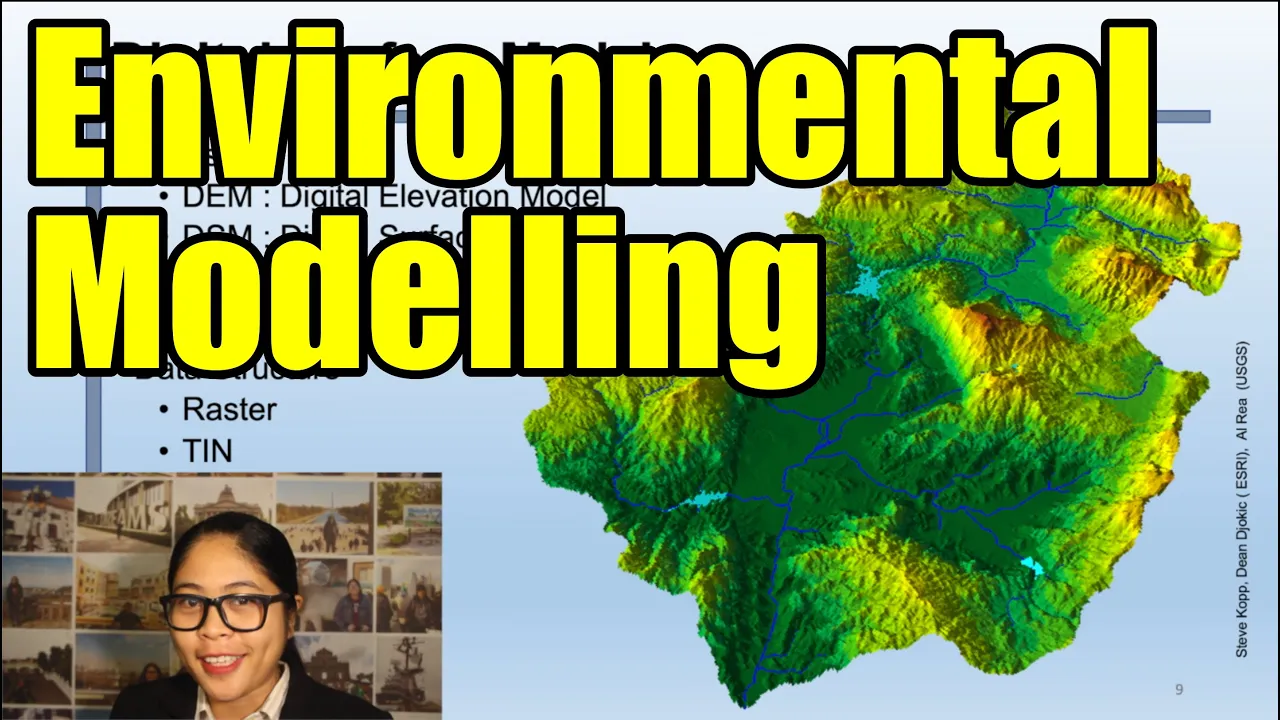
Introduction to Environmental Modeling: A fundamental understanding of how scientific models simplify complex natural phenomena to make predictions.
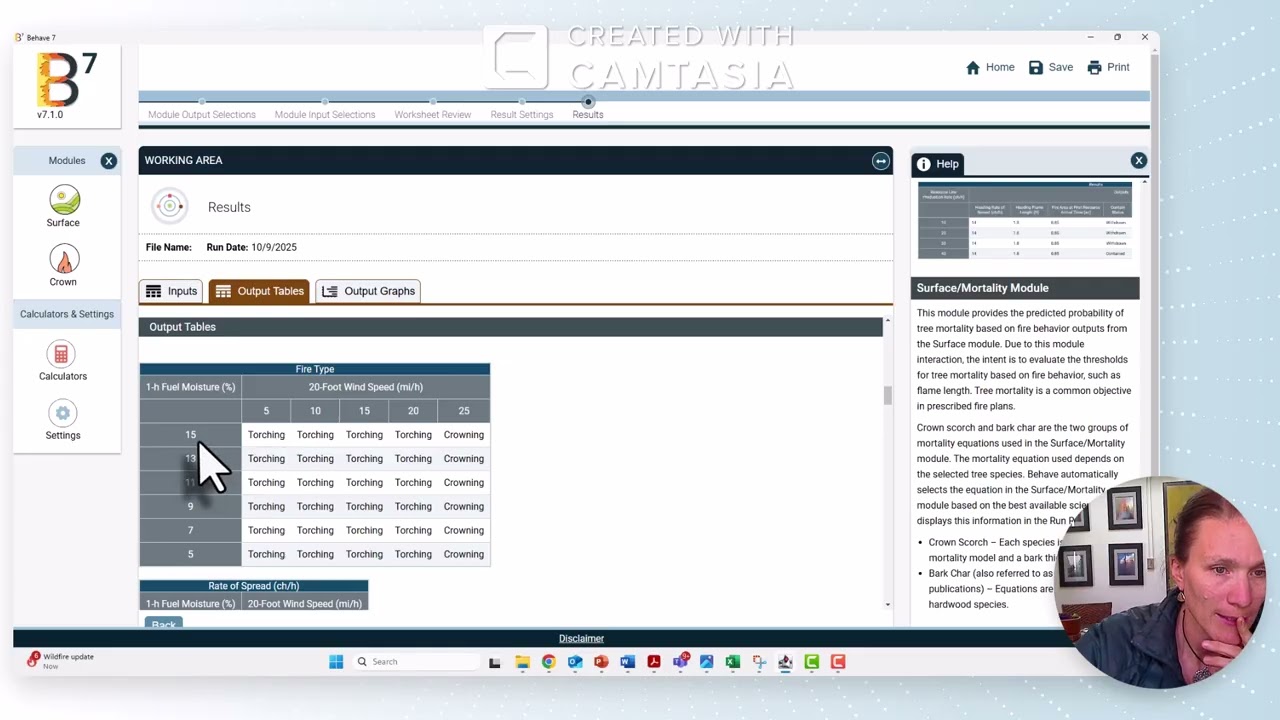
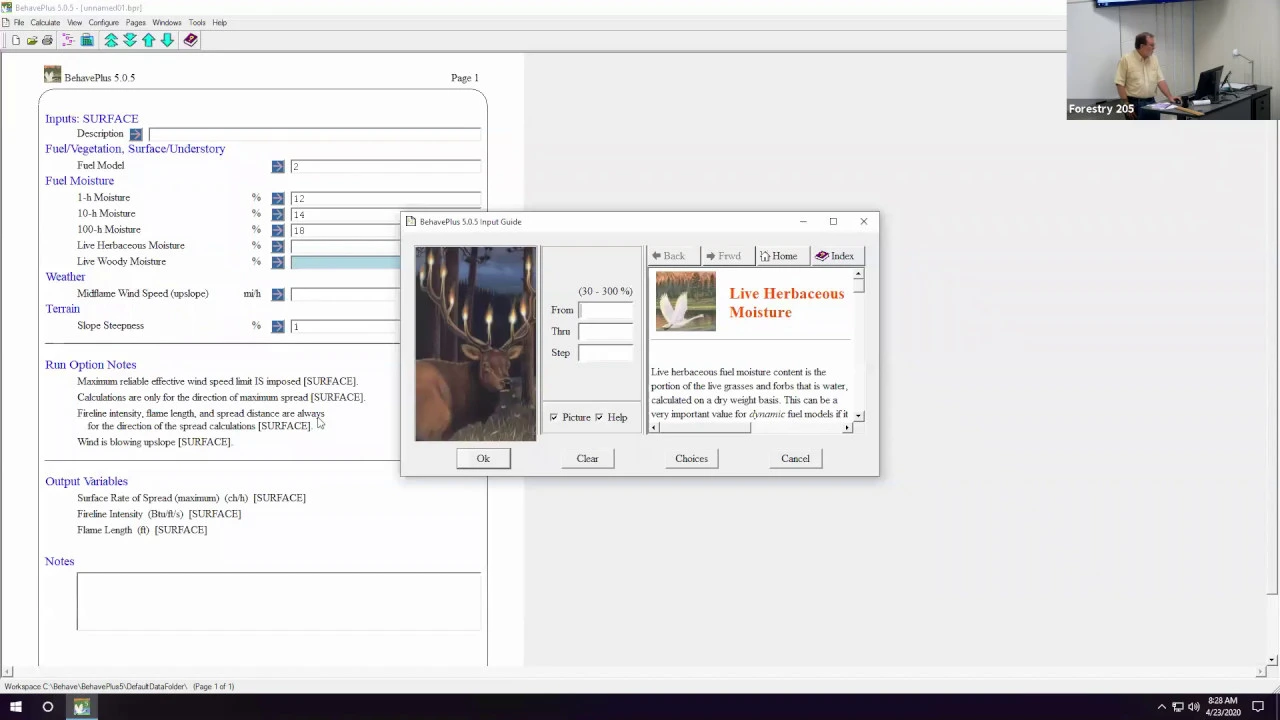
Using Fire Behavior Prediction Software: Learning how to input these fuel models into computerized simulation tools like BehavePlus, FlamMap, and FARSITE.
LANDFIRE and GIS Mapping: Exploring how remote sensing data and Geographic Information Systems (GIS) are used to map the 13 and 40 fuel models across diverse landscapes.
Fuel Treatment and Hazard Mitigation: Applying fuel models to design forest management strategies, such as mechanical thinning and prescribed burns, to alter fire behavior.
Custom Fuel Modeling: Developing advanced skills to create site-specific, custom fuel models when standard systems do not accurately represent local vegetation.
35.5K views350likes10:05Original Release: 2017-12-08
In this video, you will learn about fire behavior fuel models and how they are used today.
We will discuss 1) What is a fire behavior fuel model?
2) Why and how were fire behavior fuel models created?
3) What are "The 13" fuel models?
4) What are "The 40" fuel models?
5) How are fire behavior fuel models used today?
1) What is a fire behavior fuel model?
To start, a fire behavior fuel model is actually two things.
Number one, it is a series of fuel characteristic inputs to model expected surface fire behavior.
And two, they are tools we use to help describe the expected surface fire behavior.
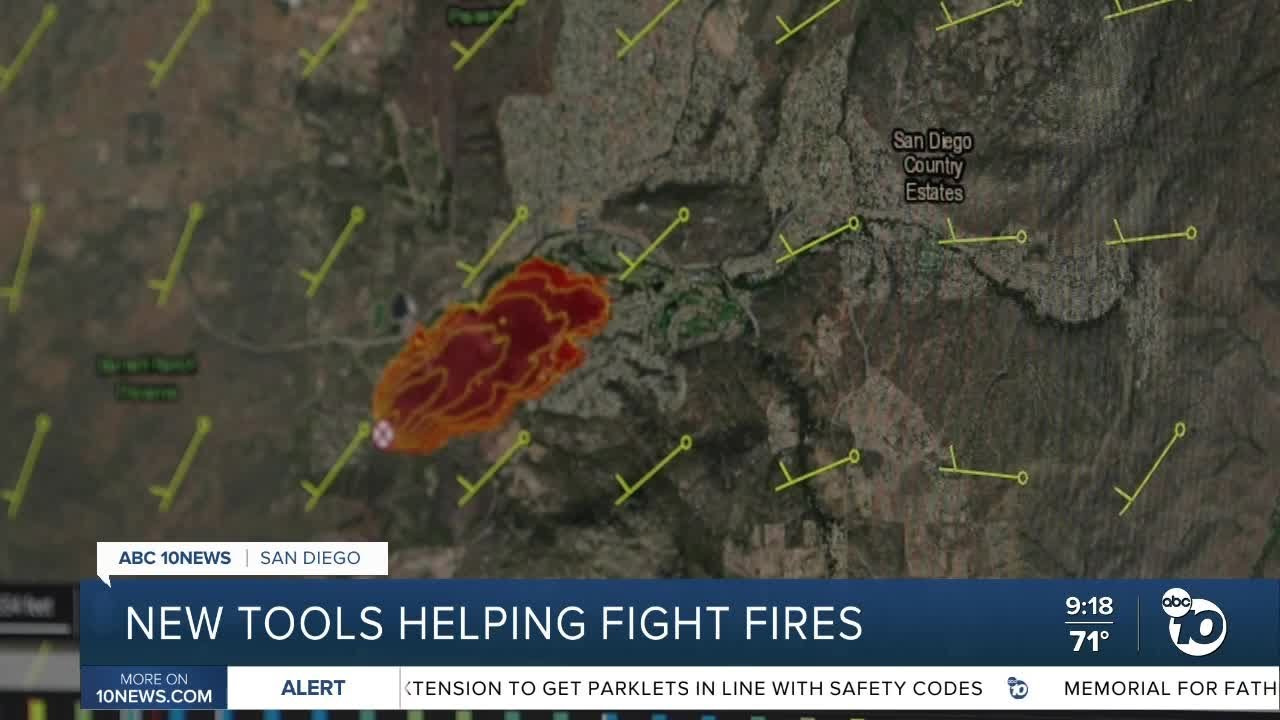
They allow analysts around the country to model fire behavior which then provides information to fire managers on how to best plan for expected fire activity.
Now, it is important to recognize that the fire environment is very complex and variable which makes it difficult to understand what kind of fire behavior could be expected under various environmental and fuel conditions.
We can reduce this complexity by using models which are simplified representations of the real world.
Here is an example of a real landscape from Google Earth compared to the same landscape with a 40 fire behavior fuel model layer.
Notice how some detail is lost when using a model. However, the advantages are worth it.
In this case they remove the need for time consuming data collection and brain numbing math calculations, providing the user with a fire behavior fuel model to assist in predicting surface fire behavior.
2) Why and how where fire behavior fuel models created?
Richard Rothermel began conducting research on the mechanisms of fire spread while working at the U.S. Forest Service's Northern Forest Fire Laboratory in Missoula, Montana in 1961.
During the 20th century, fire came to be seen as damaging to forests and wildlife.
Fire policies of the time centered around early detection and control.
The U.S. Forest Service wanted to create a fire behavior system to predict potential fire behavior so they could better prepare resources and suppress fires more quickly.
One requirement for a fire behavior system is the ability to predict the spread and intensity of a potential wildfire. Building on the work done at the fire lab and by other scientists around the U.S.
Rothermel was able to develop a mathematical equation known as Rothermel's surface fire spread model that did just that.
Even in its early stages, however, it was known by Rothermel and others that limitations existed, but this initial set of equations provided enough of a starting point to model potential fire behavior.
This is Rothermel's surface fire spread model where R equals the surface fire rate of spread.
Rothermel's model does not require any information about a fire only about the environment in which a fire occurs.
Therefore, it requires the following inputs. Notice that one of the inputs Notice that one of the inputs needed is a description of the fuel that is burning, or a fuel model.
Rothermel's fuel models included the following information.
Rothermel originally developed a set of eleven fuel models to describe the surface fuels.
These fuel models provide standardized information that can be used to calculate surface rate of spread with his spread model.
3) What are "The 13" fuel models?
In 1976, Frank Albini, a research mechanical engineer at the Missoula Fire Lab expanded on Rothermel's work by changing the moisture of extinction for several models. He also added two additional fuel models, thus creating what are now known as the original 13 or "The 13."
These 13 fuel models were developed to model fire behavior during the peak of the fire season when fuels are driest and grasses have cured.
In 1982, Hal Anderson from the Missoula Fire Lab compiled a report and included descriptions of each fuel model as well as photographic examples to assist fire and fuel management specialists in selecting the most appropriate fuel model for a specific field situation. His descriptions and photographs were developed to guide the selection of one of the 13 fuel models.
4) What are "The 40" fuel models?
In 2005, Joe Scott and Robert Bergen created 40 additional fire behavior fuel models called the standard 40 or just "The 40." In the 30-plus years since the creation of Rothermel's model and "The 13," Wildland fire management changed dramatically. There was a need to take into account fires occurring in different seasons such as prescribed fire as well as seasonal changes in live fuel moisture.
For example, grasses with 120 percent fuel moisture will burn differently than grasses with only 60 percent fuel moisture which is important when planning for expected fire behavior.
Watch our video "Introduction to Live Fuel Moisture" for more information on this topic.
"The 40" fuel models can be used at any time of the year.
5) How are fire behavior fuel models used today?
Today, we have 53 fire behavior fuel models to choose from. Instead of just being a tool to inform fire suppression efforts, fire behavior fuel models now assist analysts with expected fire behavior predictions which in turn assist fire managers with a variety of fire management decisions.
Remember back at the beginning of the video, I mentioned that fire behavior fuel models are tools analysts used to help describe the expected surface fire behavior?
Learning how to use them is a skill that takes time and effort and comes with a big responsibility. It is also important to understand that these are only one of many tools that should be considered when planning and preparing for expected fire behavior.
Fire behavior fuel models are also used as the inputs to a variety of fire behavior modeling systems.
Any fire modeling system that relies on Rothermel's equation can use both "The 13" and "The 40."
To wrap up, fire behavior fuel models are generalizations of conditions in the field and the selection of the wrong fire behavior fuel model can result in very inaccurate fire behavior predictions. It is possible to have more than one fire behavior fuel model present at a site, depending on the time of yea. The main thing to remember when selecting a fire behavior fuel model is that you should be selecting a model that best matches your expected fire behavior for the area at that time and not just the vegetation type.
For this reason it is very important to become a skilled observer of fire behavior so that you can most accurately choose the fire behavior fuel model.
You can learn more about what these fuel models are and how to select a fuel model from the other videos in the fire behavior fuel model series.
Fire behavior scientists around the world continue today to create better and more robust fire behavior and fire spread models for our changing 21st century needs.
Up Next

45:55
The Science and History of Wildfires: How Fire Shapes Our World
@OurWorld
18.7K views•2021-10-24

12:54
Triumph of Orthodoxy Icon: Byzantine Art & History Explained
@BenCallan
2.1K views•2024-08-06

9:49
FastAPI vs Flask vs Django: Choosing the Right Python Web Framework
@TechWithTim
302.5K views•2024-05-26

1:42
Game of Thrones Opening Credits: A Cinematic Analysis
@gameofthrones
46.3M views•2011-04-18
Related Study Plans & Knowledge Roadmaps
Structured learning paths in General & Interdisciplinary Studies
general-studies
Elevator Engineering: History, Physics & Cities
01From Hoists to Safety Brakes: The Dawn of Vertical Lift
02Hydraulic vs. Traction: The Engineering Physics of Elevators
03Modern Speed, Safety, and Algorithms
+ 2 more learning modules
12h5 modules
Explore Roadmap
general-studies
Rubber: Material Science, History & Geopolitics
01Origins of Natural Rubber & Mesoamerican History
02The Chemistry of Natural Rubber & Vulcanization
03The Geopolitics of the Rubber Boom & Colonization
+ 2 more learning modules
12h5 modules
Explore Roadmap
general-studies
Containerization: Evolution, Logistics & Trade
01Ancient Trade & Bulk Cargo: Amphorae to Barrels
02The Industrial Revolution & Cardboard Packaging
03The Containerization Revolution: Malcom McLean
+ 2 more learning modules
12h5 modules
Explore Roadmap
general-studies
Textile Tech: Evolution, Labor & Global Impact
01Pre-Industrial Textiles: Handloom & Cottage Industry
02Mechanization: The Spinning Jenny to the Power Loom
03The Factory System & Global Labor Transformation
+ 2 more learning modules
10h5 modules
Explore Roadmap