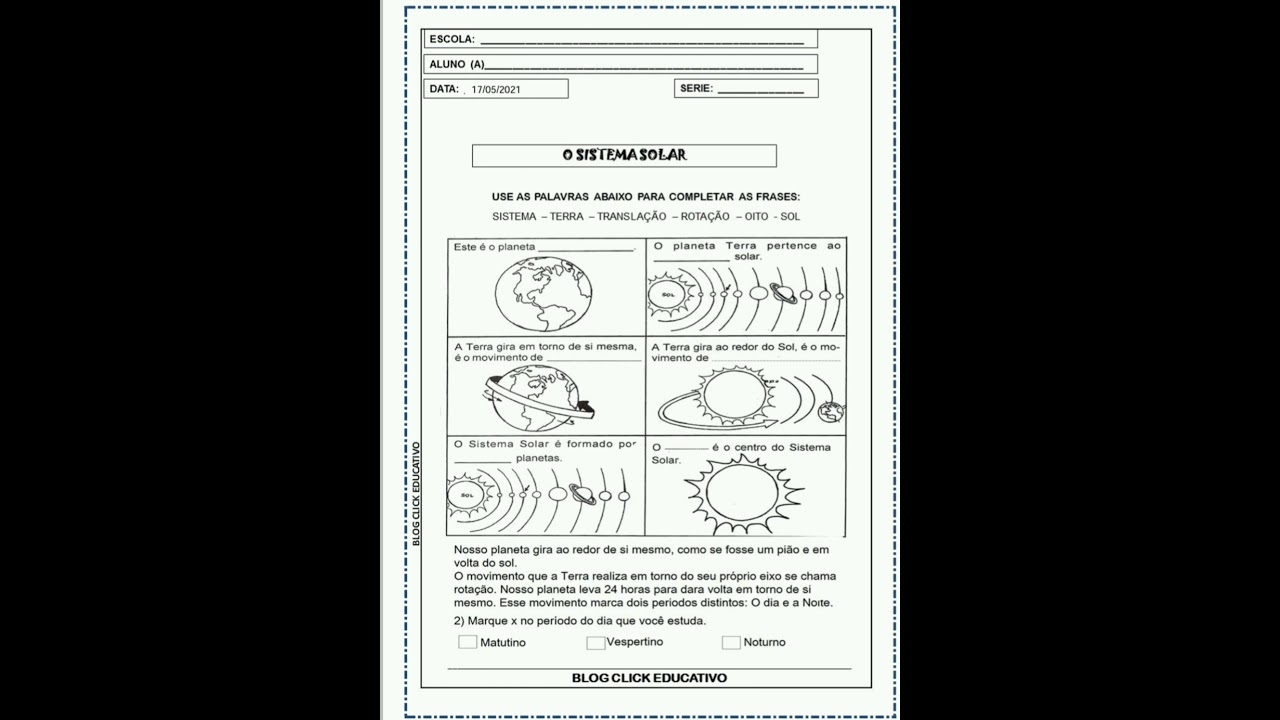











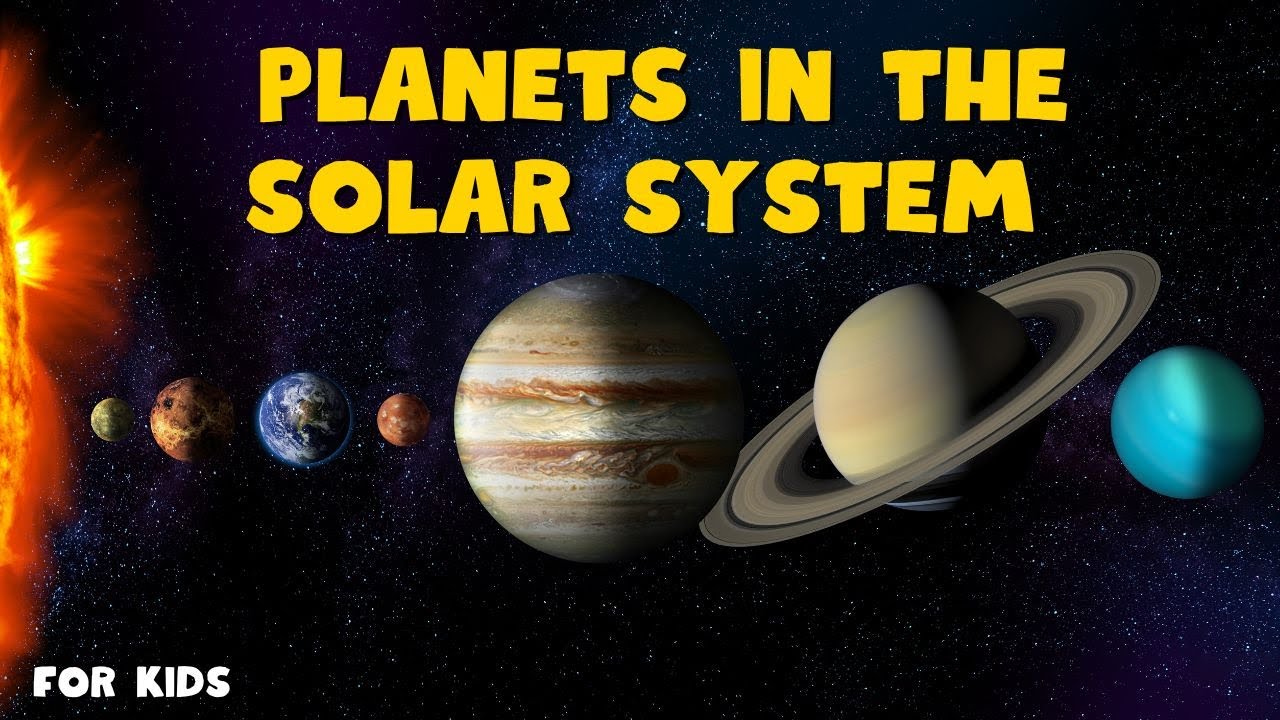



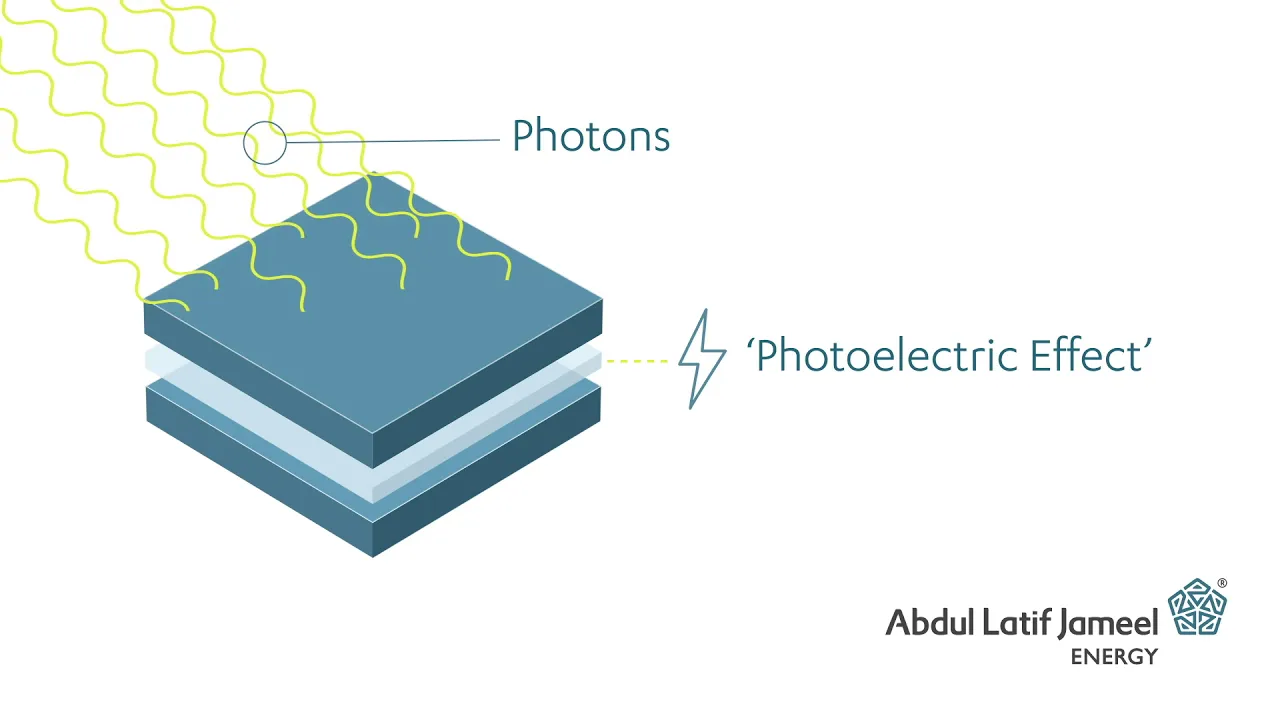


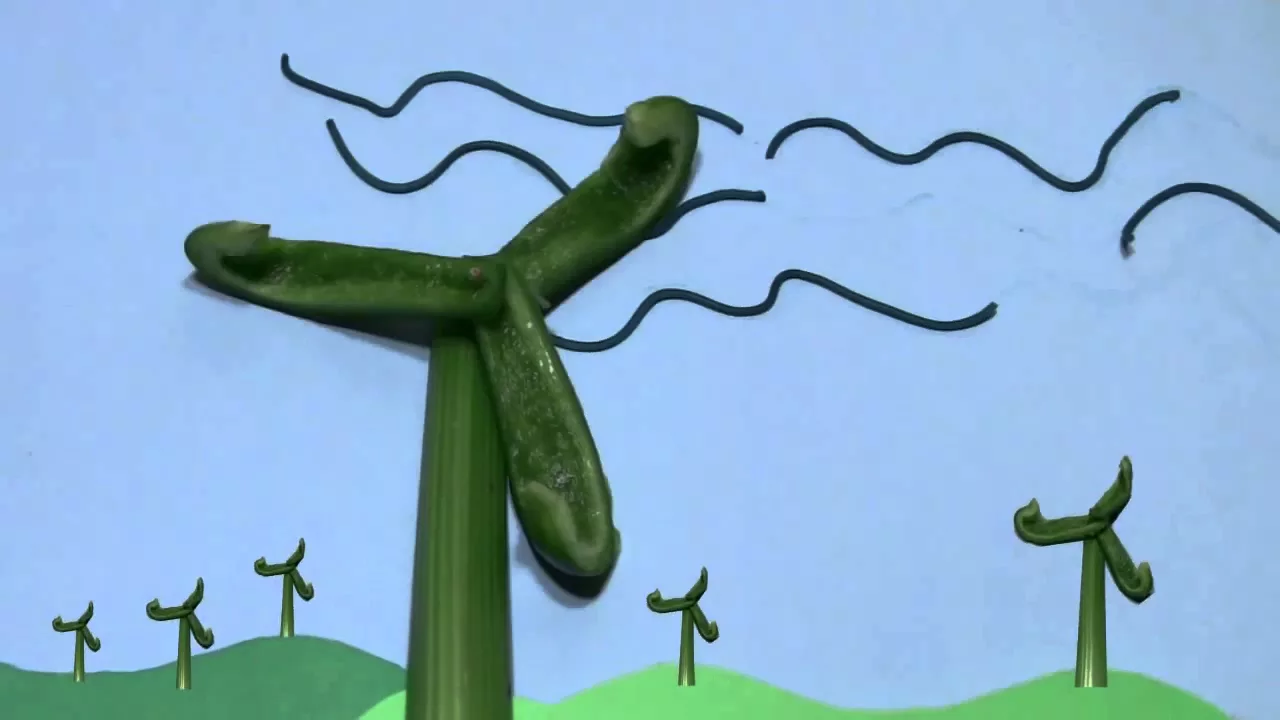







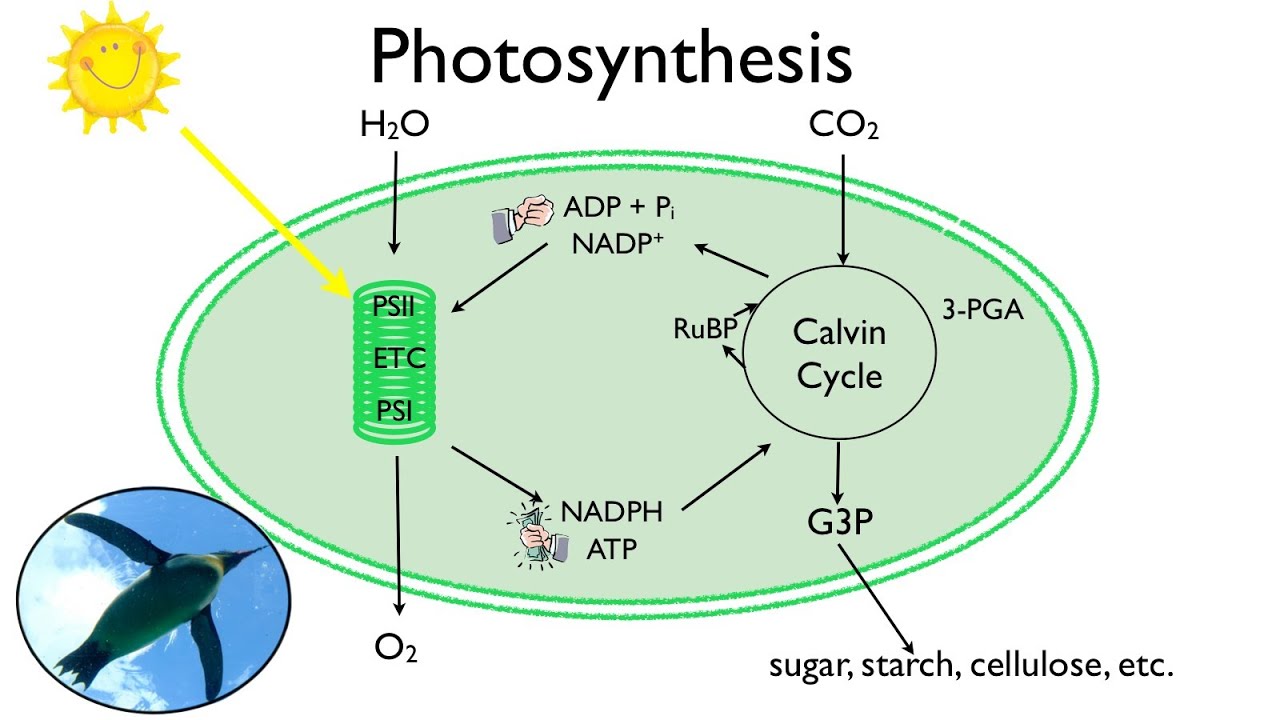
The Sun is a massive ball of superheated gas composed primarily of hydrogen and helium, located at the center of our solar system. Its immense gravity squashes hydrogen atoms in its core, creating nuclear fusion that converts hydrogen into helium and releases enormous amounts of energy. This energy powers everything on Earth, from direct solar applications like solar panels and solar cookers to indirect sources like wind, water cycles, and fossil fuels. The Sun's surface temperature reaches approximately 6,000°C, while its core reaches 15 million°C. Despite being just one of over a billion stars in our galaxy, the Sun is essential for life on Earth, providing the energy that drives our planet's weather systems, ocean currents, and the food chain.
Solar Science for Kids: Sun Power, Space & More
Added:[Music] yeah hi welcome to finding stuff out today I'm dressed up fancy because your questions have inspired me to have a big star on the show the biggest most famous star on Earth wait did I say on Earth I mean the biggest star in our whole solar system put your hands together for the sun the sun sun I love the sun yes the sun truly is is a star but if it's so great then how come his Anastasia asks why can't everything be solar powered solar is a Netherwood for Sun as an energy from the sun the sun is very very big compared to the planets in our solar system including Earth and it also has unimaginable amounts of energy so I wonder maybe everything could be powered by the sun like this solar powered baseball cap with a fan to keep me cool or this solar powered bobblehead and how about using the sun to cook food this is a solar cooker I made it doesn't need any electricity or Flames to cook things just sunlight well that's what they say but is it really true let's check back at the end of the show to see what happens to this egg meanwhile you sent me a lot of other questions about the Sun that need to be answered like this one from James what is this sun made of well James I checked and found out that the sun is a giant ball of super hot gas mostly hydrogen and helium some of it is like what's inside of this helium balloon but what's happening to the gases inside of the sun is incredible here's why gravity is a force that holds us onto the Earth and keeps us from being flung out into space as it spins without it this would happen the Sun is is huge compared to the earth so its gravity pulls on the earth and all the other planets in our solar system so they circle around the Sun the Sun's gravity is so powerful it actually squashes the hydrogen in its core which is this part deep inside it when that happens it creates incredible amounts of energy as it turns the hydrogen into helium okay my balloon isn't really doing that it's not big enough to have that kind of gravity but if I squish it enough maybe it'll create enough pressure to have my own mini sun and power [Music] something I'm not giving up I'm going to bring in an expert to help me do this she discovers galaxies so I bet she can help me please welcome my special guest astrophysicist Dr Tracy web hey Harrison hey I brought you a picture whoa is that anybody I know well it might look familiar it's a Galaxy very much like our own Milky Way galaxy the one that the sun lives in what is a Galaxy well a galaxy is a collection of usually billions or even tens of billions of stars which are held together in Space by their own Mutual gravity they're kind of like an island Universe within the universe itself wow billions of stars if Tracy knows that much about space maybe she can help me make my own son okay so I have this balloon filled with helium and a bit of hydrogen just like the sun yes I'm going to compress you into a sun with this oh it's almost there it's getting warm I can feel the heat building [Music] up oh now I don't have Mr Sun or Mr balloon but at least I still have you Tracy what went wrong well the hydrogen and the helium in the balloon doesn't actually want to be squished together so it fights back that's what we call pressure and you're just not strong enough to squish all of those atoms together but I can show you what's happening in the center of the sun using this demonstration with Playdoh okay we're going to pretend that these four yellow Playdoh balls are hydrogen atom and now we're going to put 100 million elephants on top of it I don't have 100 million elephants and that's going to create the pressure like the pressure in the core of the Sun and it's going to squish these hydrogen atoms together to form helium and when it does that it releases energy I don't know where I'm going to find 100 million elephants but I do know where to find another question why is the sun a star yeah why is the sun a star well the sun is a star like every other star that we see in the sky it just looks different because it's so much closer to us and for a long time we did think that it was something different but now we know that it's not but it's still a really important star because it's the center of our own solar system and it is the brightest thing in the sky that's right Mr Sun you'll always be special to us even if out there you're just one of millions I mean billions I mean how many stars are there there's over a billion stars in our own G Galaxy and there are billions and billions of galaxies in the universe so would it be like how many grains of sand are in this bucket no there's more than that more than this what about the grains of sand in this whole pool here no you would have to take more grains of sand than are on all of the world's beaches and you probably still wouldn't even have enough Stars yeah my parents aren't going to let me bring more sand in here so let's bring back the Sun for another question oh that's bright I would when you look at the sun your eyes burn yeah why is that well unlike the Stars the sun is really close to us so the light from the sun is still very energetic when it reaches the Earth the stuff that damages your eyes is called ultraviolet light and you can't see it and you can't feel it actually burning your eyes so that's kind of like when I go to the beach I put on sunscreen yeah it's the same stuff that gives you a sunburn and you don't know that you're getting a sunburn until it's too late also what about during an eclipse during an eclipse an eclipse is when the moon passes in front of the Sun and blocks all the visible light but it doesn't actually block the UV light that can still come through to your eyes even though you can't feel it or see it so you should never look into the sun even during an eclipse never are all the sun's invisible Rays dangerous no not all of them and in fact some of the stuff that come some of the energy that comes from the sun can produce things that are very beautiful on earth like the Northern Lights oh I think I have some video of that they're so beautiful what makes them happen well you remember that I said the sun was a big ball of gas and that gas was made up of particles of hydrogen and helium and a lot of those particles are being blown off from the surface of the Sun all the time and we call this the solar wind and that wind of particles goes through space and gets captured by the Earth in the North and the South Pole and as those particles come down into our atmosphere they collide with other particles oxygen and nitrogen and cause this explosion of light that we see the experiment for those of you who have never seen the Northern Lights you can do a quick little experiment at home to see what they look like so get an adult to help you assemble all these different ingredients you need some 2% or whole milk you need some pretty food coloring colors and some regular just soap okay and what we're going to do is we're going to pour the milk into this pie plate here okay and then once it's settled down just a little bit we're going to put some green in and some red we don't want them to mix yet so I'm putting them separately right and then some blue W and then I'm going to take the dish soap and just put a little bit right in the middle whoa cool so you see how it makes Swirls and curtains that's exactly what the northern lights look like cool thanks for helping us find stuff out now here's a question from James what would happen if someone walked on the Sun the short answer is the worst sunburn you'll ever have in your life and that would be a very short life if you tried to walk on the sun because it's so hot yikes my toies the sun is so hot you wouldn't even be able to get close enough to walk on it but if you could beam yourself up onto it you'd be burned up in less than a second and it's not solid anyway so it' be like trying to walk on a burning Cloud scary which leads to a question from Kevin how hot is the Sun how hot is it hot enough to give me a sunburn hot enough to melt crayons the sun is hotter than all the candles hotter than an oven hotter than a furnace hotter than my head which is getting really hot 150 million kilm times all those degrees solar meltdown here I I come you're going to make my head explode I checked and found out that the hottest thing on earth is the lava from a volcano it can be 1300° C that's 40 times hotter than a really hot summer day but the surface of the Sun is 6,000 de that's more than four times hotter than a volcano but the center of the Sun is way hotter than that 15 million de that's more than 11,000 times hotter than a volcano luckily for us we're just the right distance away from the sun's heat scientists call it the Goldilocks effect it's kind of like this if the Earth was further away from the Sun than it is now like where Mars is the sun's heat wouldn't reach us and warm the Earth enough for life to exist a my porge is too cold in fact everything is too cold if the Earth was closer to the Sun like where Venus is the sun's heat would be too strong huh and now my pores on fire get me out of here ah not too hot not too cold everything is just right except someone ate all my porridge excuse [Music] me why does the Sun have to come out in the day and not at night [Applause] the Flat Earth corner you want to know the answer well you've come to the right place I'm Homer the famous Greek poet from the 9th century BC so why does the sun come up in the morning and go away at night well as anybody in ancient Greece who's read my work knows duh it's because the sun god Helios rides his Sun Chariot across the sky every morning and disappears at night like this oh [Music] yeah this is so much fun I told you nowadays we know that the sun is the center of our solar system and the Earth circles around it spinning so unless you live in the North or South Pole the sun comes up in the morning and goes away at night like [Music] this the Earth it spins around and round so the sun comes up and the sun goes down at night we're turned away from the Sun but it's back again when the morning comes at night we're turned away from the Sun but it's back again when the morning [Music] comes we have morning and night because the Earth is always spinning that gave the ancient people a solar powerered way to tell the time before clocks and watches were invented it's called the sundow thousands of years ago people used it to tell the time it works by the sun casting a shadow on it and that's today's my great challenge today my great Challengers are Amelia and Mato the aist okay so you're going to be team Raw After the Egyptian sun god and you're going to be team SAA after the Viking Sun Goddess so your challenge today is to find out the time using the Sun Well actually it's a flashlight but it will repr present the sun I've made a giant Sund dial on the floor the piece of a su dial that casts the shadow is called the Gomen each one of you will try to find two different times of the day at different times of the year the one to do it in the shortest time will be the winner and remember in the northern hemisphere the sun lays low in the winter and it's high in the sky in the summer that's why there's two rows of numbers on my sun dial these are the summer times and these are the winter times so team raw you're going to be first first and team SAA you can go downstairs so you can't cheat okay here's your son your first challenge is to find 900 a.m. in January go Matteo is moving the Gman onto the square for January good move he gets his shadow in the right direction but here's the tricky part yep remember you have to have the point on the number Mato needs to try and make his shadow shorter he's raising his son now lowering it and there you have it that's about how high in the sky the sun would be at 9:00 a.m. in January now let's see how Amelia does are you ready for the first challenge yeah okay 9:00 a.m. in January go Amelia quickly puts down her Shadow Caster now she's got to get the shadow to point to 9:00 a.m. close but that's 10:00 she's moving the sun over but it's got to be at the right height in the [Music] sky she's raising it higher in the sky now hitting 9:00 but that would be where the Sun hits in the summertime remember it's January Amelia is lowering the Sun a bit there she has it okay Amelia does it in 1 minute and 22 seconds okay are you ready for your second challenge yes 400 p.m. in July go the sun in the summer is higher in the sky let's see if the challengers figure it out Mato raises his son he's found the sun's position at 4:00 in the winter but I asked for 4:00 in July on July there you go he's found it Second Challenge go Amelia rushes to make up for lost time oh it looks like she learned from last time okay you're getting really close there she has it and she did it now let's see who had the fastest combined times okay so team saana you had a time of 1 minute and 44 seconds pretty good and team raw you had a time of 1 minute and 1 second you're the winner woo yeah so thank you for playing my great challenge now here's another Sun question how do solar panels work well I know they take light and turn it into electricity but I don't know how so I went somewhere very cool to find [Music] out this is Monty gisborn and he knows all about solar panels and how they work and this is a solar powered boat and he's offered to take me on a ride thanks Monty my pleasure Harrison welcome aboard the ospre North America's largest solar powerered vessel awesome let's [Music] go this boat is much quieter than a gas powered boat because its Motors are electric and are powered by solar panels what we have here to show you is a solar panel which is primary source of energy that goes into this boat basically the Rays from the Sun strike upon the panel and excite the molecules of these crystals which in turn creates electrons electrons is what electricity is made of right the electrons start to flow through all of these cells individually okay and that creates a circuit that flows through these wires and then that energy is available for when our captain here needs to hit the throttle and make the boat go forward okay I'm getting worried though we've traveled far and it's getting kind of Cloudy so if it got cloudy like right now would the boat just stop or would it keep going or how would that work well the truth is uh-oh I can feel bad news coming this battery pack is about 10 KW hours oh good that sounds like a lot that's about a dollar's worth of electricity we're doomed but that can run this boat for about 5 hours that's like a day trip right there there it is perfect we've got plenty of battery power left for me to drive us back good thing I have my boating license and the best thing about this boat is it doesn't pollute solar power aoy well this is great Tre SM if you could have anything that was solar powered what would it be a car and a computer a car a car maybe like your toy car TV cars CU if you use fuel or gas it will ruin the environment I would do different public buildings like hospitals or schools cuz then anyone in the world could use them nice and what about you I'm fun doing a bathtub cuz I really like both of those things a blender and a bathtub those are two of my favorite things too but don't combine them that's a bad idea and that brings me back to the question that started the solar Quest why can't everything be solar powered well Anastasia the big answer is almost everything does run on solar power indirectly at least plants use the sun's energy to grow the wind that sailboats and wind generators use is made by the sun heating up the air the rivers that run hydroelectric plants need the sun too the sun evaporates the water carrying it up up to the sky where it cools Falls as rain or snow then eventually flows down into the rivers again even the gasoline that we used to run our cars and the coal that we used to run some electrical generators where once long ago living plants that depended on the Sun for energy but I think you mean why can't we get all of our power from solar panels well maybe one day we can scientists are developing solar panels that can capture more and more of the sun's energy and conver it into electricity better than solar panels used today hey that reminds me it's time to check on my egg oh that's hot I'll use this oh it worked that's excellent so maybe by the time we're grown-ups our cars schools businesses and homes and everything inside them will be solar powered by the Sun but until then I'm going to wear this solar powered hat to keep cool Ah that's better see you next time for more finding stuff out hey this banana got its energy from the Sun and now I'm eating it so I guess I'm solar powered too do you want to bite well I guess you'd rather have your solar power direct solar power you bet hi welcome to finding stuff out the show where I answer your burning questions of the day like why does the moon follow us yes Carl why does the moon follow us I wondered that myself recently while I was out for a walk did you ever get the feeling that you were being [Music] followed H that's weird it's you I caught the moon following me why does the moon follow us I don't know but we're about to find out what tricks that moon is up to and by the end of the show I'll have the answer to your question here's one from Jessica why is there a moon why is there a moon I don't know I know that it's there in the sky but I've never really thought about why and now you've got me thinking about it a lot did it just show up on our doorstep one day like a cat it's mindboggling how did something so big get there why is there a [Music] mood yay you're going to make my head [Music] explode to answer your question I went to the moon just kidding if I really was on the moon my face would expand and I wouldn't be able to [Music] breathe [Music] hey hey Rover are you following me too now but seriously I'm here today at the Canadian space agency in a place called The Sandbox which is very similar to the surface of the Moon and here I am with Caroline Emanuel moriset who's a lunar geologist hi Arison hi so what is the whole point of this sandbox well we can use it to practice for possible future l missions the astronauts practice down here so they know what to do on the real [Music] moon this is the perfect place to answer your question why is there a moon Caroline says that most scientists think it's because of something called the giant impact is the giant impact Theory so did it involve giants like Jack and the beant swinging clubs like this no it didn't Caroline tells me that according to the giant impact Theory billions of years ago an asteroid as big as Mars smashed into the [Music] Earth parts of the earth and parts of the asteroid shattered into pieces then joined together to form the Moon that we now see in our sky so in all the vastness of space there's a chocolate cupcake orbiting around the Sun minding his own business is this when all of a sudden hey there buddy this is my Orbit get your own pal I'm sorry I'm out of control I can't help it yes you can out of all the orbits in the Galaxy you had to choose mine wooo hey you got vanilla icing all over me no you got chocolate icing all over me so the moon is made up of bits of vanilla cupcake and chocolate cupcake or as an astronomer would put it the moon is made up of bits of the earth and bits of the asteroid that hit the earth next question why does the moon have bumps like that yeah why does the moon have so many bumps when the earth and the moon formed Caroline says when the earth and the moon were made billions of years ago there was so much stuff floating around in space that rocks and planets were always bashing into each other even today new craters get made on the mood it happens when meteor that stone or metal debris from space crash into [Music] it wow I made my own mini crater I wondered why those meteoroids don't hit the earth too Caroline tells me it's because the Earth's atmosphere is like a shield the meteoroids burn up when they try to get in when you see a shooting star it's really a meteoroid burning up in the Earth's atmosphere but the moon doesn't have an atmosphere to Shield it so it gets hit how big can the craters be well some are very large so you could take a day to cross them in a car what that's crazy so thanks for being on my show and helping me find stuff out it was out of this world oh well it's my pleasure Arison thank you okay Rover [Music] ready oh good boy [Music] yeah good boy Rover yeah good job good boy yes you are good boy Street smarts so we all know that the Earth is made of well earth and water and what about plants and rocks but what is the moon made out of I have these kids here to help me find out craters lots of gray stuff dirt dirt white grass I think it is made of mozzarella or Parmesan cheese and I if I would if I were to go to the Moon I would be sitting there all day long eating cheese do you think you'd get sick of the cheese yes I would here's a question from Evan why does the moon light at night but not so much during the day well Evan I found the answer on the website for NASA they're people who explore space this is the Moon at night it's brightly lit up and this is it during the day you're right Evan it's not so bright now but why I think this calls for the experiment the NASA article suggested this experiment Pretend This is the Sun and this mirror is the moon there's a lot of light so when I put it over here we can still see the mirror it just doesn't stand out a lot against the bright daytime sky but when it's night my mirror looks bright against the dark sky whether it's day or night we can see the moon because it reflects the light from the sun the moon doesn't make any light of its own look if I turn the sun off no more shiny Moon so the moon has another disappearing trick up its sleeve as Marissa points out why sometimes the moon is full where sometimes the Moon is not full Marissa that's a very challenging question and the answer calls for my great challenge okay contestants let's take a look at the phases of the moon Marissa is right here the moon is full you can see all of it but now watch that moon start to disappear it gets dark on one side and it keeps getting darker a little more each night until you you can only see half the moon eventually you can only see a sliver of it until it looks like a giant toenail clipping I hope you don't leave those under your bed mom's hate that well at least mine does yeah mine hates that too anyway finally it reaches the new moon stage that's when we can't see it at all then it gradually reappears until it's the full moon again that's my favorite phase could you tell yeah and it's also my signal to start this challenge you're going to wear these way cool hats yay Here Comes the Sun now you are the Earth and you are the moon your job is to find the new moon which is the one that disappears go Marissa The Challengers are bending their brains to figure out the answer to your question why is the moon full some times and not full at other [Music] times H team number one seems to be having trouble figuring it out I guess they've got a lot on their minds get it slower faster here there there can't really see the moon when it's there yes you're correct when the moon is between the Sun and the Earth like that that's when you can't see the moon as well that's because the sun isn't shining on the side of the moon you can see now the second part of the challenge is for you to find the full moon [Music] go now correct as you see now the Earth is between the Moon and the Sun and the Moon is fully lit that's because the sun is shining on the side of the moon that you can see you guys took 1 minute and 50 seconds to complete the challenge Here Comes the Sun again okay team number two now it's your turn you're trying to find the new moon is which is when you can't see it are you ready y okay go can team number two figure it out faster than team number [Music] one there you're correct as you see the Moon is between the Sun and the Earth and now you can't see the moon so now you're trying to find the full moon are you ready yep okay go the clock is ticking if they can do it on their first try they'll win this challenge there correct again as you see now the Earth is between the Sun and the Moon making the moon full that was amazing you guys did it in 17 seconds Yahoo yeah congratulations the winner of the challenge is team number two y Thomas you did it really fast why did it come so easily to you I knew that when all the light would be on it it would be the full moon and that when none of the light would be on it it would be the new moon did you learn that in school or where did you learn well I don't remember actually you just knew cuz you're a genius kind of why do people say the moon tastes like cheese the short answer is because they've never tasted moon rocks which don't taste anything like [Music] cheese the moon made out of cheese that would be awesome in the 17th century someone noticed Moon looked like green cheese people joked around a lot about it being cheese apparently people are easily trick because it caught on quite quick that the moon was made of GAA feta cheddar swiss cheese unfortunately it's none of these Moon why a wolves H at the Moon that's a really interesting question let's take a look at some wolves howling wolves howl a lot they even Howl in the daytime I checked and wolves are more active on nights when the moon is bright since just like with us it helps them see and the more active they are the more they howl so it's not that they are howling at the moon it's just that when the moon is bright they're most likely to be going out doing all the things that wolves like to do like [Music] howling wolves hold their head up high when they howl which is why if they're howling when the moon is out it looks like they're howling at the moon but speaking of wolves in full moons does the moon turn peoples into werewolves the Flat Earth Corner does the moon turn people into werewolves well as everyone in medieval Europe knows duh of course it does I'm actually getting as hungry as a wolf I really could use some moon cheese strange that one didn't sound like my stomach werewolf again people used to believe that the full moon turned people into werewolves but the truth is there's no such thing as werewolves except in movies but that doesn't mean you have to tell your little brother or sister speaking of weird movie ideas about the moon check this out the full moon is the brightest object in the night sky so it's no wonder that it pops up in so many myths songs and stories and in this old movie people have been dreaming about going to the moon for a long time even if they didn't get all the details right so that's not exactly how it happened but it brings me to my next question which is from Steven I want to know who was the first man on the moon well it definitely wasn't this guy more these guys but there really was a first man on the [Music] moon the first man on the moon is on board this rocket he went a long time ago in 1969 two other astronauts were with him in the rocket it traveled about 400,000 km that's the same distance as going around the earth 10 times when they got there one of the astronauts Neil Armstrong became the first person to walk on the moon and talk on the moon that's one small step for man one Al together 12 people have been to the Moon they collected moon rocks and soil and they also seem to spend a lot of time bobbing around as Destiny has noticed why do we float on air when we walk on the moon well Destiny walking on the moon feels a lot like walking on a trampoline because the moon has a lot less gravity than the earth does so we don't weigh as much on the moon as we do on Earth I was rolling on moon one day May May so if you weigh about 70 lbs on Earth like me then you probably weigh only about 12 pounds when you're on the moon that's the same as like when you were a baby that's me I'm so cute I wasn't so bad when I was a baby either anyway this gives me a good idea for my do try this at home uh-oh do try this at home to get a sense of how different it would be if you were on the moon try this wait I think I can do better let's try that again now you try are you ready and jump good if you were like most kids you probably jumped between a/4 of a meter and a half a meter but if you were on the moon you'd be able to jump six times higher that's about 3 m that's higher than most ceilings that would be pretty cool [Music] note to self don't try this at home if your house is on the moon now here's a question about something that happens right here on Earth how does the moon control the waves the answer is pretty amazing our Sun's gravity pulls on the earth which is why the Earth circles the Sun ha I'm heavy so I've got a lot of gravity Earth's gravity pulls on the moon which is why the moon circles us I've got some influence on my own but even while the Earth is pulling on the Moon the Moon also affects the Earth you're not the only one with pull around here that blue is Earth's ocean because Earth is always spinning the Moon is constantly pulling at different parts of it that makes the tide or water level of the ocean higher in the parts of the earth closest to the [Music] moon there's also a high tide on the opposite side of the Earth because the moon pulls harder on the earth than on the water over there if you don't live near the ocean or have never been there and seen the tide come in it's pretty amazing check this out this is the Bay of funi in Nova Scotia it has the highest tides in the world the difference between high and low tide here is almost 17 M that's the height of a five-story building and look this turbine uses tides to create electricity see the wheel turning and some people have used the moon's tidde to have fun like these people surfing on a tidal River in Great Britain I say this is jolly good yeah hang 10 mate well the Moon is pretty awesome it's beautiful to look at it's our closest neighbor and it has a strong effect on our planet so there's just one last thing we have to figure out and that's the answer to the question that brought me on this lunar quest to begin [Music] with why does the moon follow us so Carl your big answer is [Music] distance remember when I said astronauts traveled 400,000 km to reach the moon well that is very very far away but these buildings are really close when I walk down the street I passed the houses and trees quite quickly but the Moon is so far away that it doesn't seem like you're walking past it and that's why it seems like the moon follows us actually the moon has some traveling of its own to do and I'll show you that right now if you stay in one spot and watch long enough you'll see that during the night the moon appears to travel far across the sky because the Earth is turning see you next time for more finding stuff out later try to follow me now I would sure love to go to the Moon one day what about you guys yes because I love cheese hi and welcome to finding stuff out I came all the way up here to the International Space Station because of this question from Veronica could kids go to space I'd like to go I want to go too so today I'm going to train to go to space with the help of some real astronauts and by the end of the show I'll be able to tell you how kids can go to space who's with me let's get some would these kids like to go to space let's find out I'd like to go to space so that I could have no sense of direction whatsoever so I could be the first person to plant a tree on the moon so I could squeeze a bottle of water and just suck it up with my mouth like that I would so I could see the sun to discover the PLS cuz then I could meet an alien see I already practiced I want to be the first kid to break dance on the moon I don't want to go to space cuz I might get dumb and take off my helmet not to self don't take your helmet off in space anyway here's the next question it's from Mia where did astronauts get the idea to go in [Applause] space the Flat Earth [Music] Corner no one really knows who got the idea to go to space but more than 200 years ago in Paris Claude Riri was the first person to try it step right up folks this is your chance to see the very first space travel with my rocket I'm going to send this sheep into [Music] space yikes good thing the Sheep had a [Music] parachute but Riri had bigger and better plans hey you I'll send you into outer space traps the Paris Police always spoiling my fun fortunately the police stopped before he had time to send a kid up in the air his astronauts only got about as high as an office building which isn't anywhere near space it was a start though if astronauts weren't tied up in space would they just float away the short answer is only if they're in space every object creates gravity a force that can pull objects towards it sort of like a magnet so really big objects like Earth have a lot of gravitational force so when you're here on the planet hey get back here gravity pulls you back to Earth but the further away you get the weaker Earth's gravitational pull is until it can't reach you at all a so yes Sabrina astronauts would just float away if they weren't tied to their Spa ship during space [Music] walks gravity can't get me when I'm traveling out in space it can't pull my pants down or put wrinkles on my face cuz when I am in the cosmos FR from things with gravity I can float around my spaceship free and nothing pulls on me [Music] here's a question from Andrew how do astronauts train for zero gravity you're probably wondering why I'm upside down in zero gravity it can feel like blood is rushing to your head to find out more I'm calling my friend Jeremy in Houston who's a real astronaut in training hi Arison uh I think there might be something wrong with your camera oh oh no I'm not actually upside down here oh I see you're just practicing yes well great that's a great way to practice in fact uh sometimes I practice what it's going to be like in microgravity one day do you actually practice like that though well I have yeah but not usually we we have better ways of doing it you should come try it sometime so how do real astronauts do it well we have this really cool airplane and you get in this airplane and flies up into the sky and then you're just sitting on the floor and it does this roller coaster motion goes down like this and while it's diving down you're in zero gravity you're floating just like you're in space and it is a ton of fun you can fly all over the airplane you can do flips uh you can tackle your buddies it's just a really great time but most importantly you get to experience what it's going to be like when you're in space I found some video of you training in a swimming pool what's that all about right over here I've got what we use to keep ourselves alive when we're in the pool I've got a space suit here and this space suit if I were to put you in it weighs about 2 300 kilog so it's really hard to train with here on Earth it's very very heavy but if we put it underwater we can make it float and that's how we simulate being in space and working in this space suit it's a very cool space suit allows you to do a really cool job out in the vacuum of space outside the space station but it's also very hard to work in cuz it's big and bulky look at the size of these gloves imagine doing fine task with this yeah you have like nubby fingers and stuff it looks like too you know what ounce is important to realize is you can't scratch your nose I think it's worth it can you imagine the view of our planet from space small price to pay wow well being an astronaut must be pretty amazing thanks so much for helping me find stuff out hey my pleasure Harrison you take care so long sounds kind of hard to float around in Zero Gravity on a spaceship to find out how it's time for my great challenge today our Challengers are Commander Joseph and Commander Minka are you ready to experience zero gravity yes I am me too all right well today you won't be leaving the planet but you will definitely be like you're living out on a space station where there's no gravity you'll be strapped into this simulator and your challenge is to bounce around grab these Energizer cells right here and then get all the way over to that satellite and screw them in the one that does this the fastest will be the winner sound good yes commander Joseph you're up first yes sir good luck in space thank you Commander Minka go zero gravity is sort of like being in a bouncy castle Oh missing the it's as difficult as being in real zero gravity he's got one now he has to get it to the satellite oh he dropped it in real outer space that energy cell would be floating away forever to the satellite quick the satellite is losing power getting close does he have one he has one he has one yeah one's in Joseph's really speeding up unless he drops this this one too yes oh there he almost has it he just has to get it in he's got it 1 minute 25 is the time to beat I'm ready to win go the yellow one I find a good start yeah she has a good start hey Minka don't just float around you've got a race to win hurry your spacecraft is losing power oh she has it right away oh does she have it yes wow Minka is fast oh she almost missed it though minka's only got a few seconds left to beat Joseph's time oh she has wow she's going it really fast and does she have number two yes yeah she has it okay commanders here are your results Commander Joseph your time was 1 minute and 25 seconds and Commander Minka your time was 1 minute and 20 seconds you're the winner yes okay so how did it feel to be an astronaut and bouncing up and down and stuff it was really fun I felt like I was wearing a big marshmallow costume and what about you what did it feel like I felt like a floating pumpkin right because of the orange suit yeah well thanks for being on my show and thanks for helping me find stuff out you're welcome my next question is from Cassandra if I would be able to touch the sky would it stop or would it continue I checked the answer and the atmosphere around the earth does end eventually astronauts have to blast through it to go to space but space itself goes on forever there's no end to it how can that be it must have an end but if it did end what's outside of space there's nothing in space but space head getting warm spatial [Applause] overload you're going to make my head explode scientists think that space goes on forever and ever and ever kind of scares me to think about that so let's think about something [Music] else who was the first astronaut in space well we know it wasn't reri sheep but I checked and here's what I found out the first astronauts to go up into space and safely come back excuse me were actually two Russian dogs who were sent up in a test program to make sure it was safe for humans to go into space sweet decend but if you mean the first human that was Yuri gagaran a cosmonaut that's a Russian word for astronaut more than 50 years ago in 1961 gagar spent 108 minutes in outer space traveling around the earth once since then more than 500 people have been to space some for more than a [Music] year zero gravity makes me sleepy here's a question about that how do you sleep in space I found out that astronauts sleep in sleeping bags attached to the wall That's So the astronauts don't float away floating away in your sleep would be really bad I thought I'd try sleeping their way but it isn't very comfortable at least not here on Earth but I found a video of astronaut Chris Hadfield explaining how it works I'm in my super comfy Russian full length pajamas nice for when you have to get up in the middle of the night and uh ready to go to bed I'll show you where I sleep astronaut Chris Hadfield is the first Canadian to walk in space and to command the International Space Station on his last mission he went to bed 145 times this is my sleep station my sleep pod this is uh where I spend up to 8 hours every day look what happens when astronaut squeeze a rag weird everything is just a little bit different in space like cutting your nails over an air duct that sucks them in so they don't go flying everywhere getting a haircut with a vacuum hose on the cutter and especially washing your hair as astronaut Karen nberg shows us what I like to do is start by just putting some hot water squirting it onto my scalp sometimes the water gets away from you and you try and catch as much as you can then I just work the water up through to the ends of my hair and I take my noin shampoo and squirt it also on the scalp just a little bit and rub it in again kind of working it out to the end how do astronauts get their [Music] food W the International Space Station I'm here at the Canadian space agency with Danielle who's a mission controller hi hey so how do astronauts get their food well there are six people living on the real space station and every few months we launch a spacecraft with food in it and for some of them they go right next to the space station and we have to grab them with a canid arm and that's going to be your mission today awesome so do real asants train here yes they do and you're going to be using the same simulator wo but first let's find out about the food that you'll be delivering for sure well this is Natalie our space food expert and this is Harrison our delivery boy nice to meet you nice toet you too well I'm going to go and set up the simulator all right are you hungry wa look at all this food oh some of it doesn't look very good it looks kind of weird like what is this this is macaroni and cheese so this is just like the macaroni and cheese you have on earth except the water's been taken out of it so when an astronaut's ready to eat it all he does is put hot water right here wait 10 to 15 minutes like it says on the instruction right and then you cut this open and you can just eat it out of out of the package like out of a bowl it'll taste as good as it does on it'll be delicious nice so what can astronauts not eat in space any food that makes crumbs oh so they can't eat like cookies well they can eat some cookies as long as those cookies don't make crumbs and this is an example of cookies that they could eat in space these are actually crackers but they're bite-sized so you could put them in your mouth in in one bite and you won't make any crumbs so what's the problem with crumbs floating around in space though they can get into equipment and that can damage the equipment which can be a problem or they can get into an astronaut's eye oh not very comfortable or they can breathe them in and get them into their lungs which can be a problem too and we don't want them to choke right that would be bad so what other foods can they not eat in space they don't normally eat fresh fruit and vegetables there's not a lot of refrigeration up there so there's nowhere to keep the fruit and vegetables fresh so we have to send them um dried fruit and vegetables so for example this is dried cranberries it's packaged in packages like this or it can be in a bar for example this is a fruit bar yeah and that's another way to get fruit to the astronauts nice but sometimes astronauts might want a little snack like what about these chocolates they get chocolate in space they do nice so that's cranberries covered in chocolate these are out of this world they're pretty good very popular so I think Danielle's waiting for you to deliver some food to some hungry astronauts oh all right let's deliver some food okay this is a model of the end of the canadarm you're going to use that to go and grab the space graft okay by this spin that we see right here and here so you're going to do that using these two hand controllers or joysticks uh this Danielle showed me how to work the simulator left right I have to move the Canada arm so that the end locks onto the pin on the shuttle then the arm can dock to the space station wow I think I'm going to be good at this because of the years of experience of video games I have well let's see see how many tries do I get since we're only training as many as you want in real life you only get one shot one shot let's see if I can do it in one try okay you're ready to go there we go very good that okay wow our astronuts normally good at this well some of them are uh the ones that used to be fighter pilots tend to be really good but then there's some that are doctors and scientists and really never had time to play video games so you might actually be better than them W hopefully getting close okay I'm almost there you're doing really well you're getting closer standing by for grapple confirmation robotic arm finishing closing in now did it work did I get yeah Dragon confirmed in place and docked to the International Space Station at the harmony node I got it well mission accomplished now the astronauts can eat I'm like a real astronaut Now sort of we could make an astronaut out of you I think well thanks for being on my show do you think I could really be an astronaut one day uh sure if you apply yourself get a good education and you definitely have the video game party down so uh good luck thanks this is [Music] awesome hey I've got a call it's from Jeremy hey Harrison good to see you again they told me you were at the Canan space agency training with him on canid arm to yeah they said that I could apply to be an astronaut someday but is it possible for a kid like me to go to space right now well not right now Harrison but one day oh I guess I can answer the question that started us off could kids go to space I'd like to go the big answer is apparently we can't no hang on Harrison that's not it at all but I thought you said you couldn't take kids with you that's partially correct we're not taking kids to space right now but one day when those kids get older they can definitely be ask astronauts and we're going to need astronauts to fly in space there are amazing things happening in space right now up Falcon 9 in fact for the first time in history commercial companies are building new rockets to take people to space and more and more people are going to be flying in space in your lifetime in fact I think one day it's going to be kids who are about 7 10 years old that'll be the first humans to walk on Mars whoa that's awesome so I guess the astronauts of the future are kids today absolutely you know what you have to do if you want to be an astronaut you just have to do your very best that's all you have to do find out what you love to do in life follow that passion for the things you love and just do your best awesome well thanks for being on my show I'm going to go train right now on the job training there's nothing like it but being in space makes me hungry time for a space snack a pesky helmet uh-oh note to self don't take helmet off in space thanks for watching finding stuff [Music] out hi welcome to finding stuff out I'm just getting over a sore throat and gargling with salt water seems to help it's like having my own little ocean speaking of that here's a question from veto are sea monsters real the Flat Earth car are sea monsters real well land lover if you're a 16th century Sea Dog like me you know they are I haven't seen one myself but my best friend's Captain's daughter has like a kraken a kraken wraps its giant tentacles around a ship and eats every last sailor down to the bone then there's the Greenland sea serpent its ferocious head taller than a ship's Crow's Nest and the sea form that can gobble up an entire vessel and its crew scary enough to have you running for the poop deck yes the sea is full of monsters just ask my first M's Brothers neighbors M shipmen who who knows somebody who knows somebody that got scobed up by one hundreds of years ago Sailors saw strange things in the sea and thought that they were sea monsters today we know that the Kraken was probably just a giant squid but pictures of a living giant squid were taken only a few years ago the ocean is so big we still don't know all the creatures that live down there but I can confirm for you veto that there is at least one sea monster today I'm going to answer all your questions about the ocean and by the end of the show I'll show you that [Music] monster whenever I'm at the Sea Aquarium there's always one question I want to find out so do you guys think that sea monsters are real no no yes uh not really so uh do you think sea monsters are real no what about your bathtub there's sea monsters in there right no if they do did exist what do you think they would look like well it could be green or maybe Gray from the water it's been in and the pollution a Big Blob yeah a Big Blob a dark color like green or black and I have sharp teeth sharp teeth that's pretty scary so what do you think a sea monster would sound like that's pretty good yeah nice personally I think the sea monster would look something like this scary time for another question why is the ocean salty the short answer is cuz there's salt in it I kid I kid but you're probably wondering how the salt got in there and it turns out the ocean doesn't start out salty here's what I found out ah beautiful clear spring water flows down from the lakes and the rivers down to the ocean I like to think of it as clear juice on its trip to the ocean water moves over soil and rocks which have salt in them the water drags the salt into the ocean say this glass of water was the ocean then it has this much salt in it that might not sound like a lot lot but if you take all the salt out of the ocean it will cover the Earth up to the height of a 40-story building wow with all the salt in this water you might be wondering who drink this stuff but that's exactly what Dakota wants to find out how do fish drink to find out more about fish and how they drink please welcome my special guest biologist Dr Adam Brown hey Harrison hi how you doing good so I he you want to know how fish drank yeah I asked my fish how he drank but he just said so I guess you don't really speak fish then no not really mhm so how do fish drink is it out of a straw or a glass well actually fish don't really drink in the same way that we do okay mostly because they're bathing in water right so water either moves in or out of them on its own and that's a process that we call osmosis okay which basically means that water tends to move towards areas that are saltier and so depending on where the fish will live in the world it'll either always have to take on water or always have to get rid of water so can you show us how all this works well yeah exactly I've got a great example for this using a simple potato the experiment so what I've done is I've cut up some potato slices here that I'm going to make be our sort of pretend fish and I'm going to put these pretend fish into the two types of water that we have on Earth salt water and fresh water okay right I think I have just the thing okay that's not it not that again oh here it is okay so we can have potato fish all right let's make some potato fish here it's a new species of fish called potato fish yeah there we go potato fish number number one will be in the ocean okay and potato fish number number two he gets to be in fresh water that's right okay so let's put the salt water here on the ocean fish okay let's put the fresh water here in the lake or the river fish okay so what's going to happen to these potato fish well you remember I said that water moves in and out of organisms on its own based on osmosis and it always goes to where it's saltier right well here what we have is a potato fish in salty water so that potato fish is less salty than the water around it meaning the water is going to move out of the potato fish into the salt water MH and here what we have is the potato fish is in fresh water it is actually saltier than the water around it so the water's going Tove the water's going to move in that's what we expect to happen so what you're saying is if the salt water fish didn't drink it would Shel up ah there's the stuff and freshwat fish absorb all the water that they need so if they drank anymore they pee a lot well yeah that's exactly right either they pee a lot or they're going to end up exploding with all of that water in there so how are the potatoes doing well they're not quite ready we still have to wait a little I hate waiting I have an idea that's better okay well we should be just about ready by now let's have a look and see what's happened so we take our freshwater fish here and our saltwater fish here and they're quite different from one another I don't know if you can see it this saltwater fish is definitely much smaller than the freshwater fish now and it's squishier and kind of gross feeling I don't know if you want to touch that I wouldn't but now that you do so that this one's softer it's like mushy and that one's not this one's firm so this has confirmed what we expected to happen is that because this freshwater fish is saltier than the water the water has moved in and it got bigger and it got firm whereas here the saltwater fish is less salty than the water around it so the water's moved out and it's gotten all small and Squishy and slimy so you think with all the fish in the ocean they would drink it all here's another question how big is the ocean let's see most of the Earth is covered by water ocean rhymes with potion to cumference of the earth equals 40,000 km carry the sphere remainder you're going to make my head explode I'm glad Adam is here to answer CU as far as I know the ocean is ginormous big is that right Adam that's right it is pretty ginormous and I can see it's hard to get your head around sometimes given what you just went through but I've got a picture here I brought that might help illustrate this have a look at this and what we have here is the carpet well it's hard to tell what it is but do you see this pale blue dot right here oh that thing that's the Earth what yep that's the Earth taken from 6 billion kilom away and from that distance we call it the pale blue dot well because it's a pale blue dot but why do you think that is because of the water oh okay right so even when we look at the Earth from a little bit closer like here you start to recognize it a bit more and we call it the blue plant from this distance but you can really see the oceans here and you can even see that there's another form of water on the earth and you can see the clouds right and they're made of water too so when you look at it on this level you can really see that there's more than twice as much water than there is land on Earth wow so there's a lot the ocean is so big that if we divided it up into swimming pools then it would be enough water for everyone on Earth to have 75,000 pools each sweet right I'd tell you how many toilets at equals but it's in the quadrillions and you don't want to think about diving into that here's another question why does water make St float so we know that rocks sink and Feathers float but what about huge ships they float and it's a good thing they do because they transport things all around the world for us so why do things float Adam yeah well that's a really good question and to help illustrate the answer I'm going to use these two familiar objects relatively similar in size even though one is a bit bigger than the other we have our lemon and the Citrus cousin the lime so what I'm going to do put the lemon in the water what happens it floats it floats so we're going to put the smaller one in and what do you expect to happen it should float or not but it doesn't so what's happening here well the answer lies in the word called density these objects are different densities which essentially means that they have different amounts of air inside them so in an object that has more air inside of it it'll beo less dense and so it'll float and so the opposite being that if it has less air inside it's more dense and then what happens it sinks like the line who knew well I guess you did because you just showed me but I think we should put all this to the test in my great challenge today my great Challengers are Cameron yeah and Benji woo okay today your great challenge is to take a ball of plasticine like this and try to make it float and now another thing you have to do is once you have it floating is to get it from one end of the pool to the other without using your hands but you have these fans to help you can we make the ball of flax to Sea in any shape we want well yeah actually whatever floats your boat okay are you ready yeah get set go Benji's flattening his plasticine and Cameron's making his round give it a shot ah it looks like Cameron's plans were sunk so that one didn't work are they getting the right idea here well it looks like they're on the right track remember we were talking about the limes before and the lemons and that was sort of a question of boy see and how much air is inside well this is a bit of a different situation it's more like the object and the water are pushing against each other what you want to do is you want to have like a push of War rather than a tug of war and you want the water to win so we push it up to the surface and oh getting there I think though I guess as well you want the water to stay on under the plaster scene and not to get on top of it too that would make a big difference Cameron trying again watch out for the Kraken Benji testing out his plasticine maybe you could think like a boat or a canoe right cuz they have edges that come up so that the water doesn't come in as well of course you can't have holes in your boat either yeah well that's right that's what I'm working on so why do you think they're having such a hard time getting their plaster scene to float well I think one of the reasons is cuz you chose a very difficult challenge today but really I think it's a question of making sure that the weight of the boat spreads itself out as much as possible over the surface of the water and that's that's really tricky to do that's a nice flat pancake yeah place it really [Music] gently this water got on top of it right that's right okay we're back to the canoe form over here if you could try and make a lily pad here that might be a good strategy and you're going to have to put that in the water really carefully looks like a pan almost I think he's getting really close there let's see and it oh he has it look at it go no Cameron's boat floats because it weighs less than the water it pushes out of the way looks like the lily pad was successful looks like Cameron's our winner [Applause] congratulations oh do try this at home okay so here's an experiment you can do at home all you have to have is two glasses of fresh tap water then with one of the glasses of the fresh tap water put some salt in it and Stir It Up And now since salt water is more buoyant than fresh water you take some eggs you put the egg in the fresh water it sinks and in the salt water it floats now it's time for another question this one's from James that's the deepest anyone has ever gone into an abyss James I looked up what an abyss actually is and it turns out it's a really deep pit in the ocean it's so deep they gave it a really deep name it's called Challenger Deep if you took the tallest mountain on Earth Mount Everest and threw it into Challenger Deep it would still be covered by like three Eiffel Towers of water oh the deepest anyone has ever gone is when two guys went to the bottom of Challenger Deep did you ever dive down deep in a pool and your head started to feel squeezed that's pressure from all the water above you in the deep ocean the pressure is so strong we need to go down in submarines or our heads would implode that means it gets smaller like this check out these weird creatures that live down there but don't implode these fish have to have some pretty cool adaptations to survive there that means their bodies have changed to allow them to live down there because it's dark some of them have bigger eyes or can even make their own light they're totally freaky looking but not as scary as this next question from David why do sharks die if they stop moving sharks they're scary especially with this music so to find out the answer to your question David I'm going to meet one I'm so scared but at least I didn't actually have to swim with one like Marine specialist Nicole can does all the time at the aquarium so Nicole what are you going to do today I'm going to go for a swim with these sharks but they're sharks well yeah they're not as scary as everybody thinks they are what is the scariest part of their body to you Harrison well they're sharks and they have big teeth and they'll eat you and they're going to hurt you okay let's talk about the teeth for a second granted sharks have some pretty impressive Chompers but they used to be a lot bigger do you want to see a tooth sure okay this what is actually a mold of the biggest shark tooth we've ever found it's about as big as your head it is as big as my head pretty much and this was called the mega tooth shark but it's been extinct for a really long time nowadays they have much smaller teeth in fact this is a real black Tiff reef shark tooth from the Sharks I'm going to go swimming with so small yeah and it's perfectly designed for eating fish not people that's good so let's answer David's question do sharks die if they stop moving some of them could the black tip reef sharks in here the big ones if they stop moving they're not passing water over their gills so they're not getting any Oxygen basically they stop breathing but some sharks can actually do all of that and pass that water over their gills even while they're staying still so they can hang out at the bottom and have a little bit of a rest but they're still really scary what if they come to my house and eat me they're not going to do that are you a sck or dying fish definitely not then they're not going to eat you these are top predators out in the ocean but they have a really important job to do in their ecosystem they eat the sick the injured or the dying prey items and by doing that they actually help clean those animals out so they don't spread their diseases to the rest of the population in fact they're keeping fish populations really healthy in the ocean well then I'm not getting sick I'm going to go take some vitamins and eat some rock all right and I'm going to go for a swim oh well then I'll save the broccoli for later good luck Nicole but don't say I didn't warn you so Nicole told me that sharks are at the top of the food chain in the ocean but there's something at the bottom of the food chain that Nicole says is only about this big but it's just as important vital Plankton and the spital Plankton stuff is a pretty big deal too there are more than 5,000 species of it look at these you know what's amazing vital Plankton produced half the oxygen for the whole World here's a question from Angelina what do oceans do you mean like on the weekend or do you mean why is it there I think the question is what doesn't it do it's a highway for us to transport stuff around the world it gives us food to eat and rainwater for us to drink and use to grow crops we need the ocean to survive and it's home to more species than we can even count let me catch my breath and then I'll be able to answer the question that you've all been waiting for are sea monsters real well veto the big answer is I'm going to show you one there's no real proof that sea or lake monsters like The Lochness Monster exist and the Kraken was probably just a giant squid but just because those monsters aren't real it doesn't make the ocean safe but the there is something really scary in the ocean and I'm about to reveal what it is right [Music] now there's a monster in the [Music] sea there's a monster in the sea you better not go it's spreading oil on the waves for thousand leaves and garbage in the Deep DAV Jones it's got billions of teeth and billions of it's eating all the fish and it's causing lots of but it doesn't look like these creepy beastz the monster in the sea is you and Mez the monster in the sea is you and me yes the monster in the se you and me for a long time humans have used the ocean as a bottomless supermarket and garbage dump not a good combination experts say that one out of every four species of fish is being caught faster than it can reproduce and make new fish fortunately a lot of people including kids are realizing that we need to be careful with the ocean we need to protect it if we want it and us to stay healthy and monster free and if we want a place to [Music] surf thanks for helping you find stuff out got to go hang Ken Surfs Up [Music] woo hi welcome to finding stuff out the show is simple you ask I find out it's not rocket science unless you ask a question about Rockets then it is here's today's first question it's from Joy how come weather just changes to other weather like first it's hot then it's cold yeah what gives weather's always changing and I don't know why but by the end of the show I'll have the answer to your question along the way though there will be tornadoes snow hail and if my dad doesn't fix the washing machine soon maybe even a flood I'm going to start the investigation with the question from hanifa how could the Sun be out in winter when it's cold yeah come on son either you're hot or you're not stick aide pretend this light bulb is the sun now lucky for you guys I did some research on the subject now Pretend This is the earth us the Earth orbits around the [Music] sun the sun feels hotter in the summer because the part of the earth you live on is tilted toward the sun 6 months later when the Earth has moved around to the other part of the Sun the part you live on is tilted away from the Sun so we can still see it but we're not getting the full effects of the sun's Rays so it's not as hot next question how many kinds of snowflakes are there how many different ones let's see they say no two snowflakes are alike and they're only this big I wonder how many fit in a teaspoon must be hundreds but when it snows there's so many of these you need a shovel to clear a path that must be millions and then you need a snow plow to clear your streets there must be billions or trillions or bajillions or kazillion or whatever they call a number that high and yay you're going to make my head explode I don't know if bajillion is a number but there must be a bajillion different snowflakes out there but seriously nobody knows how many different snowflakes there are but I can show you some of them up close with my super Zuma Matic [Music] check out these snowflakes they all sort of have six sides weird I'm not sure if they're different or the same though so let's see different different same oh wait no different ah forget it I'd rather look it up a jillion snowflakes all at once than each flake one at a time cuz that would mean snow day though I'm with Elizabeth on the next question why can't it just be sunny all time that would be amazing Elizabeth to figure it out please welcome my special guest TV weatherman Frank cavalaro hey Harrison how's it going hi Frank welcome to my show nice to be here now did you bring your thunder for the interview today no but I got something else for you oh some snow okay so could we have Sun all the time I don't think so because there's always going to be some cloud cover around so there for it'll block the sun's Rays ah so no permanent Sun actually that's a good question you know there's going to be a time every year I'm going to use the globe here there's going to be a time every year for 6 months where the North Pole as the Earth rotates will have daylight for 6 months well I'm just going to move there no hold on now doesn't mean it's going to be hot but look at what happens 6 months later the South Pole will get the sun and the North Pole is dark for 6 months as the Earth rotates living in darkness I'll leave that to the [Music] mushrooms anyway here's a question from Shakur my question is why is there wind the short answer is three bean [Music] chili but seriously I found out that the Sun causes wind the sun heats up the land and the air which causes hot air to rise then cold air Zooms in to take its place hey I should make a song about this it could be a RP hit it yo yo hot air goes up cold air goes down that's when we feel wind on the ground it blows around leaves and sticks and twigs it even blows off my grandpa's wig land Heats fast and water slow that changes how the wind will blow yeah wind will go just where it needs cuz air heats up at different speeds all this talk about wind takes my breath away hey that reminds me I can make my own [Music] wind see wind you can measure the direction and the speed of the wind using something called a wind sock Frank will show [Music] us uh-oh do try this at home here I brought the sock For You Frank we're not here to measure smell we're here to measure wind well I think you can also do it with a paper bag so you can try this at home here show us okay let's try this I'm going to use a fan in this paper bag this is a light Breeze anything over 10 11 km an hour is a light Breeze but watch what happens if we get a gust of strong winds whoa it opened right up and this could cause damage to branches trees roofs and your hair now my hair yeah yeah your hair so Harrison you may have noticed that airports and helipads they have these wind socks there you know what they do yeah are they those orange things right I don't know what they are though what they do I mean well most planes will land and take off Against the Wind okay so that means that means that they look at the wind sock and that tells them which Runway to use as they're approaching the airport so a wind sock is the airport's version of our paper bag that's right so I guess if a plane is landing they'd be facing that way right that's right they come down okay so what can kids use this bag for outside well you can actually go in your backyard and take out a bag on a windy day and put up the bag and it'll tell you how strong the winds are and which direction and which direction and if there's no wind then look what happens to the bag it just dies well Frank I just thought of another thing you can do with the paper wind sock what's that well if you blow it up with [Music] air and then you can make thunder here's another question it's from Ben where do clouds come from I looked it up Ben and I made this animation to show you where clouds come from so these water Vapors in the air grab onto a piece of dust and when a billion of their buddies do the same thing we start to see them together as a cloud the air up there is colder so the cold air causes the water to condense then these drops crowd together like it's a huge party and start bumping into each other as the droplets bump together they form bigger and bigger droplets and then when they're too heavy to float in the sky they fall as rain here's a question from Chloe how do other people know if it's going to be sunny or not the Flat Earth corner how does a Weatherman in ancient Babylon know if it's going to be sunny or not tomorrow astrology of course if I look up in the heavens I can see that the Moon is in Virgo in the fourth house Jupiter is rising that means I predict you're going to get good news Win Friends and Influence poultry also it's going to be sunny and Mild Mars is activating my second solar house this can't be Happ [Music] happening maybe I should have dissected a chicken instead in ancient times people used to use the stars and the planets to try to predict the weather but it didn't always work out so now we have high-tech equipment that helps us predict the weather accurately well most of the time right Frank yeah I guess that's a sensitive topic for you I mean how do you predict the weather do you flip a coin no we use radar satellite uh we have different data computer models that show us the jet stream the wind systems that are developing we put everything together and that's how your forecast comes out how come with all this high-tech equipment you still get the weather wrong sometimes well Harrison you know Mother Nature is always full of surprises the weather can change drastically very quickly how can the weather change so fast things happen the winds change direction brings in colder air temperatures dropped and warmer air comes in temperature goes up it happens wouldn't you be able to see the wind changing directions and stuff with all your fancy high-tech equipment and most of the time we do but there are exceptions to the case where sometimes the weather just changes drastically that the computer did not pick up but we're getting a lot better we now have long range forecast we can tell you the weather six seven 8 Days down the road but I got to tell you it's tough to do the weather sometimes but it's fun presenting it well let's see how hard Frank's job really is with my great challenge today my contestants are Justin and Samantha so today you're going to be using your knowledge of wind clouds and forecasting to become TV weather forecasters think you can do it yeah okay then Frank please tell us how you do your job on TV okay guys follow me so this is where it all happens guys it's all green in here Frank says he stands in front of a green wall when he presents the weather on TV that's because there's a technical process that takes all the green out of the picture so he can put any kind of background behind us like this this this or if you're a TV weather person a map this is a clicker by the way every time I press on this a different map goes on it could be a radar a satellite whatever I want to show this advances my map so it's all computerized so let's show the kids at home uh they see a map behind us right now right that's right they see a map and when I click the map will change and you point okay let's do the challenge here's a map of the world I'm going to be telling you different weather conditions and your mission is to try and predict the weather and where it will occur now there are five different weather icons Sun snow rain cloud and wind and I'll be asking you where to place a specific icon to a corresponding City but here's the catch the viewers are home will see the map you won't see the map you're going to have to use that monitor it's just like how Frank does his weather forecast your goal is to make as few mistakes as possible okay Samantha you're up first Justin you can go downstairs and have some milk and cookies with my mom yes I got the fresh ones leave some for us though maybe okay are you ready yeah okay first question water droplets have formed giant heavy clouds over London what's going to happen oh Samantha's going for the rain icon not wasting any time yeah that's it good job okay next question the hot air over Thunder Bay is rising and cold air is moving in go Samantha's grabbed the wind icon oh she's close not quite yes she's got it okay treble cone is in the Southern Hemisphere and it's July well Samantha's found the southern hemisphere but but can't seem to locate treble cone and is that the right icon no that's not it not right that one's a little hard what happens in the northern hemisphere in July it becomes hot what happens in the southern hemisphere in July it comes cold [Music] oh there you go that's correct it's snowing okay water vapor is condensing over Beijing go ahead Samantha's going for the rain icon again no I'll read the question again water vapor is condensing over Beijing what's happening [Music] clouds there you go there you go perfect and that's it okay Samantha you're done we'll send you downstairs for some milk and cookies and now we'll bring Justin up and see how he does okay Justin now you're up the first question is water droplets have formed giant heavy clouds over London what's going to happen Jus wastes no time in grabbing the rain icon that's right next question the hot air over Thunder Bay is rising and cold air is moving in go Justin's checking out the monitor to see where Thunder Bay is no y there you go that's it okay treble cone is in the southern hemisphere and it's July Justin also going straight for the sun no wrong icon no listen to the question carefully treble cone is in the southern hemisphere it's July Justin's going for the rain icon oh but he changes his [Music] mind there you go that's it final question water vapor is condensing over Beijing what's it going to be Justin's got the cloud icon but where's Beijing [Music] and Justin's found it all right and now we'll get Samantha and announce the winner Samantha you can come up now okay and the winner is Justin good J good job congratulations good job guys thank you thank you and now we have a question from Max why are tornadoes dangerous if they're just air yeah how is air dangerous I mean I can just push it with my hands well Harrison air could be dangerous when the pressure starts going up and down drastically in a short period of time it can cause some serious damage I want to do a little demonstration on a tornado and of course tornadoes can cause some serious damage as we all know look at that the wind speed of tornado sometimes could hit over 400 km an hour over 250 M an hour W and the thing with tornadoes they don't give you a lot of time to get away they just pop up because the pressure goes down down the pressure goes up and this is what happens and that's why tornadoes are very very dangerous that's crazy now to find out how dangerous tornadoes really are let's talk to George coronis who's a real live stormchaser he's out chasing storms as we speak hello George I see you out in some Terrible Weather you could catch a cold out there you know Harrison as a stormchaser catching a cold is the least of my worries so first of all I think the kids at home probably want to know what is a stormchaser well what I do is I try to get up close to the most dangerous part of the storm and then send in my reports so that people down stream of the storm can get those reports and hopefully save a few lives that sounds pretty risky why are tornadoes so dangerous well it certainly can be dangerous it's not so much that the wind is blowing it's what the wind is blowing pieces of debris which could be branches bricks cars sometimes even houses wow so have you ever been inside of a tornado I have actually been inside a tornado once before with debris flying around it's a very very scary experience one that I don't want to do again how did you end up being right inside of a tornado and stuff well sometimes a tornado will change its path I'll be tracking the storm and it will change direction and sometimes I have to get out of the way there it's a force of nature it can be very unpredictable at times so what technology do you use to help you Chase well I've got all kinds of Technology here in my storm Chase vehicle I've got my laptop computer that has satellite and radar imagery I've got all my radios that I can use to send my reports in to the National Weather Service GPS all kinds of gadgets it's basically a mobile command center on Wheels so I'm pretty sure everybody watching wants to know where do you go to the bathroom when you're chasing storms when you're on a storm Harrison anywhere you can anywhere you can that's a little awkward sometimes it is there's not a lot of trees out in Kansas so you just have to find a place and it's not always easy do you get any adrenaline going when you're chasing the storms absolutely it's a bit of an adrenaline rush especially when you're up close to a tornado when the wind speed can be several hundreds of kilomet per hour I'd be lying if I didn't say that I got some kind of adrenaline rush out of it do you have to ever like drive away or like run away from storms or tornadoes there's been numerous times where I've had to get out of the path of a tornado to turn tail and flee I try to do a dangerous thing in as safe a manner as possible yeah oh looking at the radar right now it looks like I might have a developing tornado on the horizon are you going to go out and Chase that right now uh yeah it looks like I'm going to have to blast West here I have a developing tornado wow hold on let me get the radio here yeah this is George K relaying a message it looks like we might have a tornado forming just to my West I'm going to try and intercept and get closer Harrison I got to go well thanks for being on the show George it was great to have you and I guess you have to go chase this storm okay I'm headed straight for the tornado stay in touch okay be safe bye George sure does love his scary weather speaking of scary weather here's a question from Samantha why does hail hurt so much ah hail the snowball's angry cousin usually a rain trop grows until it's too heavy and then it will fall to the ground matter of fact let's check back in with my buddy the Raindrop hail is created when the raindrops instead of falling down get blown further up to colder air the raindrops freeze into ice get bounced around by the wind and get bigger and bigger until they get too heavy and fall this means that instead of having a gentle drop of rain you have a painful ball of eyes it's like waking up in the middle of a snowball fight watch these clips that George sent us on George's last storm Chase in Nebraska he found hailstones as big as baseballs man weather is no joke I found out a lot about weather so I think it's time to answer Joy's question that started today's episode how come weather just changes to other weather like first it's hot then it's cold the big answer [Music] is there's lots of reasons the tilting of the Earth changes the seasons Wind Blows when the sun heats up the air water vapor forms clouds and clouds block the [Music] Sun but there's no clouds here today so I'm going to go outside and enjoy the beautiful day see you next time for more finding stuff [Music] out Frank [Music] I'm in this watery world because of a question from Amal will water ever be extinct I don't know amily but I've been thinking about water mainly because a waterline broke in my street so they turned my water off but before they did I managed to fill up all these containers hopefully by the time they turn the water back on I'll be able to answer your question now here's a question from Vanessa how come we can't talk or breathe underwat why can't we talk or breathe underwater well Vanessa I found out for you when we talk our voice makes sound vibrations what I'm trying to say is that we don't hear very well underwater because our ear jums need to vibrate but underwater they don't vibrate as well and the reason we can't breathe underwater is that that while both air and water have oxygen our lungs can't get oxygen from the water and fish's gills can't get oxygen from the air but wouldn't it be cool if you could breathe in both [Music] places now here's a question from Lisha why do people need to have water if you're a fish then you need it for breathing and living in but humans use water for lots of things we need to drink water because most of our body is made up of it about this [Music] much hey waa how did he get in there anyway I feel a song coming on H2 H2 H2 H2 well there's water sashing around and you and me it carries nutrients to our whole body it lubricates our joints and dissolves our food carries off our way so we stay feeling good we lose it when we poop and sweat and also when we pee so we need this much water da H2 H2 H2 [Music] H2 we use water to have fun too like swimming and playing a whole bunch of [Music] sports and most of all we use it to to grow food vegetables fruits and farm animals all need clean fresh water we also use water to stay clean to cook to make electricity to paint to heat our houses to travel to drink even for flying waterers everywhere in [Applause] everything you're going to make my head explode water's also nice in a cool cloth after your head explodes but I realized that because it's so precious we have to use it wisely so Lisha your question inspired me to go and get some what I want to know is who are the biggest water wasters in your home my sister because she goes into the bathroom to do her makeup but she has the tap running and she doesn't need the tap running me because when I water the garden I goof off with the hose instead probably me because sometimes I leave the water on while I'm brushing my teeth me because when I take a shower like I keep it on the hot and like I'm in there like for 20 minutes probably me and my brother because sometimes in the summer we'll use our slip and slide and then afterwards we'll go inside like to dry off and have a snack we'll just leave it running and that Wast a lot of water looks like we should all stop wasting water all we got to do is turn off the tap now here's a helpful question from Matthew how does water beat fire to find out why water beats fire I've come here to meet firefighter Mark mesier hi Harrison welcome to station 36 Harrison we've got a fire to go to let's go we got to go let's [Music] go [Music] whoa you didn't tell me you were taking me to a real fire this is the training center this is where we trained firefighters so we're going to train you to put the fire out okay so take the nozzle okay take some hose here you have one hand on there one hand on here yeah when he when it's full go ahead and open it up a little bit now we got water [Music] okay that's it spray the whole thing go around in circles if you want what we can do is we can roll around to the other side make sure we get all these side that's it want to cool down the fuel and that we put the fire Oak there you go now we can stop see if there's any more smoke a little bit on the head still sming a little bit and that's normal to answer Matthew's question how did the water beat the fire so basically when we look at a fire it's like a triangle you need fuel you need heat and you need oxygen in order to have a fire by eliminating any one of those three the fire goes out so what did we do here well let's see we didn't remove the fuel the wood's still there we didn't remove the oxygen the air is still all around us we took the water which eliminated the heat that's correct and that put out the fire that's exactly what happened nice good job now we're going to try to put out another kind of fire a grease fire we can't extinguish all fires with water cuz some fires will actually make it quite dangerous if we use water watch this oh that looks really dangerous it is when people have a grease fire in their kitchen the best thing for them to do is just to get out of the house and call 911 as soon as they can right well I'm sure there's some other way to put this fire out yes there is by removing the oxygen so what we're going to use is a carbon dioxide extinguisher and you're going to put out the fire awesome carbon dioxide is the same gas that makes fizzy drinks fizzy all right so you ready yeah let's do this okay let's go [Music] ready because it doesn't burn and is heavier than air it sticks to the base of the fire and pushes the oxygen away whoa that was difficult to put that one out no but you managed to do it so when we look at our fire triangle we have heat oxygen and fuel what did you do here uh we sprayed it with the carbon dioxide which got rid of the oxygen that's correct we displaced the oxygen so the fire has to go up nice good job okay here we're going to have a propane fire now we can't put this out with water however we'll use water to keep the tanks cool and we'll use it as a shield so we can get close enough to turn the fuel off oh that's like the last part of the triangle you just have to eliminate the fuel exactly and you're the one who's going to be turning it off nice uh-oh you have got to be kidding to put that out I'm going to need some special safety equipment okay now there's some clips back here we're going to tighten right now bre okay I checked you I want to make sure I see no Exposed Skin something goes wrong we need to make sure that you're [Music] covered let's do [Music] this the gas leaking out of those tanks is on fire the firemen Will Hose it off to make it cool enough to touch my job is to turn off the valve and stop the flow of gas but first we have to get closer that's the valve I have to turn [Music] off I did it fire [Music] out that was hot thanks so much for being on my show hey no problem thanks anytime for coming but you never asked me the one question how do we cool down after it's really hot how do we cool down after it's hot well you really want to know [Music] yeah I guess that's a pretty good way to cool [Music] out here's another question that's all w why is the water clear but the ocean blue yeah what gives this glass of water doesn't have any color in it or does it to help me find out she knows about water and she promised not to dump it on me please welcome roxan Miran hi Harrison today we're going to talk about water all right but you're not going to dump that on me are you no I'm not a firefighter so this is clear water but I was hoping you could bring Blue Water to help me find the answer to the question actually all water is blue you got to think of the sun sending down all its light like a rainbow into the ocean but the only color that's actually being reflected from the water is blue and that's why the ocean is blue so I guess you need a lot of water like a lake or the ocean to see the blue just one glass isn't enough absolutely but what about all these colors like this one oh that one that's Lake rura in New Zealand it's covered in little tiny microscopic plants called algae that are green and they're reflecting the green color right so that's why it's green it reflects the green light what about this one oh isn't that one pretty that one's Lake hiler it's in Australia it's very very very salty it's like 10 times saltier than the ocean and the little tiny microscopic plants growing in this Lake actually reflect the colors more like orange and red so ends up being pink with the salt and stuff combined exactly okay and what about this one it's black this lake is actually on top of a volcano the water is coming in from underneath and what's happening is it's Gathering all the minerals from The Rock right and because it's a volcano the rock is really black and minerally right from like Ash and stuff exactly and so that's why it gets this black color right well I have one more it's Rainbow Oh Harrison you're such a joker okay so what about this water it's green is that because of the algae you mentioned earlier absolutely well let's take a look at this with my super zum Matic cool though algae are little tiny microscopic plants so you have to think of them as being like leaves of a tree but they're really really tiny you can only see them with a microscope or you're super zumama Matic and they're the ones that are capturing the sunlight's energy and producing the food that all animals living in water rely on to eat right and what about this water it's all brown yeah that water is swamp water oh it smells horrible I know I know well what happens is swamps are characteristic of a lot of things coming into it and dying and as they die they get all broken down and the color becomes Brown well I wouldn't want to drink that and Devon had a question about that how can you make river water safe to drink some rivers are actually safe to drink right away but most rivers you should take some precautionary treatment before drinking them I have my filtration set up that I use when I want to go and study legs right and what we're going to do is we're going to pour a little bit of this water which looks relatively clear it has a little tinge of green of green there yeah I wouldn't drink that directly so let's remove some stuff okay so pour it in there let's get the filter pump going and what I have in here is a little fine mesh filter right that is capturing all the particles so let's stop that and let's take a look wo it's all green that's the algae being caught up now another way to make water safe is by boiling the water boiling water how does that help well you get the water up to such a high temperature that the all the microorganisms or bacteria die right and then it's safe to drink then it's safe to drink so would you like to kill some bacteria sure let's go for it so Harrison the river water is now boiled and now I'm going to make tea and tea is actually going to explain why that swamp water we have over there is turning brown because tea Brown that's right tea are just Dead Leaves just like there's Dead Leaves in swamp water Dead Leaves make tea absolutely would you like a cup of tea oh why yes a cup of Dead Leaves would be wonderful my pleasure smashing this one smells much better [Music] thanks for being on my show my pleasure Harrison now here's a question from Mia how does rain come down from the clouds [Applause] your the Flat Earth Corner hey farmers are your cops Brown because it hasn't rained in months are your animals thirsty do you not have any water no problem give me all your money and I'll Make It Rain with this romatic air cannon why this is no ordinary [Music] Cannon what a bargain less than a 100 years ago people believed there were rain makers that could actually make it rain it didn't work serious scientists tried it too with a process called seeding clouds but that didn't really work either if there's no moisture drop in the air then you can't make it rain simple as that here's the real way rain falls from the clouds the sun heats water in the ocean rivers and lakes the tiny droplets evaporate and rise up in the sky to form clouds if enough water gathers up there it gets too crowded for all that water and it falls back down to earth starting the cycle all over again but rain doesn't fall evenly all across the world as Evan's question points out how come some country in the world don't have that much water yet most of the world is filled with water most of our planet is covered by water that's why it looks blue when you see it from space so it seems like there should be enough water for every country in the world but here's the thing let's say this is the entire amount of water that's in the world right now nearly all of it would be salt water in oceans we can't live by drinking salt water our bodies can't take that much salt and we can't use salt water to grow crops or raise animals either so how much is left of fresh water the stuff we use for farming and [Music] drinking only about this much but there's a catch a lot of that fresh water is locked up in icebergs and Glaciers and what's left for us out of all the water in the world is about this much I'm starting to see why some countries have less water than others so because water isn't spread out evenly in the world and some people have to work really hard to get their water that gives me an idea for my great challenge today's challenge might get very messy and very wet and today's Challengers are Michaela you're going down and Sam all right all right in North America each person uses this much water every day that's for drinking washing our clothes or cars and watering The Lawns it's crazy what if I told you you have to carry that much water on your head wao watch this people in some parts of the world spend as much as 4 hours a day carrying water from Wells to their homes some people get so good they don't even have to hold on to their bucket as a matter of fact that's today's challenge you'll have this bucket and you have to dunk it into this well get as much water as you can and then put it on your head and walk all the way to those jugs over there without spilling it you'll have 2 minutes and the one that fills the jug up the most will be the winner okay but there's a catch you cannot touch the bucket while it's on your head head if you do you'll have to restart back over here what's this for this is to help balance the bucket on your head are you guys ready set go don't touch the [Music] bucket oh yeah there's one there's one going for bucket number two oh oh come back come back w [Music] Micha go with a bucket oh [Music] no make sure to let go of the bucket right before you start marking they each have one bucket right now in in their jugs but let go with the bucket okay okay Michaela's almost there yeah we have about a minute left oh look at that Speed Run okay's going for a third bucket and so is Sam oh they're tied right now Sam's getting ahead oh this is a close race oh 10 seconds 10 9 8 7 6 5 4 3 two one okay 's up all right let's see who the winner is so it looks like Sam has about two and a half L of water and Michaela three L you're the winner oh yeah told you to go down you really did what was the hardest part of the challenge well it was kind of keeping the water on your head cuz like you're trying to run and it's eras so it's hard to keep it on your head it was hard to like put the right amount of water cuz if it's too heavy it'll tip over and if it's too light it'll tip over too cuz there's not enough weight on your head so would you like to carry that much water on your head for 4 hours every day no not really really makes you think about not wasting water right yeah yeah well thanks for being on my great Challenge and helping me find stuff out that was really fun yeah people aren't the only living things that have to worry about how much water they use here's a question from Angela how does a cactus produce water when there is no water in the desert I checked and here's what I found out these cactuses manag to live in deserts where other plants would die cuz there's not enough water cactuses do it by storing water and using it very carefully this Cactus doesn't have any leaves so it doesn't lose water through them like other plants do but the cactus can't make any water it can only store water so that brings me back to the question that started me on this watery Quest will water ever be extinct the big answer is yes and no there's lots of water around but not all are in forms that we can use all of the water that's on Earth has been here since the earth was formed there's no new water being made so even though there's a lot of water we still have to conserve it and make sure it's clean cuz there's only so much of it hey sounds like my water's back on guess I won't have to break you open after all ow I wasn't actually going to break you open thanks for watching finding stuff out ow I don't even like cactus water ow check out these new shoots great job Freddy oh Jerry I'm you're looking a little thirsty but don't worry Zoe to the rescue oh uh-oh uh too much water that reminds me of a question I got from Nora how come sometimes there's too much water but sometimes there's not enough water you're right some places get flooded and other places turn bone dry I know why there wasn't enough water in here either Jerry drinks a lot of water or I forgot to water him yeah I forgot to water him and then I wasn't paying attention and I gave Jerry way too much so to answer your question I've come here to Science World to meet Brian who knows a lot about water hi Brian hi Zoe I've been wondering about water like how there's too much and sometimes there's not enough well Zoe the planet is over 70% water in fact there's more water on Earth than there is land so we're going to look now about how water can move from one place to the other cool one of the ways it does this is through evaporation big lakes and oceans the water will heat up and travel up into the sky oh forming clouds yeah safety first thank you we're going to try the same thing using a little bit of rubbing alcohol this evaporates very easily ready one pumping air increases the pressure and heats up the gas we're going to release all that pressure when we pull out the nozzle that makes the gas cool down fast and transforms it into tiny droplets of liquid which form a cloud got it if we let the pressure go temperature goes down and we have a cloud in a bottle cool look at that that is awesome same thing happens with real clouds in the air when water warms up it evaporates into a gas when that Vapor Rises and reaches the sky it cools down and turns into clouds which are tiny droplets of water that always find their way back down to earth speaking of that Maddie has this question how does a flood happen well flood happens when you have too much water that could be too much water that's built up behind a dam or a dyke that's broken through or it could be too much water coming down from the sky in a big storm so Zoe I've brought you a house and a beautiful Lake here where would you like to place your house H let's place by the lake cuz I like the lake it's true a lot of people like to be close to the water of course water also likes to flow down I'm going to turn the water on all right all right the water's starting to flow got a gentle rainstorm up in the mountain starting to come down maybe a little bit of snow melting up there oh no oh no my house my new carpet my new book collection that is one soggy house there Zoe I guess we'll have to find a better place for my home sounds like a plan one thing people can do to help protect houses from water is build dikes and water gates to redirect the water away from where you want it to go let's try and see if my house will go right here this time it's not moving at all of course in big heavy rain sometimes the dikes will overflow or even break oh no my house I hope you have insurance well even with the dkes here I don't feel like my house is completely safe oh this is a great place for my house looks good Zoe nice high ground safe from a flood so the higher you are the safer you are from a flood there's less water to flow through that's for sure I have a question about floods how high could a flood get floods have been recorded as high as 6 M am I there yet higher am I there yet that's it 6 M who knew I made it nice job I have a question how do you get rid of a flood that's a great question as the climate's changing a lot of people are thinking more about how they can prepare themselves for a flood in fact here at Science World we're looking at the water levels around us and realizing they could go up as much as 1 to 2 m well then what are you do in a flood the main thing is to stop the water from coming in and dry out the areas that have been affected this could be using big blowers heaters one of the main things is make sure you get all of the moisture out of carpets Furniture walls because you don't want any mold starting to grow inside everything has to be completely dry well thanks for the tips I think it's time we tested them out yeah yeah my great challenge today's Challengers are ailia and Nick on team turbulence team turbulence and Cecilia and Lou on team Wildwater team Wildwater when I say go I'm going to release the marble flood water and your job is to swoop in and save the day by directing the flood away from your houses below the team with the fewest marbles around their houses by the end of the challenge wins are you guys ready yeah yeah okay and [Music] go no no no no come on here Challengers have two ways to stop the flood using their sandbags they can divert the rush of the water marbles onto the other team side or into the drain holes on the edges of the [Music] river trying to push the marbles Upstream is useless they're only going to go back down water is really hard to stop come on that's it no more water judging by the number of marbles around the houses it's clear that team turbulence won yay team turbulence good job guys you fought the flood like superheroes no across the plains it fills up all the drains when there's too much water it can really be a pain when cold it turns to eyes and we slide around like dice the snow that's fun to play in but ice storms are less than nice oh yeah next question why are there ice storms well Leah I checked and this is what I found out an ice storm is a storm of freezing rain that covers everything in a crunchy slippery coating of ice it happens when frozen rain falls through warm air which melts it before hitting the cold ground which freezes it this forms a layer of ice on trees cars a sidewalk everything that's why it's always important to check your weather forecast so you can be prepared for anything but what if you can't look up the forecast that reminds me how do animals survive in a wild weather oh no a dog can't look up the weather a cat can't check the forecast a moose doesn't have a weather app an elephant can't look up the temperature who warns the porcupines and the monkeys y you're going to make my head explode some people think animals have a six sense because of all the crazy cool ways they predict and survive wild weather but they're just just way more observant than us animals tune into the world while we humans have trouble paying attention bees sense changes in the air pressure that often lead to rain so they know exactly when to head inside sharks notice big temperature changes in the ocean meaning the storms coming and swim to safety most land animals go somewhere high and safe in a water disaster like this clever dog who survived a flood by swimming up to the roof before a tsunami elephant sense movements in the earth and went to Higher Ground trumpeting and warning each other I wish I had a built-in trumpet to warm people of tsunamis Veronica has a question about tsunamis how do tsunami [Applause] start Flat Earth [Music] Corner cona people did you know the word tsunami is Japanese it's from Su meaning harbor and Nami meaning wave here in 7th Century of Japan we believe namazu a giant catfish me lashed its tail making a giant wave oh come on we know now rather than a giant fish tsunamis are caused by natural events like landslides volcanoes glaciers breaking and earthquakes wo W I found out that when the Earth moves water moves to fill the gaps in a powerful earthquake the Earth under the ocean can be lifted or dropped which causes gaps the water above it rises and makes giant waves across the ocean as the water moves closer to shore waves get bigger a tsunami can move as fast as 1,000 km an hour that's faster than a Jet Plane the experiment my friends made a tsunami simulation hi guys Hey Zoe Hey Zoe So how do you make your tsunami first we use newspaper dirt and sand to build our beach then we add some houses and trees to make it more [Music] realistic time for the [Music] sand do you like peaches of course the highest tsunami wave ever recorded was in Alaska now for the water I can't wait it was 524 m about as high as the CN tower now it's time for the Big Wave 3 3 2 1 1 millions of trees were uprooted and swept away the powerful wave washes up on shore and as it flows back out it pulls just about everything along with it yike thanks guys bye Zoe bye Zoe what a crazy place the ocean is and I'm not the only one who thinks so are there volcanoes underwater well Emily I found out that deep beneath the waves there are about a million volcanoes that's more volcanoes underwater than above here's how to make your own first we start with cold water representing the ocean then a bowl of hot water representing the lava fil volcano so we have this little cup and we're going to fill it with warm [Music] water next we put some red food coloring to make it more lovy Stir It Up then we put the tin foil on and you want to make it as tight as you can next we poke a hole representing the opening of the [Music] volcano wo unlike on land when a volcano erupts underwater lava doesn't shoot out because there's so much ocean weighing it down so you can be in a boat over an erupting volcano and never even know it was there don't worry little volcano we know you're there there are a lot of things happening in under and even over the ocean that reminds me of a question I got from Sophia how do hurricanes form hurricanes are pretty picky to form the conditions have to be just right first they like warm ocean water next we need a lot of wind clouds pull water from the ocean up which makes a tube of super Speedy air this makes a hurricane hurricanes are water moving machines they suck up water from one part of the planet hey and spit it somewhere else sometimes making floods today weather scientists make an alphabetical list for the years coming hurricanes Zena York Zelda but no Zoe next question how do you respond to hurricanes to find out more about hurricanes called Sammy or Rosie or even a lane I call my special guest and and Dr kon's her name hi Zoe hi Dr Kirsten um I asked you to come over to be on my show not move in well I came prepared for a hurricane there's going to be a hurricane no the forecast is clear but it's good to be prepared so Amelia wants to know how to respond to hurricanes that's kind of your job right that is my job in fact my job is not only to respond to hurricanes but to respond to natural disasters or humanitarian emergencies all over the world wow I have some pictures of the places I've been there's one from Haiti the Philippines both countries were affected Ed by earthquakes and hurricanes that's crazy Sudan which is affected by drought so it must be hardworking in natural disasters you know what it is tough because you don't have the luxuries that you have in your own home so you have to bring everything for yourself so it's kind of like camping in a way we bring our own sleeping mats and of course uh our own sleeping blankets or sleeping bags in some of these countries that are affected by Hurricane and a lot of water they're mosquito breeding grounds uh which can cause disease so it's important to bring our own mosquito Nets that keeps us safe from getting mosquito born illness at night something else that we bring is our own food because in a lot of these places people don't have enough so this is called a ready to eat meal it's one prepackaged dehydrated meal all you need to do is reheat or add water and you're ready to go you even bring toilet paper yes we do often in these places the toilets have been destroyed or they don't work and so we bring our own toilet paper but we also bring this system called a pee poo bag so these bags are biodegradable and they can be used for human excrement feces or urine and you put your paper inside wrap it up and you put it into a pile and that it can be used for f fertilizer for future agricultural initiatives that's weird it's practical doesn't leave any waste behind we also need to bring our own ways to make water clean in in these places where there's a lot of water like in a hurricane all the water gets mixed together so often it's not safe to drink yeah and so what we often do is bring these kinds of devices where we can actually put a filter into dirty water and it filters out all of the bad stuff and you can pump your own water that safe to drink just like that wow this is a lot of stuff you bring to a disaster I'm going to ask my friends what they would bring a friend hey guys what else would you bring if you already had the essentials I would gather all my construction blocks bring them with me and then grab my tablet my piggy bank and my stuffed animals cuz you can't bring your bed a hockey stick and a hockey puck I would bring my favorite doll cuz I can't sleep without it my teddy bear it'll be a hard choice to decide between my stuffed monkey and my parents cuz I love my stuff monkey and I love my parents yeah and I would bring a swimming suit to swim it seems like there's been a lot more water disasters lately you're right and that's largely due to climate change and uh you know sometimes not having water can be just as much of a disaster as having too much water here's a picture of Lake Chad which is in North Africa and it's only 10% of its original size so you can see how this area that used to be all filled with water is now shrunken down to a fraction of what it originally was Dr Kirsten told me that with climate change there's been less rain and more drought also there are a lot more people living around Lake Chad so more people use up the Water Resources same thing is happening in the aerrow seat look at how it shrunk in only 25 years a big part of it is now a desert people need to be really careful about using water you know in Canada it's like we use a hundred of these buckets of water per person for eating and cooking and washing a day but in some of the places I've visited people only get three of these buckets a day so you can imagine how much difference that is and how much more water we use well thanks for helping me find stuff out oh you're welcome Zoe not bad Jerry you really bounce back from the flood still looking good Freddy I think I'm ready to answer the question that inspired Today's show how come sometimes there's too much water but sometimes there's not enough water the big answer [Music] is water moves that's right water moves around the Earth all the time but natural disasters make it move even [Music] more tsunamis push seawater onto land hurricanes suck water from the ocean and spit it somewhere else snow melts and all these things put water where we don't want it then there are the places we'd like there to be water but there isn't sometimes this is [Music] normal but other times drought and other water disasters are made by us that's right I mean you and me but if we're prepared for natural disaster it won't be so disastrous I hear a storm coming it's pouring quick got to get an emergency bag ready just in case hey where are the peo bags I can run super duper fast I want to be the fastest kid in my class maybe even the whole [Music] school but I'm still not fast enough that reminds me of a question I got from Faith how do you make things go go faster hm that sounds easy but some things just don't move very fast like if I throw a piece of paper with all my might it still won't move very fast I don't know the answer yet but I promise to find out by the end of the show how to make things move faster but first here's a real quick question from Ella what's the fastest thing in the world good question the fastest thing animal is a cheetah it can reach speeds of 120 kmph that's faster than the speed limit on a highway the fastest vehicle on land is a rocket FL at 10,325 kmph that's 31 football fields per second it's used by the US Air Force to test equipment what the J spacecraft can go 265,000 kmph as it wi us through space 265,000 km per hour it's like going around the world and 10 minutes or going to the Moon in an hour and a half it's 80 times faster than a bullet y you're going to make my head explode but how do things get to move so fast to speed things up please welcome Canadian space agency engineer Kumi Gina Dasa hi Zoe whoa that was fast I love going fast follow me it looks like you love going fast as much as I do actually I really do when I was a kid I was really interested in how fast things move and why they move so fast with my job at the Canadian space agency knowing how motion works really comes into play in every single piece of equipment that we deal with whether it be an astronaut doing a space walk blasting a rocket off into outer space or how a Rover moves on different planets what's the difference between going fast on Earth than in space to move fast in space it's actually a little bit easier because on Earth we have two different forces the first is gravity oh yeah when I jump up I fall down exactly the second force is friction what would happen if you stuck your hand out of a car window that's moving it's like going back and forth It's pushing you cuz there's a resistance and that is air friction oh kind of like when I throw this piece of paper the air slows it down the air does slow it down and it falls to the ground because of gravity but in space that piece of paper would continue moving for a very very long time because there's no air what if I wanted to make things move faster here on Earth well Zoe follow [Music] me hey what took you so long I have something to show you this is actually a picture of me when I was in grade 10 at my science fair and I have a device here that I made that demonstrates the effects of friction here on the table we have a really similar device basically we have a box and there's two hair dryers with holes in the box so the air can go into the box and then I have this piece of hard plastic and the air comes out of these holes I want you to observe how this cup moves on the smooth surface okay it stops yeah let's observe what happens to the cup if we turn the air on okay so what did you observe it was like the cup was floating that's right the air made a thin layer on the surface and the cup wasn't in contact with it so there was no friction in my science fair project I also wanted to observe different levels of friction with different materials okay let's take this styrofoam map how do you think the motion's going to be I feel like there's going to be a lot of friction let's see it barely moves yeah this has a lot more friction than the smooth surface let's try with the wood better but still stops yeah yeah let's try with bristle board still has a lot of friction yeah if we have no friction this cup can move faster and a lot easier and that leads us into the first law of motion an object at rest stays at rest and an object in motion stays in motion unless acted upon by a force we can demonstrate the second law of motion playing a game of air hockey I'm in let's do it w I scored nice what do you think would happen if this Puck was heavier it probably wouldn't move as fast want to try yeah let's use this as a weight on top of the puck and I'm going to use this ruler so that I could push both pucks at the same time with the same Force okay I scored yeah the lighter one went way further that's right what do you think we need to do to this one to make it move just as far you need to push it harder that's right Zoe we need more more Force law of motion number two to move something faster you need to push harder to demonstrate the third law we have these two identical rolling chairs push what did you notice about the motion well we both went back but I went further because I'm lighter that's right what would happen if we were the same weight we would both go back the same distance that's exactly how the law is stated for every action there's an equal and opposite reaction a good tip to make things move faster is to keep these laws in mind thanks for helping me find stuff out kumy you're welcome bye bye the experiment hi Fabiola Aaron and Shakib hi zo Zoe what's your Speedy experiment today today's experiment we're going to use some playing cards some empty water bottles and some objects we found around the house Fabiola has some loose change that she found Aaron has some hex nut and I have a battery what we're going to do is apply a force to our playing cards and then see what happens to our everyday objects yes yeah hoay how did that happen now our plane cards are much lighter than our everyday objects so when we applied a force to the plane cards they went flying away but our battery is much heavier when our playing card moved out of the way there was an empty hole in the top of the water bottle and gravity did the rest for us so the heavier the object the easier it is that's right my trick was harder than yours because my hexnut is lighter than your battery and my trick was harder than both of yours because my dimes are lighter than your hexnut and your battery absolutely correct but I do have another experiment to share with you Zoe awesome now we're going to do the tablecloth trick what I'm going to do is take some water and pour it into my cups here 1 two and three next what we're going to do is build a little bit of a tower so I've got a bowl a cup a plate a bowl a cup and then again a plate a bowl and a cup what I'm going to do is pull on the tablecloth and hopefully the whole Tower will stay standing and the tablecloth will get pulled from underneath are you ready Zoe yes here we go three 2 one taada wow what about you Aaron awesome fabula you try oh no you w fast enough speed makes all the difference thanks guys bye Zoe Zoe that makes me think of something my friend was wondering what's the fastest object in sports is it a hockey puck a soccer ball a tennis ball a baseball it's none of these I found out it's a badminton birdie hey the record is 493 km an hour that's almost four times faster than the fastest fastball in baseball badminton birdi is may be the fastest sports object but badminton isn't actually the fastest sport I want to see fast and they're going to show me table tennis experts when B and [Music] [Applause] Tommy hi Lin hello hi hi Tommy hi you guys move Crazy Fast thanks soe although badminton birdies can gather the most speed table tennis is actually the sport where the athletes require the fastest reaction times reaction time is the time between when a person notices something and reacts or [Music] not because of the ball speed versus the table length table tennis players need to react really fast fast and sometimes when the ball comes too fast you actually have to react before your opponent hits the ball in order to react to your opponent's ball what before he hits the ball in order to do that you need to look at your opponent's positioning his body language how his shoulders are placed and how he prepares for the ball wow you hit that ball really hard and it's still with the table how did you do that in order to hit the ball really hard and still make it land on the table you need to put spin on the ball in this case you need to put Top Spin when the ball goes in that direction there is air resistance countering the ball in the opposite direction when the ball spins like this there's something called the Magnus effect when the top of the ball hits that air resistance that creates pressure on top of the ball and less pressure on the bottom that makes the ball drop so you can hit hard and still make the ball drop oh yeah the ball is dropping way sooner because of how you hit it we can also put side spin so the ball can spin in this direction in the other direction or even under spin which makes the ball spin in this direction cool can you show me did you see how that ball turned wow they're really fast I wonder how fast my friend's reaction times are it's time for my great challenge today's challenges are Maxim and Kenny the challenge for you is to see who can hit the most balls against Tommy Maxim you'll go first ready and go Challengers get two [Music] rounds Maxim is voling like a pro 15 balls he's off to a good start Kenny you're up and go wow Kenny's going really fast he'll beat Maxine's score if he keeps us up oh no 14 balls one more would have tied it up okay Maxim you're up again and go ma is ahead by one can he hold on to his lead both Challengers are giving Toby a run for his money 13 14 15 he's doing better in round two oh no 18 and he's done okay Kenny and go Kenny needs to keep that ball alive if he wants to catch up 18 19 wow Kenny takes the lead how many more can he hit he's like a table tennis machine 38 balls in round two awesome the results are in 33 for maxim and 53 for Kenny Kenny you're the winner good [Music] J uh-oh you triy this at home how about checking out your own reaction time my friends have a simple way to do that hi Kenya and William hi hi Zoe show us your trick it's called the ruler drop when you catch it look at the number on the ruler 10 the lower the number the faster your reaction time 17 8 29 and who's got the fastest Reaction Time me thanks guys bye zo bye Zoe next question it's from Laura is it possible to fall out of the roller coaster if it's too fast great question Laura I asked my friend sha to answer that take it away I love roller coasters and loop to- Loops but how do those cars stick to the rail we're going to use a large yellow bucket thank you Zoe and then a paale of ping pong balls as I spin it around I'm changing the acceleration and creating something called centripetal force that centripetal force sticks my pingpong balls to my big yellow bucket would you like to give it a try Zoe sure go ahead wow that's great now as Zoe spins that bucket faster and faster there's more Force created and the balls don't rattle around anymore but if Zoe slows down any oh no we made a big mess so going faster on a roller coaster keeps you safer absolutely the faster you go the safer you are I really do love super fast roller coasters thanks Shakib you're welcome I asked my friends why they like it ask a friend it feels like you're going so fast that you can't feel yourself it's like I'm lifting off the seat if feels like I'm skydiving I like the wind in my face it like tickles your stomach kind of feel like I'm free it feels good the best thing ever I love being scared and I guess scared a lot the speed makes it fun that kind of speed would have scared people not so long [Applause] ago on Earth corner taphophobia is a fear of speed and going fast and let me tell you I've got it back I'm zipping Along on this new invention called The Bicycle crazy they say if I go too fast I'll get bicycle face like [Music] this uh-oh now I'm on a train moving even faster our bodies weren't made to travel at incredible speed of 50 km hour our bodies will melt oh dear now I'm in to call this is crazy I'm a girl girls can't drive this fast we'll faint what girls not allowed to go fast that's nutty people in the past had some strange ideas about speed and it scared them but I love to go fast and the human body can deal with very high speed on the Round One driver zoomed at 1,223 kmph in the jet propelled car Thrust SSC in the air pet have flown 7,275 kmph in space astronauts have flown 40,000 km an hour so people in the past had nothing to worry about but all this speed talk makes me want to move faster and faster I love to run fast I love to move quick I love to zoom and zip my my moves are so slip when I hit the track I don't look back because I love to run fast woohoo yippee I love to make tracks I love to the I am booking and I'm cooking and I'm jetting loose when I hit the Trap I don't look back because I love to run fast woohoo yippe woohoo yippee look at me go I've never run so [Music] fast wow I can't believe I was racing with champion sprinters Tatiana holu and DeAndre green Tatiana and Deandra are amazing athletes they competed in the Commonwealth youth games and brought home medals they work super hard at going super fast what an honor it is to meet you nice to meet you too nice to meet you Zoe my friend has a question how can a human run faster we ask ourselves that all the time and I know someone who can help us with that this is my coach Rashid D Hey Zoe I heard you really want to run faster I do I can help you first thing to do is to time you so we can tell that you're improving ready to race I was born ready on your marks Set [Music] Go [Music] great job thanks all right so let's see if we can improve this but most importantly we're going to change your clothing okay check me out I look so fast those form fitting clothes will decrease wind resistance that's the friction from the air that was slowing you down before oh I get it my slick new clothes decrease friction just like the plexiglass and kum's air table what about my shoes my friend Adriana was wondering why do shoes make you run faster the right shoes can make you run faster but not those try these these shoes help you stick to the track and it allows you to push off the track without slipping wait a minute that's friction my slick clothes decrease friction and wind resistance but my shoes actually increase friction with the ground pushing me forward that is correct okay I'm all suited up what's next first thing is your body posture stand up straight hips in front arms 90° bent pull one arm back while the other one comes right in front of you what's important that this hand is in front is to your mouth level remember keep your arms close to your body stay tall at all times and your knees very important to raise your knee up high and pull your toes up then down push back and then forward push back good are you ready to race I sure am it's not always about winning but it's really important in achieving your personal best with some stiff competition another race with Tatiana and Deandra this is the best race day ever Set Go good job Zoe thanks good job Zoe guys really well done Zoe you R 1.6 seconds faster a new personal best woohoo thanks I've been fast and Speedy and raced my way back to answer today's big question how do you make things go faster the big answer is and increase the force and adjust friction in kum's experiment we saw that less friction made the cup move faster on the RAC track less friction for my clothes but more friction for my shoes helps me go faster also increasing the force on something makes it go faster and if you have a quick reaction time you're on your way to a fast Victory oh yeah new personal best I'm out of here see you next time for more B ah I missed again I really have to work on my aim this is my little robot Roland he finishes the job for me I'm controlling him like he's my little robotic assistant I am the puppet master and you will do as I say controlling a robot like this is really handy but what if it was attached to my body I found out that people can get artificial body parts if they were born without an arm or a leg or lost one in an accident or because of illness they're called Prosthetics but I don't think they're robots like Roland no way this question from Jada is what got me thinking do Prosthetics make you bionic bionic you mean like having superpowers I'd love to be bionic wouldn't you cool not to worry Captain I gotcha I'm stronger faster super btic Zoe Jada I'm not sure prothetics give us super bionic Powers but I promise to use my super finding stel powers to get the answer I'll start with this question from Massimo how does it feel to get prosthetic limbs to answer that I have a special guest today her name is Megan so please say hey welcome to my show hi Zoe I can't answer all your questions by showing you my prosthetic legs oh you have two prosthetic legs but you walk so well Nothing Stops me when did you get your Prosthetics when I was two I got a sickness called menitis and they had to amputate my two legs and nine fingers uh year later when I was three I got my prosthetic legs it hurt at first but once I got comfort able I was actually proud here's something Tristan wants to know does a prosthetic hurt yeah does a prosthetic hurt no because it's fitted for me if there's anything that actually hurts they can switch it around are there any sports or things you can't do because of your Prosthetics my prosthetic legs don't stop me from doing anything they help me do things my favorite sports are basketball and Snowboard what other sports and activities do you do I kneeboard I go on tube tubing I have a bicycle fitted for me that's cool I see you have other Prosthetics here yeah for the past year I've been wanting to wear high heels but I couldn't because my regular prosthetic legs don't bend at the ankle and we got these made that actually Bend at the ankle that's cool yeah hey I love your nail thank you it's my only nail I like to take care of it is it hard to do other things without your nine other fingers well I can text as fast as my friends can that was fast do you have superpowers no I just get used to doing things my own way well thanks for helping me find stuff out Megan no problem it was fun yeah the experiment we're really lucky to have Prosthetics to help people my friends try to make one with straws hi andelin and Nicholas hi Zoe I know you can't make real Prosthetics like the ones Megan has right but we can make a cool robotic hand using stuff from around the house go for it we're going to use five bendy straws one for each finger to make a hand and tape them together what's next now we're going to make little marks for the knuckles now we bend them at the knuckles and make a little cut in the [Music] corner now we put the string through the straws and tie a knot at the top Zoe check this out it's pretty basic but it works the strings are kind of like muscles that make a regular hand move thanks guys bye Zoe that gives me an idea for [Music] my great challenge today's Challengers are Nora hi and Dina how do you like your new homemade Prosthetics they're cool not fashionable today's challenge is like getting ready for school except while using your Prosthetics you have to pour some water make a peanut butter and jelly sandwich and take a bite and put your notebook and pen in your bag sound easy now simple there 's more what you have to put your jacket on and then come to this table and write your name in your notebook oh and it's a race first person to finish wins are you ready yeah okay [Music] go first step spread peanut butter and jelly to make the sandwiches looks like you're having a little bit of trouble there it's not easy holding a spoon with homemade Prosthetics is it I no they each have to take one bite of their sandwich and have one sip of water this is going to be tasty Dina's ready to bite into her sandwich done I guess she doesn't like peanut butter nor is having a hard time getting the peanut butter out of that jar but Dina struggling with her glass there's the peanut butter beautiful and there's the [Music] jelly Dina's got her straw but nor got her sandwich made Dina takes her Sip and no's catching up ready for now they've got to pack their bags and put their jackets on keep going guys oh shoot my jacket after a slow start no's caught up they're so close but no's having trouble getting her coat off the rack dena's got her arm in she's getting ahead again but no's not far behind uh-oh Dina can't get her second arm in oh know no's got her jacket [Music] on Dina's having a little bit of trouble over there oh my goodness my sleeve keep going Dina shoot yes way to go Dena now get out your notebook and write your name Nora's getting ahead Dina I like the technique oh no whoops pick up that notebook Dina [Music] and done oh no okay L win how do you put on a jacket so what was the hardest part um probably putting the jacket on and spreading the peanut butter on the toast same with the jacket situation but writing your name seriously well our Prospect itics were homemade but I got this question from Amber what are Prosthetics made of Flat Earth Corner crocodile eat your hand need new hand look no further than blacksmith Bob's best the only shop with the best materials the best tools and the best replacement limbs in town we Forge each and everyone in heavy extra strong metal behold this iron hand it does not bend it does not Flex so it will never break that's the beauty of iron get them while they're hot it's fresh out of the forge it's so hot there was a time when Prosthetics looked like pirate Hooks and they were made of metal that didn't even bend I think it's really different today to help me find out how Prosthetics are made I brought you special guests to come to my Aid please welcome to my show Nicholas Marsha and Carolyn vo hi zoy hi Nicholas and Carolyn we brought some prosthetics for you today Zoe and I'm wearing mine I won't squeeze you too hard you can squeeze harder mhm I can that's a very firm handshake you got there sure is these all look super cool but Amber wants to know what these are made of all the new proses are made out of a black material called carbon fiber the same material that we make race cars and jets out of this one looks a little bit oldfashioned it's not the same as all the other ones this is my first pris I had it 40 years ago you want to see how it works this was was a bit harder to use than nowadays prosthetic so by pulling my shoulders forward it pulls on the cable here and makes it open it kind of looks like a pirate hook you're right zoy but it seems like it must have been pretty hard to use and not that useful so I chose not to wear a Pras for quite a while and then I got into sports and even though I could do anything with just one hand I got some prosthetic made for sport like this one I used it to ski it even got me to the par Olympics where I got a gold medal wow and I have other adapters see I just switch and there I can go and play golf I have another one for cross country skiing where the pole goes here and allows me to cross country ski this is for swimming oh yeah it kind of looks like a a paddle that's really cool yeah but today prosthetic can do much more like this one yes zoee that's what we call a myo electric hand myo means muscle and electric means it's powered by electricity your muscles on your arm generate a signal that in turn power the fingers of that hand what muscles make it move let me show you I'm just flexing the muscles in my arm see how you close those fingers now close them fast you're making those fingers work that's really really cool but my hand is more than open and close that brings us to this hand it's called the quantum it is the most advanced hand in the world for myo electrics and this hand actually allows you to choose from 35 different grips if I wanted to hold a plate I would activate the plate grip whereby I can take the plate put it right under the thumb close down on the plate hold it and then bring it wherever I want that's really cool if you want to use a keyboard you can use your finger to press a keyboard so depending on what you want to do you can make the hand choose that grip for you that's super cool here's a question I got from Olivia how come running blades don't look like real legs yeah how come they don't look like real legs well that's a good question so most running legs work like a spring this is a running leg that belongs to a boy when that boy runs he puts weight on the leg it bends and then bounces forward push pushing him forward so do blades like this give someone extra running power they don't give you extra running power they only give you the power that you put in well that was awesome thanks for helping me find stuff out about Prosthetics you're welcome Zoe welcome check this out I found out that there's some really amazing technology out there for Prosthetics this artificial hand can actually feel things like a real hand but this question from Antoine really made me think how do you survive without [Music] arms uh-oh you try this at home to get an idea of how hard it is to do simple things while missing an arm try this try tying your shoe with one hand it's really not easy okay it's tight now I just have to make a bow almost got it oh got it finally surviving with no arms must be really tough Prosthetics are super helpful but I found out they can cost a lot of money and people can't always afford them especially in really poor countries but I found out that today we can use 3D printers to make them a 3D printer heats up stuff like plastic to build an object like the artificial hands these kids are wearing made espcially to fit their size and because they're a lot less expensive than other Prosthetics it means that when kids grow it's easier to have bigger ones made for them these 3D limbs are changing lives for kids around the world who might have lost limbs because of War now they can do lots of the same things other kids do hey those Prosthetics are really fun looking maybe I'd make myself an extra arm M sweet I wonder what my friends would want if you could add an extra part to your body what would it be wings so I could fly it'll be a robotic arm that could like it could activate anything like if you want a pencil it could just activate a pencil an arm that the hand it shoots spider webs like Spider-Man legs so we can run really fast and always win a race feed that could fly so with jetpacks on the bottom gills so I could swim around and stay underwater for as long as I wanted now here's a question from William can animals have Prosthetics he by yanis there's only one place to find out at an animal Hospital hi ran hi Zoe So can animals have Prosthetics sure like humans I design some myself cool can I see one so this is Gypsy hi Gypsy do you have superpowers yes you do you're super cute what happened to her leg well she's born with one leg shorter than the other one so we made a prosthetic I like how it's pink how long has she had it almost ear all right now I'm going to take off the prosthetic device okay just to check the leg there we go and pick up the socks is it a bit better now right now yes because her leg was weak because she wasn't using it now that she is using it it's much stronger you have more muscle here that's great are there any other animals with prosthetics absolutely it turns out that lots of different animals can get Prosthetics if they need them this duck lost her feet and raon made prosthetic feed for her he also helped out a bunny rabbit this is Daisy and she got sick and the back leg doesn't work anymore so I designed kind of a wheelchair that's so cool she's so cute now she can walk without dragging her back leg thought was causing her lot of problems that's amazing raon hi Maria hi Zoe you do physical therapy with animals I sure do it helps them to adjust to their new Prosthetics we're going to start with a little massage it's going to help to relax gypsy's muscles you're going to make circular motions with your thumb all the way along her spinal muscles because they get tired from carrying her prosthetic go ahead do I do it this way sure what's important is to not get on the bones but to stay on the muscles Gypsy seems to really be enjoying that this looks like an exercise ball I've seen before but never shaped like this it looks like a peanut it's shaped this way to be able to support a dog's body all these exercises help strengthen gypsy's back Gypsy has a lot of pressure on her back by carrying this heavy prosthetic so we need to make sure it stays good and strong for a long time she'll be stronger than ever after this thanks for help when we find out about animal Prosthetics you're welcome and thank you Gypsy and here's a question I got from Rowan could a person who's paralyzed walk with a prosthetic device I checked and it's possible there's a special suit called an exoskeleton that helps people who are paralyzed or have difficulty walking it's kind of like a robot that you wear moving your weight a bit to one side makes the robotic leg on the other side take a step there's another exo suit that anyone can wear it helps people in construction or other physical jobs with the exo suit they can lift heavy things without tiring out their muscles as much or getting hurt that seems almost like science fiction maybe I could have an exo suit that could let me time [Music] travel wow nice T-Rex yeah sure you can fly but can you do this all this Hightech stuff has me wondering the same thing as Megan can you control a prosthetic with your mind I found out you can scientists have been testing this amazing technology that lets a person with missing limbs move an artificial arm the way we use regular our Arms by mind control they're still working on it but it's super cool and guess what I've used mind control to do get the answer to Jada's question that start off today's show do Prosthetics make you bionic well Jada the big answer is yes they do I found out that bionic means using machines to help us do things sometimes as has a replacement body part Prosthetics are like small machines that help people walk ski like a champ or throw a ball so Prosthetics make us bionic but they don't give us any superpowers huh they don't well at least not yet but maybe in the future I am F Zoey I'm not far from today the things I can do will blow your mind away everything you're dreaming it is coming true swim like a fish how super hearing too xray vision bionic guys hey I can see you ate a lot of french fries half human half machine the cyborg you could be and fly so high that from the sky the whole world you would see I am future Zoey I'm not far from to day but I still have to clean my room and put my toys away come on future let's get this done in the meantime I have Roland to help me [Music] out thanks Roland see you next time for more finding stuff out
Up Next

The History of Work: Medieval Leisure to Industrial Labor
@HistoriaCivilis
1.5M views•2023-09-29

Triumph of Orthodoxy Icon: Byzantine Art & History Explained
@BenCallan
2.1K views•2024-08-06

FastAPI vs Flask vs Django: Choosing the Right Python Web Framework
@TechWithTim
302.5K views•2024-05-26

Game of Thrones Opening Credits: A Cinematic Analysis
@gameofthrones
46.3M views•2011-04-18
Related Study Plans & Knowledge Roadmaps
Structured learning paths in General & Interdisciplinary Studies